Take me beyond forgiveness / Zabierz mnie poza przebaczenie (bilingual English-Polish post)

Take me beyond forgiveness
.

POEM

Take me beyond forgiveness
Where love ends all quarrels
And gratitude replenishes hands
Tired of work
For nothing
So it seems…

Take me beyond forgiveness
Where I understand the concept
of a nutrient
without doubting its worth or value
and I clean
and I eat
wisdom for breakfast
and love for dinner.
With you.

QUESTION TO PONDER

If you were to take yourself beyond forgiveness, where would you take yourself?

Who is ‘you’ for you?

What would be on your wisdom plate?
Acknowledgment: I first saw poetry combined with questions in the book 21 Spotkań. These questions lead to individual insight. Click here to see. It was written by Maciej Bennewicz and Katarzyna Zaremba. Both psychologists create poetic dialogues and work with metaphors that aid individual growth and self-understanding. The more humble I become, the more I grow in the appreciation of this approach.

May is a mental health awareness month and I would like to strengthen us all using my talents today in a similar manner. I learnt yesterday that a friend of mine died being only 48. She loved travelling and this blog too. I wish I had still a chance to eat a dinner with her. Travel. Keep on living. x

By engaging in this exercise you are practising these mental skills:

  • self-compassion
  • self-awareness
  • inner peace.

So if you were to take yourself beyond forgiveness, where would you take yourself?

Enjoy it.

POLISH TRANSLATION

WIERSZ

Zabierz mnie poza przebaczenie
Gdzie miłość kończy wszelkie kłótnie
A wdzięczność wypełnia dłonie
Zmęczone pracą
Za darmo
Na to wygląda…

Zabierz mnie poza przebaczenie
Gdzie rozumiem pojęcie
składnika odżywczego
nie wątpiąc w jego znaczenie i wartość
I już teraz sprzątam
i jem
Mądrość na śniadanie
i miłość do obiadu.
Z Tobą.

PYTANIE DO ROZWAŻENIA

Gdybyś miał/miała zabrać siebie poza przebaczenie, dokąd zabrałabyś siebie?

Co by było dla Ciebie mądrością na śniadanie?

Z kim jadłabyś obiad?

Podziękowanie: Po raz pierwszy zetknęłam się z poezją połączoną z pytaniami w książce “21 spotkań”. Te pytania prowadzą do wglądu we właną sprawczość. Kliknij tutaj, aby zopoznać się z książką. Autorami tekstu są Maciej Bennewicz i Katarzyna Zaremba. Obaj psychologowie tworzą poetyckie dialogi i pracują z metaforami, które pomagają w indywidualnym rozwoju i zrozumieniu siebie. Bardzo doceniam to podejście.

Maj jest miesiącem zwiększania świadomości na temat zdrowia psychicznego i chciałbym nas wszystkich wzmocnić, używając moich talentów w podobny sposób. Wczoraj dowiedziałem się, że moja przyjaciółka zmarła mając zaledwie 48 lat. Uwielbiała podróże i ten blog. Chciałbym mieć jeszcze szansę zjeść z nią obiad lub kolację. ”Podróżujcie. Żyjcie dalej.” powiedziałaby dziś. x

Angażując się w to ćwiczenie, ćwiczysz poniższe umiejętności:

  • współczucie dla siebie
  • samoświadomość
  • wewnętrzny spokój.

Warto?

Więc: Gdybyś miał/miała zabrać siebie poza przebaczenie, dokąd zabrałabyś siebie?
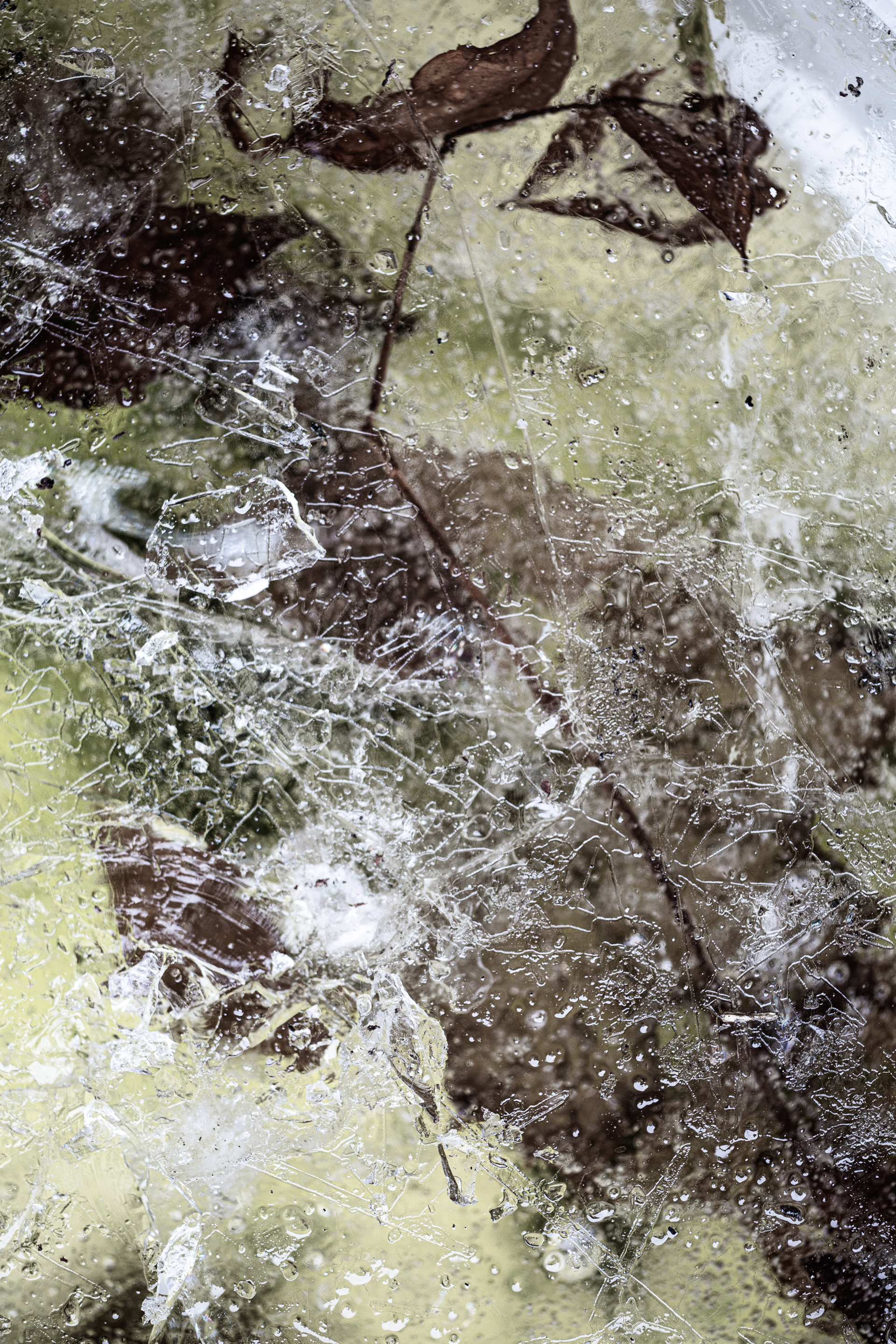
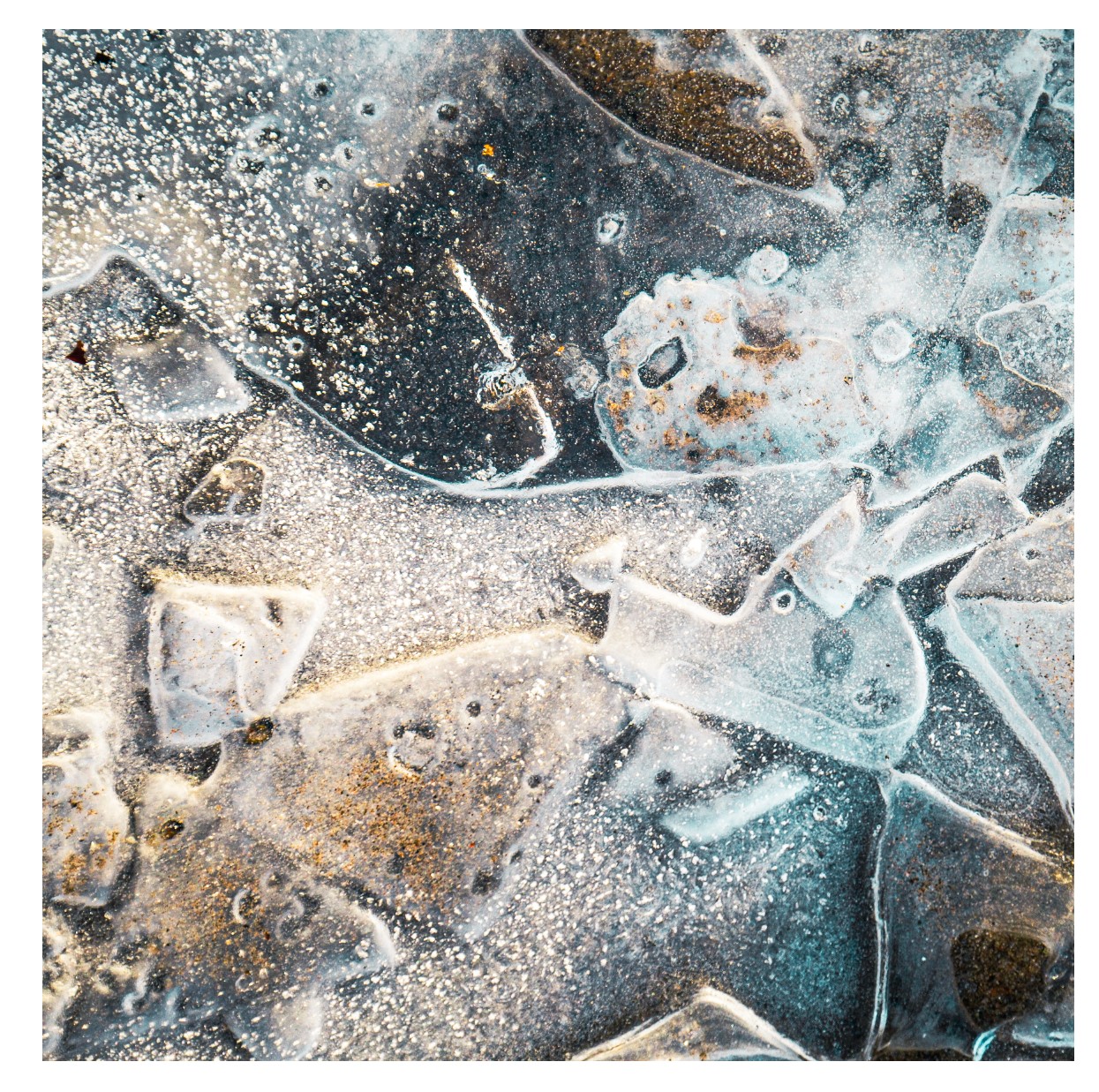
Abstract from ice (modified and updated)

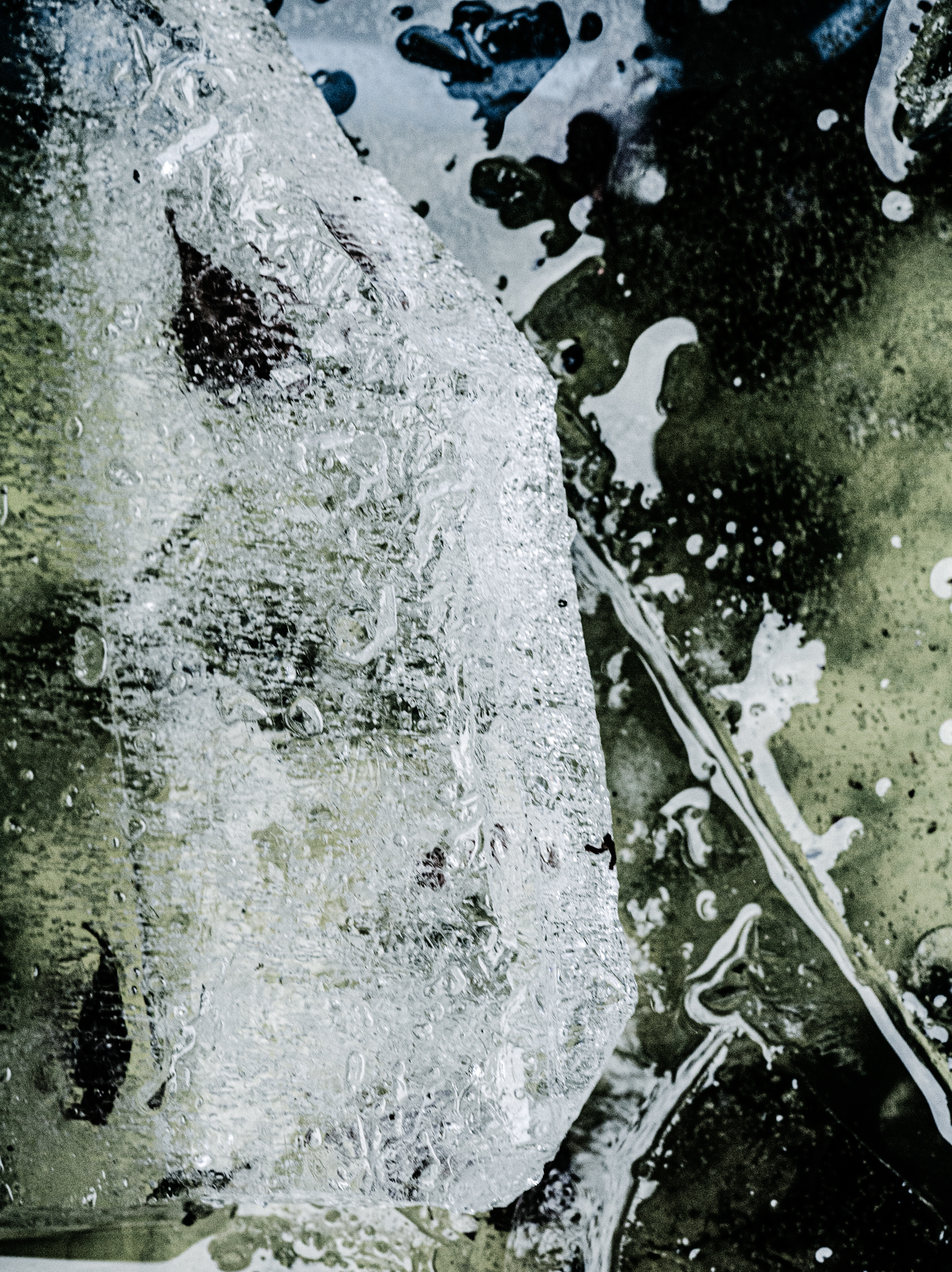
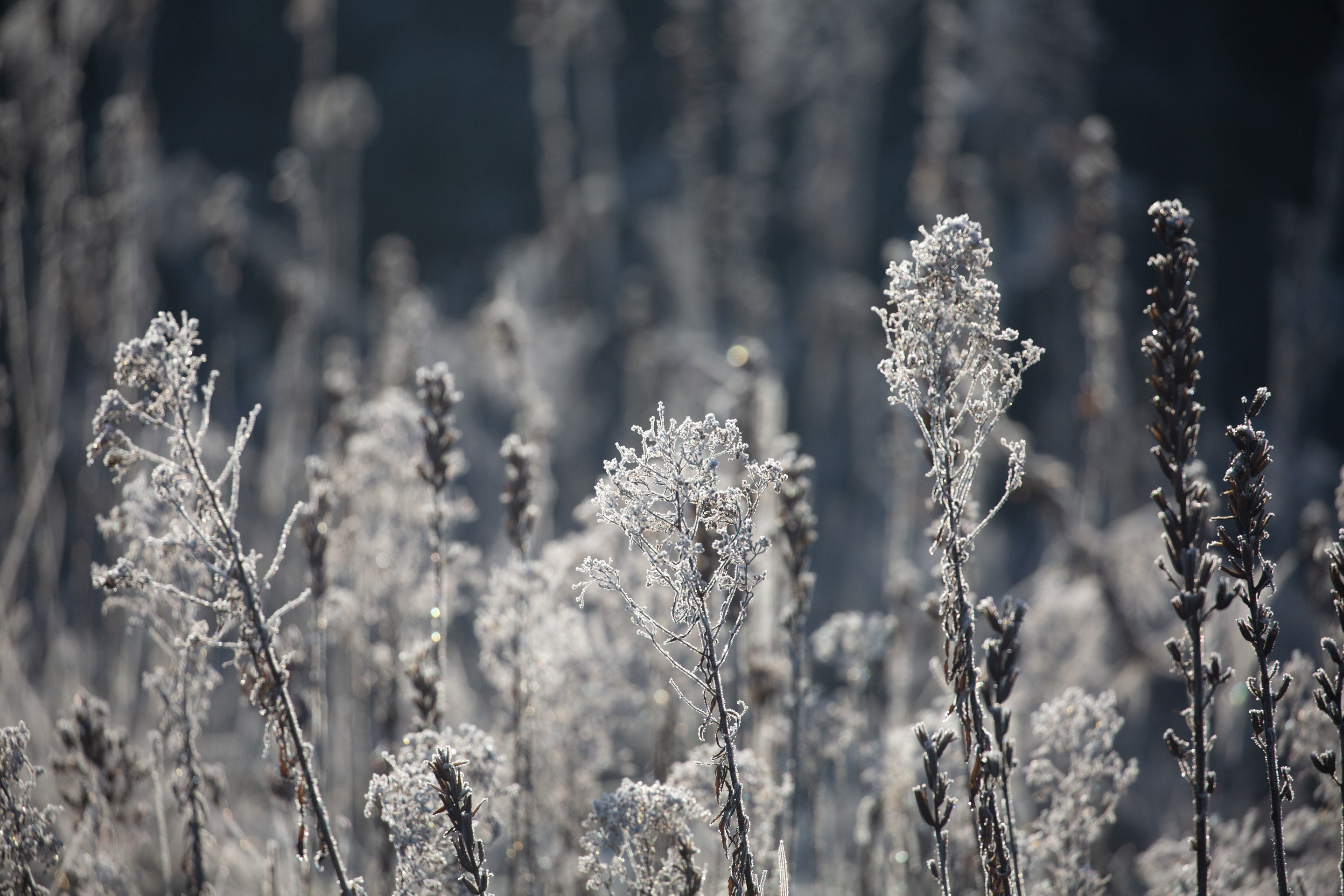
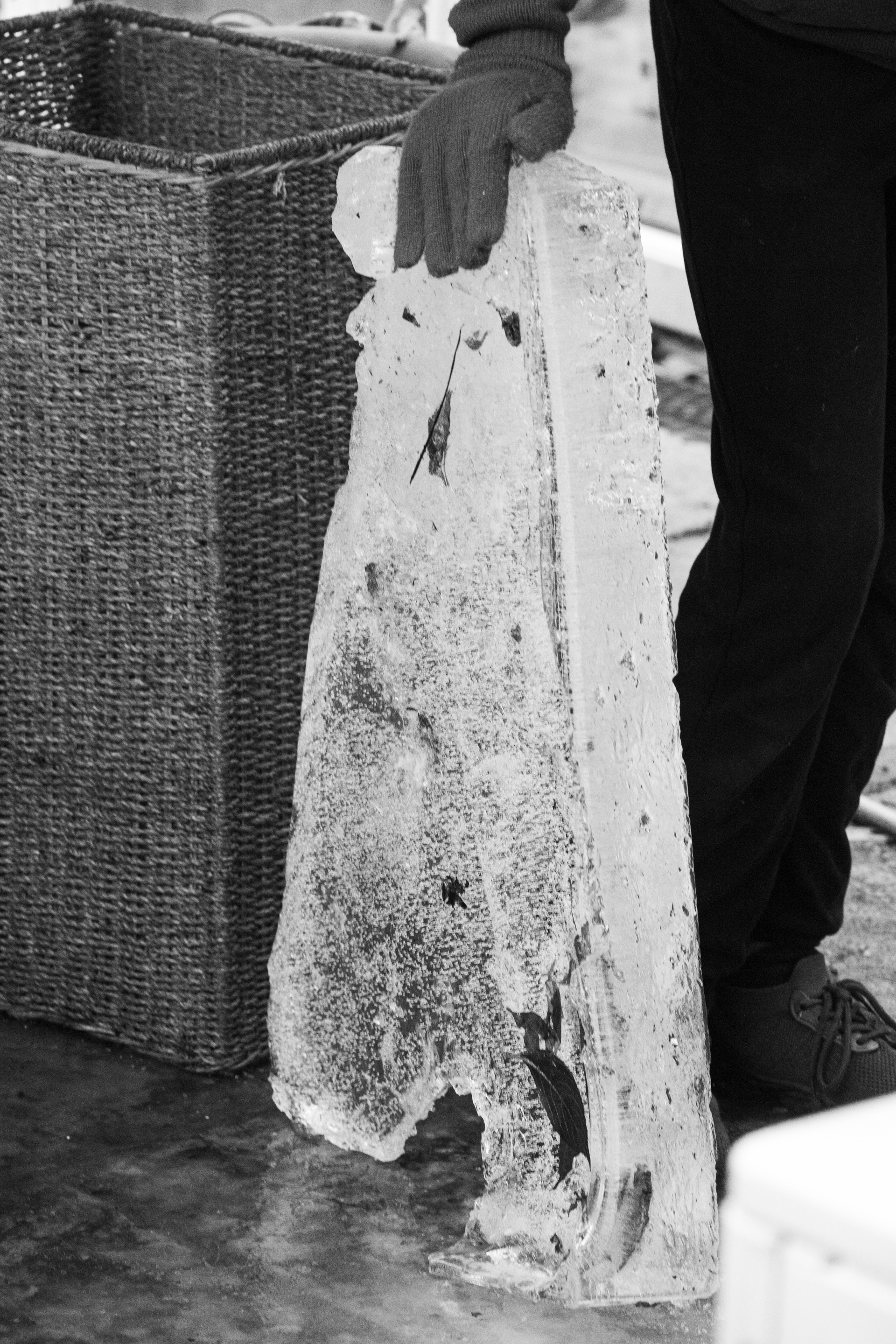
Once upon a time we had a rabbit. The rabbit died over a year ago just on New Year’s Eve. We took the rabbit tray outside, it was in our garden collecting rain water and algae. It was a big cage, capacious. When the big freeze came over the last week all that water with algae froze creating interesting patterns and compositions. I chopped the ice with an old bread tin. It was also filled with heavy ice. Our son lifted it off the tray. He placed it next to his knee to show how tall and thick it was, impressive in size. I photographed the blocks of ice while they were still floating among the icy water and when son was holding the ice.

The algae surrounded them. I then post-processed the photos in Lightroom. My favourite abstract composition is below.

I wonder what you think of it all?

Let me know.

x

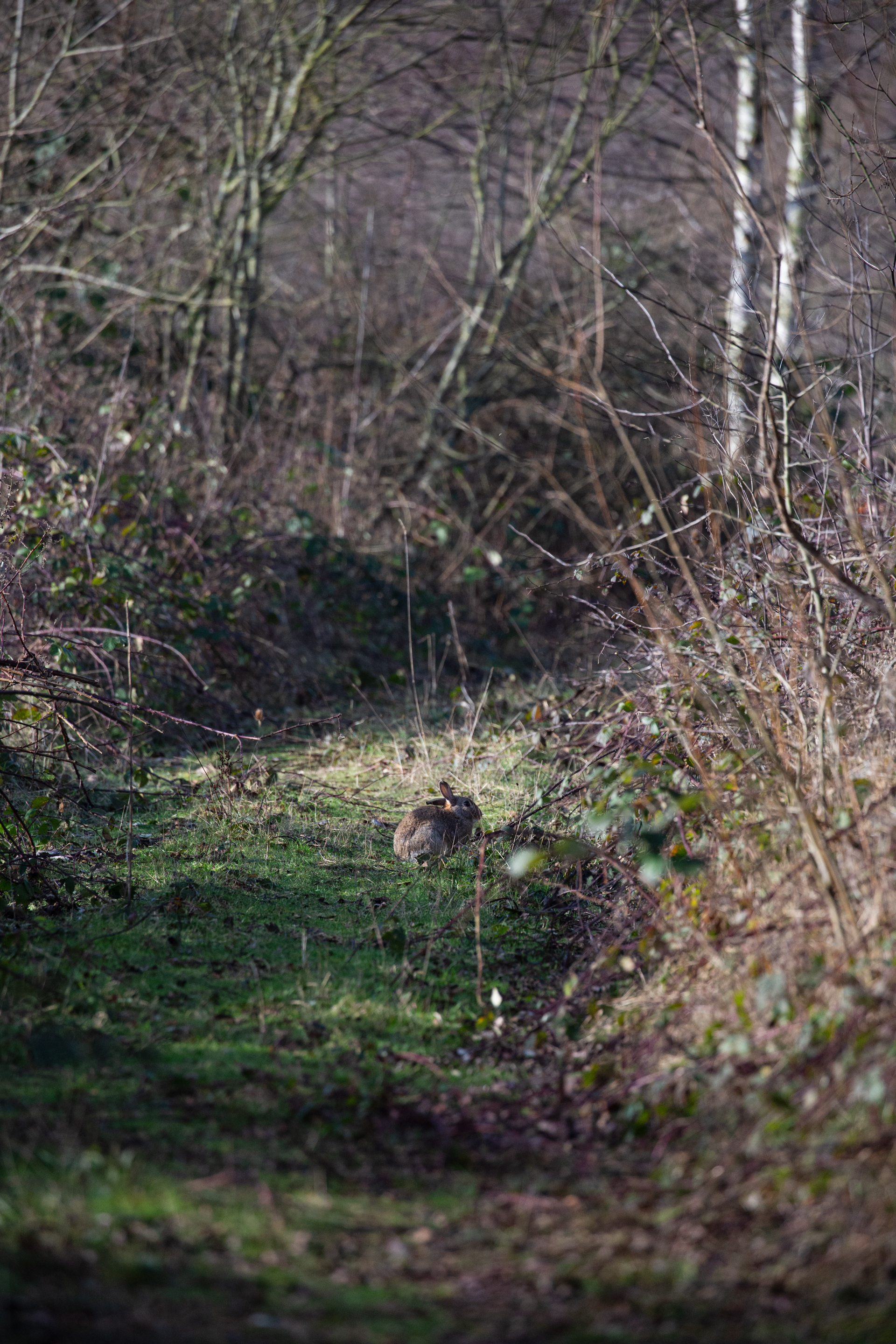
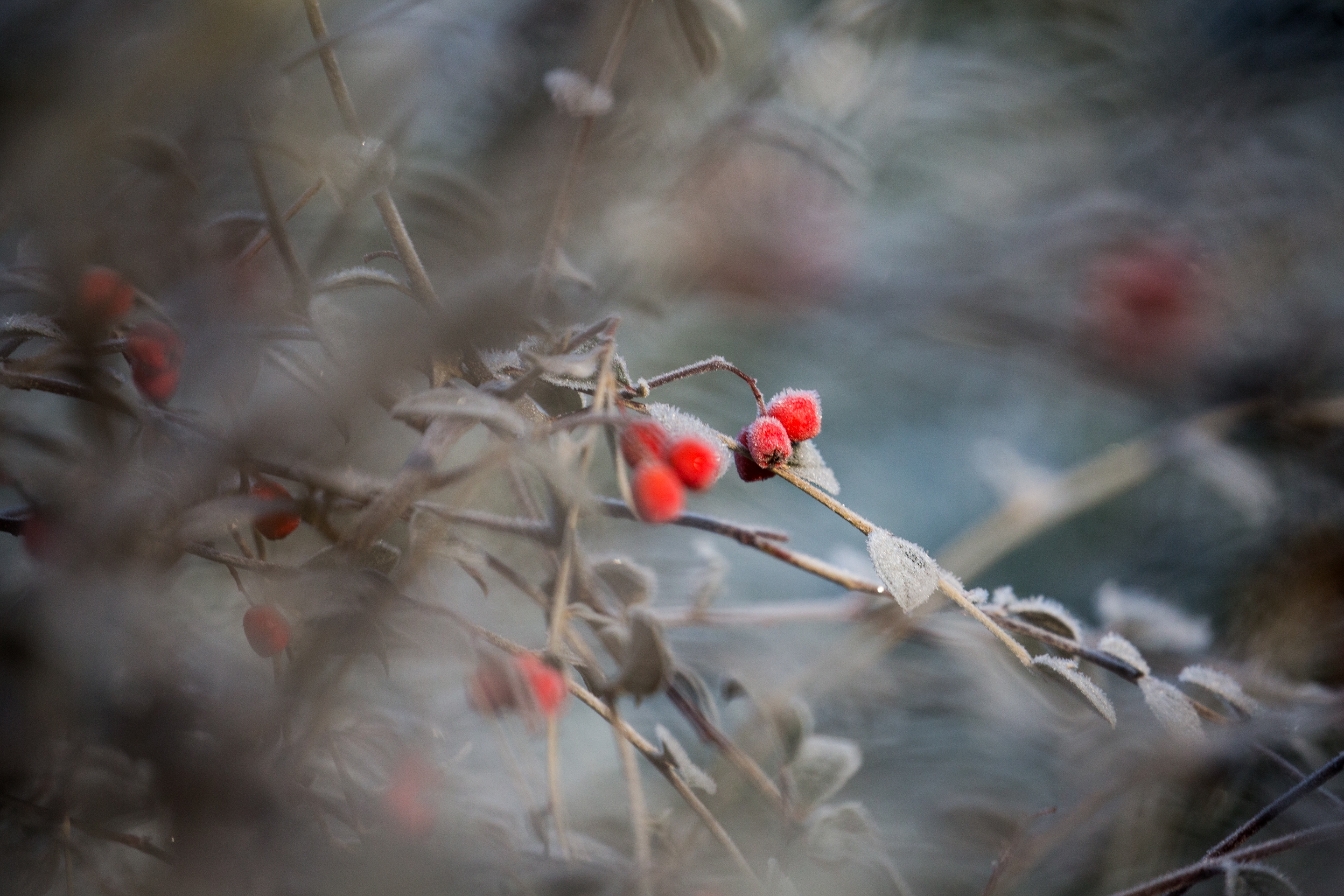
And yesterday while walking, I met this little being. I think its eye is in the abstract.

Writing and photography: Alicja Pyszka-Franceschini, 2025, Home Studio, Derby, UK. Outdoor photo taken in Willington, South Derbyshire.

Updated 16.01.2025.

Thankful

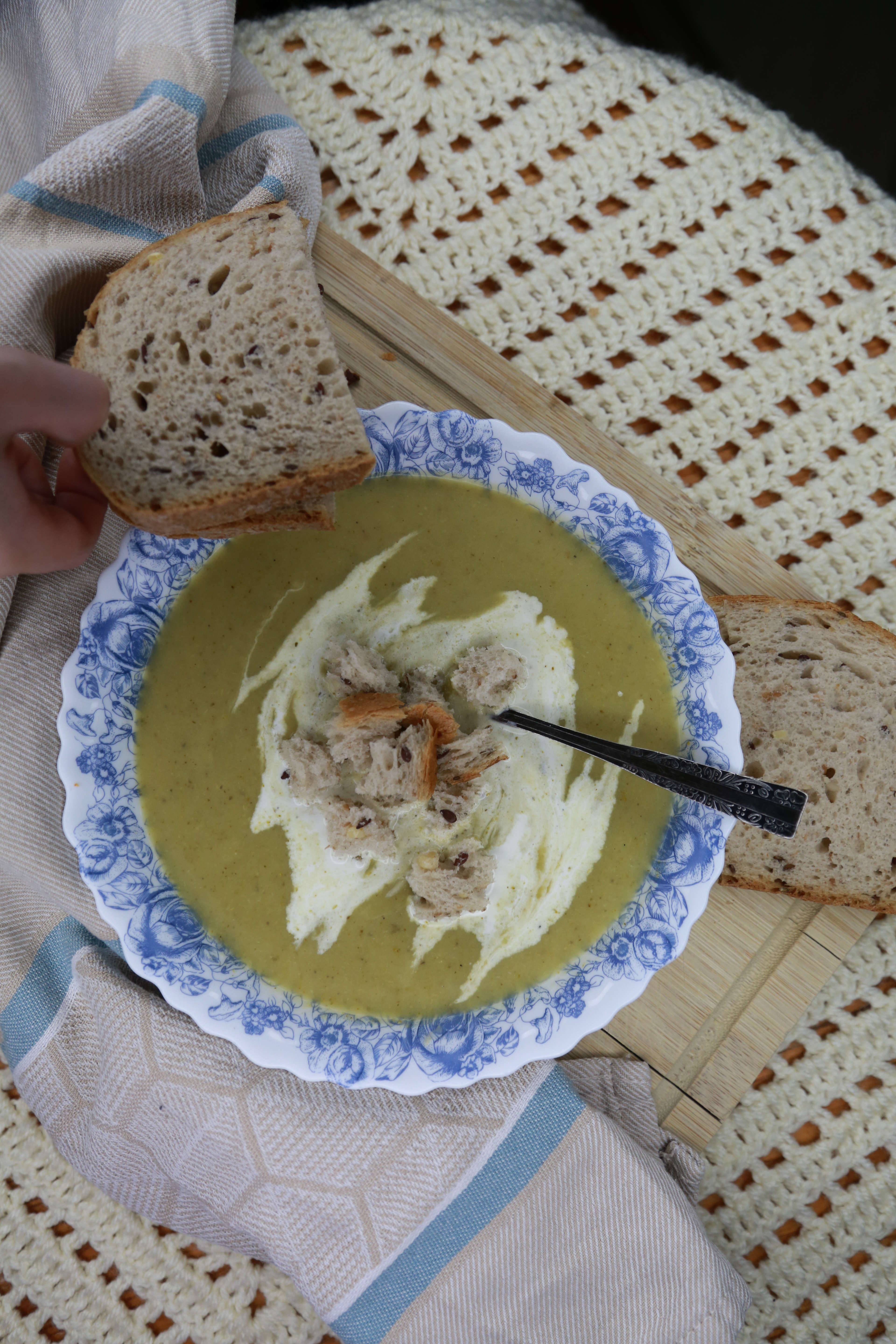
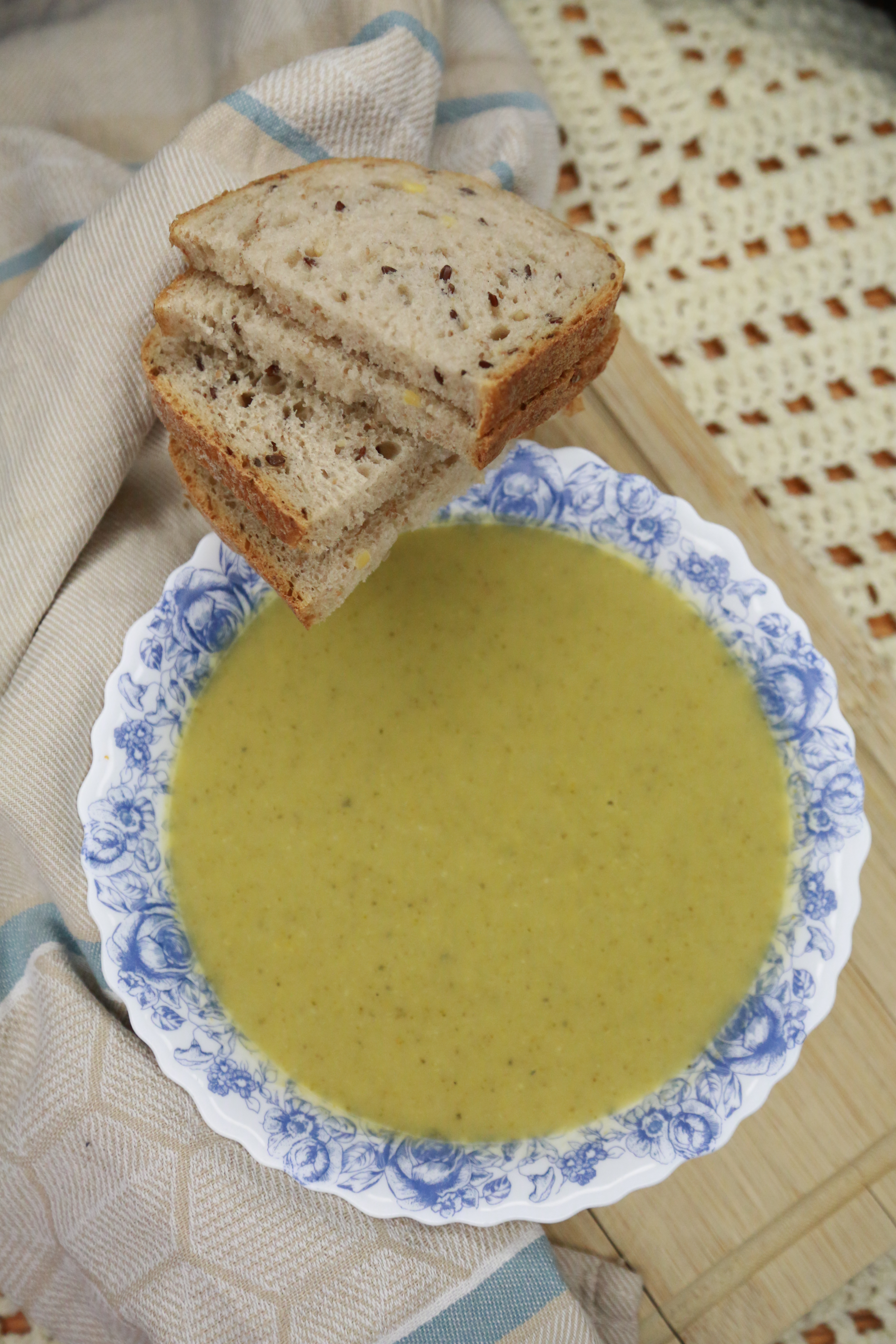
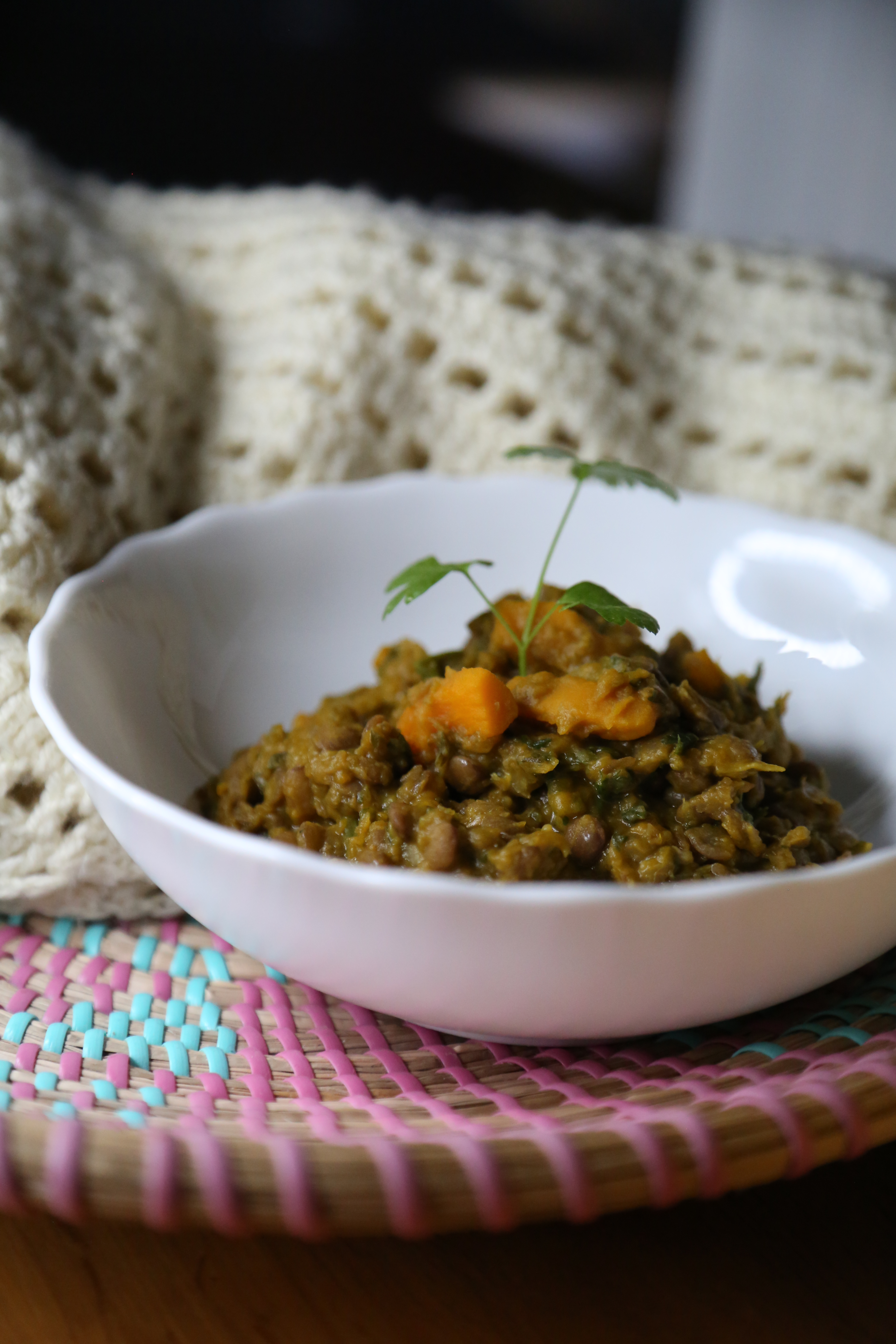
I’ve got an impression that last winter my mother was making this soup every three days for our children. Her grandson was competing with himself to see how many bowls he could comfortably consume. We all looked at him in disbelief, wondering where that quantity was disappearing. Surely, he was not spoon-feeding the dogs under the table. He loved it. Everyone else did too. They gladly returned from the cold and sat in front of a steaming bowl and each bowl came with a piece of popular Polish bread showered with flax seeds. Yummy.

Do you cook? What do you like making?


The knitted cloth that the soup is placed on is actually a scarf made by my aunt. It is so warm, you won’t believe. Shoulders wear it gracefully indebted to my aunt for many hours of her work. I was comforted by the softness of the scarf. The warmth of the soup also brought reassurance. I am grateful that my mum and aunt keep their skills fresh and that they continuously make an effort. It is mesmerizing to see how things emerge in other people’s hands. As if from nowhere…

Creativity blossomed in our house over the weekend. Icy weather gave us many opportunities to refresh and revive our spirit and gave us hope for a good and creative year. I hope you are feeling equally energized.

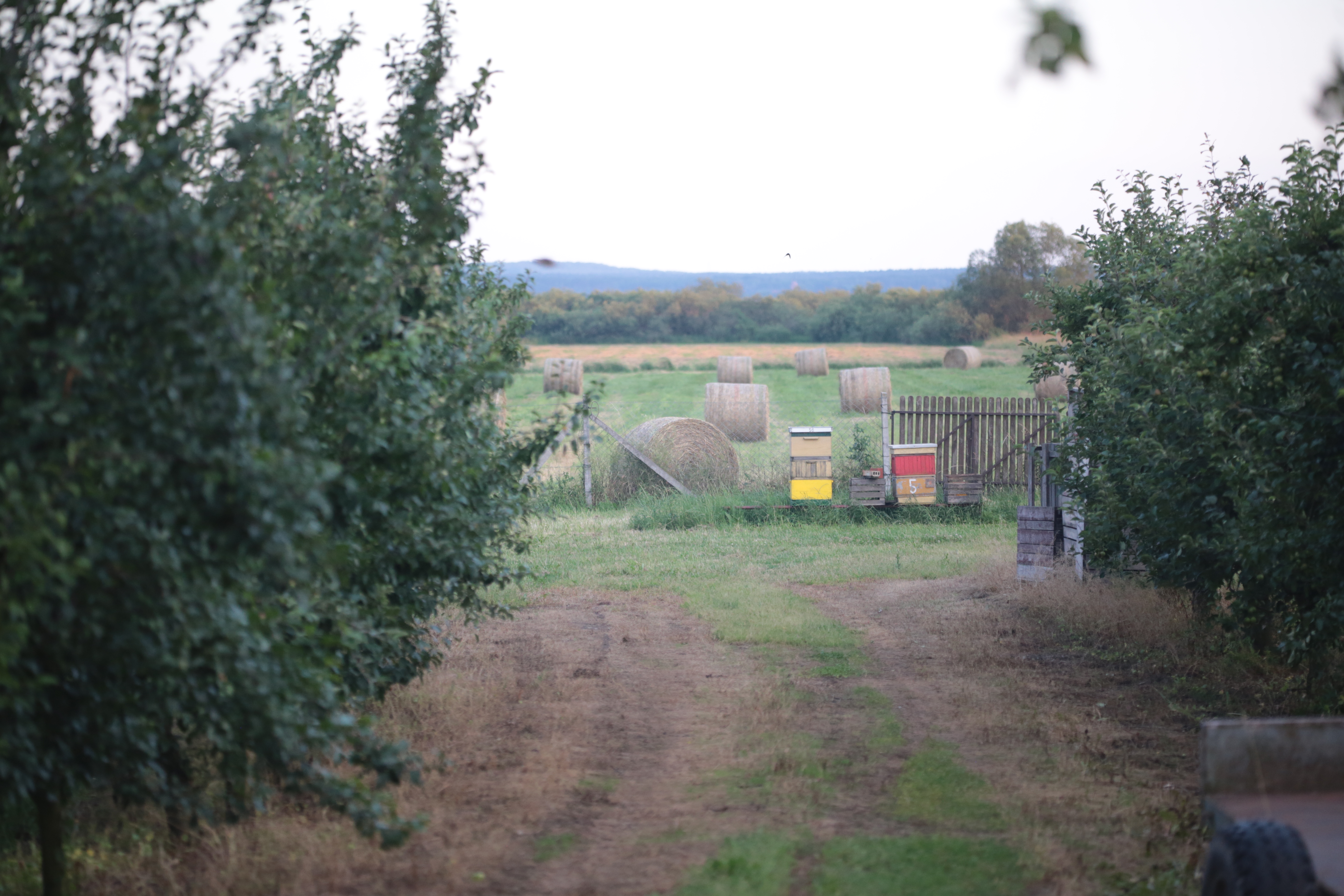
The photos of the soup were taken last year in Poland. The photo of my children was taken in Melbourne (UK) at Woodhouse Farm. Many thanks to Brian Woodhouse for allowing me to take photos on his farm and fields.

Below is a photo from my parents’ place in Poland.

*Corrected draft.

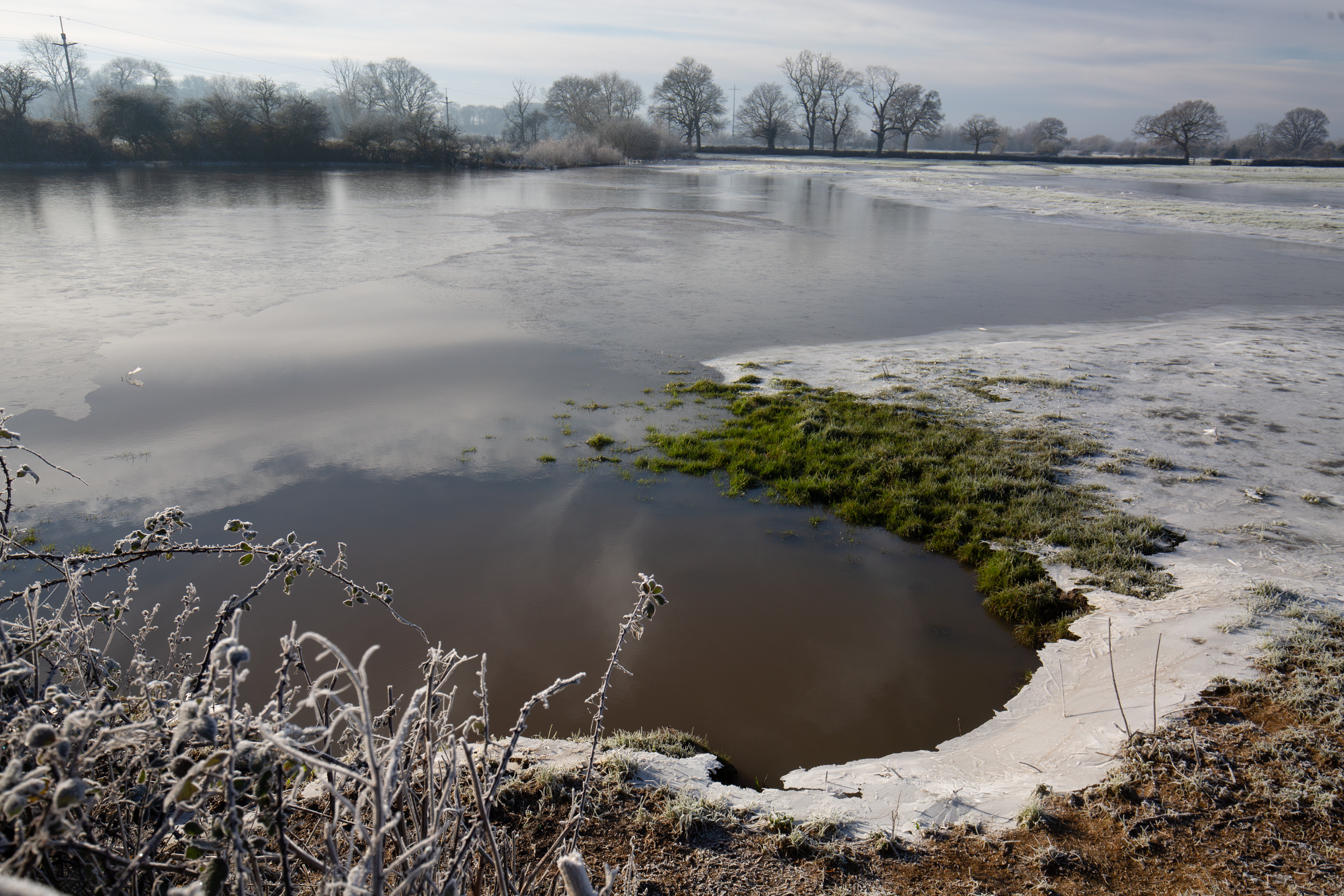
Gratitude for ice

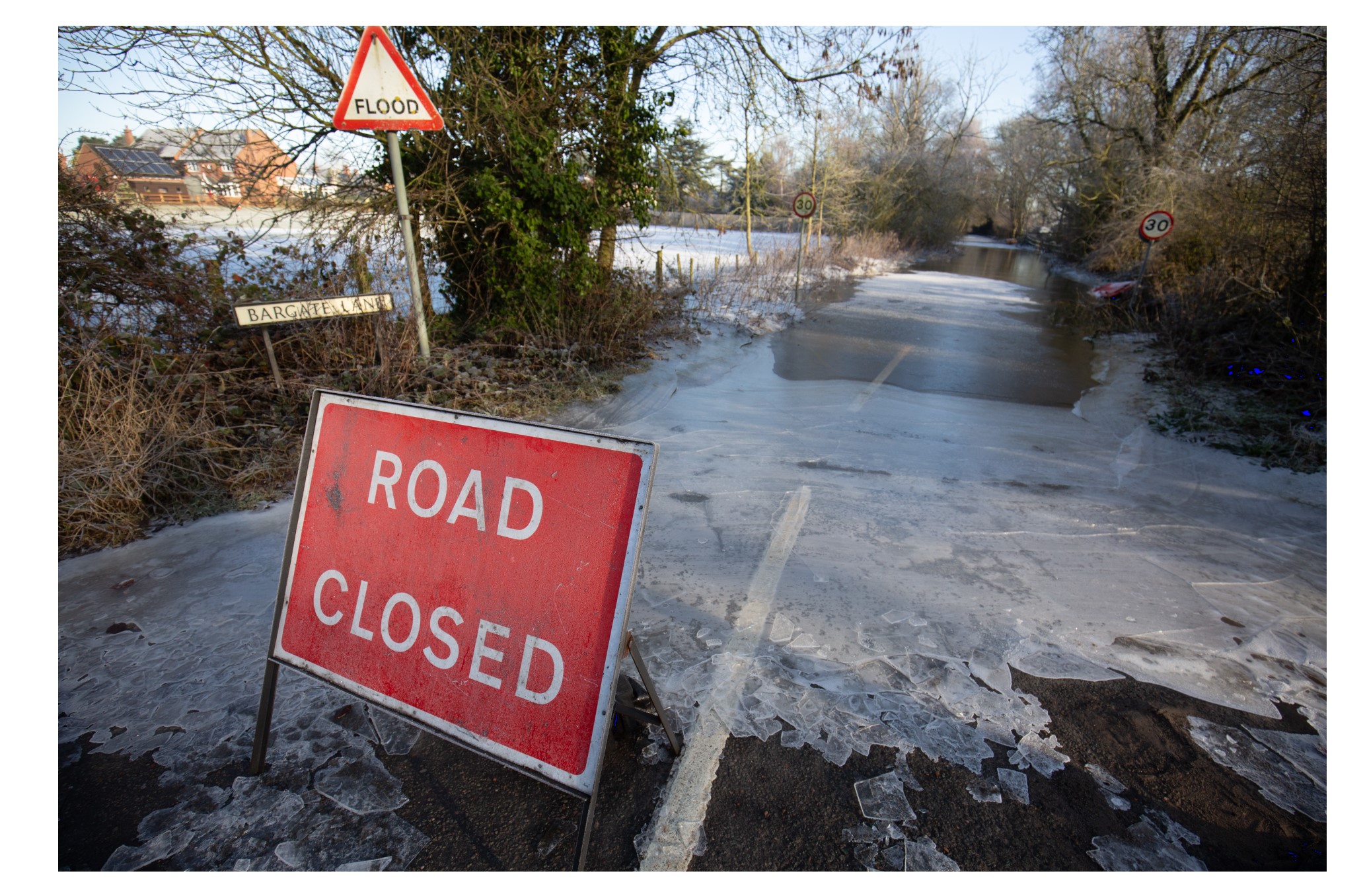
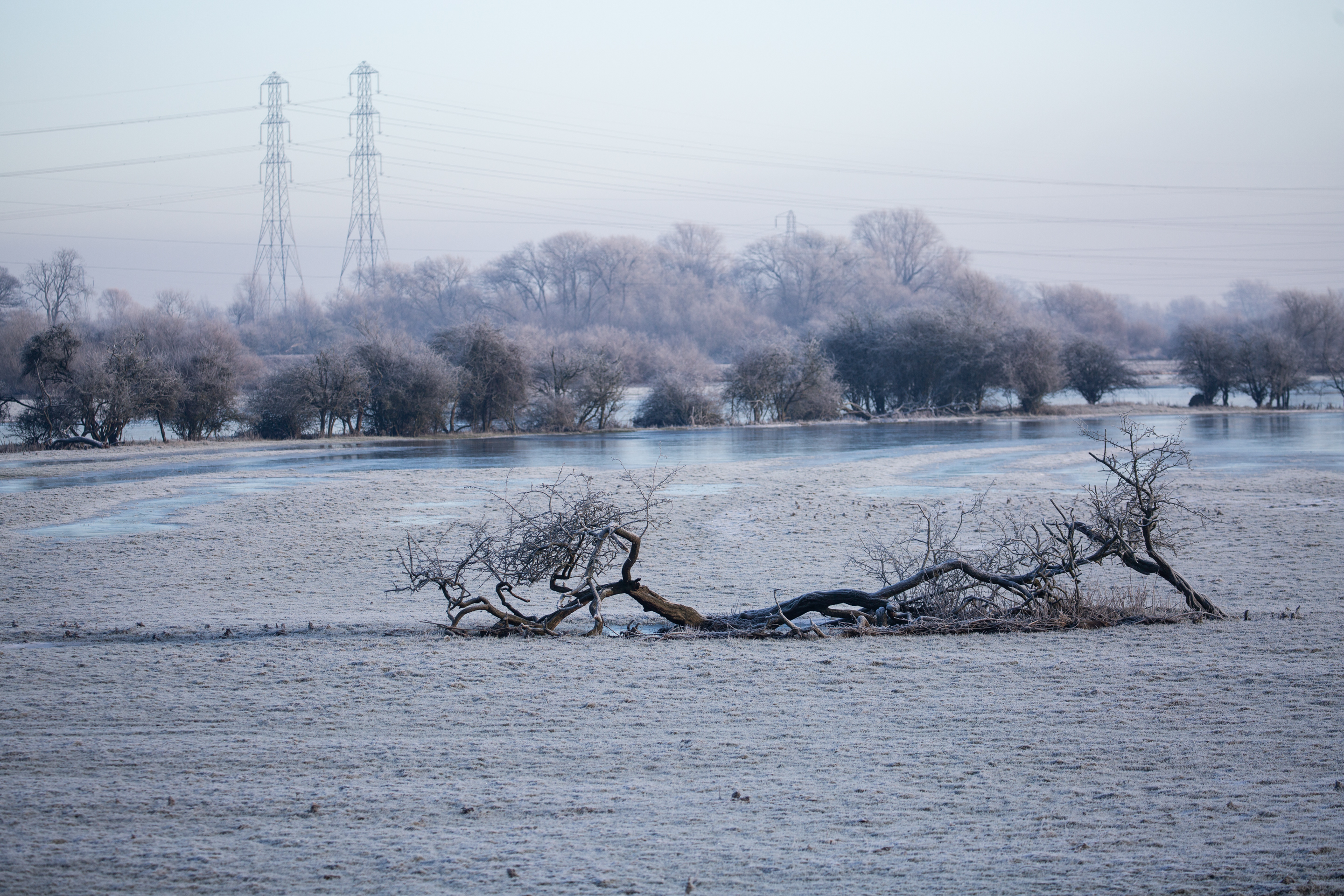
It’s hard to see this. This amount of flooding and the road closure. It is easy to become overwhelmed. After all, we see Earth in a trauma response. With a compromised immunity system. When we cross Earth’s boundaries, Earth crosses ours. You feel this too? And yet Earth never stops being generous. Giving beyond the easily discernible. It tells us to look harder, better. Beyond the ‘road closure’ sign. There is art to be grateful for.

Two pieces of work abstracted from ice. Mostly created on this road.


Willington, Derbyshire, UK.

Work of Alicja Pyszka-Franceschini, 2025.

Oh, by the way, I updated

my photo art portfolio. You can see it here: https://a-credible-dreamer.co.uk/

I have one more post to share soon. Expect a new arrival on Sunday.

I hope you are really taking care of yourself. Make use of the refreshing icy weather if you’re based in this hemisphere. And do what makes you happier and stronger. Speak soon. x

But then, on the other hand…

But then, on the other hand…

written over a few days during Christmas

We are all at home today doing jigsaw puzzles, listening to this relaxing music for children and experiencing some magic on the screen. It gives the room a warming atmosphere and it gives a festive touch to the living room bringing the fairy tale land inside the house.

‘Look mum, what I’ve done?’ our 5 year old said feeling a bit better today albeit still quite feverish. She took clear tape and wrapped it around a piece of card. ‘Look mum, I have a wiping board now.’ We practise writing and drawing on it and it was brilliant. Yesterday, she took a hoop and danced with it around the room to piano music, fluey but determined that ‘bed rotting’ is not what she would succumb to. Have you heard about it? In essence, it involves idling around in bed with food around watching videos, flicking through the phone or watching TV series and it is an increasingly common form of rest. Not necessarily the most helpful to our nervous systems long-term but it’s easy to understand the allure of it. (You can read about it here. The article is in Polish but Google can translate it for you.) The term itself, however, seems to me like a good blocker to excessive indolence. I hope our 12 year-old will embrace it in his lingo.

There is a pink silicone pig walking on our floor right now.

‘What do you like most?’ I asked my 5 year old.

‘Mum and pizza’.

‘And if you had to give up Mum or pizza, what would you give up?’

‘Play. I would give up play.’

Children are smart. Their instincts rule. They rely on their parents for survival and they rely on food for survival and when faced with a dilemma, they will most likely give up what brings them joy. And I guess that is why there is a pink silicone pig walking on our floor right now.

It’s funny. It’s loud and it has the biggest and the most loving eyes, I’ve ever seen. It makes us laugh a lot by being a keynote speaker at the dining table designed to revitalize our instinctual goofiness. We become as silly as it is by imitating, of course. You just cannot help it, can you? The pig honks, you honk. And so it goes.

What made you laugh this Christmas?

I wouldn’t have got the pig years ago when I was doing the Nothing New project or years later, but now I give in, perhaps too often, in order to remain sane and find internal balance between different societal requirements, personal values and competing ideologies that surround our thinking. I justify the not-so-environmental purchasing choices by ‘wanting to get to know my daughter’ but perhaps it is not the best justification or rationalization to have. Surely, there are hundreds of other ways to get to know her. But maybe it is also the way?

Have you ever watched The Fiddler on the Roof? The main character, Tevye the Dairyman is often torn between choices and decisions to make, mostly whether to allow each of his daughters to marry who they want or not. His internal dialogues are characterised by the phrase ‘but then on the other hand…’ He keeps on weighing the pros and cons of every choice and decision giving in either to the pressures of the outside world or his own feelings about the situation. He calculates. The rights, the wrongs, the benefits and potential losses. Don’t we feel similar today with all the array of choices that we have to make about our ways forward in life and our children’s wellbeing. We want to make a difference in their lives and for their futures and then we are like Tevye… ‘But then on the other hand…’

But then… the reminders or signposting of what is right for them come from our own children.

‘What should I do with my wedding shoes?’ ‘Should we give them away?’

‘Mum, could you keep it for me and then my daughter can have them after me. This would be nice.’

Children don’t always want to discard what we have. They don’t always want to have new things. They often appreciate things and what they appreciate they want to last.

What does that tell us of the power of gratitude?