Photographing children without showing their faces

I promised you a while ago a post with examples of photographs in which I do not show my children’s face or I partially hide it. Many parents prefer not to show their children’s faces and yet they would like to somewhat embrace that part of their life and publicly be happy with it. Here are a few examples of photographs that you can take if this is your preference. They are fairly self-explanatory. All photos taken below are of my family.

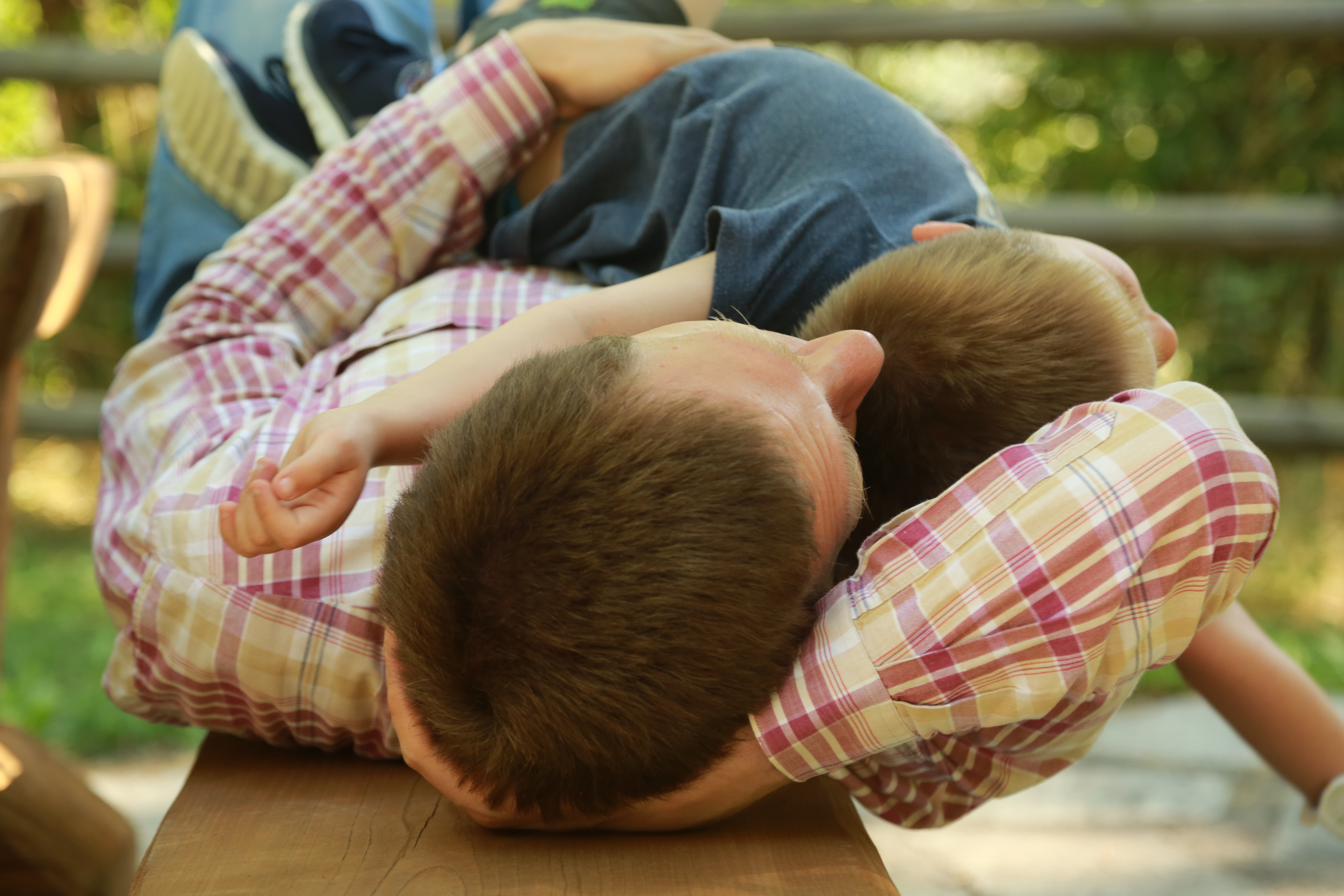
Example 1

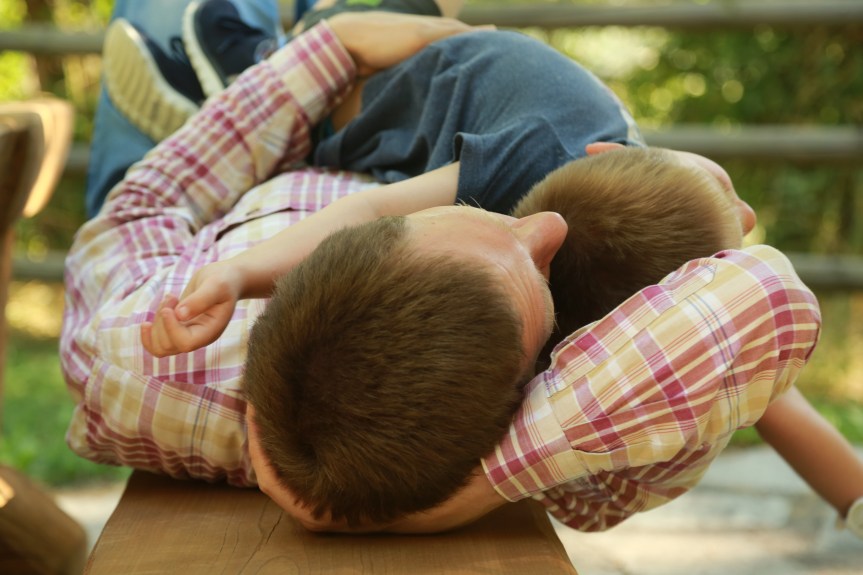
Parental embrace.
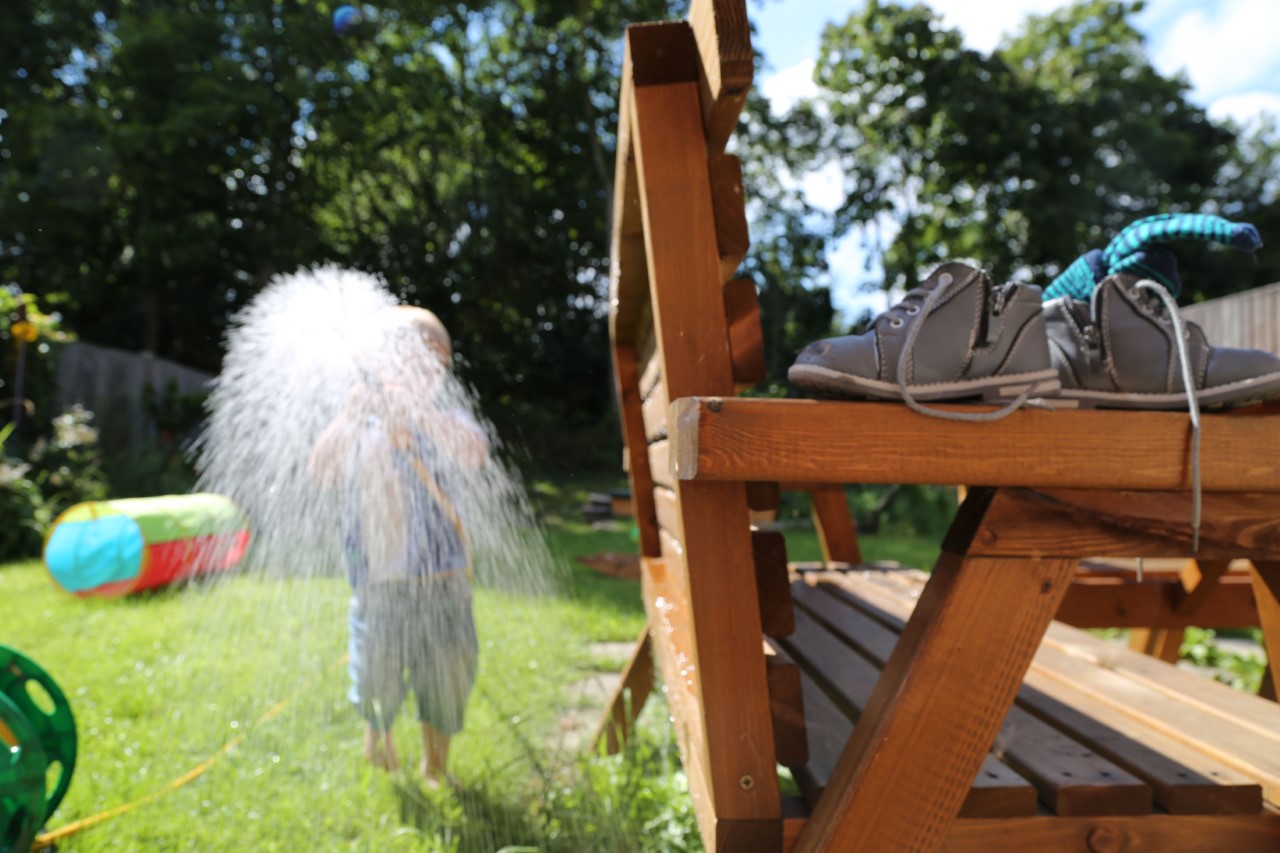
Example 2

Obstructed by water.
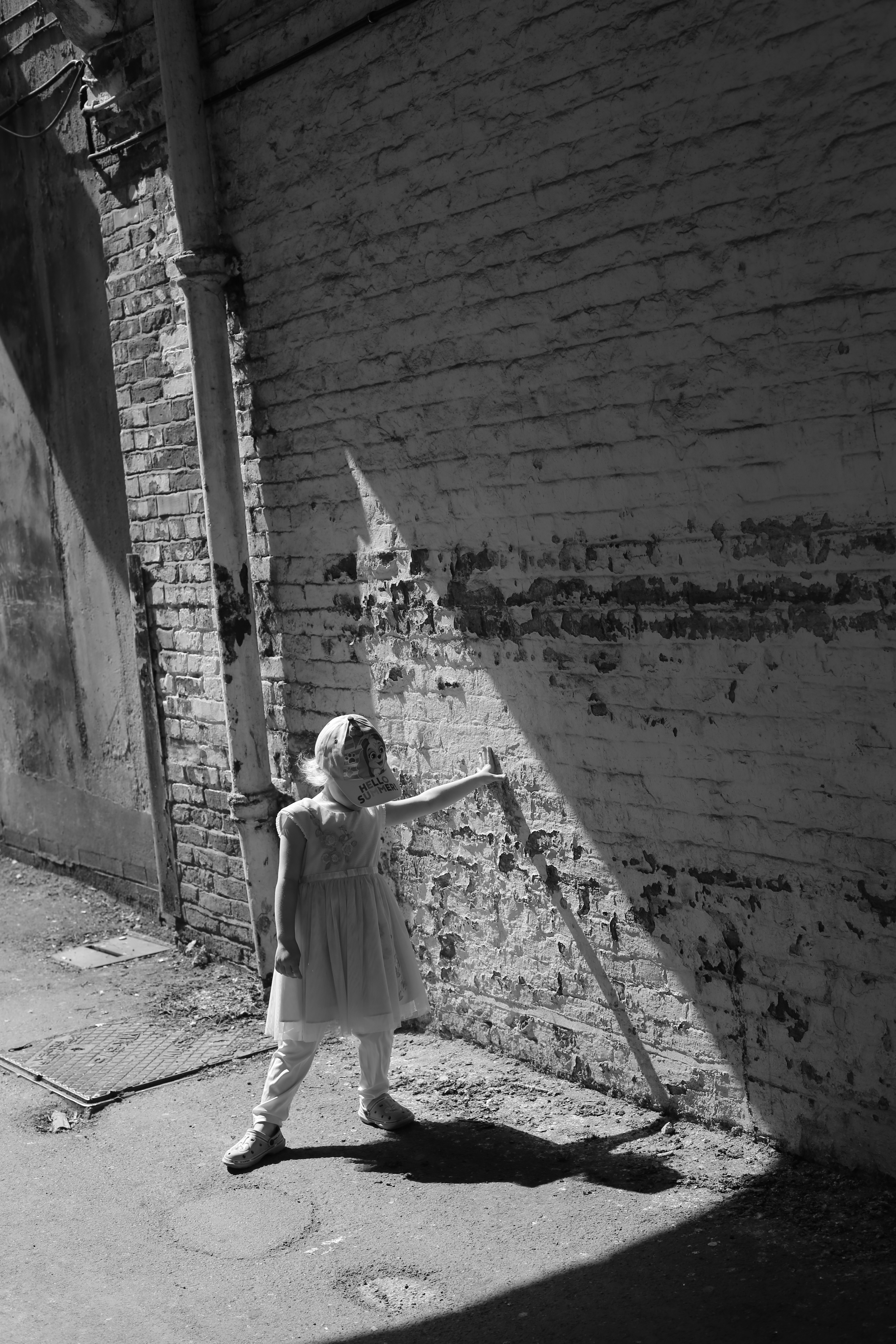
Example 3

Head down with a hat that hides the face.
Example 4

Low light reading.

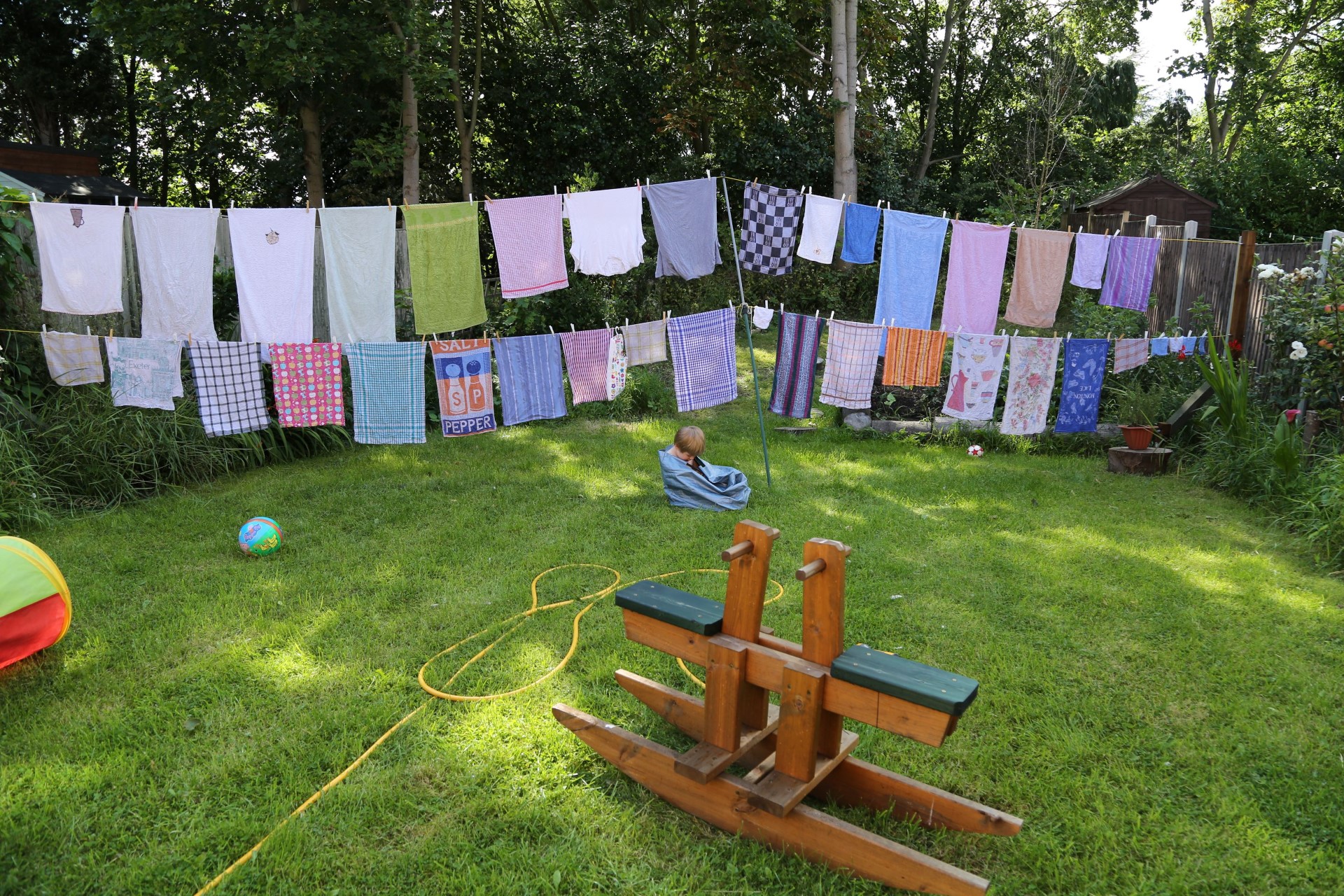
Example 5

Hiding in laundry baskets, laundry bags. Make sure that the face is low enough. In this photo my son’s face shows a little bit.
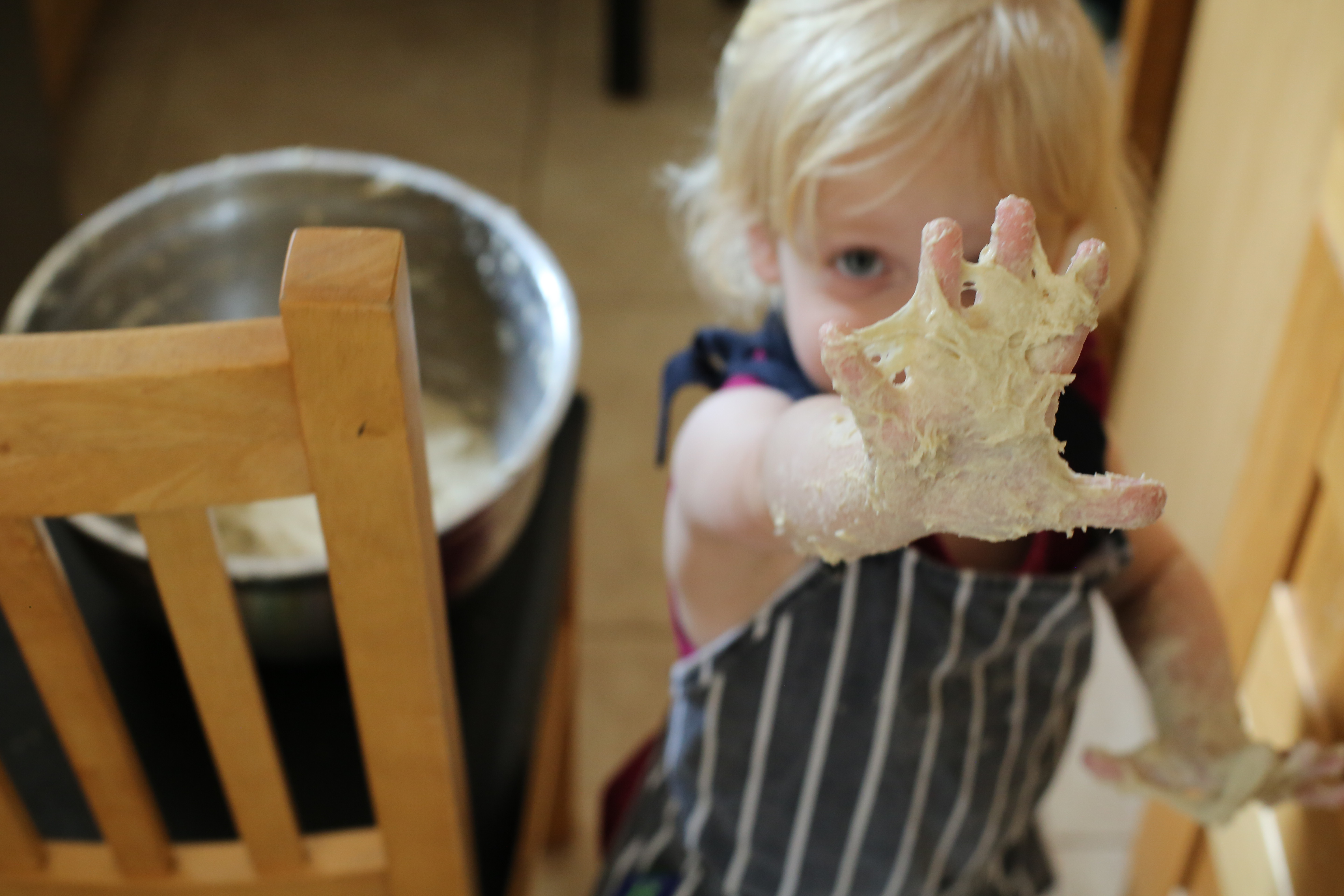
Example 6

‘Show me your hands!’ type of photo. This could be with a dough or play dough or paint whatever your child is playing with at the given moment.
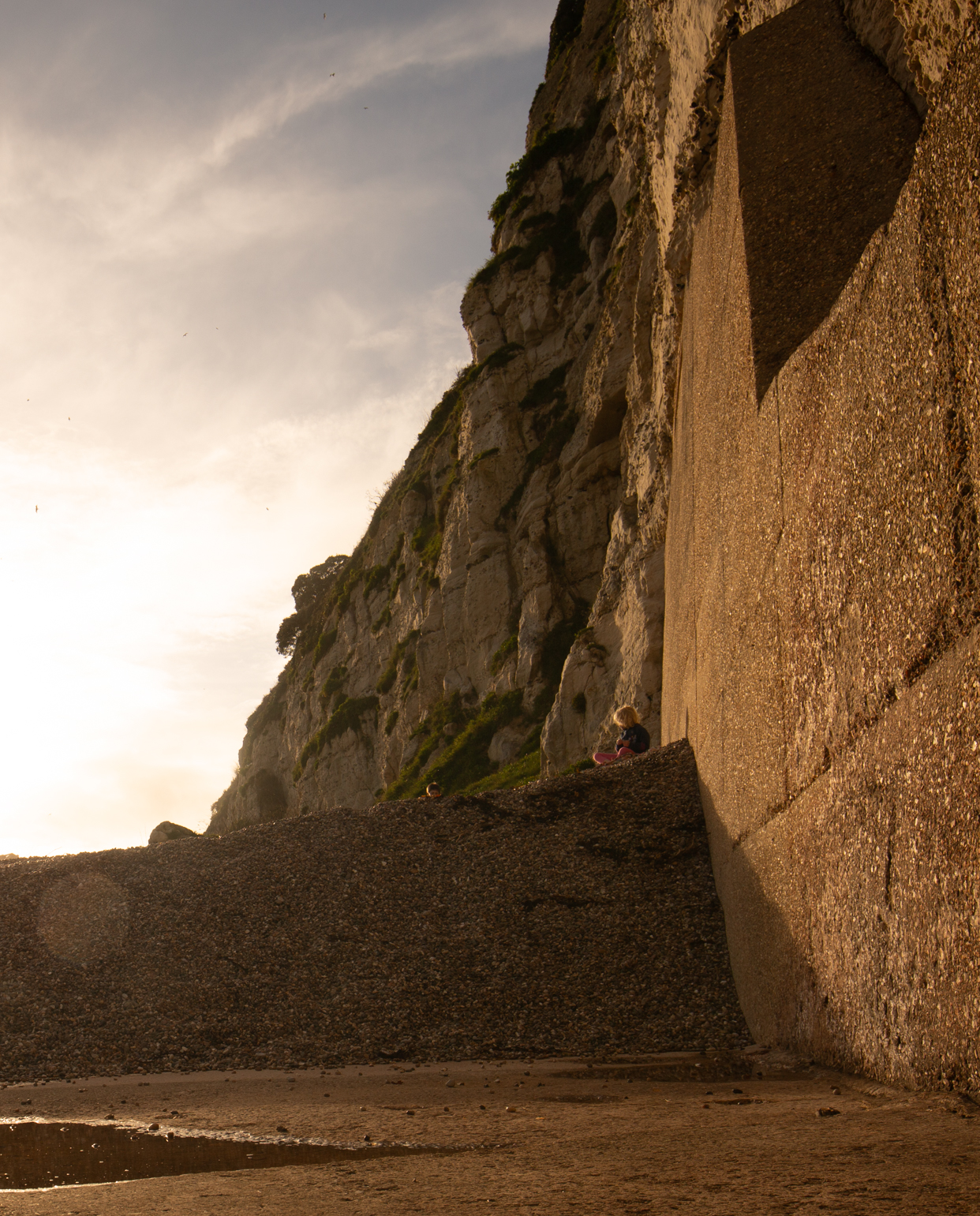
Example 7

Show a landscape feature not your child. Make the child look away from the camera.
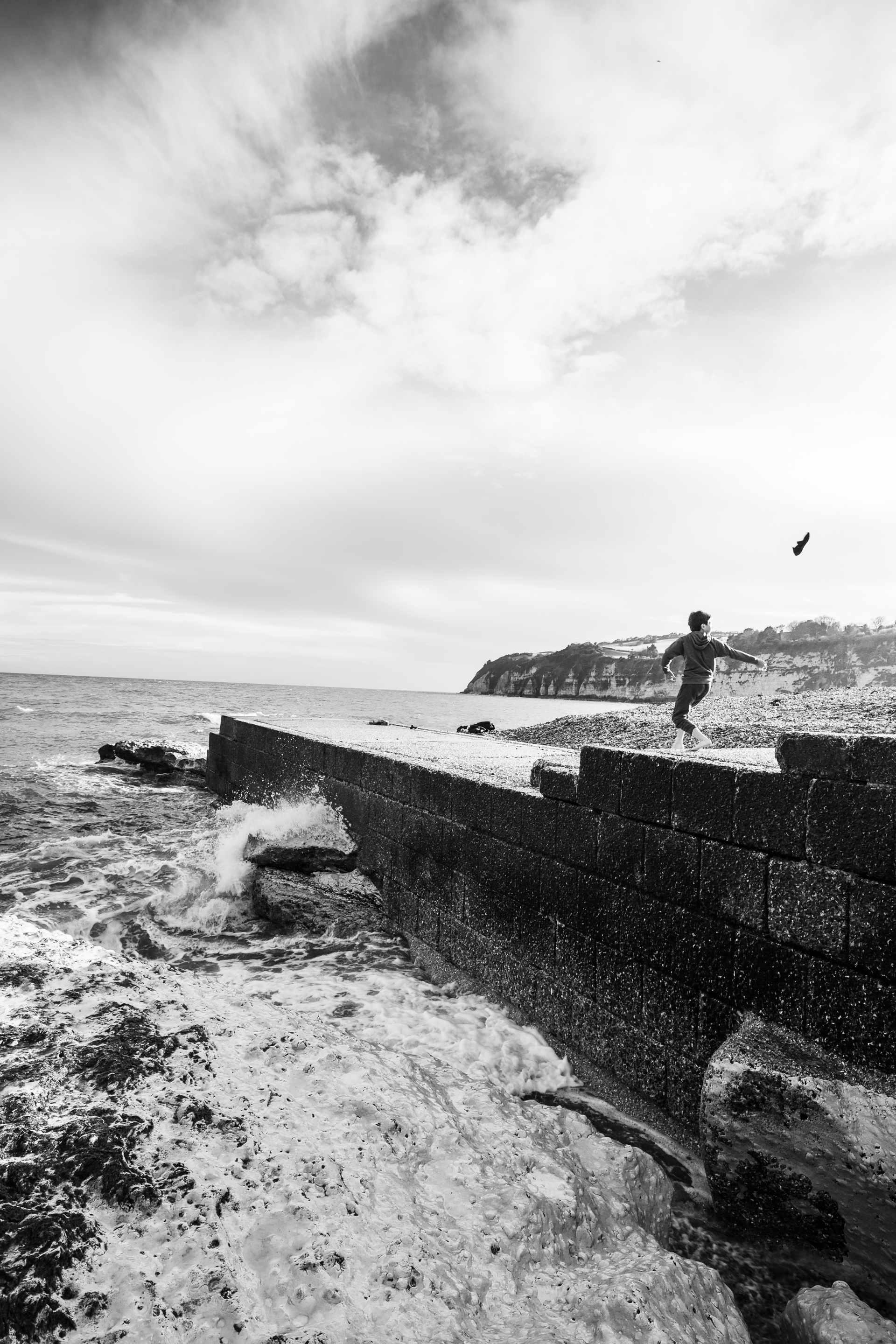
Example 8

Teenager in action at sea. The shoes always fly away there…
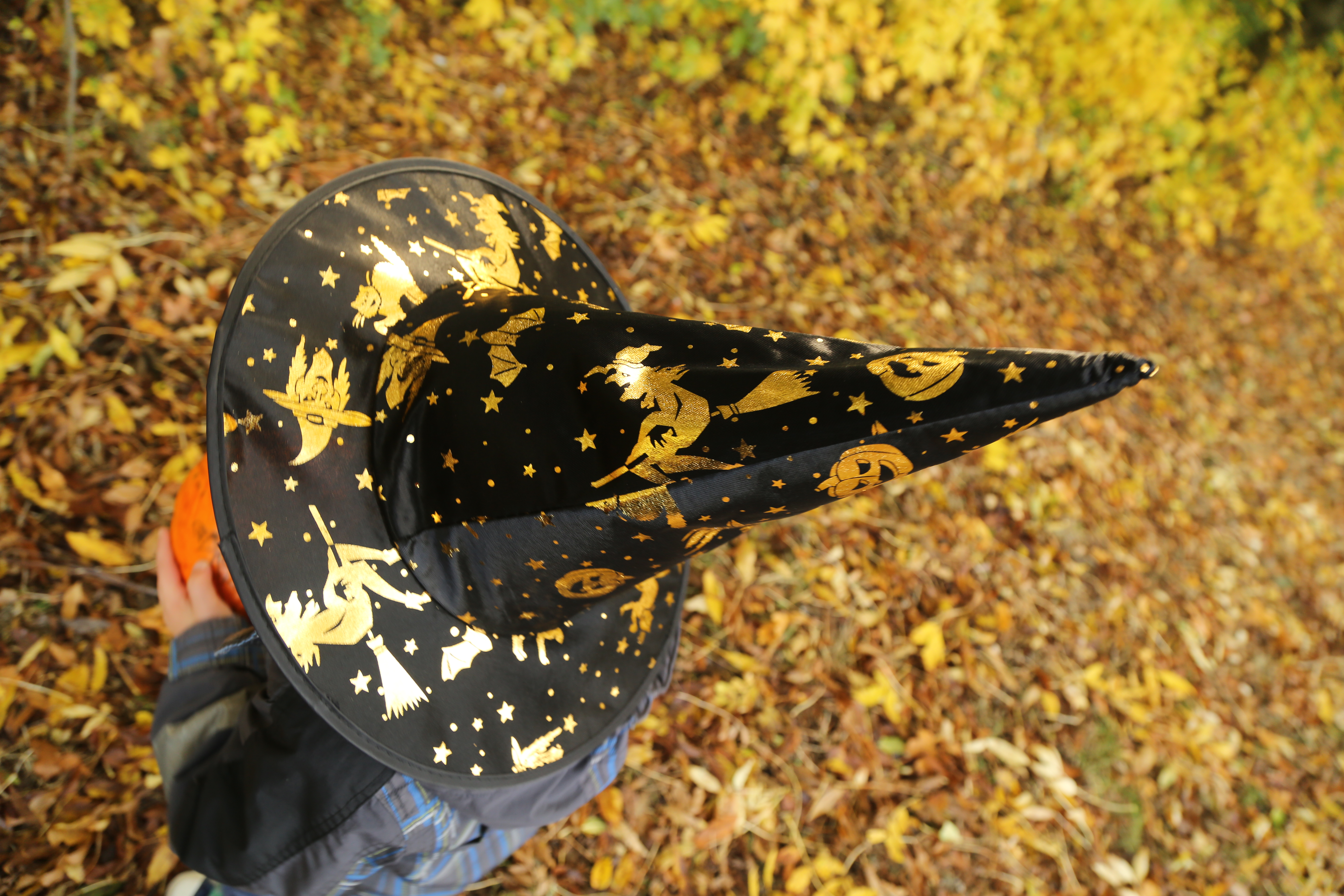
Example 9

Give them a funny hat to wear.
Example 10

You can hide them in one of those… This one was taken at Heights of Abraham, Matlock Bath, Derbyshire.
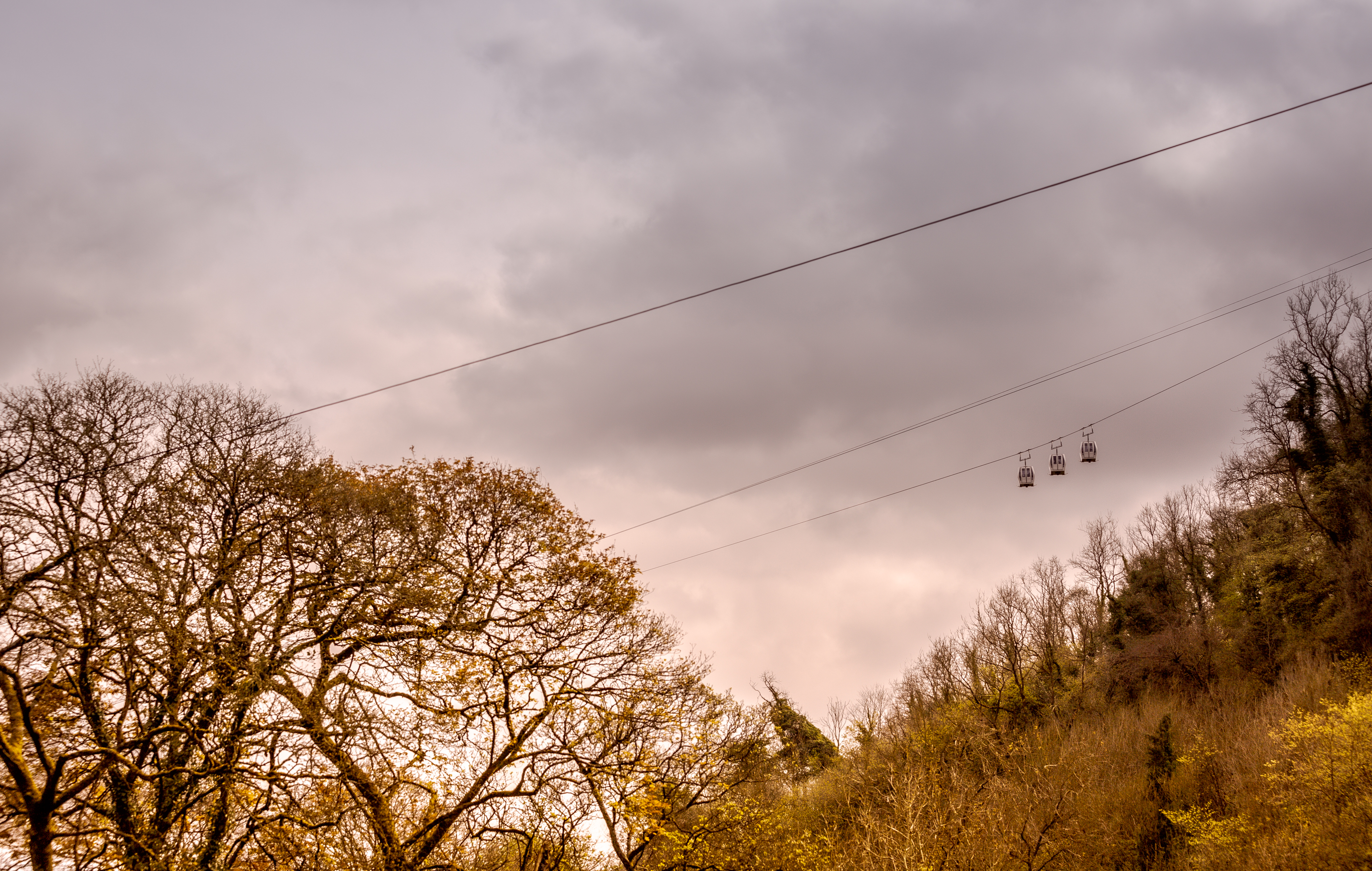
Example 11

Create silhouettes with a visible object in hand.
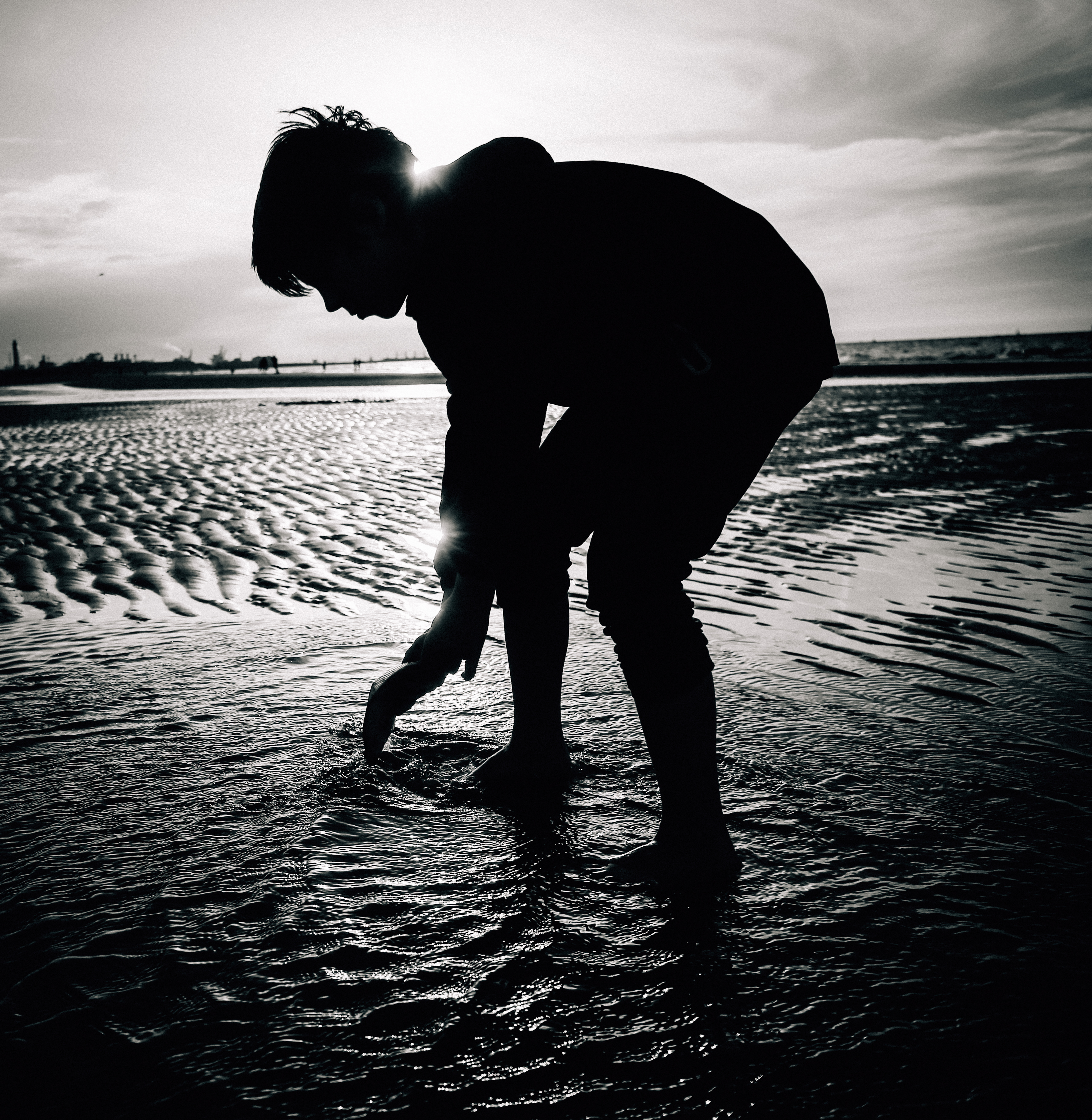
Example 12

Put yourself with a child into a shadowy corner the background is lit.
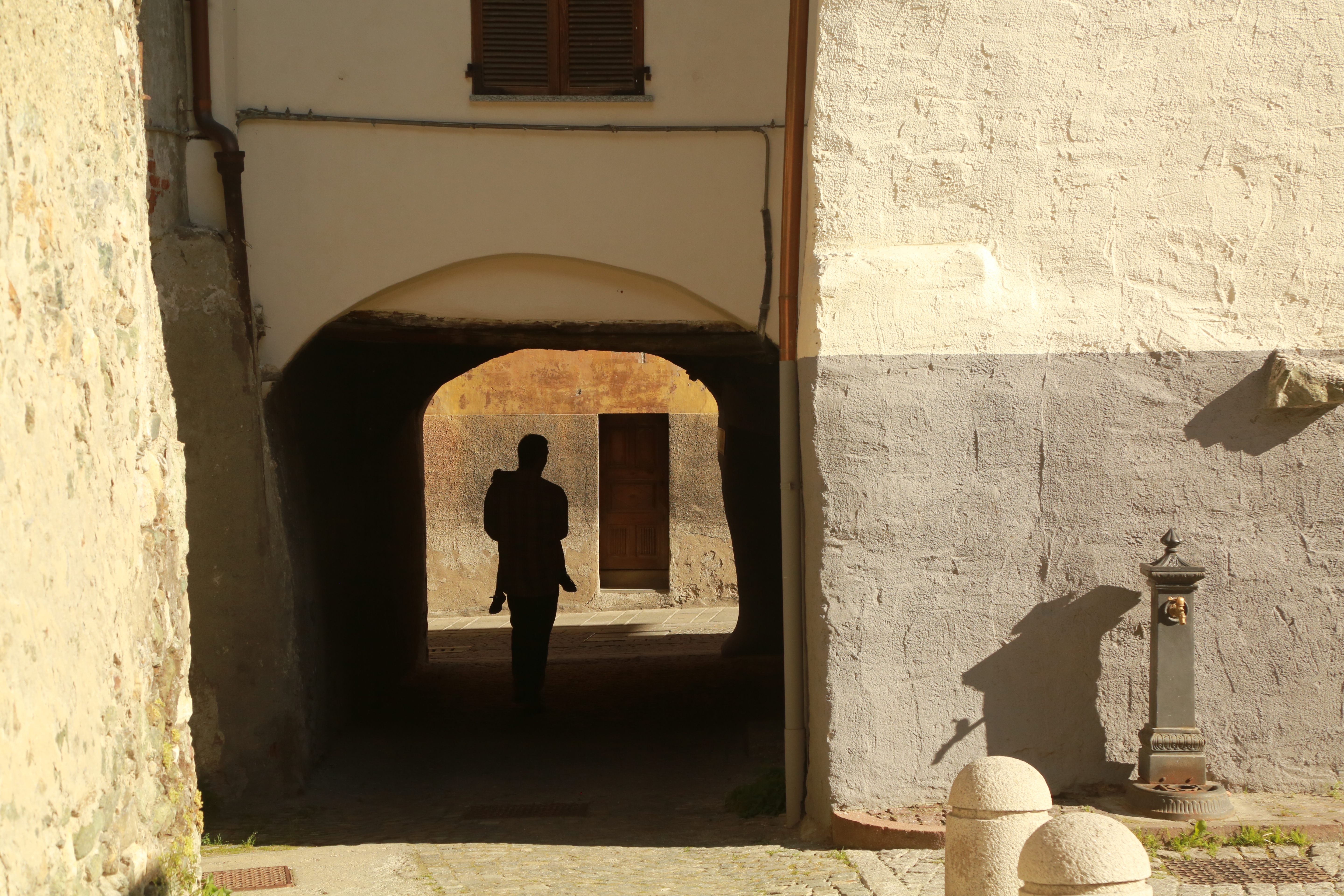
Example 13

Create close-ups while being on the side of your child.
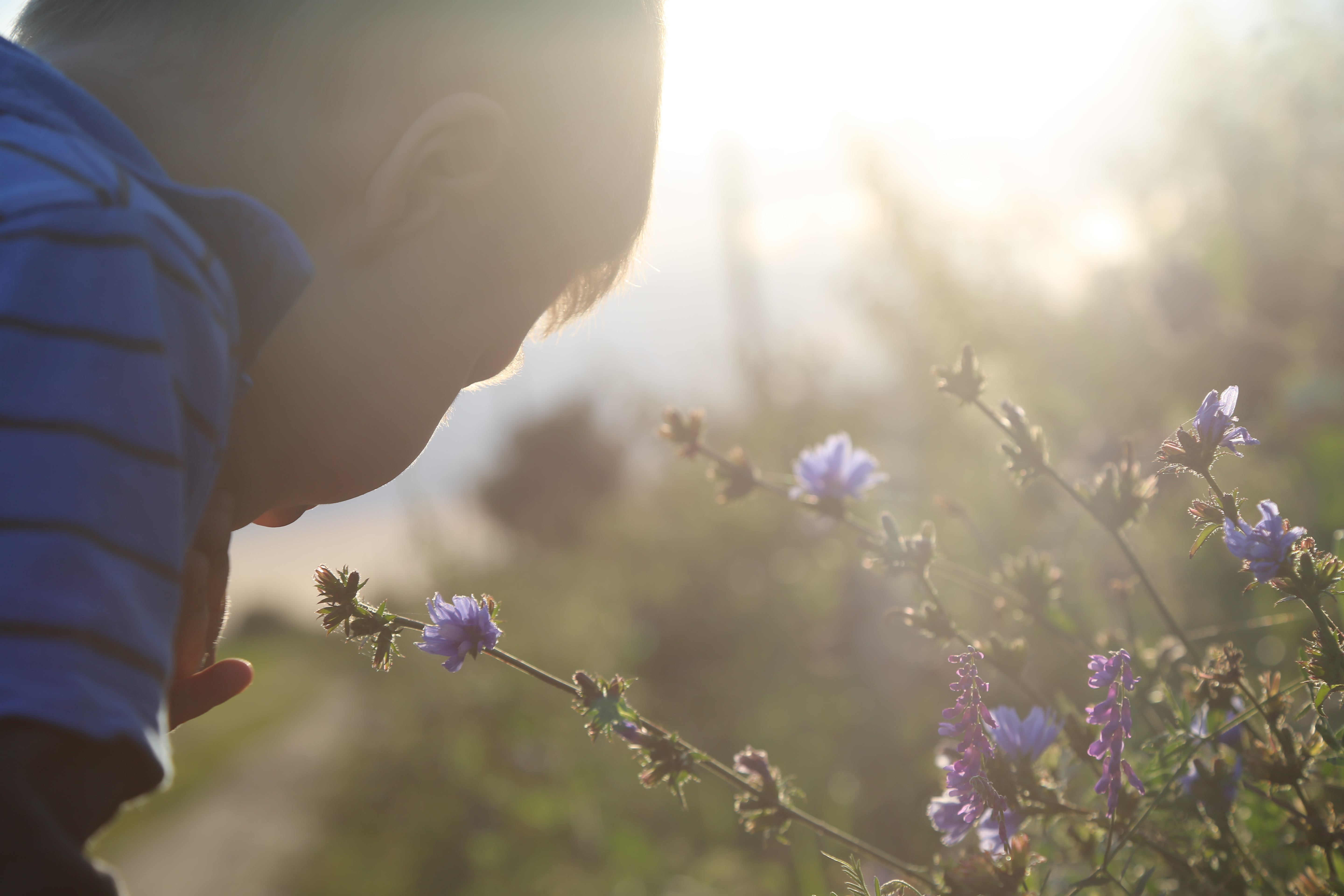
Example 14

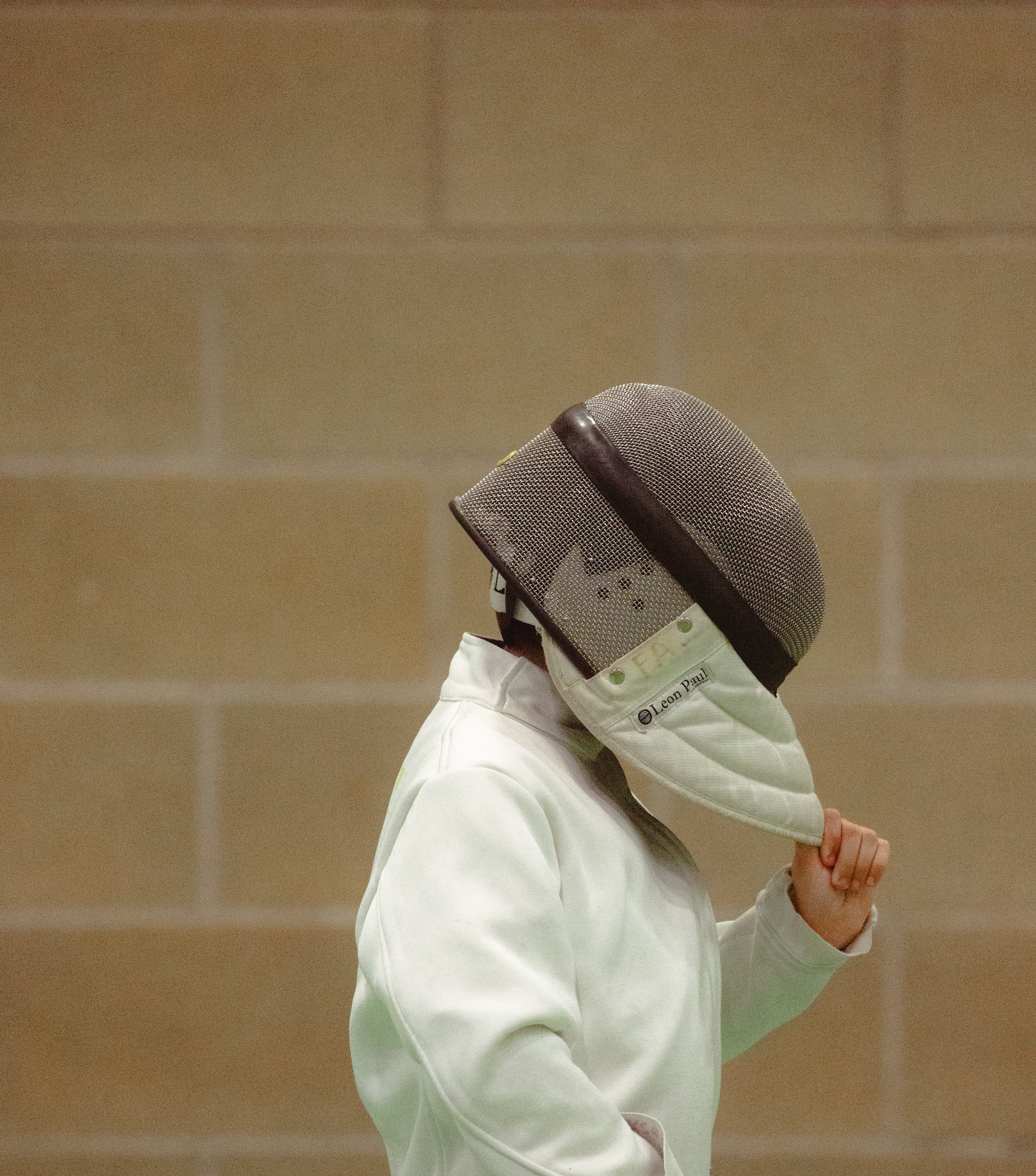
Take a photo in an outfit
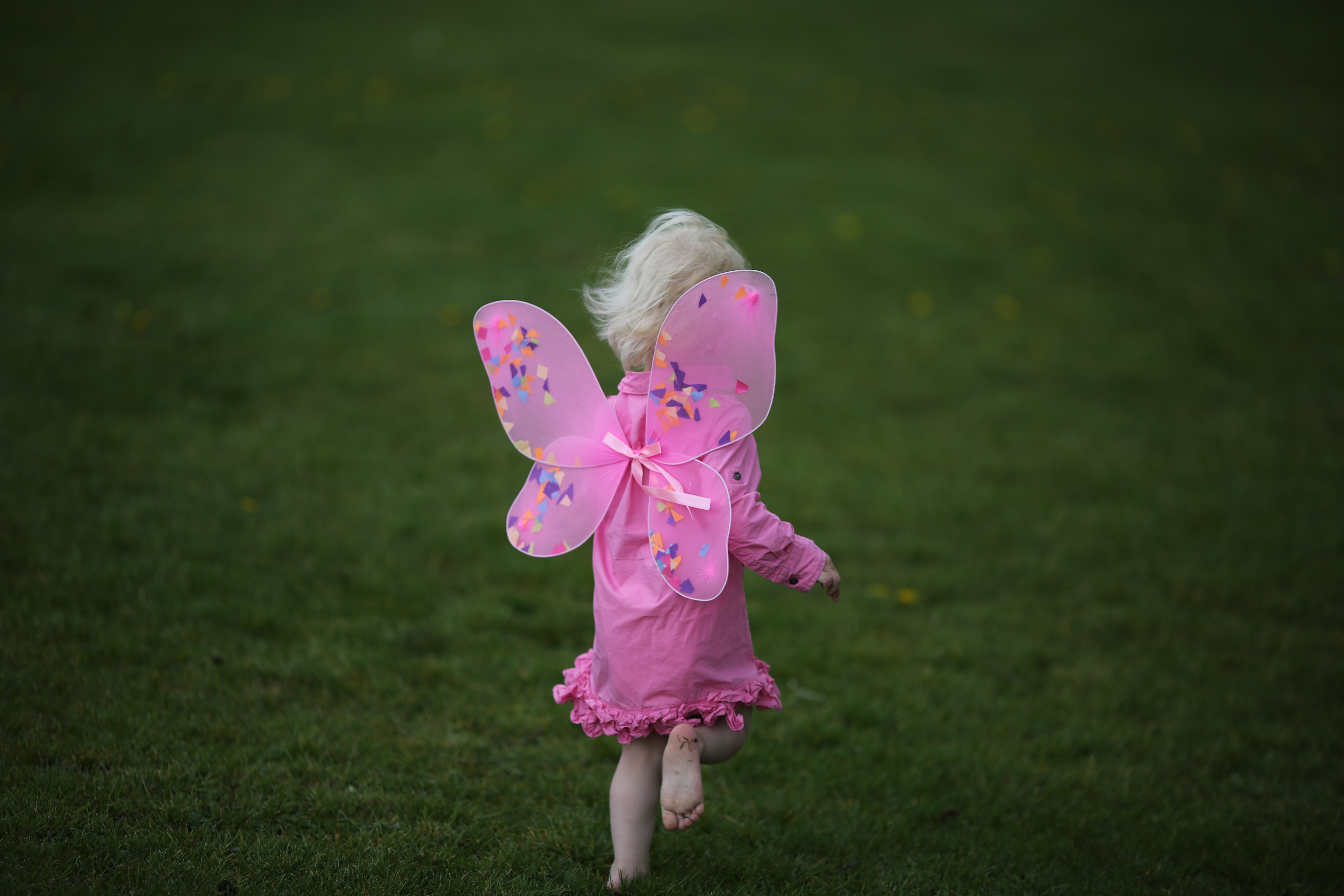
Example 15

Run with her barefoot on grass.
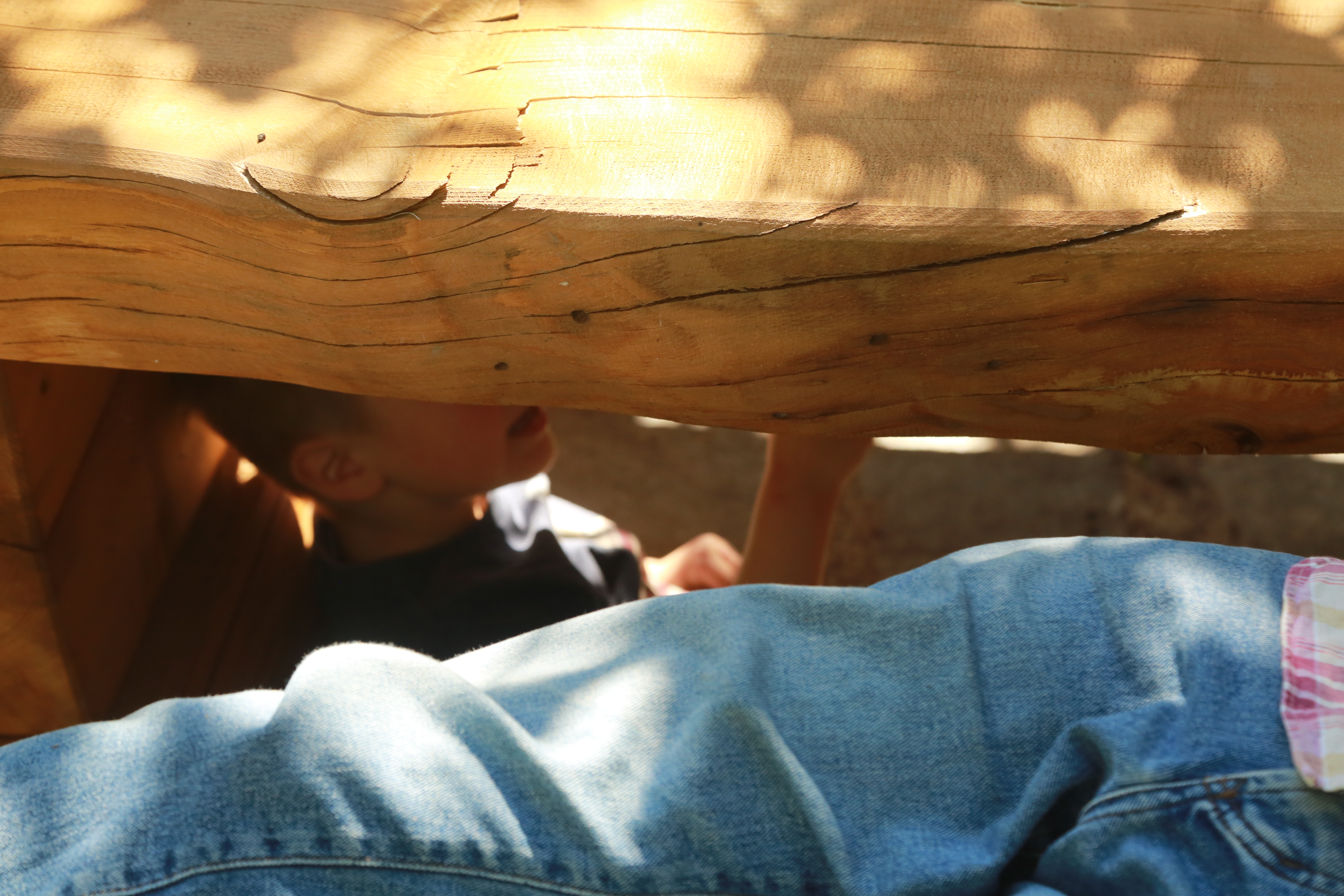
Example 16

Create a layered image that uses a rule of third. Hide your child’s face partially in the middle or in the corners of the layers.
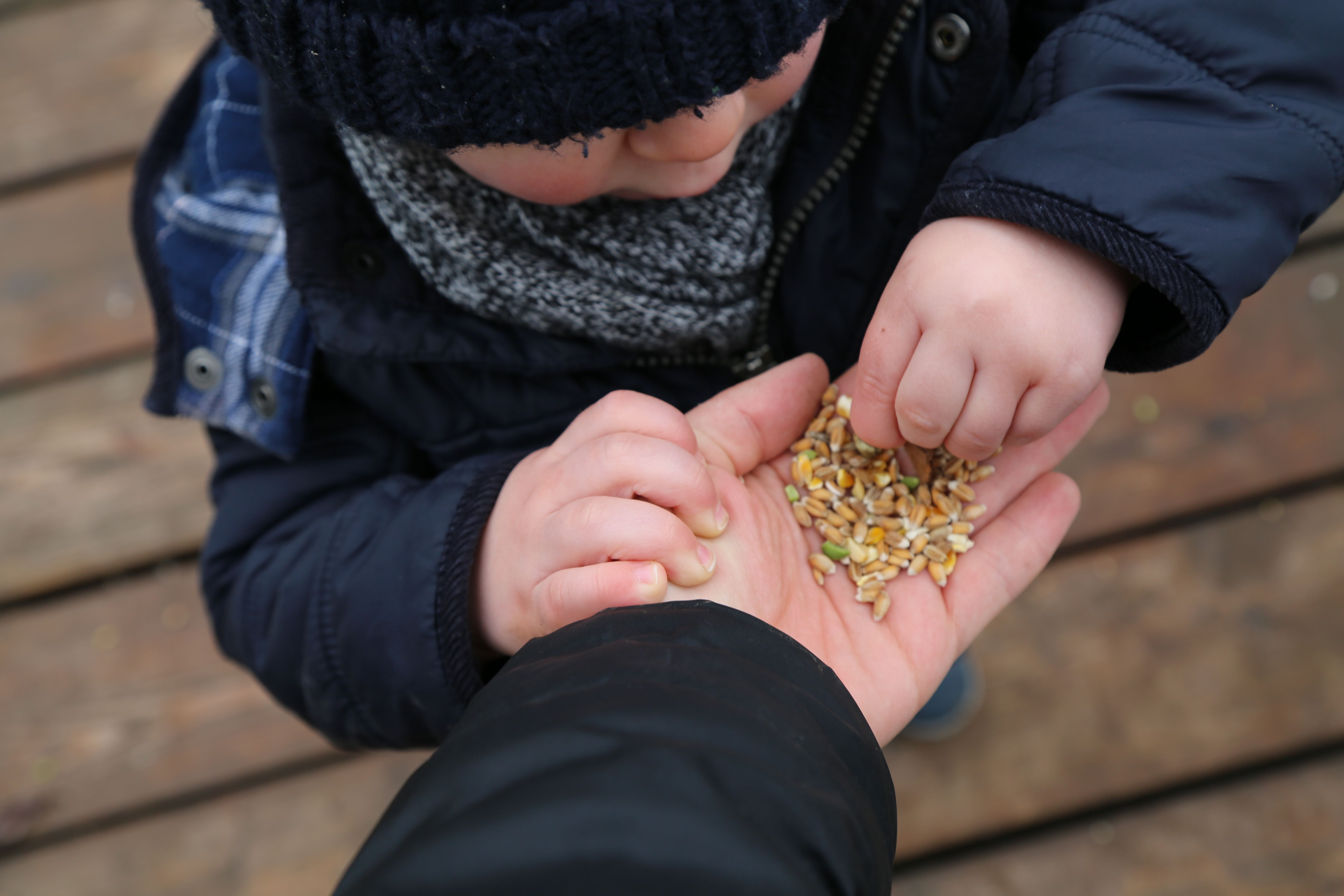
Example 17

Observe what you are giving to them and photograph the exchange.
Example 18

Help them engage in sensory play or simply playing with Lego Duplo and allow them to stay focused while you take a few snaps close to the window.
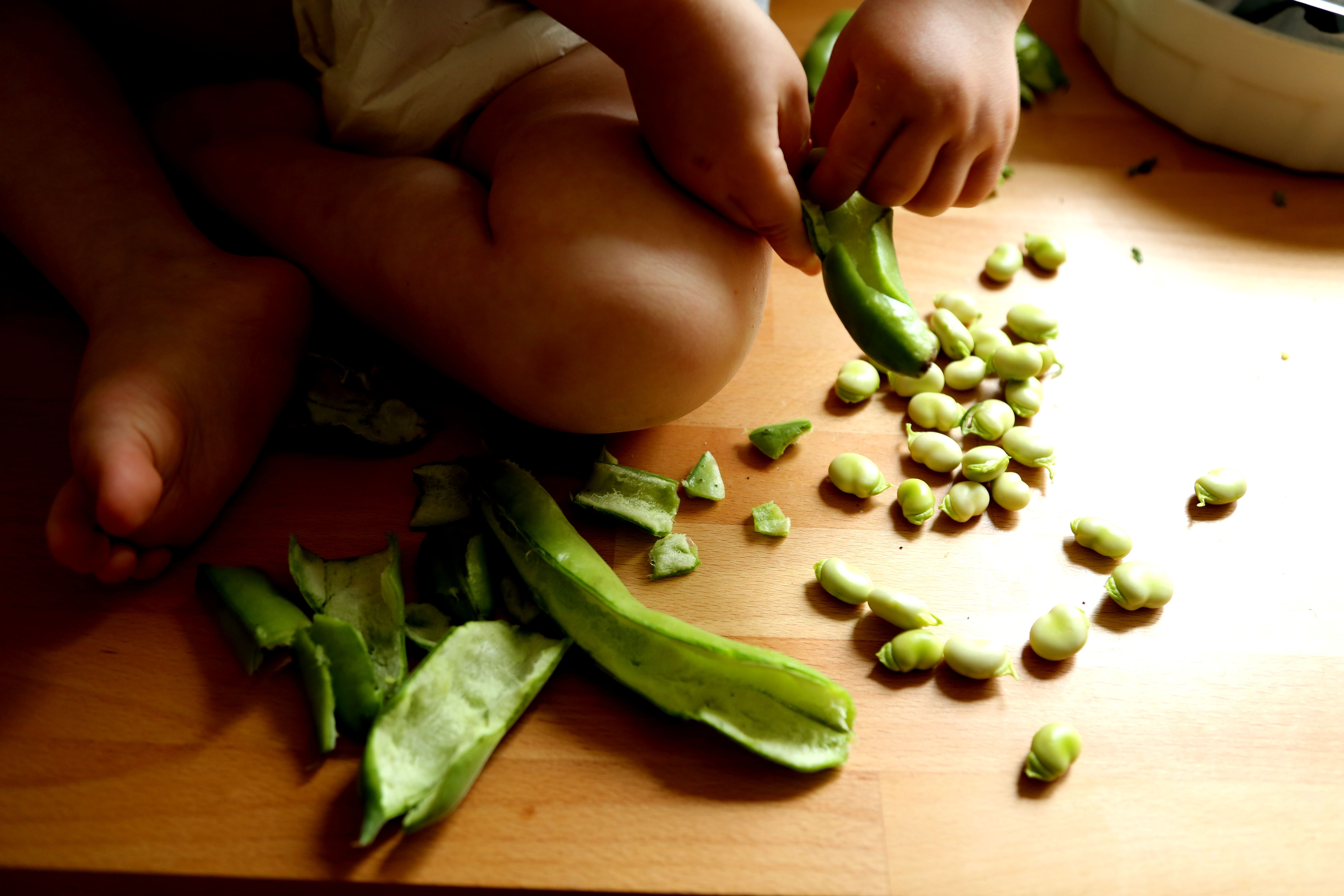
Example 19

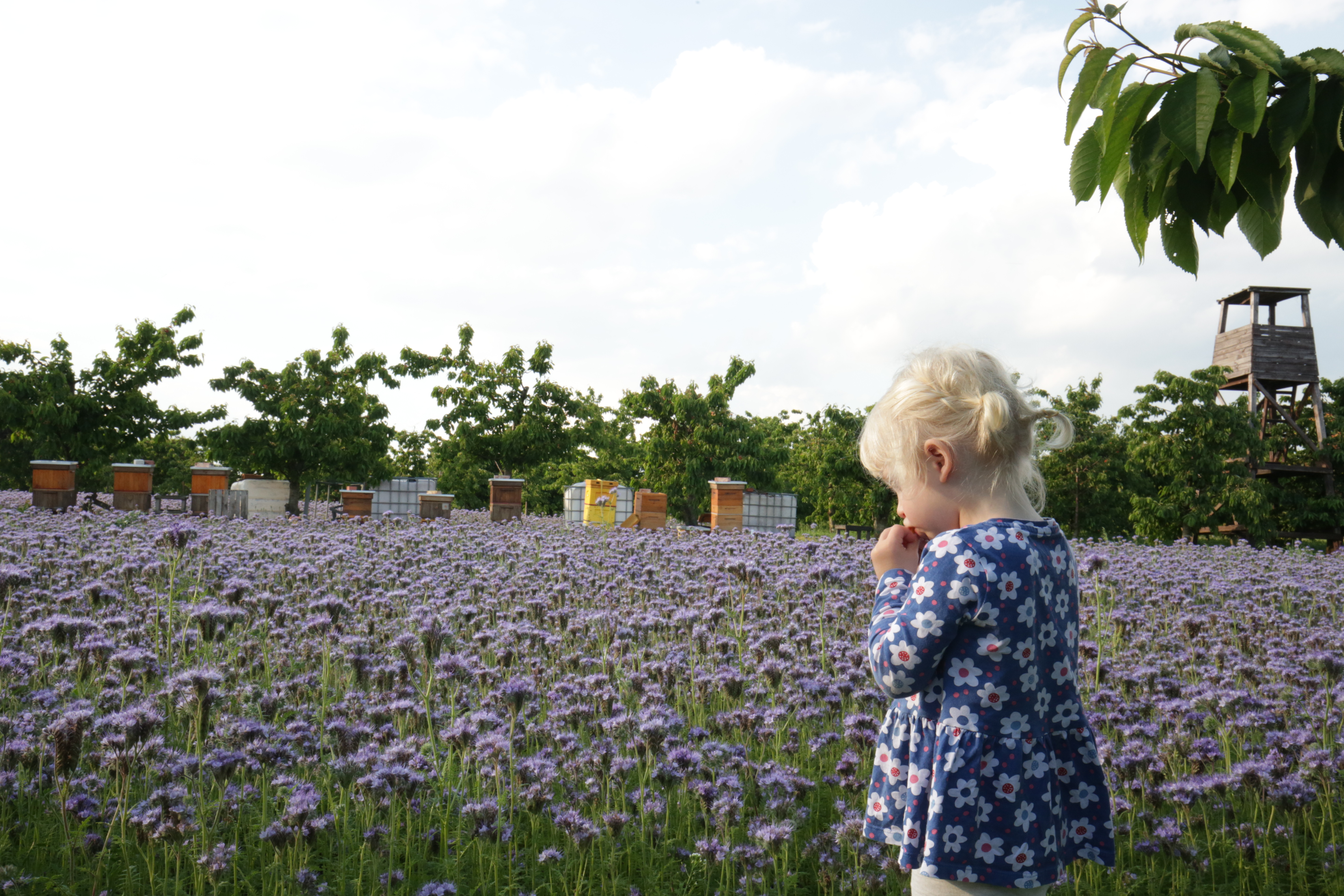
Visit a nearby farm, perhaps.

Here are my Dad’s beehives that he created for himself to be busy with during his retirement. My daughter is not allergic to bee products and it was safe to be there for her. The beehives are quite far away from her. The purple of the flowers, i.e. the meadow, creates a lovely composition. Also, her simple hairstyle is an attractive feature in the photo.
Enjoy playing and having fun together.

I am a little tired today to be honest as my daughter has had shingles over the last 10 days and she has just returned to school. We did a lot of reading together though. We read through all hard cover books we had available in the house I think. I will tell you more about it in the next post with some of my reflections on children and photography.

I am looking forward to seeing your images. Which one are you hoping to take?

Have a regenerating weekend.

Speak soon.
An image that helps me breathe

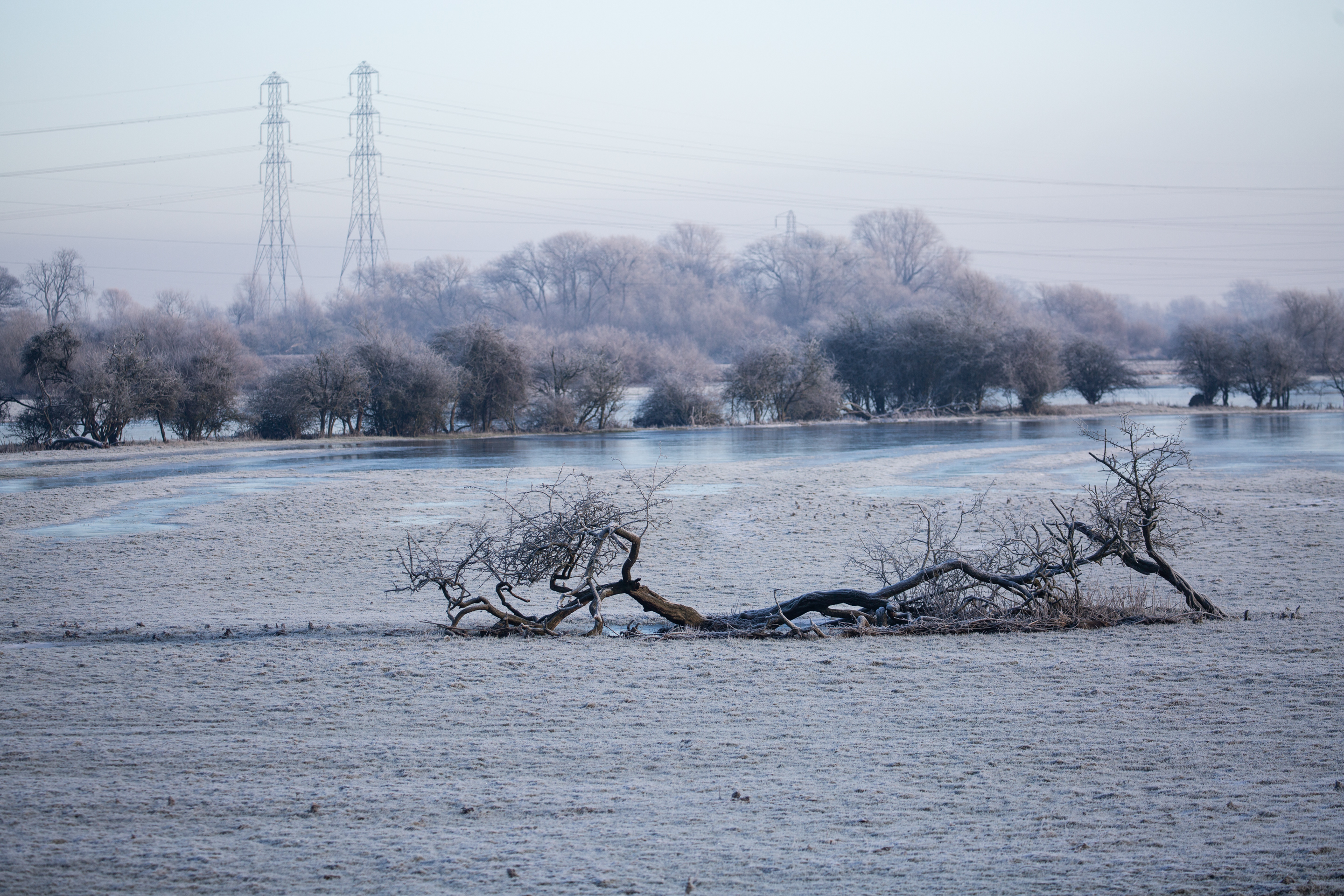
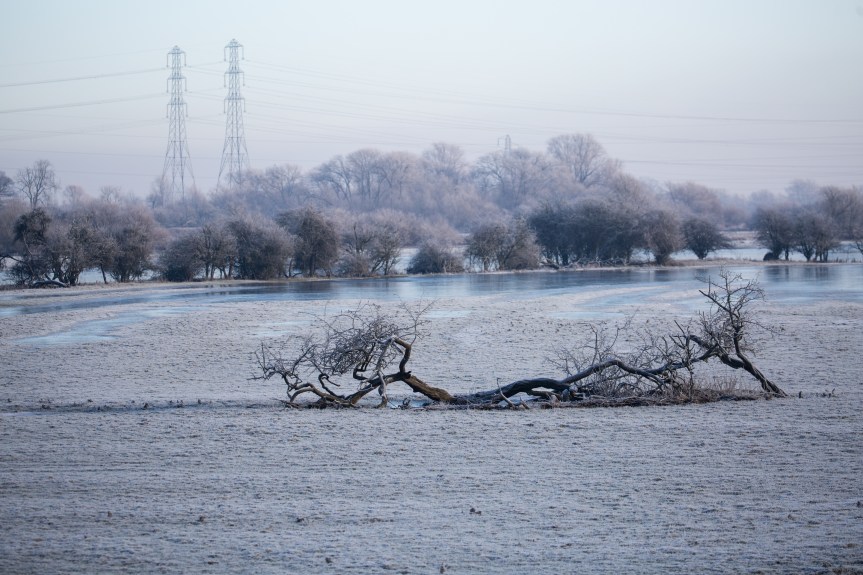
It might be a bit counter-intuitive to share a photo of a frosty landscape here in the middle of Spring in the northern hemisphere, but I have been wanting to write about it for a while now primarily because it is in my opinion one of the images that allows the viewers to breathe. I took it near Repton, in South Derbyshire on a frosty morning during a week when the local river flooded and the fields were glistening with water reflections. The bended trees are interesting features of the landscape and it appeals to me how they are strongly supported by the ground and its unshakable structure. My support towards these kind of images come from the fact that they repeat the relief experience whenever one looks at the image and associate it with a welcome break. Being brought up in Poland, I find frost refreshing and altering and seeing this image again and again helps me refresh and also regain alertness. Is it the same for you?

Image and text: Alicja Pyszka-Franceschini

Do you have any photographs in your surroundings that do the same to you? That help you breathe?

They

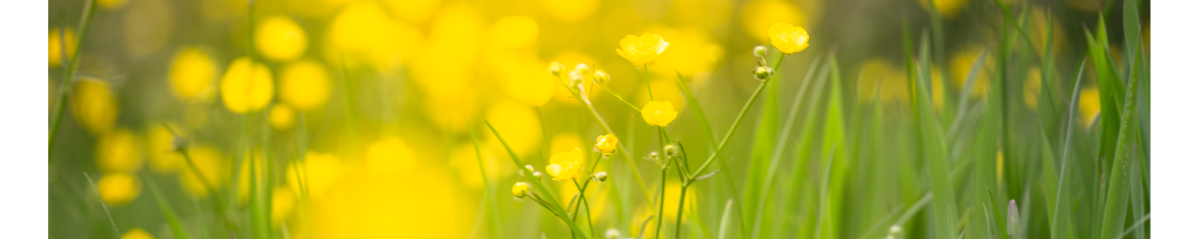
When angels sing, they love better.

Photo and Thought: Alicja Pyszka-Franceschini

Motivational poem

When poetry was moved

Through windows unknown to self

I sat with you

To break it through

The gossip

You told me that life was hard

You told me that it feels weak

When the pavement was as solid as a stone

And the floor neatly cleaned

And the sadness poured through dust

Collected by a vacuum cleaner

And revealed grace as strong as a believer

In the past that just had enough

And the future that held treasure

of golden pencils

fired through time.

Keep going.

x

Poem and photography: Alicja Pyszka-Franceschini, 2025. All rights reserved.

The purpose of the past/ Cel przeszłości

Photograph: Alicja Pyszka-Franceschini, 2025

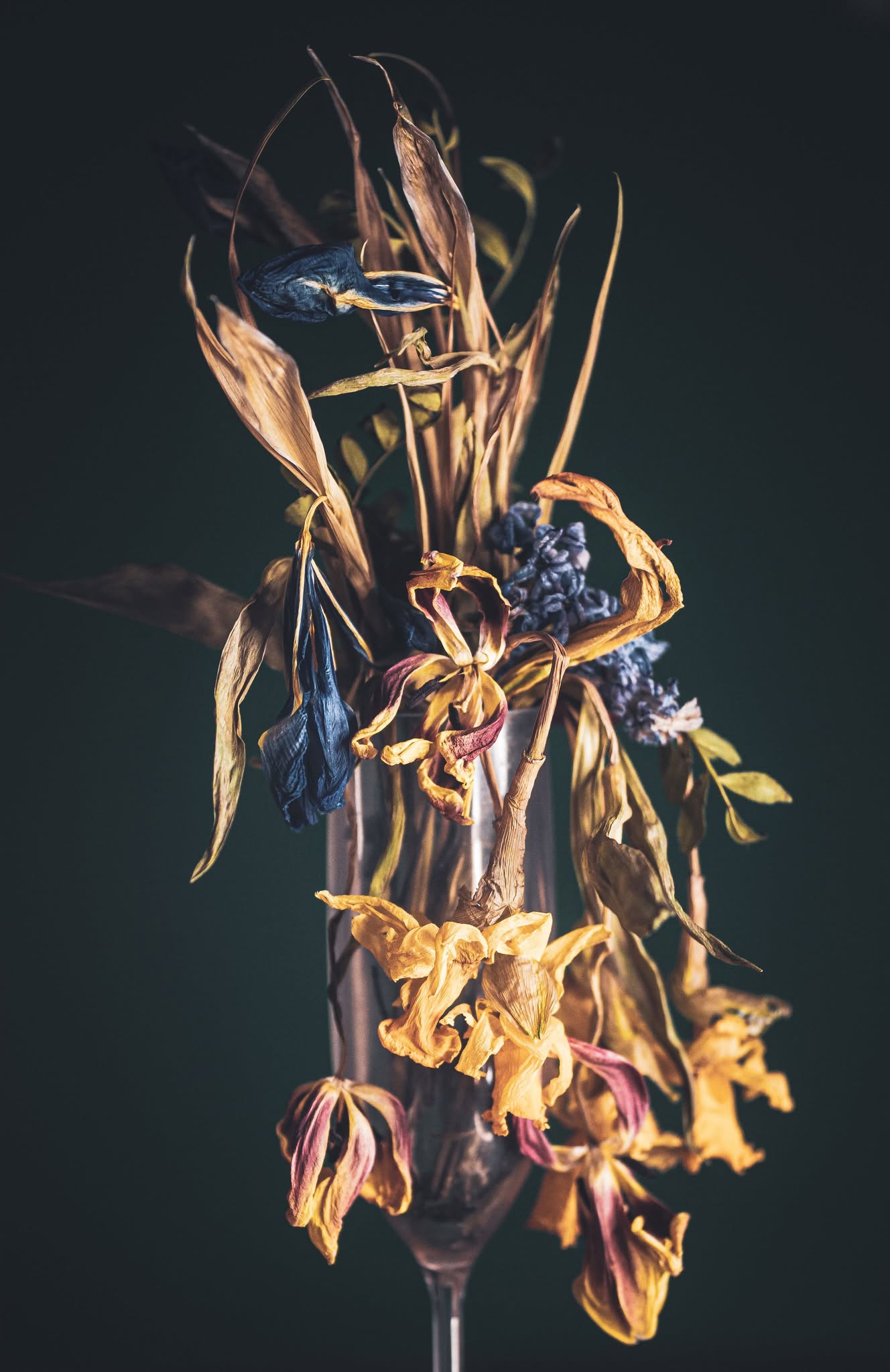
Is it possible to improve in life without being grateful for the past and what it taught us? Could we make progress in life without seeing the positives in our personal journeys? Could we be artistic, creative, productive if we do not appreciate what we have or what has passed? If we are angry that the flowers have died, could we appreciate their textures, their patterns, their beauty highlighted by time? They were. They existed. They contributed. If we decide to engage with the past or the passing of time in a creative manner, the effect is usually gratifying. Could it be otherwise?

Czy można poprawić sobie życie bez odczuwania wdzięczności za przeszłość i za to czego nas nauczyła? Czy możemy robić postępy w życiu, nie dostrzegając pozytywów w naszych osobistych podróżach? Czy możemy być artystyczni, kreatywni, produktywni, jeśli nie doceniamy tego, co mamy lub tego, co minęło? Jeśli jesteśmy źli, że kwiaty umarły, czy możemy docenić ich faktury, ich wzory, ich piękno podkreślone przez czas? Były. Istniły. Przyczyniły się do piękna. Jeśli zdecydujemy się na twórcze zajęcie się przeszłością lub wpływem przemijania, efekt będzie zazwyczaj satysfakcjonujący. Czy by mogło być inaczej?