Stress loads and paper

Every morning I drive through a broad road. Now, this is worth noting when you live in England and in my city where many streets are very narrow, traffic quite intense and an average street is heavily parked on both sides. This may not be a natural state of affairs if you live in open spaces where front gardens are not obstructed by tall vans and houses are built on somewhat raised grounds. Here, we primarily see the cars but when I drive to a more affluent part of the town I can actually see the houses and have my own side of the road for myself. It feels airy, calm and informative – in a sense that you can actually see the trees and notice that that the seasons have changed.

Anyhow, back to the topic of a broad road vs the narrow road. I must admit I find it hard to handle the claustrophobic city planning. It makes me unhappy. It is not cosy. It feels like aesthetic deprivation or aesthetic discrimination but in reality it also feels like the actual love we have. It is depressing at times though as much as building houses in one style in the same street is. Lack of variety is dull and I guess that some people think this is unifying but in fact it is drab. I used to like Wales for its uniqueness in building and developing areas, I liked its variety and then recently I went to visit some areas and they all look the same with houses red-bricked, unrendered. I know it has its visual climate, it has its distinctiveness, but shouldn’t the architects be seeking their own roots to self-expression? It feels like some talents are squashed under this sameness and with their talents squashed, ordinary people are too because they become aesthetically deprived and there is a lot of value in beauty – we know that.

Back to the broad street. I am thinking now a lot about such issues as stress load and judgements. How we are prone to judge people for their life choices and to accuse them for having a nicer lifestyle than us or with us when we actually do not understand what is contributing to their daily stress bucket or how we contribute to theirs. I was thinking about the caption that I placed under this blog ‘stress-free blog’ which is tempting. Come with me and your life will be stress-free but in all honesty I do not know what your current stress-load is and if my lifestyle or the examples of lifestyles I share here would contribute to your reduction of stress. It feels dishonest, to some extent. I also am not sure anymore if what I thought in the past or I think now, would make you happier or more efficient or better in any way because we are unique and our life is very context-dependent and what fits one person, tightens the other.

But I know what move I need to make to feel better and to feel healthier and I think it’s called ‘focusing on emptying’.

A friend of mine told me years ago that she has problems with papers and with organising papers around the house. I did not share her problem at the time but I think it was because my tolerance for living with papers was much higher than hers. Plus, my husband says that I pretty much bring to the house everything that has a photo on and a nice font plus I never said no to any international friend who was leaving the UK and had to part with their well-read children’s books. These are also on our shelves. And on the floors and on our windowsills and behind the beds. And paper is what I spend my money on too and I find it so hard to part with it.

By the way, what book has dropped behind your bed recently? I am curious to know. Will you keep it? Sell it?

I have been reading quite a few texts recently online and it seems to me that if we do not talk about money in some way we do not participate in any debates. It makes me sad to a large extent as I did not want to talk about money on the very onset of this blog but then I appear unreal to people if I do not tackle the topic in some way. I read that most frequent question asked by people on Mondays is how to save. This I presume is because they overspend during the weekends or could you think of any other reasons for it? Maybe discovering that something needs to be fixed at home?

I think the unexpected expenses are those that trip us up most. For example, one of our roof tiles was loose and we had a low level of water ingress for a very long time. When my husband was trying to prepare one of our rooms for our daughter before she was born he had to remove a lot of plasterboard and noticed that there was a lot of mould growth happening underneath. We had to have our roof repaired which was a significant additional cost to what we had planned before the birth. When our flight from Poland was cancelled, we had to take seven trains to the UK to get there on time. In the first case, our parents helped us out with the cashflow issues, in the second case we had insurance. Better to have insurance, since parents like to know that we are mature enough to handle our life threats.

So that’s it for now.

I have to focus on emptying. But for how long?

I am curious to learn about your challenging life situations and how you’ve managed to do what has to be done. Did you negotiate the cost?

A friend of mine is very good at that. Was it part of your culture when you were growing up to do so?

By for now.

And a tip for self-aware humans: what for you is worth noting down?

x

Ordinary technological cosy homelife

‘Mum, when I was smaller I was so happy playing with my brother but then the computer came and everything changed.’ My daughter complained at the dinner table.

Complaint noted. It takes time and effort to redress issues and create healthy love patterns, doesn’t it? The modern mum is a facilitator of those patterns and a pioneer too as she deals with issues unknown to her own mother and so there are no recipe books on this yet. How well do you think we are all doing here in this regard? Where could we find solutions?

Walking is probably the most natural facilitator for conversations and being together. I’d like to do a series of photographic posts on the importance of walking for the individual and for family life but then I am afraid that the series will finish like this (see the photo below) and I will not address the problem by blogging about it. :) I often wonder what problems can we realistically solve by blogging about them and I am not trying to criticize myself for blogging. This I think would be somewhat cruel to the part in me that likes to reach out to people in that manner but a lonely writer in an AI world feels more and more abandoned and threatened by the things that technology grabs from them without perceived and/or real returns.

I’ll leave the topic open as I feel the discussion is endless.

Till next time. x

To acknowledge the worth of things/ Uznać wartość rzeczy


We were driving to the church this morning; I was sitting at the back, next to my daughter, chatting to her. She took a little vaseline lip balm tin out of her pocket. She put some on her lips and then asked me if I would like some for myself. She handed me the round tin, I took some of it and I put it on my lips saying that I love the vanilla smell. She was thrilled, her eyes sparked, she grasped my hand satisfied and said: ‘I love you, Mummy. I love you so much’. She was thrilled.

Often, this is exactly what our children want us to do: to acknowledge the worth of what they like, to give to us what they love and to see that we are capable of appreciating it too. This creates the union, communion and connection.

Have you recently had a similar experience?

Jechaliśmy dziś rano do kościoła; siedziałam z tyłu, obok mojej córki, rozmawiając z nią. Wyjęła z kieszeni puszeczkę z wazeliną do ust. Nałożyła trochę na swoje usta, a potem zapytała mnie, czy chciałabym trochę dla siebie. Podała mi okrągłą puszkę, wzięłam trochę jej balsamu do ust i nałożyłam, mówiąc, że uwielbiam zapach wanilii. Była zachwycona, jej oczy błyszczały, chwyciła moją dłoń zadowolona i powiedziała: „Kocham cię, mamusiu. Tak bardzo cię kocham”. Była wręcz zachwycona.

Często właśnie tego chcą od nas nasze dzieci: abyśmy uznali wartość tego, co one lubią; one dają nam to, co kochają byśmy pokazali, że my również potrafimy to docenić. To tworzy jedność, komunię i połączenie.

Czy doświadczyliście czegoś podobnego ostatnio?

What are photographs for?

Do you remember the song by Ed Sheeran called Photograph? The official music video consists of photographs and video cuts. These are from his early childhood and his early music career. I love the simplicity of it all and the sheer joy of watching a growing child, his first steps, his running around and the shrieks of a toddler finding his voice. It is so moving. The decor of his family’s house that is sealed in time. The hands of the family members that carefully assist him in making his first steps, in music or drawing, busking and then all the Happy Birthday’s sung together to celebrate the child. Call me sentimental, but that song makes me cry. It is all moving and all beautiful. I am very inspired by the song and the video. It inspires me to rediscover my own family archive. These are the good times.

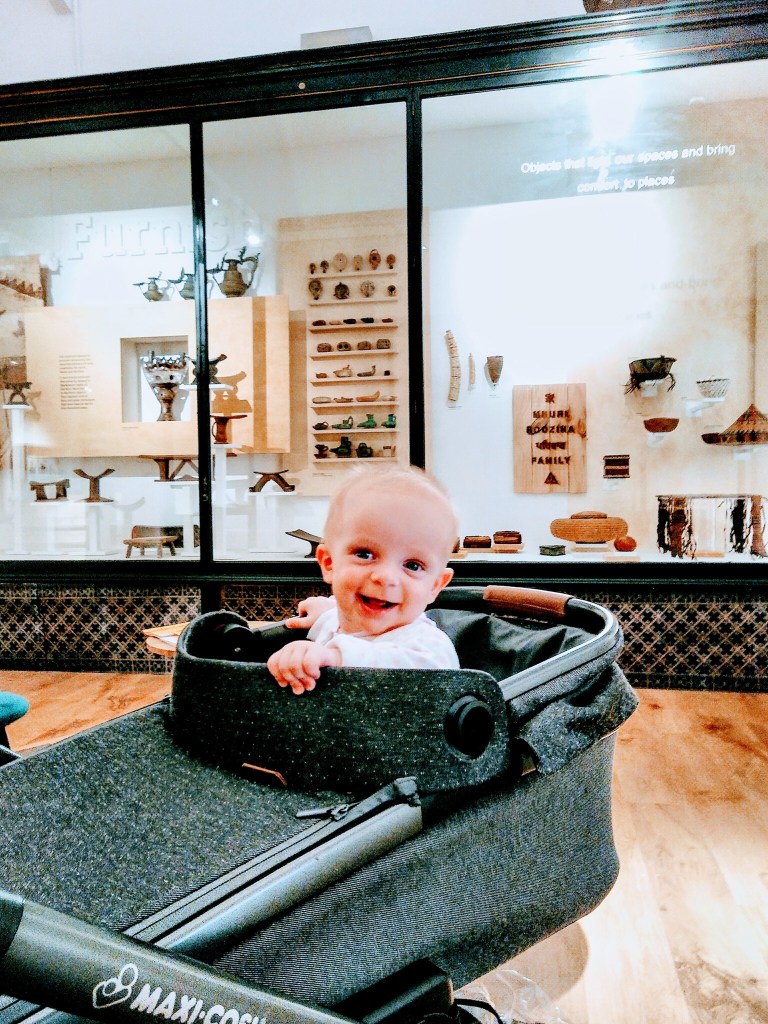
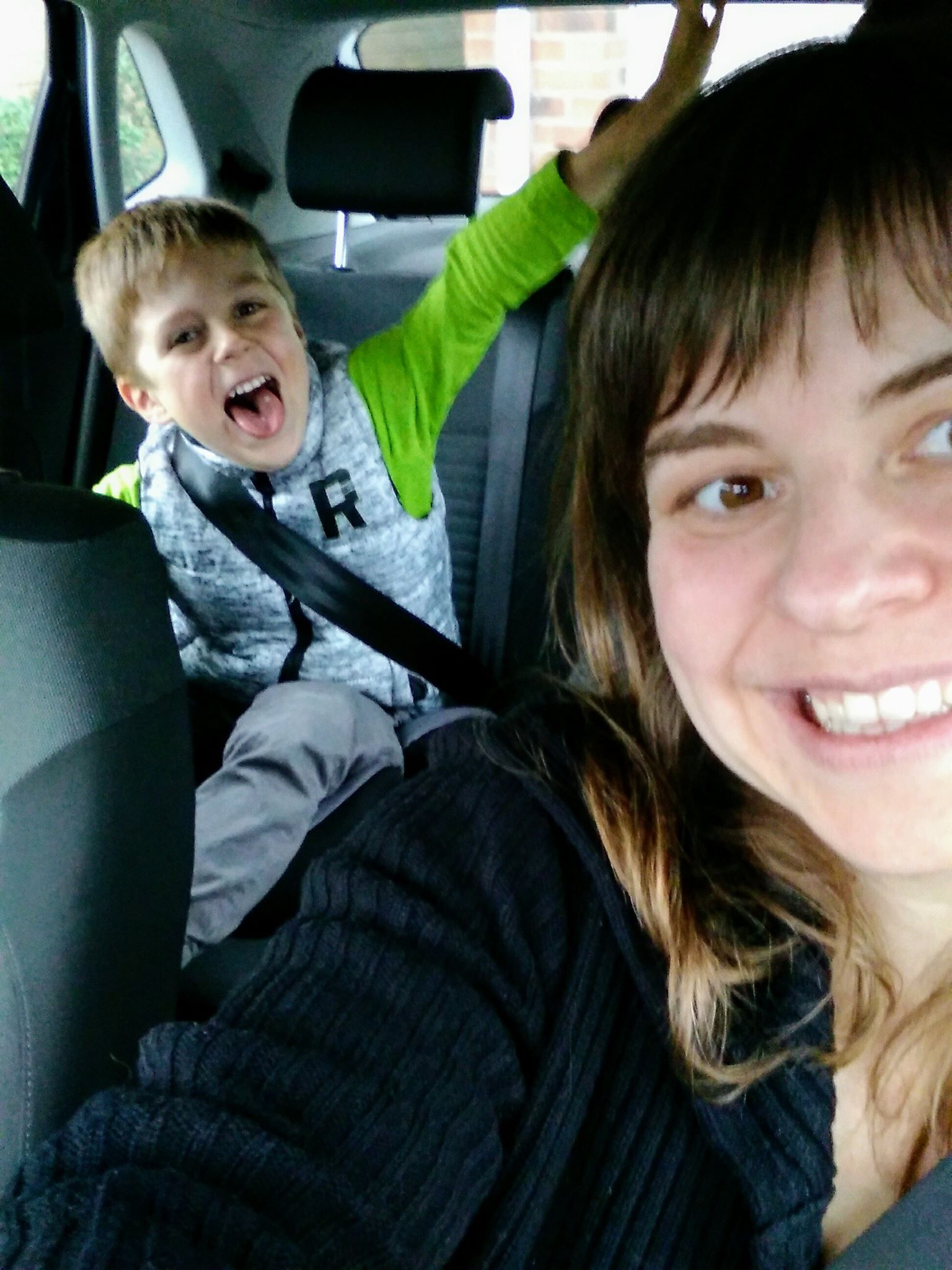
Photos taken in Derby (UK), in Poland and in Derby Museum and Art Gallery.

Link to Ed Sheeran’s Song: https://www.youtube.com/watch?v=nSDgHBxUbVQ

All images: Alicja Pyszka-Franceschini. All rights reserved.

But then, on the other hand…

But then, on the other hand…

written over a few days during Christmas

We are all at home today doing jigsaw puzzles, listening to this relaxing music for children and experiencing some magic on the screen. It gives the room a warming atmosphere and it gives a festive touch to the living room bringing the fairy tale land inside the house.

‘Look mum, what I’ve done?’ our 5 year old said feeling a bit better today albeit still quite feverish. She took clear tape and wrapped it around a piece of card. ‘Look mum, I have a wiping board now.’ We practise writing and drawing on it and it was brilliant. Yesterday, she took a hoop and danced with it around the room to piano music, fluey but determined that ‘bed rotting’ is not what she would succumb to. Have you heard about it? In essence, it involves idling around in bed with food around watching videos, flicking through the phone or watching TV series and it is an increasingly common form of rest. Not necessarily the most helpful to our nervous systems long-term but it’s easy to understand the allure of it. (You can read about it here. The article is in Polish but Google can translate it for you.) The term itself, however, seems to me like a good blocker to excessive indolence. I hope our 12 year-old will embrace it in his lingo.

There is a pink silicone pig walking on our floor right now.

‘What do you like most?’ I asked my 5 year old.

‘Mum and pizza’.

‘And if you had to give up Mum or pizza, what would you give up?’

‘Play. I would give up play.’

Children are smart. Their instincts rule. They rely on their parents for survival and they rely on food for survival and when faced with a dilemma, they will most likely give up what brings them joy. And I guess that is why there is a pink silicone pig walking on our floor right now.

It’s funny. It’s loud and it has the biggest and the most loving eyes, I’ve ever seen. It makes us laugh a lot by being a keynote speaker at the dining table designed to revitalize our instinctual goofiness. We become as silly as it is by imitating, of course. You just cannot help it, can you? The pig honks, you honk. And so it goes.

What made you laugh this Christmas?

I wouldn’t have got the pig years ago when I was doing the Nothing New project or years later, but now I give in, perhaps too often, in order to remain sane and find internal balance between different societal requirements, personal values and competing ideologies that surround our thinking. I justify the not-so-environmental purchasing choices by ‘wanting to get to know my daughter’ but perhaps it is not the best justification or rationalization to have. Surely, there are hundreds of other ways to get to know her. But maybe it is also the way?

Have you ever watched The Fiddler on the Roof? The main character, Tevye the Dairyman is often torn between choices and decisions to make, mostly whether to allow each of his daughters to marry who they want or not. His internal dialogues are characterised by the phrase ‘but then on the other hand…’ He keeps on weighing the pros and cons of every choice and decision giving in either to the pressures of the outside world or his own feelings about the situation. He calculates. The rights, the wrongs, the benefits and potential losses. Don’t we feel similar today with all the array of choices that we have to make about our ways forward in life and our children’s wellbeing. We want to make a difference in their lives and for their futures and then we are like Tevye… ‘But then on the other hand…’

But then… the reminders or signposting of what is right for them come from our own children.

‘What should I do with my wedding shoes?’ ‘Should we give them away?’

‘Mum, could you keep it for me and then my daughter can have them after me. This would be nice.’

Children don’t always want to discard what we have. They don’t always want to have new things. They often appreciate things and what they appreciate they want to last.

What does that tell us of the power of gratitude?