Frozen shoulders at work. Part 2 on photographing food in a small kitchen with kids around and pain that stays.

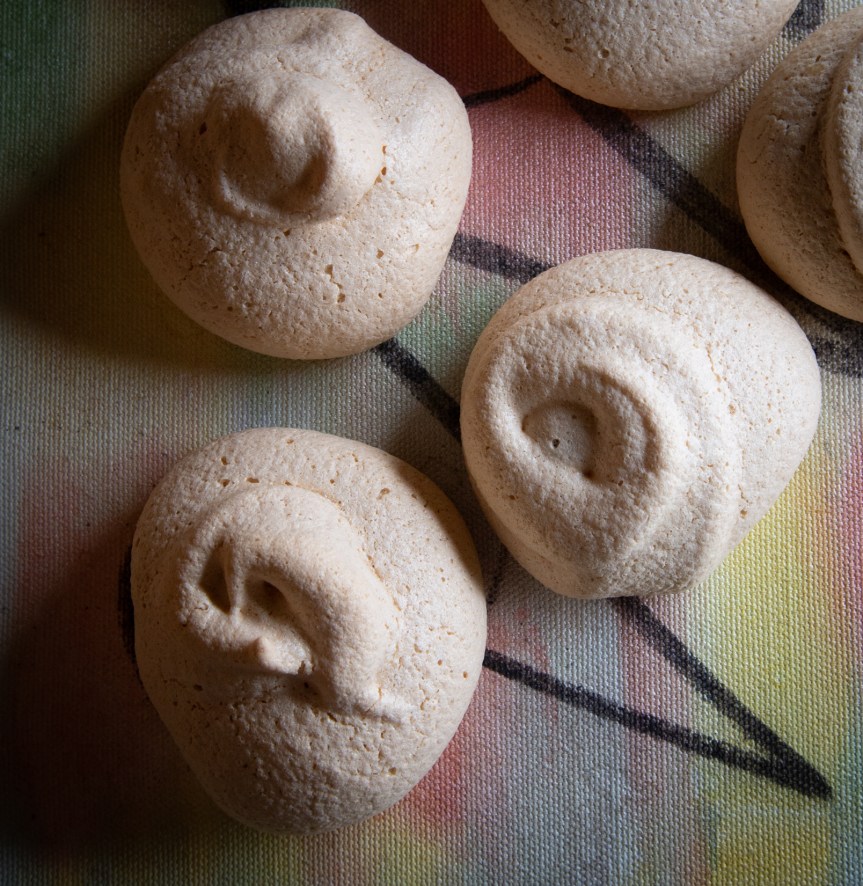
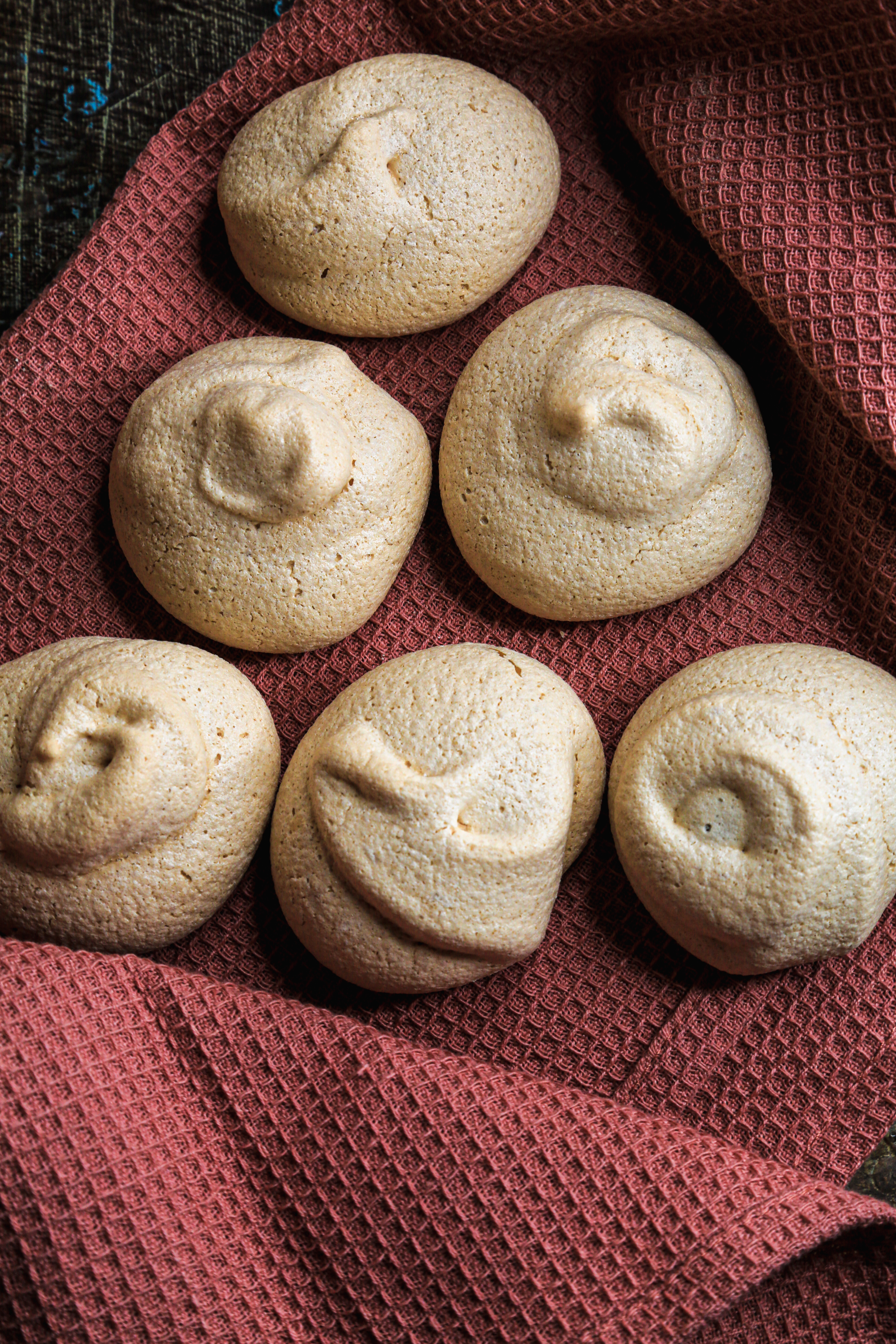
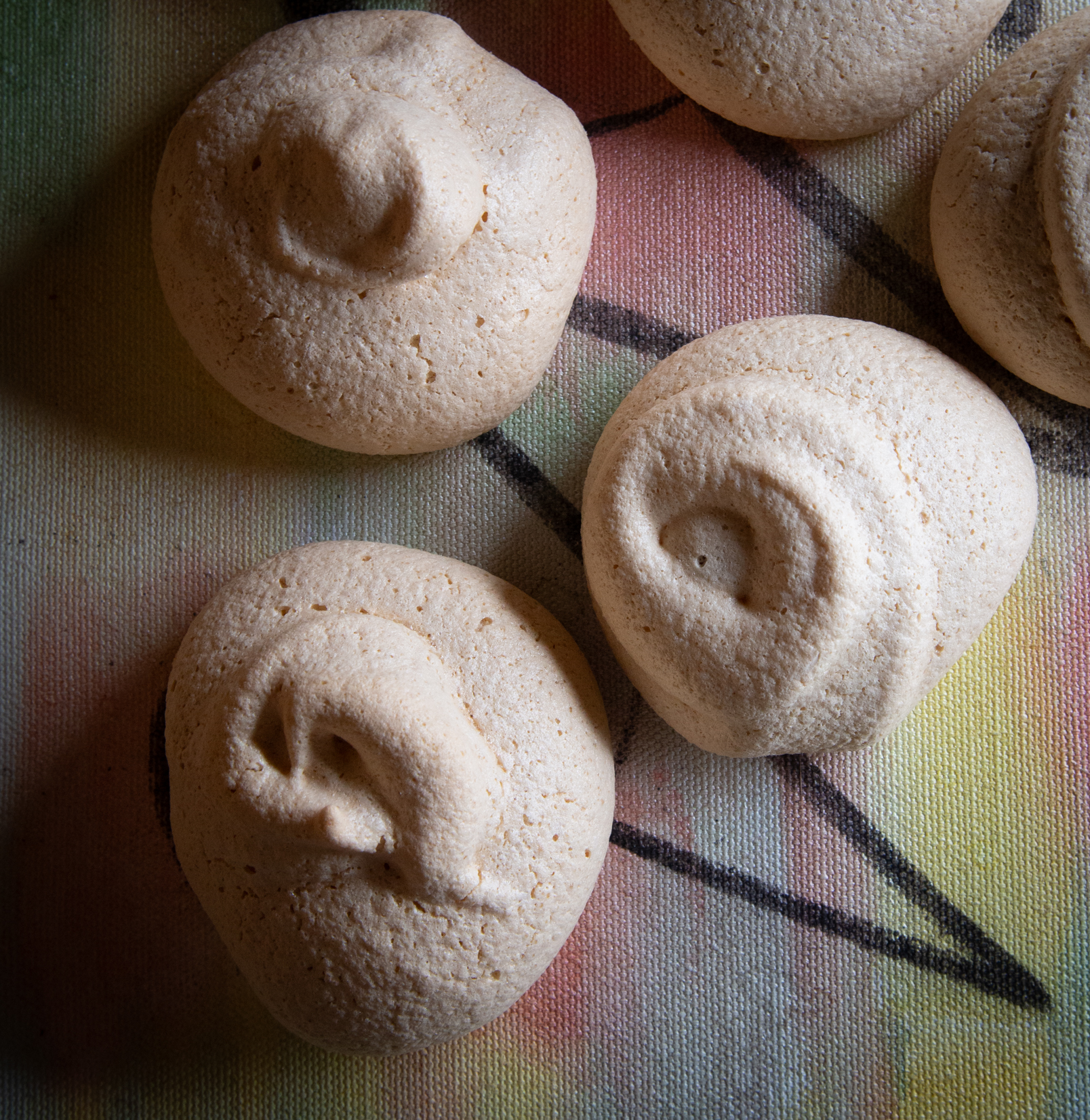
When children scream for sweets during the weekend, my husband occasionally makes them small biscuits (biscotti) without following any particular recipe except for obeying one rule and that is no white of egg as our son cannot tolerate it. When egg whites accumulate something needs to be done with them and when the sweet tooth screams the loudest, the temptation wins. We know that one day we will eliminate the sugar totally out of our family life, but last Sunday was not the day for it. I must admit I have a bit of a soft spot for meringues as they remind me of the time when the supermarkets were not common in Poland but hens on everyone’s yards were and instead of buying wrapped chocolate bars, mums and aunties would make meringues (bezy) as a treat. The Polish version was a bit smaller than those on the photos and more golden but I guess they were equally sweet and I must say I am a bit sentimental about this treat as much as I understand that it is most likely the last thing you should eat when you’re dealing with any sort of inflammation. But I am not here to preach but to teach and to share a few tips on how to make your life easy when photographing food while suffering from frozen shoulders or similarly painful conditions.

Last week I wrote about the use of the bottom drawer for set-ups to prevent having to lift your camera too high and to protect the set up from children running through the kitchen. This week I want to tackle a different obstacle, i.e. the weight of surfaces on which we photograph and their ease of moving and lifting.

Photographers are usually extremely grateful people. I have observed these creative minds for quite a while now and I learnt from them that sometimes the smallest tip changes the outcome of one’s practice for the better and for years and so I have learnt not to dismiss the value of the tiniest improvement I make for myself because small moves matter to our bones and joints as much as to our compositions and final images.

So the first simple tip today is: to avoid excessive weight lifting, appreciate flimsy things, the washing basket that you probably thought would not hold too much weight, the flower pot stand made of willow or the just delivered item in a box made of card. You can shuffle these around your kitchen with ease and you can then move them when the light changes during the day.

The second tip is: use light wood or light canvases as surfaces to photograph your food on. Canvases can be super thin and easy to lift but they are not as light as paper and so they hold food on them quite well. You can lift the canvas with your hand up and down easily to create the shadows that you want around your food. This is significant especially if as a maturing photographer you are already caring for your triangles in the composition. In the photos below I was purposefully creating triangles either with my arrangements or with the shadows. I was lifting the colourful canvas towards the light in such a way that the triangle was not only on the designed surface but also was dropped by the meringues giving the photos interesting look that created a bit of visual tension too – as what the drawn triangle on the surface was pointing to the right and the shadows dropped by the meringues to the left.

The additional benefits of using canvases are that you can leave them unpainted or you can create interesting patterns, textures or designs on top of them to give your photos extra interest and individuality. I used one of my paintings here that I textured with wax, a plain white canvas, and a different playful design piece that I did a couple of years ago after getting interested in abstract art and learning from Joy Fahey and Kasia Krecicka. Great abstract artists.

The last tip is: keep your strap around your neck. If you are in as much pain as I was last week, you are most likely not capable of holding your camera for too long. Let the strap take the weight and position your body against a cooker or a door to let those items support you if you photographing while standing.

My capacity in my hands is increasing but I learnt my lesson and I am not trying to take more than I can handle. I hope you are embracing creative life with all that you have.

Above are my photographic results. Enjoy your visual treats. :)

p.s. If you click on each individual photo, they will appear in full view. I dropped my ring light the other day and need to rearrange the diffusing cover. I have included the backstage photo as is so that you can see how close sometimes the food needs to be to the light source to drop the desired shadow.

Is food photography possible in a small kitchen with small kids and frozen shoulders (mentoring post)?

I know that there is a handful of people here who like when I talk photography so I thought I will share with you how I resolved the problem of set ups and children in a small kitchen. I wish it occurred to me earlier but if it wasn’t for the frozen shoulders and my obtuse refusal to give up on taking photos, I would have not come up with it. If you have ever suffered from this condition, you know the pain and you know the catastrophising whisperer who is attached to it, i.e ‘I would never be able to do landscape photography. There is no way I can lift up my gear’ or ‘I would never be able to lift my elbows above my chest and get a decent photo.’ Well, it so happens that we do not always need to lift the camera above our chest to take a decent photo and we do not need kitchen surfaces to take them either.

It is ironic to some extent that it took me two frozen shoulders to see that I was quite limited in my thinking about food photography and my ability to do it in our circumstances. Limiting beliefs are good to discover for oneself simply to stay clear of too. This is what I used to think:

I thought that my kitchen was too small to take the photos of what we cook.

Obviously, I was mistaken.

I used to think that I need to make the surfaces empty to photograph the food we cook.

I was in the wrong about that.

I used to think that I would not be able to protect my set ups from my children’s hands.

I laboured with a false belief.

I used to think that having two frozen shoulders would mean I would not be able to handle my heavy camera.

I placed more trust in myself and my slow recovery.

I used to think that I must use the available daylight when I cook to have decent food photographs.

Where has this conviction originated?

To make your dream come true of taking photos of the food that you cook while you handle the kids and perhaps the partner that loves his cooking too, empty one drawer in your kitchen. If your situation is similar to mine, health-wise, use the lowest drawer available so that you can point the camera downwards. Create a set up in there. Choose your surfaces, clothes, trays, etc. Keep it all there and when the food is ready, plate it and rearrange it in your drawer to suit your taste. Take a photo.

I have chosen the lowest drawer in a shaded area in my kitchen where not much light gets in. I wanted to use a ring light to have full control over the brightness and the direction of light. I was bending the ring sideways to create artificial shadows for some photos. For brighter compositions I photographed directly from the top just through the ring light. Sometimes I squatted too and took photos from the side while the light was above the food.

In order to hold food in one place I use a wreath ring and I cover the wreath with a cloth. It is also useful for holding soup bowls or other dishes.

Happy with the results.

One step further to creative living with what we’ve got.

MyCake, Her Cake, and Your Cake

6j8a36256j8a3667-kopia6j8a37276j8a3600

6j8a36086j8a3604

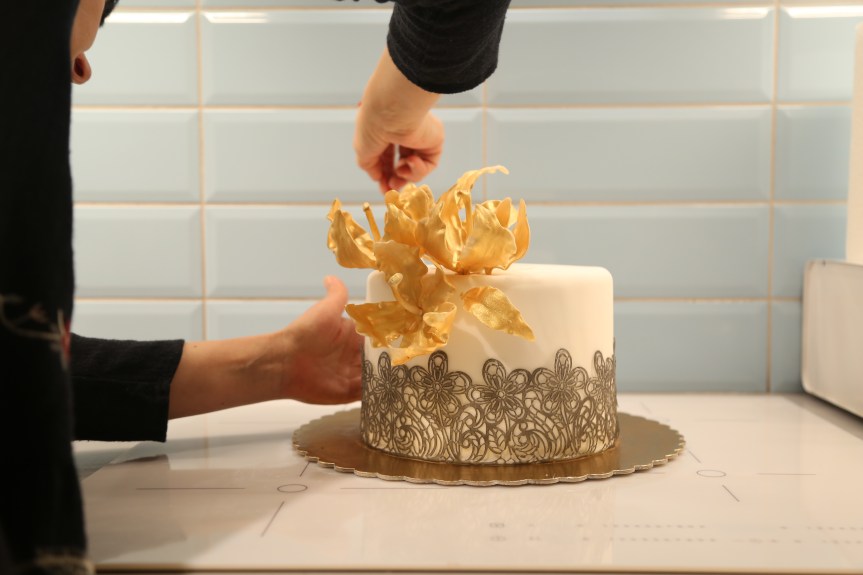
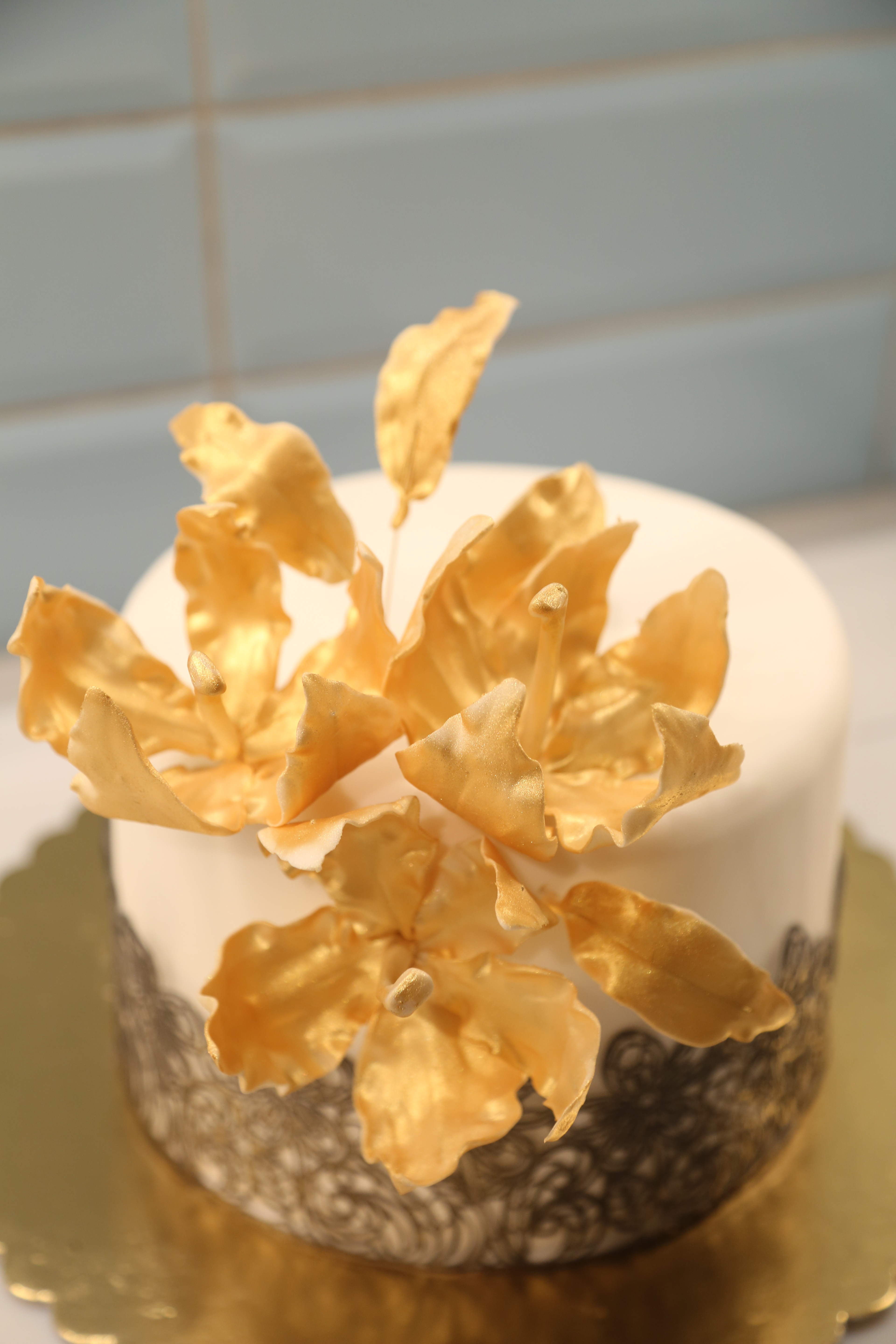
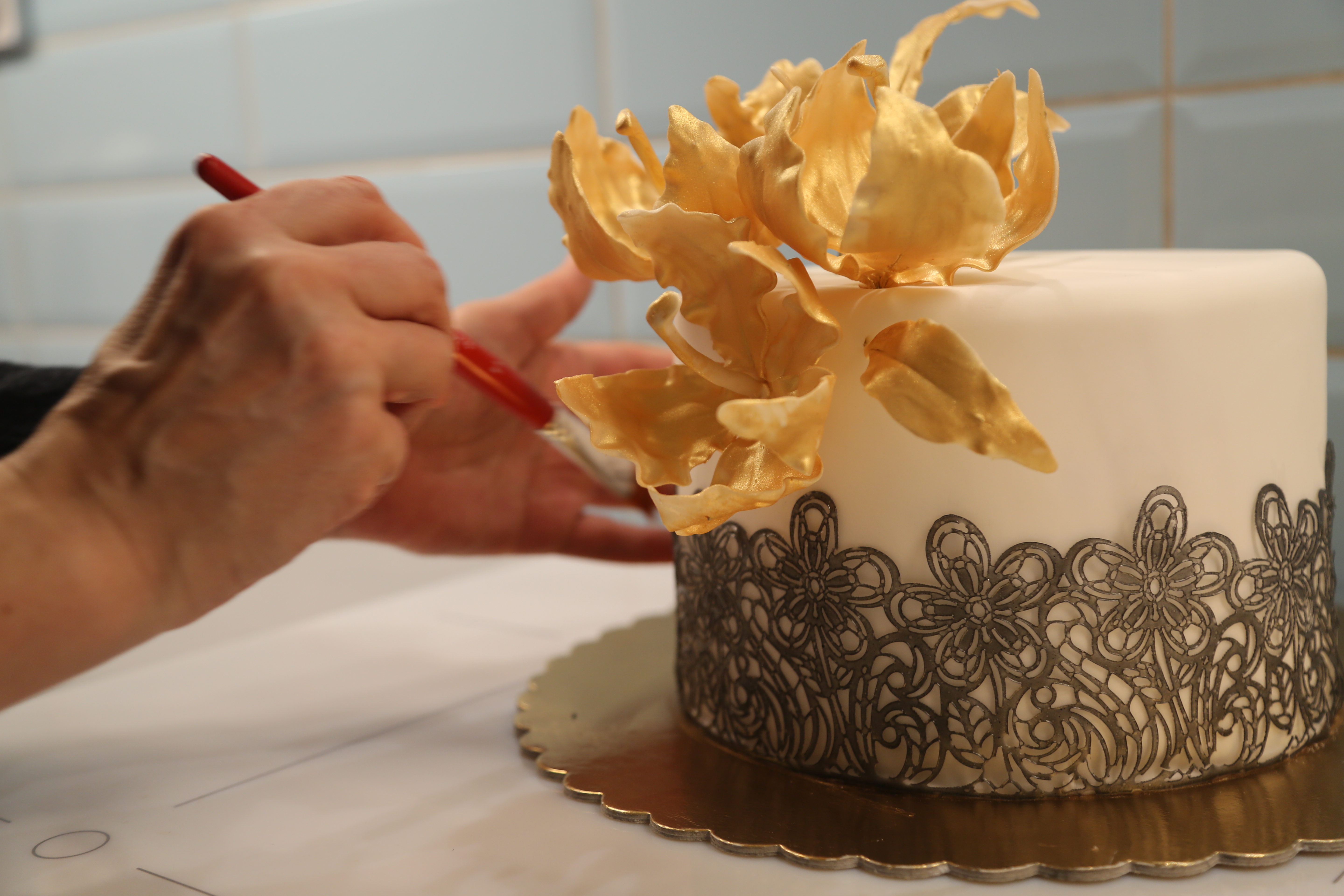
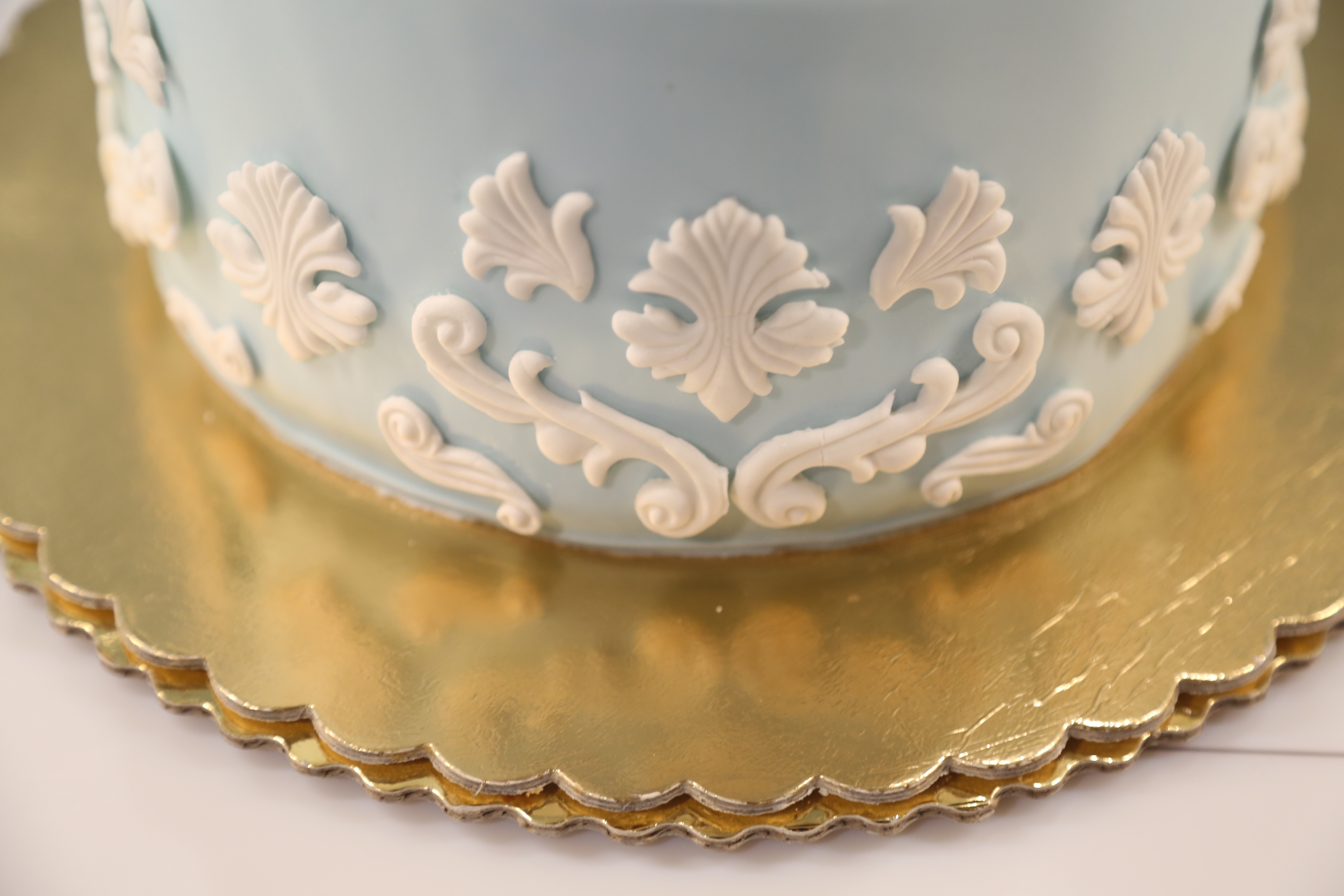
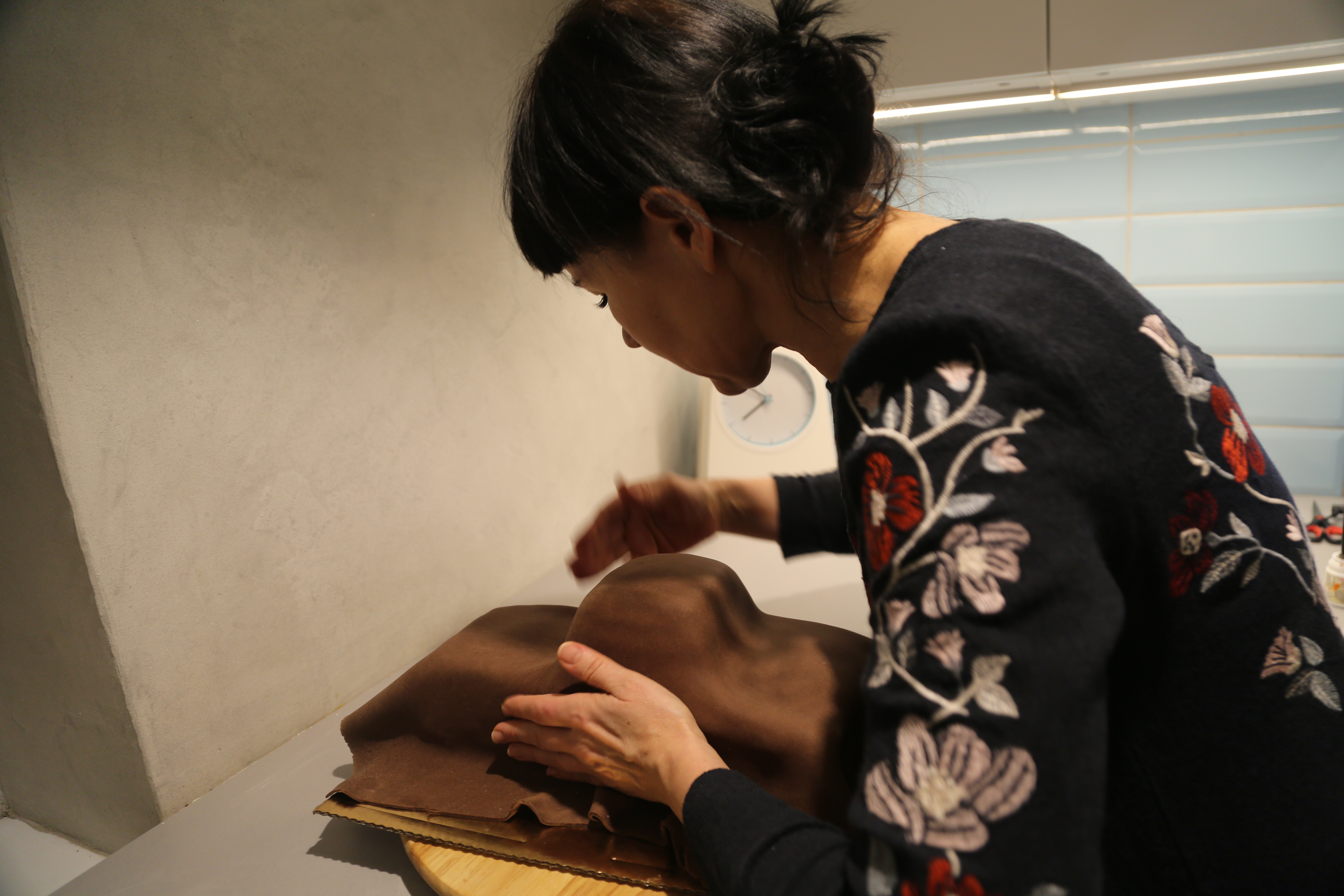
A while ago I wrote a post in which I was telling you about my friend, Dorota, who is a wonderful fairy and turns everything around her into beauty. A week ago I had a chance to photograph her at work. She’s been always a very creative soul, capable of making magic. The cakes presented here are her art and below you can see her preparing another one for a very hungry customer.

I read somewhere a while ago that “True art is control over passion.” I think you can see it all in her work. Dorota has always been a great inspiration to me and I will be forever grateful to her for showing me that I do not need a permission slip to create. But imagination and perseverance.

If you are interested in Dorota’s cakes, contact her through Facebook at MyCake. Dorota is based in Poland in the region of Wielkopolska. Her handmade cakes have travelled long distances before so just get in touch with her if the idea of combining art and food appeals to you as much as to her.

6j8a3459

Bake a piece of love

“Love is a fruit in season at all times, and within reach of every hand”. ~Mother Teresa

I hope you’re having a lovely day Lovely People!

Eating Well in Winter: Curried Chickpeas (and experiments with food photography)

making curry

It’s winter in the UK. Days are wet, windy and unpleasant and we keep on getting one cold after another. Fighting bugs with medicine doesn’t really work for most us. It’s the warm and nutritious food that strengthens our immune systems enough to complete the recovery. One of the nicest aspects of living in England is that it introduces you to foods from all the corners of the world and so it’s very easy to get all the necessary spices and ingredients to make these amazing dishes at home. I rummaged through our larder and took out a few good and healthy foods to replace the loved and cherished but eaten far too often pasta. There are many alternatives to it, of course, different types of wheat, lentils, pulses, sweet potatoes, brown rice. All good and yummy as long as you get the right recipe. I found one for Cholay (Curried Chickpeas) online at allrecipes.co.uk posted by Shammi Edwards (here). I thought it might work well so I decided to give it a go.

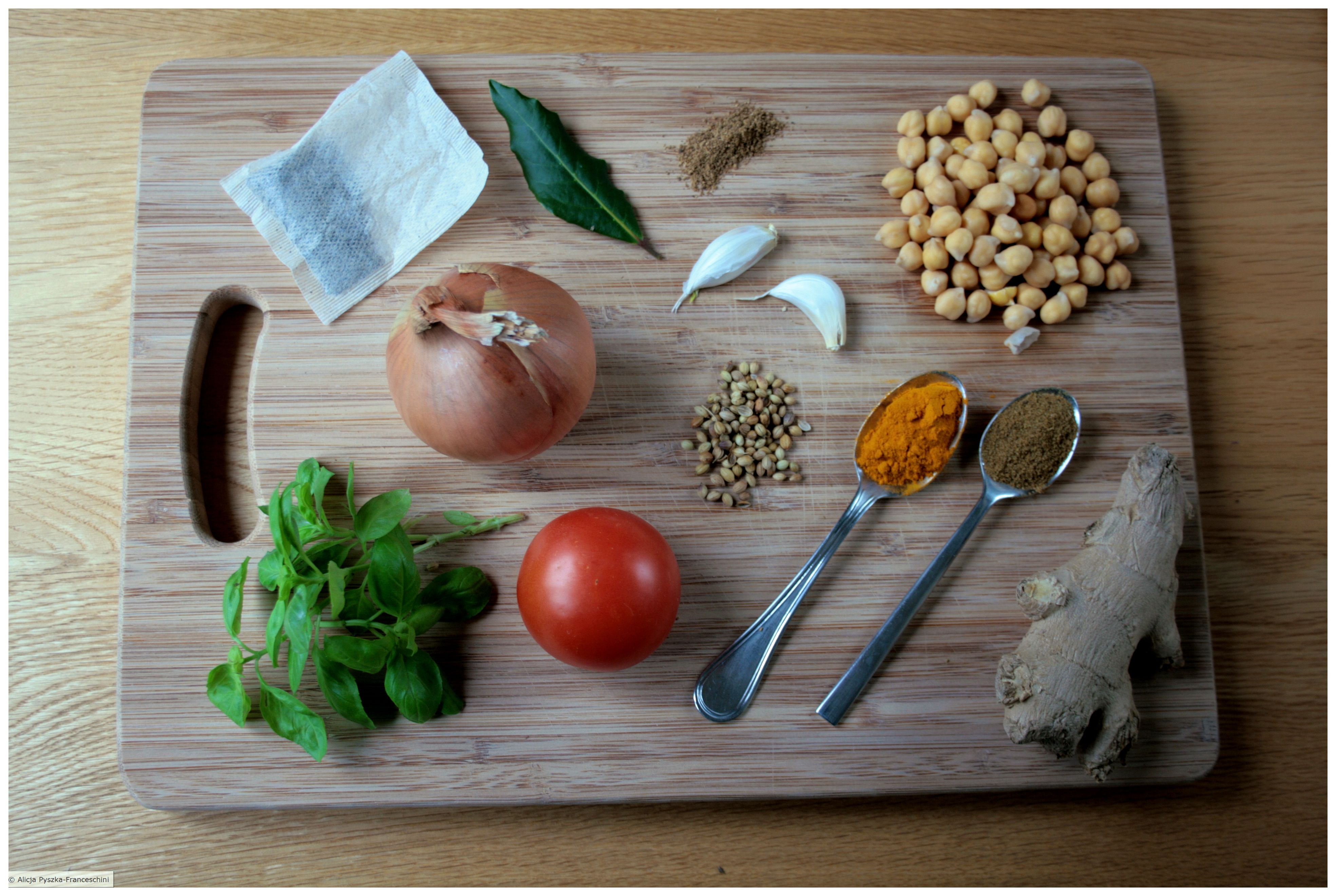
pasta fusilicieciorkaIt took me quite a while to prepare the dish but I wouldn’t worry if I were you… it’s the photographing, a moving toddler in the kitchen and my personal choices regarding the recipe (like using dried rather than tinned chickpeas) that did it… not the recipe itself. Here are the ingredients I used: Assam tea, bay leaf, water, dried not tinned chickpeas, garam masala, garlic, onions, coriander seeds, turmeric, cumin powder, ginger root, tomatoes, basil, salt. If you’d like to do it, you can find the quantities on the original site where I found the recipe. I used basil out of pure necessity as I just didn’t have any fresh coriander leaves to put in and I was pleasantly surprised how well it worked in that dish (made it quite refreshing and invigorating) and Assam tea as a replacement for English Breakfast tea worked fine too. I actually think that this dish lends itself to some manipulation and as long as you get the spices right and add a bit of water here and there in order not to burn the spices or the onions you’ll be fine. You can also make the dish hotter by adding extra garlic and ginger. That was my option and I was happy I used it. I was not too preoccupied with having grounded spices. I just grounded the seeds myself. It adds extra freshness to the dish.

grinding

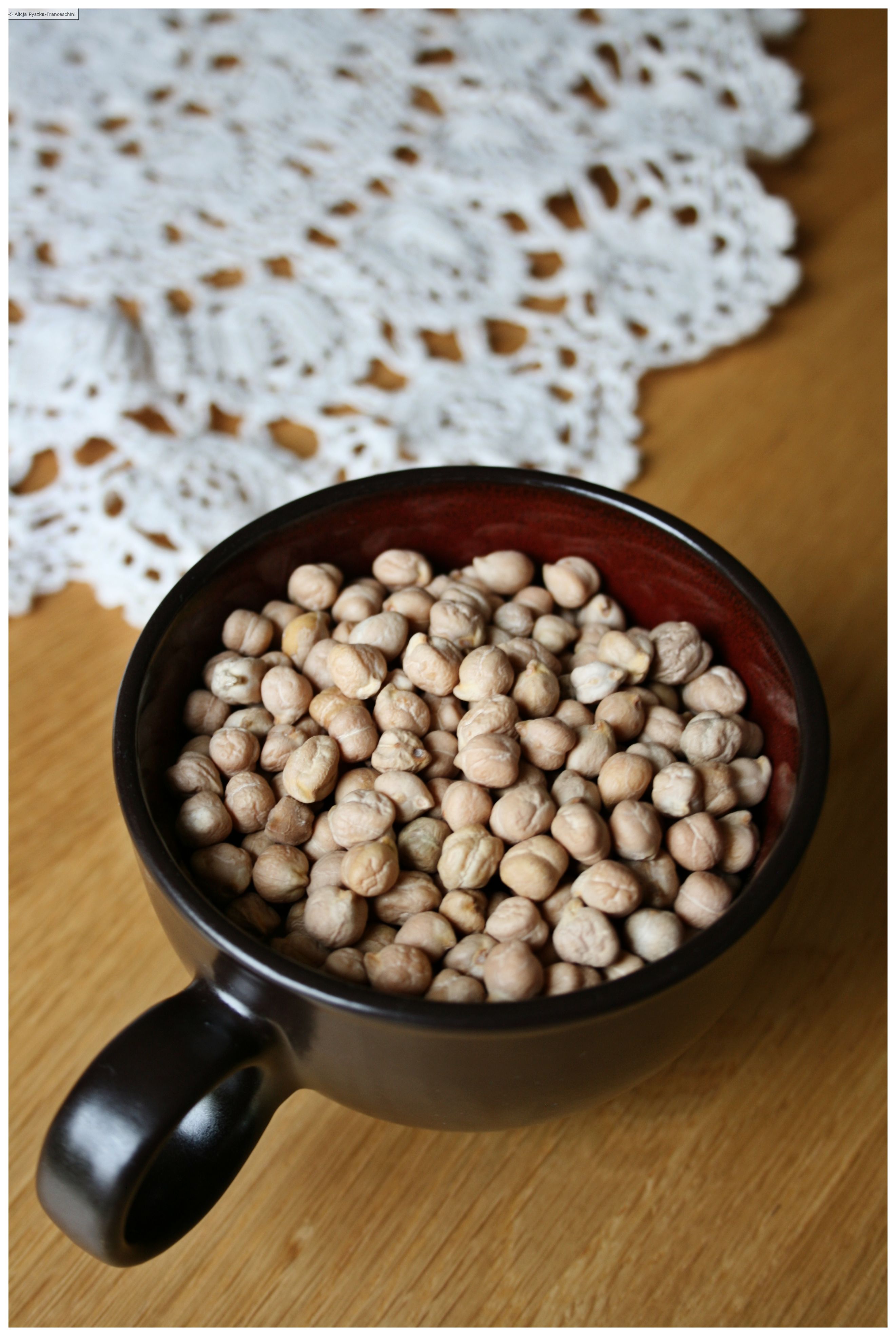
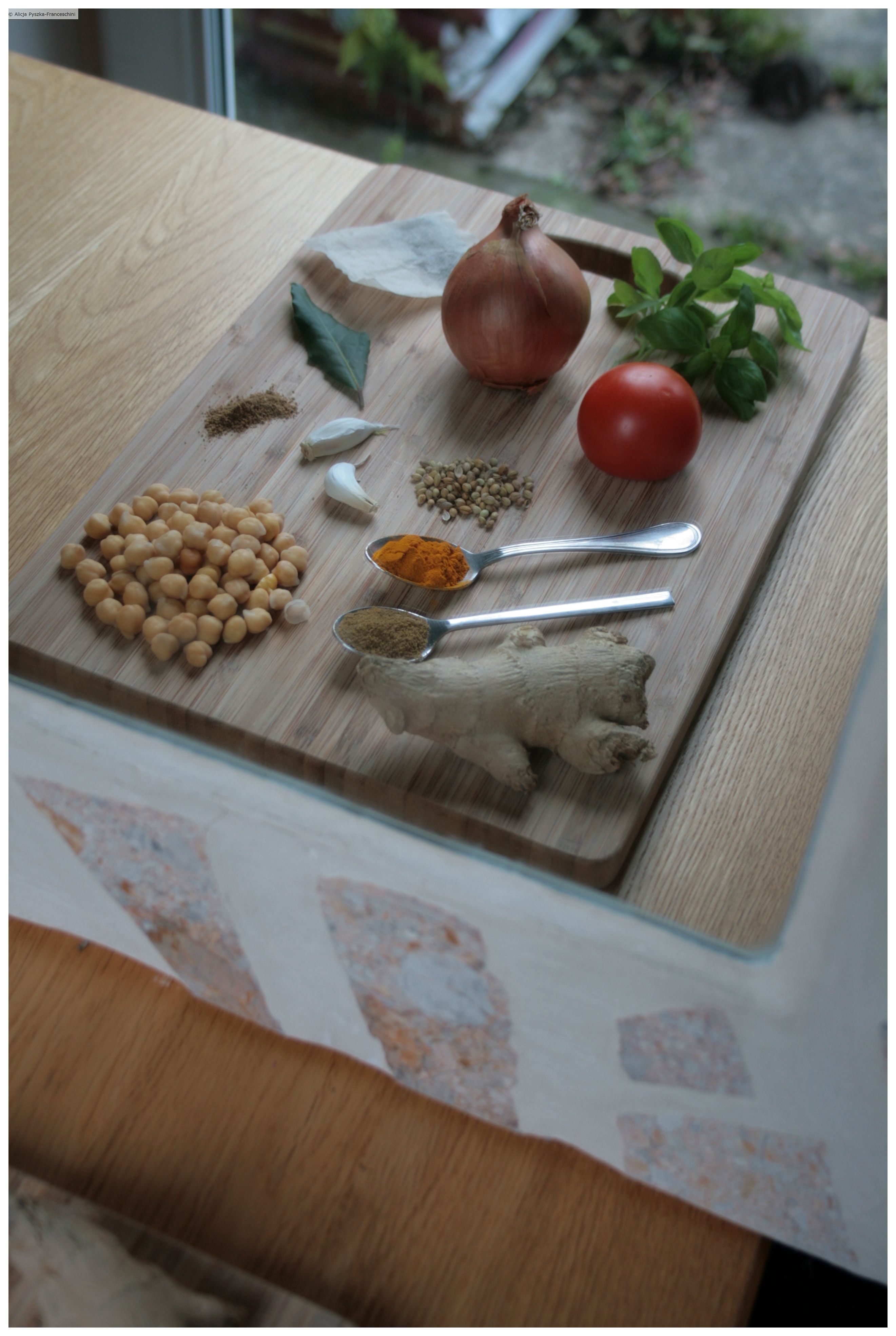
Dried chickpeas can take a bit of time to prepare as you need to soak them overnight then drain and discard the water. After that you cook them in salted water even up to 40-50 minutes. It felt like ages for me so when my little son went for his afternoon nap I decided to experiment with photography a little. I was trying to find a way of reducing shadows from ingredients on that chopping board that you see on top, normally photographers would use a white sheet of card to disperse the light and I thought that I’ll try a mirror. It worked well and actually it allowed me to take a very interesting shot of the arranged ingredients. Here’s how it came out:

ingredients in the mirror

I finished cooking after sunset so  I didn’t take any more photographs. The light was too poor for it inside the house. But back to food, I served the curried chickpeas with jasmine rice and it was delicious. Honestly, heaven. So much so that I felt slightly guilty about eating it as I seemed to have pledged to have a year without a luxury…  and having this food certainly felt like having one. ;)

This post is a contribution towards: The Caring 2014 Project.