Thankful Tuesday: The National Tree Week and Writing a Novel

How have you been lately? We are in the National Tree Week in the UK right now and it seems utterly wrong to me not to acknowledge it. In the simplest of terms possible, trees keep us going, don’t they? To them and because of them. Sometimes it is their depth that invites us, other times it’s their shadow. Kind enough to overlook our mischief, tender enough to sense our sadness, generous enough to handle our joys. We return energized after reconnecting with their and our essence. We become ourselves and I guess that British English informal saying ‘To be out of one’s tree’ (meaning to behave somewhat crazy) is to a large extent an indicator of our reliance on trees for long-lasting sanity. It is a shared feeling, isn’t it?

Well.. to give trees and our connection to them a just thought and an appreciative stance, I wrote a few verses for this week and read a few pages of The Power of Trees by Peter Wohlleben to get myself into the topic. It is one of my favourite texts on trees and a consistent inspiration for me as the novel that I am writing is primarily based in an ancient woodland. Alfred Wainwright, a British walker, illustrator and the author of A Pictorial Guide to the Lakeland Fells, gave himself 13 years, if I remember correctly, to finish his guides, I haven’t given myself that much time but my novel finds it hard to become a coherent piece. Nonetheless, I plan to finish it by the end of July 2026. It is a labour of love and I would like it to stay so. Are there any texts among your favourites that speak of trees and forests?

After I wrote the post about The Gita for Children by Roopa Pai, a few amazing things happened. One event led to me receiving the original Gita by post from someone. We were also invited to a lecture on the differences between Christ and Krishna (photos soon). I embraced it all because sometimes The Essence wants to come to us through multiple channels. I know that the Gita takes nature seriously and I am very curious of its approach to it. After all, our spiritual lives are one of our primary influences in shaping our ecopsychologies and our mindsets for scarcity or abundance, gratitude or non-recognition.

Hello you, Tree.
Make us See.
That without you,
The course of life
Forgets to breathe
And goes wrong ways.

Through the dungeons of politics
As dense as a carved slice of fog
Placed in a jar of uncast votes
That suffocate the future.

The tree, oh comfort and respite.

It stays potent and flexibly solid
With its roots extending to neighbouring hills
and branches simultaneously strong and tender
protected by years of genetic experience
against the utterly predictable
forces of chaos.

The tree sways
and it is its strength.

Chaos reigns
Itself out of recognition.
And it is its catastrophe.

The tree makes only one promise.
To grow
It gives you oxygen
In partial compensation
for space taken.
As if it had to…

Furniture, instruments, books, crayons, utensils
Firewood, bird-nests, frames and sledges
are the givens
within but in fact beyond expectations.
This is how the tree excels
Even after death.

If you like being inspired by woodland photography, see Nigel Danson’s Gallery for woodland and landscape photography. The gallery feels like a gentle massage for the mind and I can assure you it will be one of those moments of giving oneself some caring love to look through Nigel’s photos. They are great pieces of art. Enjoy them.

And let me know, how you are, will you?

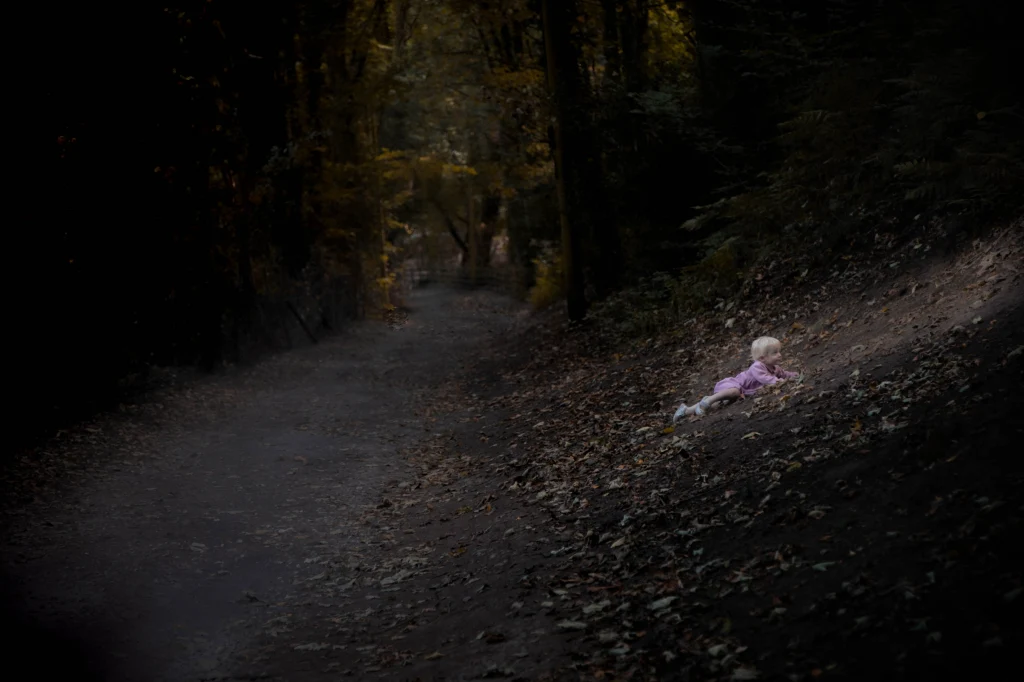
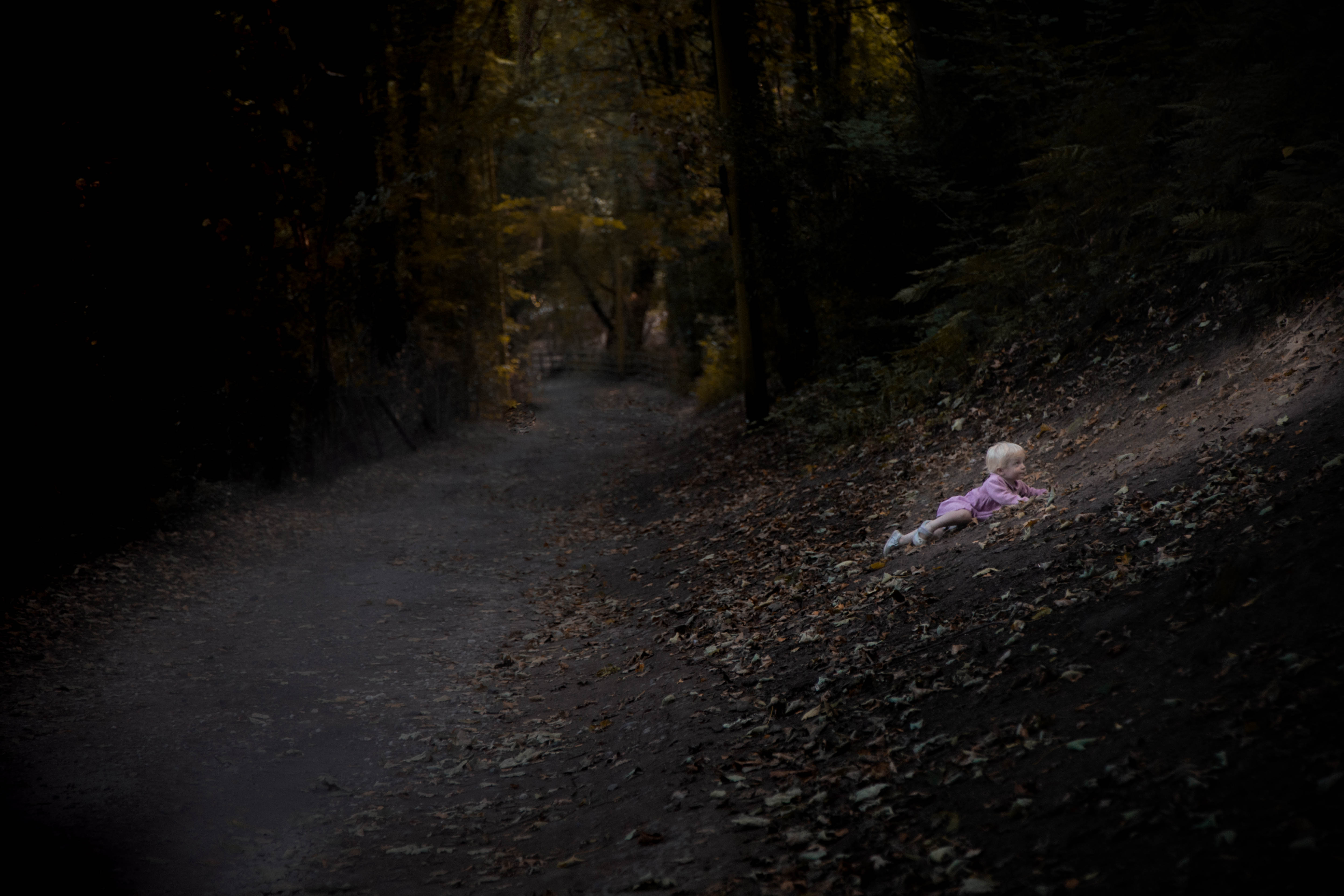
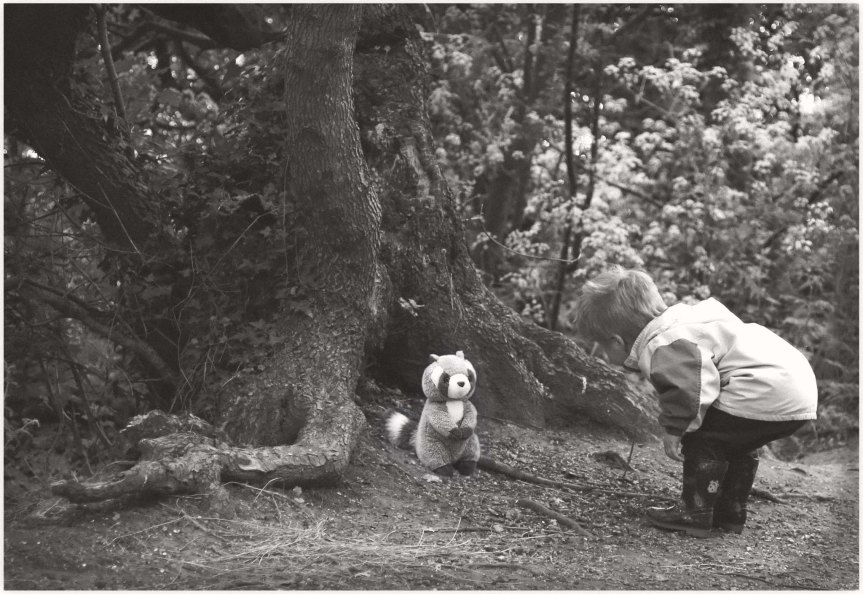
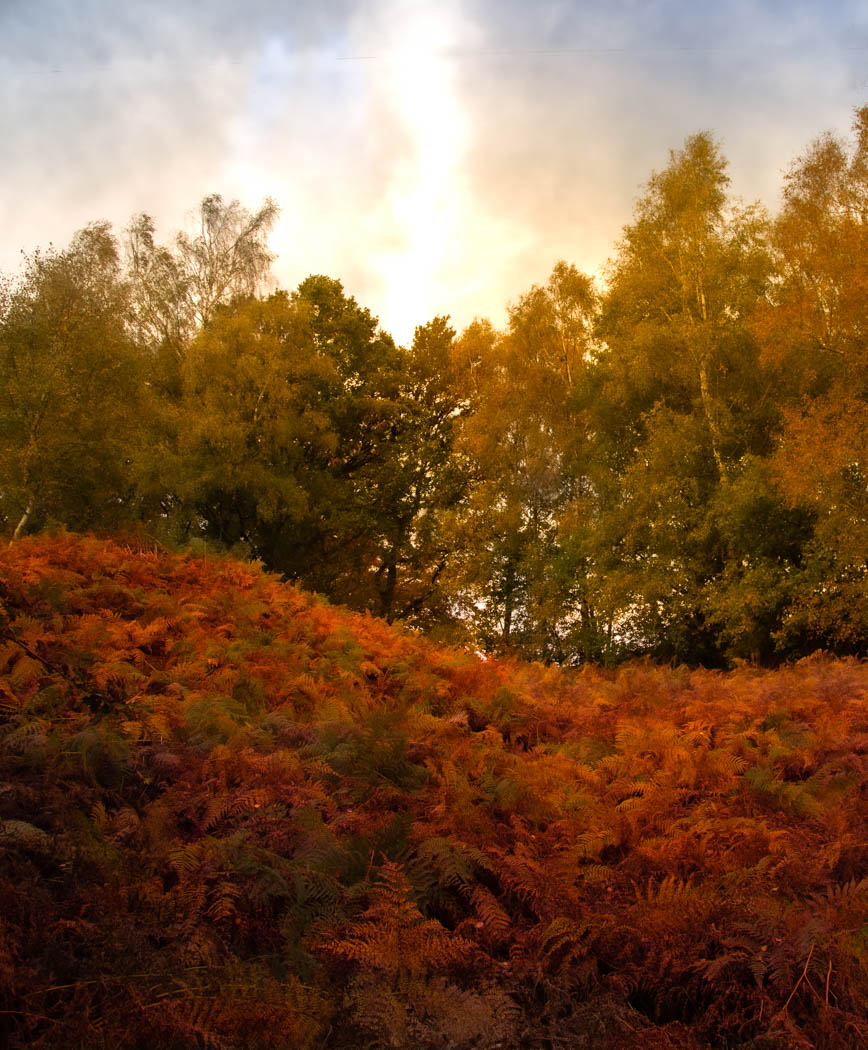
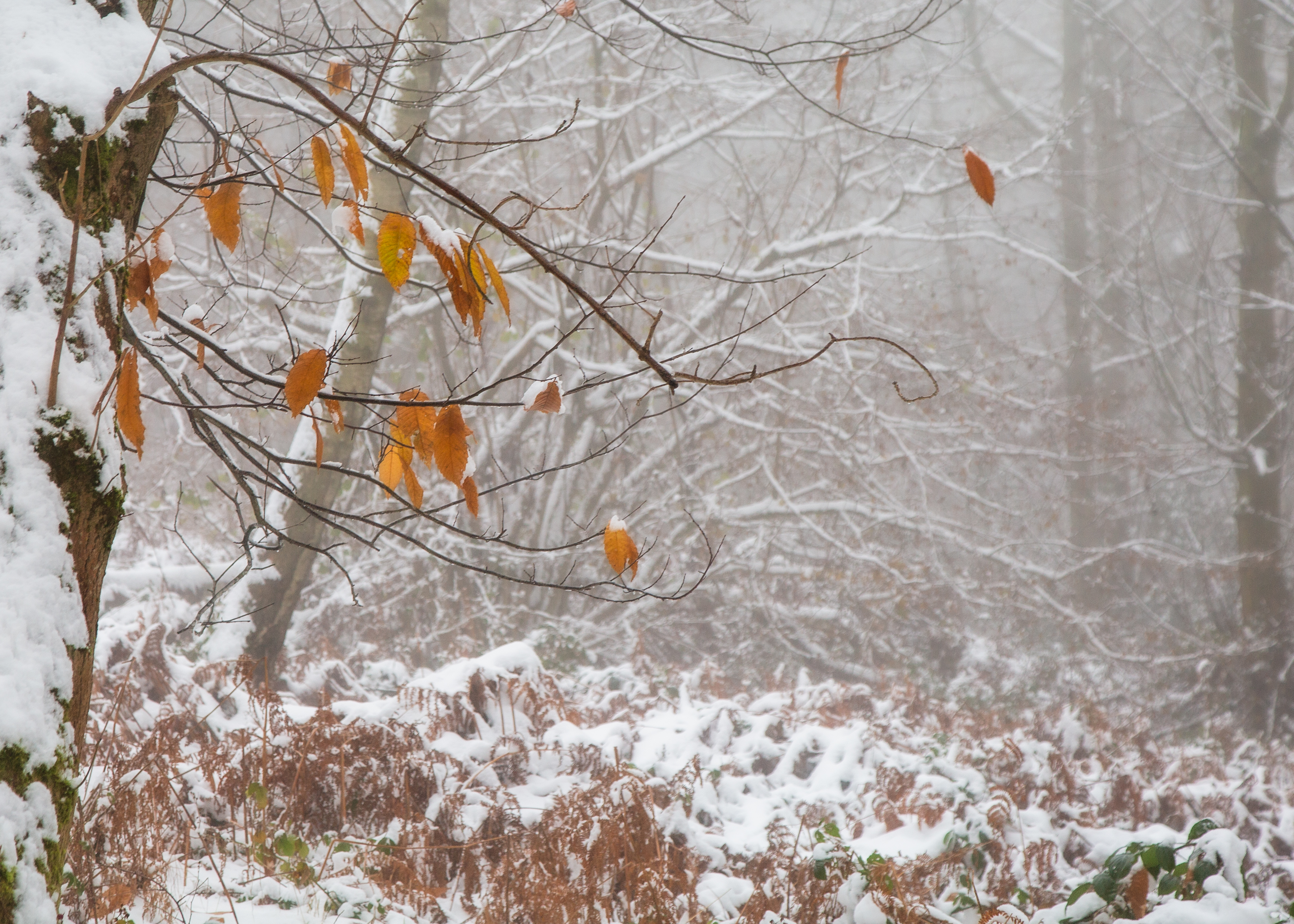
The photos were taken in The Birches, Ambergate, Derbyshire as well as in our local park in Derby.

REMEMBRANCE DAY: May We Live Gracefully

REMEMBRANCE DAY

***

May we live gracefully

May we live with hope

That the world will calm down

That the remorse will show

For the beauty undone

For the lives lost

May we live gracefully

They have already borne the cost

When the soldiers did decide

That the fight was necessary

They didn’t predict their loses

They didn’t predict their merit

The trauma of the past needs its cooling time

Time to close the wounds

Time to heal

With the whispers of the soul

And the kisses sent to those who died

Thank you for making us survive

Thank you for the future reassured

For the coziness of my own room

You allowed me to be calm

You allowed me to be kind

Turn the war into a fight

For the rights of peace

For the rights to the calm

So that the nerves are soothed

And the will finds its new direction

This wouldn’t have happened without your sacrifice

Without your protection

May we now live gracefully

May we now live with calm

Let the soldiers sleep

Let them now have their time

Let us rock them 

So that they feel embraced

They were dying on their own

Their bodies were not held

Let us rock their souls to sleep at least

So they can finally rest in peace.

Poem by Alicja Pyszka-Franceschini

A walk with The Gita for Children by Roopa Pai

If you’ve got a child aged 12 or around, you would most likely have enough data on their likes and interests and you would probably see that some subjects always prick their ears and they like discussing them. Among football, biology, history and Minecraft, religious studies are my son’s favourite. He is very keen on learning and discussing different religious wisdoms, beliefs, traditions, and customs. When I was sent The Gita for Children by Roopa Pai by IBBY (International Board of Books for Young People) two years ago, I was thrilled. I knew that we could have a good time together.

The Gita for Children written by Roopa Pai and it is an introduction to The Gita, the sacred scripture of the Hindus. The book has a very intriguing purple, golden and dark blue cover and beautifully drafted drawings inside by Sayan Mukherjee and the elements of script that I could not recognize or comprehend. The elements of script used in the book are shlokas, otherwise understood as stanzas of Bhaghavad Gita.

Two years ago the book however was a bit too dense and difficult for our son to delve into with my help and on his own, but as we know, children mature and their mind’s abstract conceptual maps grow with them and what was a bit early to access two years ago, may find fertile ground in a boy who has just started his secondary school and is mature enough to admit: ‘Mum, I need your guidance. I need a lot of it.’ Now, this is a terrifying request for most of us, adults, these days as we seem to be navigating without a compass through the obstacles and challenges of our era, unsure which ways lead to greater good and less internal turmoil. If you read the backside cover of The Gita for Children, you are already presented with some answers, as the publisher, Swift, chose the following extract from the book:

The truth is, Partha,’ Krishna said, ‘there is no “better” path. Both paths – the path of knowledge and the path of action – work just as well. It is up to you to pick the one that you are suited to.”

This permission to choose a path encourages you to read on and learn more about The Gita and delve into this introduction to the sacred scripture of the Hindus and to slow down a bit to learn and reflect on wisdoms that we are surrounded with but we do not access. I took Roopa Pai’s book for a walk in Derby around our local canal to breathe in its wisdom with fresh air and I thought I’ll share with you here some of my favourite quotes as they may speak to you too.

“… the soul goes to that which the mind has been thinking about in its last moments.” p. 118

“ God does not belong to the privileged. (…)

All He needs is love.”

“Think of me as infinite space, the space around and above me below you – the grand theatre of the suns and the stars and the might wind; which holds the seed of everything in the Universe” p.132

“I do not favour one being over another; they are all the same to me…”

“Go(o)d will find a way.” p.65

“From goodness is born knowledge, and the fruit of the action is joy; from passion arises greed, and the fruit of passionate action is pain; from dullness arises negligent and wrong action, and its fruit is ignorance.” p. 194

I hope you enjoyed the walk with The Gita.

P.S.1. As if by chance ‘gita’ in Italian means ‘a walk’ while the holy scripture ‘Gita’ means ‘a song’.

P.S.2. For all those who love to walk, this walk started at Stenson Marina in Derby, walk towards Willington Marina (to the right while facing the canal).

(in the next post I will share with you some photographs from the celebration of Diwali that took place in Derby. It does not happen too often when Diwali is celebrated on the same day as Halloween and a day before the Catholic celebration of All Saints (in Poland also knows as the Day of the Deceased when we place candles and wreathes on our ancestor’s graves and reminisce about them).

In and out of the woods: coping with writing anxiety

The Society of Authors has recently justly expressed in ‘The Author The Journal of the Society of Authors’ its strong disapproval regarding authors’ work being sent to to A.I. generators to create texts for education. This is apparently frequently done without authors’ permissions or consultations. Similar doubts, I suspect, appear among online writers and bloggers who simply worry that their writing style, crafted for years, would be hacked into and reproduced in multiple ways depriving the original author of their well-earned and unique voice. These worries are of course not alien to me and I do often question online publishing knowing at the same time that a lack of online presence reduces greatly my own verbal productivity and outreach to minds that also like to create with words (or images). That said, on examining my own writing styles, I can simply say that I am also made out all that I read over the years and my own inner A.I. brain is defiantly activated when I read or hear good writing. Tuning into styles is very common for language learners and decoders and I think it is our common pleasure, just as artists like to create a bit in the style of someone.

A long time ago I attended a photography talk at a camera club given by Paul Mitchell on woodland photography. I do remember being very much inspired by his work. To copy Paul Mitchell is impossible but to embrace his appreciation of the subject does not require much, especially if you happen to grow up next to a forest but were somehow dissuaded from heading that direction and then felt cheated when the adults went there themselves just before Christmas to find evergreens to decorate. ‘So is the forest safe or unsafe to visit?’

I know what answer The Woodland Trust would give, especially when it comes to visiting their trees, ferns and fungi..

I have been writing for a while now some poetry and fiction that features little bits or significant elements of the woodland and I am overcoming my fear of being eaten by the A.I. monster. I hope you will find it enjoyable and I hope you will visit your nearest woodland soon before all the leaves are hijacked by the wind and pathways turn to mud.

Apparently, it’s going to be misty tomorrow… time to get the cameras ready.

Bye for now.

Poem

how sweet the sound of shadowed grass

made no disturbing threat unkind

how sweet the blacks on the bark unlit

that survived the wisdom

and the wit

of loving being so obtuse

that gave me no silence

no choice

but to refuse

the darkness so unkind to self

that went undone through childish maze

how kind of him to make me free

of liberty

to be all

I can be

i.e.

one

at

a

time…

Copyright Alicja Pyszka-Franceschini 2024

The poem forms part of the anthology ‘Bitter toes: Poems on Immaturity’ (title in development) or some other book of mine.

on unresolved grief

'I cannot hear you anymore.'
'Is that a bad thing?'
'I think so.'
'What can you feel instead?'
'Stomach pain.'
'What does it say?'
'That I miss you.'
'You are so sweet.'
'No. Very bitter in fact.'

~ Alicja Pyszka-Franceschini