
Against all odds

Walk in snow

I used to bend my time. I was able to dedicate extra hours, days, weekends to various projects and ambitions and I was good at it. I was good at being dedicated, going the extra mile and generating motivation to do things. When you have love for learning, motivation is easy. It is just there. And you draw from it. Happily. Freely. Endlessly. So you think. Until you become a parent. When a child appears in your life, you realise that there is very little time to bend… no time to waste… hardly any time to flex. It is the time when despite having loads of motivation to engage with things, you realise that motivation on its own will not take you far. That you need a change…in attitude…in lifestyle… in your entire life approach maybe too… you just need to change… change.

Last year I embarked on a very important professional long-term project. This project is now calling for my attention, wants my commitment and wants the hours to be put in. This is not going to happen in the evening when my son falls asleep…It wants more of my time and so it seems to me that it’s only the early start that can do it…. the two hours before the baby wakes up… and I need to do it as otherwise I’ll fail… and everything that I’ve been working for over the last six years will be lost… and simply I cannot allow this to happen. I never needed as much discipline in my life as I need now… I never needed as much planning and I never needed to be so organised… and my dear friends this is painful because I’ve been always valuing freedom and flexibility and space… and now I need to change… and put some limits and barriers on that space and time that I possess as otherwise I would need to give up what I started… give up something very precious… an opportunity to grow… and that’s just not in my character.

So I’ve got a challenge before me that requires discipline and strong will… will that I need to develop and the discipline that I need to master. They will allow me to confront the challenge and find solutions to my busy days. I am starting from a new position… from a position that is still new, continuously changing and always demanding… that of a very tired but filled with love mum. It’s difficult, it’s exhausting sometimes but I believe that what I’m doing will lead to growth. Of myself, of my family and of others. And that’s what matters, doesn’t it? That we grow. Spiritually. Mentally. Intellectually. Truly. Grow.

“A characteristic of human nature – perhaps the one that makes us most human – is our capacity to do the unnatural, to transcend and hence transform our own nature.” M. Scott Peck

Thank you Mary Slow for your inspiring words. You motivated me to write this post. Check out Mary Slow’s wonderful and thought-provoking blog.

Let the story unfold…

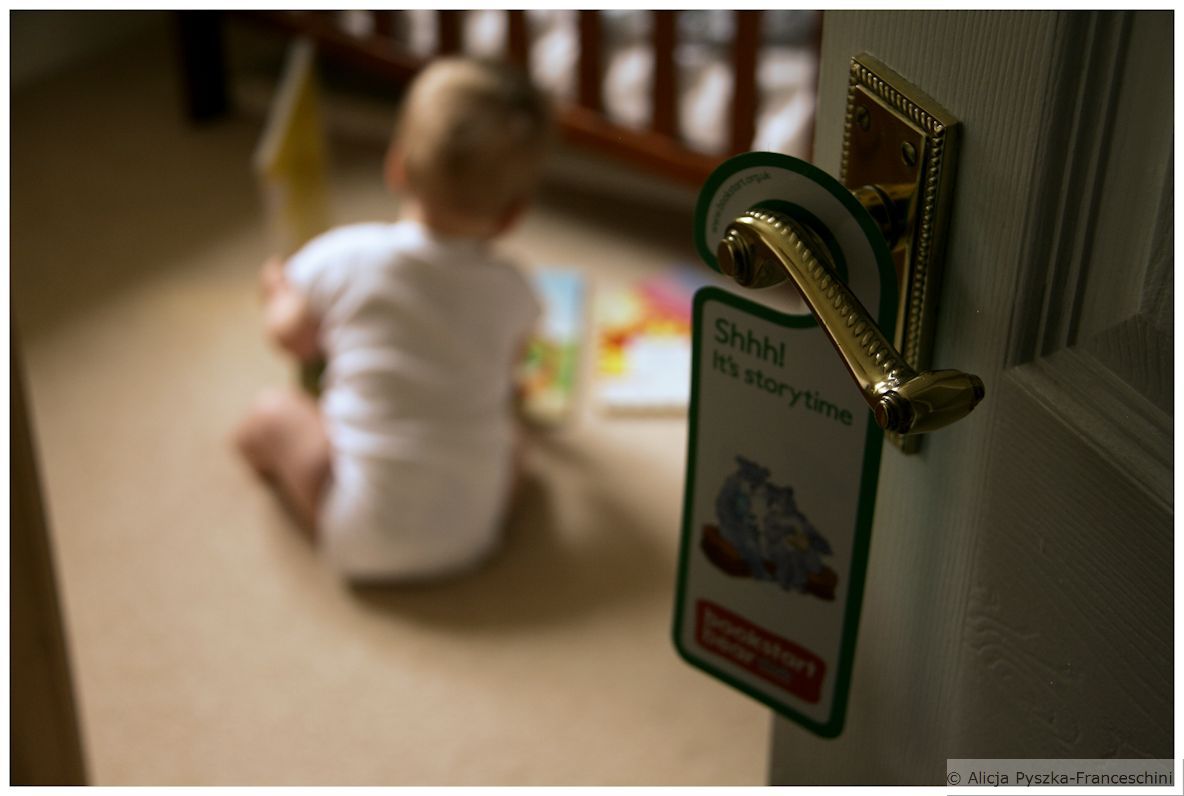
Storytime_a toddler reading a bookI always cared about books. A book was the very first thing that I bought for my son even before I got his first baby grow. Books are integral to our family life. Our spaces seem incomplete without them and our days somewhat deprived if a book is not read or heard being read.

I never had many preconceptions about motherhood or about having a family. But there was always one thing that I didn’t want for my child. I never wanted to create a home where stories are not read, not told, not re-enacted or not invented. I never wanted books to be just lonely physical objects perched on shelves. In fact, I often felt sorry for those children who are given wonderful gifts of tales and fables and nothing is done with them… where those presents are really never unwrapped for them which means that the stories for these children never come to life. This is such a waste. Isn’t it true that to a large extent stories shape childhood? The stories we read, the stories we tell, the stories we repeat…. they make an impact on our child’s character and on the ways in which they perceive the world around them and their own role in it… Stories warn, stories educate, stories entertain and comfort… Stories remain when we are gone.

That first book that I purchased two years ago… There was a wonderland in that book. And I wanted my son to be transported there. There was vibrancy and strength in that book. And I wanted him to be energized by it. There was a meaning within the story. I wanted him to remember its message. And mainly there was joy… a pure joy that I sensed would emerge from engaging with it. A break. For my son and for me. Joyful, peaceful and energizing break.

Mothering with books is a form of simplified parenting. You allow the books to do the hard work of showing, telling, instructing and in many cases they are probably more effective than we are. It’s just much easier to follow a story than a parent. This year I am not buying any books but I am writing stories and poems because I see them as crucial for my son’s development. I see them as essential for his imagination, health and playtime. Without them I wouldn’t be myself and my son would not have the childhood that he deserves to have.

I know I am just a mum of a toddler… of a boy who cannot engage with an elaborate story yet and who frankly has just only recently moved on from the stage of book eating to actually being able to listen to the story. You may think that reading is not really that significant at this stage… that stories do not make as much impact…Well.. you see… I look at this small child and I look at the way he handles his books and I see a very strong need in him… the need to engage with the world that’s presented on those pages… the need to know, the thirst to understand… those small things such as why the little chicken is pulling a bucket full of water from the well or why the small kitten is in bed with a high temperature. How can you not tell the whole story when those small eyes are pleading to know?

What’s inside our bread?

Baked Bread

Wanted. Loved. Devoured daily. But messed with on a big scale too. Only a few decades ago in the UK its “particularly interesting” example was so white that it appeared almost luminous. People marveled over its brighter than chalk tint. The astonishing hue was mesmerizing and very few questioned its look. This was a mistake. Chlorine dioxide gas was nothing but a type of bleach used in the UK’s bread till 1999 when the government decided to put a ban on it (Whitley, 2006).

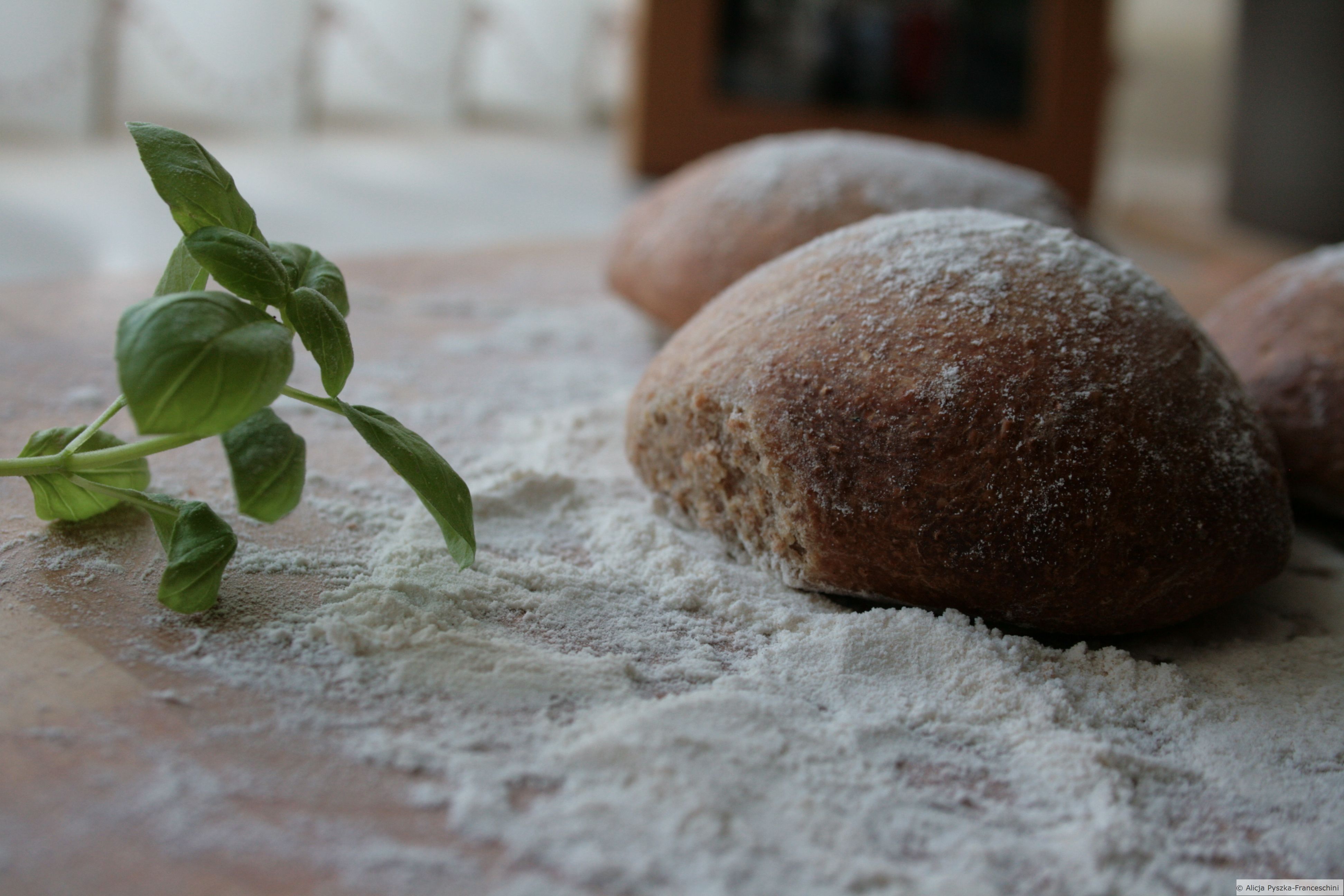
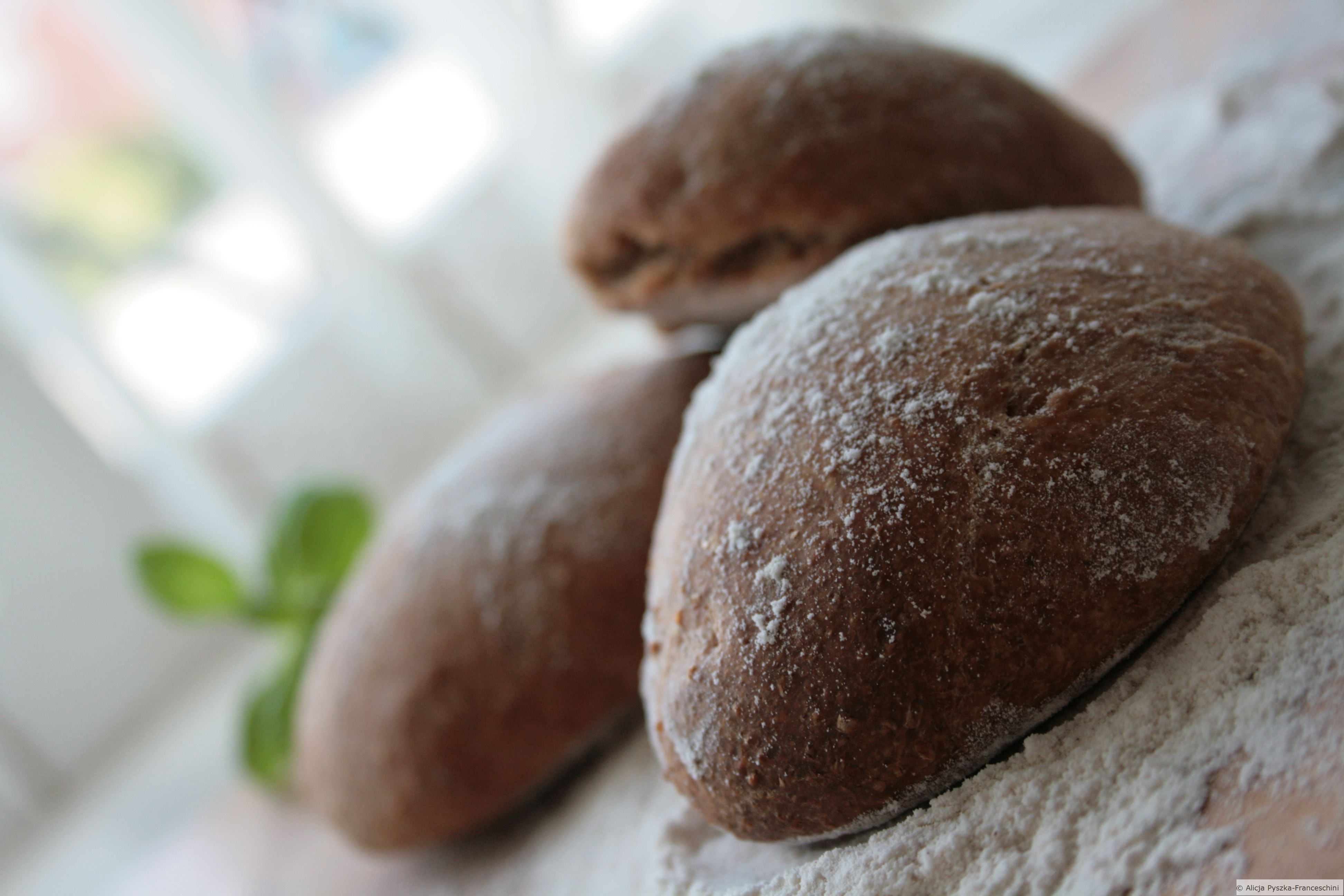
There is no chlorine dioxide in the UK’s bread today but there are still many bleaching agents, additives, preservatives and enzymes that aim to artificially enhance the taste and the look of bread, decrease its mixing and baking time and superficially boost the volume of the bread. In his book Bread Matters, Andrew Whitley gives a very long list of various enzymes (and their effects) that are used in making bread dough: Maltogenic amalyse, Peptidase, Amylase, Xylanase and many more (the names in themselves sound terrifying, don’t they?). Most breads also contain emulsifiers. Their job is to prevent the loaf from going stale too quickly. These and other supplements compromise the nutritional value of many loaves that we eat. No wonder therefore that there are more and more people who are deciding to go back to basics and who are learning to knead the bread again within the corners of their kitchens and who are finding enormous joy in doing so. Maybe it’s because they are creative with making different bread shapes (buns, rolls, loaves and flat breads), with using different flour compositions (wholemeal, white, rye, spelt, malted wheat flakes) and with putting their favourite ‘stuffing’ (sunflower seeds, sun-dried tomatoes, dates, pumpkin seeds, olives) into their breads. We do that too and I must say there is something very satisfying about baking your own bread… perhaps it is its comforting smell or the appealing symbolism that bread-making conveys… that of motherhood and that of life, strength and resilience. (More Images and Recipe Below)

Bread Recipe:

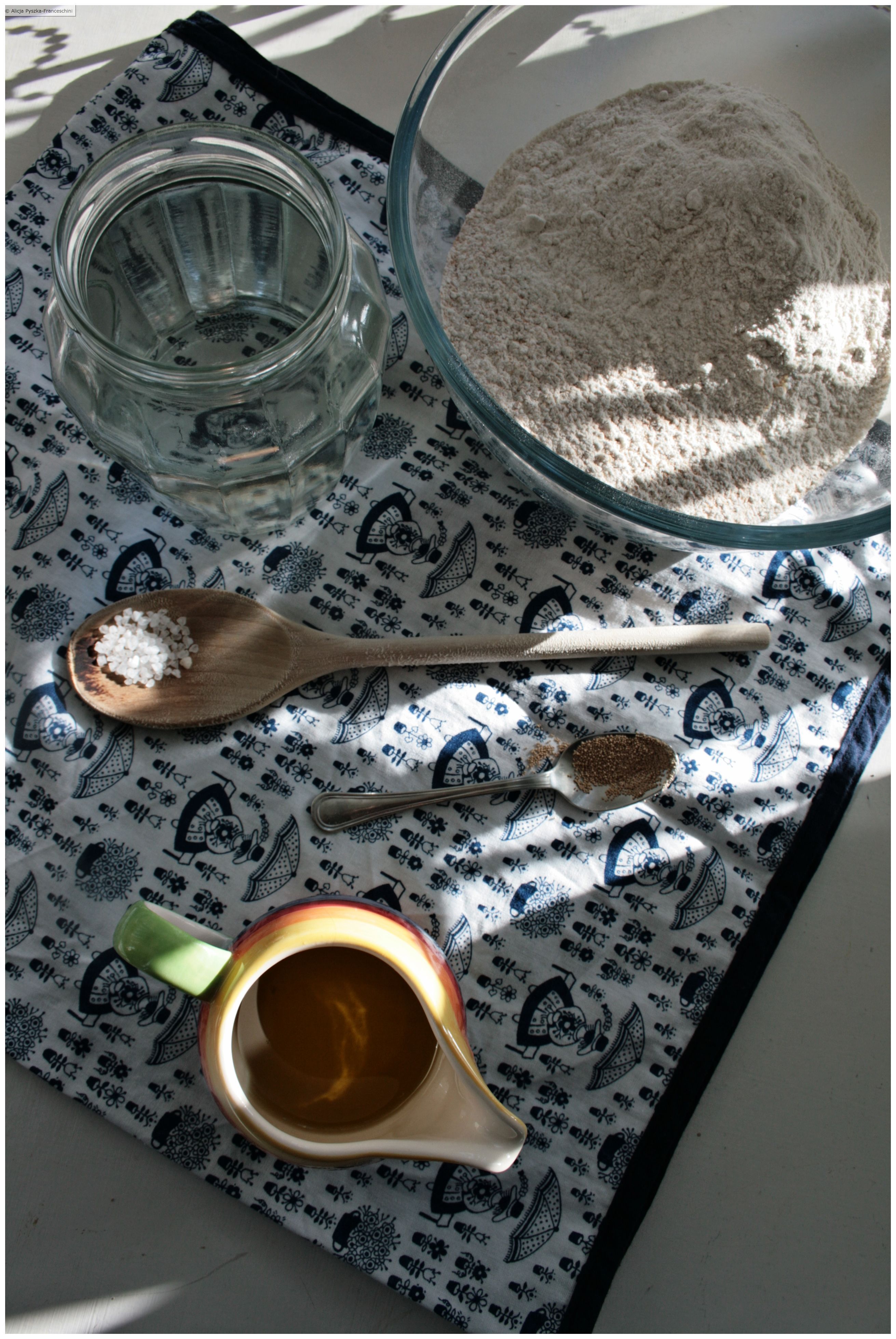
Ingredients:

250g Strong White Flour

250g Strong Wholemeal Flour

100g Malthouse Flour also known as Granary or malted wheat grain (it’s optional, but greatly enriches the flavour)

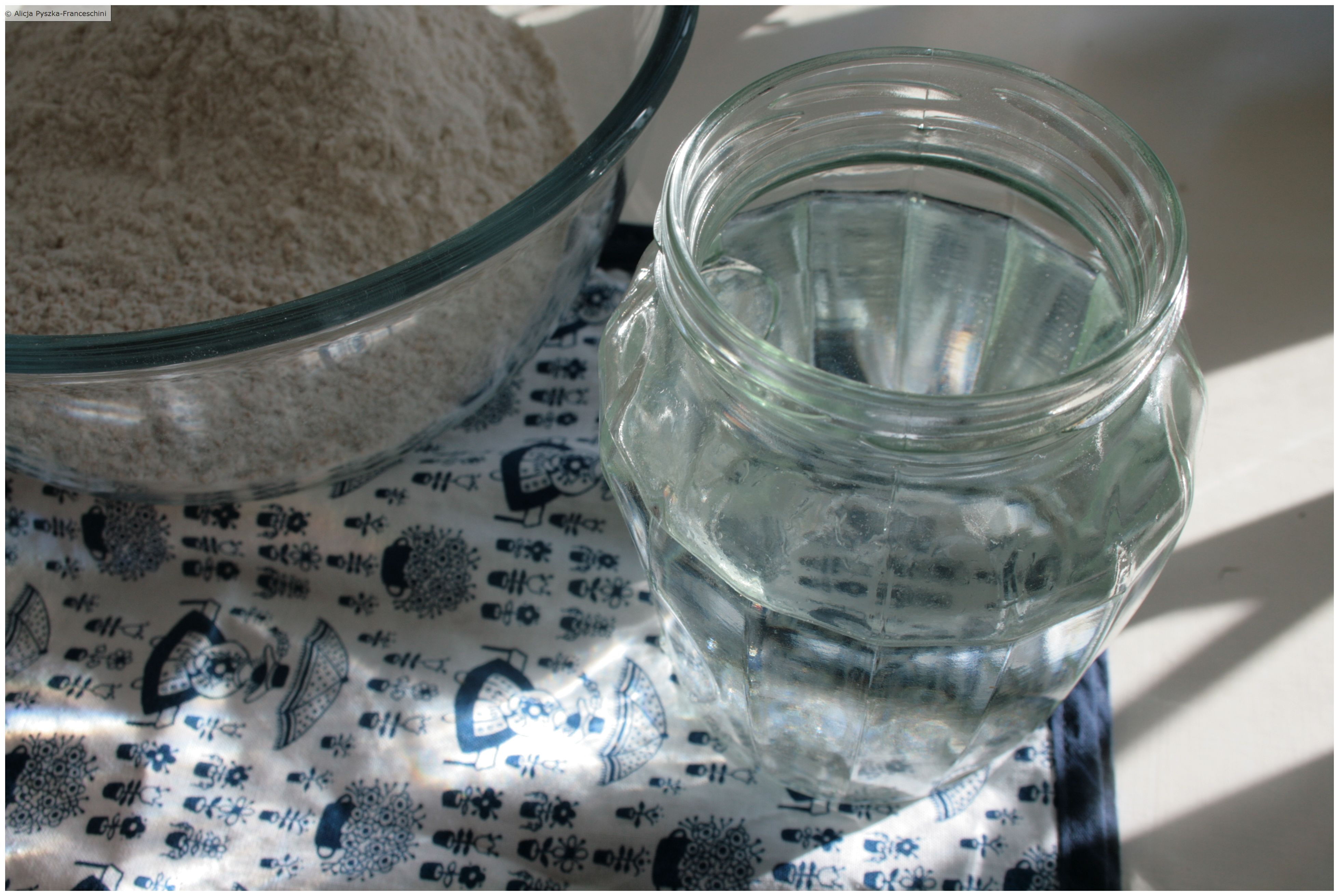
400-500ml Water

1 Teaspoon of Dried Yeast

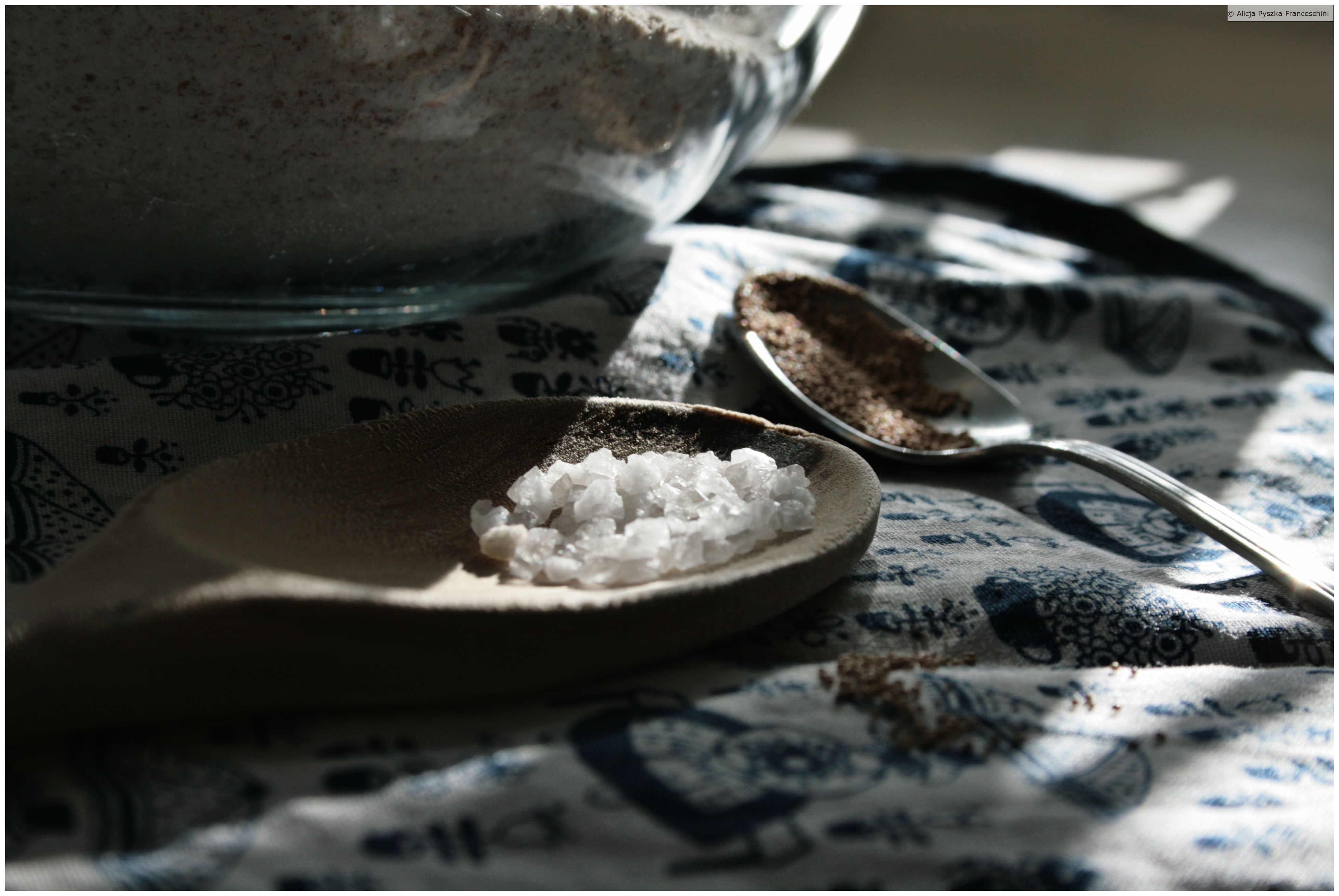
1 to 2 Teaspoon of Salt

25-50ml Olive Oil

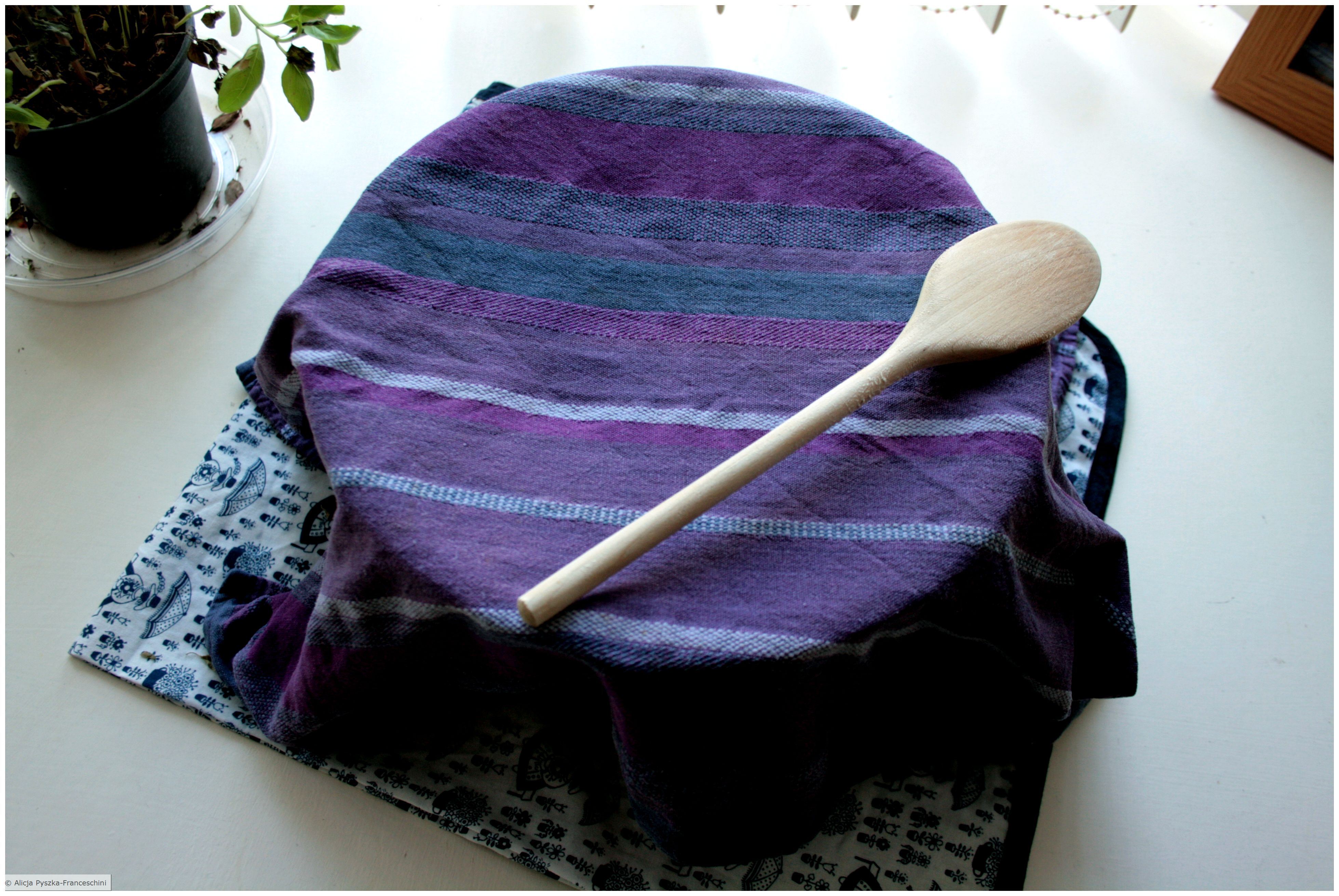
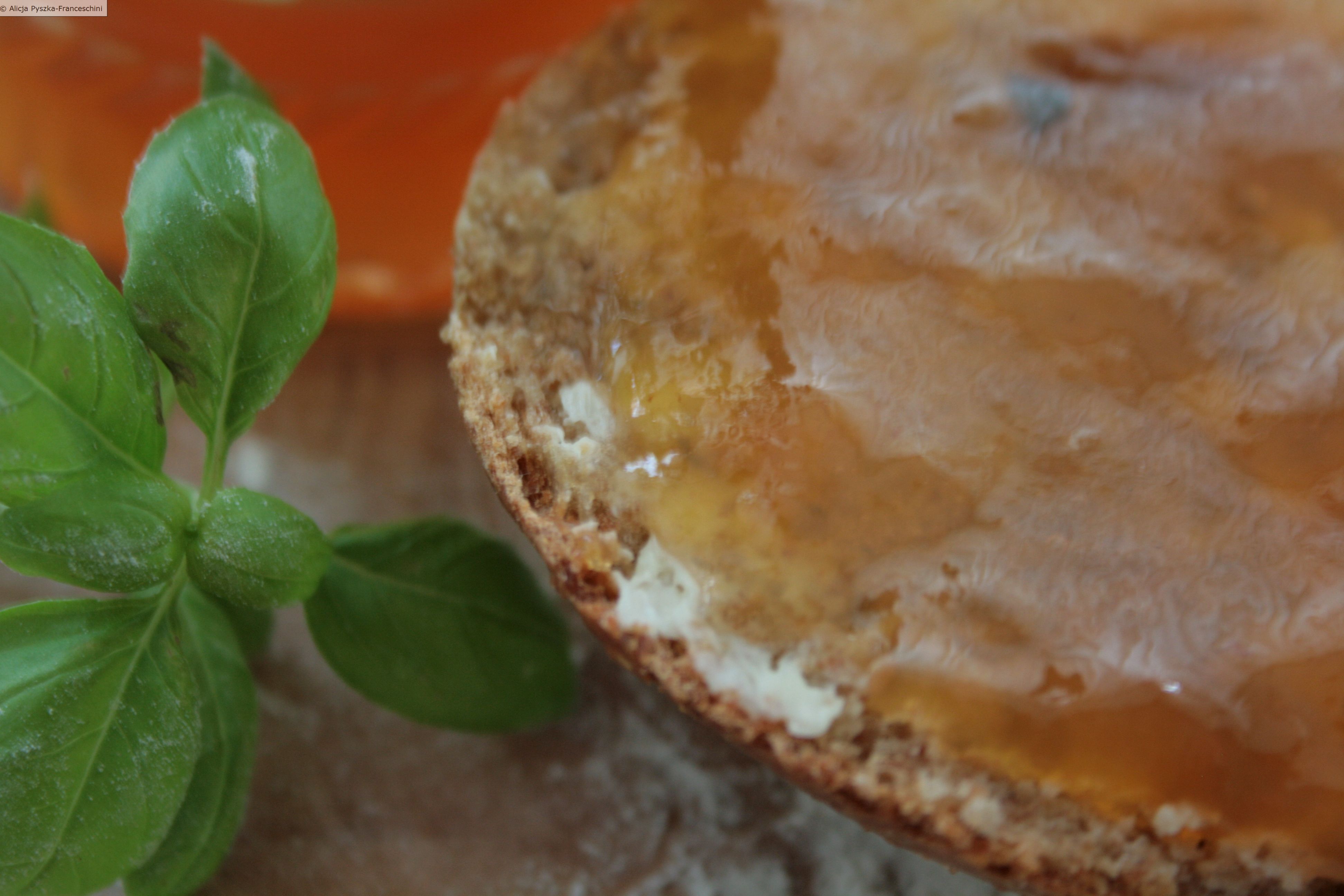
Into a small bowl of lukewarm water put the yeast with 2 spoons of flour. Put it aside for half an hour and let the yeast feed off the flour. When you see small bubbles forming on the surface of the water it means that the yeast mixture is ready. Now, in a large bowl mix all the flours with the salt and slowly stir them adding the water. It’s ok if it feels quite sticky at this point. Knead the dough for at least 10 minutes until it feels fairly soft and elastic  [you can add extra flour or water to ease the process]. Slowly pour the olive oil and again knead it into the bread mix. Form a nice rounded loaf and cover it with a wet tea towel and leave it overnight for the dough to rise. A day after, cover a flat baking tray with grease proof paper and form small (4-5 cm) buns. Add dates, sunflower seeds or nuts to the mixture if you wish. Bake in 180-200°C for around 30-40 minutes. There is no need to preheat the oven. It’s good to allow the buns to grow with the increasing heat. It’s delicious served with butter and mirabelle jam (or stuffed with dates) especially if you are only baking with wholemeal and white flours. The wholemeal can be quite bitter and the sweetness of mirabelle plums or dates just complement those flours so well. Enjoy! Bon appetite!

Ingredients

water

Salt Flour  yeast mixture Bread doughCoveredBread _Postcard Last but 1Bread PostcardBread wit mirabell jam

Based on:  Andrew Whitley (2006) Bread Matters. Fourth Estate: London.

The real-stuff corner and its powers

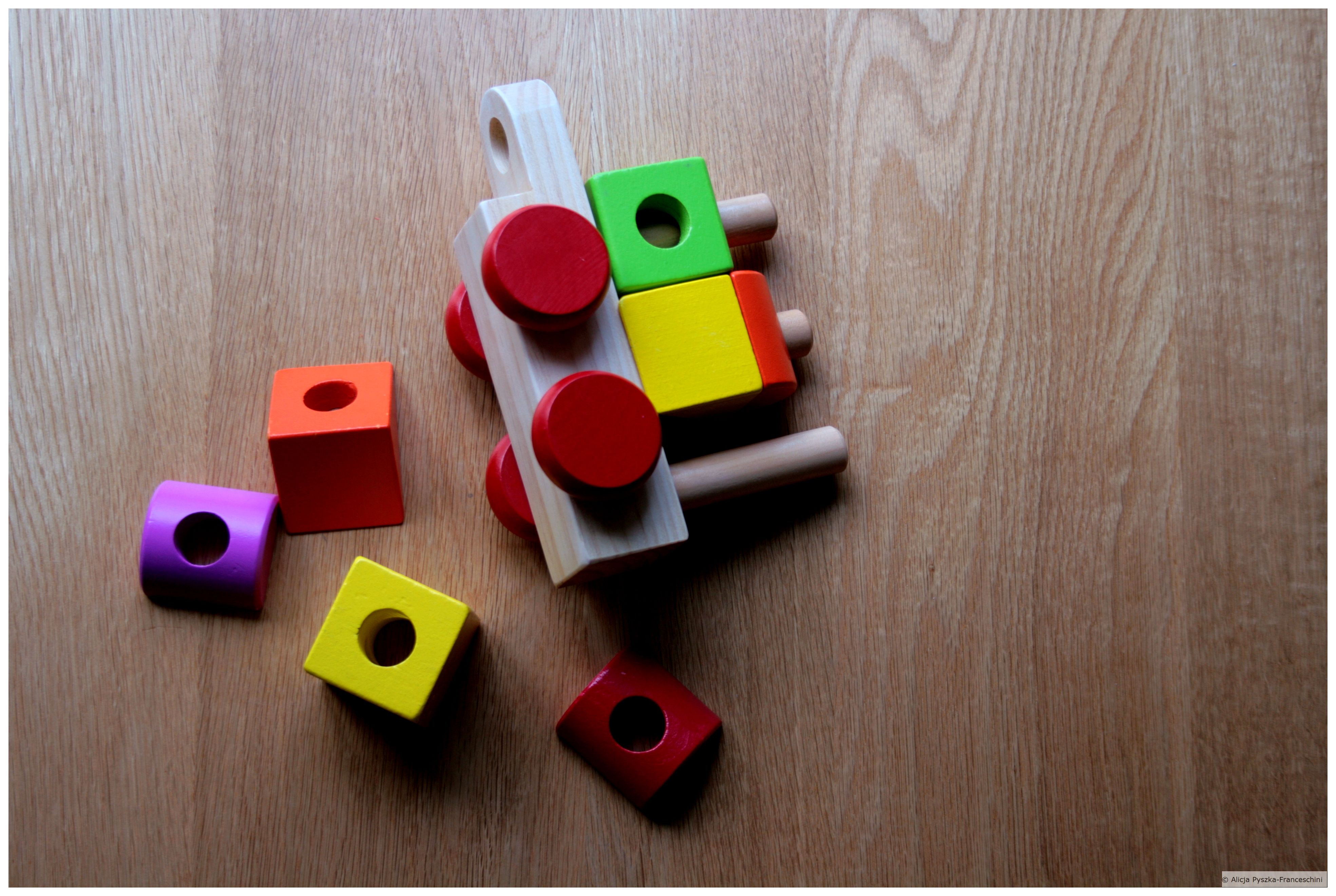
zabawkiklocki

I used to think that toddlers love colourful toys. That vibrancy is what draws them in. I was mistaken. This beautiful toy above was presented to my son from our dear friend. It was offered with the most generous heart and best intentions but at the moment it’s mummy who plays with it most often. I think that my son will grow to like it and will learn to play with it when the time comes but now… it’s the real stuff and the real world that he seeks… so much so that the floors in our house are at times invisible while the opposite is true of our bookshelves and cupboards.

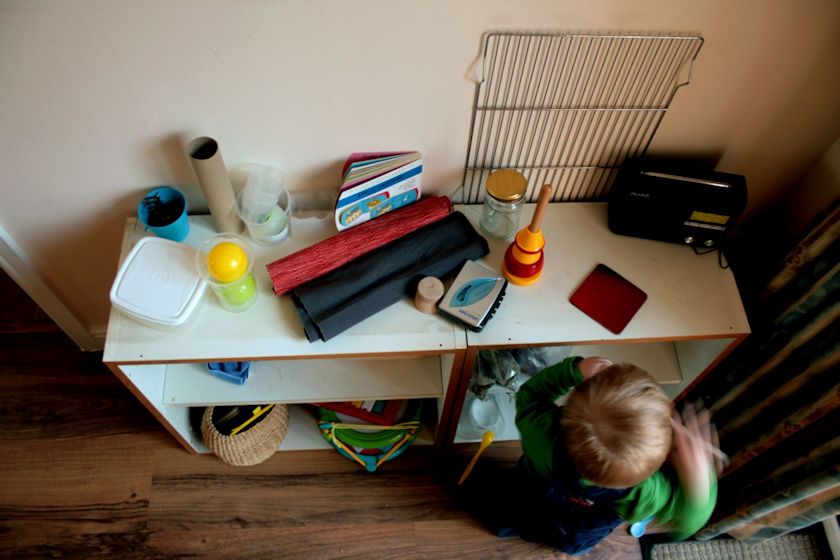
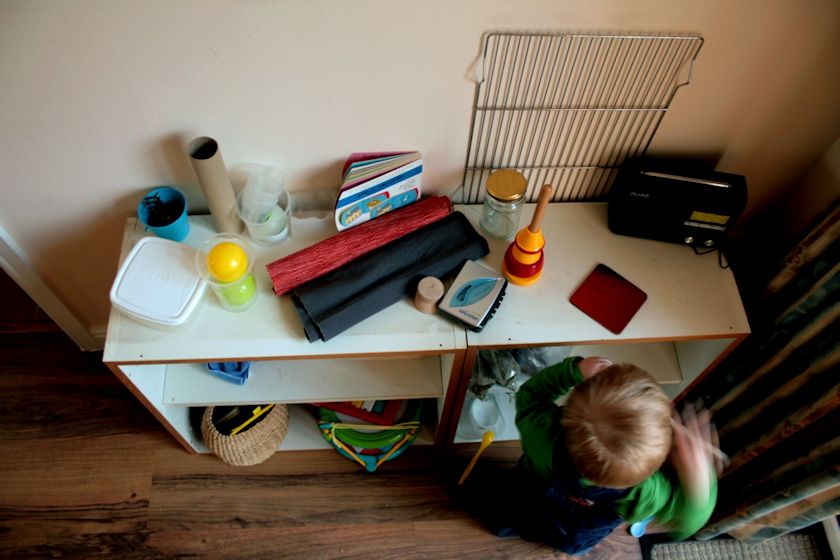
To manage this situation I created a corner for my son with the real stuff (everyday objects) to freely mess around with. The space is a hit. Both with him and with me. I cook or I do some work while he plays joyfully without my nagging. We are much happier together like this.

Looking at this little boy playing just with a simple jar I was again reminded that the ordinary in life can be a source of great adventure… perhaps it’s just about not seeing a jar as a jar…. but as something that you can… twist, turn, pat, rub, bite, wiggle, smell, wipe, stare at, stare through, scrub, make sounds with, cover your tiny teddy-bear with or catch a spider into.

I must admit I regret a few toy purchases. I should have paced myself a little and not been so swayed by their cuteness. It’s just I didn’t really appreciate the curiosity-generating powers of the real world. I didn’t understand that this is what a small child wants to know most about. So we’re going to be learning about the real world together this year. Discovering and re-discovering what’s around us. It’s Nothing New after all…

“…for children play is serious learning. Play is really the work of childhood.”

~Fred Rogers

the real stuff corner

IMG_5680

About a mum who stopped buying children’s products: link to an article

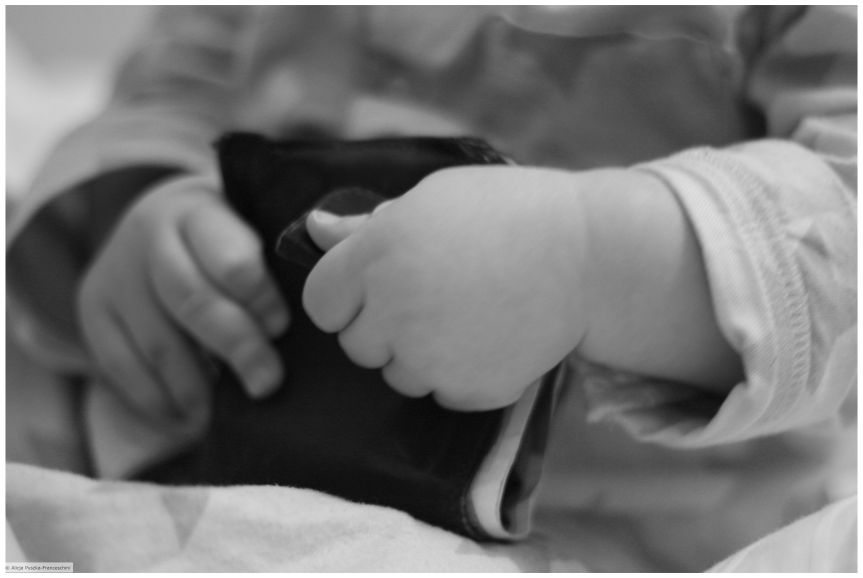
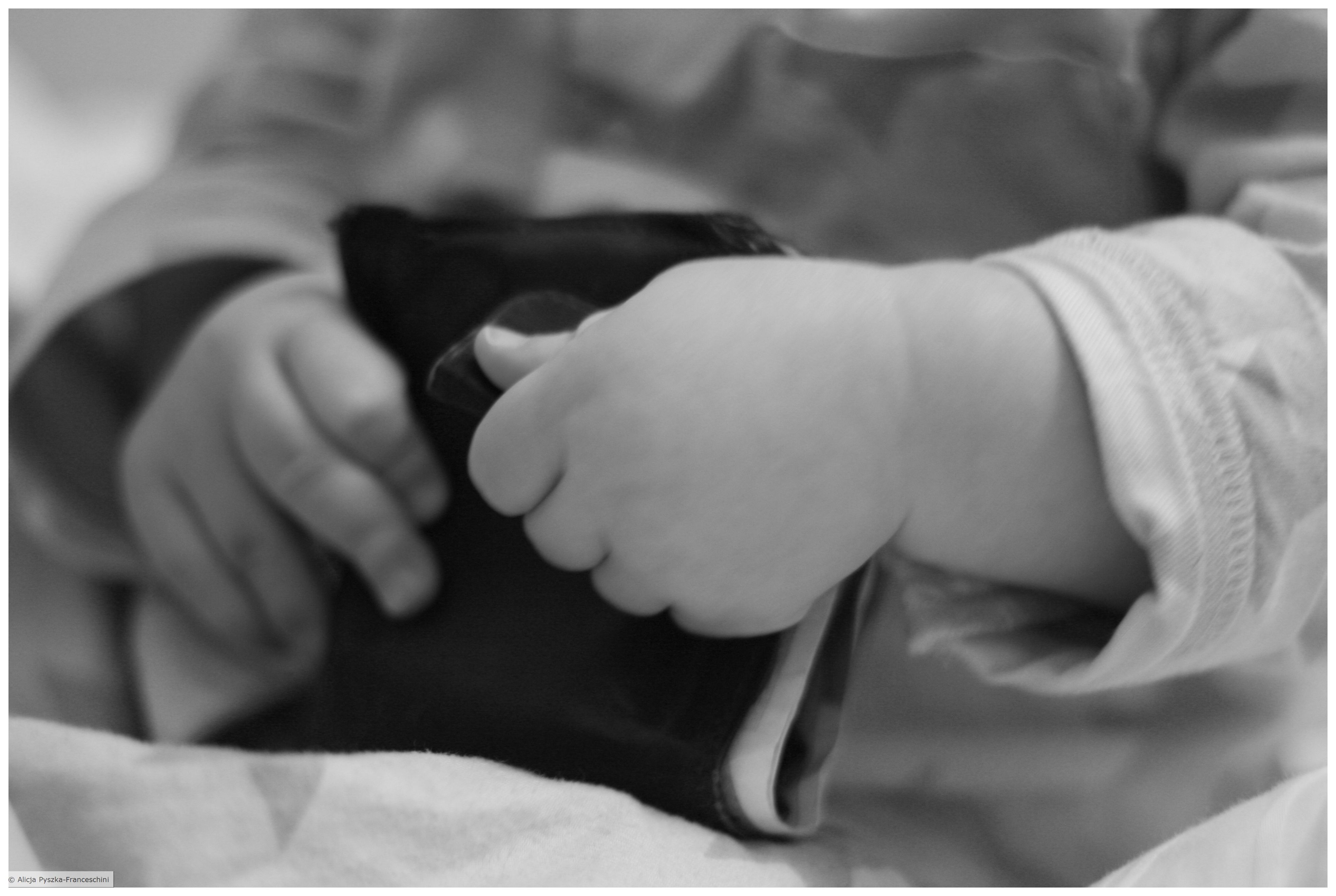
Baby playing with a wallet 2

Just a link to a brilliant and informative article about a mum who said ‘no’ to consumerism and made parenting without spending possible: ‘Successful parenting without spending money – a mother’s story.’

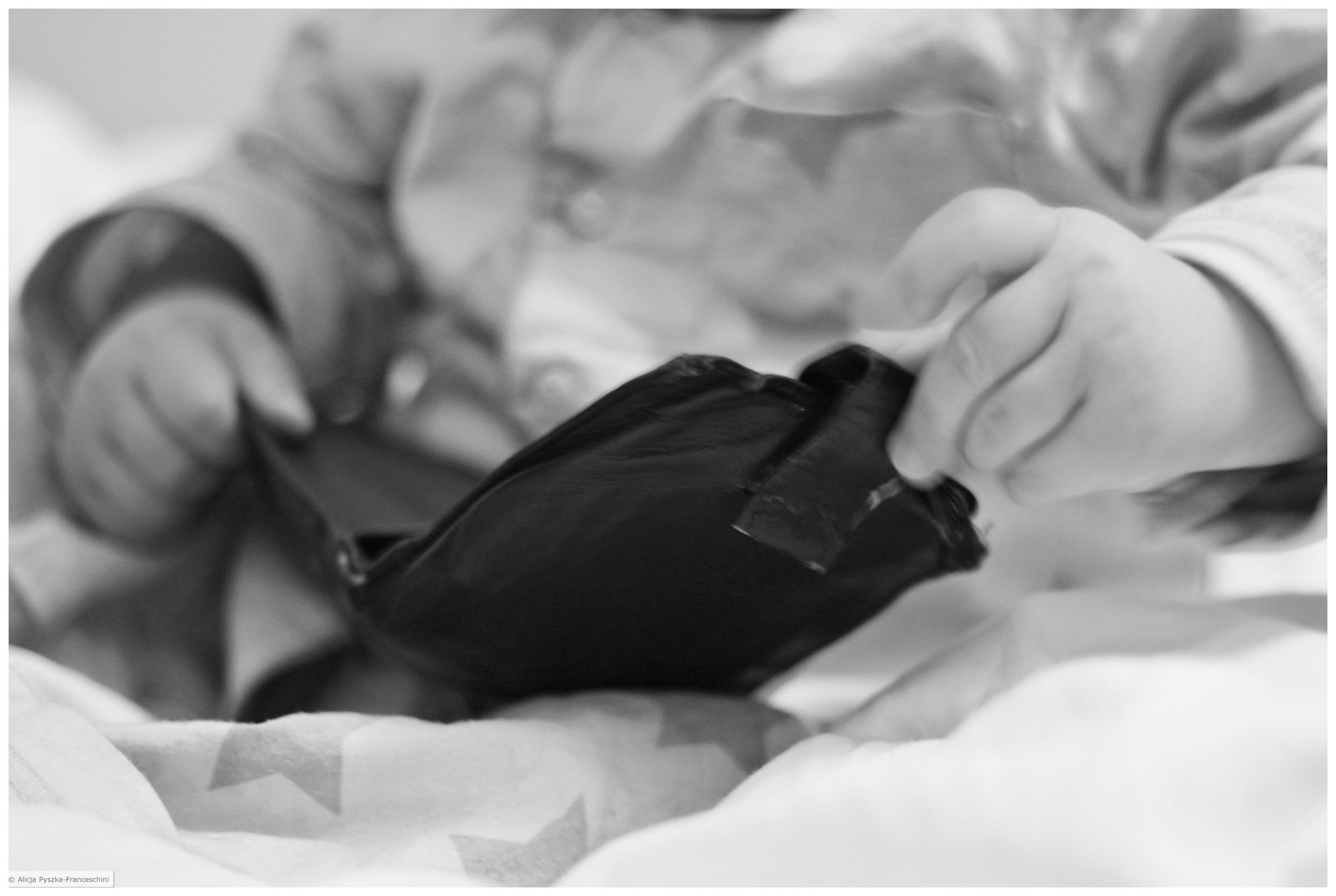
Baby playing with a wallet