

“Happiness, knowledge, not in another place, but this place, not for another hour, but this hour.”
– Walt Whitman, Leaves of Grass
“Happiness, knowledge, not in another place, but this place, not for another hour, but this hour.”
– Walt Whitman, Leaves of Grass
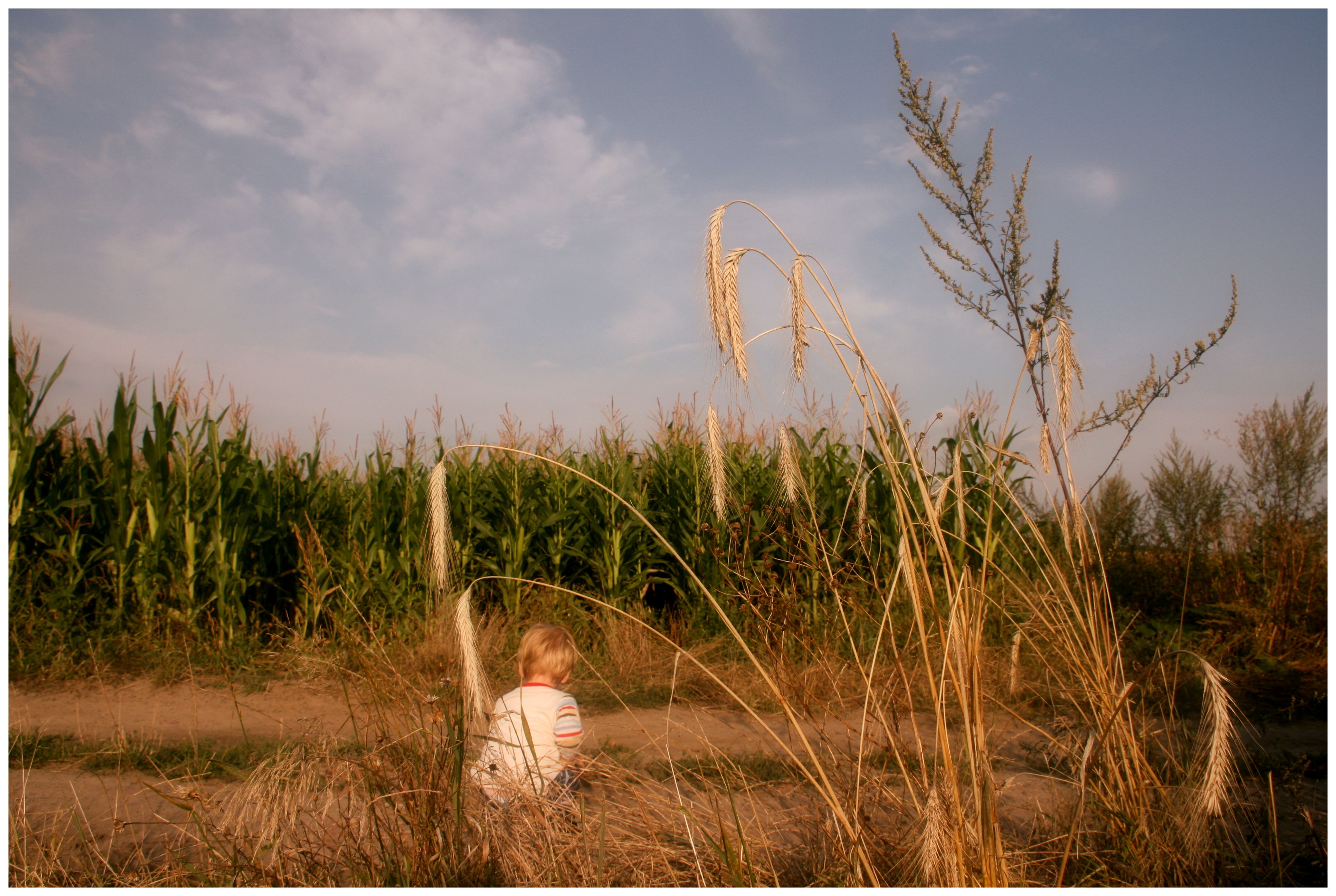
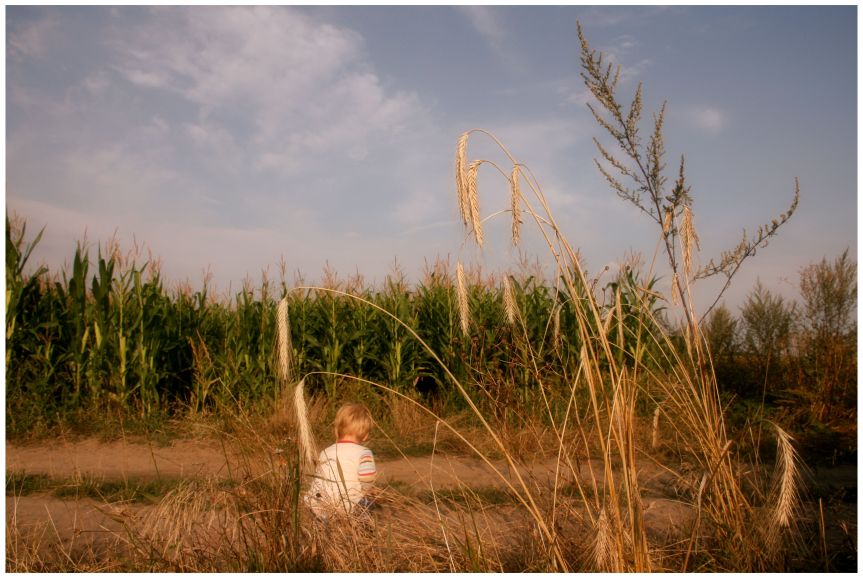
It’s terribly difficult (or maybe even impossible) to learn or taste freedom if we stay indoors. Freedom is born through movement and exploration, through distance and a change of focus. Freedom often comes from having the time to be on your own, from having the time and space that doesn’t involve any sort of control, neither us being controlled or us controlling others. Nature is perfect for this. Perhaps it is its total acceptance of us that is so liberating. We can simply run, poke a stick in the sand and chase the butterflies. No internet connection will break, no adverts will try and sell things to us and no message will leave us disturbed for the whole morning. Those things all stay indoors.
I need to keep on reminding myself that it’s the time outside that guarantees the experience of freedom and makes for a healthy and happy family. You too?
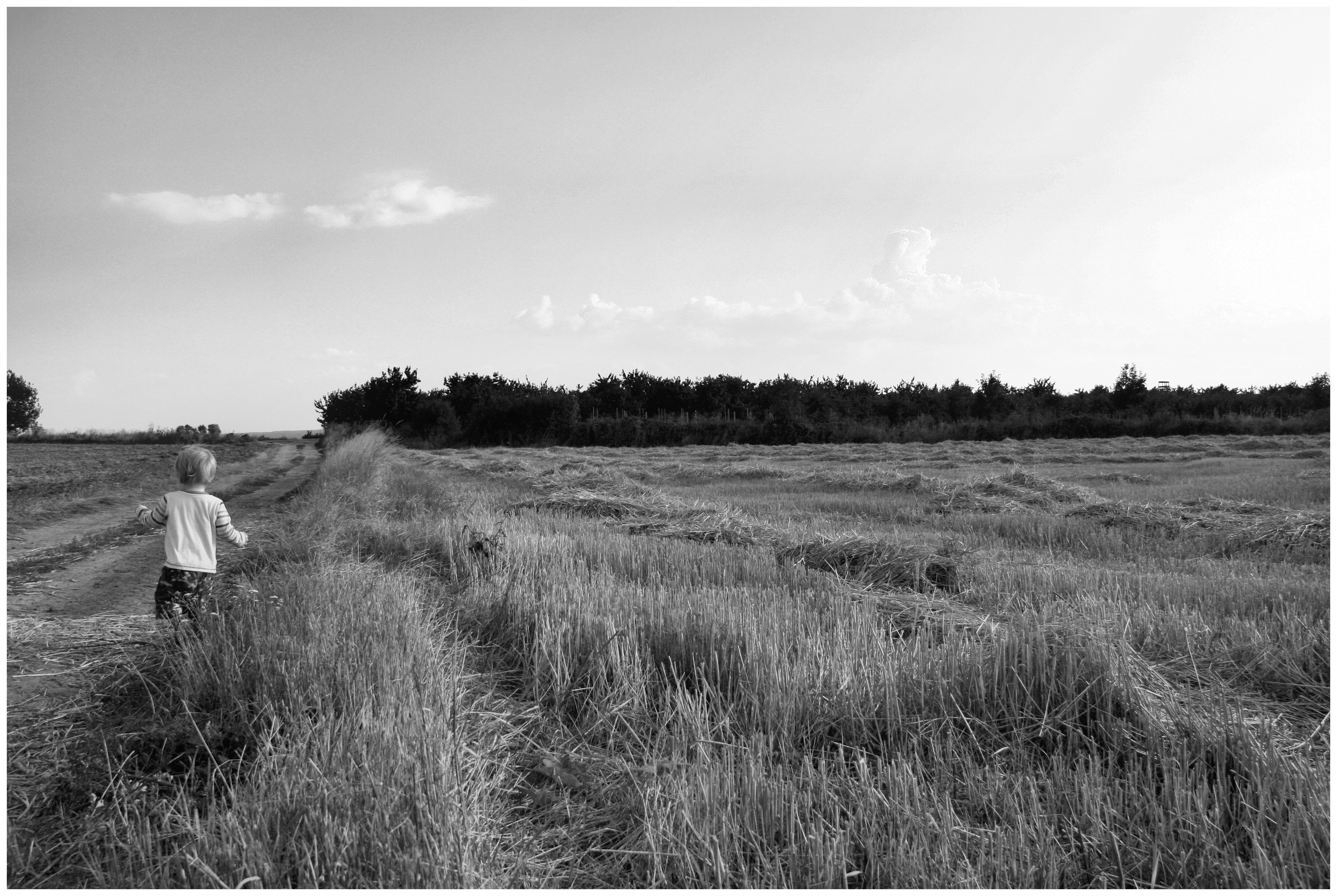


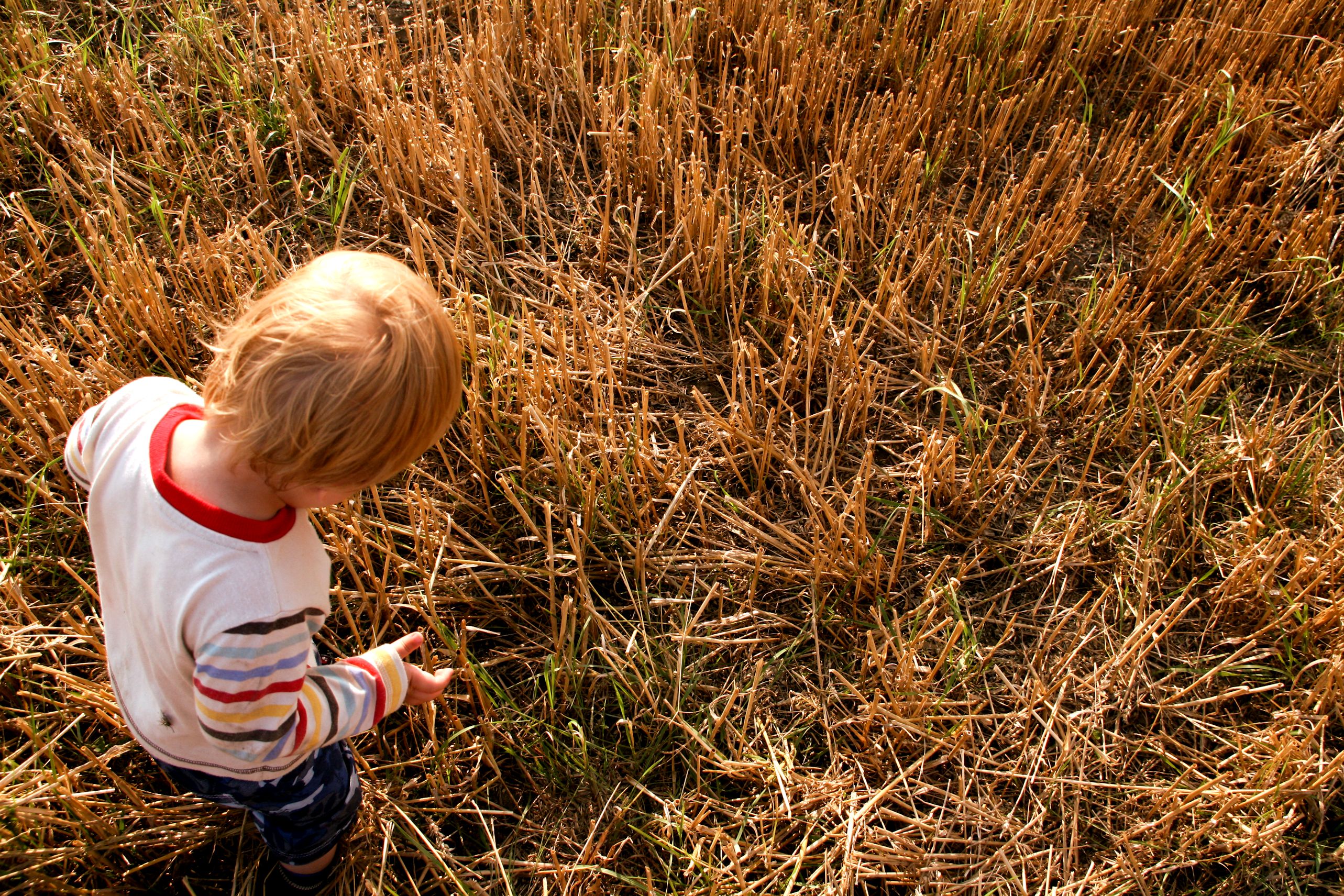


A while ago I travelled to my little village in Poland, to the place where I grew up. Going back to Poland used to mean refreshing my old dreams, things that as a child I promised myself I would do in life; it meant checking up on those aspirations that in my teenage years I drafted for myself, it meant going through some sort of evaluation process that I usually didn’t score that well against or getting a reminder of where I was meant to be going.
The last visit was different. I didn’t hear the voice of my old self – that voice has nothing to say. It was as if I’ve eventually become the person who I always wanted to be or maybe I’ve eventually become happy with who I am and what I am doing. It was as if I’ve pleased my old self and now it’s chapter two… not yet written.
So it’s time for a big move and other life-changing experiences, I thought to myself. It’s natural to crave for them and I do see that many of my close friends are getting ready for those moves so I quite naturally wonder if those changes are also for me. Would I like to move from where I live and from what I am doing here in our little town in the middle of the UK and would I like to start building our family life elsewhere? After a long internal conversation, self-questioning and heart-checking I’ve decided I don’t, at least not now. My heart does not crave for a new-starter-sort-of-change. I think I am passed that step. I am really longing for deeper community, for closer friendships, for stronger engagement in the life of my town and my neighbourhood. I want to be more involved in what’s happening at my son’s nursery and other places that we visit and go to. I think I want laughter and jokes and stories and food eaten and cooked together. I think I want to build bonds and be more present in the life of others. I see many opportunities for my family here. There are many friendly people and many friendly spaces in the Midlands, I just need to learn to drive to them…


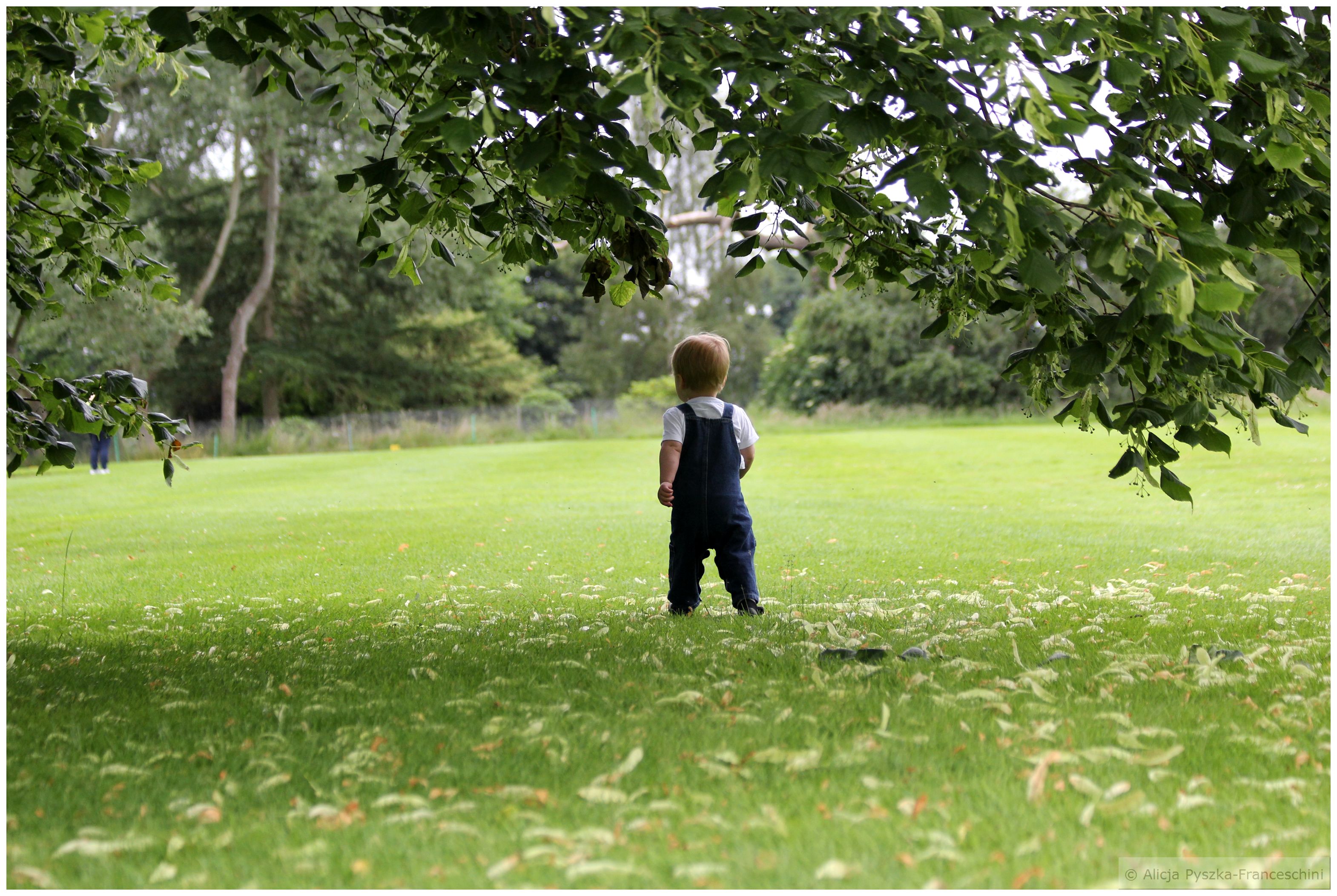
“I really would like to read to my toddler but it’s really difficult. She moves so much or when I start reading to her she grabs the book and tears it apart,” a friend of mine said to me. I really knew what she was talking about as my little toddler was doing exactly the same thing. Pulling, biting and tearing the pages ferociously as if turning into that young and wild lion that I’ve just attempted to read to him about.
Reading is important. It is necessary. It feeds imagination and language development so there is little choice really in the matter. It must be done. What should we do then when the reading changes into a chaotic feast?
I went on a mission to look for times when I can peacefully read to my son, get the most of his attention and save the books from being damaged. I had a few Eureka moments and from then on reading has become much loved by my son and easy for me and my husband. Here are our favourite times for reading:
In the morning, during his milk bottle time – I put my son on a sofa, give him a bottle of milk, sit down next to him and we go through as many as 4-5 short stories. He learned to like this morning routine so much that the books are read more than once even after the milk is finished. He likes to choose the order in which they are read too.
In the afternoon, after a good running in the garden or after being in a playground – Even the strongest and most moving of toddlers like to have a bit of downtime. When I notice that my boy would be happy to have a sit down, I take a book or two to the garden, I sit on the grass or a blanket and I don’t need to wait too long for him to turn up to snuggle under my arm for a story to be read to him. He usually turns up with his favourite ball in his hand and so he leaves the books for me to hold.
In the evening, again during his milk bottle time – We perch on the carpet or again on the sofa and we repeat the morning routine. Brushing teeth, pyjama wearing and lullaby singing come afterwards. I tried to read to my son when he was already in his bed or cot but that only distracted him and made him want to climb out of his cot.
I love these moments not only because of the opportunity to read and explore the stories but also because of the harmony that they give to our days. They restore the balance to our day and keep me sane.
When do you like reading to your child?