


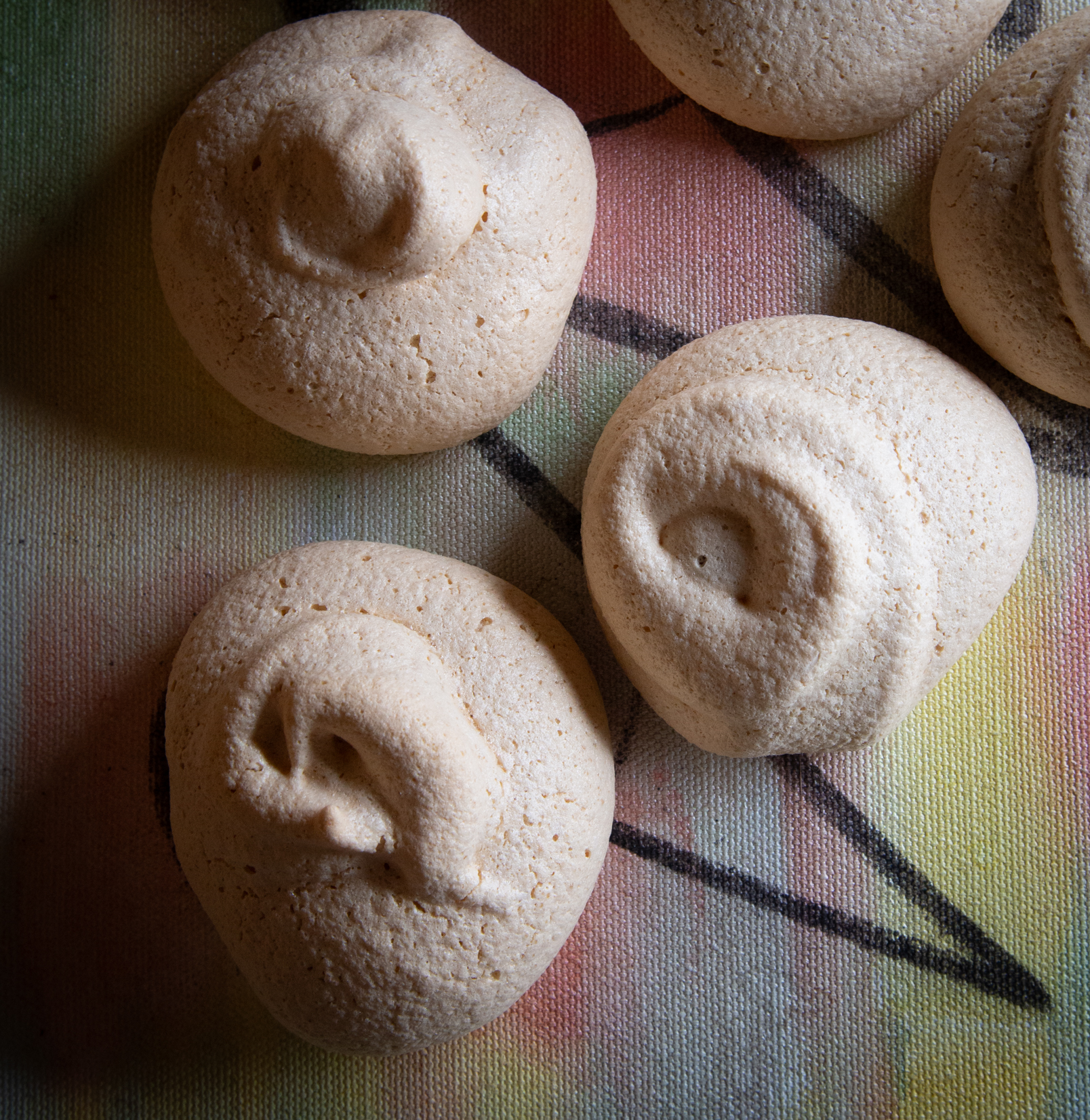

When children scream for sweets during the weekend, my husband occasionally makes them small biscuits (biscotti) without following any particular recipe except for obeying one rule and that is no white of egg as our son cannot tolerate it. When egg whites accumulate something needs to be done with them and when the sweet tooth screams the loudest, the temptation wins. We know that one day we will eliminate the sugar totally out of our family life, but last Sunday was not the day for it. I must admit I have a bit of a soft spot for meringues as they remind me of the time when the supermarkets were not common in Poland but hens on everyone’s yards were and instead of buying wrapped chocolate bars, mums and aunties would make meringues (bezy) as a treat. The Polish version was a bit smaller than those on the photos and more golden but I guess they were equally sweet and I must say I am a bit sentimental about this treat as much as I understand that it is most likely the last thing you should eat when you’re dealing with any sort of inflammation. But I am not here to preach but to teach and to share a few tips on how to make your life easy when photographing food while suffering from frozen shoulders or similarly painful conditions.
Last week I wrote about the use of the bottom drawer for set-ups to prevent having to lift your camera too high and to protect the set up from children running through the kitchen. This week I want to tackle a different obstacle, i.e. the weight of surfaces on which we photograph and their ease of moving and lifting.
Photographers are usually extremely grateful people. I have observed these creative minds for quite a while now and I learnt from them that sometimes the smallest tip changes the outcome of one’s practice for the better and for years and so I have learnt not to dismiss the value of the tiniest improvement I make for myself because small moves matter to our bones and joints as much as to our compositions and final images.
So the first simple tip today is: to avoid excessive weight lifting, appreciate flimsy things, the washing basket that you probably thought would not hold too much weight, the flower pot stand made of willow or the just delivered item in a box made of card. You can shuffle these around your kitchen with ease and you can then move them when the light changes during the day.
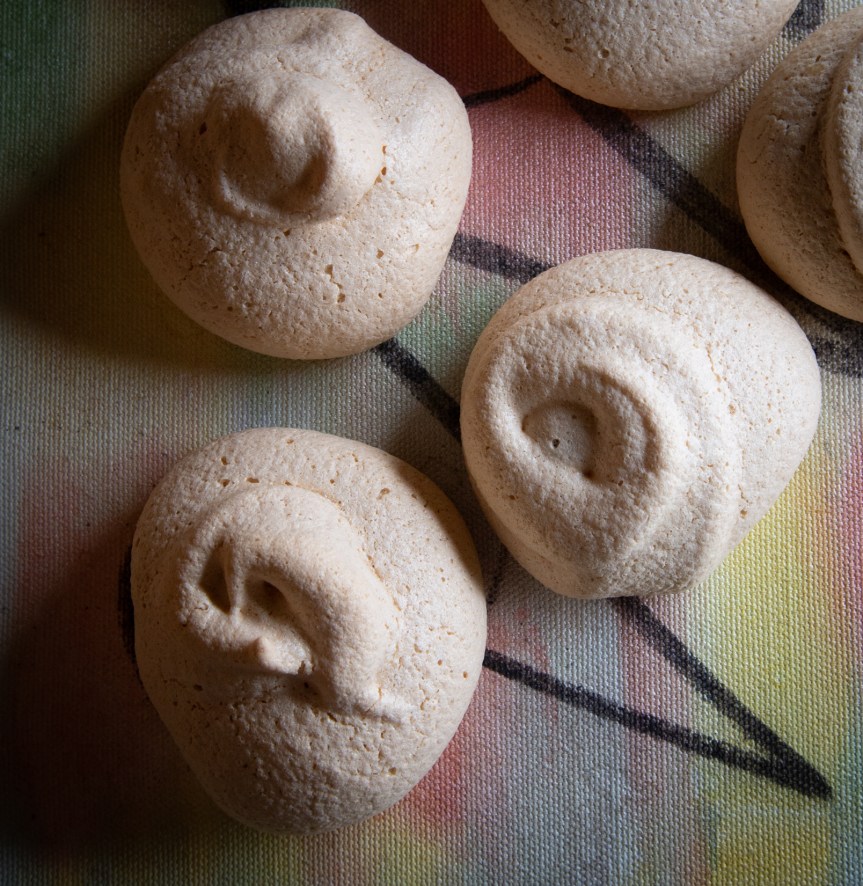
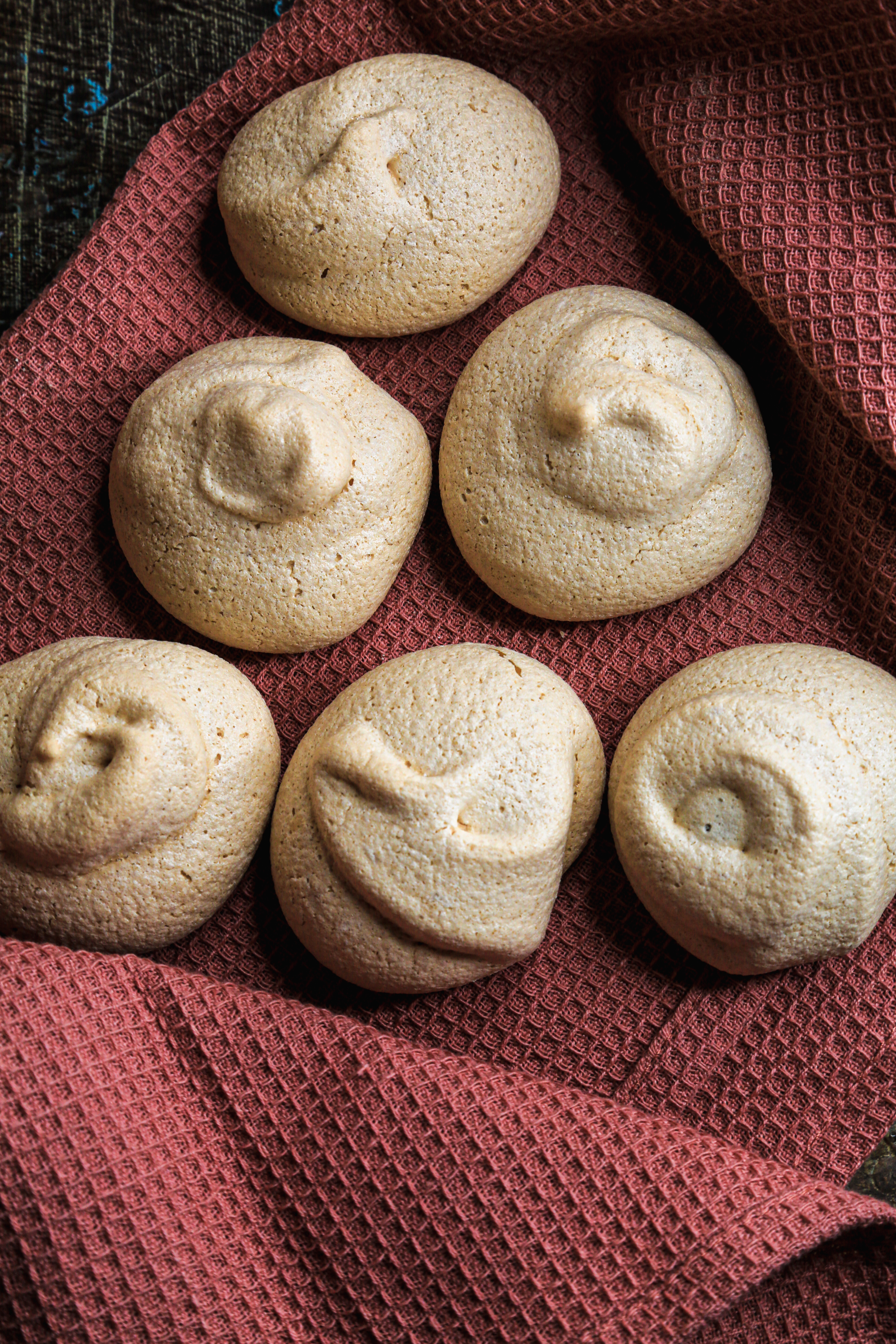
The second tip is: use light wood or light canvases as surfaces to photograph your food on. Canvases can be super thin and easy to lift but they are not as light as paper and so they hold food on them quite well. You can lift the canvas with your hand up and down easily to create the shadows that you want around your food. This is significant especially if as a maturing photographer you are already caring for your triangles in the composition. In the photos below I was purposefully creating triangles either with my arrangements or with the shadows. I was lifting the colourful canvas towards the light in such a way that the triangle was not only on the designed surface but also was dropped by the meringues giving the photos interesting look that created a bit of visual tension too – as what the drawn triangle on the surface was pointing to the right and the shadows dropped by the meringues to the left.
The additional benefits of using canvases are that you can leave them unpainted or you can create interesting patterns, textures or designs on top of them to give your photos extra interest and individuality. I used one of my paintings here that I textured with wax, a plain white canvas, and a different playful design piece that I did a couple of years ago after getting interested in abstract art and learning from Joy Fahey and Kasia Krecicka. Great abstract artists.
The last tip is: keep your strap around your neck. If you are in as much pain as I was last week, you are most likely not capable of holding your camera for too long. Let the strap take the weight and position your body against a cooker or a door to let those items support you if you photographing while standing.
My capacity in my hands is increasing but I learnt my lesson and I am not trying to take more than I can handle. I hope you are embracing creative life with all that you have.
Above are my photographic results. Enjoy your visual treats. :)
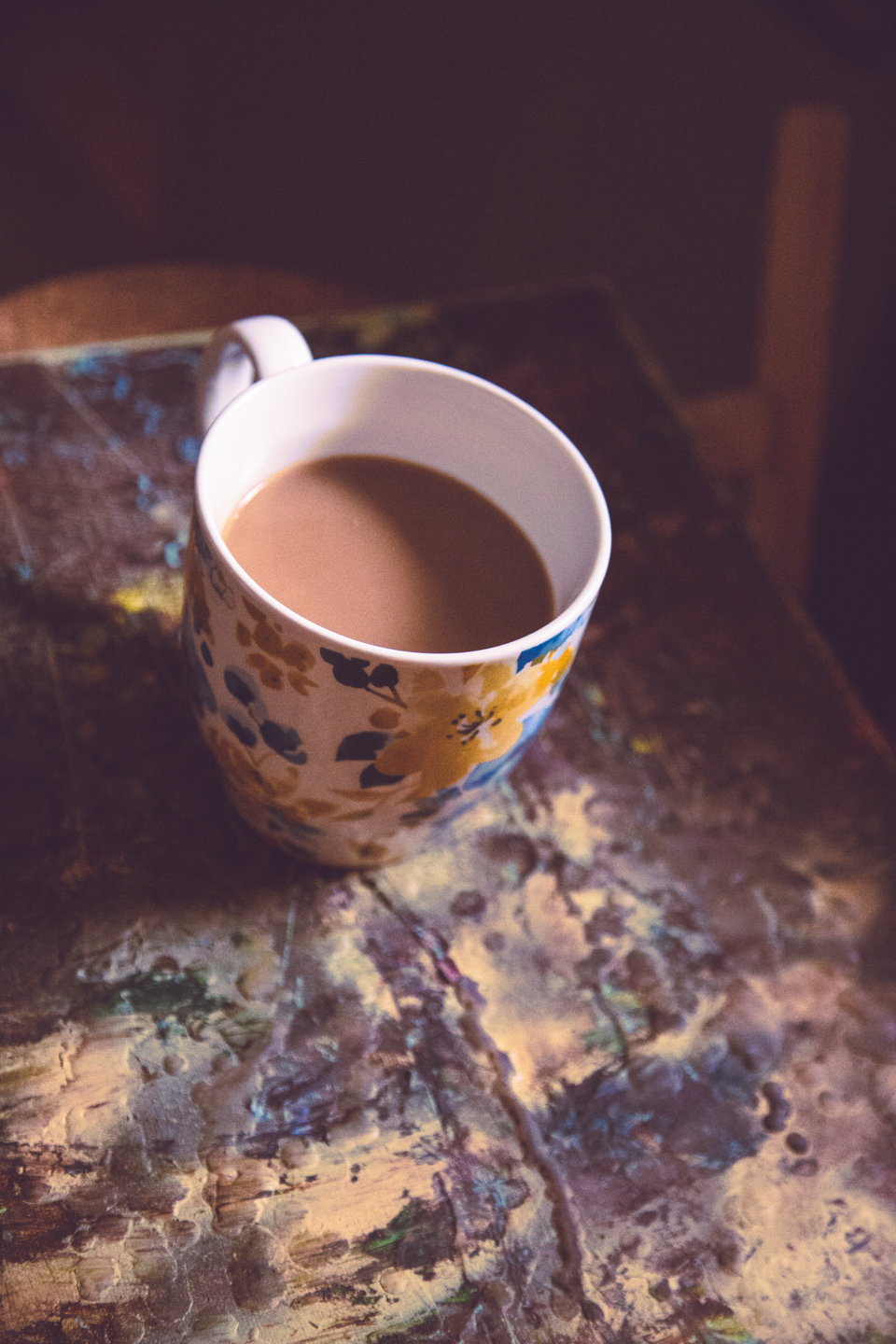
p.s. If you click on each individual photo, they will appear in full view. I dropped my ring light the other day and need to rearrange the diffusing cover. I have included the backstage photo as is so that you can see how close sometimes the food needs to be to the light source to drop the desired shadow.






 Postcards Without Stamps