Initiate growth inside your family

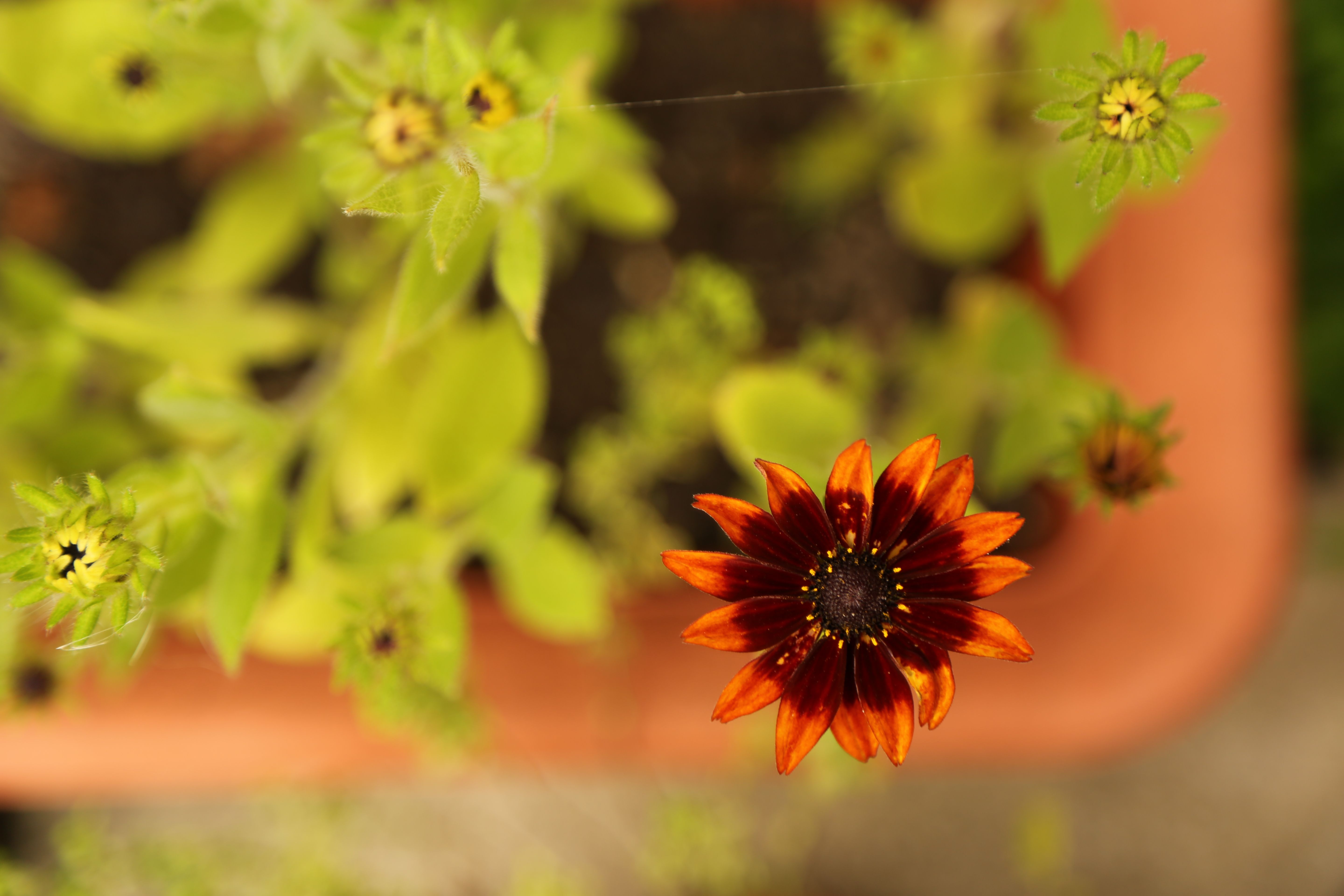
flowers

These very first years of family life are full of challenges and negotiations that once resolved are actually incredibly satisfying. I like to think of a family as a unit in a state of growth. So when we hibernate for too long, we ask ourselves which of the spheres of life we have recently or over time neglected. In fact, I like to do this very easy exercise in which next to a life sphere we discuss ideas on how to improve it. It is a very simple exercise that, if you wish to do it for your own family, is best done individually for each member and then together as a whole.

Life Sphere:

Spiritual  – effort to make time for meditation, reflection, prayer, quiet space in our busy liveflowers2s

Humane  – effort to make time for helping others outside the family and each other within the family

Emotional – effort to make time for cultivating positive emotions (love, kindness, compassion) and working through the negative ones, scheduling activities that bring about positive emotions

Physical – effort to make time for sport, rest, affection, cooking nutritious food, looking after our bodies

Intellectual – effort to make time for cultural activities (book, cinema, theatre) and stretching our minds, problem-solving activities, formal or informal study

Social – effort to make time for socializing, family-and-community gatherings, family conversation, celebrating, events in your own city, etc.

Environmental – effort to make time for engaging with nature, improving our homes or local areas, repairing the house, making our immediate environment pleasant

When it comes to family growth and well-being I have got one belief: every effort that you’ll make in the space of one year will deliver its shoots the next and if cultivated it will fully blossom in years to come. Do not get dissuaded or discouraged by the instant gratification culture, everything that is worth doing, is worth doing even if the fruit will show later in life.

Have a lovely family life!

This exercise has been inspired by the exercises promoted within Cognitive-Behavioral Psychology. If you’d like to learn more about it, you may like to read: Cognitive Behavioral Therapy: Teach Yourself (2012) by Christine Wilding or any other book or introduction to Cognitive-Behavioral Therapy.

The lesson

klolik

I was in a shopping centre yesterday. I bought my son a little toy. One of these tiny cars that you wind up and they drive off on their own in whichever direction you set them in. My son played with it, giggled loudly and was really really excited about it. We walked together towards a play area in the centre and my son saw a crying boy. He walked towards him and put the new wind-up car in his hands, took a step back, smiled to the boy and laughed with joy.

When I described this to someone we briefly concluded that it’s good that the children can share. Then I thought about it for a while longer and decided that what I witnessed was not a lesson in sharing but a lesson in compassion. The simplicity and honesty of the situation was astounding. One little boy saw the other one in pain and did what he could to relieve the pain of the other.

Why do we as adults find it so much more difficult to behave in this way? Have we been educated out of compassion? Are we educating ourselves out of it?

How often have we crossed the street to avoid a person in pain? How often do we ignore the pain of our friends or family members? Why is the pain of others so difficult to acknowledge?

‘Grazie, grazie, grazie, mama.’

Our little toddler babbles a lot, but he doesn’t have many words yet. We are raising him with three languages: Polish, Italian and English and so his speech at the moment is a combination of a small number of words and short phrases in those languages alongside a continuous and imaginative chatter that we politely follow (frequently bewildered). I often wish I was able to understand what he says to us. To join in in his observations and appreciation of the world. To get his perspective.

The word that our son says often is ‘Grazie’ (‘Thank you’ in Italian). I hear him saying it hundreds of times every day. I take him out of his cot, he responds ‘Grazie, mama’. I dress him, he says ‘Grazie, mama’. I give him bread, tomatoes and pears and I hear ‘Grazie, mama’. I put a scarf on his neck, he says: ‘Grazie’, I open the door for him and again, he shouts: ‘Grazie, grazie, grazie, mama.’. I cover him with his duvet in his cot and he quietly whispers: ‘Grazie, grazie, grazie, mama.’

As I switch the light off and I close the door I feel overwhelmed by his appreciation of the smallest of things that I do for him. He never loses an opportunity to acknowledge my efforts, however small, they are recognized.

It’s delightful.

When to read to those toddlers that hardly ever sit still?

running_toddler_Postcards without stamps_blog

“I really would like to read to my toddler but it’s really difficult. She moves so much or when I start reading to her she grabs the book and tears it apart,” a friend of mine said to me. I really knew what she was talking about as my little toddler was doing exactly the same thing. Pulling, biting and tearing the pages ferociously as if turning into that young and wild lion that I’ve just attempted to read to him about.

Reading is important. It is necessary. It feeds imagination and language development so there is little choice really in the matter. It must be done. What should we do then when the reading changes into a chaotic feast?

I went on a mission to look for times when I can peacefully read to my son, get the most of his attention and save the books from being damaged. I had a few Eureka moments and from then on reading has become much loved by my son and easy for me and my husband. Here are our favourite times for reading:

In the morning, during his milk bottle time – I put my son on a sofa, give him a bottle of milk, sit down next to him and we go through as many as 4-5 short stories. He learned to like this morning routine so much that the books are read more than once even after the milk is finished. He likes to choose the order in which they are read too.

In the afternoon, after a good running in the garden or after being in a playground – Even the strongest and most moving of toddlers like to have a bit of downtime. When I notice that my boy would be happy to have a sit down, I take a book or two to the garden, I sit on the grass or a blanket and I don’t need to wait too long for him to turn up to snuggle under my arm for a story to be read to him. He usually turns up with his favourite ball in his hand and so he leaves the books for me to hold.

In the evening, again during his milk bottle time – We perch on the carpet or again on the sofa and we repeat the morning routine. Brushing teeth, pyjama wearing and lullaby singing come afterwards. I tried to read to my son when he was already in his bed or cot but that only distracted him and made him want to climb out of his cot.

I love these moments not only because of the opportunity to read and explore the stories but also because of the harmony that they give to our days. They restore the balance to our day and keep me sane.

When do you like reading to your child?

I’ve told you. You should have listened to mummy!

listen to mummy_photo by Postcards without stamps

I’ve told you. You should have listened to mummy!