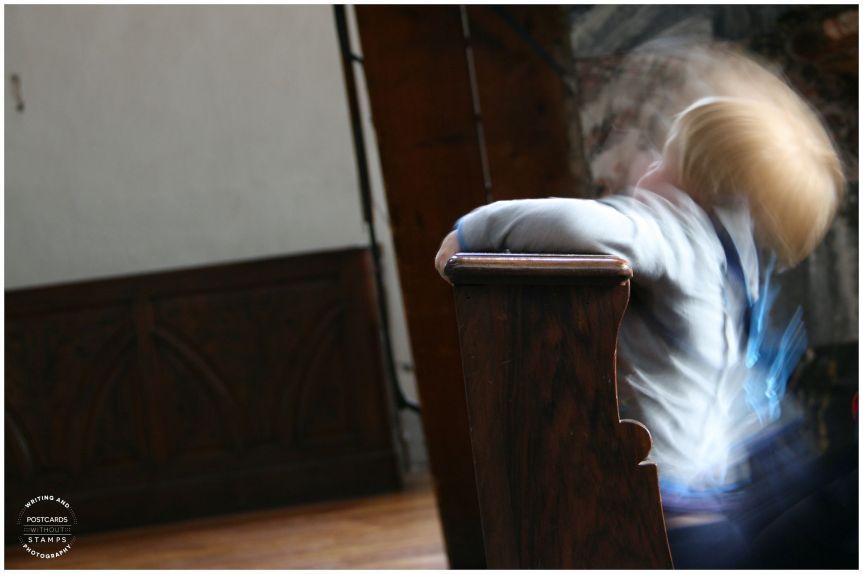
The spiritual dimension of childhood

Postcards Without Stamps

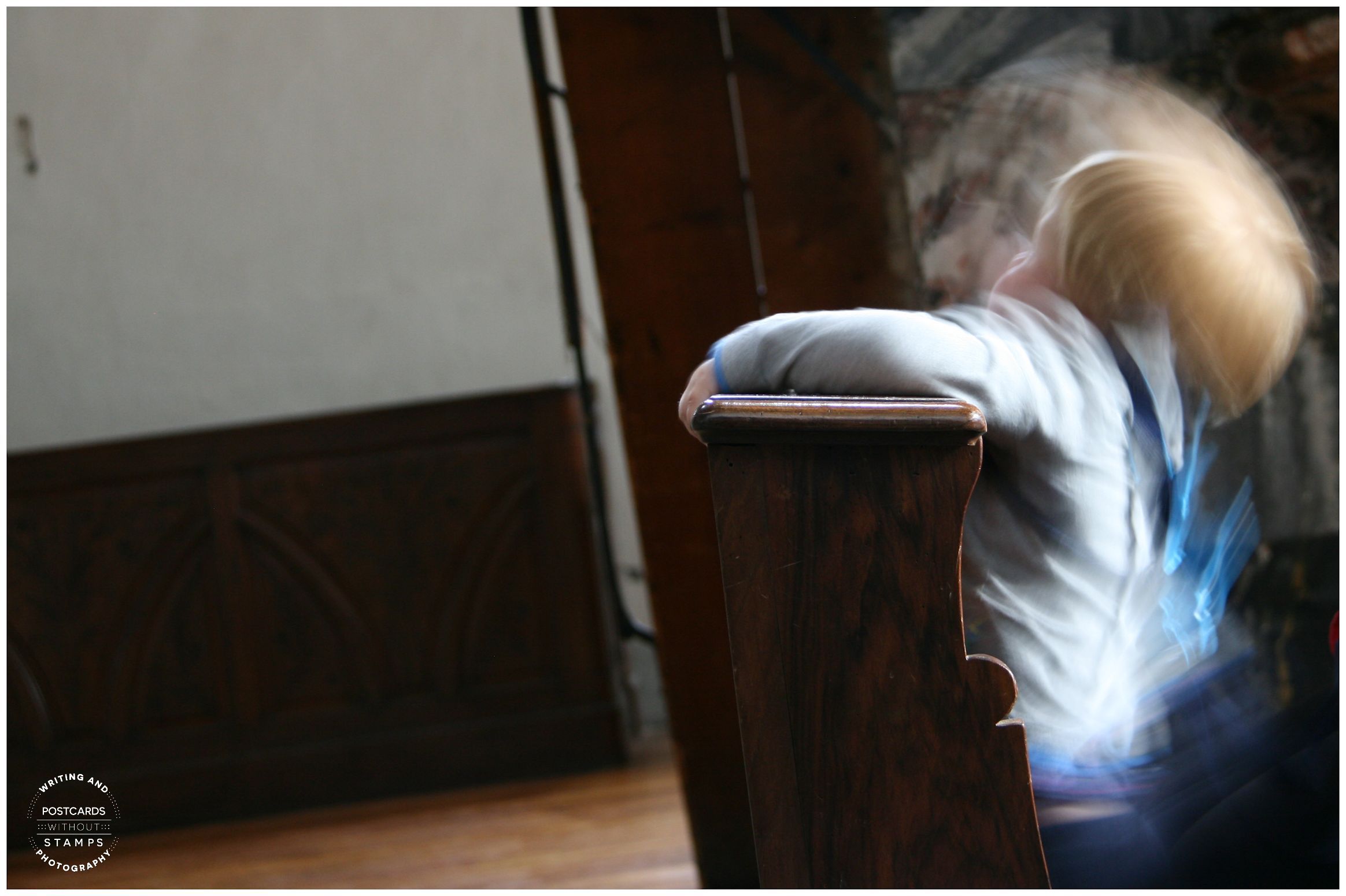
in a church

We talk a lot about how to best bring up our children. We talk a lot about their diet, about their clothes, schooling, meaningful playtime and sleep patterns. We are continuously preoccupied with their self-esteem and skills development but we hardly ever address their spiritual side, hardly ever ask questions about it. I sometimes feel that it is almost a taboo to talk about spirituality for the fear of being recognised as a potential or practicing believer.

I am a practicing believer. I go to church. Once it was part of my cultural practice and upbringing (being brought up in a Catholic family with Catholic values), now it is my choice. I don’t feel constrained by my religion, I feel guided in some manner but not constrained. In fact I am often plagued with doubt but a few years ago a solid seed has been planted in me and now…

View original post 428 more words

The spiritual dimension of childhood

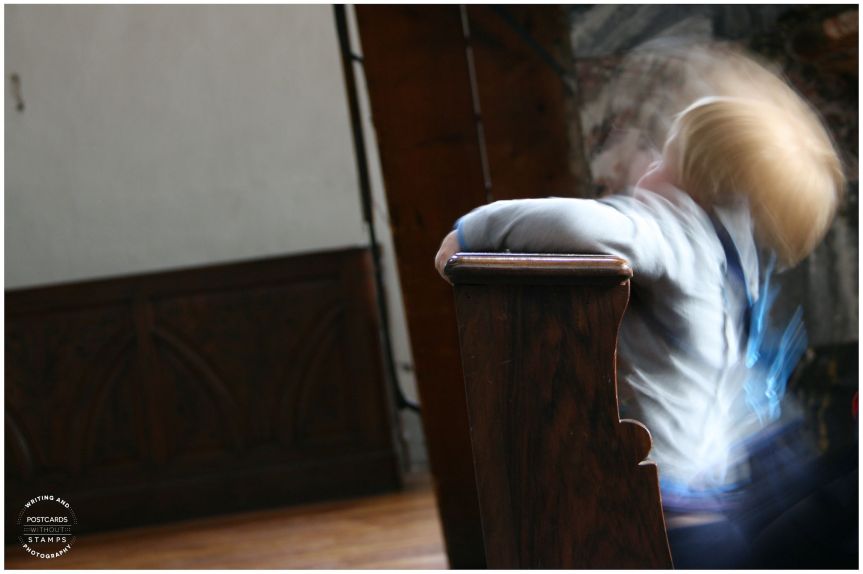
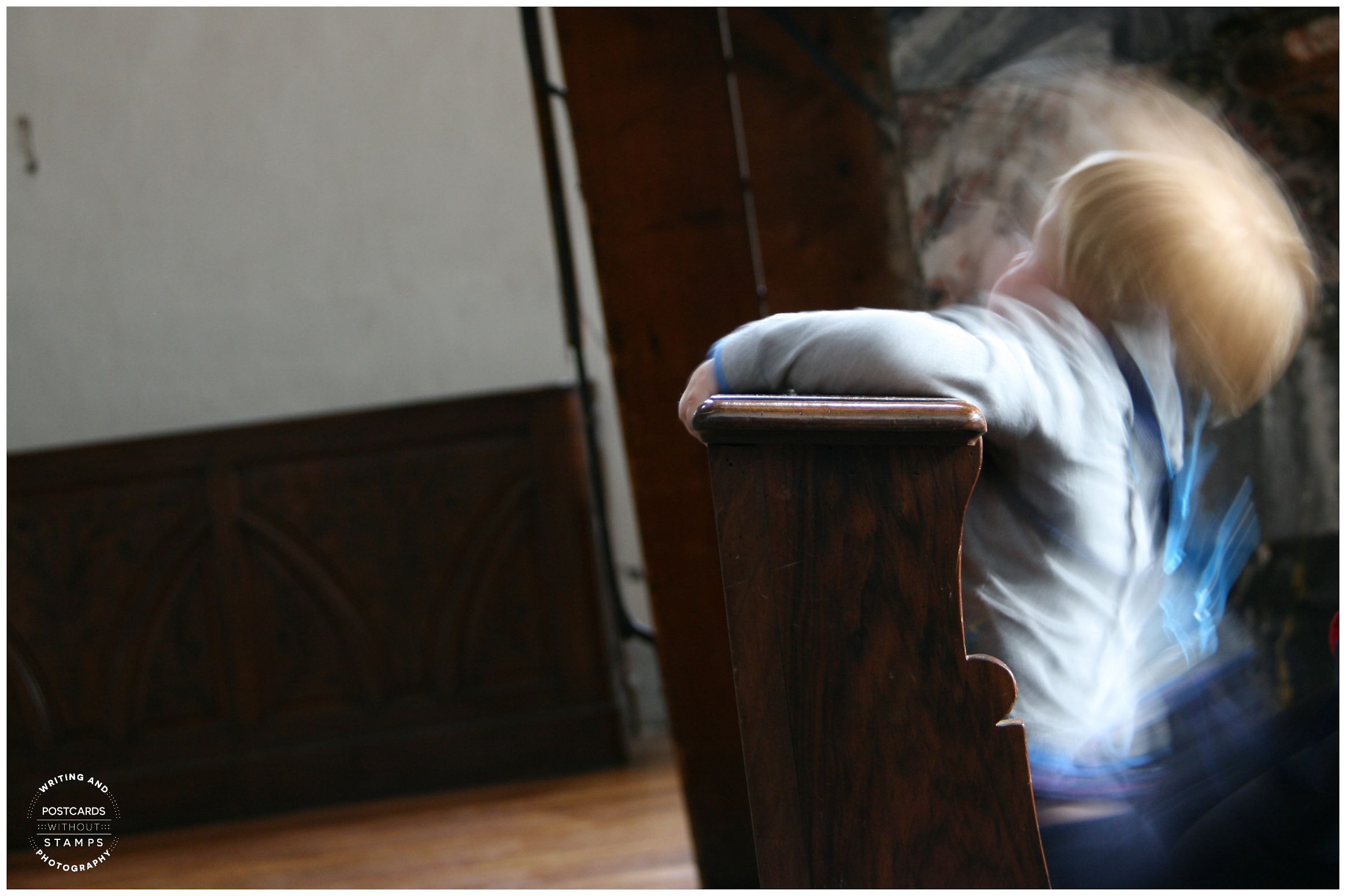
in a church

We talk a lot about how to best bring up our children. We talk a lot about their diet, about their clothes, schooling, meaningful playtime and sleep patterns. We are continuously preoccupied with their self-esteem and skills development but we hardly ever address their spiritual side, hardly ever ask questions about it. I sometimes feel that it is almost a taboo to talk about spirituality for the fear of being recognised as a potential or practicing believer.

I am a practicing believer. I go to church. Once it was part of my cultural practice and upbringing (being brought up in a Catholic family with Catholic values), now it is my choice. I don’t feel constrained by my religion, I feel guided in some manner but not constrained. In fact I am often plagued with doubt but a few years ago a solid seed has been planted in me and now there is a tree growing there, a very healthy tree that supports my core and blossoms with my regular visits before God.

I belong to a gentle and a very balanced community built from people from all over the world: Europe, India, Nigeria, Brazil and the States, to name just a few. We are all there sitting in one church, connected before God, equal before God. It is a very powerful sensation. It is a very powerful understanding. I take my son to church and I think he sees what I am seeing. He sees and breathes this so powerful a statement of equality – for him there is no other world, no other world than the multicultural one, no other than the equal one.

I have got friends of all religions and persuasions, in fact my best friends are of different persuasions to mine but it does not prevent us valuing each other’s friendship or having deep conversations on the topics related to believing, disbelieving and non-believing. Our ability to develop different views and feelings related to the metaphysical is what makes us so wonderfully multidimensional. I want my son to be able to position himself towards the metaphysical with as much knowledge and experience as he can get himself, and as much understanding as I can offer him and so I take him to church (I know that there are other ways, but that is mine). Someone told me once that they stopped attending church because church should be for the people and not people for the church. The main message that I get from the place that I go to is not that people are for the church but that people are for the people. That people are for the people. This is what I would like my son to take with him.

We are very fortunate to live in a multicultural and multi-faith city. The city which totally overwhelmed me when I first arrived here, the city which I am totally indebted to for making me open-minded and curious of differences, and as many British cities this one is also great at coexistence but would definitely benefit from more face-to-face dialogue. I don’t know how it is in schools these days, but I know what it looks like in playgrounds and play spaces. Mums gravitate towards those that look like them. How about breaking that habit? How about initiating conversations that join us together? Getting to know that lonely-sitting, iphone-flicking everymama? Where she’s from, what she values and most importantly why she is alone.

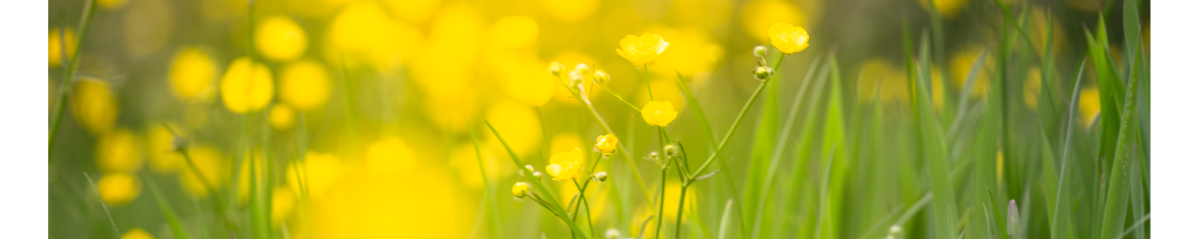
Natural dreams

walking

Where do you go to escape from the turmoil of the world? I go home. Childhood home. Of course it boils there too. But it boils in a different language, about different matters although with familiarity from the past. We know our childhood homes so well. We know what to expect of them and, who knows, maybe it is this predictability of the place and language that makes it easier for us to truly rest and listen.

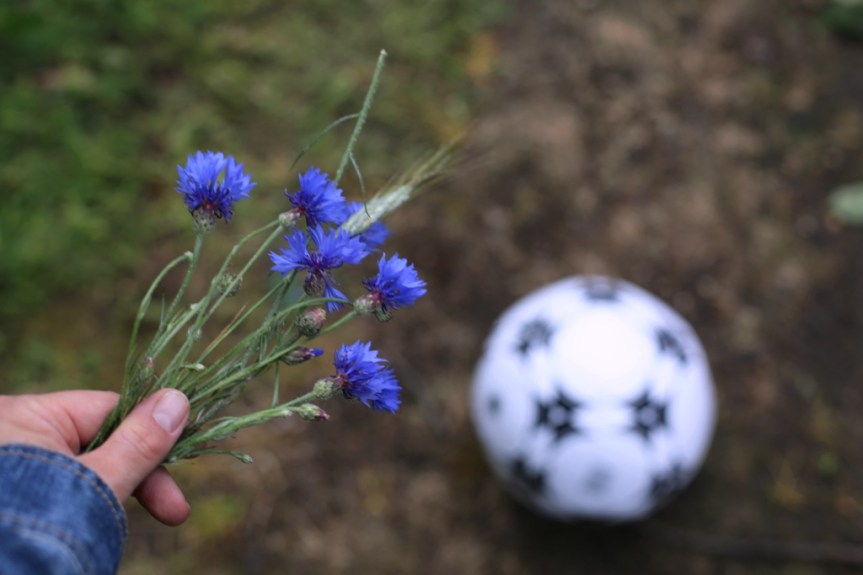
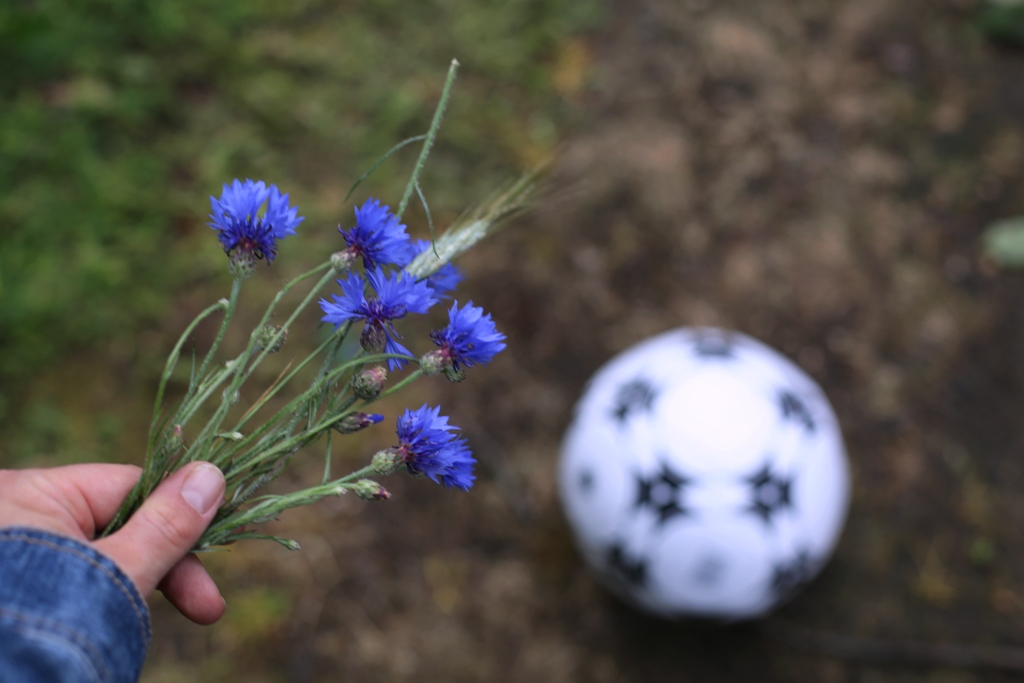
I tend to find myself when I’m in the unchanging landscape of my little village, in its stability. The fields, the trees, the meadows, the orchards, the forest nearby – they are always there ready to embrace me as I am. Ready to welcome me as me.

It’s a powerful sensation. Me as me.

In a world that demands constant change. In a world that asks for continuous development and seduces us with better versions of ourselves it is really difficult to appreciate the people we are and have always been – with our personal dreams, perspectives, and qualities.

In fact, it is even difficult to love our own core dreams when so many things around tell us that there are other, better dreams to dream.

When you feel like this think of the time when you last were dreaming with confidence. Big dreams, small dreams but with ease, no noise in the background. I have realised recently that I was at my dreaming-best when I was 14. I don’t know what I was doing ever since, but it was the time when my map of dreams was the most personal to me, no fears, fads and fashion. In my little childhood village there are cereal fields next to my dad’s cherry orchard. Walking along the fields, I meet the 14-year old. She’s cheerful, hopeful and determined. Where were you when your dreams were unfolding? Maybe you can visit this place? Or create a semblance of it where you are now? To allow yourself to be you, maybe with fears but without disabling judgements.

Developing Good Communication Habits with Toddlers: Book Recommendation

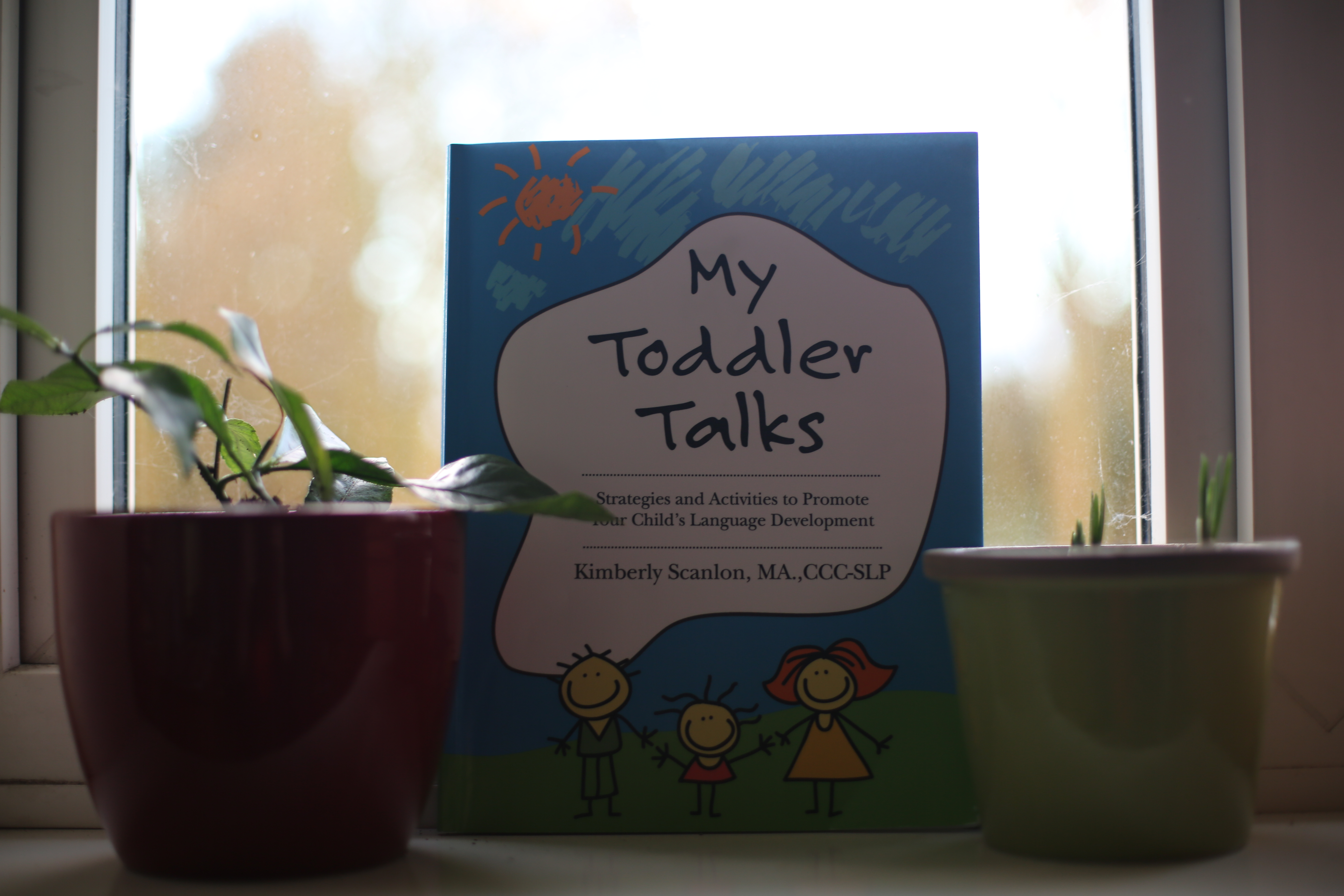
My toddler talks_book recommendation

If you are a parent and you’re interested in your child’s language development, you might have heard of Kimberly Scanlon. She is a speech therapist who throughout her work developed a strong expertise in building up children’s communication skills.

In the book that I am recommending she offers 25 play routines (with toys and arts and crafts) in which she describes the activity and suggests appropriate strategies that the parents can use to elicit responses and expand vocabulary. She also offers tips on What to Do if the Toddler Is Not Imitating You and The Do Not List. I also found the Introduction and How to Use This Book sections extremely valuable as they were both informative and reassuring.

Our son is being brought up with three languages and I am his primary source of Polish language, my husband is his primary source of Italian, and English is the language of the community. At the moment all three languages develop at the same pace but slower than the language development in his monolingual peers. Thus, by monolingual standards, he experiences a language delay. I’ve been looking for a book that would improve my ability to stimulate my child’s language development, but also for a text that I could recommend to my child’s nursery. Although this book is not about how to talk to multilingual children, I like its focus on simplicity, language-wise and play-wise. I like its very practical and realistic tone too. It definitely sets the expectations right and makes you question less and communicate better.
Scanlon, K. (2012) My Toddler Talks: Strategies and Activities to Promote Your Child’s Language Development. Createspace, North Charleston, SC.

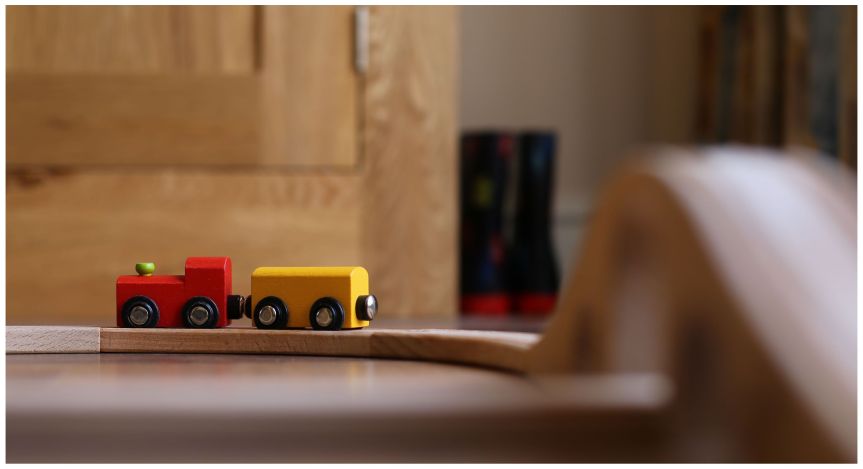
train_playtime

This is not a sponsored post. Just a recommendation.

‘Grazie, grazie, grazie, mama.’

Our little toddler babbles a lot, but he doesn’t have many words yet. We are raising him with three languages: Polish, Italian and English and so his speech at the moment is a combination of a small number of words and short phrases in those languages alongside a continuous and imaginative chatter that we politely follow (frequently bewildered). I often wish I was able to understand what he says to us. To join in in his observations and appreciation of the world. To get his perspective.

The word that our son says often is ‘Grazie’ (‘Thank you’ in Italian). I hear him saying it hundreds of times every day. I take him out of his cot, he responds ‘Grazie, mama’. I dress him, he says ‘Grazie, mama’. I give him bread, tomatoes and pears and I hear ‘Grazie, mama’. I put a scarf on his neck, he says: ‘Grazie’, I open the door for him and again, he shouts: ‘Grazie, grazie, grazie, mama.’. I cover him with his duvet in his cot and he quietly whispers: ‘Grazie, grazie, grazie, mama.’

As I switch the light off and I close the door I feel overwhelmed by his appreciation of the smallest of things that I do for him. He never loses an opportunity to acknowledge my efforts, however small, they are recognized.

It’s delightful.