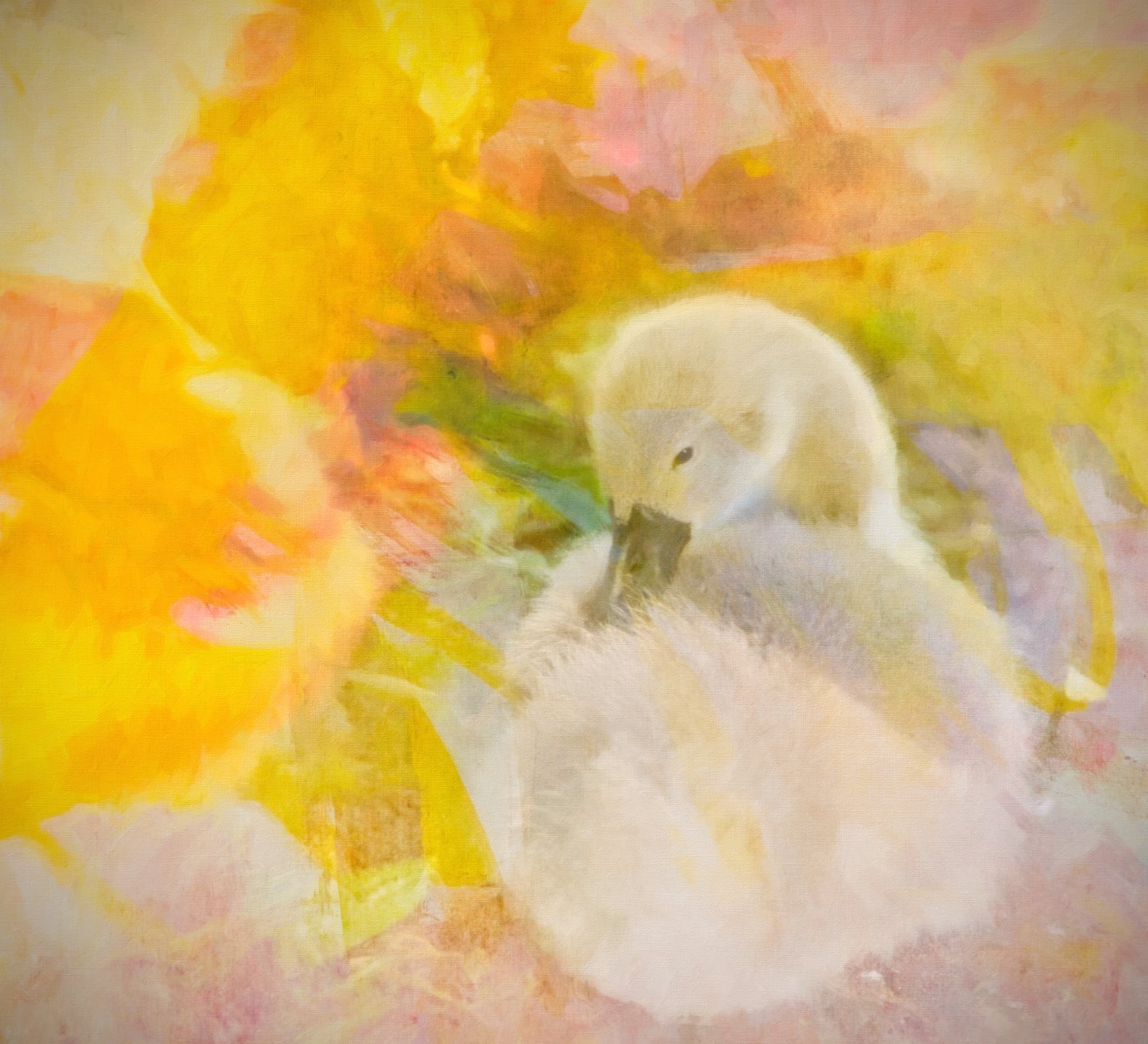
Photo: ‘Tissue’ by Alicja Pyszka-Franceschini, 2024.
There is a famous painting by Andrea Mantegna called by many as The Dead Christ (see here). It is a striking picture. It shows Christ’s body laid down on a bed after the crucifixion. The painting uses foreshortened perspective as a compositional technique.
Christ’s body appears shorter than it really was. It is squashed almost to an unnatural size. Both of his palms are curved and fingers bent like claws. His pain is noticeable although He does not feel pain any more. The foreshortening of perspective is aching to foreshortened life, of course. I have no doubt about that. However, there is an aura to the painting of something forgotten too. Of someone lacking foresight or full sight. The painter did not have it. Neither do we as spectators. From Christ’s body posture, though, we infer that he was as much in psychological pain as he was physically suffering. Would his posture be different if he took less blame? Was Jesus tormented to mercy*? How did He experience this torment? And why on Earth did He do it?
On one level or another Jesus knew that making his soul of steel, would be ill-advised.
Making our souls of steel
is ill-advised.
Jesus, it seems to me, was after nonconstructive criticism. He focused on stupidity, biased and prejudiced thinking. He sought out the injustices done to him and others through others.
As we seek those done to us
and by ourselves less so
But why has Jesus gone through the hurt-optimization procedure? I can guess that it would be to build up his capacity for something. Could it have been forgiveness?
It sounds insane, doesn’t it?
*I read the phrase ‘a torment of mercy’ in one of the books by Adam Philips, I think it was On Getting Better. I apologize to the author for a lack of appropriate reference.
The post is a short version of a draft of an essay in progress by Alicja Pyszka-Franceschini, 2024-2025. All rights reserved. Copying without an written approval of the author prohibited.
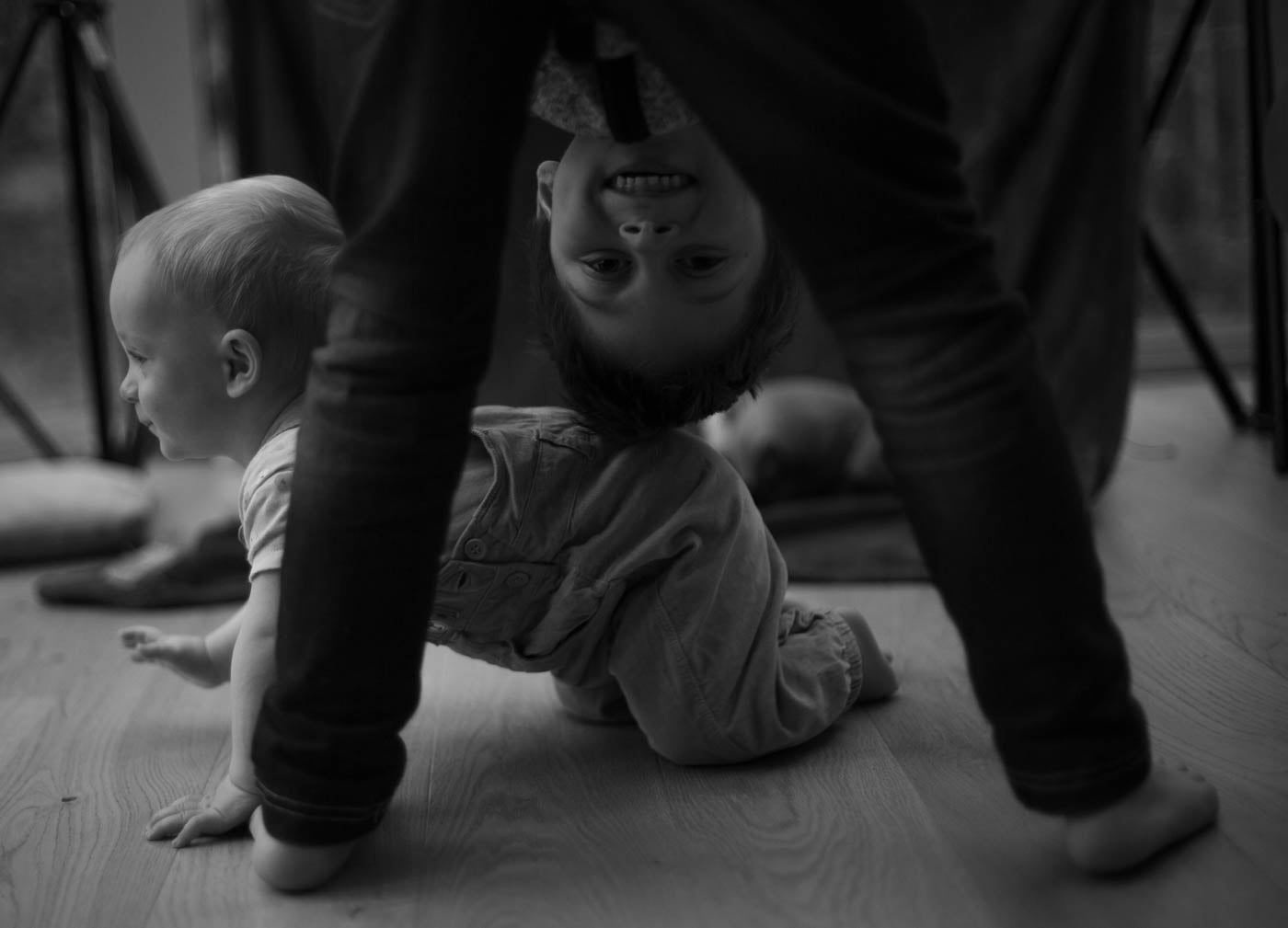
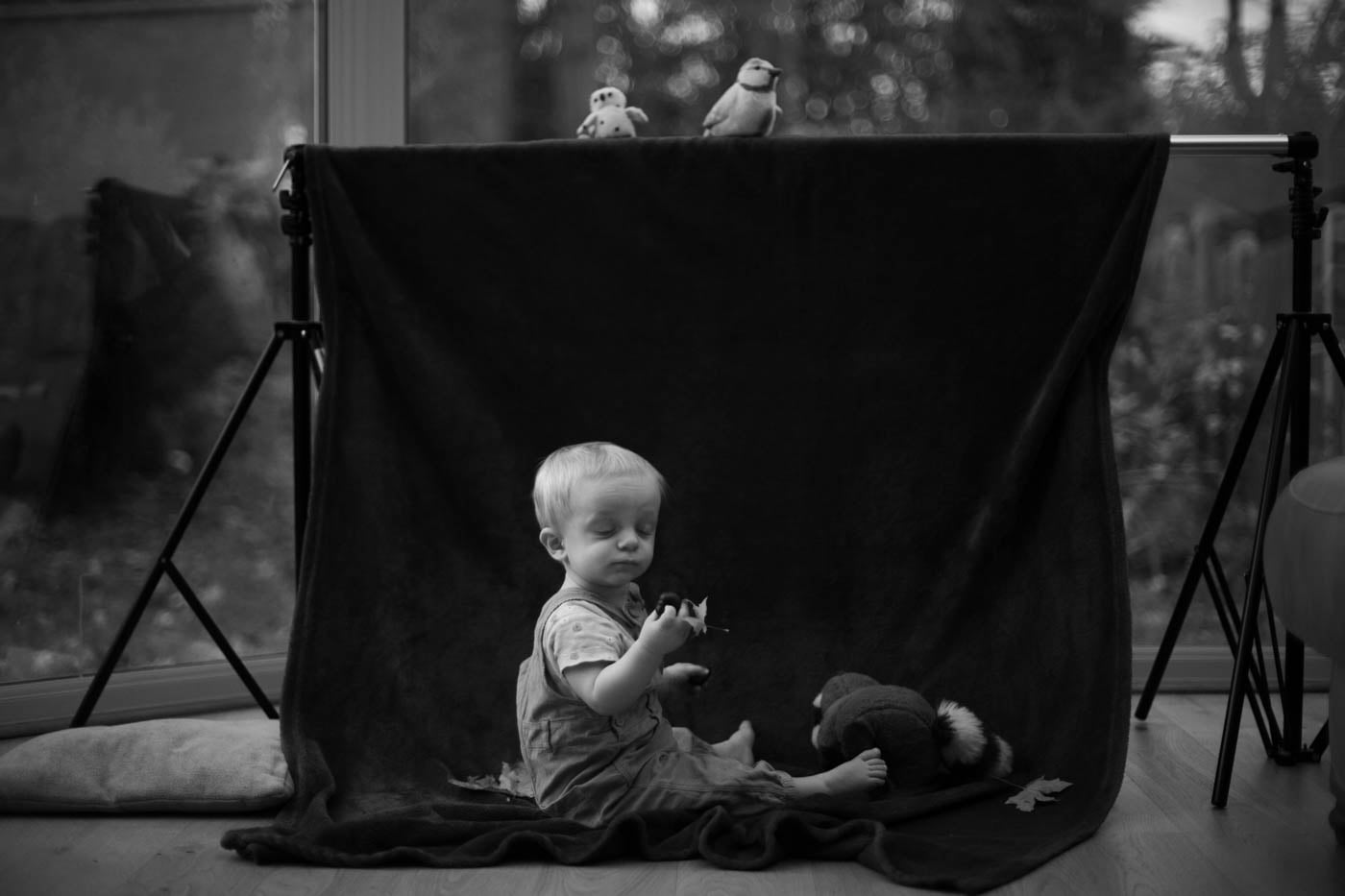
Do you remember the song by Ed Sheeran called Photograph? The official music video consists of photographs and video cuts. These are from his early childhood and his early music career. I love the simplicity of it all and the sheer joy of watching a growing child, his first steps, his running around and the shrieks of a toddler finding his voice. It is so moving. The decor of his family’s house that is sealed in time. The hands of the family members that carefully assist him in making his first steps, in music or drawing, busking and then all the Happy Birthday’s sung together to celebrate the child. Call me sentimental, but that song makes me cry. It is all moving and all beautiful. I am very inspired by the song and the video. It inspires me to rediscover my own family archive. These are the good times.
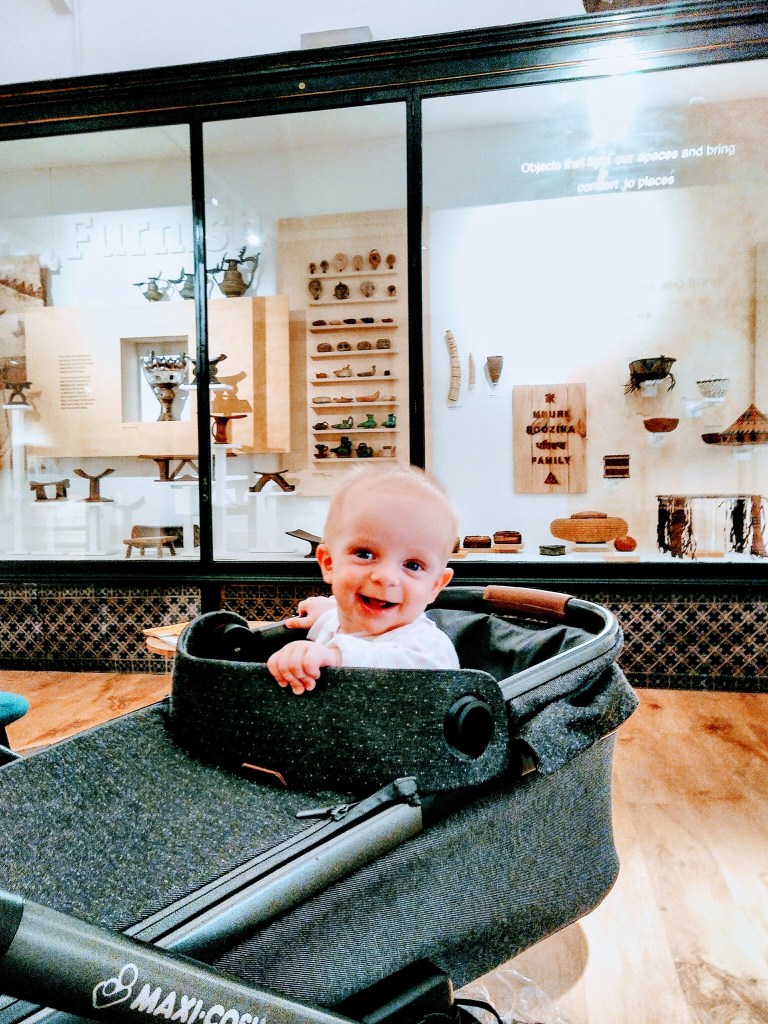
Photos taken in Derby (UK), in Poland and in Derby Museum and Art Gallery.
It's somewhat hectic here. We have children's activities, paperwork, house maintenance projects, broken mobiles, travels, birthday parties and attempts at reviving our personal archives and histories. Everyday life has kept us on our toes and it is not a bad thing. This week I asked my six year old daughter what she is grateful for. Appreciation strengthens children's minds as much as it strengthens ours. She eagerly listed several things. She mentioned dinner time and that she is thankful for Wednesdays, Thursdays, Saturdays, and Sundays. She also appreciates PE and a friend who makes her laugh.
She elaborated that she is grateful for Wednesdays because a funny lady comes to her class. She makes them laugh. They do pretend play and practice dancing with YouTube at school. She likes Thursdays because there is a drama club. She can move and sing a lot. For Saturdays, because there is a Polish school. She plays with her friend there and she likes her a lot. She is happy about Sundays because there is a mass for children at the church. There is tea and coffee afterwards. She can run around and play with many different children. In short, she is happy with her childhood and enjoys acting and friends.
It had always been my dream to start a multilingual theater. I even started making small attempts at it. But lockdown happened and plans and preoccupations changed. That said, every so often, I captured our attempts at pretend play and we had a lot of fun. The children were delighted. I am so happy I captured some of those moments.
Back to the drama, isn't it satisfying to express yourself by playing a person with a different culture or character, to go a little beyond the comfort of your own psyche? To live many lives using different languages, accents and body movements? To understand problems that do not belong to us and to feel the joy of the achievements for which other people have trained?
And then to love our Wednesdays, Thursdays, Saturday and Sundays... and be grateful for them just a bit more than for our Mondays. What could we do to repair their reputation? Surely, a lot of good happens on those days too.
And Fridays, she kept quiet about them. I wonder why?
What's in your busy schedule that you are grateful for right now?
Text and Photography: Alicja Pyszka-Franceschini, 2025.
Copying or reproducing the material without the explicit permission from the author is prohibited.
Polish Translation
Witaj Drogi Czytelniku,
Jak się ostatnio miewasz?
U nas jest trochę gorączkowo. Mamy zajęcia dla dzieci, papierkową robotę, projekty związane z utrzymaniem domu, podróże, urodziny, zepsute telefony komórkowe i próby ożywienia naszych osobistych archiwów i historii. Codzienność trzyma nas w napięciu, co nie jest wcale takie złe. W tym tygodniu zapytałam moją sześcioletnią córkę za co jest wdzięczna. Docenianie wzmacnia umysły dzieci tak samo, jak nasze. Skwapliwie wymieniła kilka rzeczy. Wspomniała o porze obiadowej i o tym, że jest wdzięczna za środy, czwartki, soboty i niedziele. Ceni sobie też WF i przyjaciela, który ją rozśmiesza.
Wyjaśniła, że jest wdzięczna za środy, ponieważ do jej klasy przychodzi zabawna pani. Rozśmiesza ich. Udają, bawią się i ćwiczą taniec z YouTube w szkole. Lubi czwartki, bo ma kółko teatralne. Potrafi się dużo ruszać i śpiewać. Za soboty, bo jest polska szkoła. Bawi się tam ze swoją koleżanką i bardzo ją lubi. Cieszy się z niedziel, bo w kościele jest msza dla dzieci. Potem jest herbata i kawa. Potrafi biegać i bawić się z wieloma różnymi dziećmi. W skrócie, cieszy się dzieciństwem, a najbardziej wszelkimi próbami teatralnymi i przyjaciółmi.
Zawsze marzyłam o założeniu wielojęzycznego teatru i zaczęłam nawet podejmować małe próby, ale nastąpił lockdown i mi również plany i zainteresowania się zmieniły. Bawiła się z dziećmi czasem w teatr w domu, kiedy były mniejsze i podczas lockdownu. Dzieci były zachwycone. Tak się cieszę, gdy myślę o tych momentach, że ich kilka złapałam.
Wracając do dramatu, czyż nie jest satysfakcjonujące móc wyrazić siebie grając osobę o innej kulturze lub innym charakterze, troszeczkę wyjść poza komfort własnej psychiki? Przeżyć wiele żyć, posługując się różnymi językami, akcentami i ruchami ciała? Zrozumieć problemy, które do nas nie należą, i poczuć radość z osiągnięć, do których trenowali inni ludzie. A potem pokochać nasze środy, czwartki, soboty i niedziele... i być za nie wdzięcznym trochę bardziej niż za poniedziałki. A tak swoją drogą, to co możemy zrobić, aby poprawić im reputację? Z pewnością w tych dniach też dzieje się wiele dobrego.
Co dzieje się w Twoim napiętym harmonogramie, za co jesteś teraz wdzięczny?
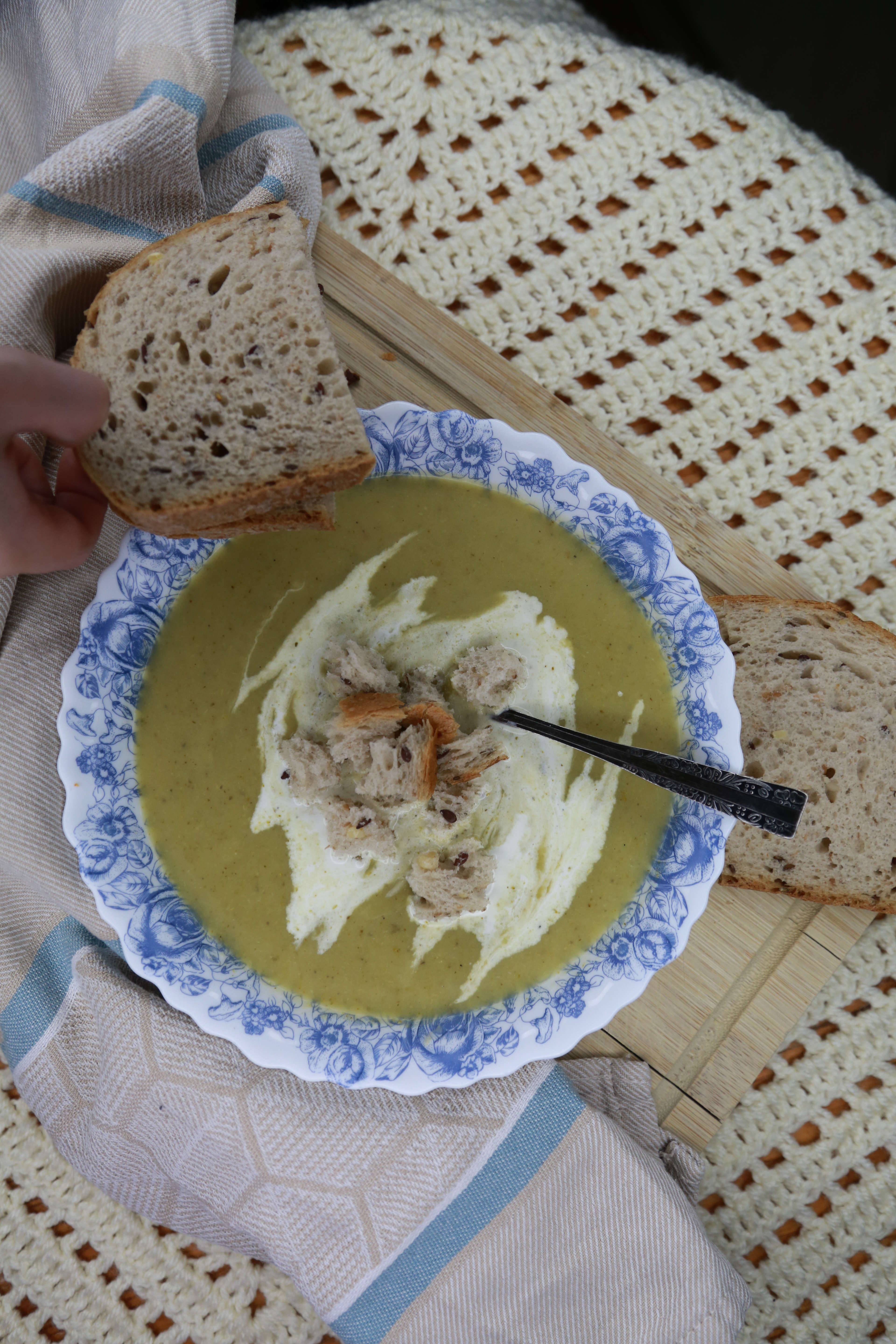
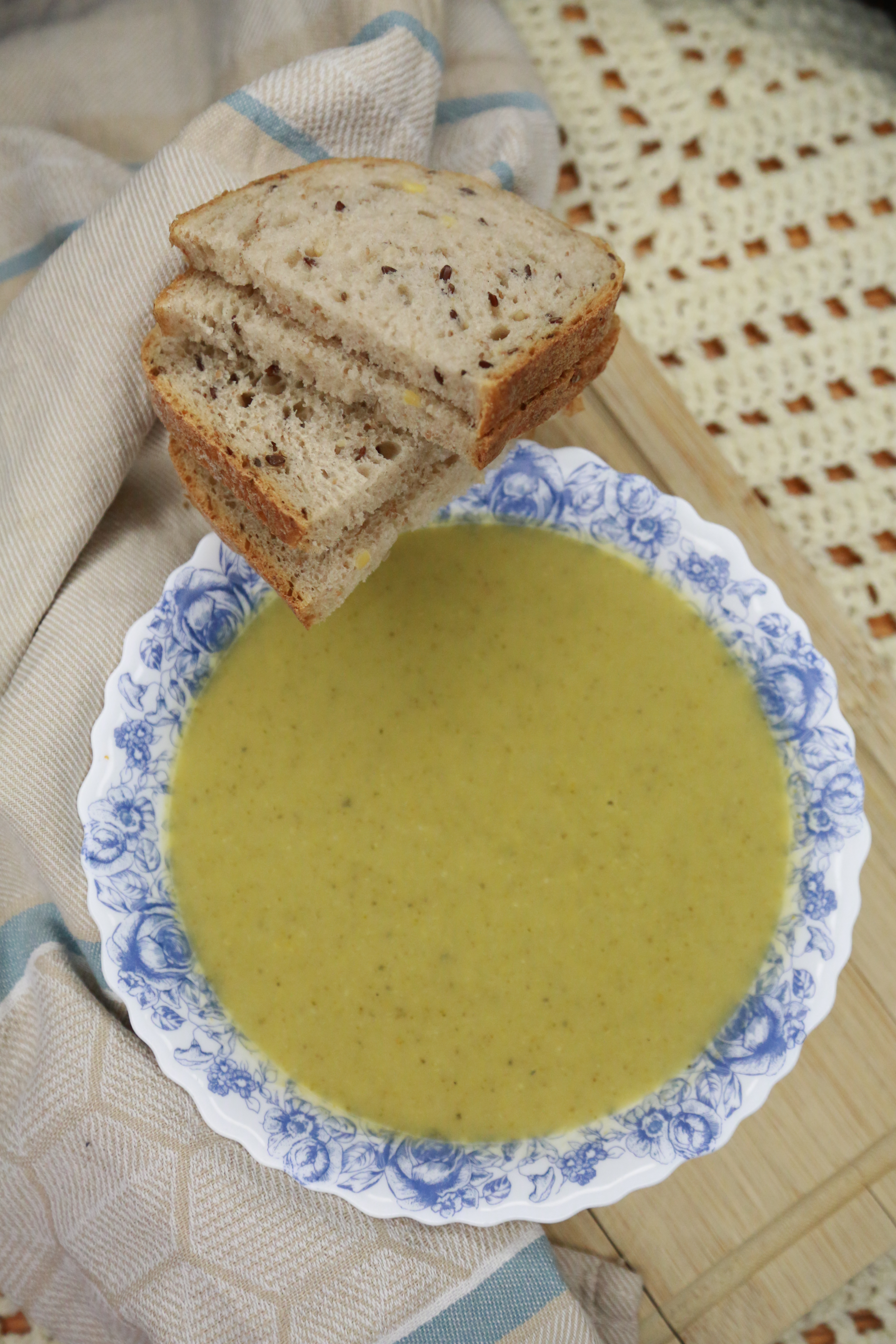
I’ve got an impression that last winter my mother was making this soup every three days for our children. Her grandson was competing with himself to see how many bowls he could comfortably consume. We all looked at him in disbelief, wondering where that quantity was disappearing. Surely, he was not spoon-feeding the dogs under the table. He loved it. Everyone else did too. They gladly returned from the cold and sat in front of a steaming bowl and each bowl came with a piece of popular Polish bread showered with flax seeds. Yummy.
Do you cook? What do you like making?
The knitted cloth that the soup is placed on is actually a scarf made by my aunt. It is so warm, you won’t believe. Shoulders wear it gracefully indebted to my aunt for many hours of her work. I was comforted by the softness of the scarf. The warmth of the soup also brought reassurance. I am grateful that my mum and aunt keep their skills fresh and that they continuously make an effort. It is mesmerizing to see how things emerge in other people’s hands. As if from nowhere…
Creativity blossomed in our house over the weekend. Icy weather gave us many opportunities to refresh and revive our spirit and gave us hope for a good and creative year. I hope you are feeling equally energized.
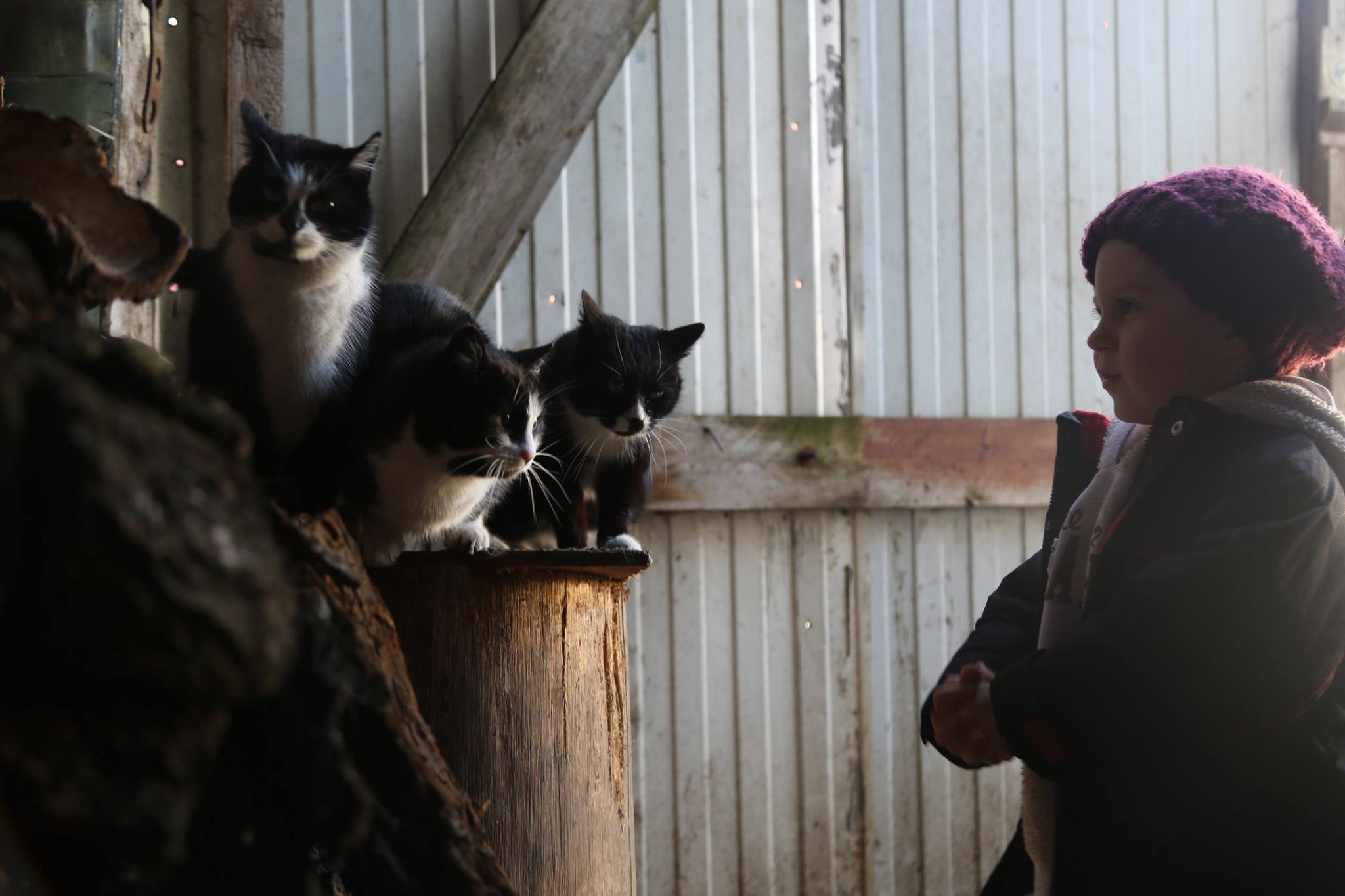
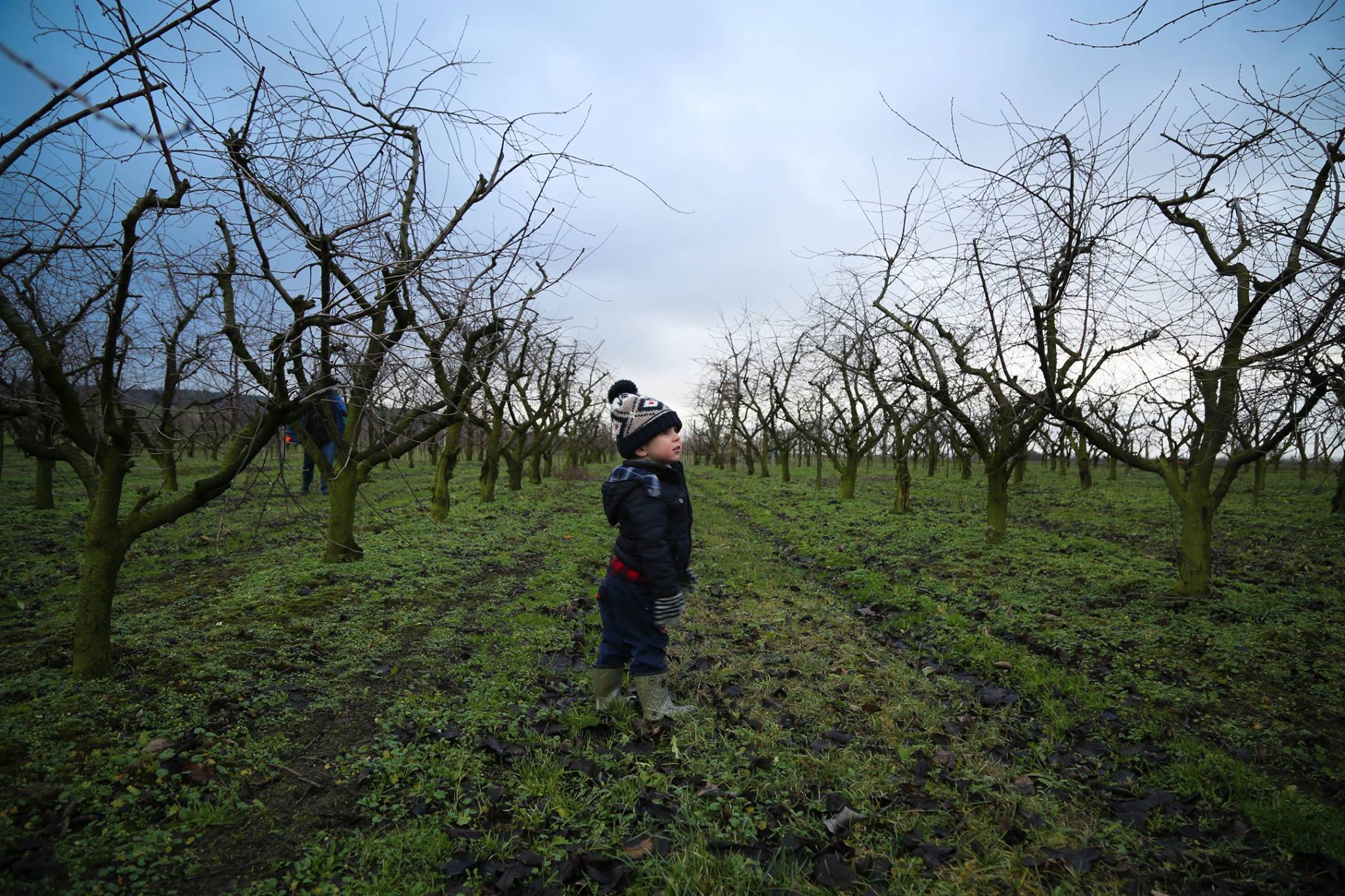
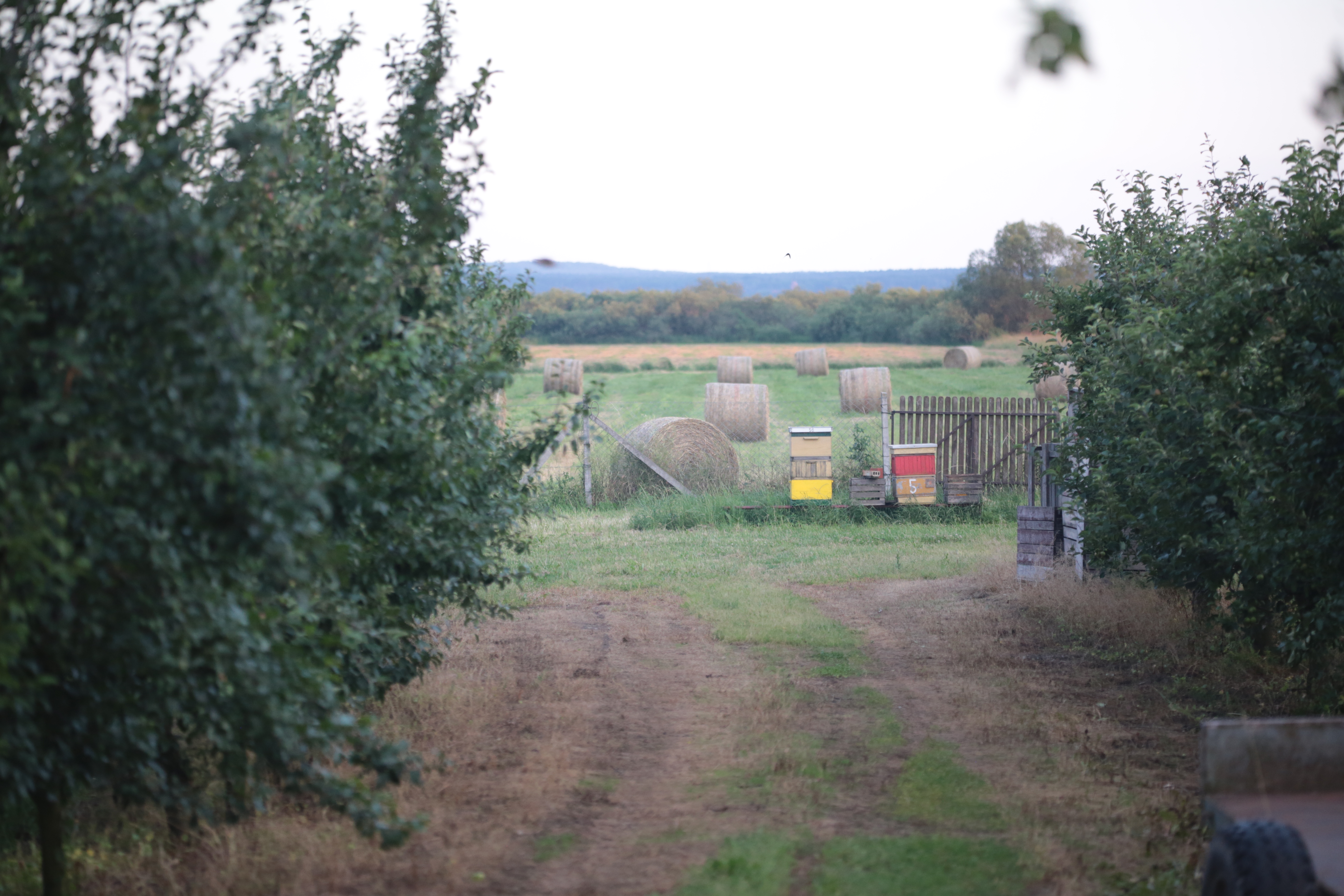
The photos of the soup were taken last year in Poland. The photo of my children was taken in Melbourne (UK) at Woodhouse Farm. Many thanks to Brian Woodhouse for allowing me to take photos on his farm and fields.
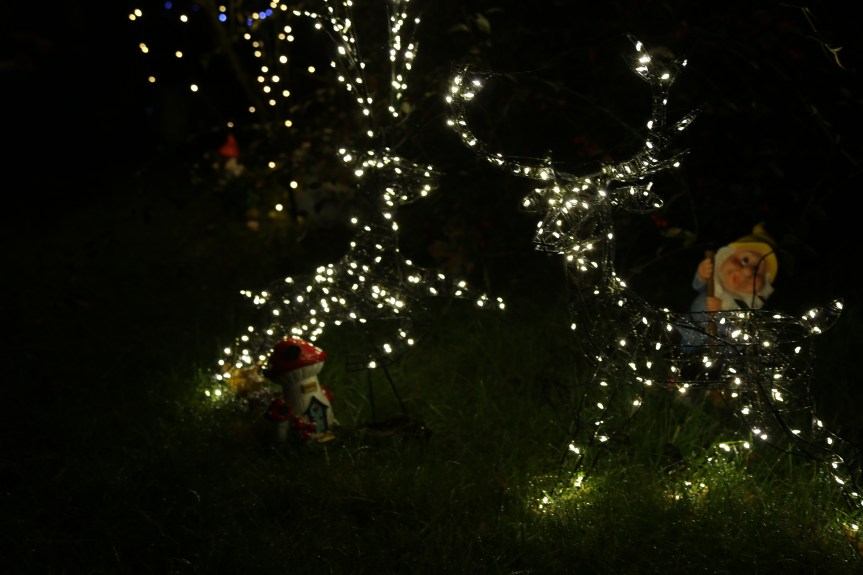
Below is a photo from my parents’ place in Poland.
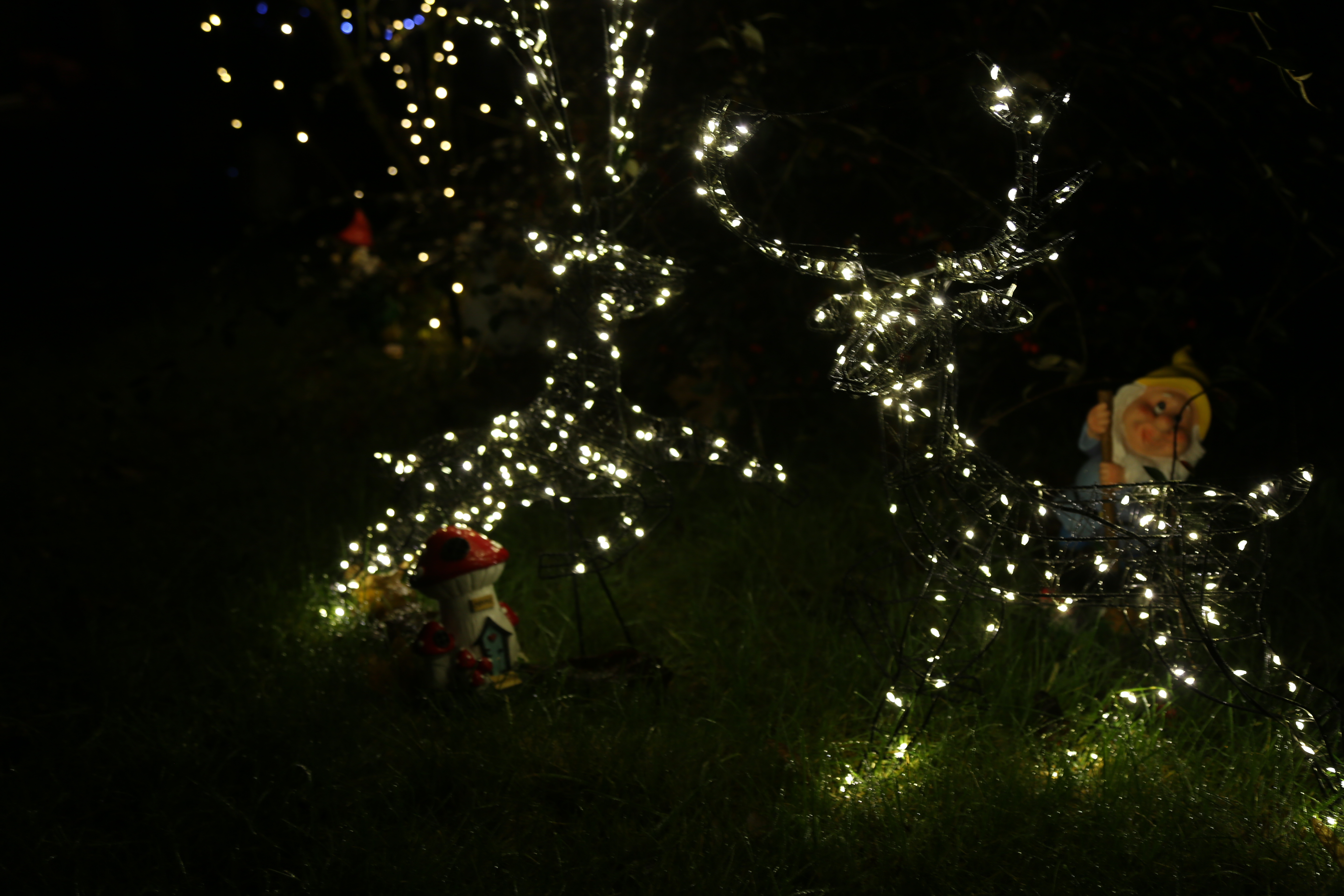
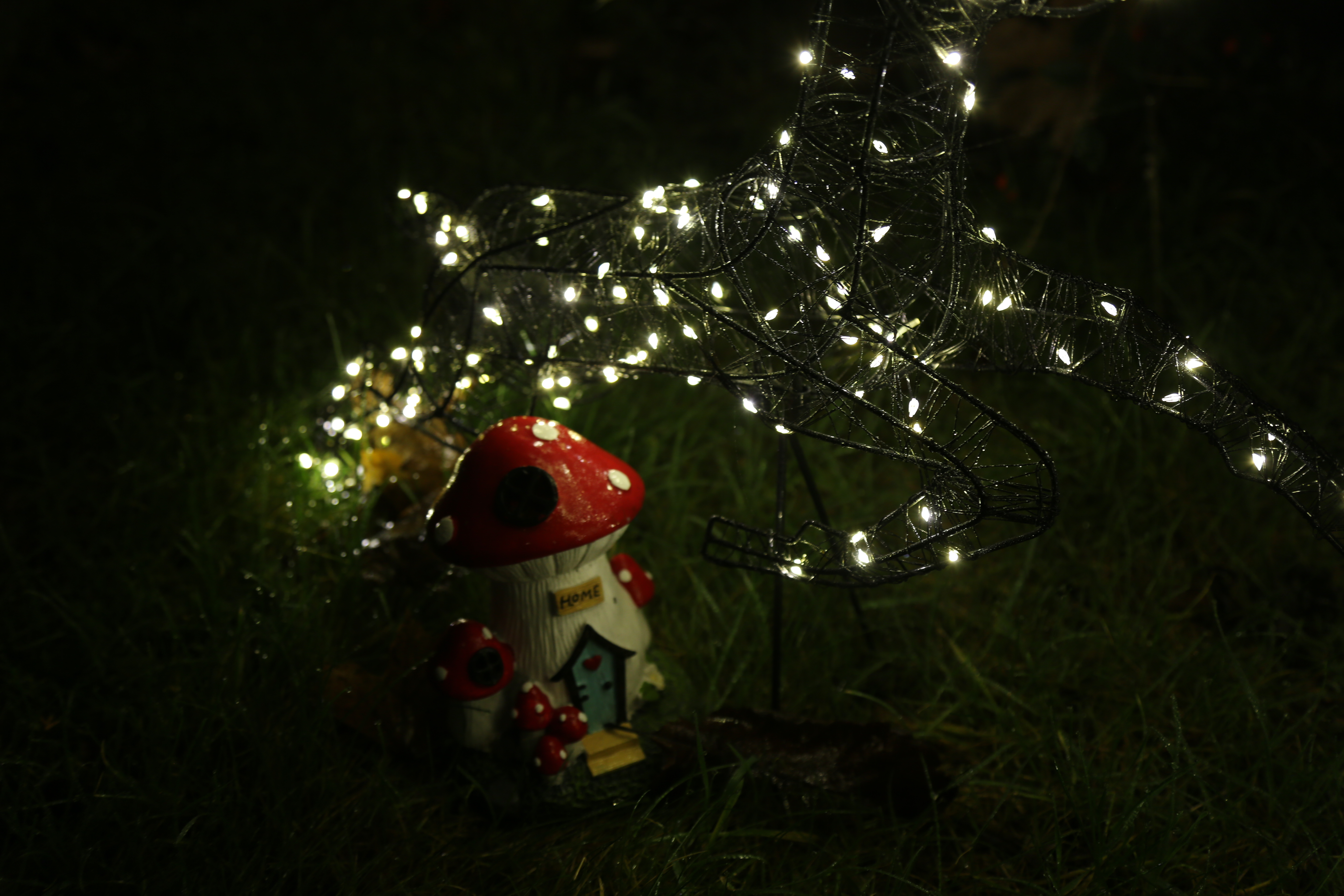
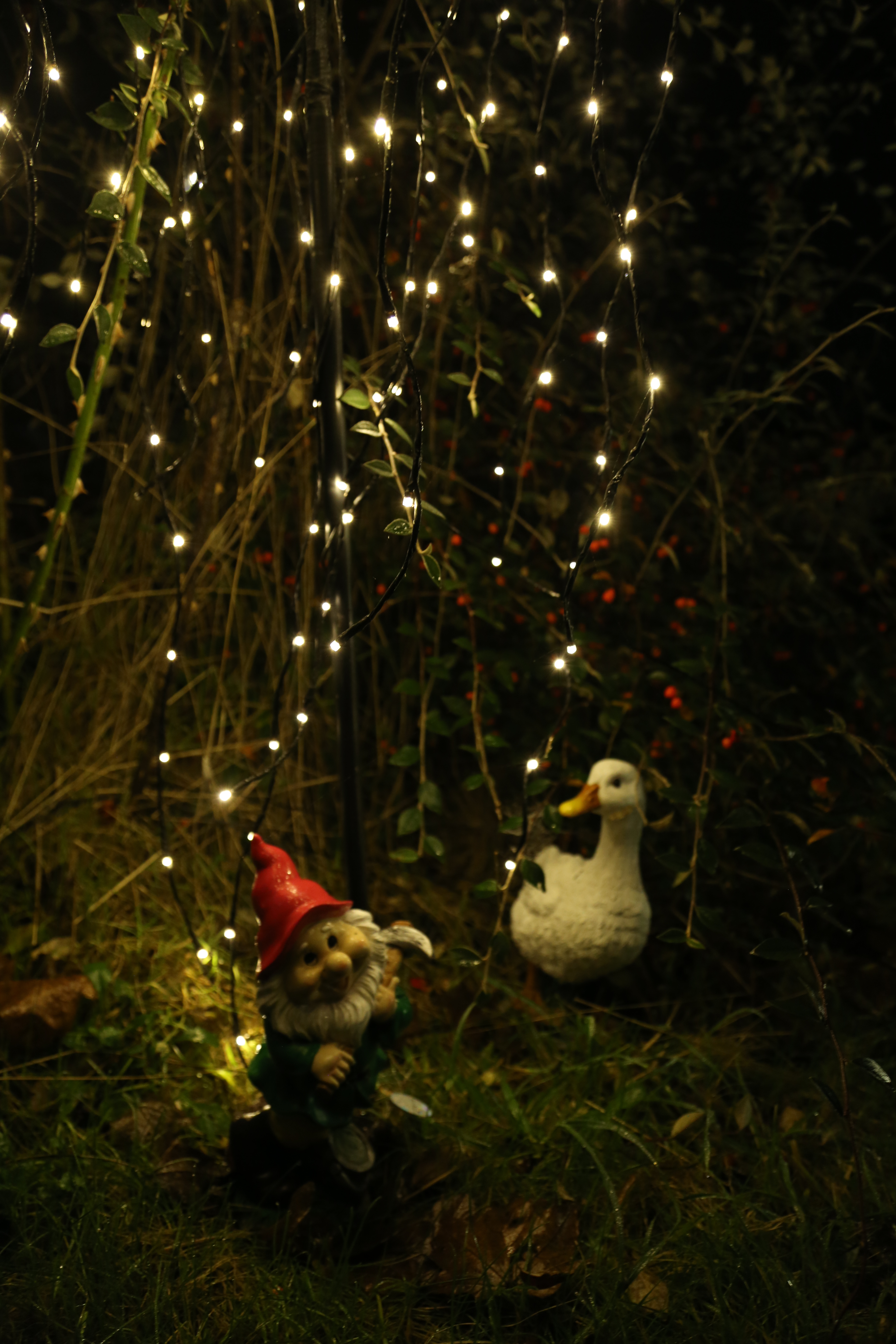
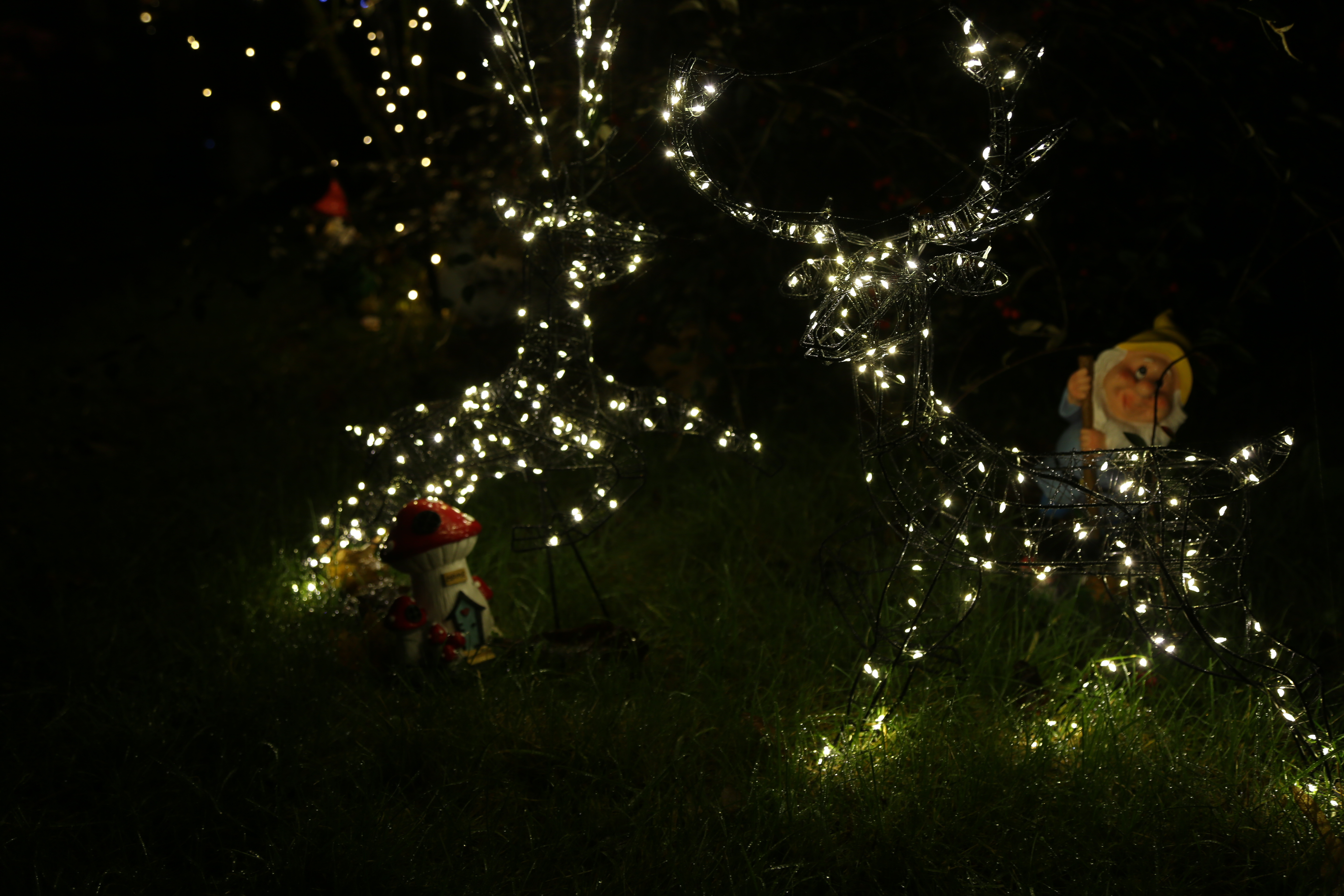
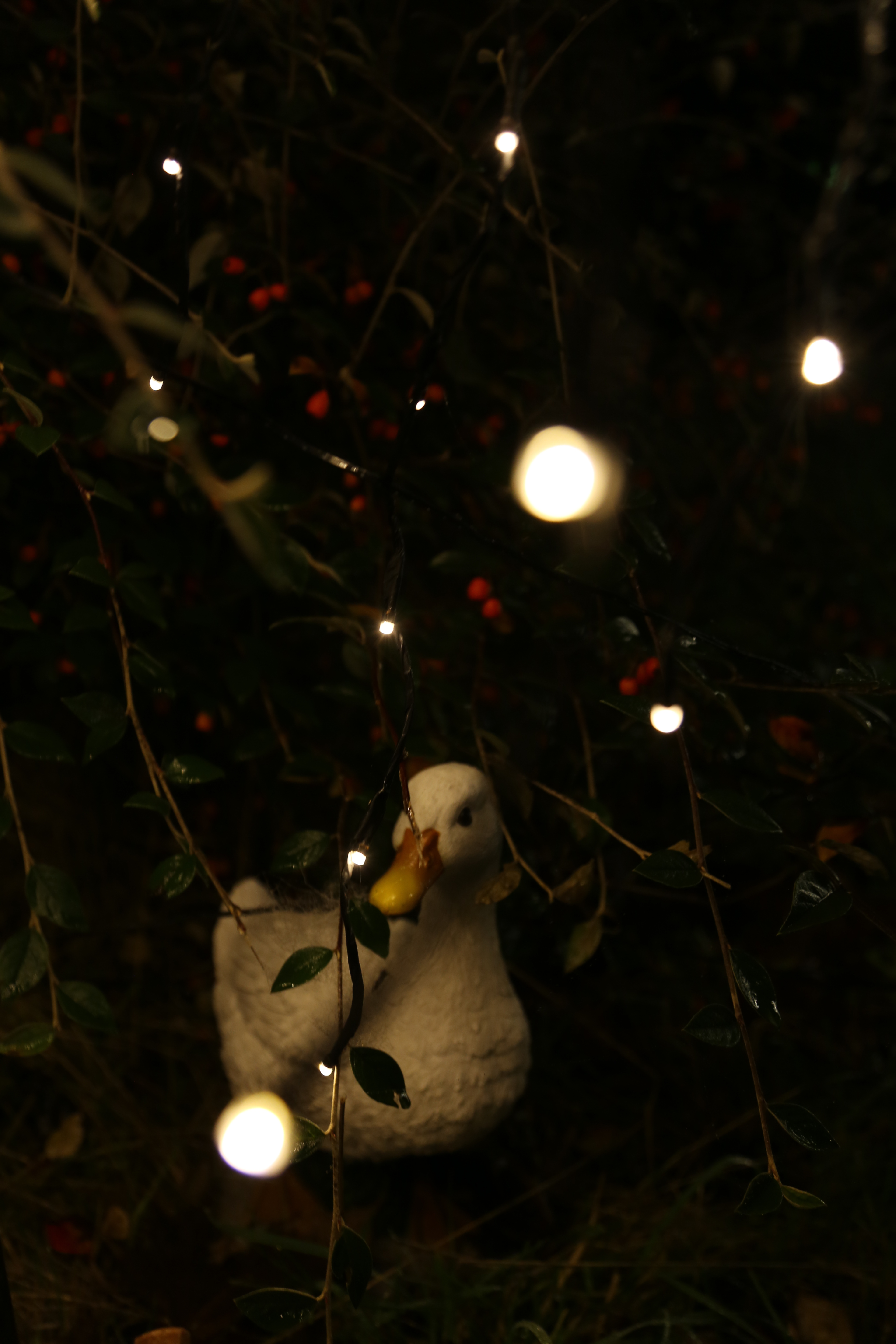
How was your day? What you’ve been up to lately? I so rarely hear from you but you often hear from me. It would nice to hear from you. Who you are? Where you living now? What has awakened your heart recently? I am sending you a few photographs of our fairytale wonderland yard. They are still performing well against the darkness of the world. Making neighbours smile or wonder why they are still there. Wouldn’t it be lovely to get all our front yards’ decorations and place them all in our local park to make a magical fairytale land out of this world? Can you imagine children’s faces and all the wows exhaled with joys of laughter and fingers pointed: ‘Look at this!’ ‘Look at that?’ Maybe neighbours and local community centres would be up for it?
Sash Milne from Inked in Colour believed in the power of human connection and community. She planted a strong seed. Thank you for making the difference through your voice and writing, Sash. We can be resilient independently and we can be even more resilient together. Yes, we can.
And I was also thinking…
Sometimes magic is not readily available to everyone. Sometimes children cannot walk through the city or even ride through the city for various reasons. Sometimes it is because they have to stay at the hospital. And I think that they need magic too, so on the 24 December, trying to observe Polish tradition of having one more place at the table for a stranger I thought that no stranger would come really (they hardly ever come), but I thought to myself that I can be a stranger who makes someone feel better. And I think you can too. If you would like to.. so I wonder if you would like to manifest some hope and joy.. I have something in confidence to share or rather a recipe for joy to share. Good deeds are embarrassing to share but then The Gita for Children taught me this year that goodness leads to intelligence and it leads to knowledge. So perhaps you would like to do it too?
I bought these lovely aurora LED lights (click here to see) and I grabbed my second-hand copy of the book 100 Reasons to Hope. True stories of everyday heros(here) and I took them to our local hospital for the children on the inpatient ward to enjoy together with the nurses, doctors and other members of staff that were working during Christmas. The children’s team play coordinator was so moved. I felt I did the right thing and I’m feeling I am doing the right thing now too to share it with you. Maybe you would like to do the same for the children at your local hospital? Or others. Talk to your family and friends about it. Maybe they would like to do it together.
We have these lights at home too and we use them with my children of they are overly anxious or struggle to come down before going to sleep.
A bit of magic is so necessary when reality is too much to handle. Isn’t it?












 Postcards Without Stamps