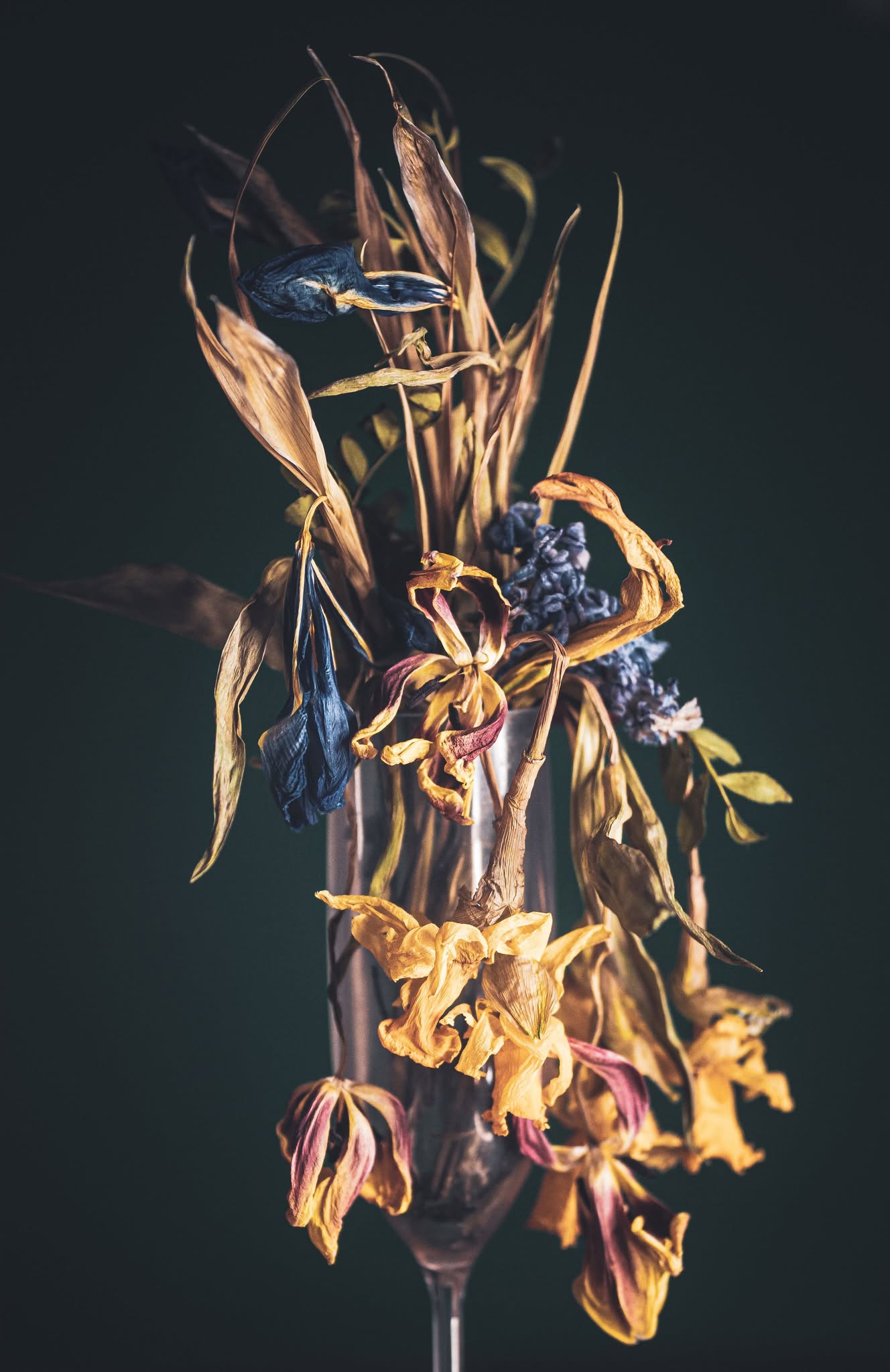
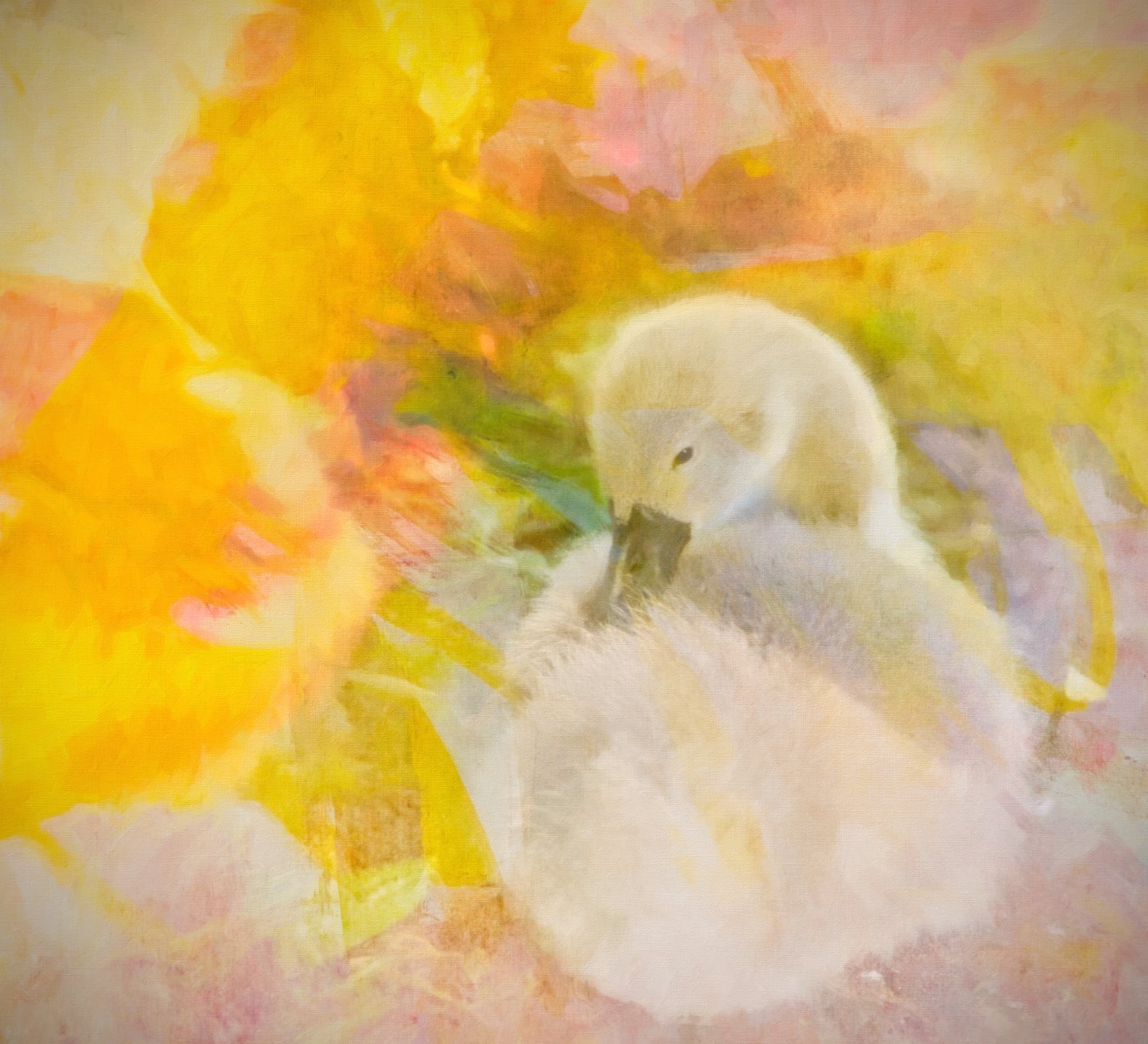
Is it possible to improve in life without being grateful for the past and what it taught us? Could we make progress in life without seeing the positives in our personal journeys? Could we be artistic, creative, productive if we do not appreciate what we have or what has passed? If we are angry that the flowers have died, could we appreciate their textures, their patterns, their beauty highlighted by time? They were. They existed. They contributed. If we decide to engage with the past or the passing of time in a creative manner, the effect is usually gratifying. Could it be otherwise?
Czy można poprawić sobie życie bez odczuwania wdzięczności za przeszłość i za to czego nas nauczyła? Czy możemy robić postępy w życiu, nie dostrzegając pozytywów w naszych osobistych podróżach? Czy możemy być artystyczni, kreatywni, produktywni, jeśli nie doceniamy tego, co mamy lub tego, co minęło? Jeśli jesteśmy źli, że kwiaty umarły, czy możemy docenić ich faktury, ich wzory, ich piękno podkreślone przez czas? Były. Istniły. Przyczyniły się do piękna. Jeśli zdecydujemy się na twórcze zajęcie się przeszłością lub wpływem przemijania, efekt będzie zazwyczaj satysfakcjonujący. Czy by mogło być inaczej?
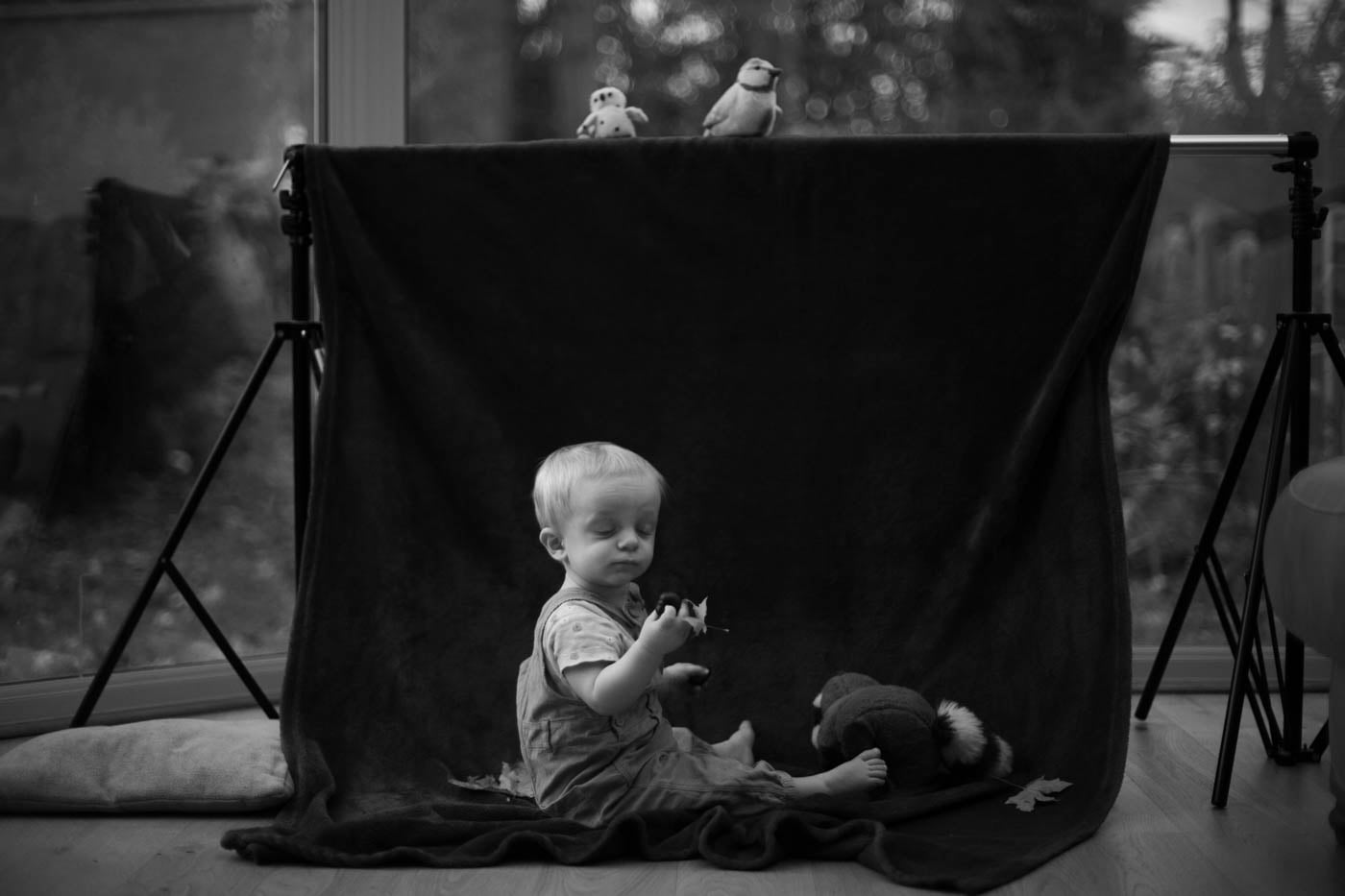
Once upon a time, there was a boy who could not feel happiness when other people were joyful. He always responded with a minimizing commentary or disapproving face. He saw others smiling, chatting, playing and appreciating a warm cup of tea and a free biscuit on a table but he could not reciprocate. with a smile. His eyes were always stern, lip corners dropped, body posture irritated. ‘How can they be so happy?’ he was wondering all the time. ‘How can they be so happy when so little is done?’
He was very puzzled but fortunately quite capable of self-reflection too.
‘Am I envious of joy?’ He thought to himself appealing to his inner wisdom but could not satisfy himself with an honest answer.
Tired from his own thoughts and worries, he went to a nearby park where an elderly lady was sitting on a bench feeding birds with seeds. She was smiling and talking to the birds. She was happy. The boy got irritated again. ‘How can she be happy just like that? Feeding birds?’ And then he got curious as he recognized the feeling. ‘Miss, could I feed the birds with you?’ he asked.
‘Of course.’ She answered passing him a bag of seeds. He started smiling but then as soon as he felt his own smile he got irritated with himself for smiling.
‘Miss, why am I angry with myself for smiling.’
‘I think it is something to do with your inner mirrors. It is because of your adult inner mirrors.’
‘Are they broken?’
‘Did you notice?’
Story and photography: Alicja Pyszka-Franceschini, 2025. Copying without the explicit permission from the author is not permitted.
In smart work there is less joy than in a game of tag and time is running out for children and adults alike into the hustle and bustle of memories.
Who caught whom? No one asks about the tag But everyone writes a report On the questions they asked And answers they received Only relevant to self It seems
But to receive an answer Is to make a promise of gratitude.
No one knows Few understand
Has the person who asked got lost earlier? Or did they ask in time? To be grateful? Or to be done? Choose.
– Alicja Pyszka-Franceschini
Additional good read for this week:
This article has caught my attention this week. Very interesting read. This is the Key to Achieving ‘Time Affluence’ (click to read).
Poem and photography by Alicja Pyszka-Franceschini, 2025. Copying without an explicit and written permission from the author is not allowed.
Po Polsku
W mądrej pracy jest mniej radości niż w grze w berka, a dzieciom i dorosłym czas ucieka tak samo w zgiełk wspomnień.
Kto kogo złapał? Nikt nie pyta, Ale każdy pisze raport Z pytań, które zadał I odpowiedzi, które otrzymał. Dotyczących tylko siebie Wydawać by się mogło. Ale otrzymać odpowiedź To złożyć obietnicę wdzięczności.
Nikt nie wie. Niewielu rozumie.
Czy osoba, która zapytała, zgubiła się wcześniej? Czy zapytała w porę?
Być wdzięcznym? Czy po prostu mieć wszystko zrobione? Wybierz.
Wiersz Alicji Pyszki-Franceschini, 2025.
Ten artykuł przykuł moją uwagę w tym tygodniu. Bardzo interesujący!
Artykuł w magazynie Forbes zatytułowany “To jest klucz do osiągnięcia ‘Bogactwa Czasu'” (kliknij w link tutaj)
Do następnego razu. x
Material Copyrighted by Alicja Pyszka-Franceschini, 2025. Copying without an explicit and written permission from the author is not allowed.
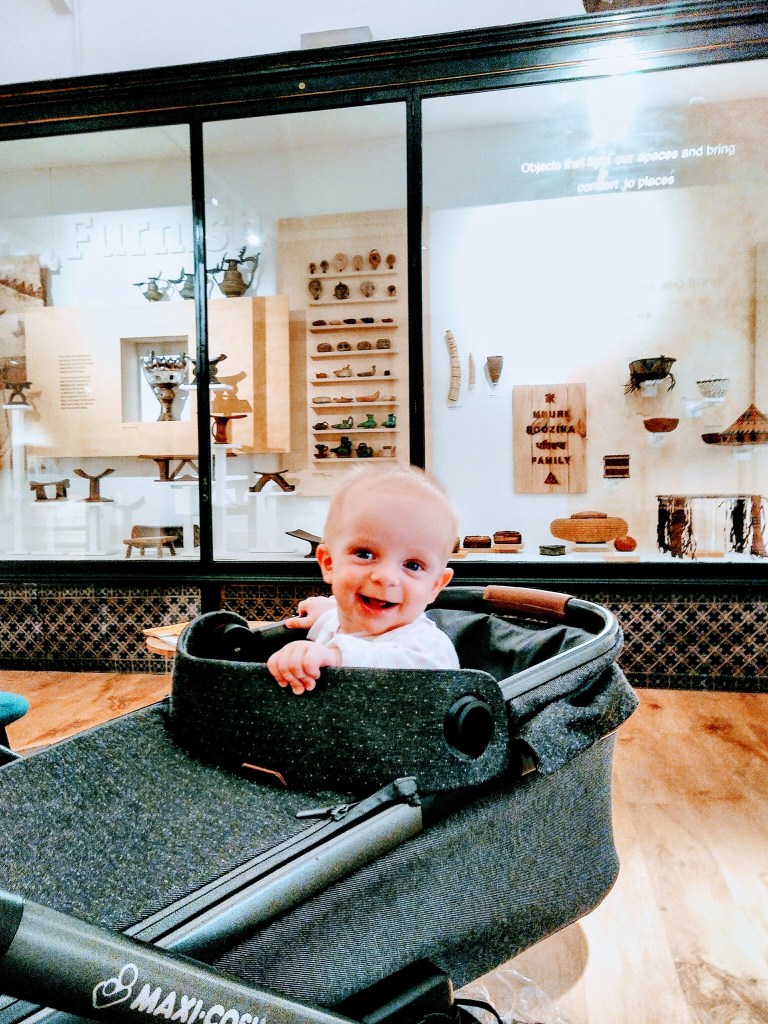
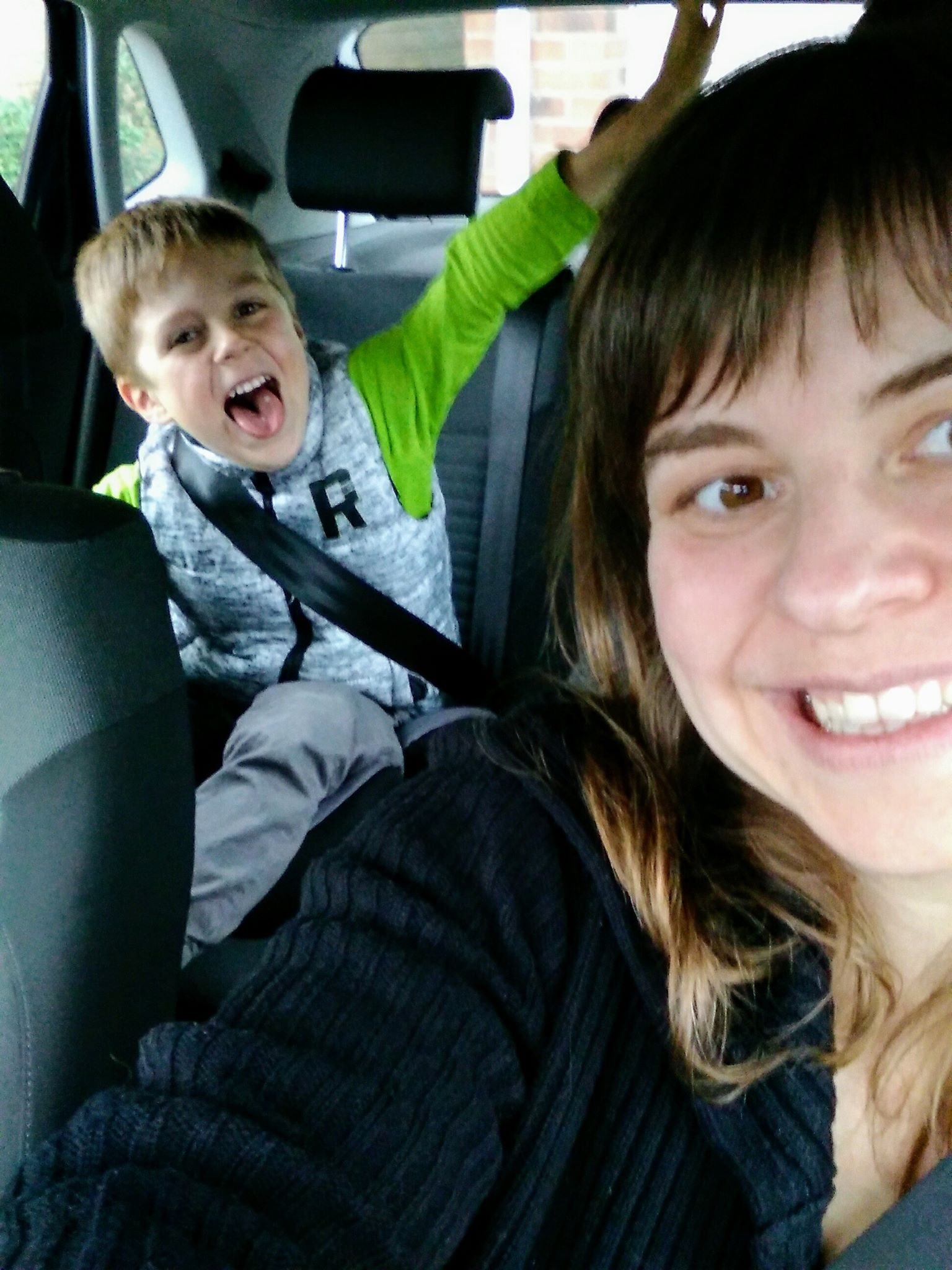
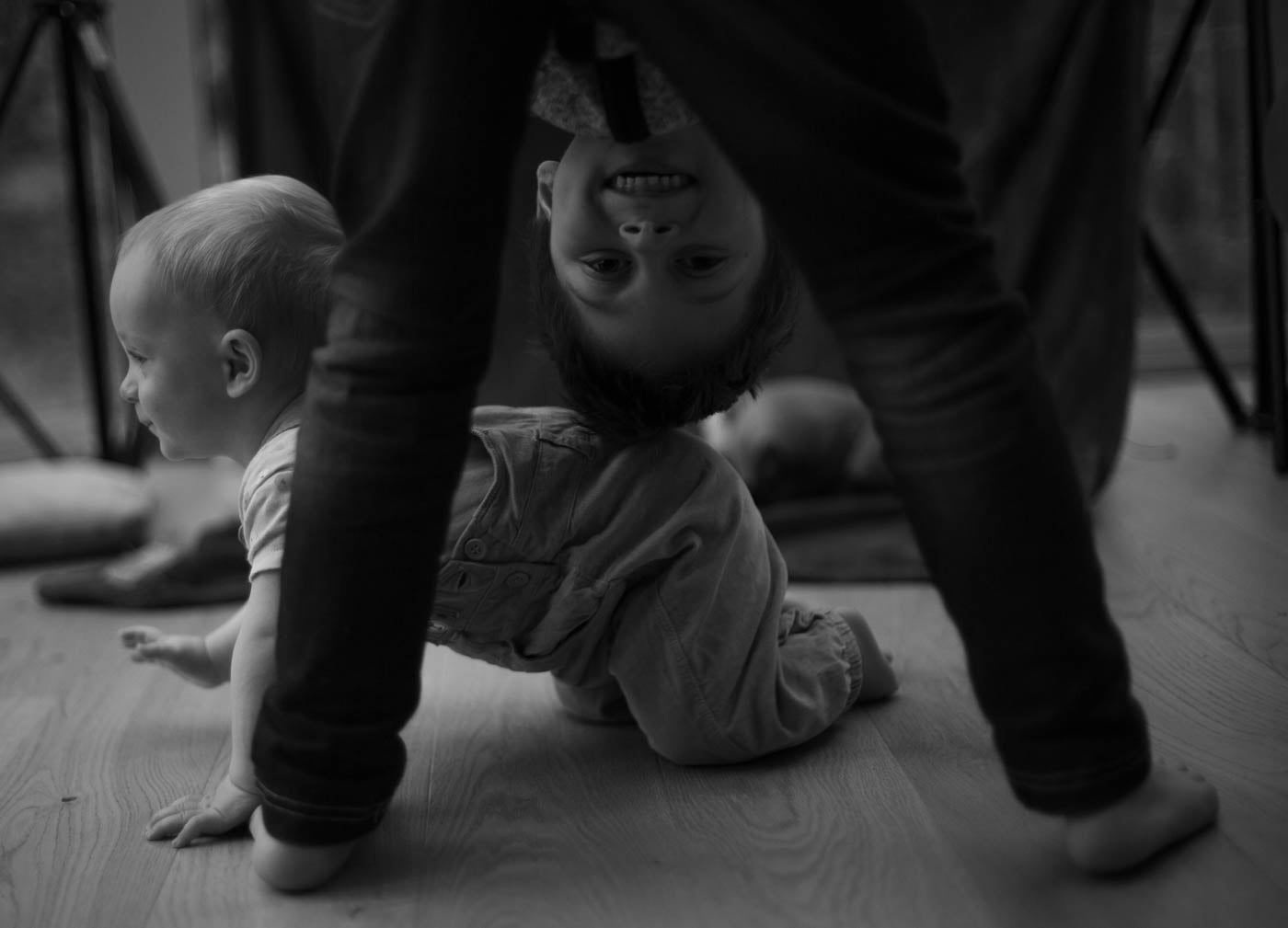
Do you remember the song by Ed Sheeran called Photograph? The official music video consists of photographs and video cuts. These are from his early childhood and his early music career. I love the simplicity of it all and the sheer joy of watching a growing child, his first steps, his running around and the shrieks of a toddler finding his voice. It is so moving. The decor of his family’s house that is sealed in time. The hands of the family members that carefully assist him in making his first steps, in music or drawing, busking and then all the Happy Birthday’s sung together to celebrate the child. Call me sentimental, but that song makes me cry. It is all moving and all beautiful. I am very inspired by the song and the video. It inspires me to rediscover my own family archive. These are the good times.
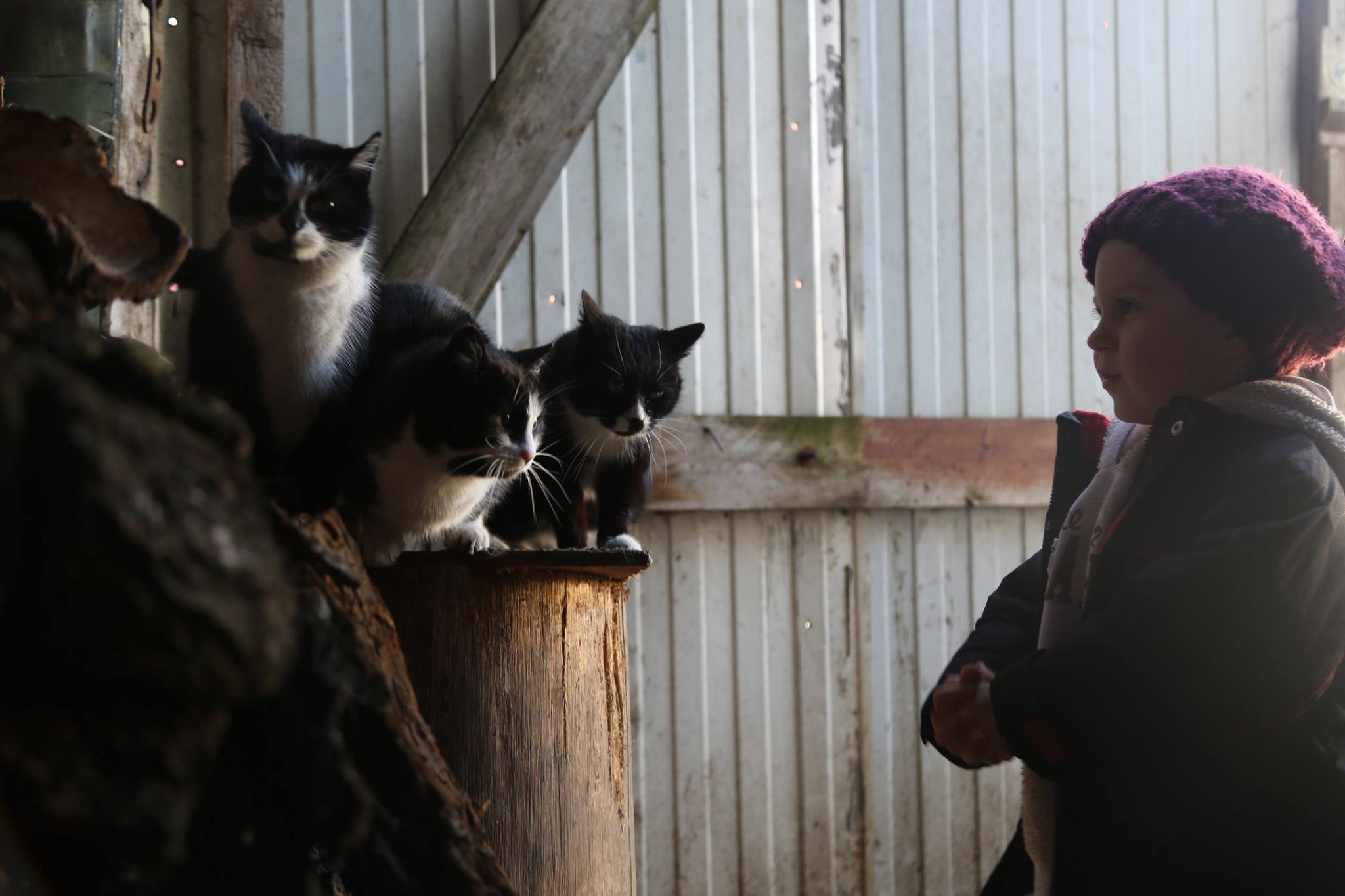
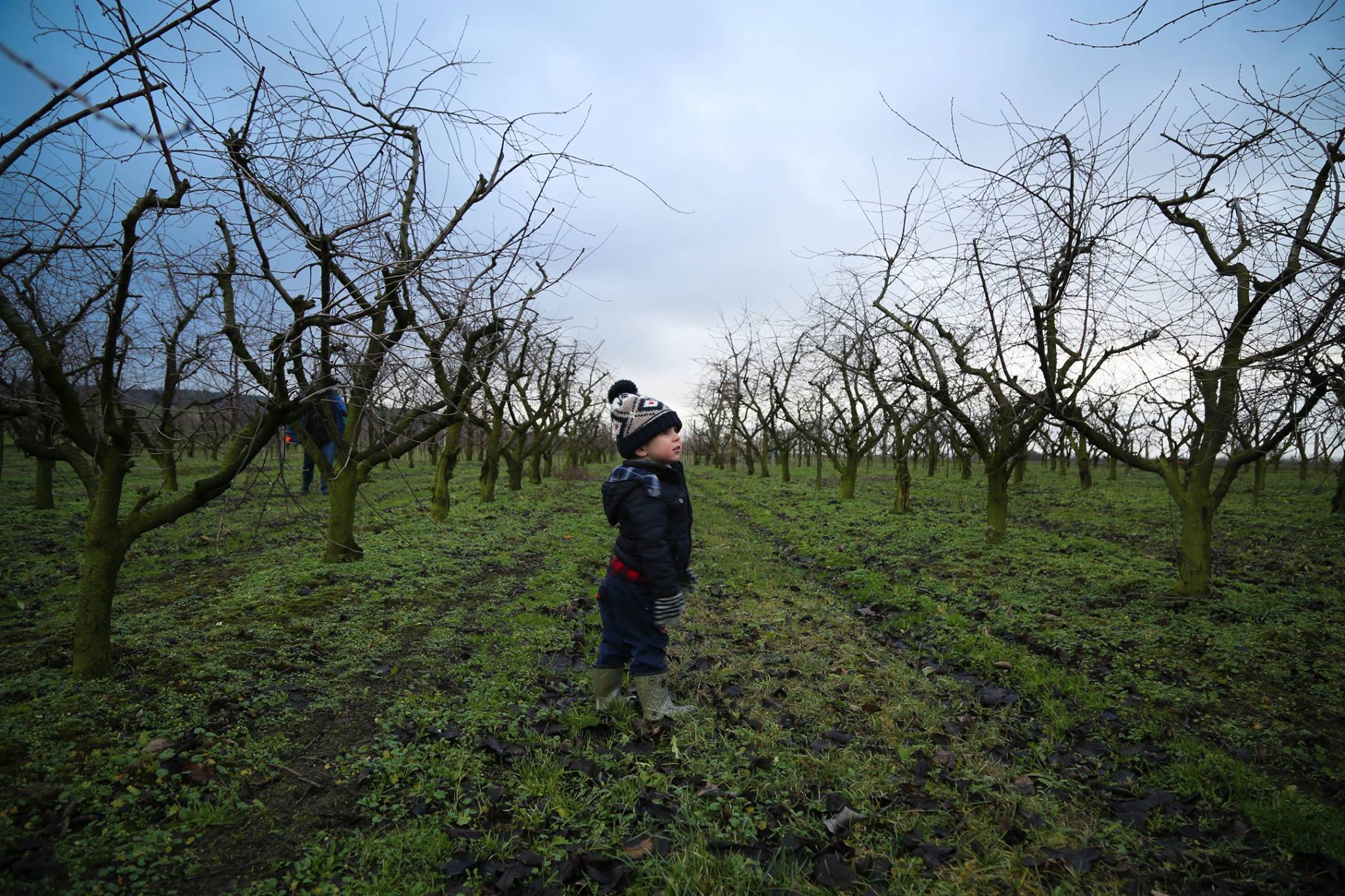
Photos taken in Derby (UK), in Poland and in Derby Museum and Art Gallery.
It's somewhat hectic here. We have children's activities, paperwork, house maintenance projects, broken mobiles, travels, birthday parties and attempts at reviving our personal archives and histories. Everyday life has kept us on our toes and it is not a bad thing. This week I asked my six year old daughter what she is grateful for. Appreciation strengthens children's minds as much as it strengthens ours. She eagerly listed several things. She mentioned dinner time and that she is thankful for Wednesdays, Thursdays, Saturdays, and Sundays. She also appreciates PE and a friend who makes her laugh.
She elaborated that she is grateful for Wednesdays because a funny lady comes to her class. She makes them laugh. They do pretend play and practice dancing with YouTube at school. She likes Thursdays because there is a drama club. She can move and sing a lot. For Saturdays, because there is a Polish school. She plays with her friend there and she likes her a lot. She is happy about Sundays because there is a mass for children at the church. There is tea and coffee afterwards. She can run around and play with many different children. In short, she is happy with her childhood and enjoys acting and friends.
It had always been my dream to start a multilingual theater. I even started making small attempts at it. But lockdown happened and plans and preoccupations changed. That said, every so often, I captured our attempts at pretend play and we had a lot of fun. The children were delighted. I am so happy I captured some of those moments.
Back to the drama, isn't it satisfying to express yourself by playing a person with a different culture or character, to go a little beyond the comfort of your own psyche? To live many lives using different languages, accents and body movements? To understand problems that do not belong to us and to feel the joy of the achievements for which other people have trained?
And then to love our Wednesdays, Thursdays, Saturday and Sundays... and be grateful for them just a bit more than for our Mondays. What could we do to repair their reputation? Surely, a lot of good happens on those days too.
And Fridays, she kept quiet about them. I wonder why?
What's in your busy schedule that you are grateful for right now?
Text and Photography: Alicja Pyszka-Franceschini, 2025.
Copying or reproducing the material without the explicit permission from the author is prohibited.
Polish Translation
Witaj Drogi Czytelniku,
Jak się ostatnio miewasz?
U nas jest trochę gorączkowo. Mamy zajęcia dla dzieci, papierkową robotę, projekty związane z utrzymaniem domu, podróże, urodziny, zepsute telefony komórkowe i próby ożywienia naszych osobistych archiwów i historii. Codzienność trzyma nas w napięciu, co nie jest wcale takie złe. W tym tygodniu zapytałam moją sześcioletnią córkę za co jest wdzięczna. Docenianie wzmacnia umysły dzieci tak samo, jak nasze. Skwapliwie wymieniła kilka rzeczy. Wspomniała o porze obiadowej i o tym, że jest wdzięczna za środy, czwartki, soboty i niedziele. Ceni sobie też WF i przyjaciela, który ją rozśmiesza.
Wyjaśniła, że jest wdzięczna za środy, ponieważ do jej klasy przychodzi zabawna pani. Rozśmiesza ich. Udają, bawią się i ćwiczą taniec z YouTube w szkole. Lubi czwartki, bo ma kółko teatralne. Potrafi się dużo ruszać i śpiewać. Za soboty, bo jest polska szkoła. Bawi się tam ze swoją koleżanką i bardzo ją lubi. Cieszy się z niedziel, bo w kościele jest msza dla dzieci. Potem jest herbata i kawa. Potrafi biegać i bawić się z wieloma różnymi dziećmi. W skrócie, cieszy się dzieciństwem, a najbardziej wszelkimi próbami teatralnymi i przyjaciółmi.
Zawsze marzyłam o założeniu wielojęzycznego teatru i zaczęłam nawet podejmować małe próby, ale nastąpił lockdown i mi również plany i zainteresowania się zmieniły. Bawiła się z dziećmi czasem w teatr w domu, kiedy były mniejsze i podczas lockdownu. Dzieci były zachwycone. Tak się cieszę, gdy myślę o tych momentach, że ich kilka złapałam.
Wracając do dramatu, czyż nie jest satysfakcjonujące móc wyrazić siebie grając osobę o innej kulturze lub innym charakterze, troszeczkę wyjść poza komfort własnej psychiki? Przeżyć wiele żyć, posługując się różnymi językami, akcentami i ruchami ciała? Zrozumieć problemy, które do nas nie należą, i poczuć radość z osiągnięć, do których trenowali inni ludzie. A potem pokochać nasze środy, czwartki, soboty i niedziele... i być za nie wdzięcznym trochę bardziej niż za poniedziałki. A tak swoją drogą, to co możemy zrobić, aby poprawić im reputację? Z pewnością w tych dniach też dzieje się wiele dobrego.
Co dzieje się w Twoim napiętym harmonogramie, za co jesteś teraz wdzięczny?








 Postcards Without Stamps