Living honestly and beautifully with oneself

reader

I like stalking authors online. I love listening to their stories of effort and creation, and about the moments that they’ve discovered that writing is what they want to pursue in life. Cheryl Strayed, the author of the memoirs called ‘Wild’, is one of the author’s whose voice is often heard on different media these days and it is the voice that so many people look forward to hear. It’s not difficult to identify with Cheryl Strayed. Her story is a story of loss, grief and self-destruction, but also a story of self-redemption, a story of coming back to one’s own ideals and life-path. The book is her true story of the lonely hike down eleven hundred miles of the Pacific Crest Trail that she took in order to deal with the sudden death of her mother and in order to pull herself out of a period of self-destruction that followed her mother’s death. Her walk is a rite of passage. It’s a source of reconciliation and strength. In her book she writes that the wilderness, the landscape of the hike, was

“A world I thought would both make me into the woman I knew I could become and turn back into the girl I’d once been.”

Cheryl Strayed’s book wonderfully shows how we deal with the most complex and emotionally-unbearable situations in life. Loss and rebelliousness (to the point of self-destruction) often go hand in hand in life. We can easily see for ourselves how our refusal to accept and awake to the life that is triggers our self-destructive or other-destructive tendencies. I’m not talking here about big things, but about small ones too, like over-working or not-eating, or even refusing to be kind to people. This is what I call self- or other-destructive tendencies. Realising that we have them is probably one of the things that we learn about ourselves when we truly decide to grow up.

What Cheryl Strayed’s book taught me was that after every major transition in life we need a rite of passage that would help us to somehow zip-up all the loss and rebelliousness associated with it and leave it behind us. I’ve been looking for my own rite of passage, for my own way of dealing with personal junctures. From Cheryl Strayed I’ve learnt that you need two things: nature and being on your own, on your own in doing something. I needed to feel discomfort and I needed wide open spaces. My family and friends joined me in my exploration of open spaces, but I gained my solitude through a very simple exercise. I’ve asked my husband not to help me with looking after our house for one hundred days, and as a result the house is dirtier than ever, and only on occasions is it delightful with colourful flowers in its various corners. You see, I’m a reader. I choose a book all the time. In my solitude I choose to study (or to chat to a friend on Facebook). There. That’s it. For a long time I’ve been trying to make myself into a mother and a wife that I thought I meant to be, but as my neighbour says, You cannot be what other people expect you to be. You are who you are. The solitude tells us a lot about our desires. Tells us a lot about who we really are.

I’ve been challenged in many areas of my life in the last few years, health-wise including. I think I went through a period of slight despair. Despair of not being able to conform to whatever I thought is right to do for a wife, a mum, a young researcher, a good patient, a good friend and a good daughter.

Wendell Berry wrote once that despair and pride are two sides of the same coin and the biggest enemies of creative work, I think that they are probably the biggest enemies of an honest life in general.

When we admit to our needs and desires, when we own them, we start creating space for them and the wide open space that we visit during weekends becomes all that we need to create spaces of fertile solitude during the rest of our week. And ironically, the better we use this space, the better companions we become.
Peak District2

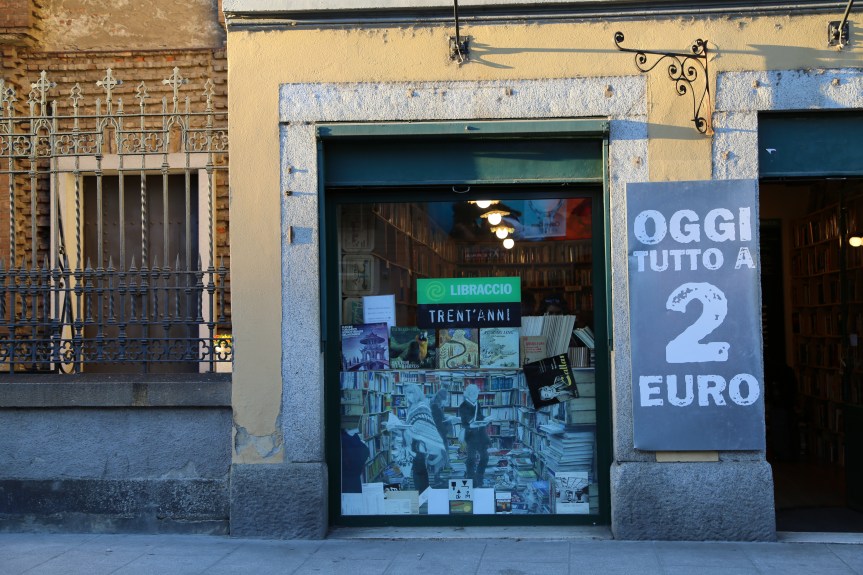
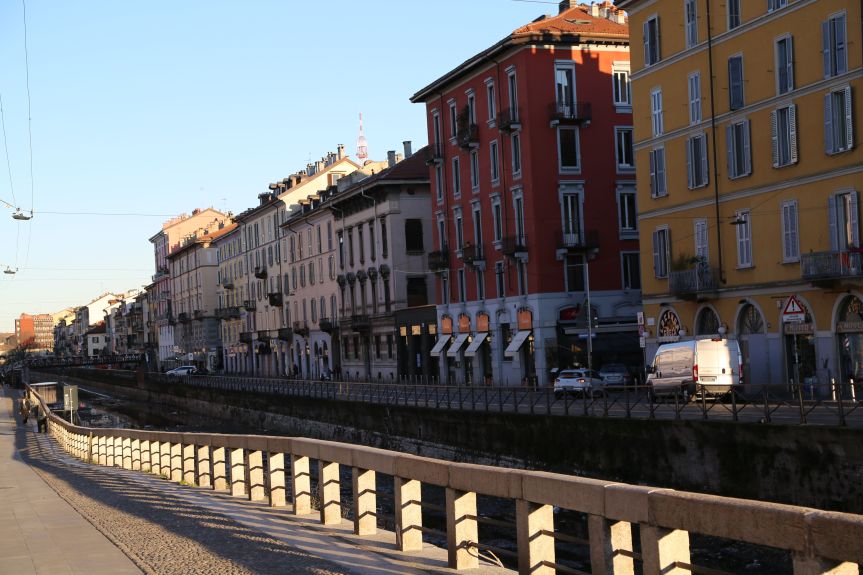
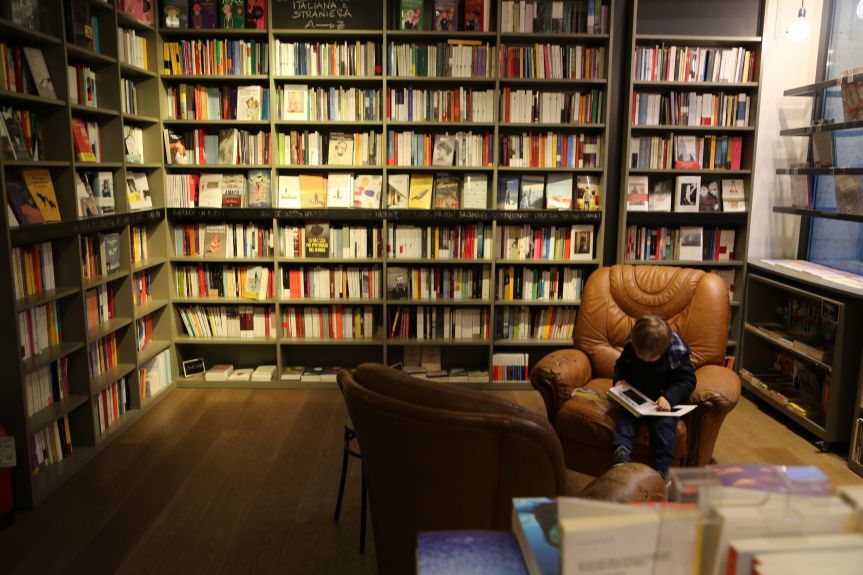
*Photo 1 taken at Gogol & Company, The most wonderful a bookshop in Milan, Italy.

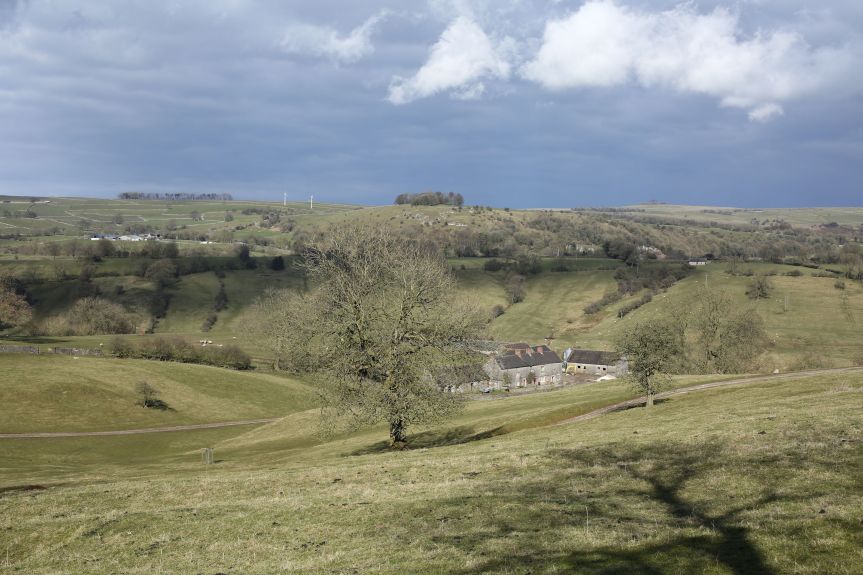
*Photo 2, The Tissington Trail, The Peak District, UK.
Touched

“The other morning I woke up worrying about a dear friend’s well-being. I felt it as an ache in my heart. When I got up and looked out my window, I saw such beauty that it stopped my mind. I just stood there with the heartbreak of my friend’s condition and saw trees heavy with fresh snow, a sky that was purple-blue, and a soft mist that covered the valley, turning the world into the vision of the Pure Land. Just then, a flock of yellow birds landed on the fence and looked at me, increasing my wonder further still.

I realized then what it means to hold pain in my heart and simultaneously be deeply touched by the power and magic of the world. Life doesn’t have to be one way or the other. We don’t have to jump back and forth. We can live beautifully with whatever comes – heartache and joy, success and failure, instability and change.” Pema Chödrön, Living Beautifully

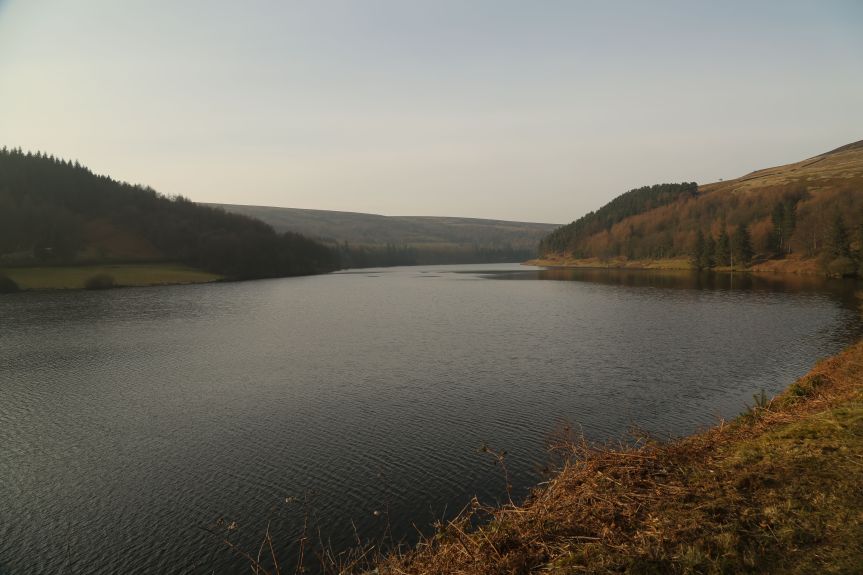
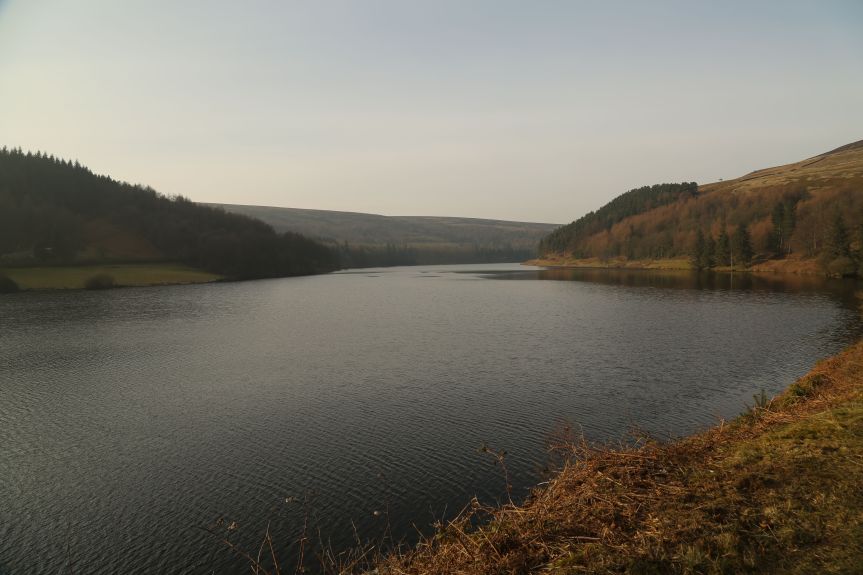
Upper Derwent Valley 3

A letter to a child

A reminder to myself :)

Postcards Without Stamps

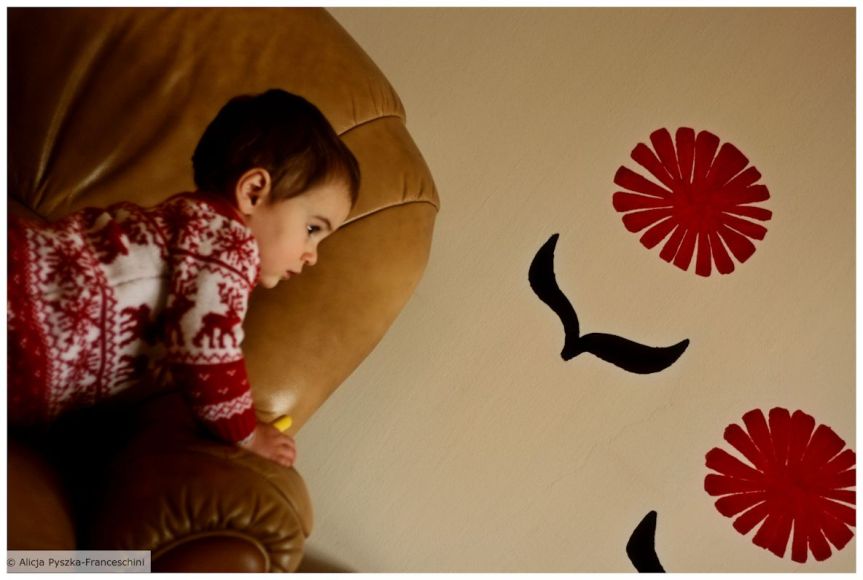
A little child looking with curiosity at something

Dear Little Child

So you are here. In this world full of beauty and wonder. On your road to discovery and growth. There are many rules and principles that you’ll learn about while looking for the truth. But before you start uncovering them, before you embark on your own journey, these ones are worth grasping…

  1. Love people. See the good in them but have your boundaries. Keep some things as sacred and do not let others trample on them. They are your foundations, your values and your core.
  2. You can help. You are not powerless. There’s always something that you can do. It will be meaningful however small it is.
  3. Work through sadness. Feel the pain. Acknowledge it. Take a deep breath, pause, understand where the pain came from and where it sits but don’t let it overwhelm you. It’s okay to be sad sometimes. It’s okay to be disappointed…

View original post 471 more words

Photo-essays from Milan (1): Street & Street Art

Milano1

Milan 2

Milan 3

6

5

Milan 679

jewellery

1113Milan street

8

Milan 4Milan street 2

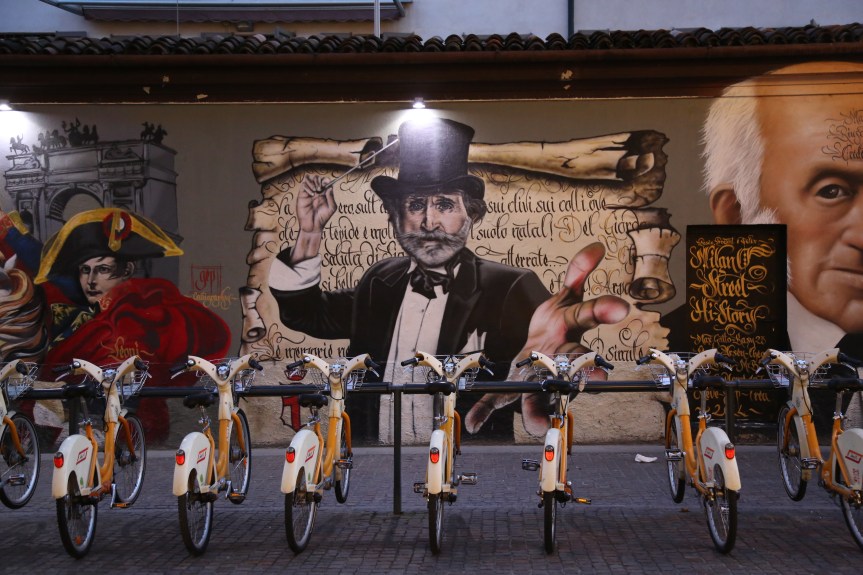
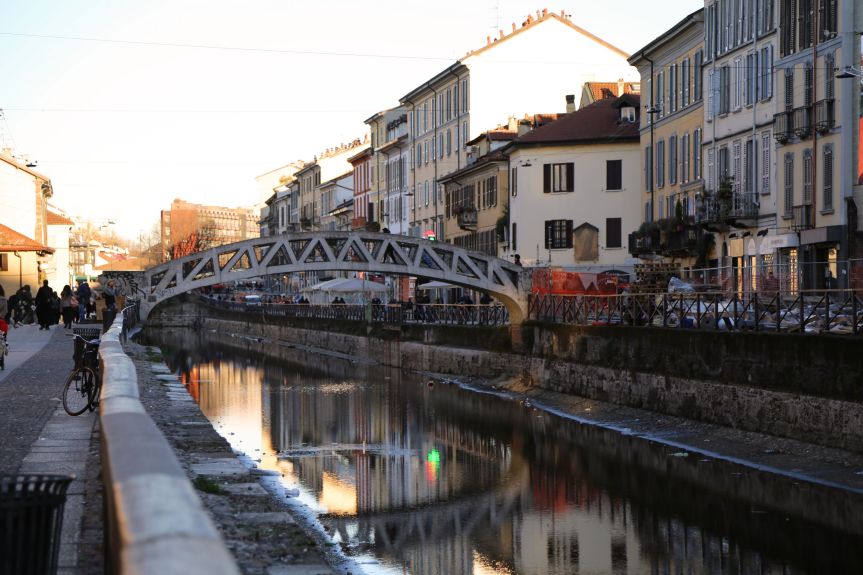
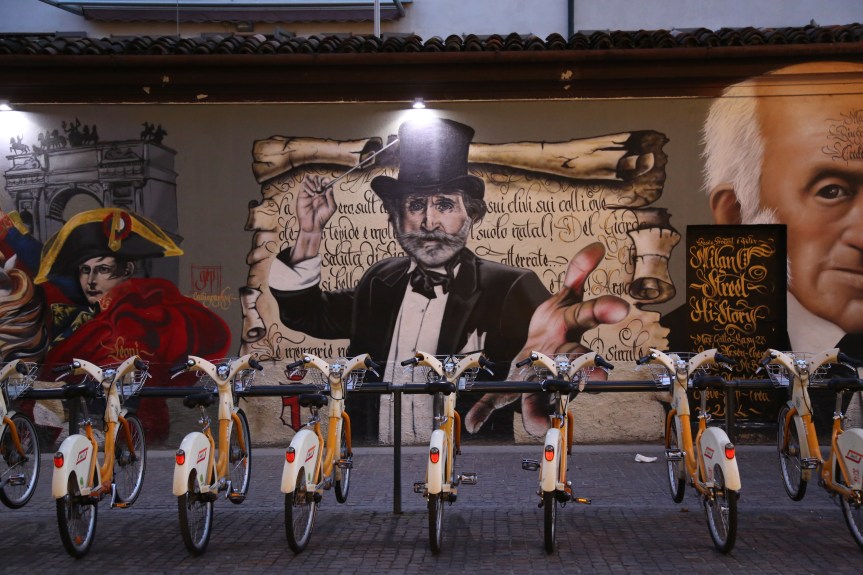
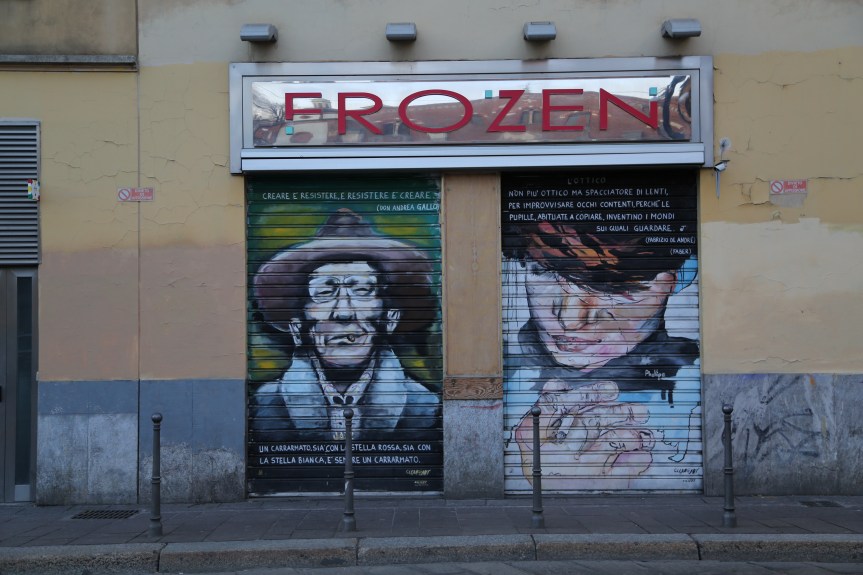
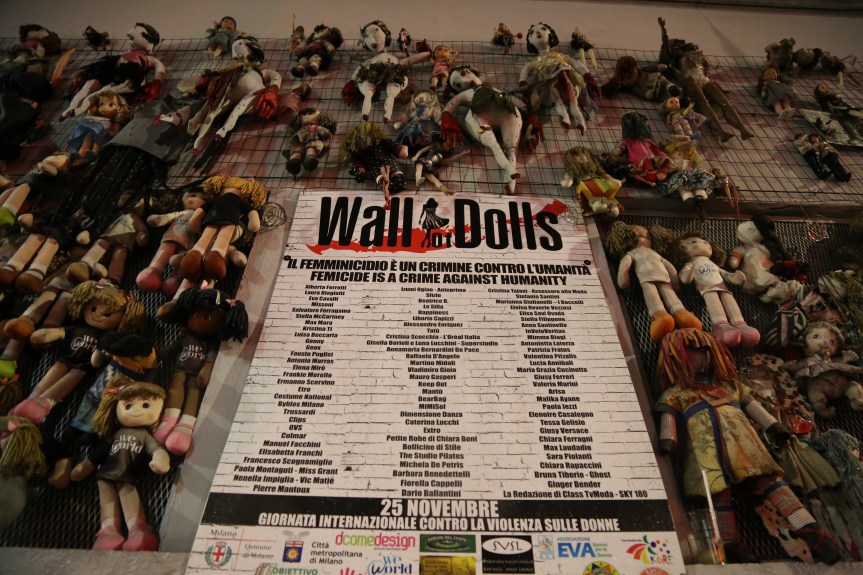
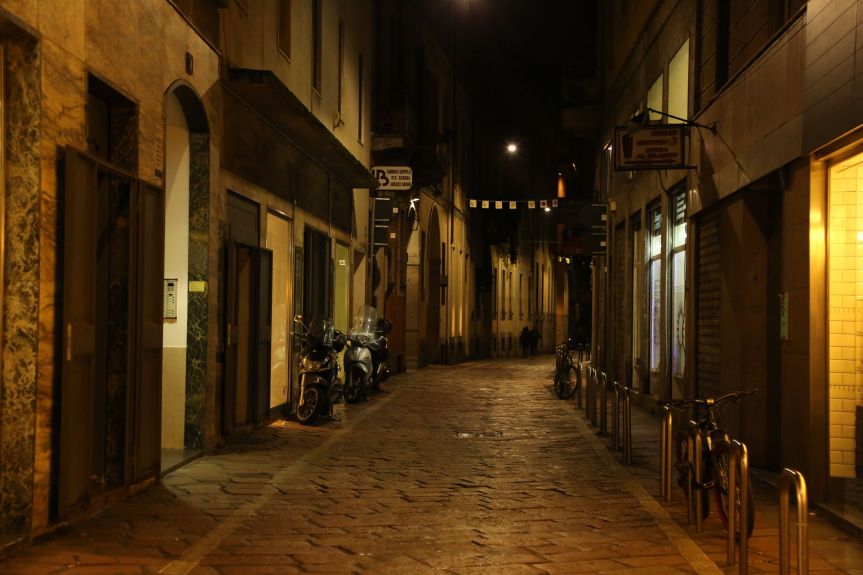
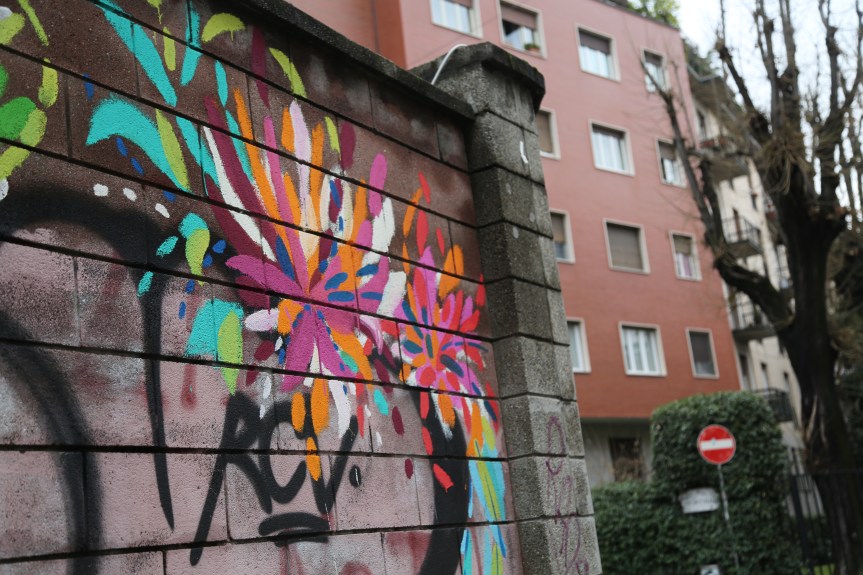
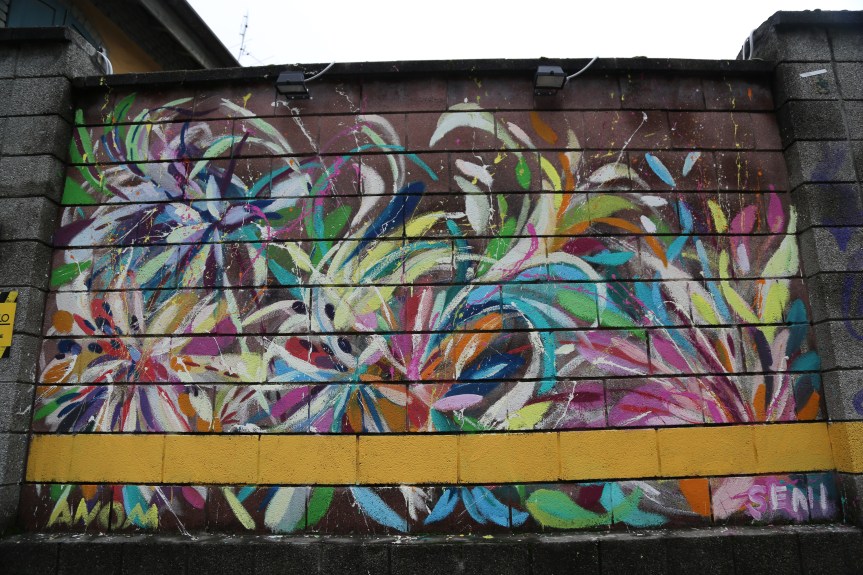
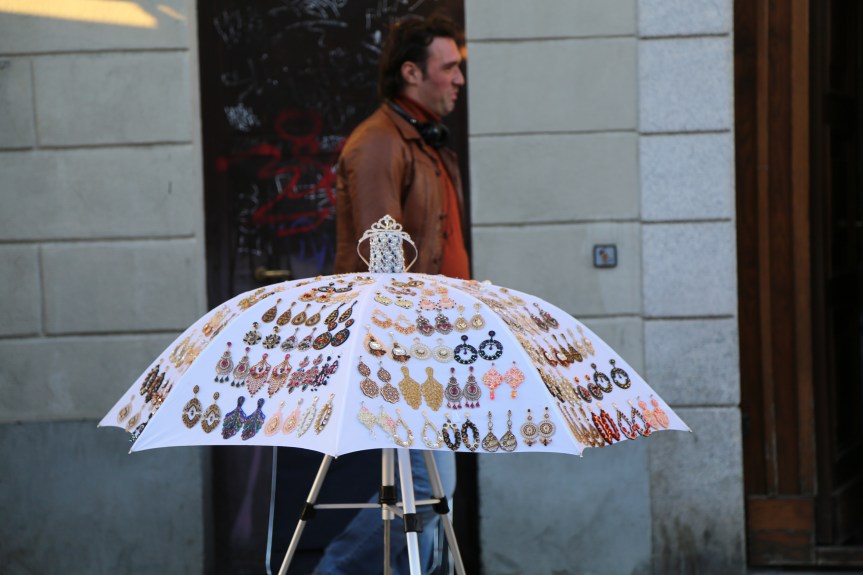
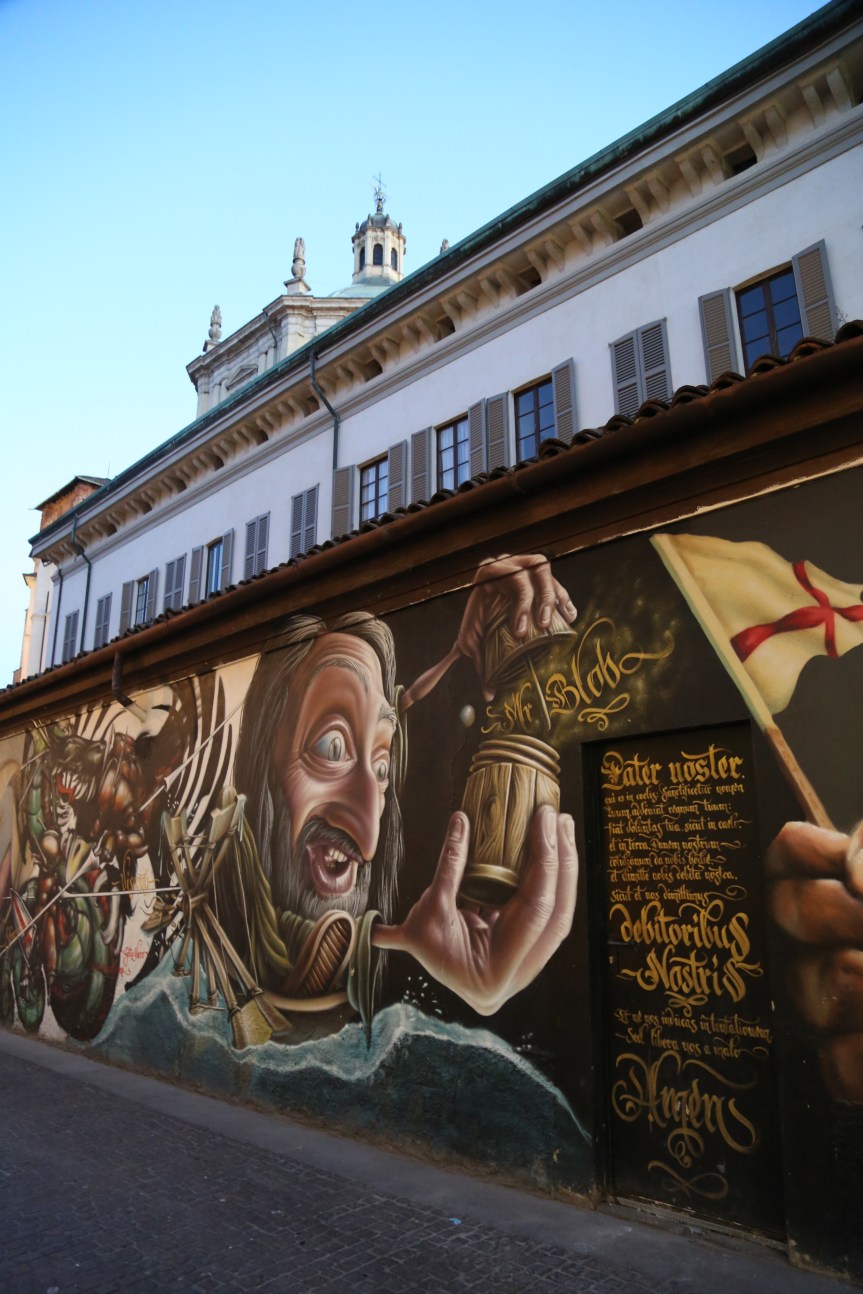
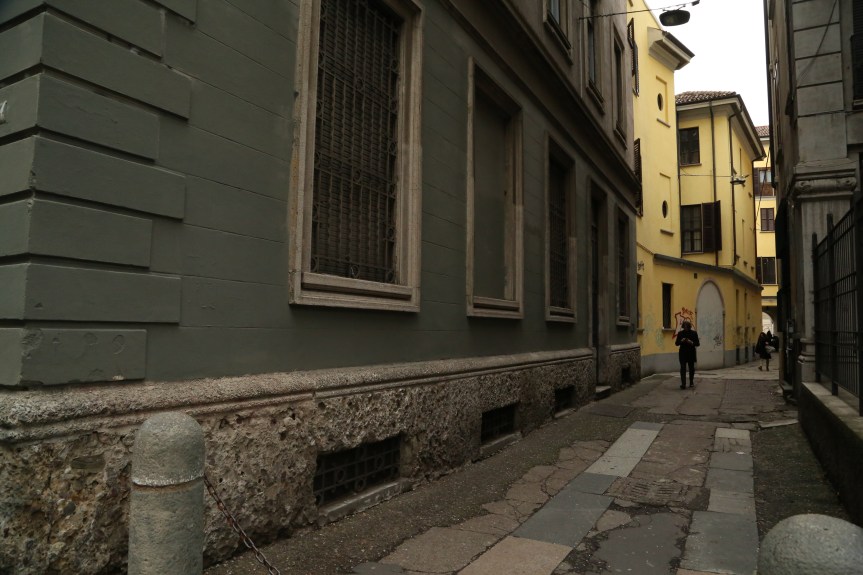
Last month we went for a short trip to Milan to visit our son’s great grandmother. Milan is a beautiful place known all too well for il Duomo, its cathedral, and for its fashion. But there is much more to Milan as is to every city so I’ll be doing a series of photo-essays on this blog from our Milan trip. Just for a pure enjoyment of travel and photography. :)


Open to them

sun shines

If you don’t make the time to work on creating the life you want, you’re eventually going to be forced to spend a LOT of time dealing with the life that you don’t want.” Kevin Ngo

I do not usually like quotes that are somewhat threatening in tone, but I do like this one as it reminds me to be responsible for looking after my life. My life is in my hands and I need to give it meaning and purpose if I want us to flourish.

But looking after my daily life is just part of my personal responsibility. Another part is to make meaning out of my past.

”My mother was the love of my life.” – is a quote from Cheryl Strayed that I embrace warmly.

I adore this sentence so much for so many reasons but mainly for how well it counters our blame-oriented culture of today, the culture that seeks to blame our parents for who we have or have not become. The culture that renders us deficient in will and efficacy because of who our parents were or weren’t. The culture that teaches us to point fingers at the people whose youth, intentions and histories we cannot possibly experience. I think it’s good to work through childhood traumas, it’s good to examine our responses to them, but I do not think that we should succumb to the culture of blame. Because by doing that, we see our childhood as poorer than it actually was. I saw people being poisoned by the blame-oriented mindset more than by their actual childhood experiences. I saw people being stuck for years because of it. ”My mother was the love of my life.” – this sentence does the opposite. It gives meaning and sense to our childhoods.  It shows that adults are fragile but also wonderfully capable of loving each other. Capable of loving deeply and dearly, and isn’t it what we all want? To be capable of such love for many people in our lives.

Sometimes I wonder what’s the purpose of the blame-oriented culture. To break, to divide, to render someone insecure. To cause grief? I know that many people would not be able to be so candid about their own mothers as Cheryl Strayed was. I know that for many their childhood experiences are too painful to even hear such words being spoken. But this quote is not only about the mother, right? But about the loves of our life. Beyond the question of our relationship with our parents, it nudges us to ask: What are the loves of our life? What can we do to be truly open to them?

don't blame_you are beautiful