A walk with The Gita for Children by Roopa Pai

If you’ve got a child aged 12 or around, you would most likely have enough data on their likes and interests and you would probably see that some subjects always prick their ears and they like discussing them. Among football, biology, history and Minecraft, religious studies are my son’s favourite. He is very keen on learning and discussing different religious wisdoms, beliefs, traditions, and customs. When I was sent The Gita for Children by Roopa Pai by IBBY (International Board of Books for Young People) two years ago, I was thrilled. I knew that we could have a good time together.

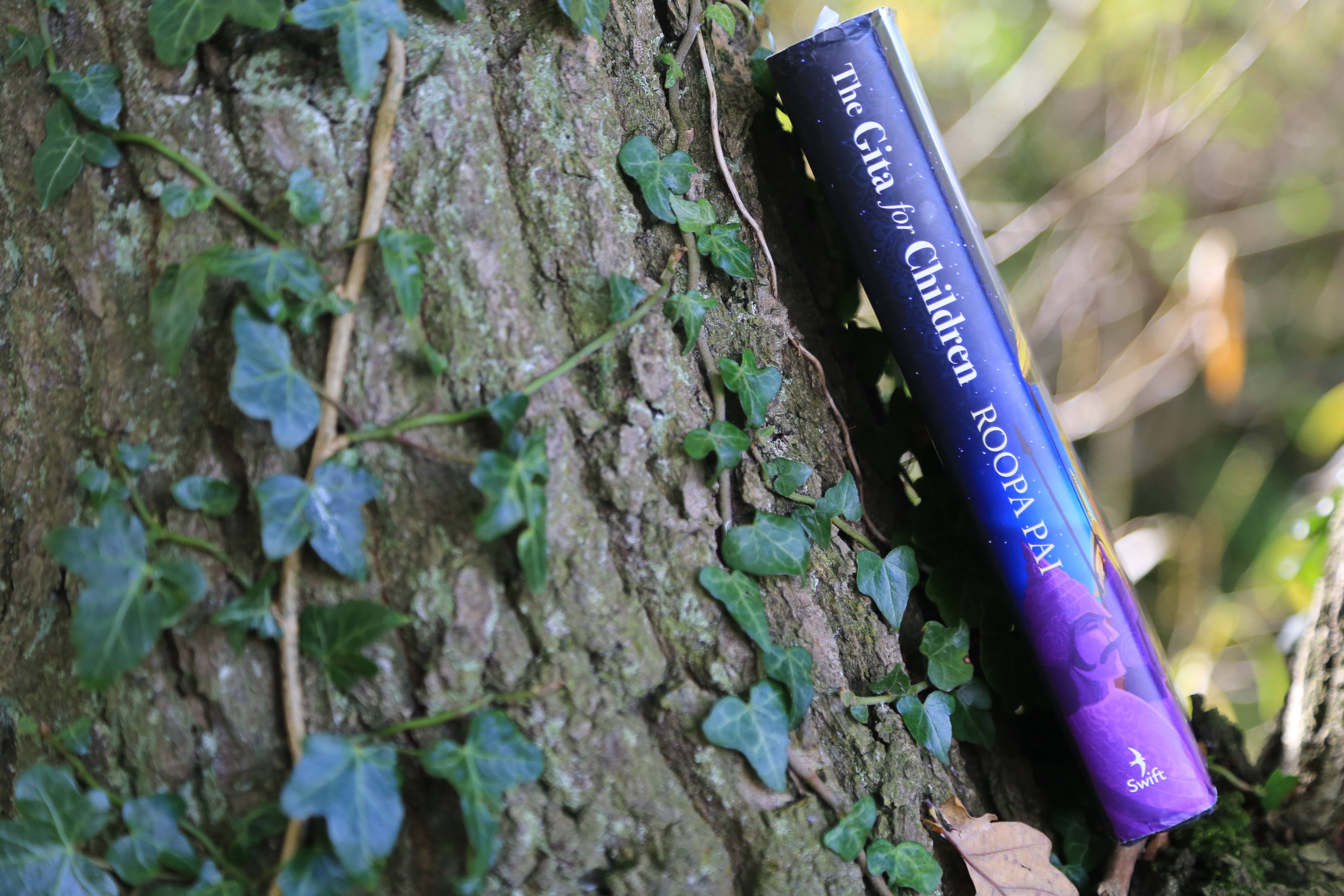
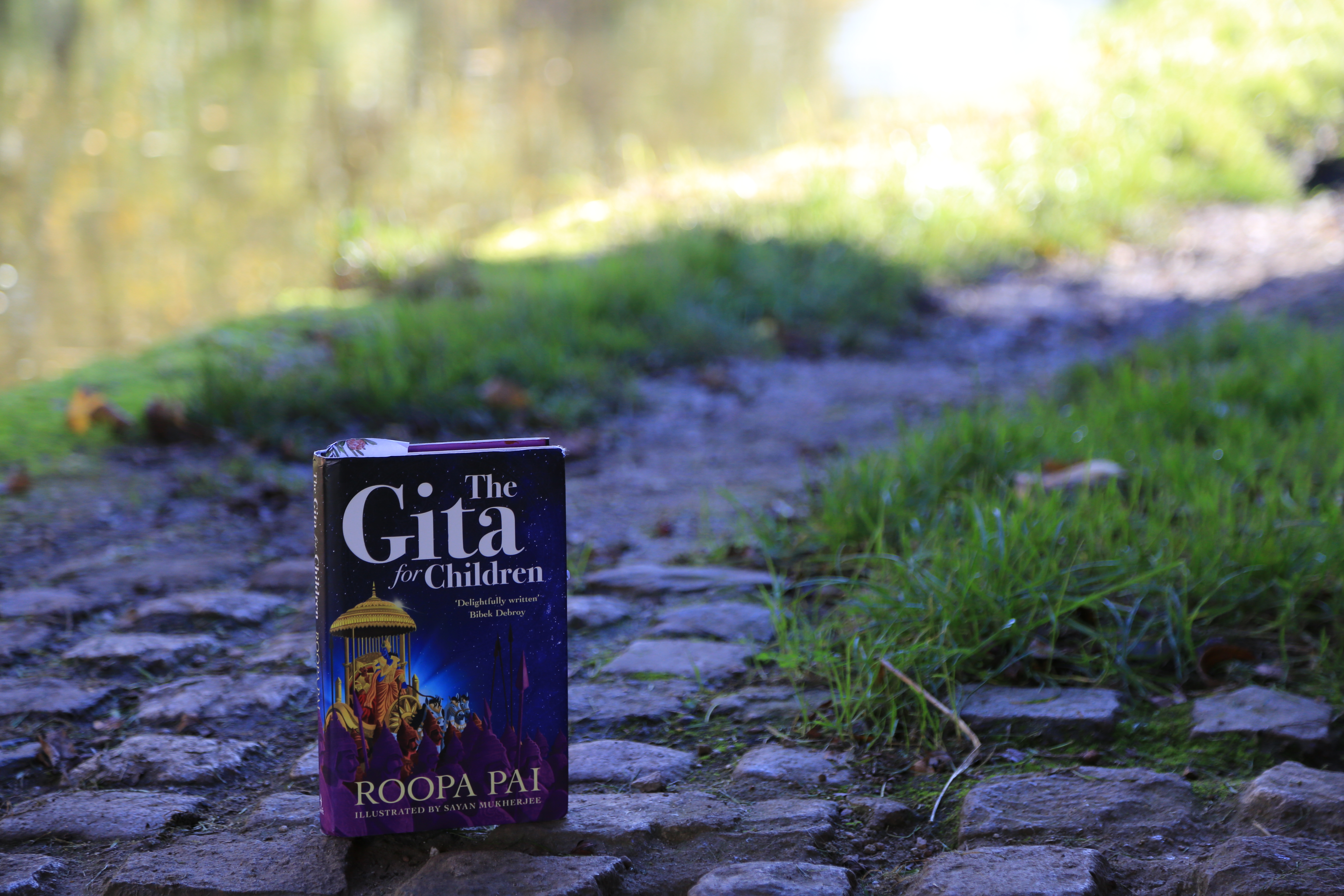
The Gita for Children written by Roopa Pai and it is an introduction to The Gita, the sacred scripture of the Hindus. The book has a very intriguing purple, golden and dark blue cover and beautifully drafted drawings inside by Sayan Mukherjee and the elements of script that I could not recognize or comprehend. The elements of script used in the book are shlokas, otherwise understood as stanzas of Bhaghavad Gita.

Two years ago the book however was a bit too dense and difficult for our son to delve into with my help and on his own, but as we know, children mature and their mind’s abstract conceptual maps grow with them and what was a bit early to access two years ago, may find fertile ground in a boy who has just started his secondary school and is mature enough to admit: ‘Mum, I need your guidance. I need a lot of it.’ Now, this is a terrifying request for most of us, adults, these days as we seem to be navigating without a compass through the obstacles and challenges of our era, unsure which ways lead to greater good and less internal turmoil. If you read the backside cover of The Gita for Children, you are already presented with some answers, as the publisher, Swift, chose the following extract from the book:

The truth is, Partha,’ Krishna said, ‘there is no “better” path. Both paths – the path of knowledge and the path of action – work just as well. It is up to you to pick the one that you are suited to.”

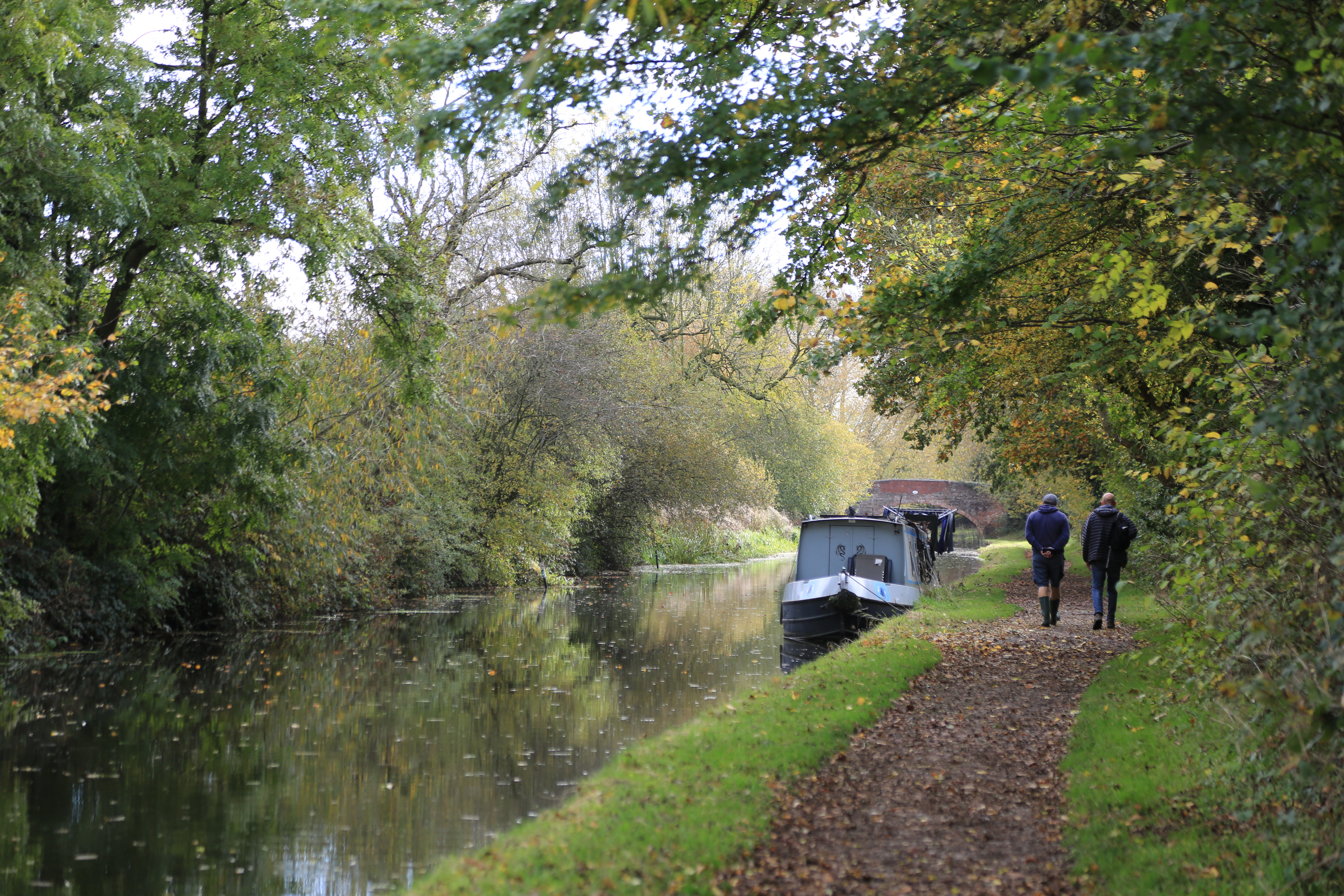
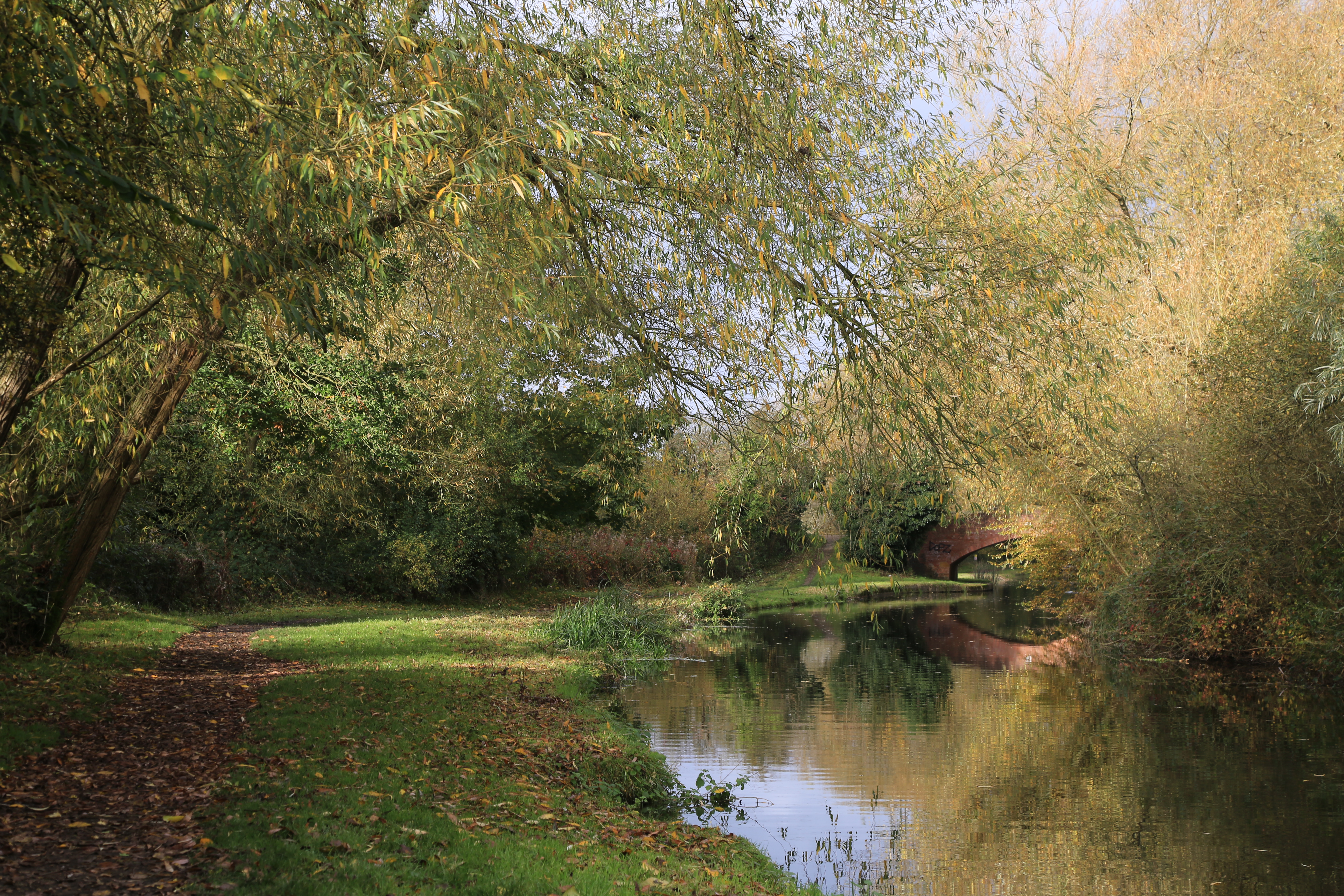
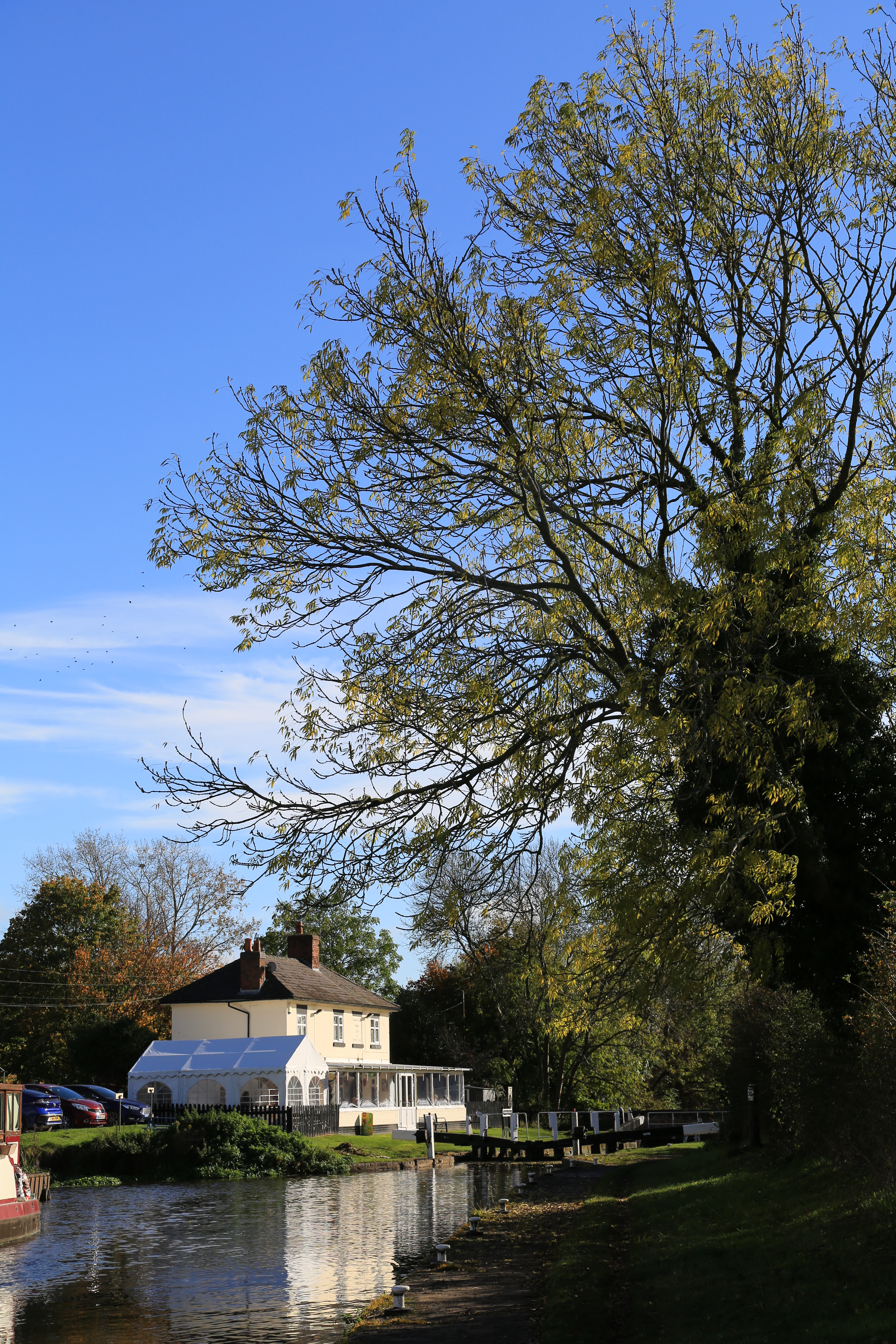
This permission to choose a path encourages you to read on and learn more about The Gita and delve into this introduction to the sacred scripture of the Hindus and to slow down a bit to learn and reflect on wisdoms that we are surrounded with but we do not access. I took Roopa Pai’s book for a walk in Derby around our local canal to breathe in its wisdom with fresh air and I thought I’ll share with you here some of my favourite quotes as they may speak to you too.

“… the soul goes to that which the mind has been thinking about in its last moments.” p. 118

“ God does not belong to the privileged. (…)

All He needs is love.”

“Think of me as infinite space, the space around and above me below you – the grand theatre of the suns and the stars and the might wind; which holds the seed of everything in the Universe” p.132

“I do not favour one being over another; they are all the same to me…”
“Go(o)d will find a way.” p.65
“From goodness is born knowledge, and the fruit of the action is joy; from passion arises greed, and the fruit of passionate action is pain; from dullness arises negligent and wrong action, and its fruit is ignorance.” p. 194

I hope you enjoyed the walk with The Gita.

P.S.1. As if by chance ‘gita’ in Italian means ‘a walk’ while the holy scripture ‘Gita’ means ‘a song’.

P.S.2. For all those who love to walk, this walk started at Stenson Marina in Derby, walk towards Willington Marina (to the right while facing the canal).

(in the next post I will share with you some photographs from the celebration of Diwali that took place in Derby. It does not happen too often when Diwali is celebrated on the same day as Halloween and a day before the Catholic celebration of All Saints (in Poland also knows as the Day of the Deceased when we place candles and wreathes on our ancestor’s graves and reminisce about them).
So you want your child to speak Italian.. Important advice on combining reading with experiencing.

mare56J8A9995Dawlish Warren_Postcards 3bw (1 of 1)Dawlish Warren_Postcards 1 (1 of 1)Dawlish Warren_Postcards mare2 (1 of 1)

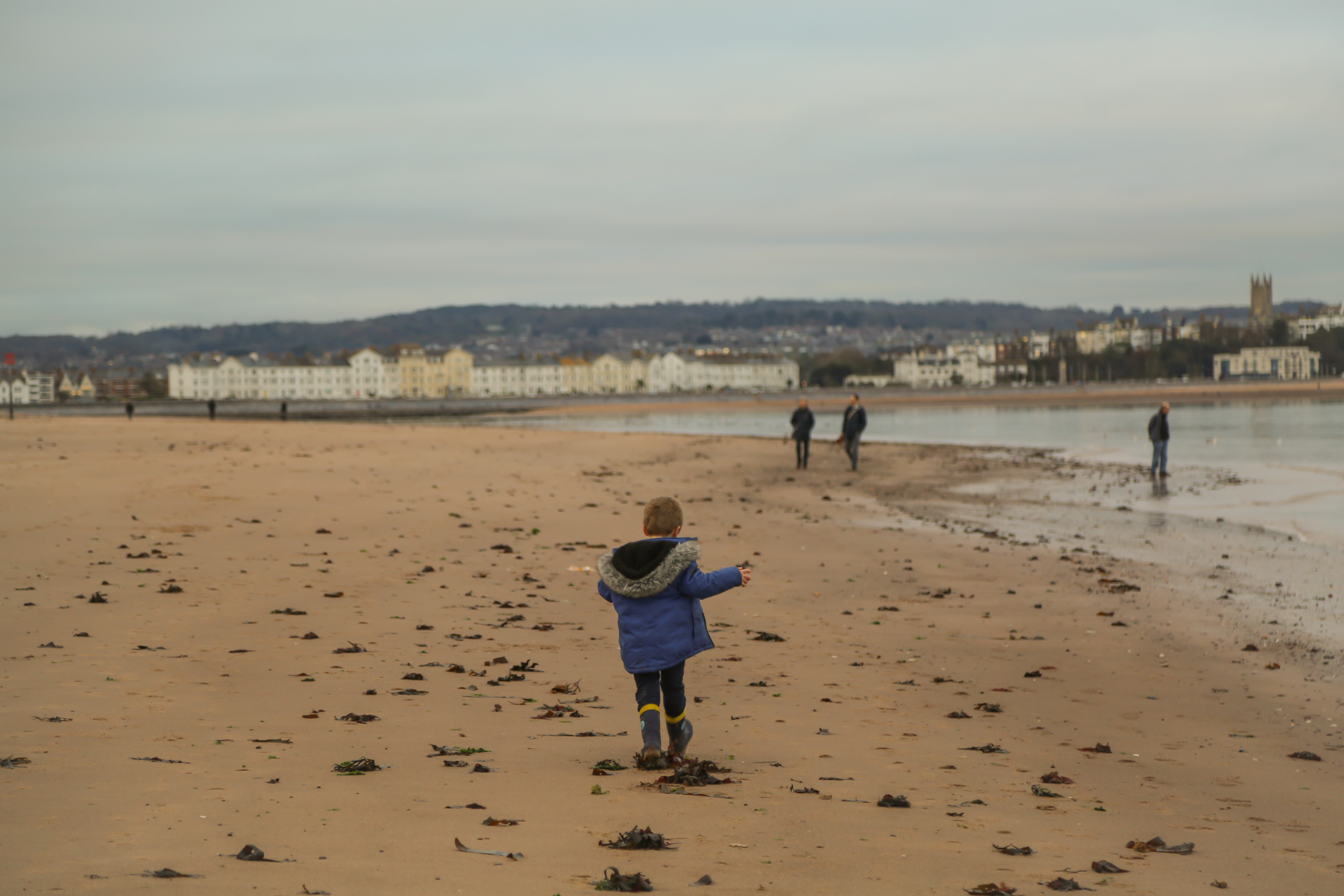
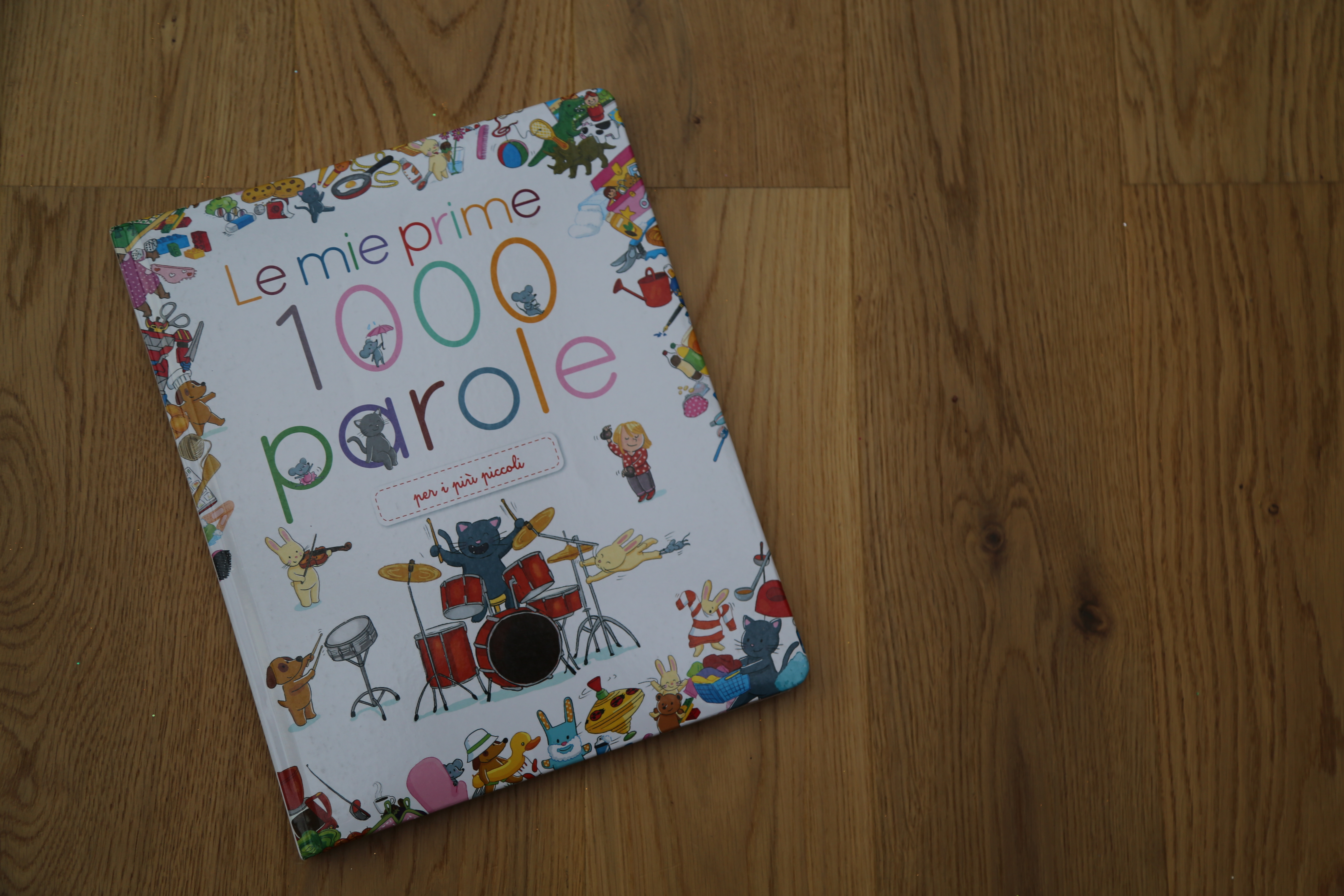
We live in a world that rightly so encourages us to read a lot to our children but research confirms that it’s best for our children when we read books with our own experiences in mind and we continuously make connections between the world on the page and the world around us. So slow down when you read, don’t rush with simple ‘What’s this?’, ‘What’s that?’ but have a conversation with your child, smile, make eye contact and ask open questions such as ‘What did you like most about going to the beach?’, ‘What would have happened if you hadn’t had your wellingtons on your feet?, ‘What was daddy doing over there? And what was grandpa doing?’. For language development ‘the doing’ is as crucial as naming objects. When you talk to your child make sure that you use many verbs (for some reason we like to focus on nouns only) as they help your child build sentences and aid storytelling. This book below is brilliant and I wish we had read it and talked around it (with verbs) when my son was smaller. It is a great introduction to various themes and topics and a great memory trigger. I strongly recommend it for those of you who speak Italian at home.

6J8A01956J8A0196

Disclaimer: This is not a sponsored post. I recommend the book out of my sheer appreciation for it.

If you’d like this post, please share it.

The sweet cloud

autumn_1 (1 of 1)

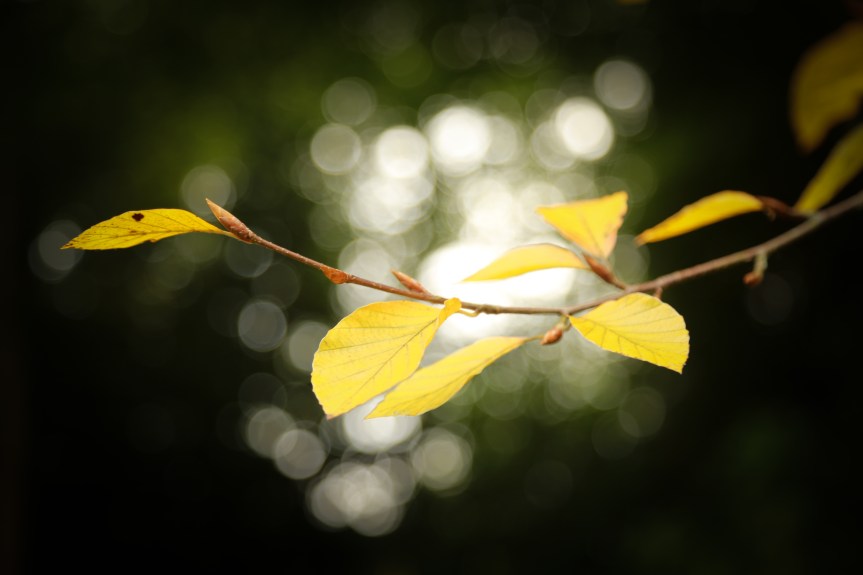
There is a very old poem written by a Polish author Julian Tuwim called ‘Dyzio Marzyciel’ – ‘Dyzio, the dreamer’. It is about a boy who imagines that clouds are different types of sweets and that he is able to reach for them while lying down on the grass. While I was reading it to my son the other day, he enthusistically exclaimed: ‘Mummy, I want to get inside this book!’ I laughed and I agreed with him that this would indeed be a pleasant state of affairs. I then forgot about this little conversation until I came across this thought put together by Barbara Kingsolver:

“The very least you can do in your life is figure out what you hope for. And the most you can do is live inside that hope. Not admire it from a distance but live right in it, under its roof.”

I really like this idea of ‘living inside our hope… under its roof’, about being surrounded with it. Perhaps, just like Dyzio was dreaming of clouds of sweets, we could imagine the clouds of hope that we could reach to just when the going gets a bit too hard. I know that clouds tend to signify oncoming gloom, but maybe they shouldn’t? Maybe next time when we look outside the window, when it will get darker, and cloudier, we could say ‘hope is coming.’

Hope is coming.

Transition

biskupin_poland_too-many-eggs-_-too-many-baskets

Too many eggs and too many baskets*

A while ago I wrote a post in which I was openly confessing my love of reading. I was saying how important it is for me to study and how important it is for me to engage with other people’s ideas. That day I was fortunate to receive a comment from Faye in which she wrote:

“Don’t let ONE aspect of who you are SWAMP other things.”

I read the comment and it was as if I was struck by thunder. I started having a serious dialogue with myself.Maybe Faye was right? Maybe studying was overcrowding other things? Maybe my research was encroaching on our family life and invading our family space a bit too much.

My books, my papers, my notes were everywhere and they were pulling my and my son’s attention pretty much constantly. You can imagine what that meant – lots of frustration and unnecessary conflict, lots of stress and mental burden. I realised then that I needed a solution.

I couldn’t sleep that night. I was seriously considering quitting my work and my research, but that felt terribly wrong to me. I know what happens to people when they quit realizing their dream prematurely, they are scarred for life  – I didn’t want that scar. Plus, on the very positive side, I thought to myself, well… I do love myself. I do love what I am doing. Why deny myself the joy that comes with it?

So I was troubled. I love my home, my family but I also love what I am doing and those very dear and very enriching aspects of my life were calling for separation. Calling for boundaries.

I was tossing and turning. I was unable to sleep through the night and then all of a sudden I had a light bulb moment – I just need an office. I immediately went online, yes, at five o’clock in the morning and right there and then I found a perfect place for myself. In a recently renovated old red brick factory I am now doing my research into multilingualism and I am teaching different languages, both in Polish and English. Maybe one day I will also teach some basic Spanish grammar and re-engage with that beautiful language that I studied at University. Once you start studying a foreign language, it really becomes part of you and not being able to speak it for a while is like not being able to access a part of yourself. It’s almost as if language imprints itself into your DNA and becomes part of your life story. It’s quite an amazing process.

Yesterday three years passed since I signed up with WordPress for the first time. The world of blogging gave me friends for life. Thank you WordPress. Thank you readers for taking the time to visit and comment.

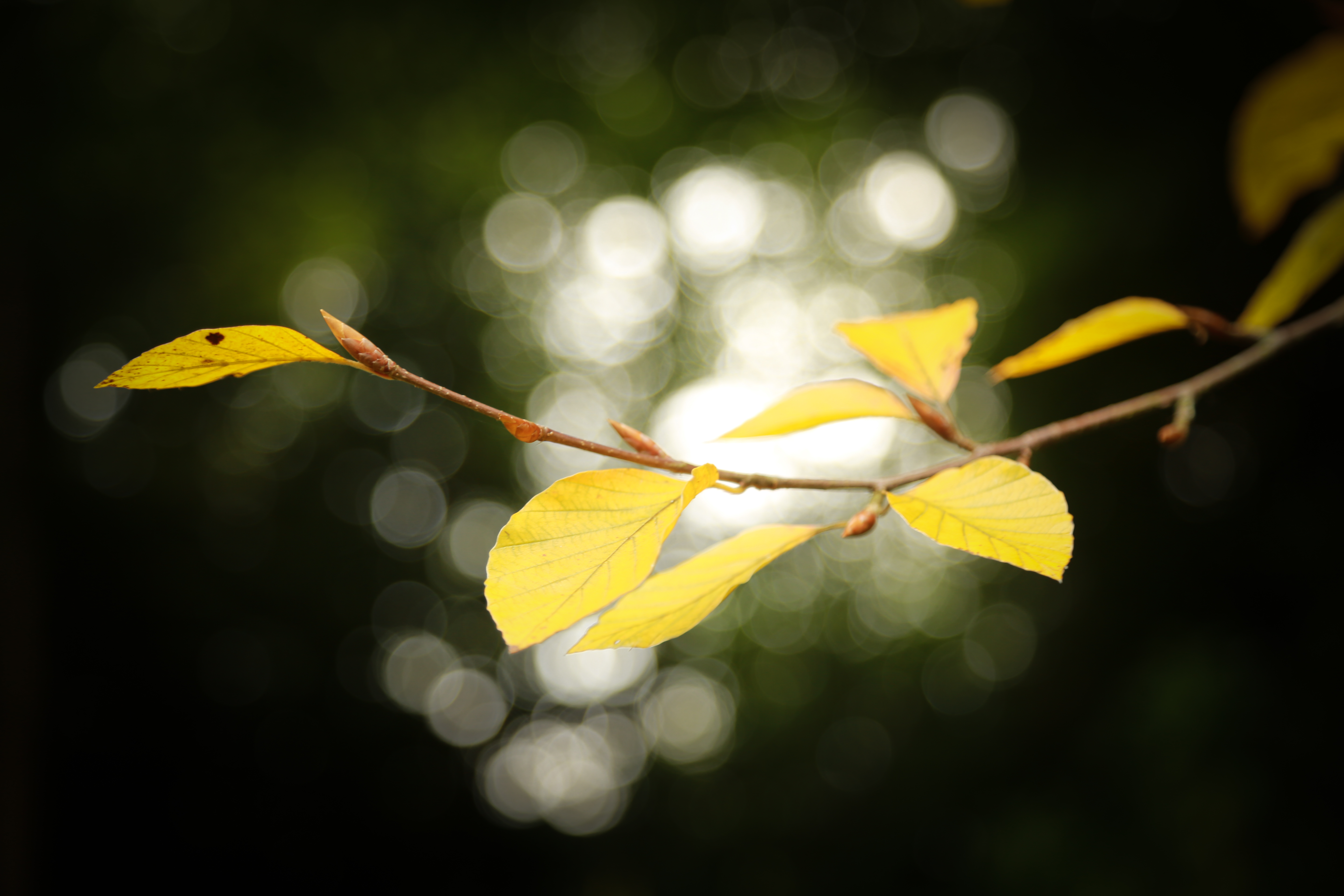
Enjoy the Autumn!
xxx

Alicja

*Taken at Biskupin – An Open Air Museum, Poland

Living honestly and beautifully with oneself

reader

I like stalking authors online. I love listening to their stories of effort and creation, and about the moments that they’ve discovered that writing is what they want to pursue in life. Cheryl Strayed, the author of the memoirs called ‘Wild’, is one of the author’s whose voice is often heard on different media these days and it is the voice that so many people look forward to hear. It’s not difficult to identify with Cheryl Strayed. Her story is a story of loss, grief and self-destruction, but also a story of self-redemption, a story of coming back to one’s own ideals and life-path. The book is her true story of the lonely hike down eleven hundred miles of the Pacific Crest Trail that she took in order to deal with the sudden death of her mother and in order to pull herself out of a period of self-destruction that followed her mother’s death. Her walk is a rite of passage. It’s a source of reconciliation and strength. In her book she writes that the wilderness, the landscape of the hike, was

“A world I thought would both make me into the woman I knew I could become and turn back into the girl I’d once been.”

Cheryl Strayed’s book wonderfully shows how we deal with the most complex and emotionally-unbearable situations in life. Loss and rebelliousness (to the point of self-destruction) often go hand in hand in life. We can easily see for ourselves how our refusal to accept and awake to the life that is triggers our self-destructive or other-destructive tendencies. I’m not talking here about big things, but about small ones too, like over-working or not-eating, or even refusing to be kind to people. This is what I call self- or other-destructive tendencies. Realising that we have them is probably one of the things that we learn about ourselves when we truly decide to grow up.

What Cheryl Strayed’s book taught me was that after every major transition in life we need a rite of passage that would help us to somehow zip-up all the loss and rebelliousness associated with it and leave it behind us. I’ve been looking for my own rite of passage, for my own way of dealing with personal junctures. From Cheryl Strayed I’ve learnt that you need two things: nature and being on your own, on your own in doing something. I needed to feel discomfort and I needed wide open spaces. My family and friends joined me in my exploration of open spaces, but I gained my solitude through a very simple exercise. I’ve asked my husband not to help me with looking after our house for one hundred days, and as a result the house is dirtier than ever, and only on occasions is it delightful with colourful flowers in its various corners. You see, I’m a reader. I choose a book all the time. In my solitude I choose to study (or to chat to a friend on Facebook). There. That’s it. For a long time I’ve been trying to make myself into a mother and a wife that I thought I meant to be, but as my neighbour says, You cannot be what other people expect you to be. You are who you are. The solitude tells us a lot about our desires. Tells us a lot about who we really are.

I’ve been challenged in many areas of my life in the last few years, health-wise including. I think I went through a period of slight despair. Despair of not being able to conform to whatever I thought is right to do for a wife, a mum, a young researcher, a good patient, a good friend and a good daughter.

Wendell Berry wrote once that despair and pride are two sides of the same coin and the biggest enemies of creative work, I think that they are probably the biggest enemies of an honest life in general.

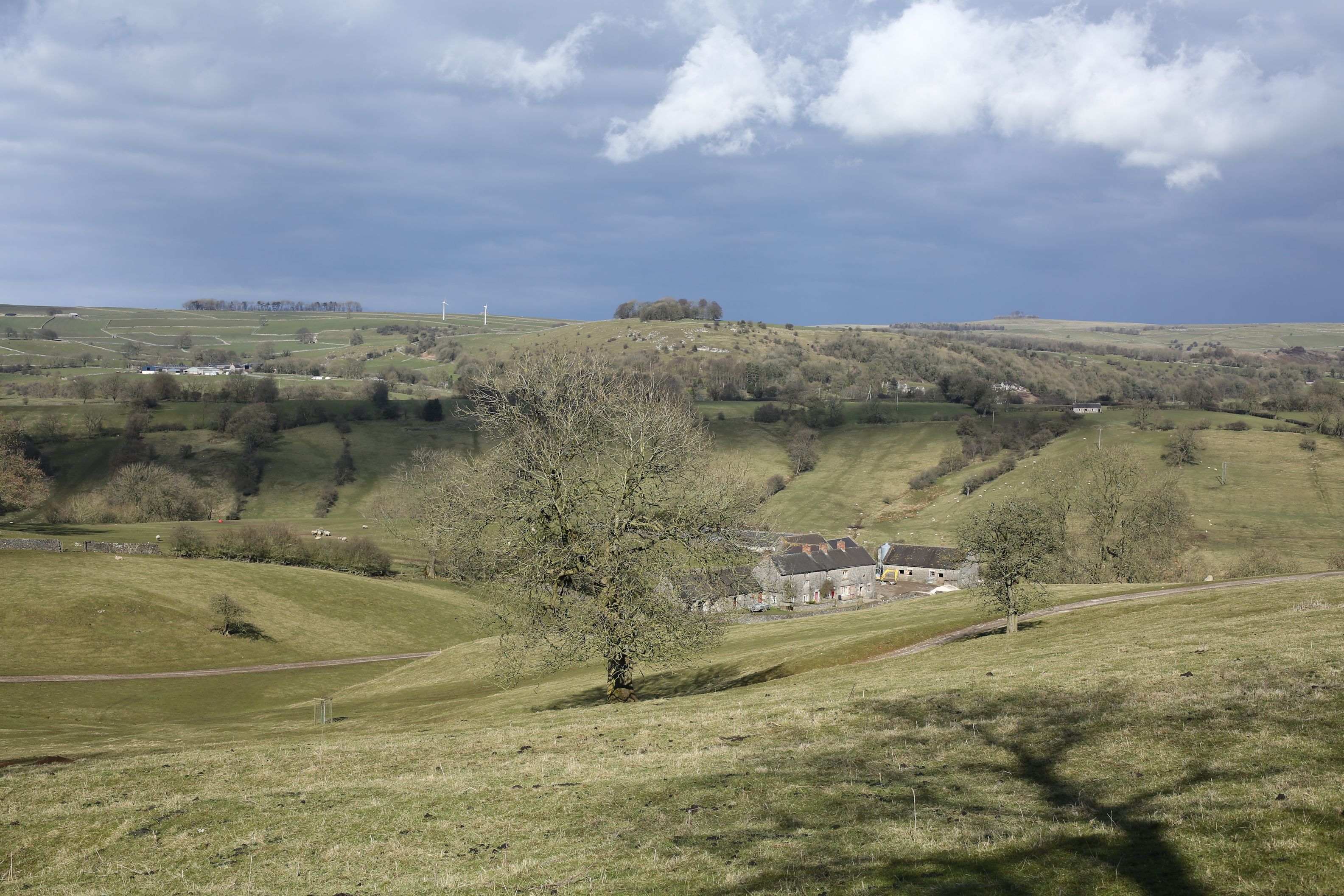
When we admit to our needs and desires, when we own them, we start creating space for them and the wide open space that we visit during weekends becomes all that we need to create spaces of fertile solitude during the rest of our week. And ironically, the better we use this space, the better companions we become.

Peak District2

*Photo 1 taken at Gogol & Company, The most wonderful a bookshop in Milan, Italy.

*Photo 2, The Tissington Trail, The Peak District, UK.