Accepting old earth: a word about identity (read the postcard)

Identity is a big word. One that grows significantly in size the moment we leave our country – this is usually when we start feeling slightly uncomfortable wearing our own background. We notice the labels attached to nationalities, those that belittle and misrepresent them and we become afraid of being labeled too. We feel trapped or challenged or ashamed or just uncertain to the point that we are unwilling to admit who we are, where we are from and what we did in the past. Because we don’t want to be categorized. Because we don’t want to be judged. Because we don’t want to feel ashamed.

I used to feel like this and then I seriously questioned myself: ‘Why do I feel this discomfort? Why am I so stressed? Do I need to be so stressed?’ At the time I did not find a thought that would comfort me. Until I did a very sensible thing and signed up to a literature module called European Encounters, European Lives (led by Dr Christine Berberich) which successfully pushed my boundaries of (self)understanding. There we read texts about trauma, memory, displacement and lost or denied identity. We felt the anguish of those who experienced the First and Second World Wars and were by circumstances forced to live elsewhere and that sometimes this elsewhere was not much more accepting of who they were than the place where they came from. We talked about surnames being changed or appropriated to the new location and we read of the often tragically damaging and irreversible consequences such identity change had for their owners. Withdrawal. Depression. Worse.

This is when I learnt that one of the nicest gifts you can give to yourself and everyone else is the gift of acceptance. Acceptance of where you and they come from, of the values that you cherish and the languages you speak. It’s the only right thing to do: to embrace identity for what it is. If your identity is monocultural, embrace it, don’t try to make it fit in, it will fit in anyway; if your identity is multicultural, embrace it too, don’t deny yourself your multicultural roots, cherish them for what they are and don’t worry, it will fit in anyway. There is no need to be selective about identity, there is no need to choose one. There is no need to reject yourself and there is no need to reject others. The world is superdiverse. Our communities are superdiverse…

We have extensive root systems and like plants we need a bit of old earth to settle well in a new environment. We need to be accepting of that old earth. On that earth we grow and blossom, our children grow and blossom and our neighbourhoods too. Towards the new and towards each other…


Problems, Apple Mousse and Sugar

IMG_7002w

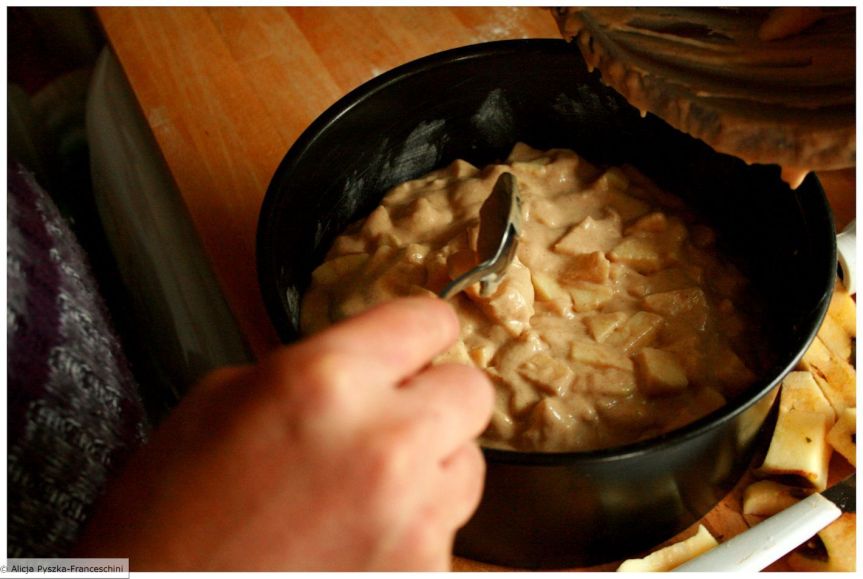
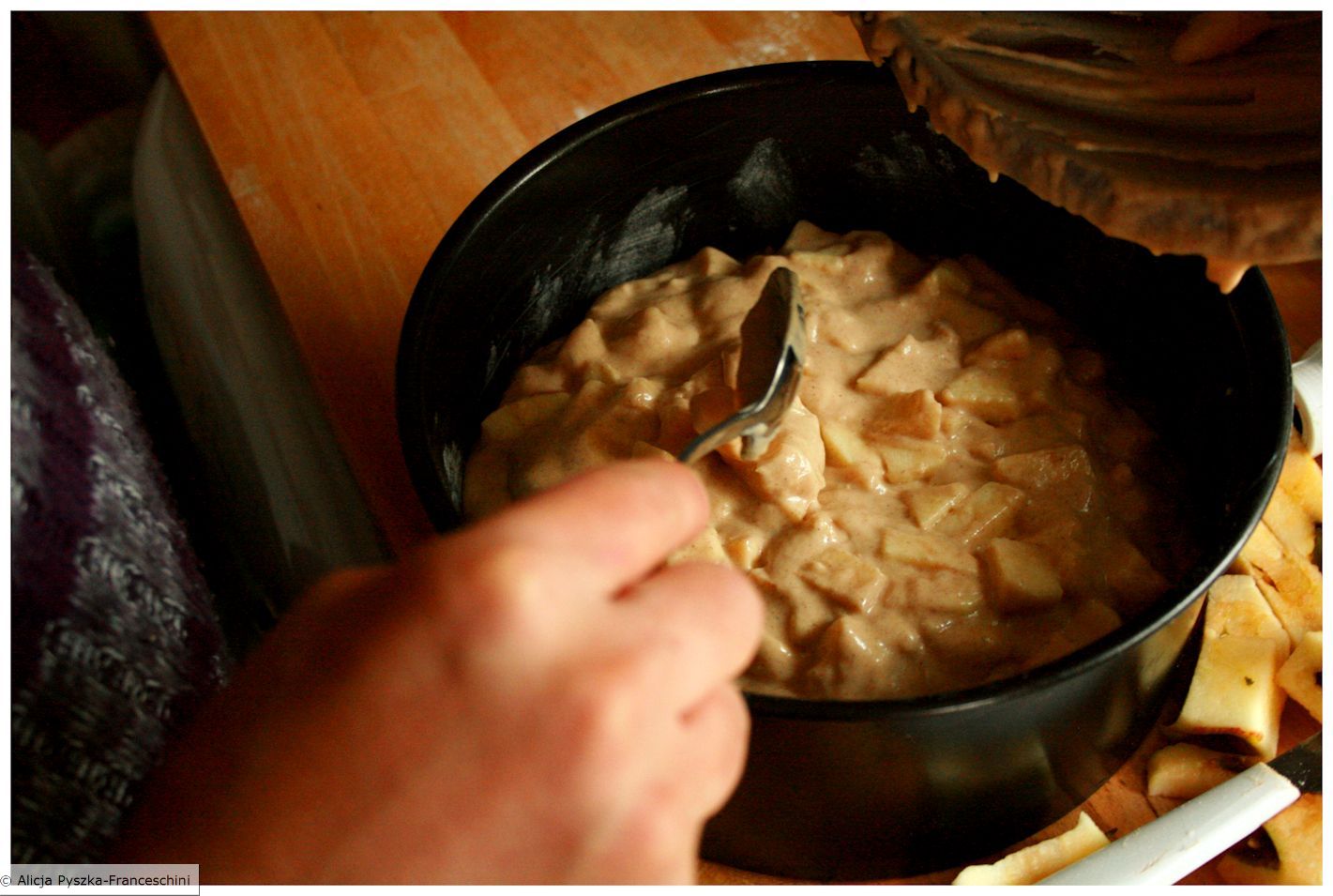
The promise of warm lunch used to make me walk fast from school. My grandmother would cook something nice for us. Pancakes, carrot soup, potato dumplings or at times very apologetically she would serve some fusilli pasta with cinnamon, apple mousse and sugar. She didn’t need to apologize of course, we devoured it in seconds. We would exchange a few stories with her, have some tea and then run upstairs to our rooms to do our own things. Every so often I would complain to her about something, maybe about the lack of time to do what I need to or want to do, to which she would just utter her simple wisdom: “You know, child, sometimes you just need to wake up earlier.”

I don’t always wake up earlier. I stay up till late or even till after the sun rises when there is something that I feel the urge to complete. What struck me was the straightforwardness of my grandmother’s phrase: “You know, child, sometimes you just need to….” This is how she fixed problems, in this easy, plain and unproblematic manner. Of course, this would make me a little upset at times because when I was a teenager my problems were unsolvable, greater than the Earth and too important to be ‘belittled’ like this… but it was only when I left home that I learnt to appreciate her attitude and admire it in a way as well. Her plate was always full of responsibilities. There was a lot that she had to manage. The house. The children. The farm. The hay selling business. The orchard. The cleaning. The sewing. The preserve-making. The roses. The vegetable garden. The laundry and the ironing. She did it. She did all these things. Sometimes with help. Often on her own. She did it all.

Her workspace was clean, spaces uncluttered, and the floors washed. She made her life clear and manageable. She made her rooms bright. She had many dreams and passions when she was young. She loved music and learnt to play the violin. She loved German and was able to hold a conversation even in her old age. She enjoyed maths, geography and had an impeccable aesthetic sense. She was feminine and graceful. And although she was all these things also when I knew her, her life was so tied to her responsibilities that all her passions became secondary to them. My grandmother pushed herself too hard, there is no doubt abut that. Partially it was a survival tool developed during the war and after, but I think that largely it was who she was. When there was work to be done, she would just do it, without dithering, without a second thought. There was a lot of dignity in the way she led herself. There was character and eminence. There was elegance and style. Maybe there was a little bit of pride in her as well… pride of having survived…. or maybe inner gratefulness that she had survived. But to me her attitude to work and effort and her decision to look for clear solutions to her problems was most prominent. This is an attitude that I’ve been traveling with ever since she directed me that way. Thus, the day I left my country, despite being an enormous and relentless dreamer, I was not confused over one thing… it was perfectly clear to me that adulthood is full of those days when I just need to wake up earlier…

IMG_0077s

December was here

UK Today Decemberpaintingsm

December is here. Brace yourself for winter, UK! Can’t wait for the snow. Will it snow?

It was lonely there (about blogging)

I am not lonely

I looked at this photo of an umbrella left in the garden and I thought that I should write a post about passing, death and loneliness. But I cannot, as in fact, this week I cannot stop myself from baking cakes. I’m celebrating.

I am celebrating the start of this blog. The moment of finding courage to write. The second when I re-discovered my voice and the minute I became daring enough to share some photographs with a wider audience. Okay, I know this is far from perfect. I understand that there is a long way before me, writing-wise, and photo-wise, but it’s a start and if there is at least one person that I encouraged today to smile, pause or ponder, I’ve achieved something.

I am not lion-hearted. In fact, I am a very fearful lady. But I believe that growth, community and friendship comes about through sharing. Sharing interests, talents, problems, passions, laughs, food, worries and experiences. Sharing is necessary. Without it there is no community and only a slow progress of thought. Sharing is always an offer, an offer to engage, an offer to respond, an offer to reciprocate and get in touch. Regardless of language skills, of positions, irrespective of denomination, profession or age, sharing is an invitation to a dialogue.

The fear of judgment and criticism is what stops us from making contributions, from showing and submitting our work, from speaking or making a statement. The moment you share, you position yourself, but you never position yourself forever, so there is no need to worry about being mistaken or being imperfect. The position that you take is the here and now position. It’s alright to develop views with time, it’s alright to change. To give yourself time to improve. Others can help, can comment, can give us courage and appreciate our work. They can enjoy with us our strengths and imperfections and we can cherish their ideas and find further inspiration in them.

We all have underdeveloped skills, underdeveloped thoughts, underdeveloped interests. There’s no need to conceal them, no need to hide them from others. The moment we hide ourselves is the moment when we reject ourselves. If we reject what’s the weakest in us, how are we supposed to look after those who are more vulnerable than us? Our children. Are we going to tell them to hide until they are perfect?

So today I am celebrating. With a cake. The moment of emergence from the hiding place. It was lonely there. Glad I’m out.

cakebaking

Family Life: New Spaces (click to read)

Child in public places(1)

Where does a child belong? Where is his or her space? At school?  At home? In their room?

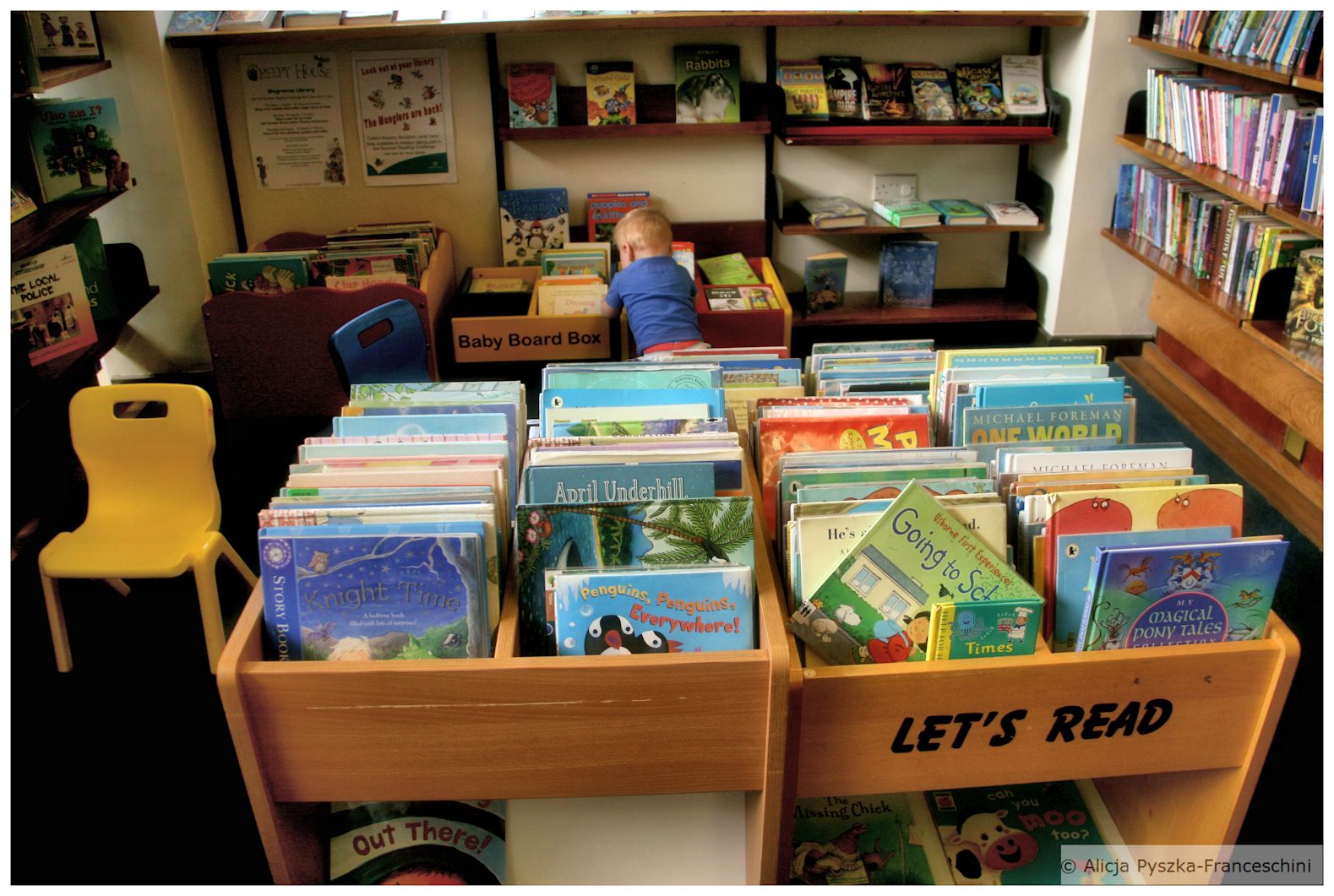
I’d like to think of children as belonging to a wider space, to things larger than their family, to contexts atypical of the one at home. To my surprise, when children are exposed to new environments their responses tend to be the same: they enjoy being elsewhere, they love noticing and experiencing new places. The need to wander, explore, touch and appropriate the new is in them. It’s inherent. It’s ingrained. But do we really and truly understand this need? Have you ever walked through the city and looked for a parking space for your child? The one that’s assigned for them. So that they do not disturb? So that they do not intrude?

Places and spaces have their purposes: some are just practical and comfortable, others do much more, they bring about perspective, tranquility and wisdom. Let’s allow children to be present in all of them.

Kedleston Hall, Derbyshire. Permission granted by The National Trust.