

Tag: Photography
Memory

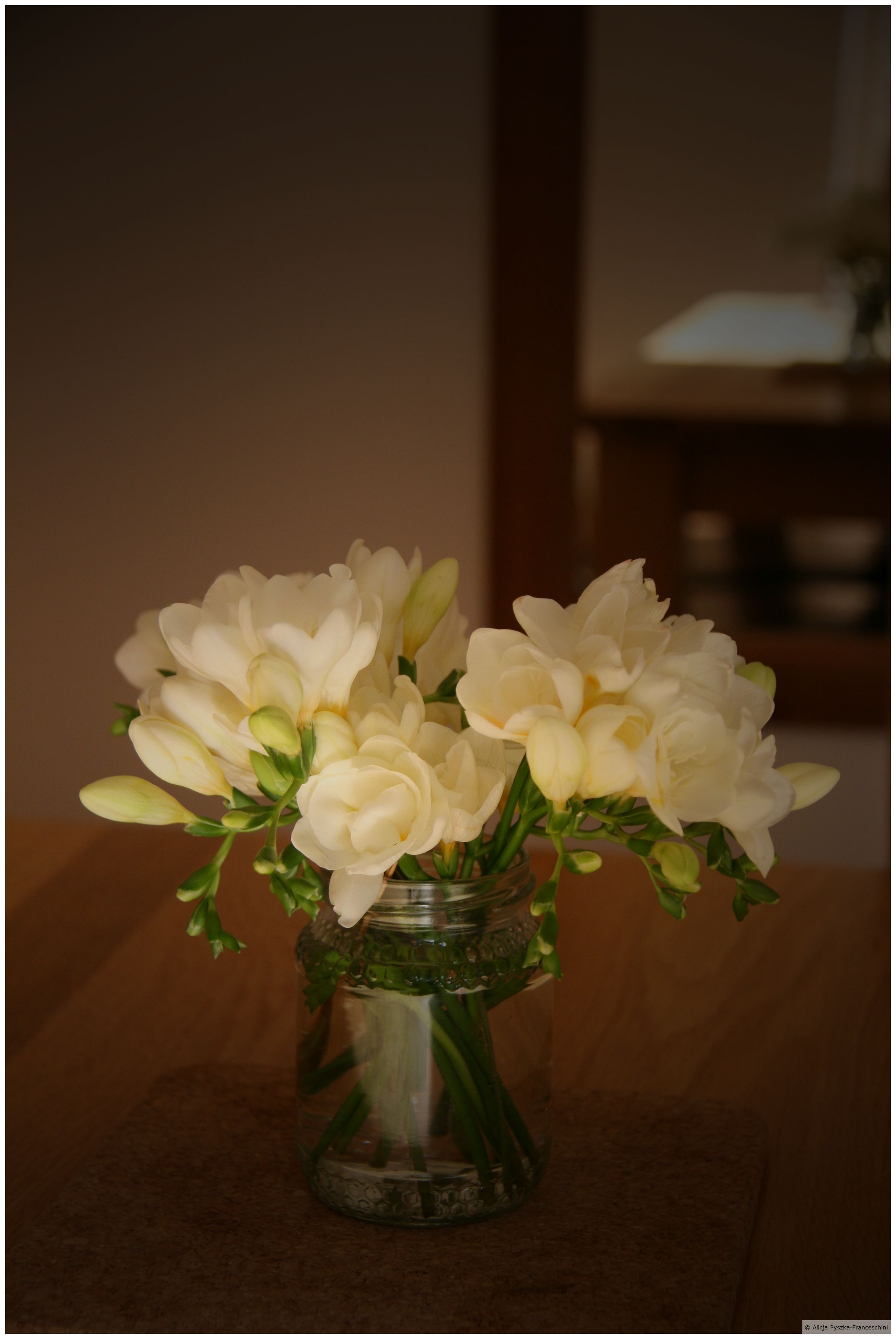
“I’ve learned that people will forget what you said, people will forget what you did, but people will never forget how you made them feel.”― Maya Angelou
Nothing New: Both Sides of The Coin

Six months without buying anything new seems like a long period of time, but it is not. It is just six months, not six years, not sixteen and not sixty. It is just six odd months of reusing, borrowing, repairing and buying second-hand. Nothing new hasn’t defined my lifetime. But it has and will be defining the lifetime of others.
I must admit I had a moment of panic when I started the nothing new project. It wasn’t about not being able to buy things but it was about losing friends, losing opportunities to socialise and hang around together. I felt trapped. You see… one of the things that I decided to give up was coffee and you know how the world looks like these days – you meet at a coffee shop, you chat and giggle over a steamy black or frothy white drink. It’s isolating not to be able to have a cup of coffee with a friend, isn’t it?
I think this fear was triggered by the memories of my first year in the UK, when as a student I wasn’t really able to afford cups of coffee or dinners. It was serious. I was studying as well as working many hours per week as a waitress in pubs or restaurants. I wasn’t earning much, had no student loan, paid my rent and food from what I earned as a waitress so I really couldn’t afford many indulgences. If I had spent my money on those things I wouldn’t have been able to pay for my electricity bill in winter, the flight back home for Christmas or books for studying. I remember I used to do overtime just to be able to go for a coffee with a friend to discuss essays and literature. Tough time. Glad that it’s over. More than over. Now I have a choice. I have a choice to buy or not to buy and I am making the choice not to buy almost nonchalantly. Just because I can.
It doesn’t make me proud. Very often it makes me feel uncomfortable. “To buy or not to buy?” is not a question that offers two options to everyone. For many, “to buy” is just a matter of upgrading, changing or improving. For others, “to buy” means choosing between two or more necessities, two or more human rights: the right to study, the right to sleep, the right to have warm food, the right to socialise, and even the right to go to work. It feels comfortable and snug to be in the first group. It feels alienating and vulnerable to be in the second one. ‘Nothing new’ is not their choice. It’s not a lifestyle. It’s survival.
When to read to those toddlers that hardly ever sit still?

“I really would like to read to my toddler but it’s really difficult. She moves so much or when I start reading to her she grabs the book and tears it apart,” a friend of mine said to me. I really knew what she was talking about as my little toddler was doing exactly the same thing. Pulling, biting and tearing the pages ferociously as if turning into that young and wild lion that I’ve just attempted to read to him about.
Reading is important. It is necessary. It feeds imagination and language development so there is little choice really in the matter. It must be done. What should we do then when the reading changes into a chaotic feast?
I went on a mission to look for times when I can peacefully read to my son, get the most of his attention and save the books from being damaged. I had a few Eureka moments and from then on reading has become much loved by my son and easy for me and my husband. Here are our favourite times for reading:
In the morning, during his milk bottle time – I put my son on a sofa, give him a bottle of milk, sit down next to him and we go through as many as 4-5 short stories. He learned to like this morning routine so much that the books are read more than once even after the milk is finished. He likes to choose the order in which they are read too.
In the afternoon, after a good running in the garden or after being in a playground – Even the strongest and most moving of toddlers like to have a bit of downtime. When I notice that my boy would be happy to have a sit down, I take a book or two to the garden, I sit on the grass or a blanket and I don’t need to wait too long for him to turn up to snuggle under my arm for a story to be read to him. He usually turns up with his favourite ball in his hand and so he leaves the books for me to hold.
In the evening, again during his milk bottle time – We perch on the carpet or again on the sofa and we repeat the morning routine. Brushing teeth, pyjama wearing and lullaby singing come afterwards. I tried to read to my son when he was already in his bed or cot but that only distracted him and made him want to climb out of his cot.
I love these moments not only because of the opportunity to read and explore the stories but also because of the harmony that they give to our days. They restore the balance to our day and keep me sane.
When do you like reading to your child?
Bringing up a trilingual child – the beginning
Those of you who are familiar with my family setting would know that we use three languages at home. I had the great pleasure to write about bringing up a trilingual child for www.trilingualchildren.com It’s a wonderful space full of great advice and wonderful stories. Below are the leading paragraphs to my article:
More delight, less doubt. Bringing up a trilingual child – the beginning
I just came back from the hospital with my small and beautiful little boy. He was an easy-going newborn who settled himself into a nice routine very quickly. I loved holding him in my arms late at night and absorbing his peace. Blissful, wonderful peace. I felt enormously happy. I felt rewarded, blessed and enriched; but my fortune was not made of money, but of affection and attachment that strengthened and deepened with every day, unconditionally, unremittingly, and peacefully.
It was in this peace of a quietly breathing newborn baby, in a room that smelled of baby shampoo, just after midnight, that I realised that I want to bring up my son as a trilingual child, that the biggest gift my husband and I can give to him is the gift of languages, an opportunity to enter and explore his parents and grandparents’ cultures and to draw strength from them.
But there are other reasons too. That night when I was looking at my son, I saw generations of people in our genealogical lines that came before us. My son wasn’t made of me or my husband only… those genes that made him where not ours only. I understood then that my son has already got a heritage, a heritage that he won’t be able to understand or access without knowing and understanding the languages that my husband and I speak. Raising him up with one language seemed unfair… both towards him and those people before us.
So there we are, living in multicultural Britain, bringing up a toddler speaking Italian, Polish and English and doing everyday things just as other families do. We are developing our routines and with those routines our toddler is grasping the languages and learns about the world. Many parents tend to get overwhelmed at this stage of their child’s development because it’s so easy to think that you need to provide additional language input on top of the usual care. To me it’s about using language while exercising daily care, while bathing, while potty training, while putting the shoes on and when collecting toys off the floor. The language comes with care and attention. It’s not separate from it. Click here to continue reading…
 Postcards Without Stamps