Experiencing freedom

postcardswithout stamps_summer

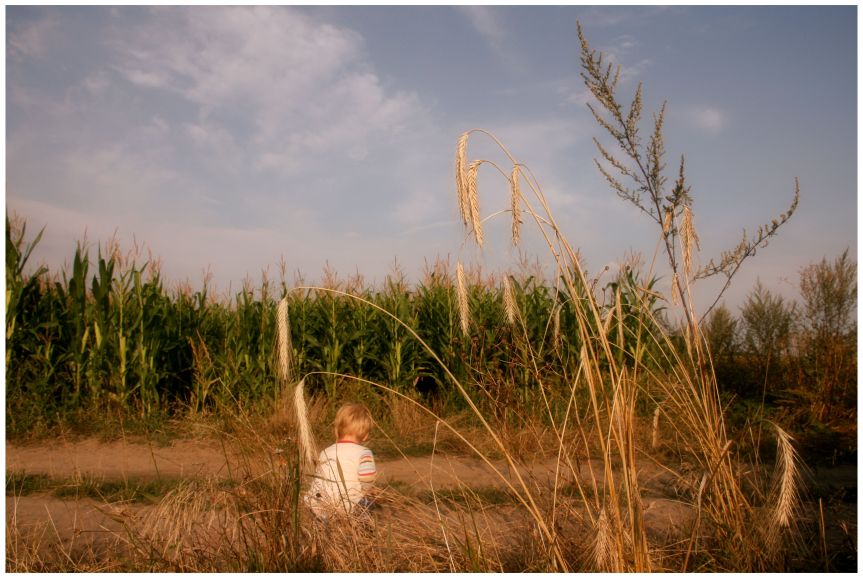
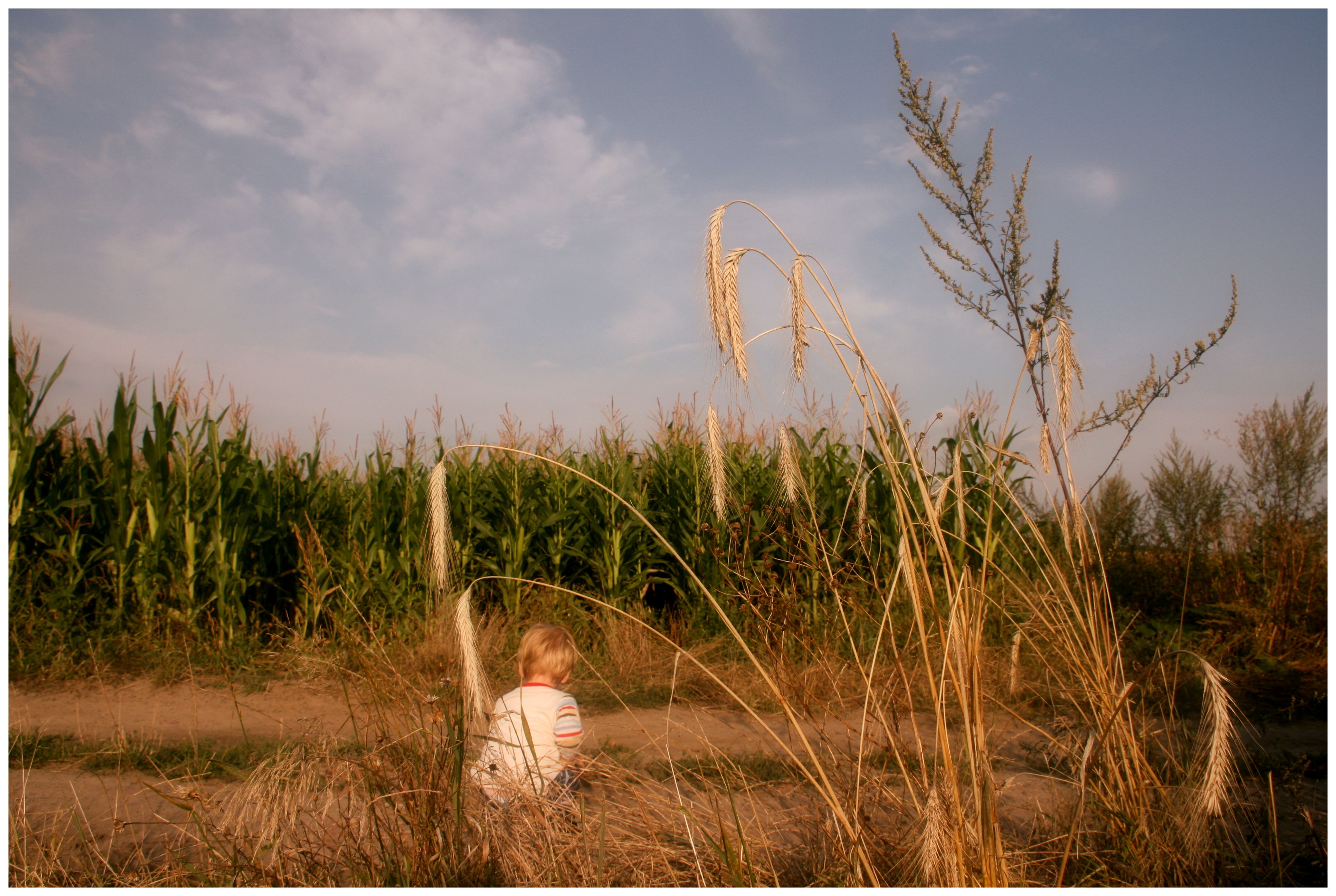
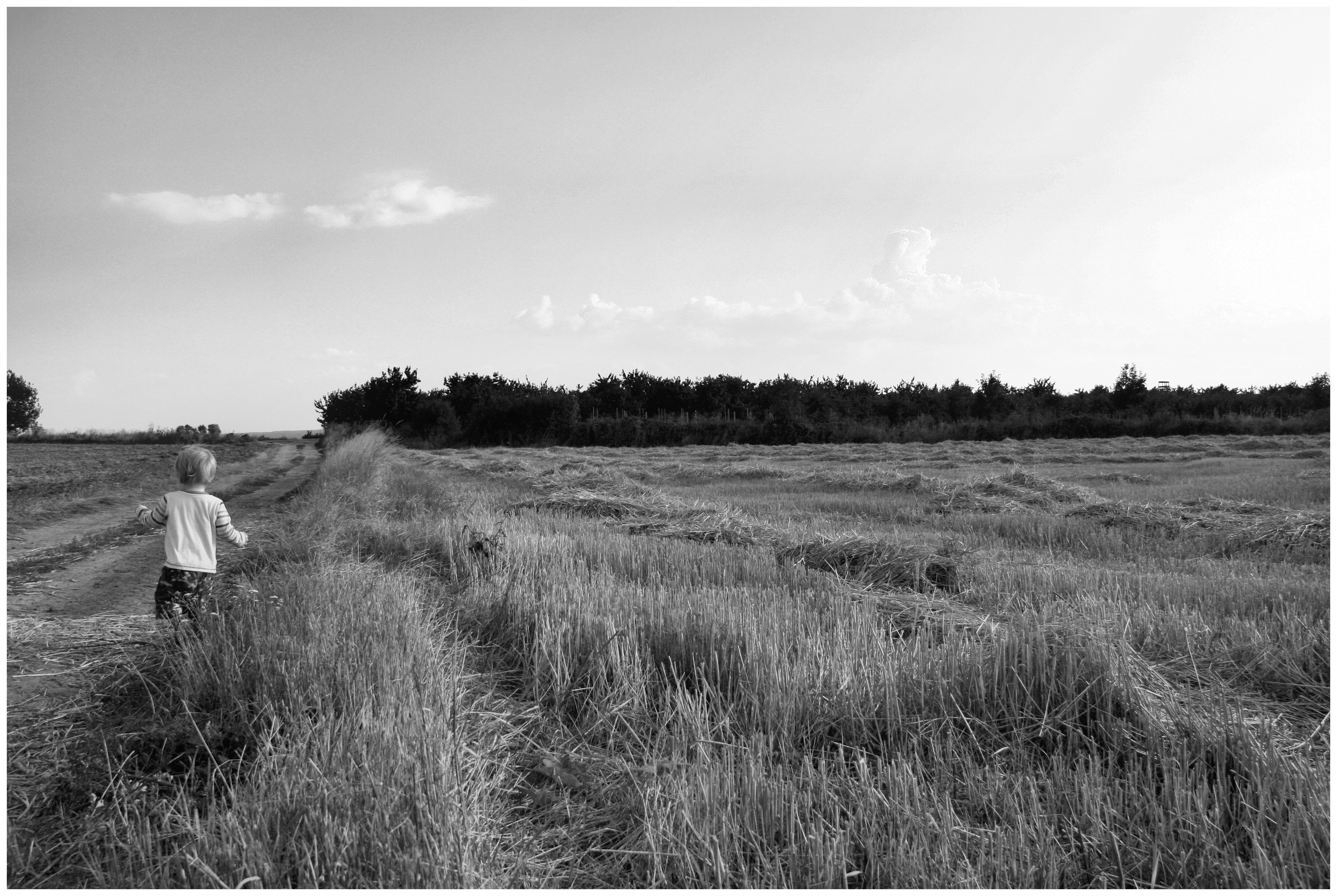
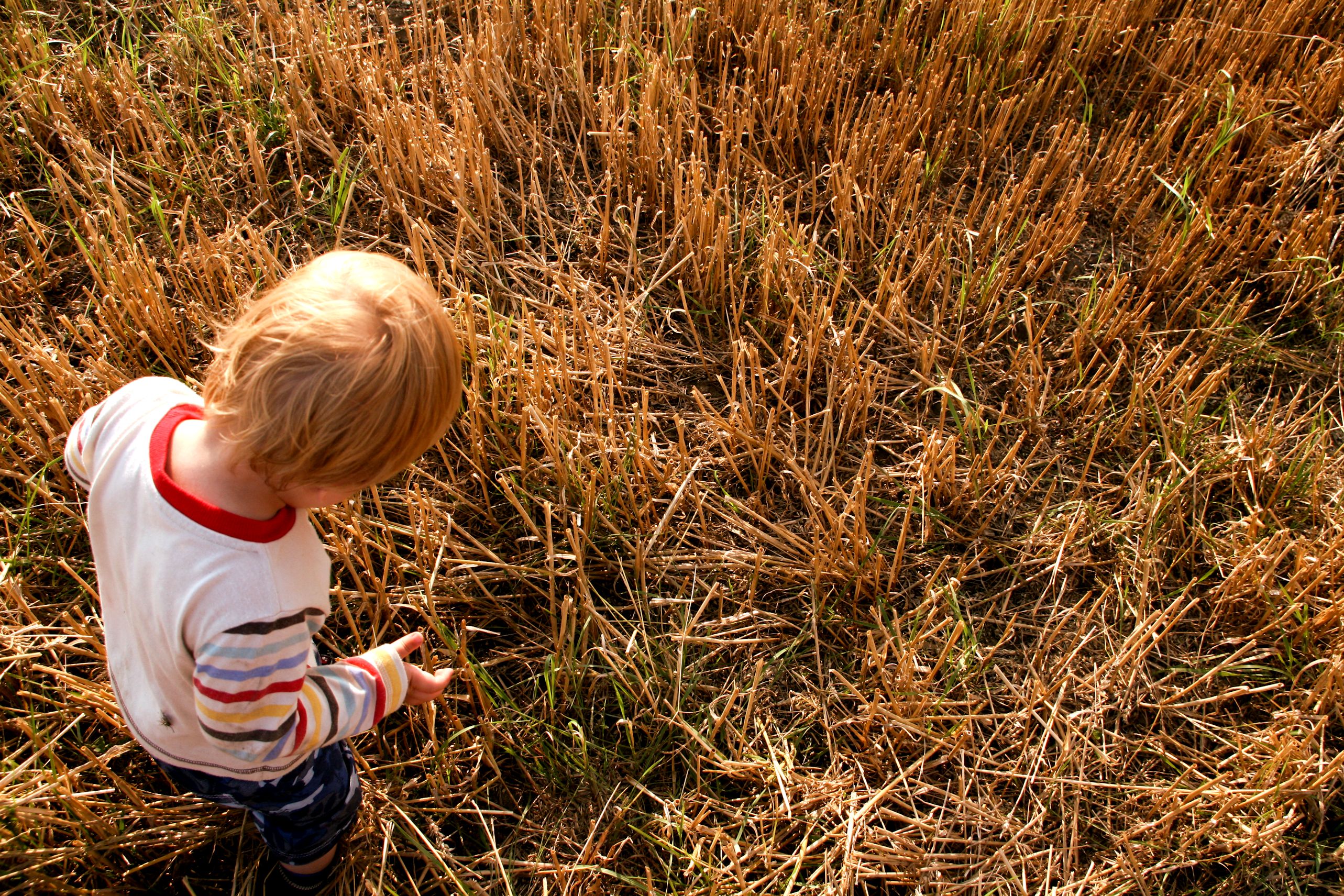
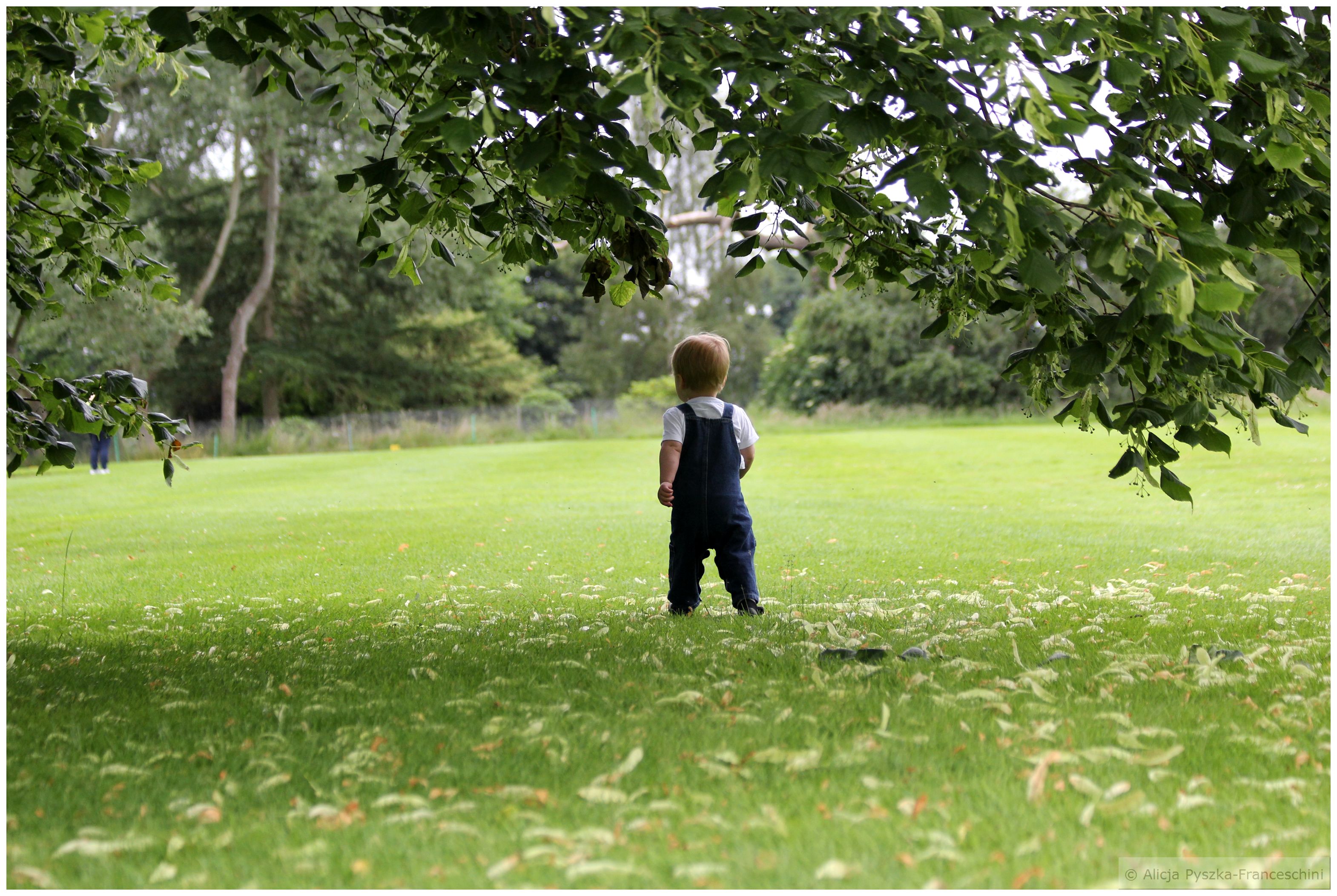
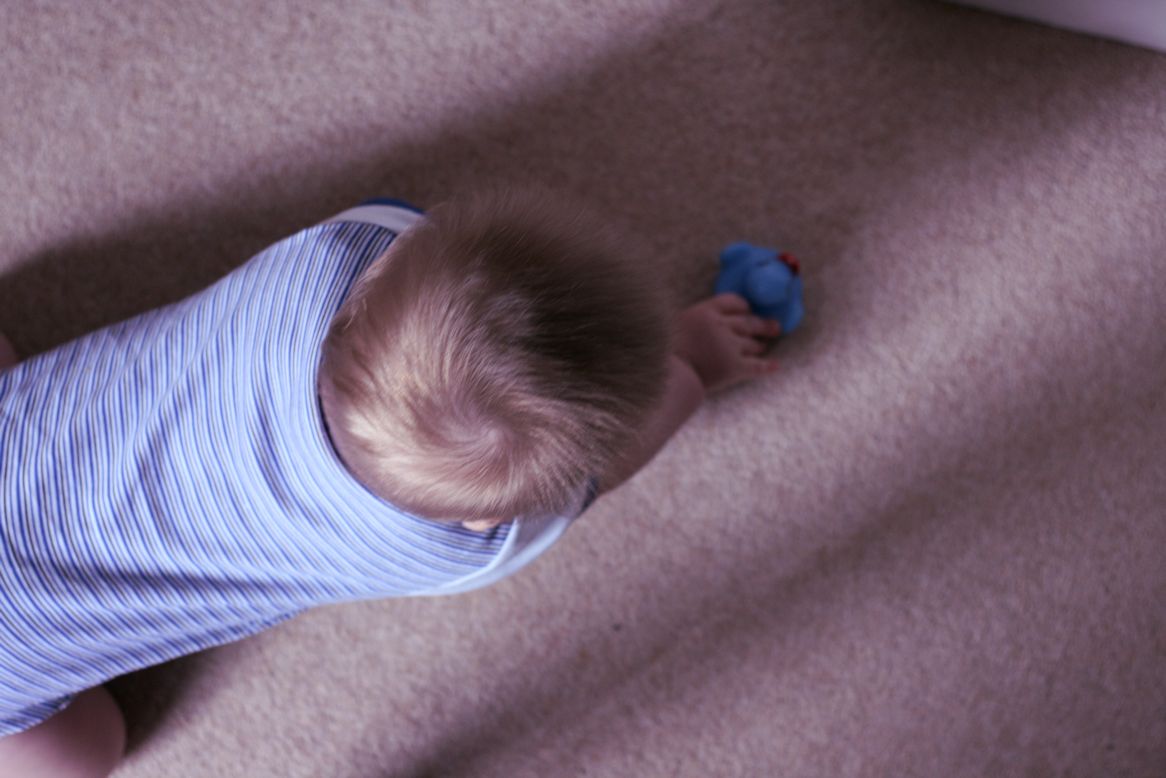
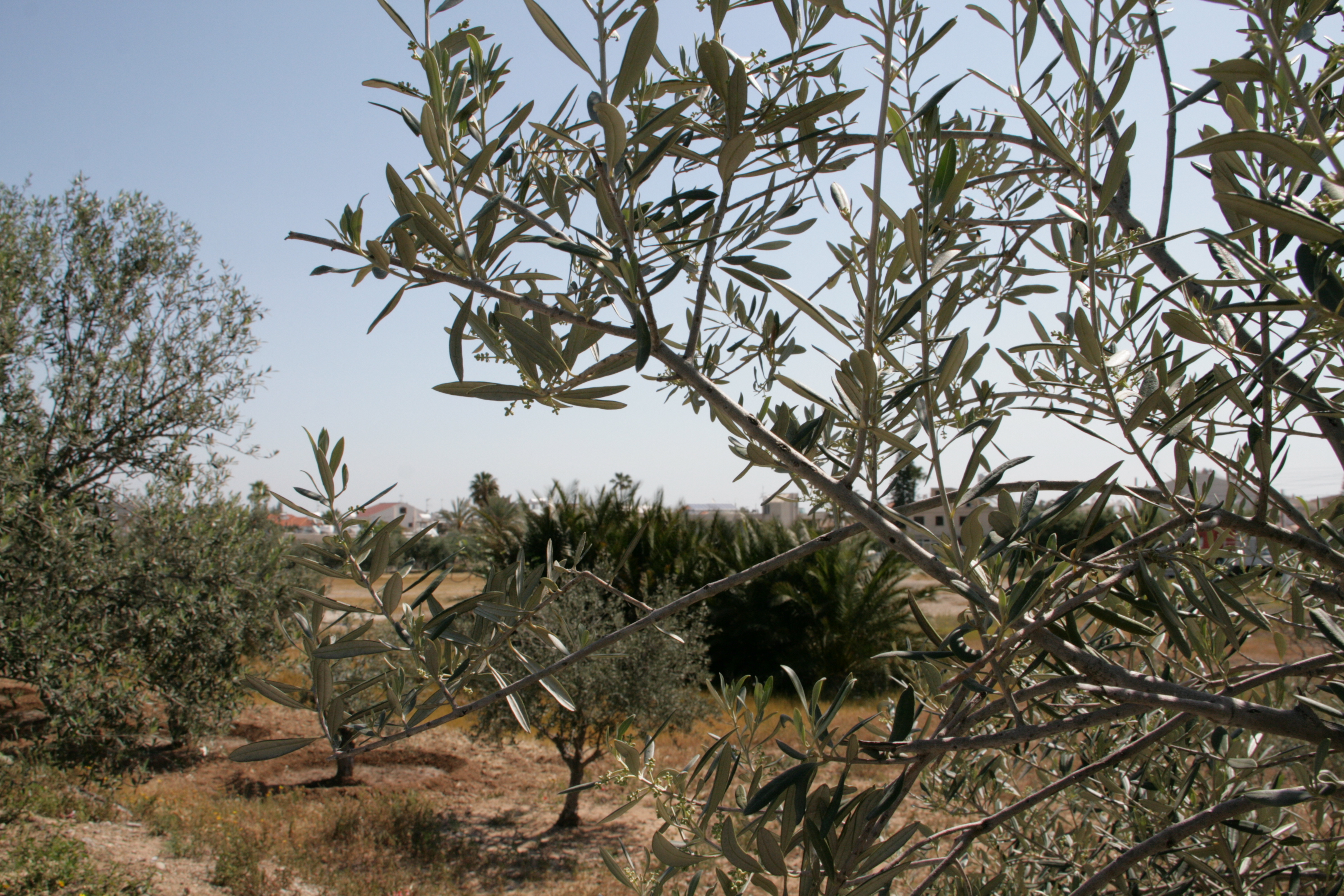
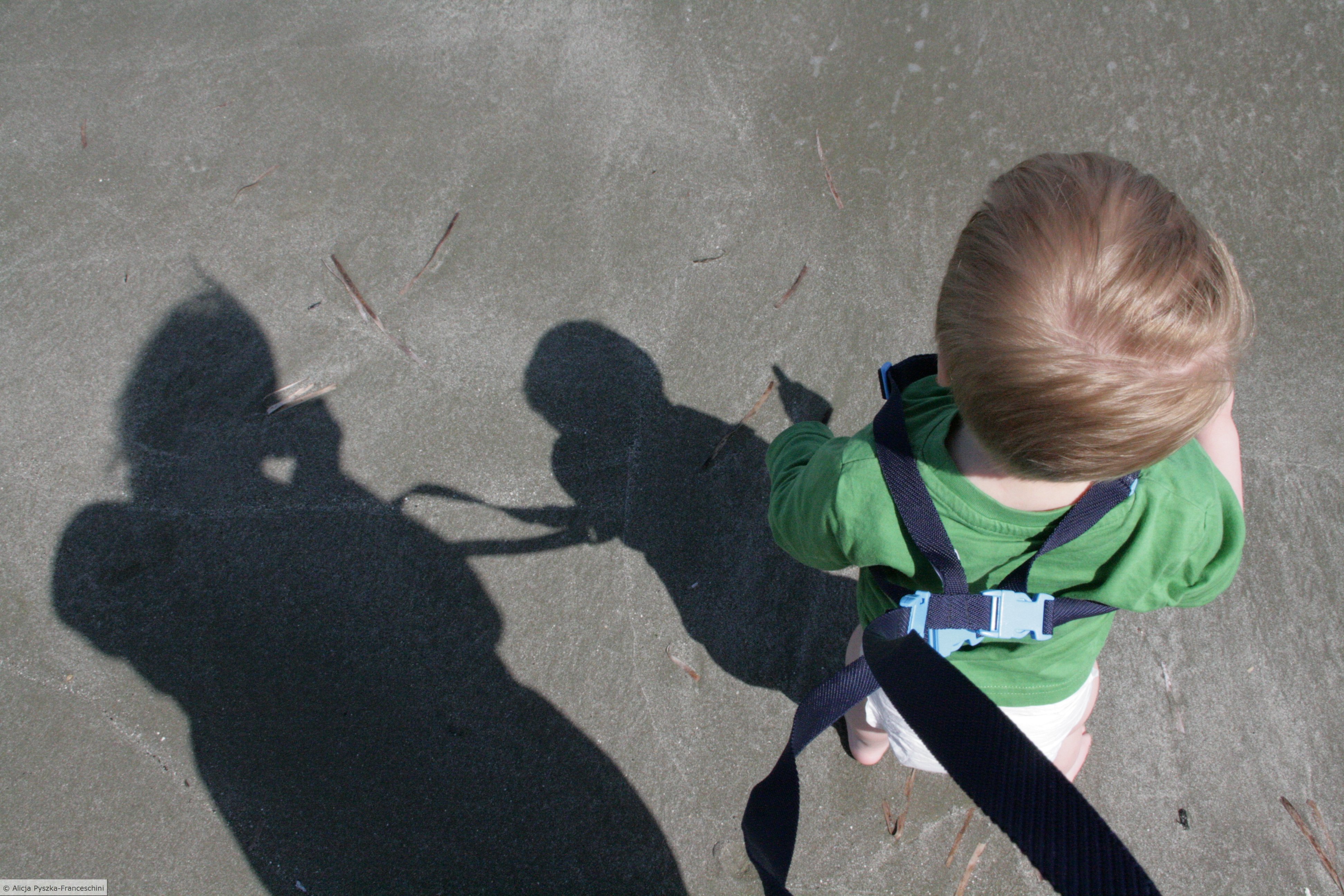
It’s terribly difficult (or maybe even impossible) to learn or taste freedom if we stay indoors. Freedom is born through movement and exploration, through distance and a change of focus. Freedom often comes from having the time to be on your own, from having the time and space that doesn’t involve any sort of control, neither us being controlled or us controlling others. Nature is perfect for this. Perhaps it is its total acceptance of us that is so liberating. We can simply run, poke a stick in the sand and chase the butterflies. No internet connection will break, no adverts will try and sell things to us and no message will leave us disturbed for the whole morning. Those things all stay indoors.

I need to keep on reminding myself that it’s the time outside that guarantees the experience of freedom and makes for a healthy and happy family. You too?

nature home childhood

garden_time

IMG_2152_bws

reconnect with nature

When to read to those toddlers that hardly ever sit still?

running_toddler_Postcards without stamps_blog

“I really would like to read to my toddler but it’s really difficult. She moves so much or when I start reading to her she grabs the book and tears it apart,” a friend of mine said to me. I really knew what she was talking about as my little toddler was doing exactly the same thing. Pulling, biting and tearing the pages ferociously as if turning into that young and wild lion that I’ve just attempted to read to him about.

Reading is important. It is necessary. It feeds imagination and language development so there is little choice really in the matter. It must be done. What should we do then when the reading changes into a chaotic feast?

I went on a mission to look for times when I can peacefully read to my son, get the most of his attention and save the books from being damaged. I had a few Eureka moments and from then on reading has become much loved by my son and easy for me and my husband. Here are our favourite times for reading:

In the morning, during his milk bottle time – I put my son on a sofa, give him a bottle of milk, sit down next to him and we go through as many as 4-5 short stories. He learned to like this morning routine so much that the books are read more than once even after the milk is finished. He likes to choose the order in which they are read too.

In the afternoon, after a good running in the garden or after being in a playground – Even the strongest and most moving of toddlers like to have a bit of downtime. When I notice that my boy would be happy to have a sit down, I take a book or two to the garden, I sit on the grass or a blanket and I don’t need to wait too long for him to turn up to snuggle under my arm for a story to be read to him. He usually turns up with his favourite ball in his hand and so he leaves the books for me to hold.

In the evening, again during his milk bottle time – We perch on the carpet or again on the sofa and we repeat the morning routine. Brushing teeth, pyjama wearing and lullaby singing come afterwards. I tried to read to my son when he was already in his bed or cot but that only distracted him and made him want to climb out of his cot.

I love these moments not only because of the opportunity to read and explore the stories but also because of the harmony that they give to our days. They restore the balance to our day and keep me sane.

When do you like reading to your child?

Bringing up a trilingual child – the beginning

Three languages

Those of you who are familiar with my family setting would know that we use three languages at home. I had the great pleasure to write about bringing up a trilingual child for www.trilingualchildren.com It’s a wonderful space full of great advice and wonderful stories. Below are the leading paragraphs to my article:

More delight, less doubt. Bringing up a trilingual child – the beginning

I just came back from the hospital with my small and beautiful little boy. He was an easy-going newborn who settled himself into a nice routine very quickly. I loved holding him in my arms late at night and absorbing his peace. Blissful, wonderful peace. I felt enormously happy. I felt rewarded, blessed and enriched; but my fortune was not made of money, but of affection and attachment that strengthened and deepened with every day, unconditionally, unremittingly, and peacefully.

It was in this peace of a quietly breathing newborn baby, in a room that smelled of baby shampoo, just after midnight, that I realised that I want to bring up my son as a trilingual child, that the biggest gift my husband and I can give to him is the gift of languages, an opportunity to enter and explore his parents and grandparents’ cultures and to draw strength from them.

But there are other reasons too. That night when I was looking at my son, I saw generations of people in our genealogical lines that came before us. My son wasn’t made of me or my husband only… those genes that made him where not ours only. I understood then that my son has already got a heritage, a heritage that he won’t be able to understand or access without knowing and understanding the languages that my husband and I speak. Raising him up with one language seemed unfair… both towards him and those people before us.

So there we are, living in multicultural Britain, bringing up a toddler speaking Italian, Polish and English and doing everyday things just as other families do. We are developing our routines and with those routines our toddler is grasping the languages and learns about the world. Many parents tend to get overwhelmed at this stage of their child’s development because it’s so easy to think that you need to provide additional language input on top of the usual care. To me it’s about using language while exercising daily care, while bathing, while potty training, while putting the shoes on and when collecting toys off the floor. The language comes with care and attention. It’s not separate from it.  Click here to continue reading…

One thing that for certain makes you a better parent

a boy chasing a duck
The longer I am a mum of my little toddler, the more I am convinced that there is mainly one thing that helps you become a better, more sensible and more loving parent and that thing is… sleep.

The more you get it, the more patient you are, the more energetic you are and the more adventurous and willing in organising your toddler’s time.

My toddler’s sleeping routine is still uneven but has recently greatly improved. His daytime sleep has also regulated itself. I suspect that three elements contributed to his better sleeping routine:
Activity: he runs around more and plays around in the garden
Diet: there’s more meat in his diet
Emotional Security: he comfortably borrowed his daddy’s big pillow to sleep on.

With this new sleeping pattern emerges a happier, stronger and more confident mama, and the stronger the mama, the better for the whole household.

So I’ll be finishing this post now. My toddler is having his afternoon nap, I’ll have it too.


BEYOND THE PRICE TAG, THERE’S LIFE

IMG_0302

There is not a single day when I don’t think about how to bring up my son, what example to set, what values to instil, what interests and talents to nourish. My choices will affect him. My choices are affecting him already.

I’m giving him a lot of freedom and I see a very curious and independent boy developing before my eyes. I talk a lot to him and I see a willing communicator emerging. I cook for him and as he stirs the pots and smells the food on the stoves I can tell that the love of cooking has been awakened in him. But I also see a boy who finds it hard to fall asleep without one of his parents next to him (because making him fall asleep in the cot was just too hard for us), a boy who demands Peppa Pig just after his dinner (because it’s much easier for his parents to clean up when the computer is on), a boy who doesn’t always take no as an answer and is very willing to explain his reasons for doing things and negotiate his rights (and he’s not even two yet… oh, long disputes before us). So I am observing and I am wondering about the future… about the years that I have with my child… about those often fleeting hours during which I can make a difference to how he sees the world… to how he understands it… to how he engages with it.

Often I get overwhelmed and confused at what I should be doing, often I just want to leave things to take their own course and just simply go about our daily life and most often this is the best option but not always… not always.

There are things that need to be shown to our children. There are things that must be experienced and made tangible. There are values that we must impress upon them and we must make an effort to do it. There are habits that we must develop. This is what parental guidance is. Parental guidance is not only about the cuddles before the sleep, it’s also about attending to the much hated habit of brushing teeth after dinner, it’s about saying no when the need arises, it’s about teaching “I’m sorry” and “Thank you” and it’s about switching off the TV after 20 minutes because it’s time for bed. It’s about those small things.. and the big ones too like hard-work, tolerance, patience, caring, perseverance, love. This is how we secure their future… by attending to seemingly insignificant details in life, to their values and to their characters.

When adults talk about securing their children future, they mean money. They always do, as if money was the ultimate gift – the antidote to insecurities, the best problem-solving tool. I feel sorry for the child for whom this is actually the truth as that means that they got themselves into debt while still playing in the sandpit…. gambling with stones, the bucket and the spade, I imagine.

Children don’t need money in their sandpits. They already have the tools and skills to feel secure. Let’s not push money and stuff down their throats telling them that they need goods to feel happy, to engage with the world and to solve their problems. The world is theirs already. The grass. The trees. The bread. The honey. The sea. It is theirs.

I want to go deeper than the price tag. Not to ignore it but to see beyond it. Because there is life beyond the price tag. Real people that touch the Earth and its gifts and creations, tangible processes and experiences, hands that work, knees that bend, heads that drop, eyes that inspect, fingers that pick. For there is life beyond the price tag, real people that touch the Earth.

Honey is not only something that can be bought for £4.15 a jar in a local supermarket. I want my son to have the awareness of this, of how it’s made and where it comes from. I want him to get the story behind the jar. To see busy bees on flowers, beehives, honeycombs, and the bee-keepers and their veiled hats. It is my duty as a parent to help my son to see and understand this. To sow the grass with him. To plant the tree with him. To make bread together and to show him a beehive. To take him to the seaside, to see a boat, fish, nets and the fisherman. For this is life.

Security comes from a firm standing on the ground, from a firm understanding of who we are and where we belong to… and we belong here – to this world, to this Earth. I want my son to touch it. To see it. To live with it. To understand that the Earth is his and that he is its.

IMG_0419

Back to writing earlier than expected. :) Hope you’ve enjoyed this post. x