Where would your bundle go?

leaving something for others to take

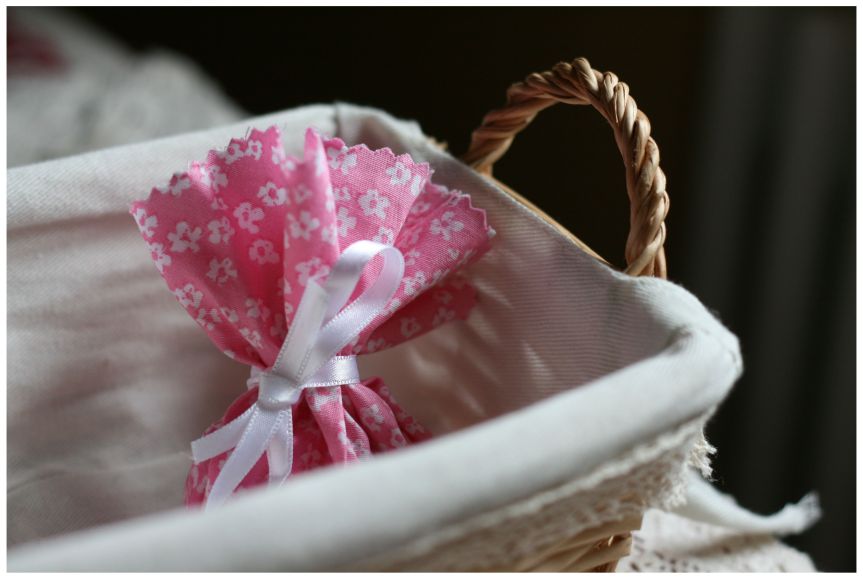
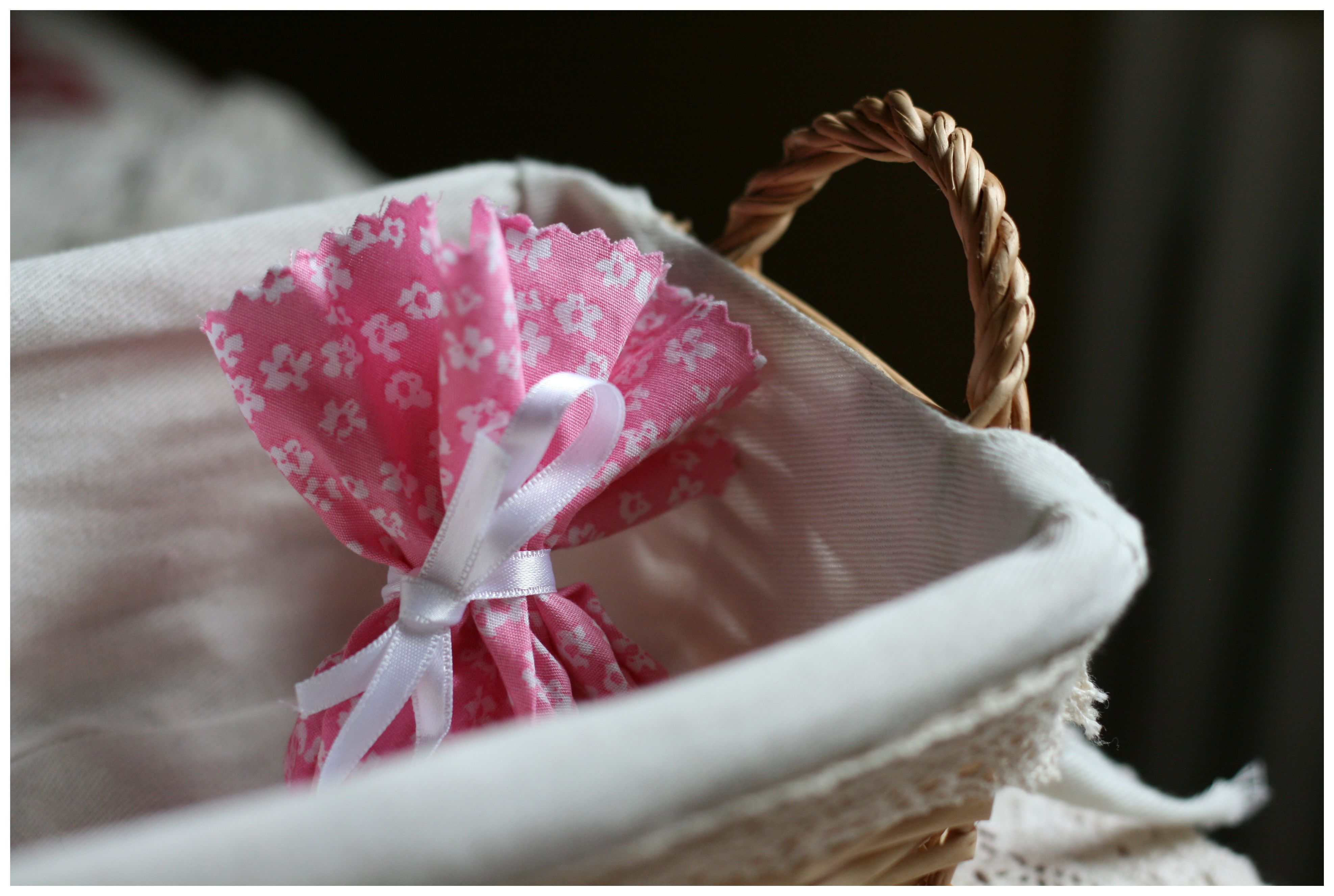
After most christening or wedding parties there is a custom of preparing something for the guests to take home with them. Usually it’s a small bundle of sweets or cakes, sometimes accompanied by a quote or a thankful message, to let the guests know that their presence was welcomed and appreciated. It’s a symbolic way of sharing with them the goods of the feast.

Throughout the last year I have been trying to cultivate a giving heart. I have supported various charities and community events. I was trying to resist buying new items for myself and my son in order to support humanitarian, rather than consumerist, objectives. While I was doing this project I was observing myself and others around me and one observation struck me very hard: being able to give, in many cases, does not really depend on the state of people’s bank account but on their perceived lack of capacity to share. I observed people who refused to support causes because they say they don’t earn enough to be charitable, and then I saw the very same people discarding goods that they had bought the previous week. How is it that we don’t earn enough to give but we earn enough to throw?

There are people in the world for whom what we spend and consume every day would constitute a lavish feast. In every form. The electricity we use. The food we eat. The many pairs of shoes we wear. The books we read. The clothes we have. It is likely that we are feasting in one area or another, or in all those areas.

The Nothing New Project made me realise that I feast in quite a few areas of my life, but for one of them I am particularly grateful: healthcare. Last year I was diagnosed with a life-long illness but because I live in the UK my medicine is for free. Through the Nothing New Project I was able to support many charities, but Doctors Without Borders (MSF), the charity that heals those who would otherwise be left without treatment, was my priority. The charity deals with challenging situations and extraordinary tasks, the Ebola crisis among them. Could you imagine yourself being in Liberia right now? Being a patient or trying to help? Doctors Without Borders are uncommon people whose courage is not of this earth. They deserve our respect, our support and certainly my feast bundle.

Where would your bundle go?
Nothing New: Both Sides of The Coin

IMG_2625k

Six months without buying anything new seems like a long period of time, but it is not. It is just six months, not six years, not sixteen and not sixty. It is just six odd months of reusing, borrowing, repairing and buying second-hand. Nothing new hasn’t defined my lifetime. But it has and will be defining the lifetime of others.

I must admit I had a moment of panic when I started the nothing new project. It wasn’t about not being able to buy things but it was about losing friends, losing opportunities to socialise and hang around together. I felt trapped. You see… one of the things that I decided to give up was coffee and you know how the world looks like these days – you meet at a coffee shop, you chat and giggle over a steamy black or frothy white drink. It’s isolating not to be able to have a cup of coffee with a friend, isn’t it?

I think this fear was triggered by the memories of my first year in the UK, when as a student I wasn’t really able to afford cups of coffee or dinners. It was serious. I was studying as well as working many hours per week as a waitress in pubs or restaurants. I wasn’t earning much, had no student loan, paid my rent and food from what I earned as a waitress so I really couldn’t afford many indulgences. If I had spent my money on those things I wouldn’t have been able to pay for my electricity bill in winter, the flight back home for Christmas or books for studying. I remember I used to do overtime just to be able to go for a coffee with a friend to discuss essays and literature. Tough time. Glad that it’s over. More than over. Now I have a choice. I have a choice to buy or not to buy and I am making the choice not to buy almost nonchalantly. Just because I can.

It doesn’t make me proud. Very often it makes me feel uncomfortable. “To buy or not to buy?” is not a question that offers two options to everyone. For many, “to buy” is just a matter of upgrading, changing or improving. For others, “to buy” means choosing between two or more necessities, two or more human rights: the right to study, the right to sleep, the right to have warm food, the right to socialise, and even the right to go to work. It feels comfortable and snug to be in the first group. It feels alienating and vulnerable to be in the second one. ‘Nothing new’ is not their choice. It’s not a lifestyle. It’s survival.

BEYOND THE PRICE TAG, THERE’S LIFE

IMG_0302

There is not a single day when I don’t think about how to bring up my son, what example to set, what values to instil, what interests and talents to nourish. My choices will affect him. My choices are affecting him already.

I’m giving him a lot of freedom and I see a very curious and independent boy developing before my eyes. I talk a lot to him and I see a willing communicator emerging. I cook for him and as he stirs the pots and smells the food on the stoves I can tell that the love of cooking has been awakened in him. But I also see a boy who finds it hard to fall asleep without one of his parents next to him (because making him fall asleep in the cot was just too hard for us), a boy who demands Peppa Pig just after his dinner (because it’s much easier for his parents to clean up when the computer is on), a boy who doesn’t always take no as an answer and is very willing to explain his reasons for doing things and negotiate his rights (and he’s not even two yet… oh, long disputes before us). So I am observing and I am wondering about the future… about the years that I have with my child… about those often fleeting hours during which I can make a difference to how he sees the world… to how he understands it… to how he engages with it.

Often I get overwhelmed and confused at what I should be doing, often I just want to leave things to take their own course and just simply go about our daily life and most often this is the best option but not always… not always.

There are things that need to be shown to our children. There are things that must be experienced and made tangible. There are values that we must impress upon them and we must make an effort to do it. There are habits that we must develop. This is what parental guidance is. Parental guidance is not only about the cuddles before the sleep, it’s also about attending to the much hated habit of brushing teeth after dinner, it’s about saying no when the need arises, it’s about teaching “I’m sorry” and “Thank you” and it’s about switching off the TV after 20 minutes because it’s time for bed. It’s about those small things.. and the big ones too like hard-work, tolerance, patience, caring, perseverance, love. This is how we secure their future… by attending to seemingly insignificant details in life, to their values and to their characters.

When adults talk about securing their children future, they mean money. They always do, as if money was the ultimate gift – the antidote to insecurities, the best problem-solving tool. I feel sorry for the child for whom this is actually the truth as that means that they got themselves into debt while still playing in the sandpit…. gambling with stones, the bucket and the spade, I imagine.

Children don’t need money in their sandpits. They already have the tools and skills to feel secure. Let’s not push money and stuff down their throats telling them that they need goods to feel happy, to engage with the world and to solve their problems. The world is theirs already. The grass. The trees. The bread. The honey. The sea. It is theirs.

I want to go deeper than the price tag. Not to ignore it but to see beyond it. Because there is life beyond the price tag. Real people that touch the Earth and its gifts and creations, tangible processes and experiences, hands that work, knees that bend, heads that drop, eyes that inspect, fingers that pick. For there is life beyond the price tag, real people that touch the Earth.

Honey is not only something that can be bought for £4.15 a jar in a local supermarket. I want my son to have the awareness of this, of how it’s made and where it comes from. I want him to get the story behind the jar. To see busy bees on flowers, beehives, honeycombs, and the bee-keepers and their veiled hats. It is my duty as a parent to help my son to see and understand this. To sow the grass with him. To plant the tree with him. To make bread together and to show him a beehive. To take him to the seaside, to see a boat, fish, nets and the fisherman. For this is life.

Security comes from a firm standing on the ground, from a firm understanding of who we are and where we belong to… and we belong here – to this world, to this Earth. I want my son to touch it. To see it. To live with it. To understand that the Earth is his and that he is its.

IMG_0419

Back to writing earlier than expected. :) Hope you’ve enjoyed this post. x

Fighting Jet-lag: Back to Blogging Soon :)

IMG_0545

I’m back from Cyprus now and I should be back to blogging towards the end of this week – still fighting jet-lag. So in the meantime, why don’t you read this brilliant post from Sash at Inked in Colour… the initiator of the Nothing New Project: Week 14: Money and Sacrifice She always makes me think. I bet she’ll do the same to you. :) Enjoy the read!


The shop with a difference

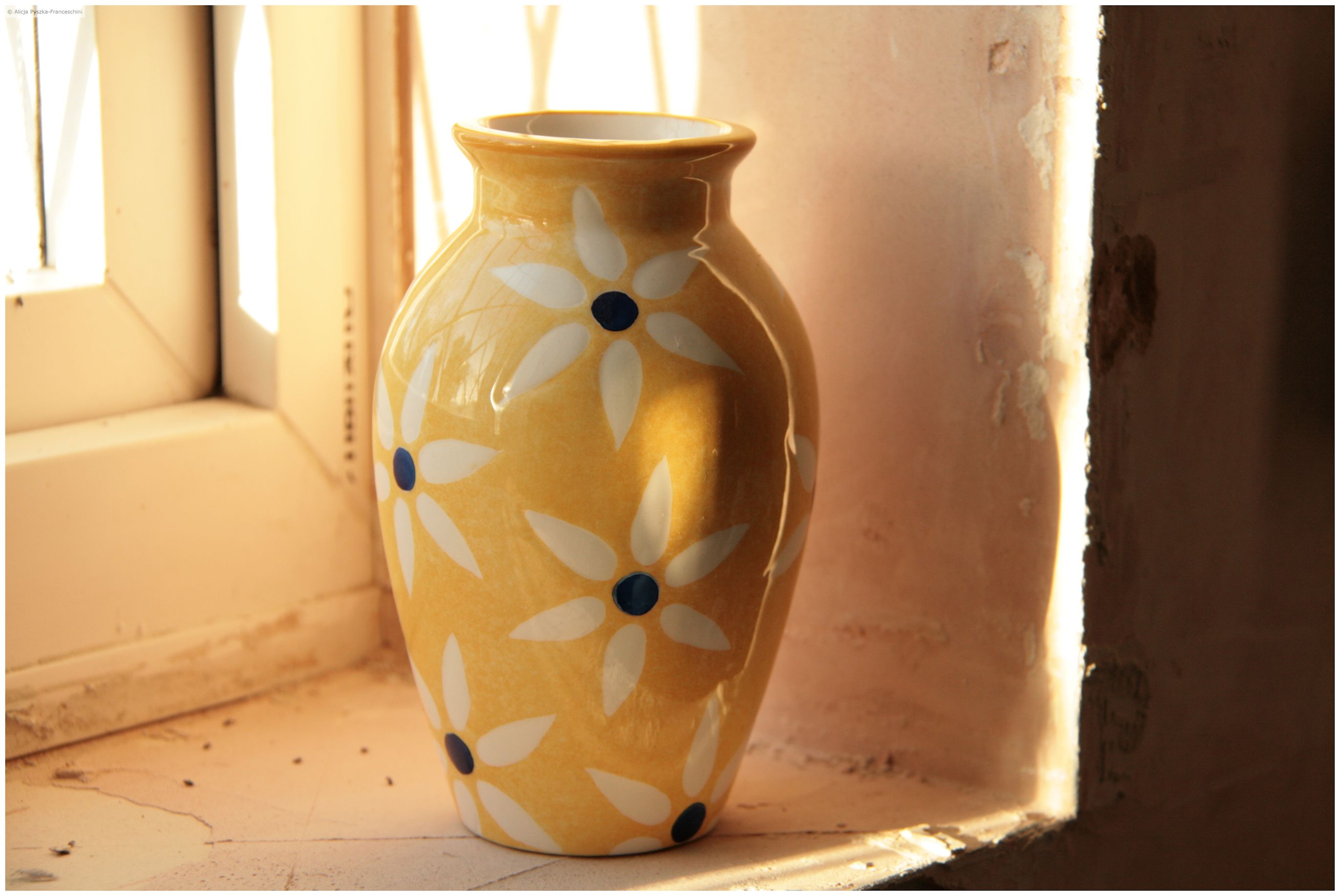
Vase from a charity shop

There are over ten thousand charity shops in the UK. They sell mainly second-hand goods donated to them from any and every generous soul. You just turn up with your bag or box filled with small treasures and hand it over to the person that’s behind the counter. By selling your products, the shop raises funds for its parent charity. Or you can just simply shop there.

There’s a surprisingly large circle of people that are made happy through your give-aways to the charity shop. A) You are happy because you have done a good deed B) Your family is happy because you have eventually removed that unused-and-dumped-in-the-corner irritating cast away of an item C) The charity workers feel less lonely in their quest for good-doing – you provide them with evidence that there is quite a handful of open-hearted characters in their proximity (and how encouraging and uplifting it is to know that your town is full of generous beings!) D) The beneficiaries of the parent charity (no explanation needed here) E) The charity-shop customer who has just found what he has been looking for for ages and just a day before gave up hope of finding it F) The customer’s partner, friend and family that are going to be experiencing relief after the lucky find.

I do have a few nice things that caught my eye while I was visiting the shops. The vase above is one of them. It looks quite nice in our still-not-ready and rough-looking kitchen.

Do you shop or give to charity shops? Is there anything precious that you found there? Or maybe you are planning to visit a charity shop this weekend? What cause do you support?