It's somewhat hectic here. We have children's activities, paperwork, house maintenance projects, broken mobiles, travels, birthday parties and attempts at reviving our personal archives and histories. Everyday life has kept us on our toes and it is not a bad thing. This week I asked my six year old daughter what she is grateful for. Appreciation strengthens children's minds as much as it strengthens ours. She eagerly listed several things. She mentioned dinner time and that she is thankful for Wednesdays, Thursdays, Saturdays, and Sundays. She also appreciates PE and a friend who makes her laugh.
She elaborated that she is grateful for Wednesdays because a funny lady comes to her class. She makes them laugh. They do pretend play and practice dancing with YouTube at school. She likes Thursdays because there is a drama club. She can move and sing a lot. For Saturdays, because there is a Polish school. She plays with her friend there and she likes her a lot. She is happy about Sundays because there is a mass for children at the church. There is tea and coffee afterwards. She can run around and play with many different children. In short, she is happy with her childhood and enjoys acting and friends.
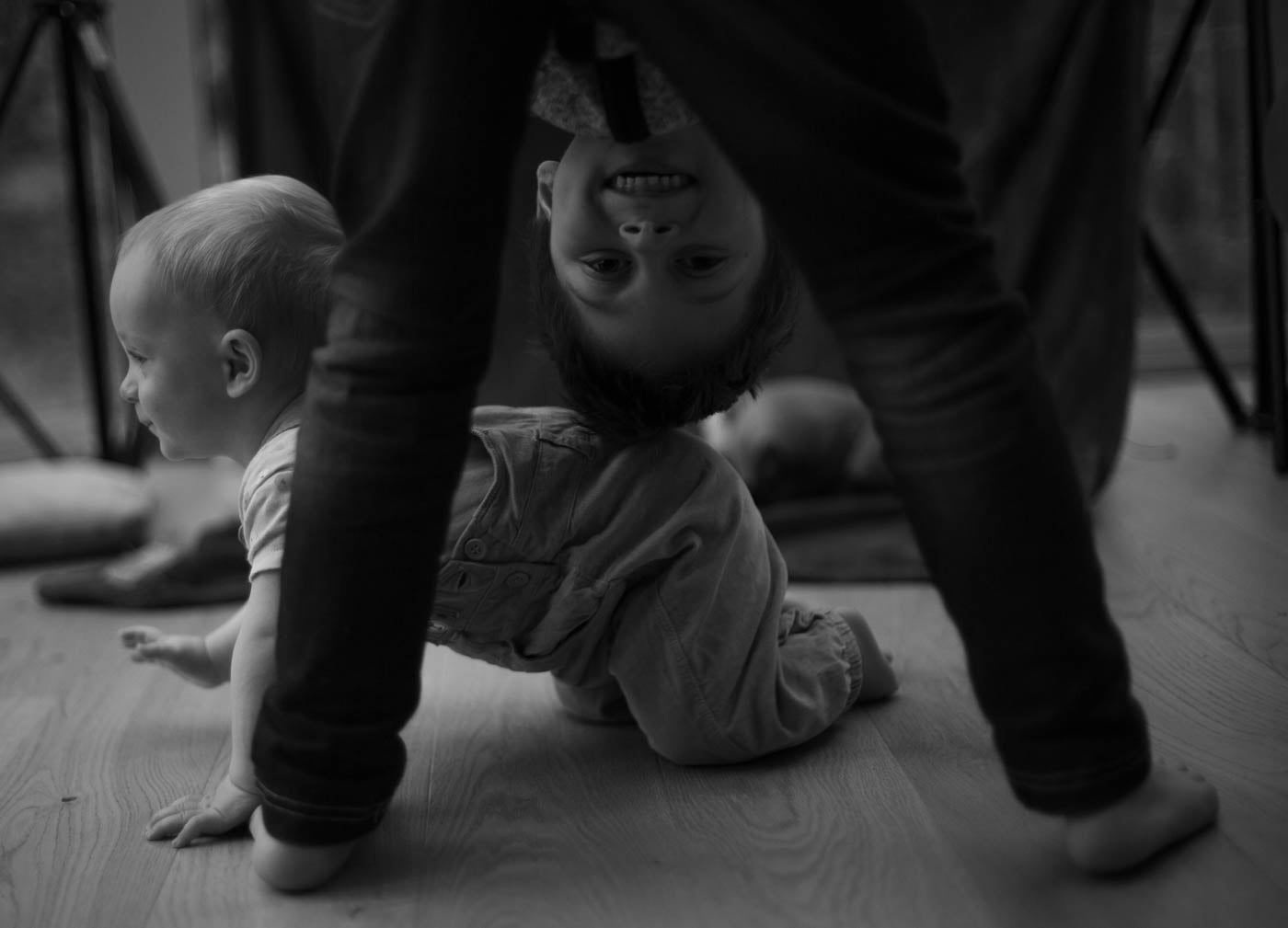
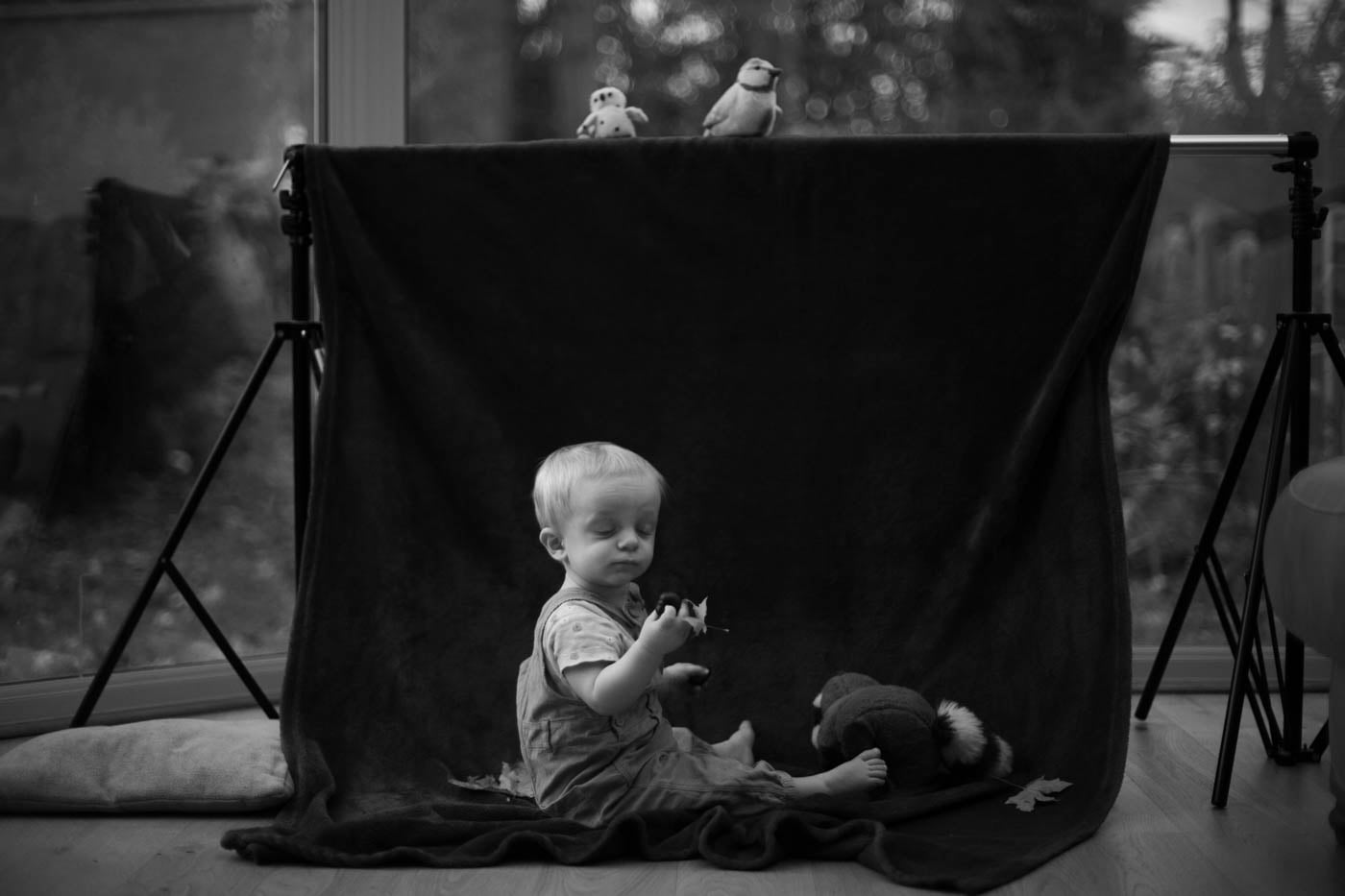
It had always been my dream to start a multilingual theater. I even started making small attempts at it. But lockdown happened and plans and preoccupations changed. That said, every so often, I captured our attempts at pretend play and we had a lot of fun. The children were delighted. I am so happy I captured some of those moments.
Back to the drama, isn't it satisfying to express yourself by playing a person with a different culture or character, to go a little beyond the comfort of your own psyche? To live many lives using different languages, accents and body movements? To understand problems that do not belong to us and to feel the joy of the achievements for which other people have trained?
And then to love our Wednesdays, Thursdays, Saturday and Sundays... and be grateful for them just a bit more than for our Mondays. What could we do to repair their reputation? Surely, a lot of good happens on those days too.
And Fridays, she kept quiet about them. I wonder why?
What's in your busy schedule that you are grateful for right now?
Text and Photography: Alicja Pyszka-Franceschini, 2025.
Copying or reproducing the material without the explicit permission from the author is prohibited.
Polish Translation
Witaj Drogi Czytelniku,
Jak się ostatnio miewasz?
U nas jest trochę gorączkowo. Mamy zajęcia dla dzieci, papierkową robotę, projekty związane z utrzymaniem domu, podróże, urodziny, zepsute telefony komórkowe i próby ożywienia naszych osobistych archiwów i historii. Codzienność trzyma nas w napięciu, co nie jest wcale takie złe. W tym tygodniu zapytałam moją sześcioletnią córkę za co jest wdzięczna. Docenianie wzmacnia umysły dzieci tak samo, jak nasze. Skwapliwie wymieniła kilka rzeczy. Wspomniała o porze obiadowej i o tym, że jest wdzięczna za środy, czwartki, soboty i niedziele. Ceni sobie też WF i przyjaciela, który ją rozśmiesza.
Wyjaśniła, że jest wdzięczna za środy, ponieważ do jej klasy przychodzi zabawna pani. Rozśmiesza ich. Udają, bawią się i ćwiczą taniec z YouTube w szkole. Lubi czwartki, bo ma kółko teatralne. Potrafi się dużo ruszać i śpiewać. Za soboty, bo jest polska szkoła. Bawi się tam ze swoją koleżanką i bardzo ją lubi. Cieszy się z niedziel, bo w kościele jest msza dla dzieci. Potem jest herbata i kawa. Potrafi biegać i bawić się z wieloma różnymi dziećmi. W skrócie, cieszy się dzieciństwem, a najbardziej wszelkimi próbami teatralnymi i przyjaciółmi.
Zawsze marzyłam o założeniu wielojęzycznego teatru i zaczęłam nawet podejmować małe próby, ale nastąpił lockdown i mi również plany i zainteresowania się zmieniły. Bawiła się z dziećmi czasem w teatr w domu, kiedy były mniejsze i podczas lockdownu. Dzieci były zachwycone. Tak się cieszę, gdy myślę o tych momentach, że ich kilka złapałam.
Wracając do dramatu, czyż nie jest satysfakcjonujące móc wyrazić siebie grając osobę o innej kulturze lub innym charakterze, troszeczkę wyjść poza komfort własnej psychiki? Przeżyć wiele żyć, posługując się różnymi językami, akcentami i ruchami ciała? Zrozumieć problemy, które do nas nie należą, i poczuć radość z osiągnięć, do których trenowali inni ludzie. A potem pokochać nasze środy, czwartki, soboty i niedziele... i być za nie wdzięcznym trochę bardziej niż za poniedziałki. A tak swoją drogą, to co możemy zrobić, aby poprawić im reputację? Z pewnością w tych dniach też dzieje się wiele dobrego.
Co dzieje się w Twoim napiętym harmonogramie, za co jesteś teraz wdzięczny?
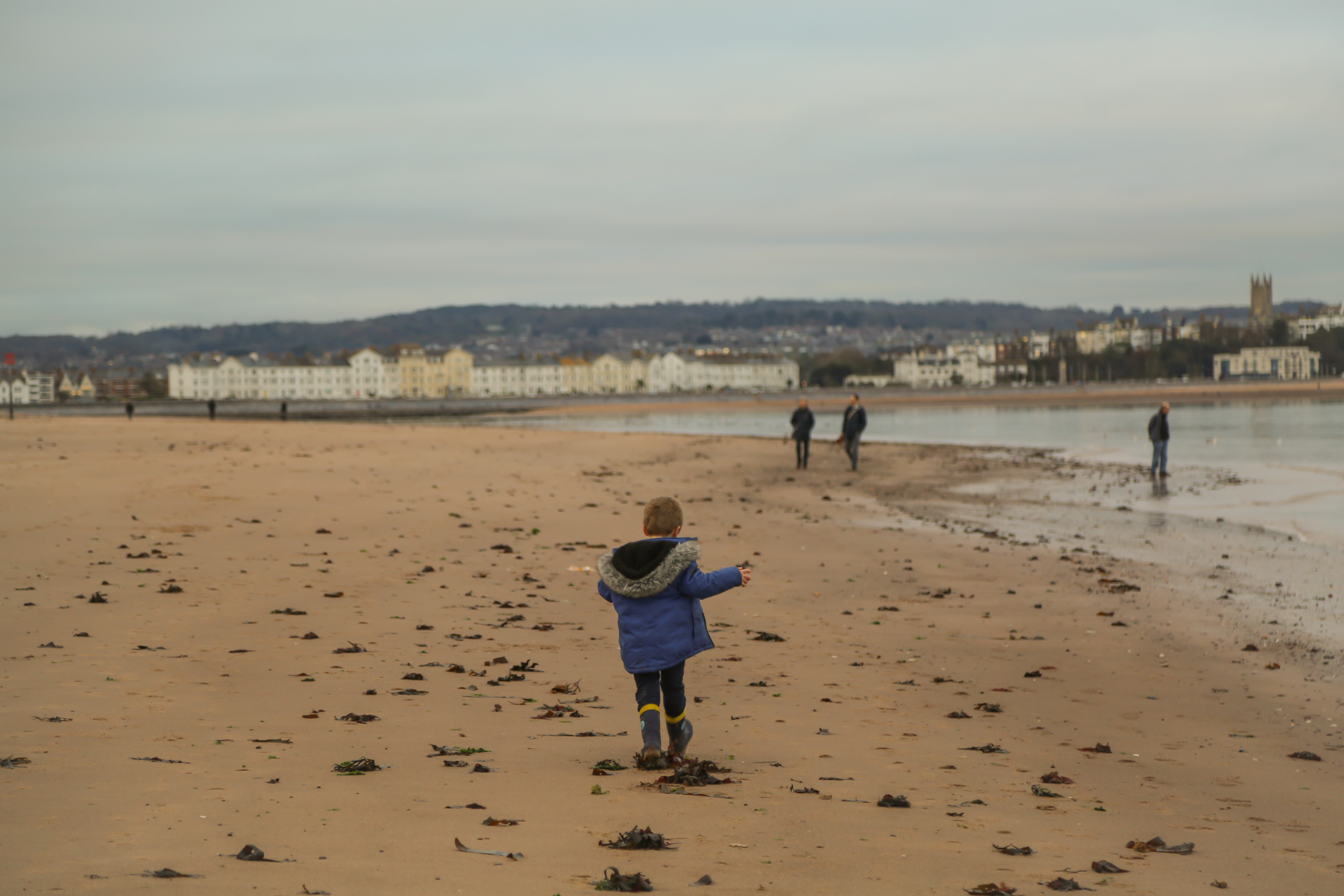
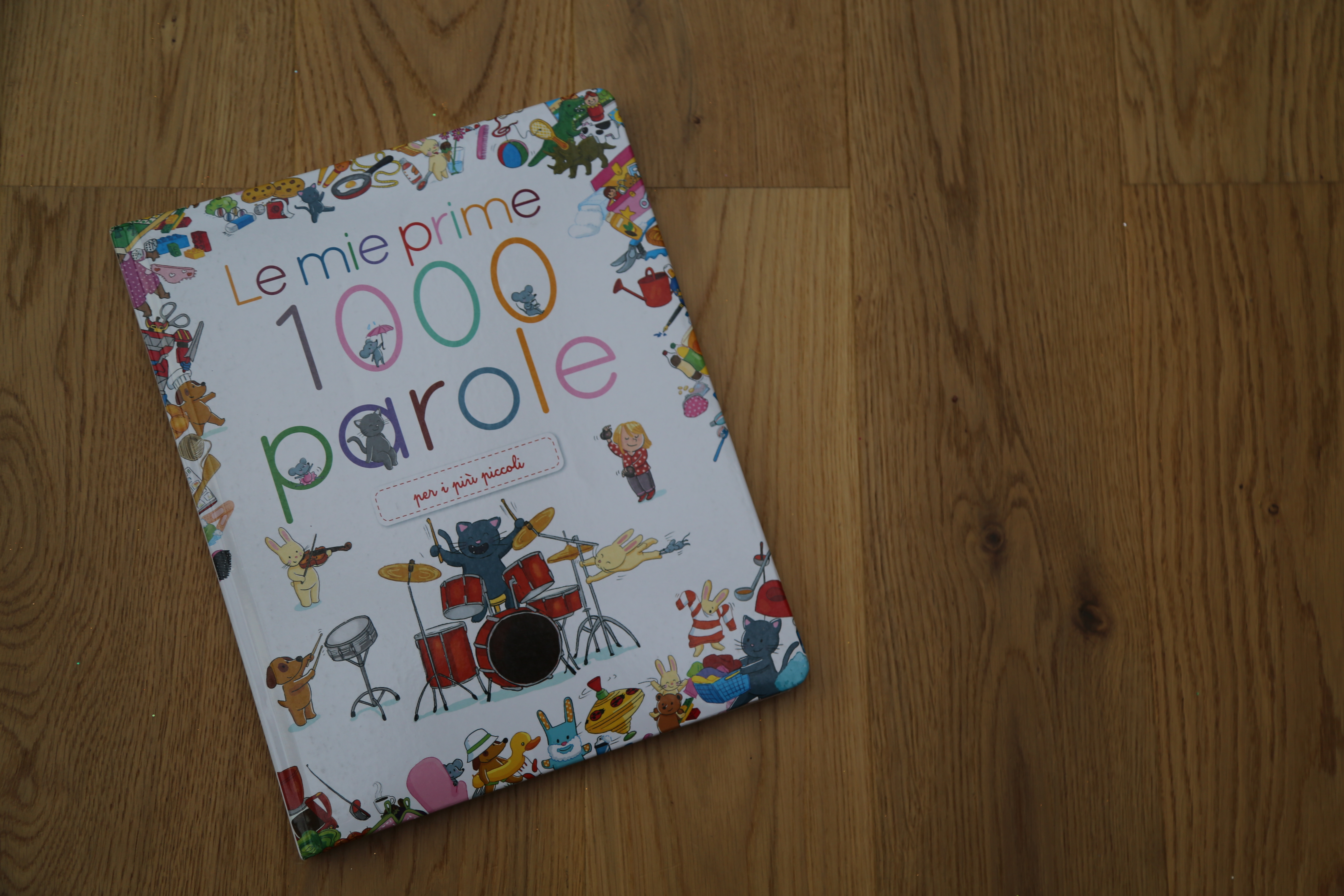
We live in a world that rightly so encourages us to read a lot to our children but research confirms that it’s best for our children when we read books with our own experiences in mind and we continuously make connections between the world on the page and the world around us. So slow down when you read, don’t rush with simple ‘What’s this?’, ‘What’s that?’ but have a conversation with your child, smile, make eye contact and ask open questions such as ‘What did you like most about going to the beach?’, ‘What would have happened if you hadn’t had your wellingtons on your feet?, ‘What was daddy doing over there? And what was grandpa doing?’. For language development ‘the doing’ is as crucial as naming objects. When you talk to your child make sure that you use many verbs (for some reason we like to focus on nouns only) as they help your child build sentences and aid storytelling. This book below is brilliant and I wish we had read it and talked around it (with verbs) when my son was smaller. It is a great introduction to various themes and topics and a great memory trigger. I strongly recommend it for those of you who speak Italian at home.
Disclaimer: This is not a sponsored post. I recommend the book out of my sheer appreciation for it.
I have never been dead in a bathroom at an airport / Non ero mai morto in bagno in aeroporto. These words were reassuringly sung by Tiziano Ferro as we were on our way to Bergamo airport in northern Italy. Neither have I, I thought to myself. Happy that I found a connection with Tiziano Ferro. I like leaving Italy with a CD of Italian pop music. Not so much for the music itself but for the simple language that comes with the tunes. When we were saying goodbye to Italy, I promised myself that I will make a greater effort this year to learn the language a bit better and I am keeping my word. My Italian lesson will start in 30 minutes… which means that I have just a little bit more time to tell you more about our stay in Italy.
In short, these were very odd holidays. We didn’t have the accommodation that we initially hoped for and the luxuries that we looked forward to. Neither were we pampered by the breeze of the mountain air normally granted with staying at high altitude. Instead, we were frequently scorched by the Italian sun. It’s the price that you pay when you forget to check if your reservation was all in order. We had to quickly look for alternative accommodation and take what was available at the last minute. We didn’t die however in the bathroom at the airport and that makes up for the unexpected inconveniences quite well, I think.
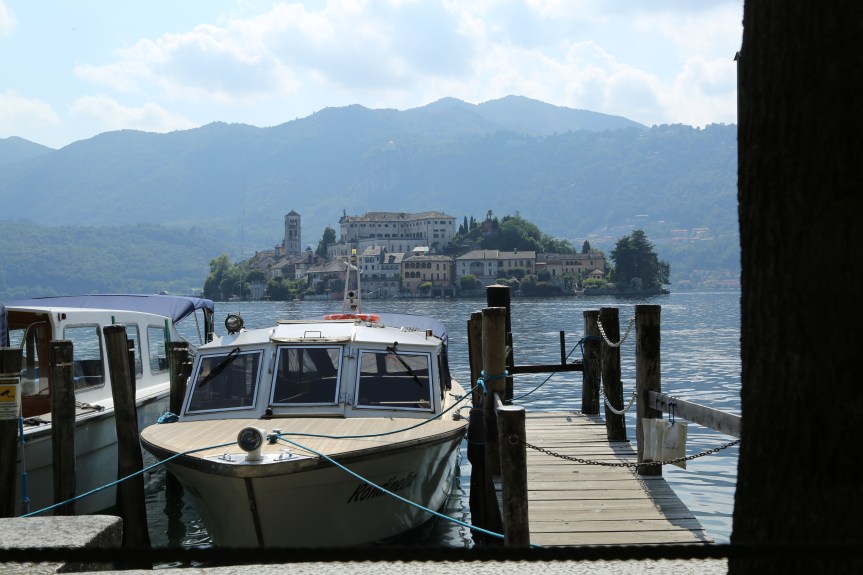
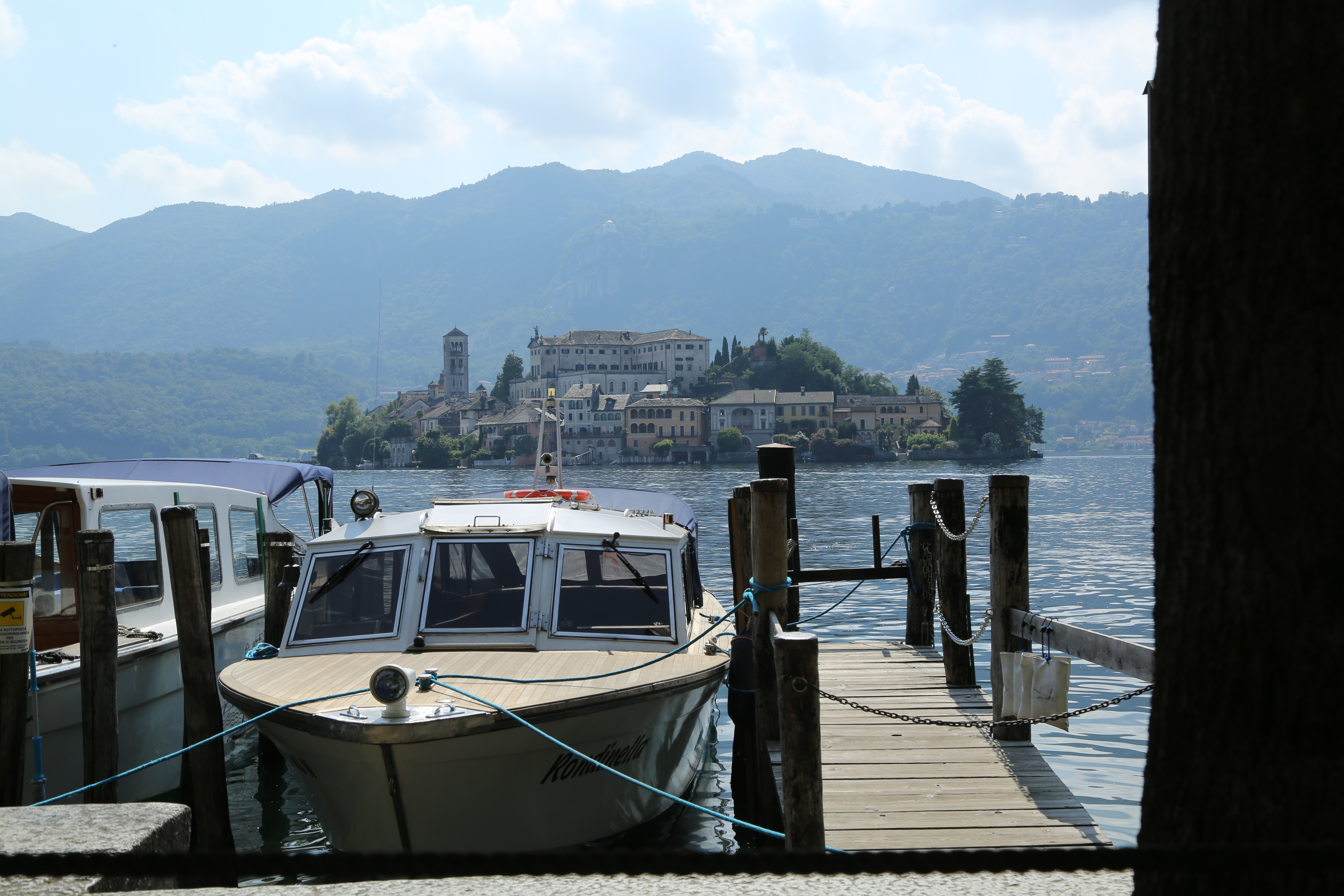
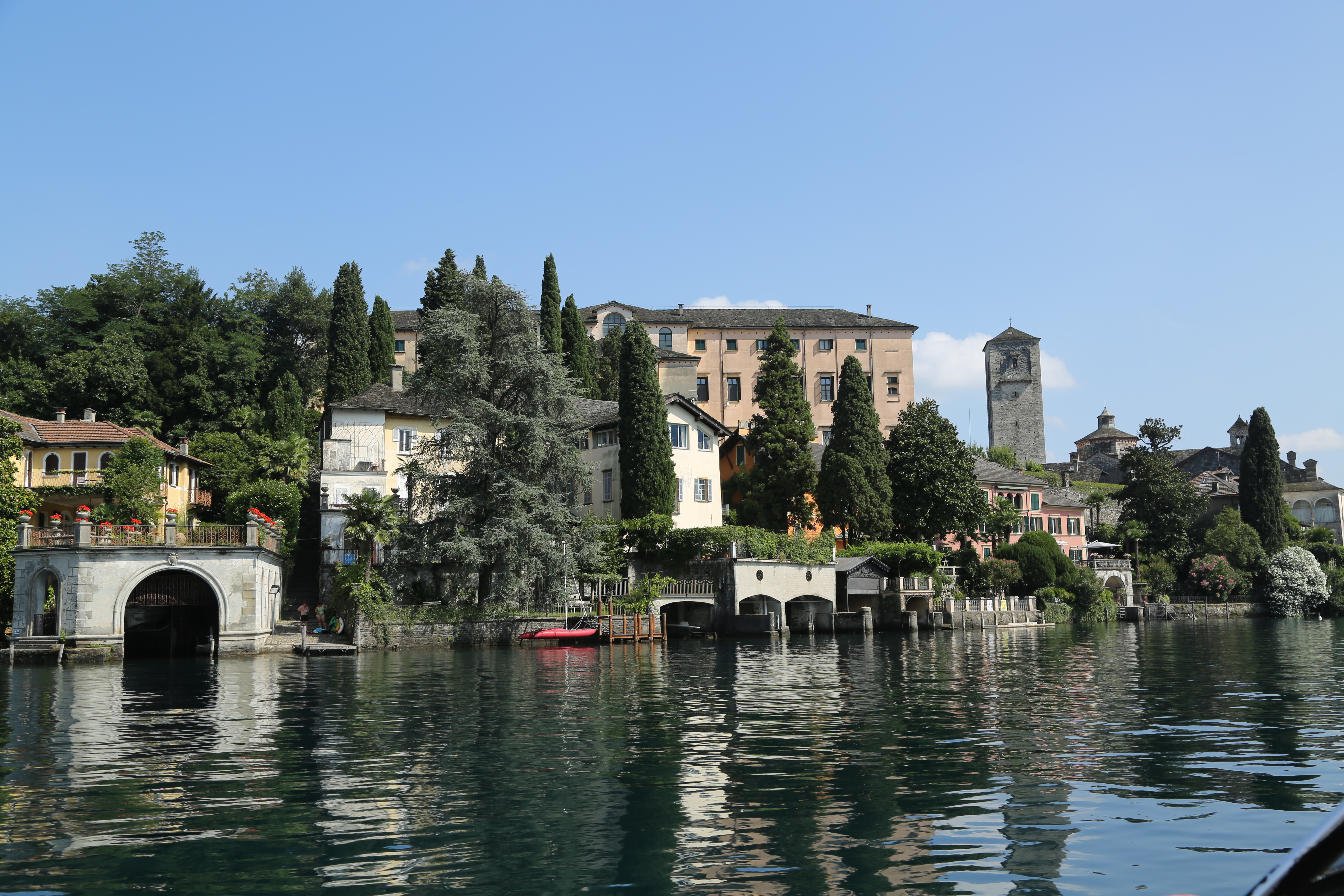
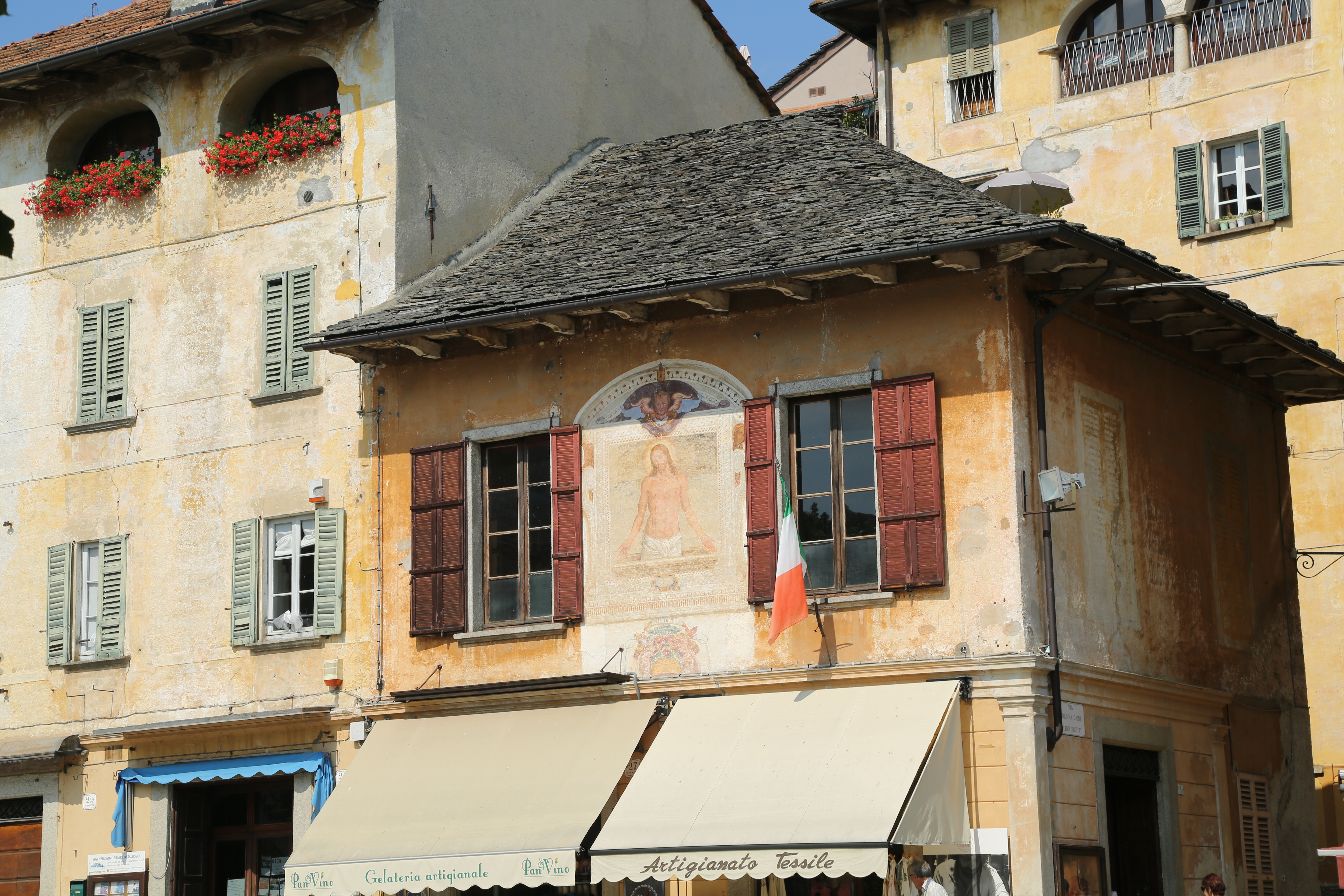
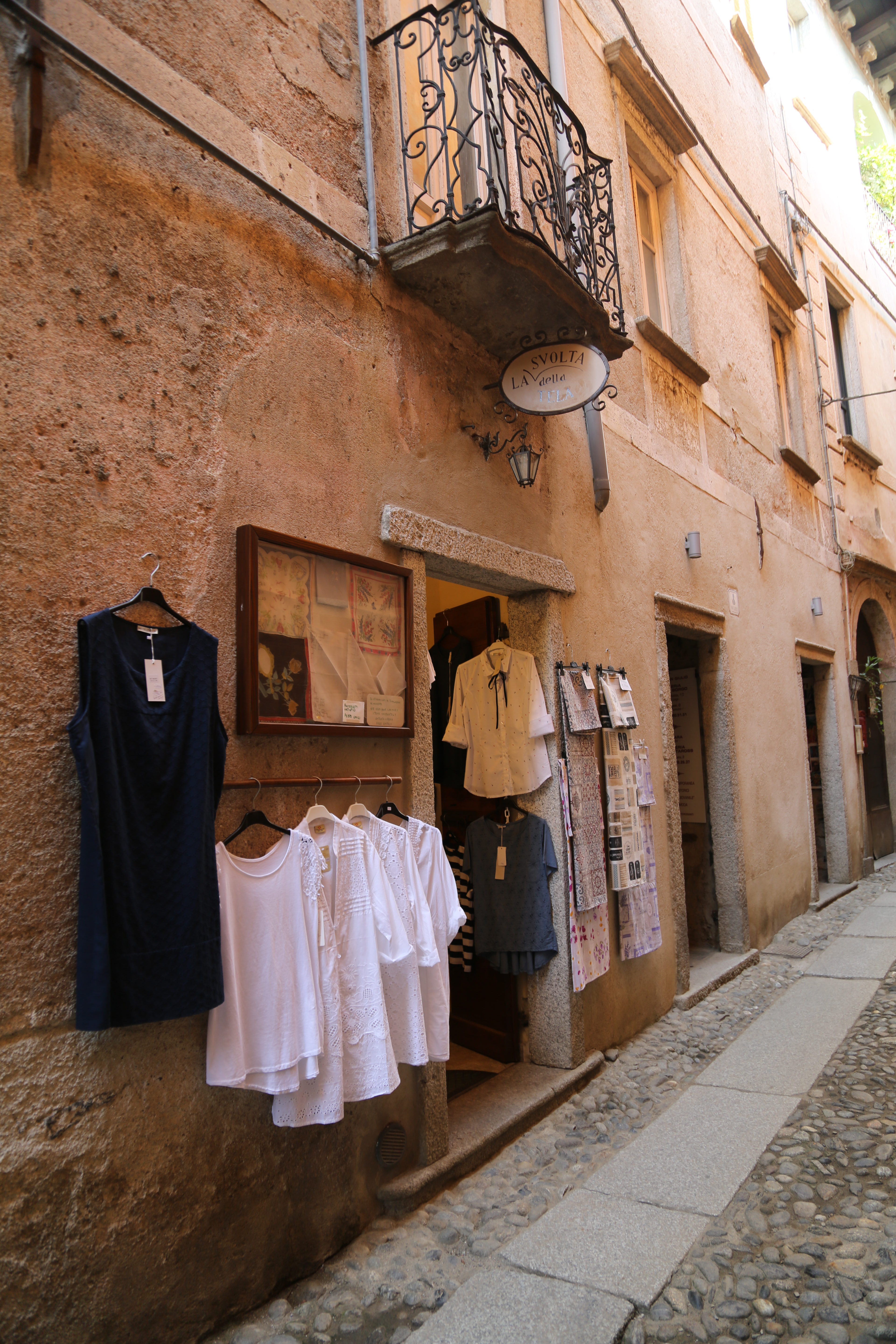
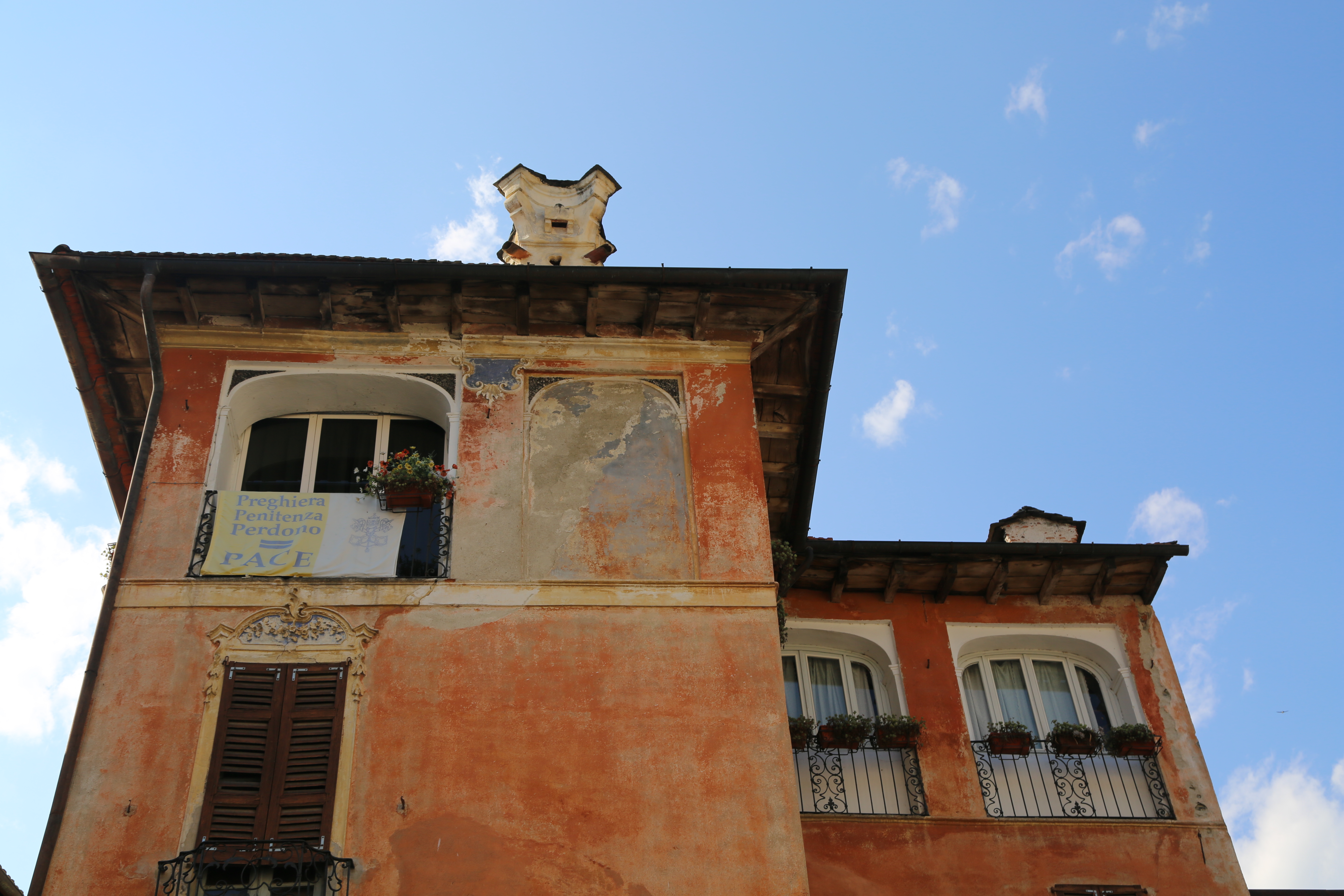
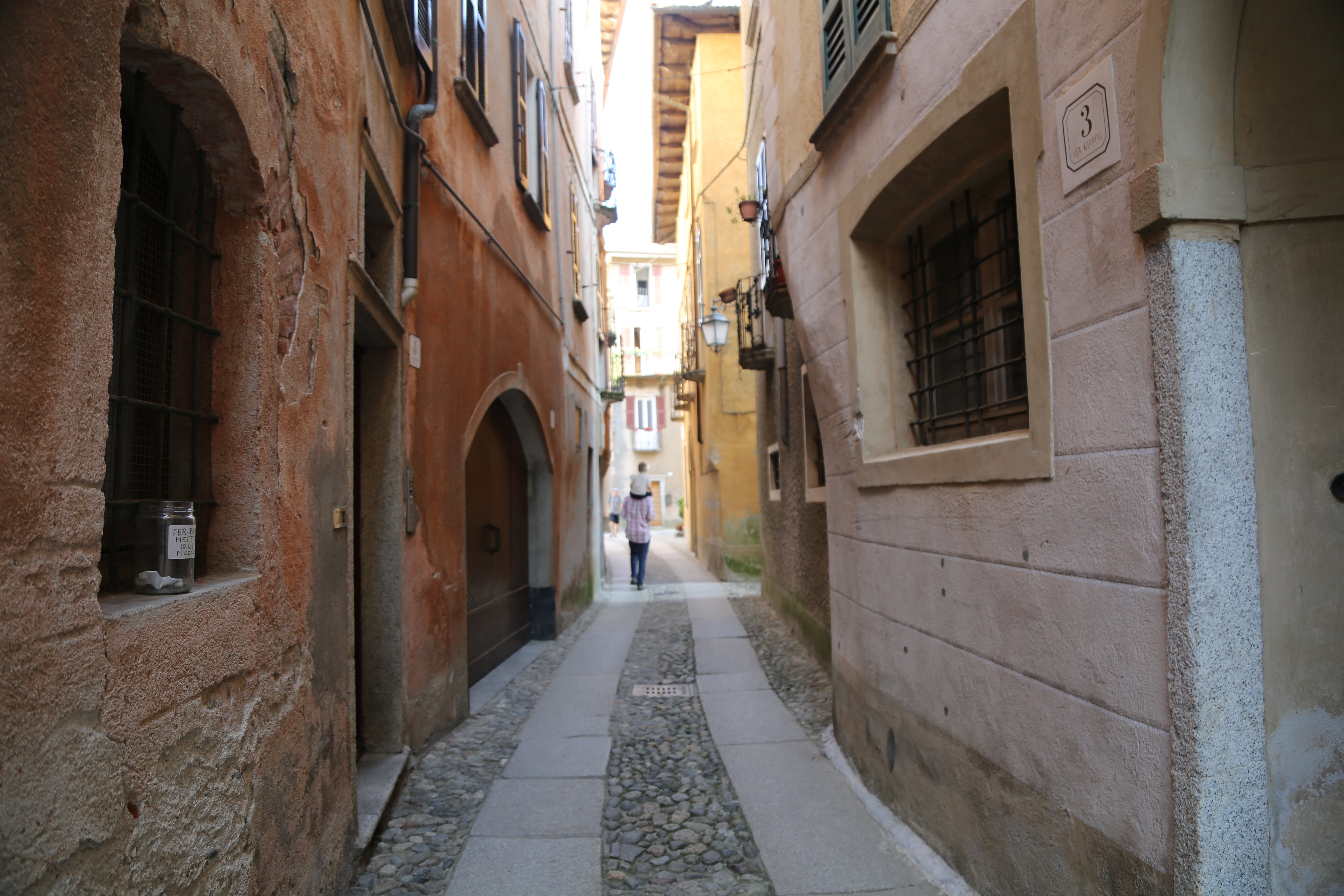
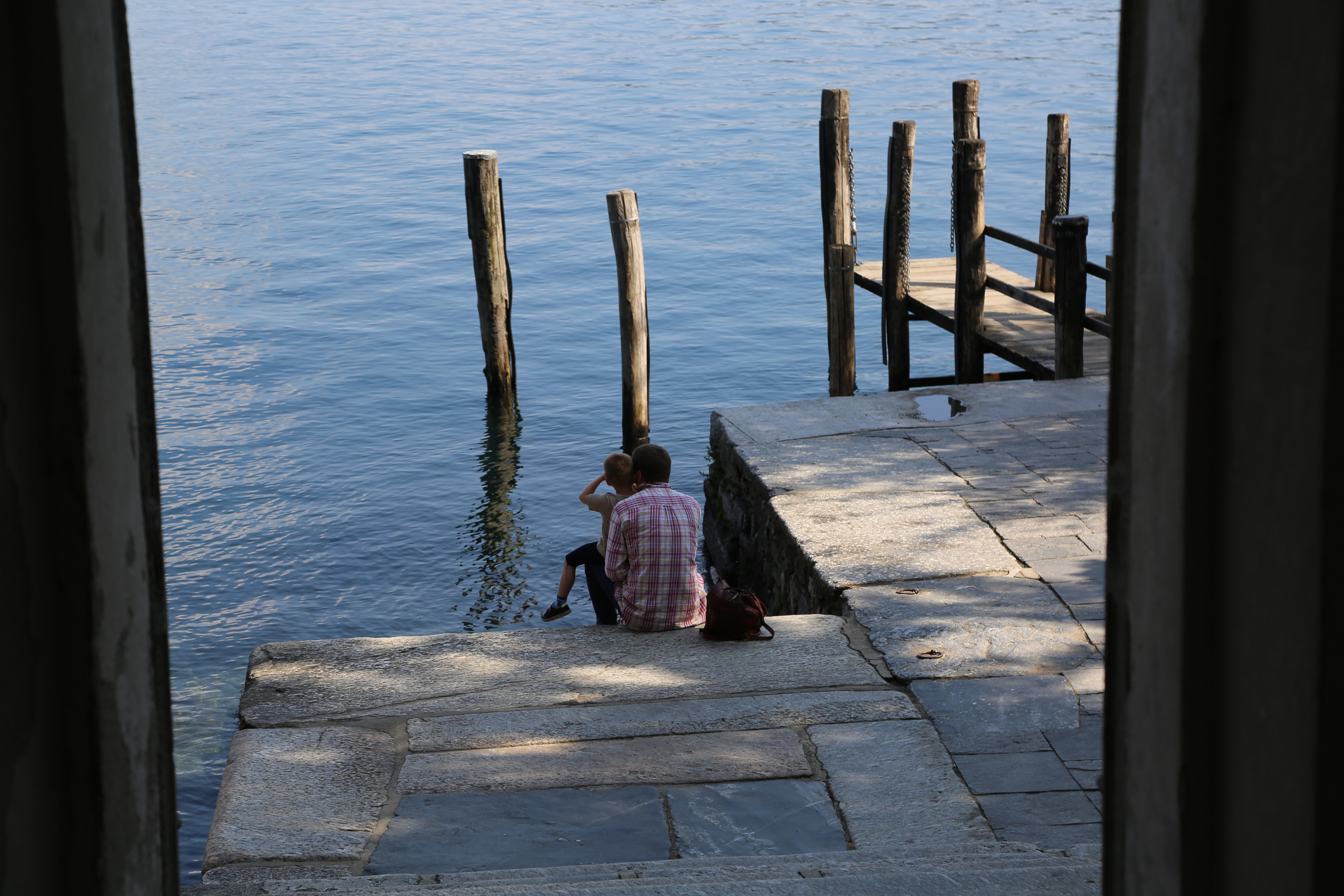
One of the tourist places that we looked forward to seeing was the little island of San Giulio, situated on the lake Orta in the Piemonte region in northern Italy. Since we were staying in the tiny mountainous region of Aosta it took us a while to drive and reach the lake. We drove, and drove, and drove, and there was a curve, and another curve, and yet another curve, and there seemed to be no end to those curves until of course there was an end to them and what a beautiful one too. Worth of all the curves put together. A very deserving place. I had been terribly impatient with the slow mountain road that we had taken and regretful that we avoided the swift motorway. Sour about the lost time. And then when we reached our destination I was rewarded with the beautiful corners of the island and gorgeous buildings of an old town. And I had to become remorseful about my childish impatience and firmly reproached myself for being such a grump. The routes to great destinations are frequently like that. Full of stops, curves and turnings. But apparently it is the tourist that mainly focuses on the arrival point, the real traveller keeps her eyes open to it all.
I definitely need more practise in travelling.
“Not all those who wander are lost.” – J.R.R. Tolkien
“Notice everything. Appreciate everything, including the ordinary. That’s how to click in with joyfulness or cheerfulness. Curiosity encourages cheering up. So does simply remembering to do something different. … You can … just go to the window and look at the sky. You can splash cold water on your face, you can sing in the shower, you can go jogging – anything that’s against your usual pattern. That’s how things start to lighten up.” ~Pema Chödrön
“Be good to yourself when you are learning new things.” ~ Elizabeth Gilbert
The longer I study and research, the more I am convinced that developing an inner voice that is kind makes learning less painful and more satisfying.
Kind learning is reassuring, encouraging and full of small and sweet inspirations that help us move forward. It’s this voice which formulates convincing answers to discouraging questions. This kind and eager learning voice which encourages us to enter because the water is just the right depth for us.
The voice of kind learning seeks bigger pictures and deeper meanings. It wants us to answer questions beyond the formulaic: ‘Where do you see yourself in five years time?’. It wants to know: ‘What are your values?’ ‘What do you really care about?’. It wants us to find the authentic self and for this we ought to learn self-compassion, to learn how to be reassuring and openly honest with ourselves – seeing all of our life journey as crucial to the making of who we are. When we work and learn with our values in mind, it all starts to take shape, it starts to feel right.
“Don’t ask what the world needs. Ask what makes you come alive, and go do it. Because what the world needs is people who have come alive.” ― Howard Thurman
















 Postcards Without Stamps