It's somewhat hectic here. We have children's activities, paperwork, house maintenance projects, broken mobiles, travels, birthday parties and attempts at reviving our personal archives and histories. Everyday life has kept us on our toes and it is not a bad thing. This week I asked my six year old daughter what she is grateful for. Appreciation strengthens children's minds as much as it strengthens ours. She eagerly listed several things. She mentioned dinner time and that she is thankful for Wednesdays, Thursdays, Saturdays, and Sundays. She also appreciates PE and a friend who makes her laugh.
She elaborated that she is grateful for Wednesdays because a funny lady comes to her class. She makes them laugh. They do pretend play and practice dancing with YouTube at school. She likes Thursdays because there is a drama club. She can move and sing a lot. For Saturdays, because there is a Polish school. She plays with her friend there and she likes her a lot. She is happy about Sundays because there is a mass for children at the church. There is tea and coffee afterwards. She can run around and play with many different children. In short, she is happy with her childhood and enjoys acting and friends.
It had always been my dream to start a multilingual theater. I even started making small attempts at it. But lockdown happened and plans and preoccupations changed. That said, every so often, I captured our attempts at pretend play and we had a lot of fun. The children were delighted. I am so happy I captured some of those moments.
Back to the drama, isn't it satisfying to express yourself by playing a person with a different culture or character, to go a little beyond the comfort of your own psyche? To live many lives using different languages, accents and body movements? To understand problems that do not belong to us and to feel the joy of the achievements for which other people have trained?
And then to love our Wednesdays, Thursdays, Saturday and Sundays... and be grateful for them just a bit more than for our Mondays. What could we do to repair their reputation? Surely, a lot of good happens on those days too.
And Fridays, she kept quiet about them. I wonder why?
What's in your busy schedule that you are grateful for right now?
Text and Photography: Alicja Pyszka-Franceschini, 2025.
Copying or reproducing the material without the explicit permission from the author is prohibited.
Polish Translation
Witaj Drogi Czytelniku,
Jak się ostatnio miewasz?
U nas jest trochę gorączkowo. Mamy zajęcia dla dzieci, papierkową robotę, projekty związane z utrzymaniem domu, podróże, urodziny, zepsute telefony komórkowe i próby ożywienia naszych osobistych archiwów i historii. Codzienność trzyma nas w napięciu, co nie jest wcale takie złe. W tym tygodniu zapytałam moją sześcioletnią córkę za co jest wdzięczna. Docenianie wzmacnia umysły dzieci tak samo, jak nasze. Skwapliwie wymieniła kilka rzeczy. Wspomniała o porze obiadowej i o tym, że jest wdzięczna za środy, czwartki, soboty i niedziele. Ceni sobie też WF i przyjaciela, który ją rozśmiesza.
Wyjaśniła, że jest wdzięczna za środy, ponieważ do jej klasy przychodzi zabawna pani. Rozśmiesza ich. Udają, bawią się i ćwiczą taniec z YouTube w szkole. Lubi czwartki, bo ma kółko teatralne. Potrafi się dużo ruszać i śpiewać. Za soboty, bo jest polska szkoła. Bawi się tam ze swoją koleżanką i bardzo ją lubi. Cieszy się z niedziel, bo w kościele jest msza dla dzieci. Potem jest herbata i kawa. Potrafi biegać i bawić się z wieloma różnymi dziećmi. W skrócie, cieszy się dzieciństwem, a najbardziej wszelkimi próbami teatralnymi i przyjaciółmi.
Zawsze marzyłam o założeniu wielojęzycznego teatru i zaczęłam nawet podejmować małe próby, ale nastąpił lockdown i mi również plany i zainteresowania się zmieniły. Bawiła się z dziećmi czasem w teatr w domu, kiedy były mniejsze i podczas lockdownu. Dzieci były zachwycone. Tak się cieszę, gdy myślę o tych momentach, że ich kilka złapałam.
Wracając do dramatu, czyż nie jest satysfakcjonujące móc wyrazić siebie grając osobę o innej kulturze lub innym charakterze, troszeczkę wyjść poza komfort własnej psychiki? Przeżyć wiele żyć, posługując się różnymi językami, akcentami i ruchami ciała? Zrozumieć problemy, które do nas nie należą, i poczuć radość z osiągnięć, do których trenowali inni ludzie. A potem pokochać nasze środy, czwartki, soboty i niedziele... i być za nie wdzięcznym trochę bardziej niż za poniedziałki. A tak swoją drogą, to co możemy zrobić, aby poprawić im reputację? Z pewnością w tych dniach też dzieje się wiele dobrego.
Co dzieje się w Twoim napiętym harmonogramie, za co jesteś teraz wdzięczny?
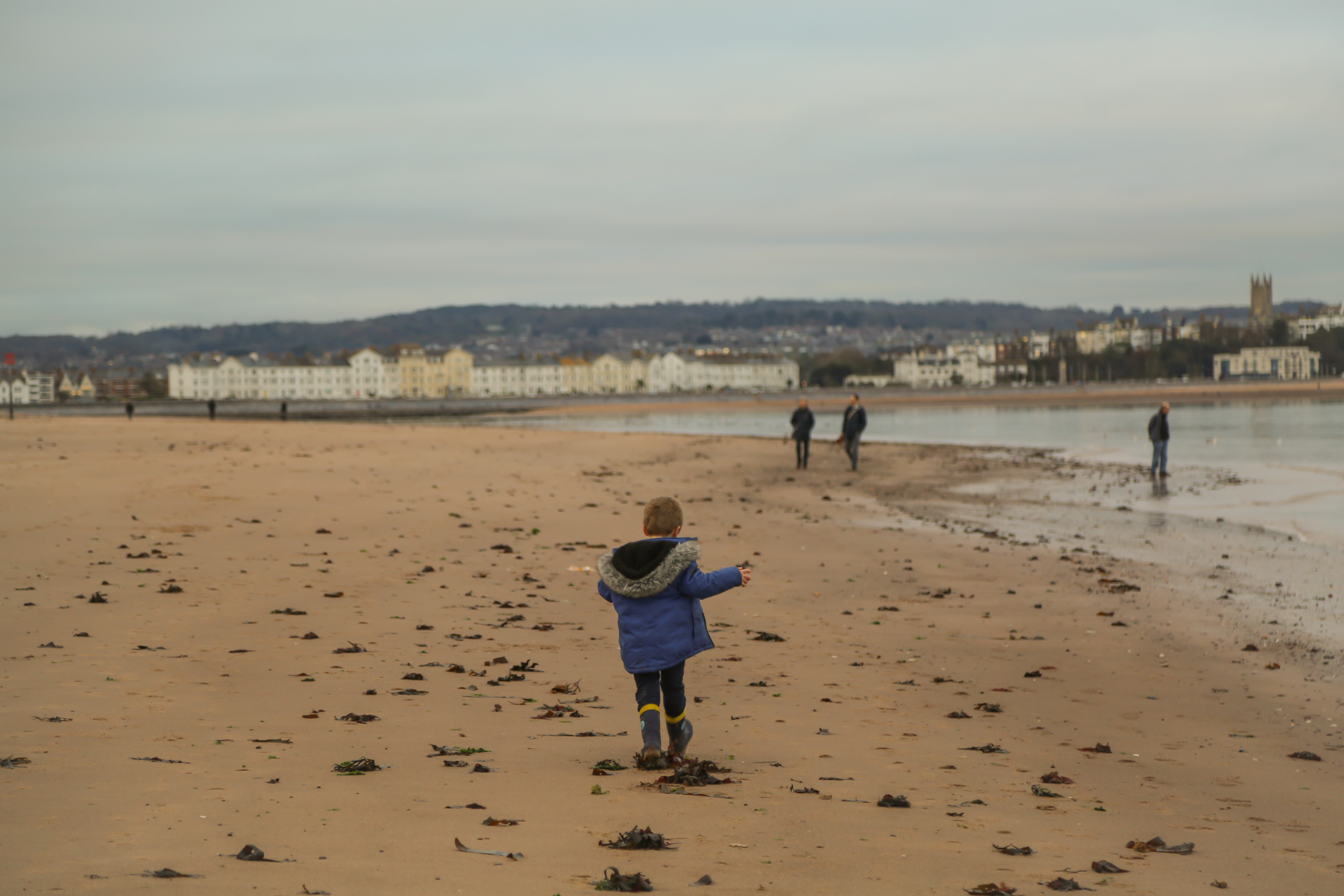
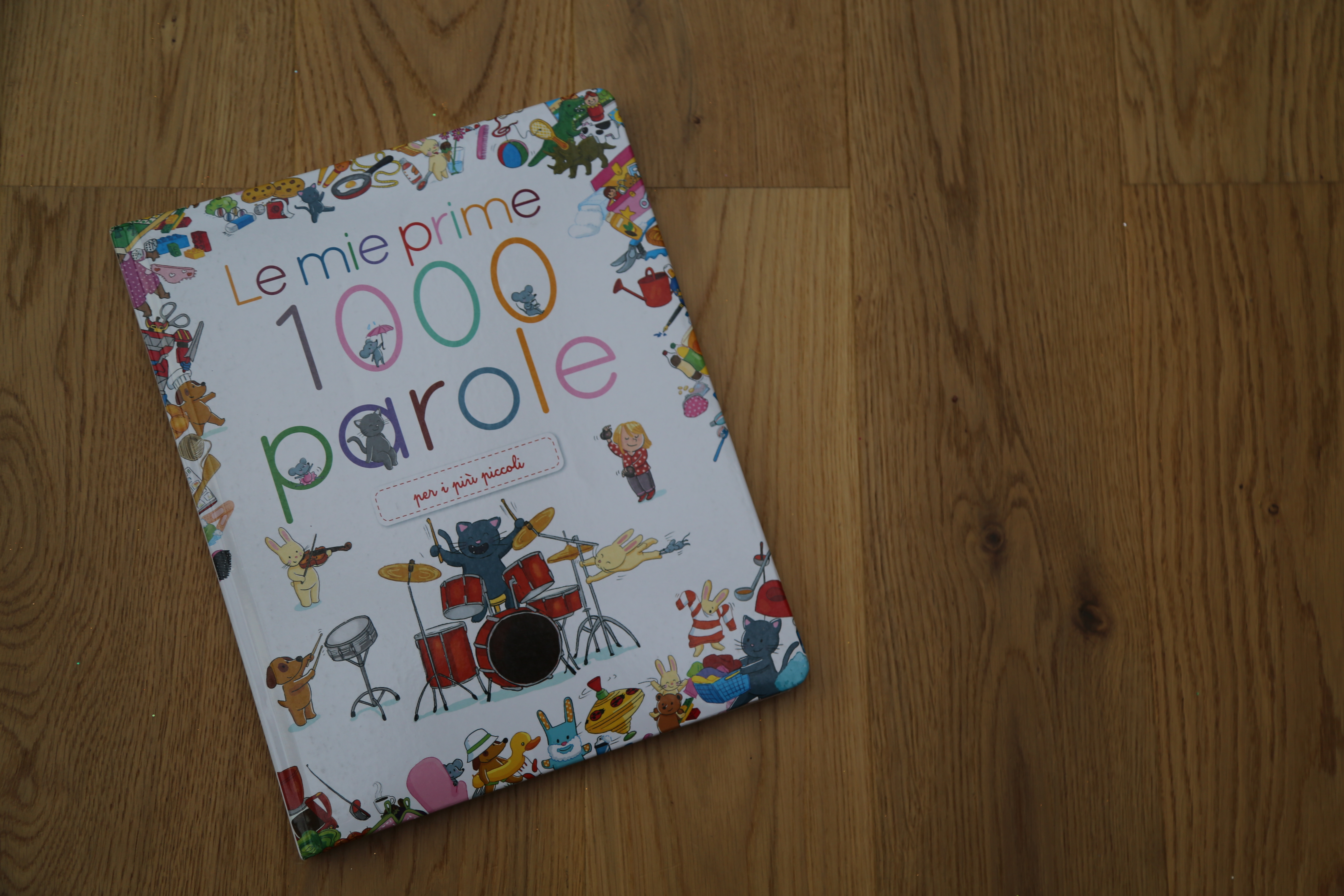
We live in a world that rightly so encourages us to read a lot to our children but research confirms that it’s best for our children when we read books with our own experiences in mind and we continuously make connections between the world on the page and the world around us. So slow down when you read, don’t rush with simple ‘What’s this?’, ‘What’s that?’ but have a conversation with your child, smile, make eye contact and ask open questions such as ‘What did you like most about going to the beach?’, ‘What would have happened if you hadn’t had your wellingtons on your feet?, ‘What was daddy doing over there? And what was grandpa doing?’. For language development ‘the doing’ is as crucial as naming objects. When you talk to your child make sure that you use many verbs (for some reason we like to focus on nouns only) as they help your child build sentences and aid storytelling. This book below is brilliant and I wish we had read it and talked around it (with verbs) when my son was smaller. It is a great introduction to various themes and topics and a great memory trigger. I strongly recommend it for those of you who speak Italian at home.
Disclaimer: This is not a sponsored post. I recommend the book out of my sheer appreciation for it.
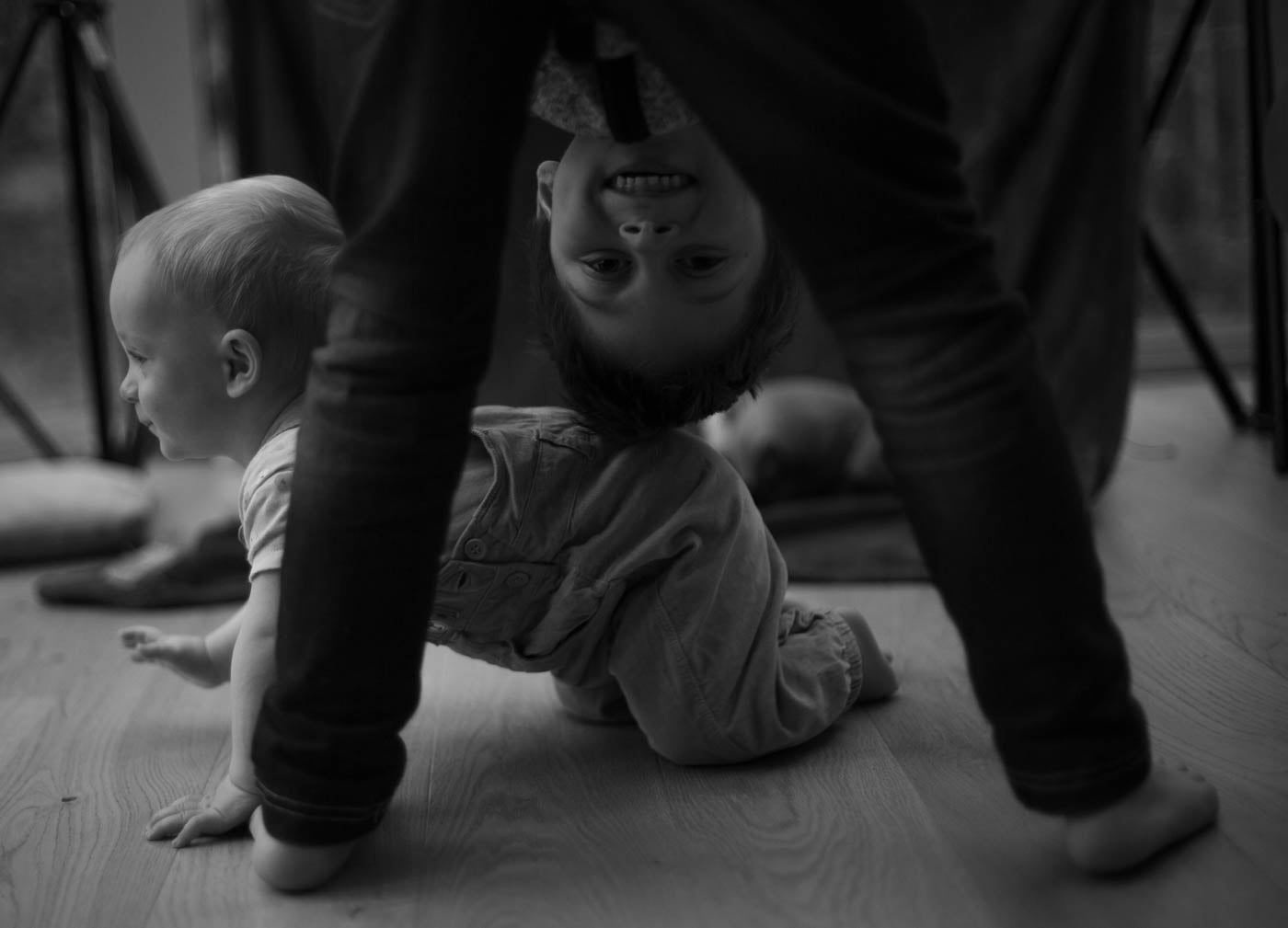
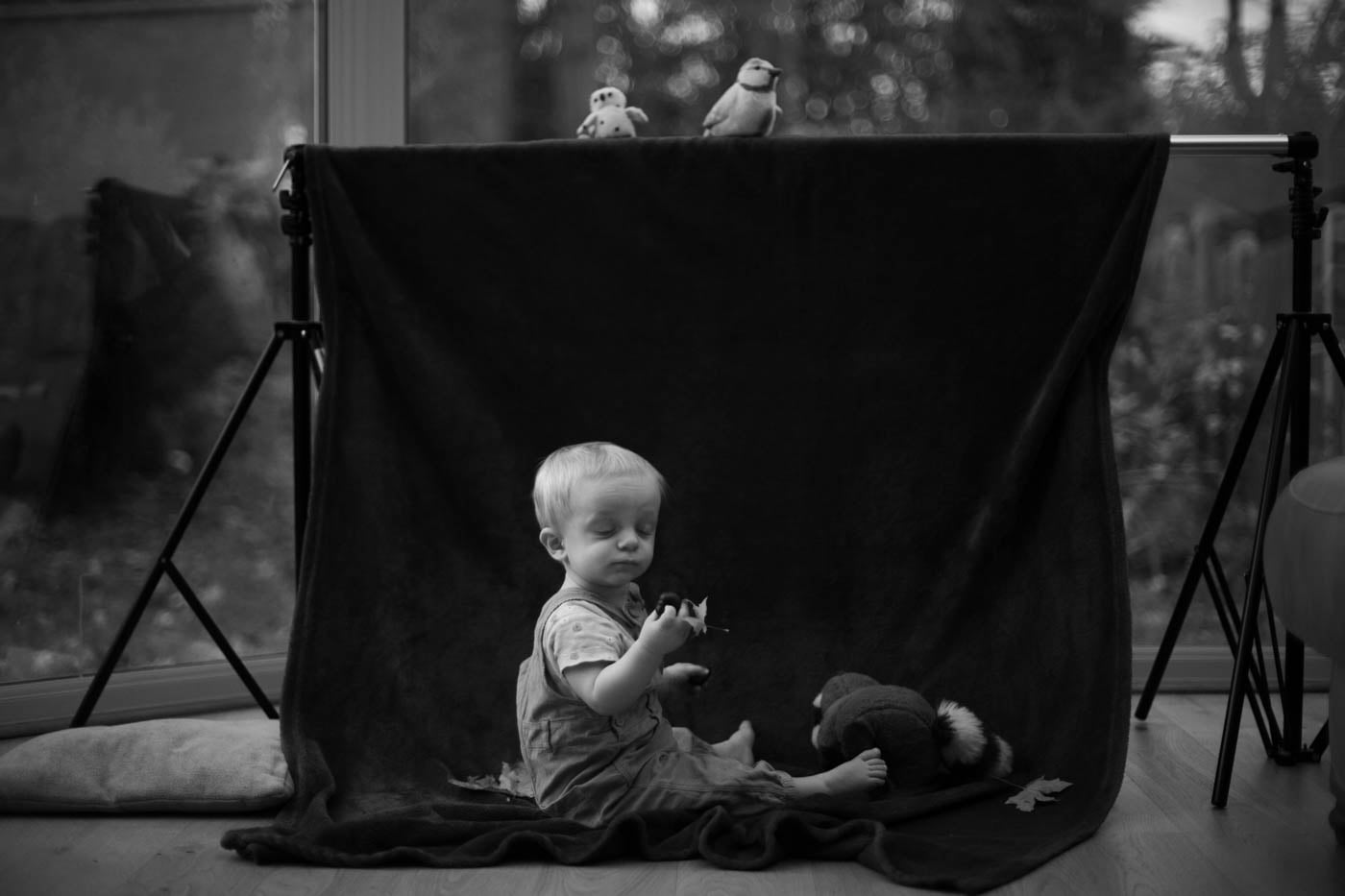
Our little toddler babbles a lot, but he doesn’t have many words yet. We are raising him with three languages: Polish, Italian and English and so his speech at the moment is a combination of a small number of words and short phrases in those languages alongside a continuous and imaginative chatter that we politely follow (frequently bewildered). I often wish I was able to understand what he says to us. To join in in his observations and appreciation of the world. To get his perspective.
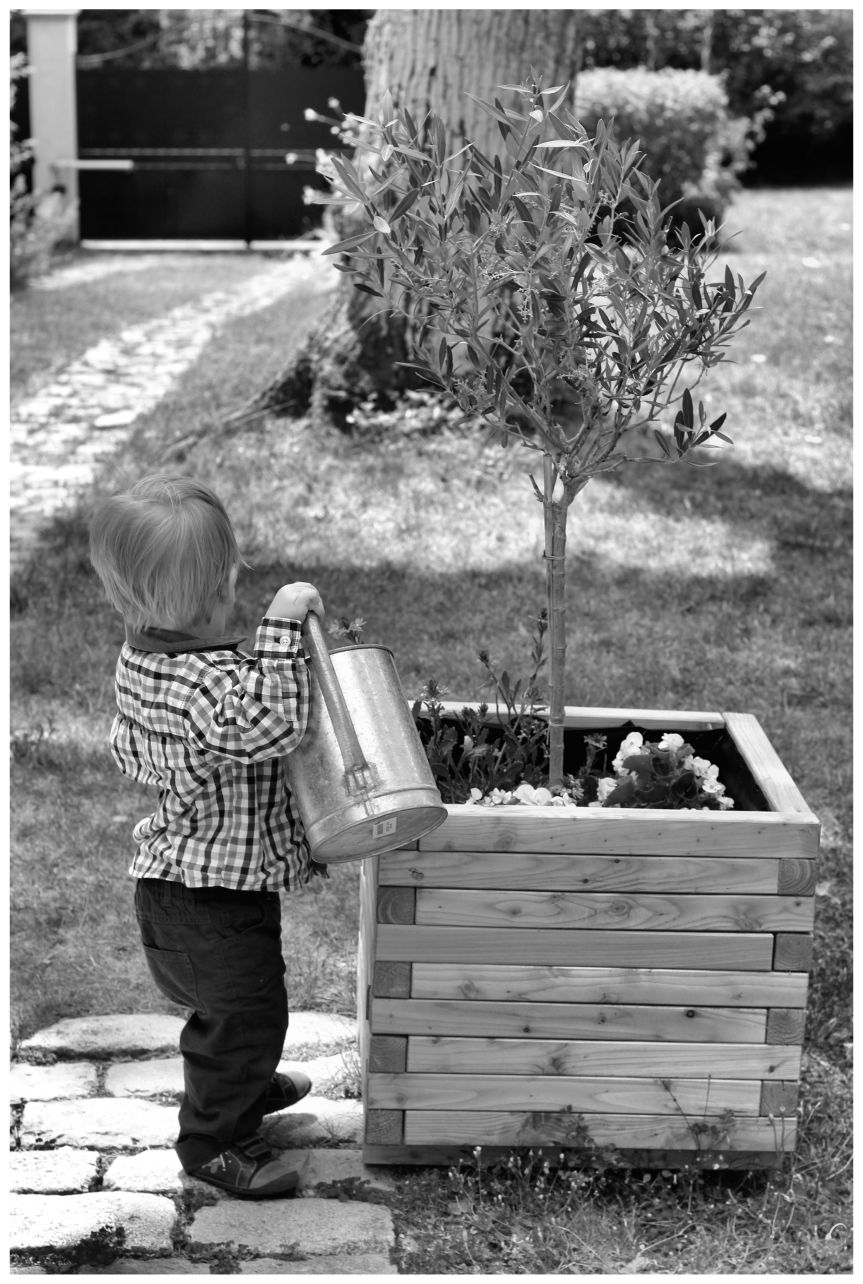
The word that our son says often is ‘Grazie’ (‘Thank you’ in Italian). I hear him saying it hundreds of times every day. I take him out of his cot, he responds ‘Grazie, mama’. I dress him, he says ‘Grazie, mama’. I give him bread, tomatoes and pears and I hear ‘Grazie, mama’. I put a scarf on his neck, he says: ‘Grazie’, I open the door for him and again, he shouts: ‘Grazie, grazie, grazie, mama.’. I cover him with his duvet in his cot and he quietly whispers: ‘Grazie, grazie, grazie, mama.’
As I switch the light off and I close the door I feel overwhelmed by his appreciation of the smallest of things that I do for him. He never loses an opportunity to acknowledge my efforts, however small, they are recognized.











 Postcards Without Stamps