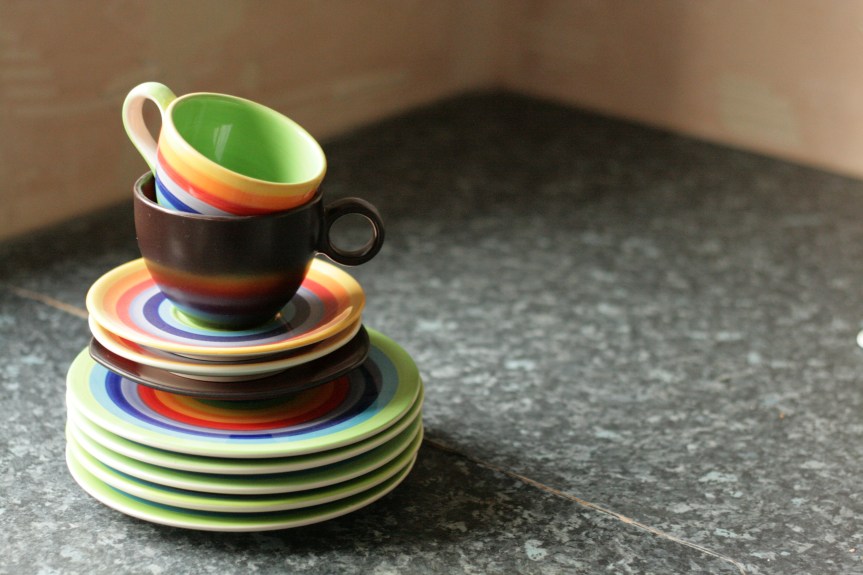
Those cups of tea that we ought to be drinking together

IMG_3617

I made a choice a while ago to go back to studying. I dedicate two to three days per week to my academic work and four full days to looking after my son. Two days per week he is at the nursery. When people tell you that as soon as a child starts the nursery, they pick up everything going, they tell the truth. And so the first months of my studies have been quite intimidating and draining… it’s been a physical as much as a mental trial…

First, what I didn’t expect was that my child’s string of colds would last for as long as five months. You just don’t predict that you will often spend your nights in a sitting position with a coughing child clinging to your chest… that you won’t often sleep at night because you’ll be checking on them, changing clothes and sheets wet with sweat and saliva, measuring doses of medicine that will often end up on the bed or on the floor because your hands are just too shaky at five in the morning to do it right. What you are not mentally prepared for is that you’ll often get flu and colds yourself and you’ll won’t be able to shake them off for weeks because your body is shattered and cannot be bothered to fight. What you don’t hope for is that when things are just looking bright your husband will all of a sudden come back earlier from work with a pale and sad looking child and that as soon as you take the little one to cuddle him … you’ll understand why they look so miserable… because before you know it you’ll be standing there in a warm and slimy puddle of vomit… wearing a handful of it and holding a share of in your hand too. What people don’t tell you about are the visits to hospital when the child’s temperature turns dangerously high, they don’t tell you about the hours that you’ll spend there feeling frightened and inadequate… because your child is sick (again) and you haven’t figured out how to make mothering work properly yet.

It was a phase. A hard, trying and tiresome phase. And it passed, I hope… but it would have been much easier if some things did not happen, if words did not happen, wretched words that sadly come from directions that you least expect. Careless criticisms of your choices. Doesn’t matter what that choice is? Just a different and independent choice. That you study. That you don’t study. That you work part-time. That you work full-time. That you don’t work. That you cook, that you don’t cook. That you buy, that you don’t buy. That you look after yourself, that you don’t look after yourself. That you stand straight and that you don’t squat. And all this happens precisely at the time when you need support and encouragement most and it feels so unfair and so ridiculous. It feels stupid and uncaring.

And I wonder now… have I done it myself? Have I made a comment to any of my friend-mums that made them feel uncomfortable? Have I been too blind to see that they needed support and a listening ear? Have I tried to understand their values and their choices? Did I give them a good word? Was I a sister?

I’ve never given up a dream of women gathering to chat and cook together. I know that it’s difficult because we are busy and our routines and schedules are different. But I think having a cup of tea together is still possible and still needed because motherhood is hard work and our experiences, the good and the bad, should be shared, appreciated and understood. I think it takes as much as a barrel of tea drunk together to learn about and to understand another mother’s circumstances, problems and capabilities… This tea and a good word is often what it takes to show support… nothing else…

I’ll have my kettle ready for the next visit.
Food making:)

What’s inside our bread?

Baked Bread

Wanted. Loved. Devoured daily. But messed with on a big scale too. Only a few decades ago in the UK its “particularly interesting” example was so white that it appeared almost luminous. People marveled over its brighter than chalk tint. The astonishing hue was mesmerizing and very few questioned its look. This was a mistake. Chlorine dioxide gas was nothing but a type of bleach used in the UK’s bread till 1999 when the government decided to put a ban on it (Whitley, 2006).

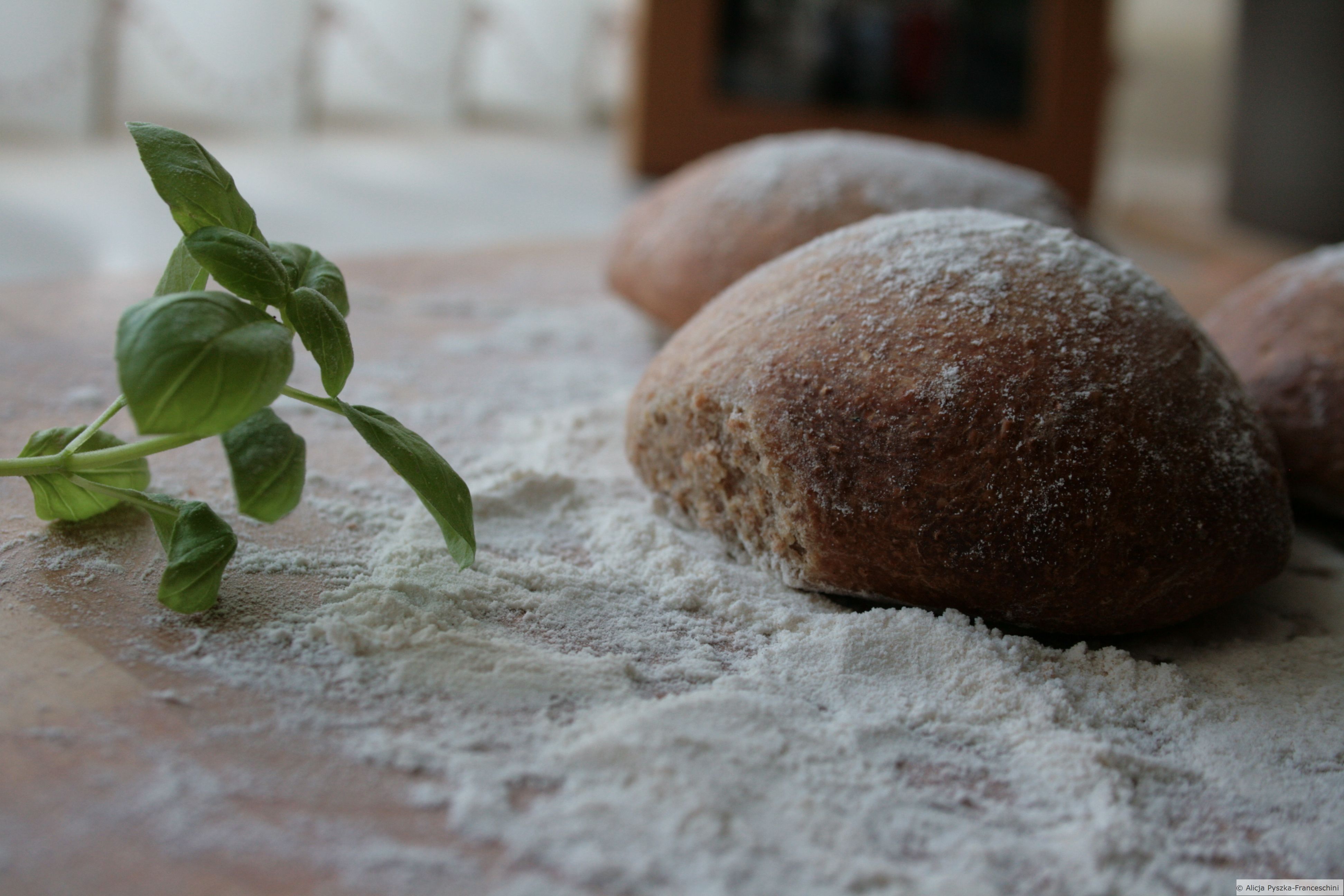
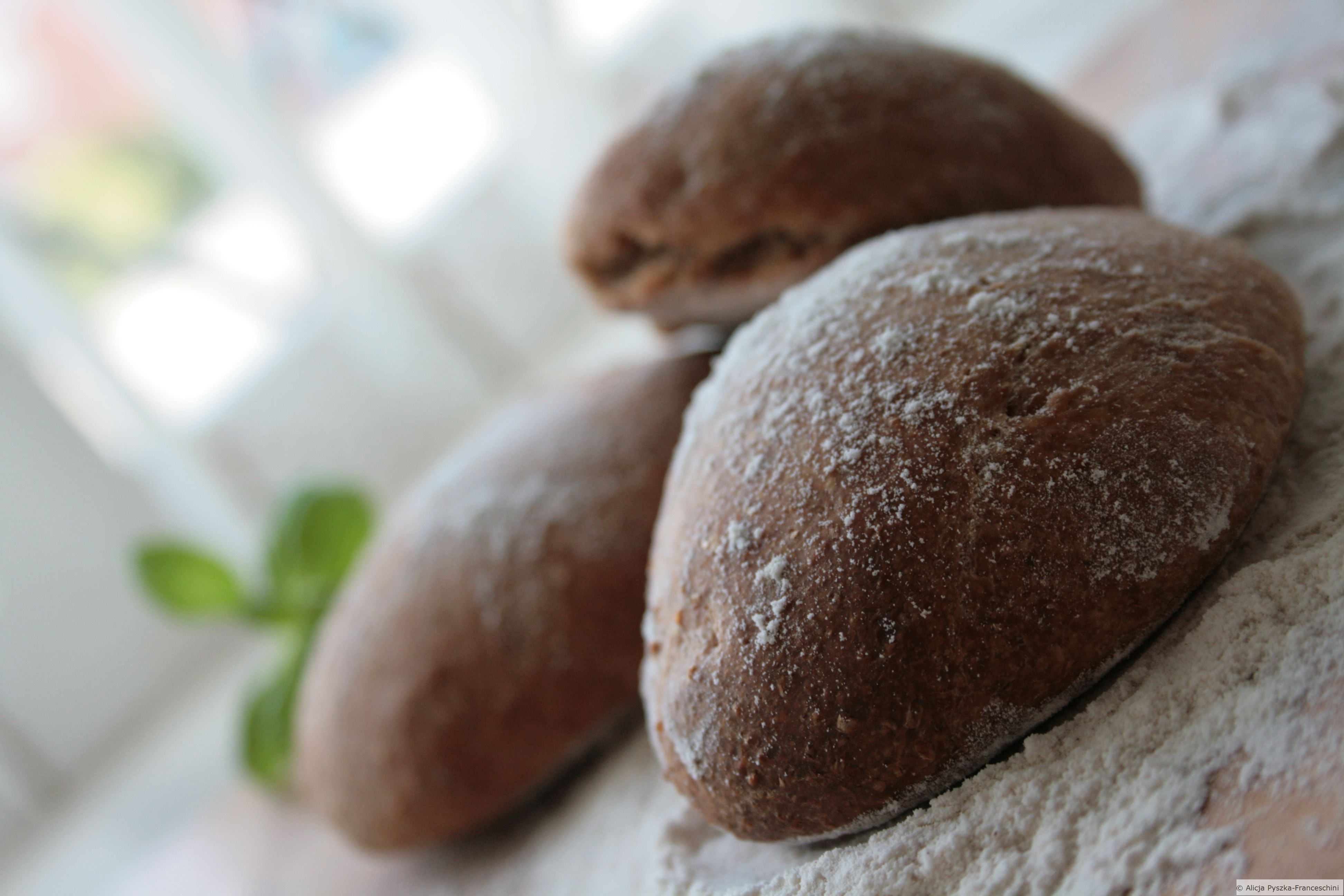
There is no chlorine dioxide in the UK’s bread today but there are still many bleaching agents, additives, preservatives and enzymes that aim to artificially enhance the taste and the look of bread, decrease its mixing and baking time and superficially boost the volume of the bread. In his book Bread Matters, Andrew Whitley gives a very long list of various enzymes (and their effects) that are used in making bread dough: Maltogenic amalyse, Peptidase, Amylase, Xylanase and many more (the names in themselves sound terrifying, don’t they?). Most breads also contain emulsifiers. Their job is to prevent the loaf from going stale too quickly. These and other supplements compromise the nutritional value of many loaves that we eat. No wonder therefore that there are more and more people who are deciding to go back to basics and who are learning to knead the bread again within the corners of their kitchens and who are finding enormous joy in doing so. Maybe it’s because they are creative with making different bread shapes (buns, rolls, loaves and flat breads), with using different flour compositions (wholemeal, white, rye, spelt, malted wheat flakes) and with putting their favourite ‘stuffing’ (sunflower seeds, sun-dried tomatoes, dates, pumpkin seeds, olives) into their breads. We do that too and I must say there is something very satisfying about baking your own bread… perhaps it is its comforting smell or the appealing symbolism that bread-making conveys… that of motherhood and that of life, strength and resilience. (More Images and Recipe Below)

Bread Recipe:

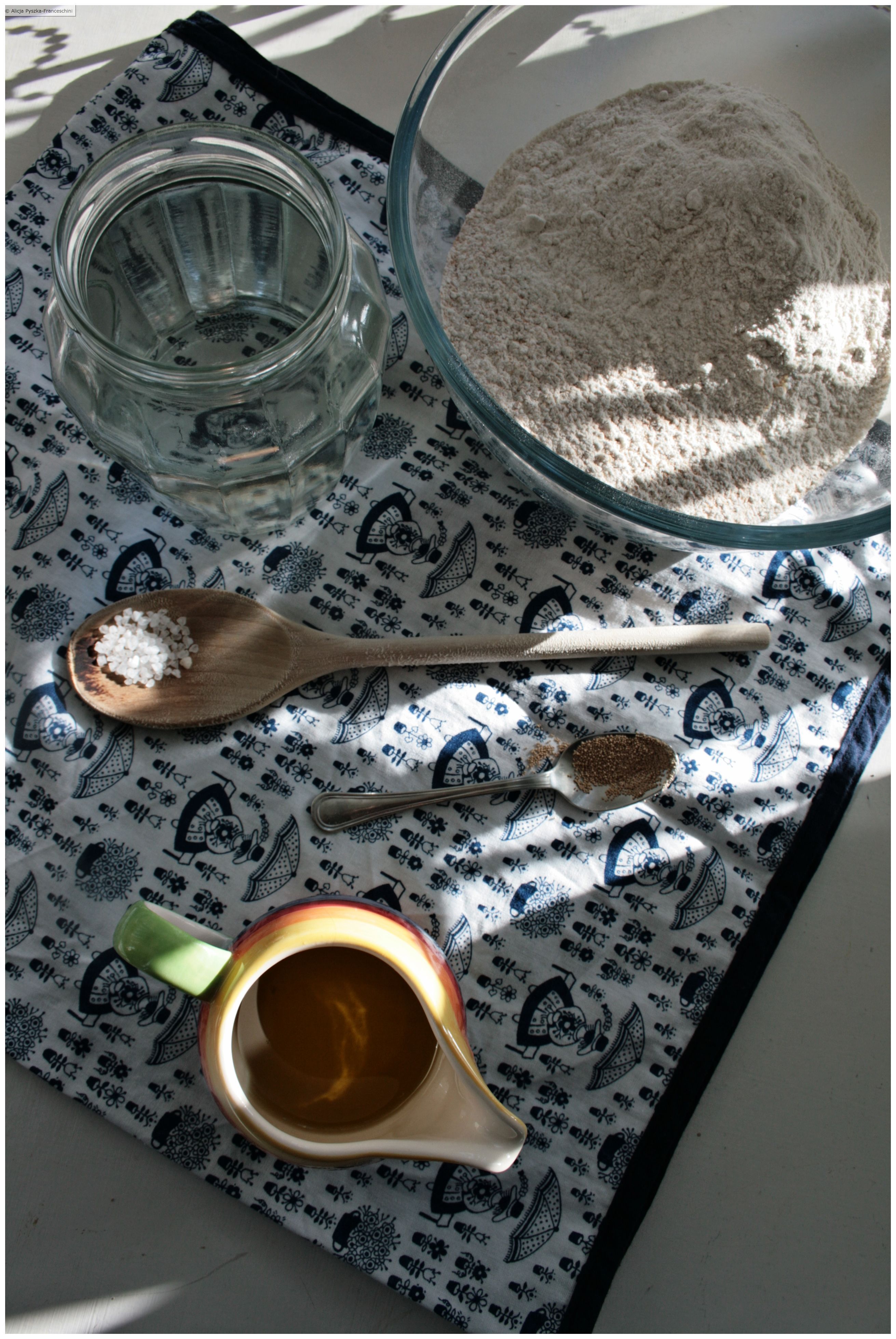
Ingredients:

250g Strong White Flour

250g Strong Wholemeal Flour

100g Malthouse Flour also known as Granary or malted wheat grain (it’s optional, but greatly enriches the flavour)

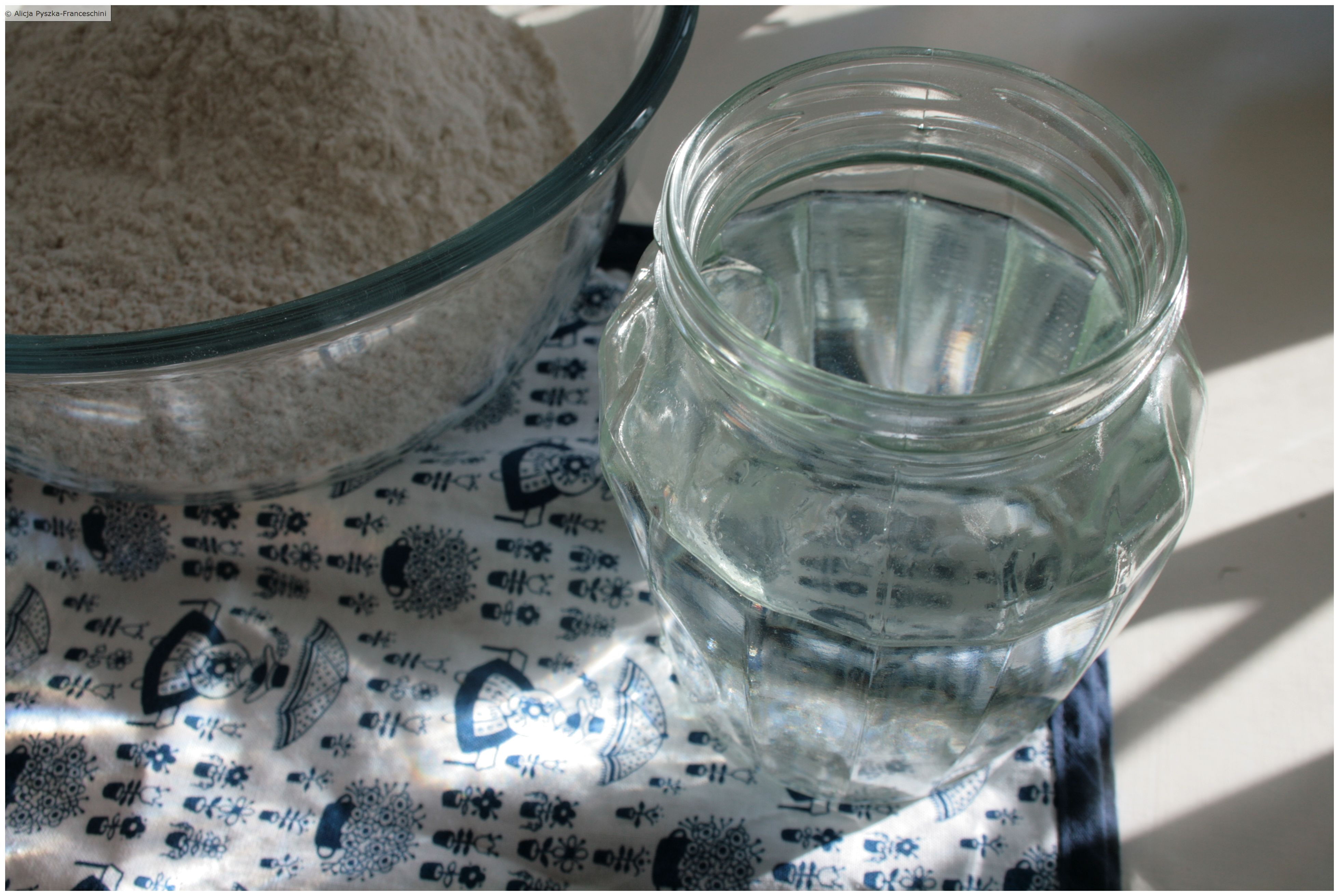
400-500ml Water

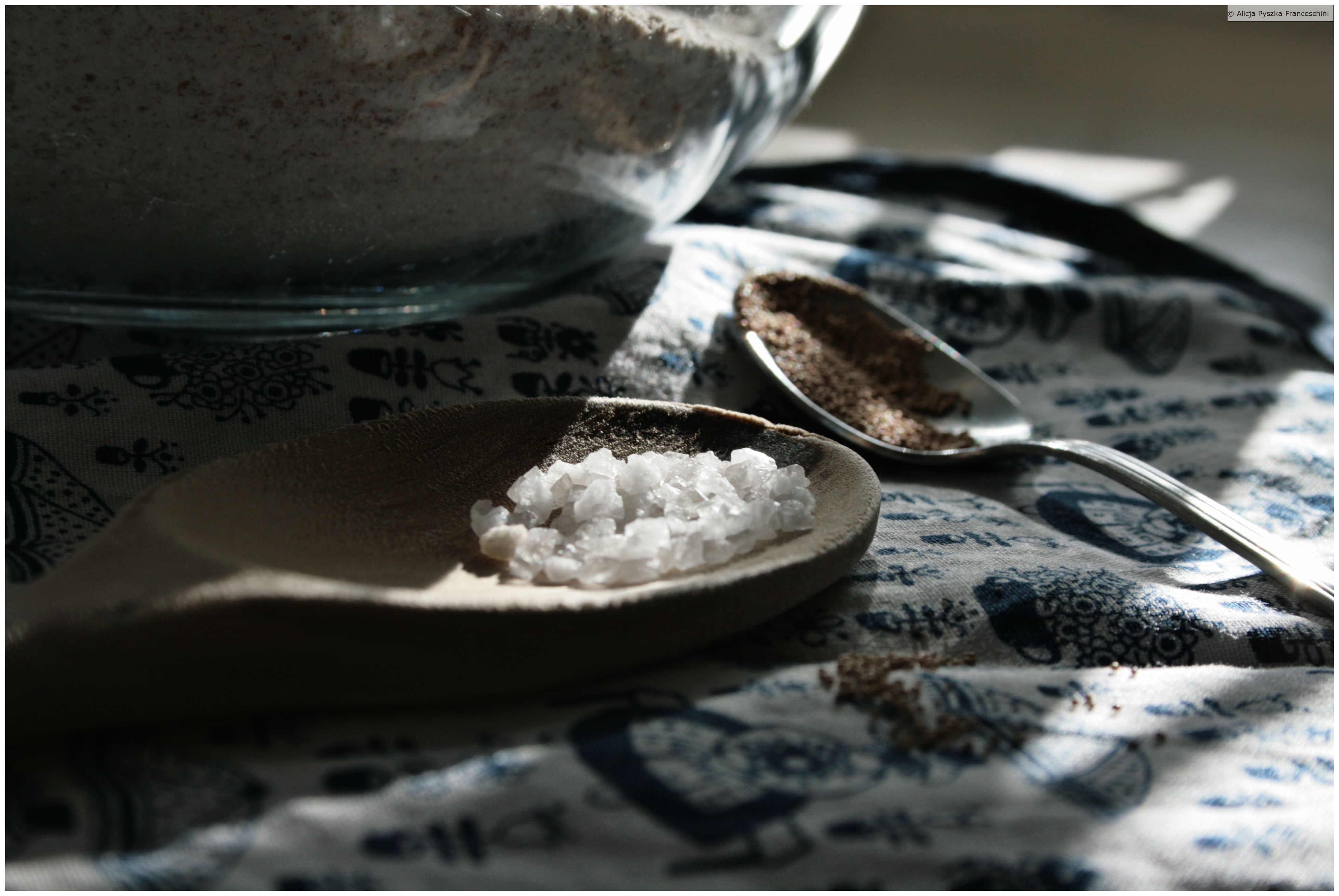
1 Teaspoon of Dried Yeast

1 to 2 Teaspoon of Salt

25-50ml Olive Oil

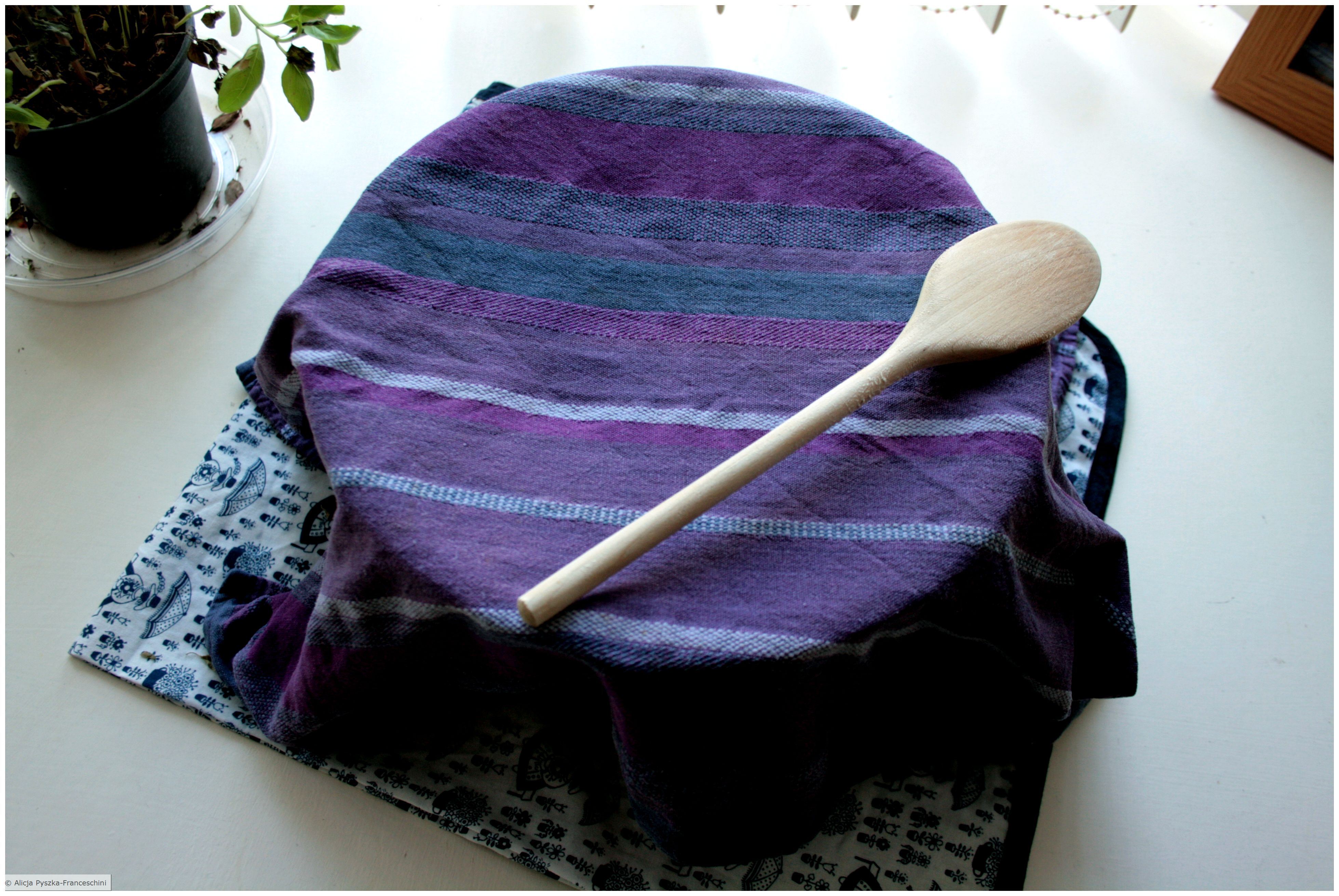
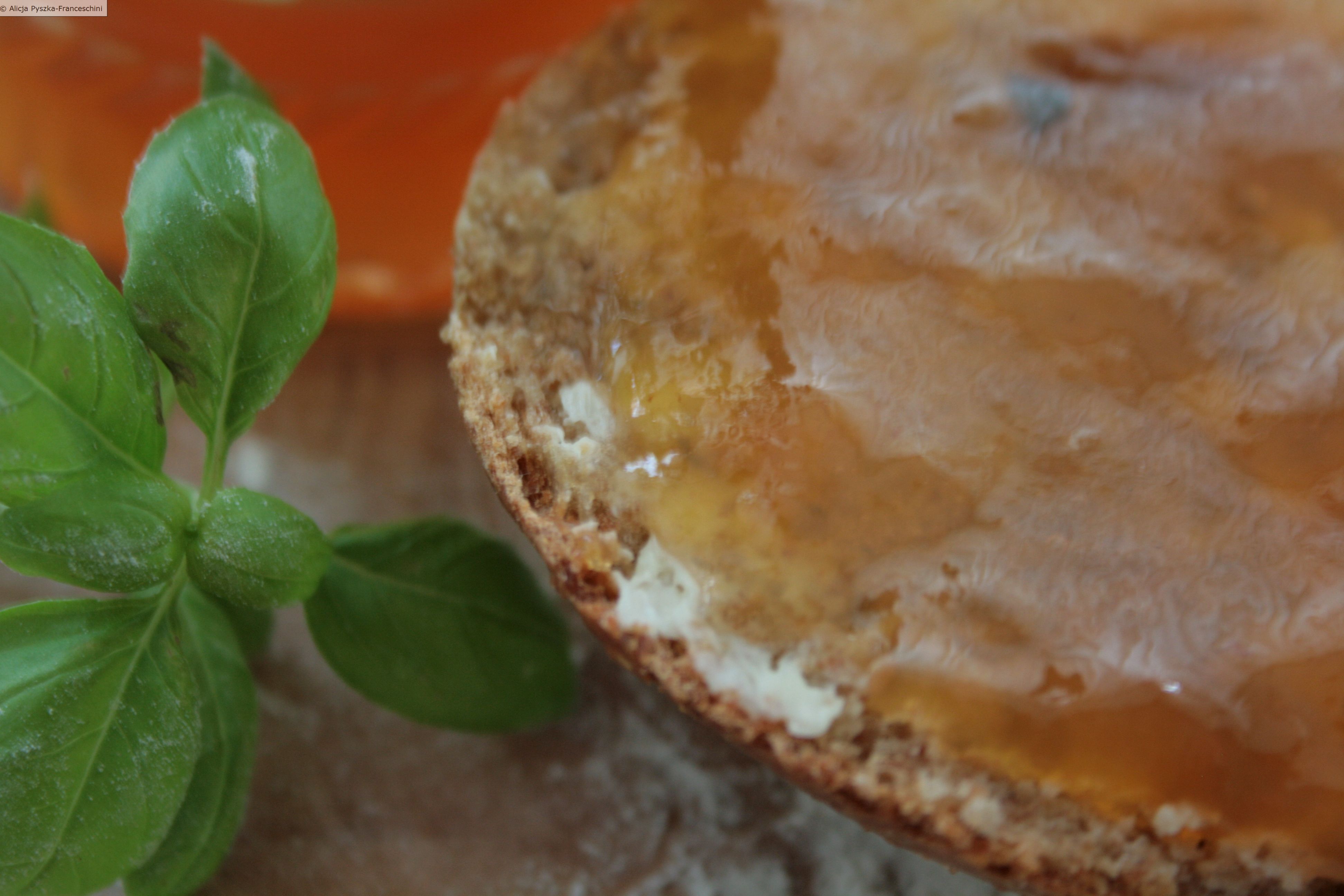
Into a small bowl of lukewarm water put the yeast with 2 spoons of flour. Put it aside for half an hour and let the yeast feed off the flour. When you see small bubbles forming on the surface of the water it means that the yeast mixture is ready. Now, in a large bowl mix all the flours with the salt and slowly stir them adding the water. It’s ok if it feels quite sticky at this point. Knead the dough for at least 10 minutes until it feels fairly soft and elastic  [you can add extra flour or water to ease the process]. Slowly pour the olive oil and again knead it into the bread mix. Form a nice rounded loaf and cover it with a wet tea towel and leave it overnight for the dough to rise. A day after, cover a flat baking tray with grease proof paper and form small (4-5 cm) buns. Add dates, sunflower seeds or nuts to the mixture if you wish. Bake in 180-200°C for around 30-40 minutes. There is no need to preheat the oven. It’s good to allow the buns to grow with the increasing heat. It’s delicious served with butter and mirabelle jam (or stuffed with dates) especially if you are only baking with wholemeal and white flours. The wholemeal can be quite bitter and the sweetness of mirabelle plums or dates just complement those flours so well. Enjoy! Bon appetite!

Ingredients

water

Salt Flour  yeast mixture Bread doughCoveredBread _Postcard Last but 1Bread PostcardBread wit mirabell jam

Based on:  Andrew Whitley (2006) Bread Matters. Fourth Estate: London.

Discovering life

Grass