DIY: Heart Made With Salt Dough

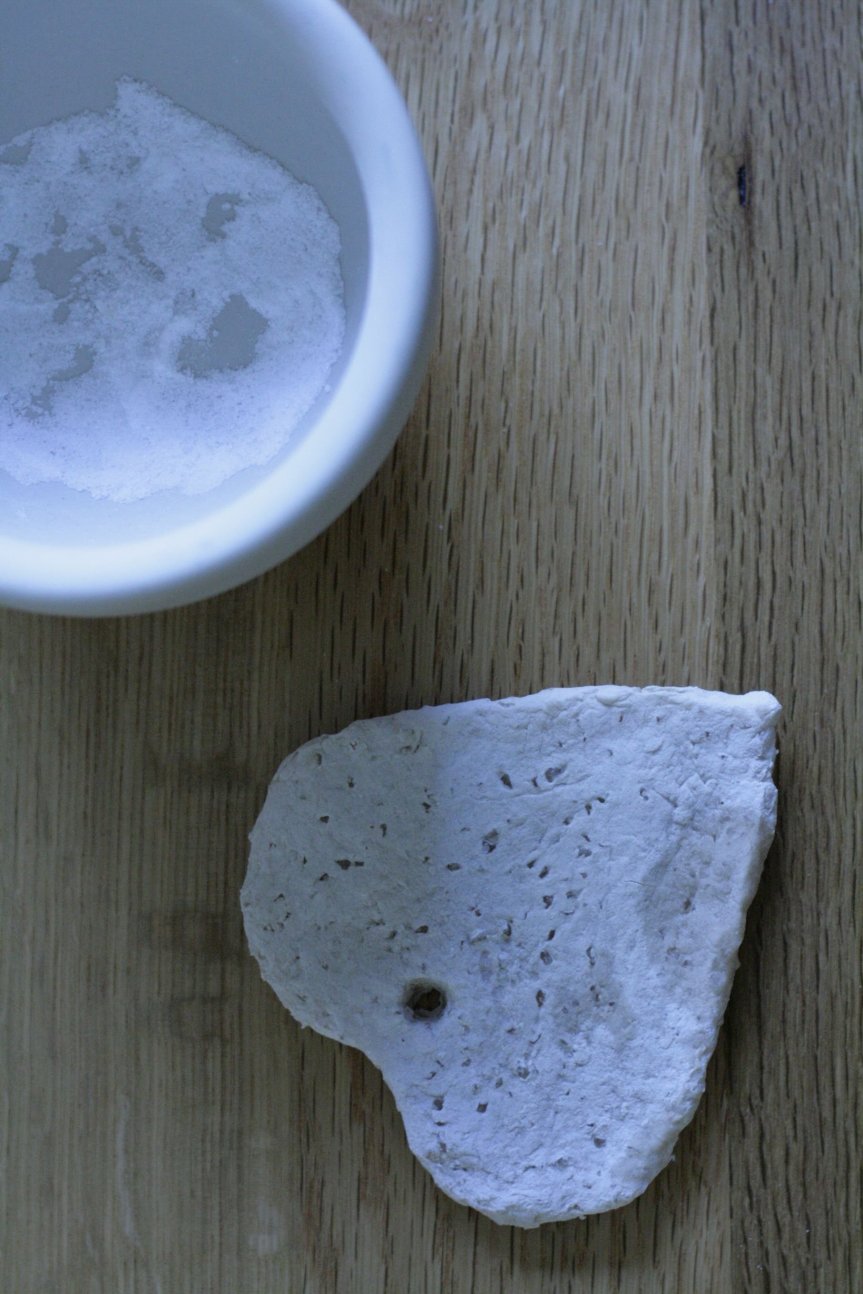
Not being able to buy anything new for brightening and decorating our house made me a little bitter recently. The winter was just terribly grey and miserable and I really would like the house to look fresh and colourful again. I want to bring the life back into it. So instead of waiting for the first spring flowers to come out, I decided to go back to my school years and employ the old and ever-so-easy method of using salt dough for making decorations. The final product might be lacking in sophistication but it does cheer me up and the house looks heartened too. ;)

Ingredients:

1 cup flour

3/4 cup salt (I used a mixture of fine and coarse salt to make the heart look rustic)

1 cup water

2 teaspoons cream of tartar

Slowly mix all the ingredients together and knead the dough for around 10-15 minutes. Create shapes of your choice and using a pen make a small hole for hanging the ornaments. Put the ornaments into the oven at around 70°C. The dough may take from an hour to a couple of hours to dry out completely depending on the size and thickness of the ornament.  Paint with any available colour. :) I used an old lace to hang the heart up. It looks perfectly fine on our window. :)

Food making:)

Careful Caring

child at play

When you have a child you think a lot about caring. You do it and you question it too. Am I doing it right? Is this how I should be looking after a child who’s ten months, one year, a year and a half, two or 16? The wondering never stops. You always look for answers. And oh yes… there are so many people, books, gurus or even companies and organizations that are delighted to tell you how to do it… naturally recommending their own preferred ways.

When you are new to the role and utterly shattered it’s all too easy to go for those choices… to be swayed by persuasion of almost anyone… and this happens precisely because you truly love and you truly care… and thus you are truly willing to extend yourselves and make those steps and sacrifices that are often prescribed as necessary and crucial for your child’s development.

I do that too. Constantly. It’s part of learning how to be a mum and how to respond to this ever-changing and evolving-before-my-eyes character. But sometimes there’s just too much advice to implement, too many demands and conflicting requirements placed on parents and when that happens all that you need is a good dose of distance and a pause to breathe and think:  Is this really what my child needs from me now? What is his personality really crying for? Is this really answering the need that emerges in the context of my family at this current moment in time? Is this caring or is this just a symbol of it?

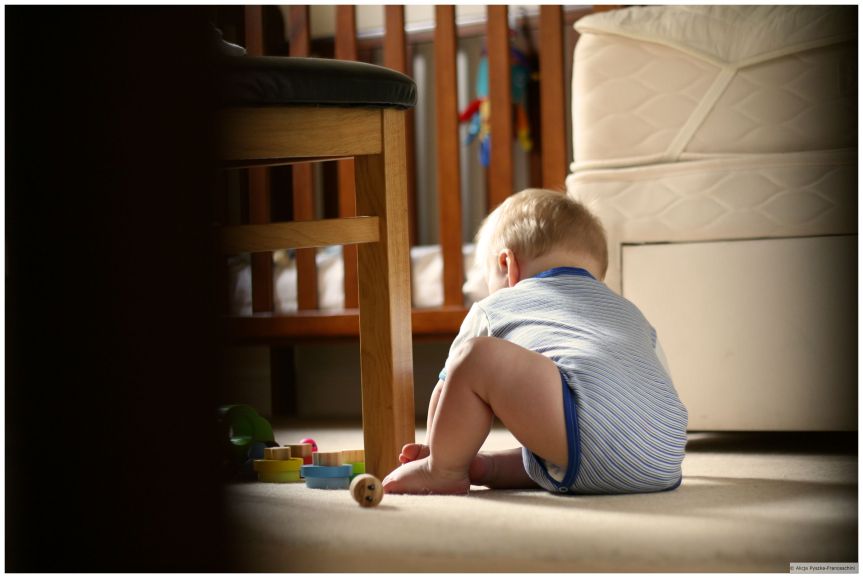
I look at my son, I observe him, I listen to his simple talking and I follow his eyes, gestures and body language and I try to look for hints and clues in him. He is telling me how he wants to be looked after… and it is mostly in his words and his behaviour that I find my answers.

And so I am reminded through these simple observation acts that caring is mainly about communication… about being willing to listen and observe. It’s in being in the present… with our child, with our families, in our spaces, and in our circumstances. The rest is just an option.

Family Feet

Let the story unfold…

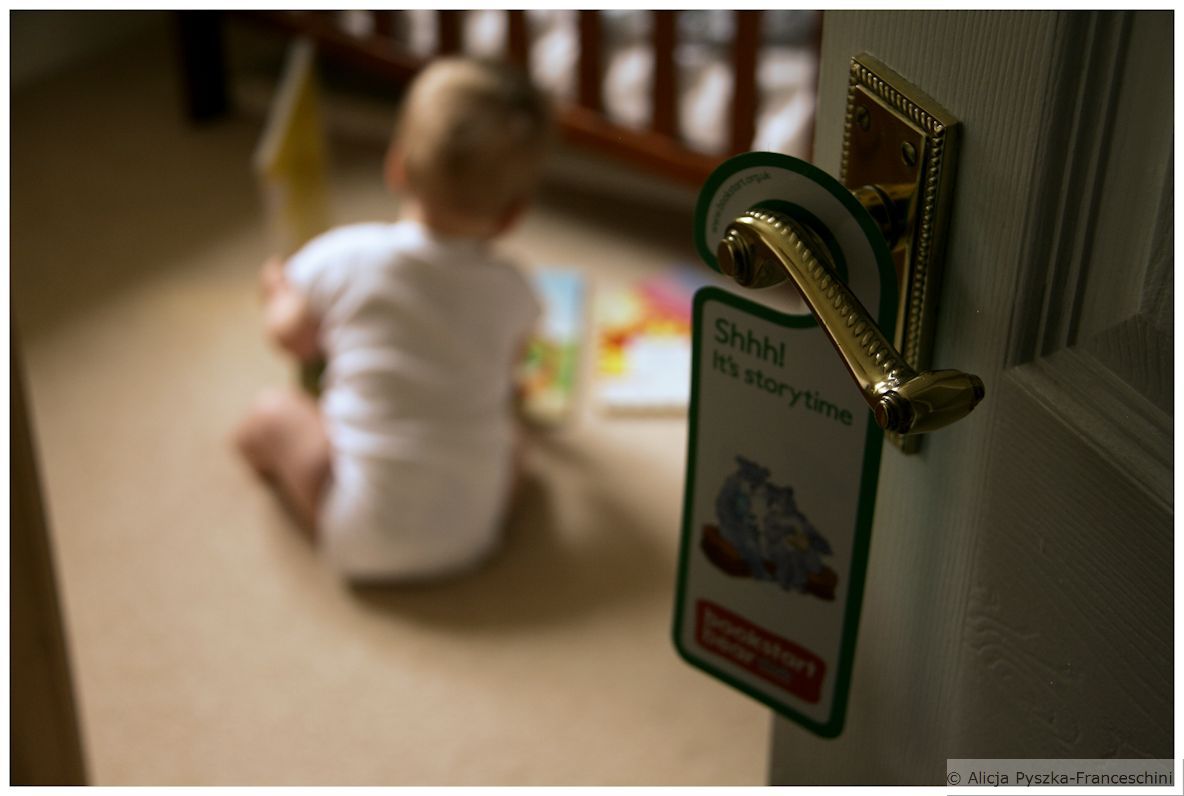
Storytime_a toddler reading a bookI always cared about books. A book was the very first thing that I bought for my son even before I got his first baby grow. Books are integral to our family life. Our spaces seem incomplete without them and our days somewhat deprived if a book is not read or heard being read.

I never had many preconceptions about motherhood or about having a family. But there was always one thing that I didn’t want for my child. I never wanted to create a home where stories are not read, not told, not re-enacted or not invented. I never wanted books to be just lonely physical objects perched on shelves. In fact, I often felt sorry for those children who are given wonderful gifts of tales and fables and nothing is done with them… where those presents are really never unwrapped for them which means that the stories for these children never come to life. This is such a waste. Isn’t it true that to a large extent stories shape childhood? The stories we read, the stories we tell, the stories we repeat…. they make an impact on our child’s character and on the ways in which they perceive the world around them and their own role in it… Stories warn, stories educate, stories entertain and comfort… Stories remain when we are gone.

That first book that I purchased two years ago… There was a wonderland in that book. And I wanted my son to be transported there. There was vibrancy and strength in that book. And I wanted him to be energized by it. There was a meaning within the story. I wanted him to remember its message. And mainly there was joy… a pure joy that I sensed would emerge from engaging with it. A break. For my son and for me. Joyful, peaceful and energizing break.

Mothering with books is a form of simplified parenting. You allow the books to do the hard work of showing, telling, instructing and in many cases they are probably more effective than we are. It’s just much easier to follow a story than a parent. This year I am not buying any books but I am writing stories and poems because I see them as crucial for my son’s development. I see them as essential for his imagination, health and playtime. Without them I wouldn’t be myself and my son would not have the childhood that he deserves to have.

I know I am just a mum of a toddler… of a boy who cannot engage with an elaborate story yet and who frankly has just only recently moved on from the stage of book eating to actually being able to listen to the story. You may think that reading is not really that significant at this stage… that stories do not make as much impact…Well.. you see… I look at this small child and I look at the way he handles his books and I see a very strong need in him… the need to engage with the world that’s presented on those pages… the need to know, the thirst to understand… those small things such as why the little chicken is pulling a bucket full of water from the well or why the small kitten is in bed with a high temperature. How can you not tell the whole story when those small eyes are pleading to know?

What’s inside our bread?

Baked Bread

Wanted. Loved. Devoured daily. But messed with on a big scale too. Only a few decades ago in the UK its “particularly interesting” example was so white that it appeared almost luminous. People marveled over its brighter than chalk tint. The astonishing hue was mesmerizing and very few questioned its look. This was a mistake. Chlorine dioxide gas was nothing but a type of bleach used in the UK’s bread till 1999 when the government decided to put a ban on it (Whitley, 2006).

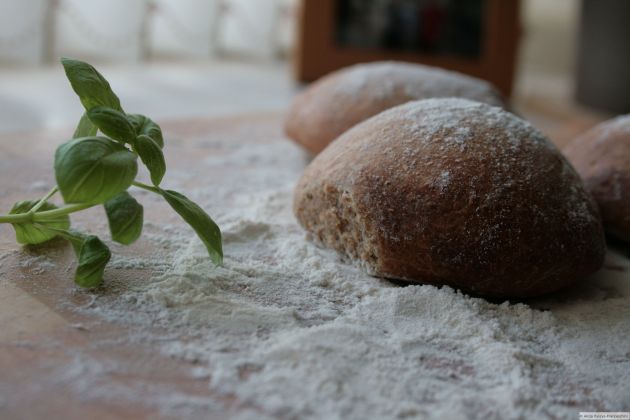
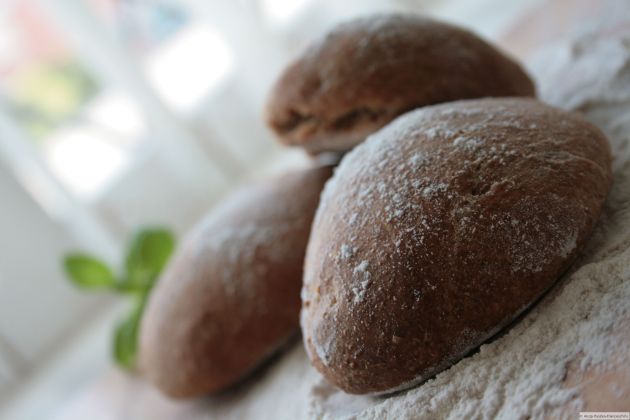
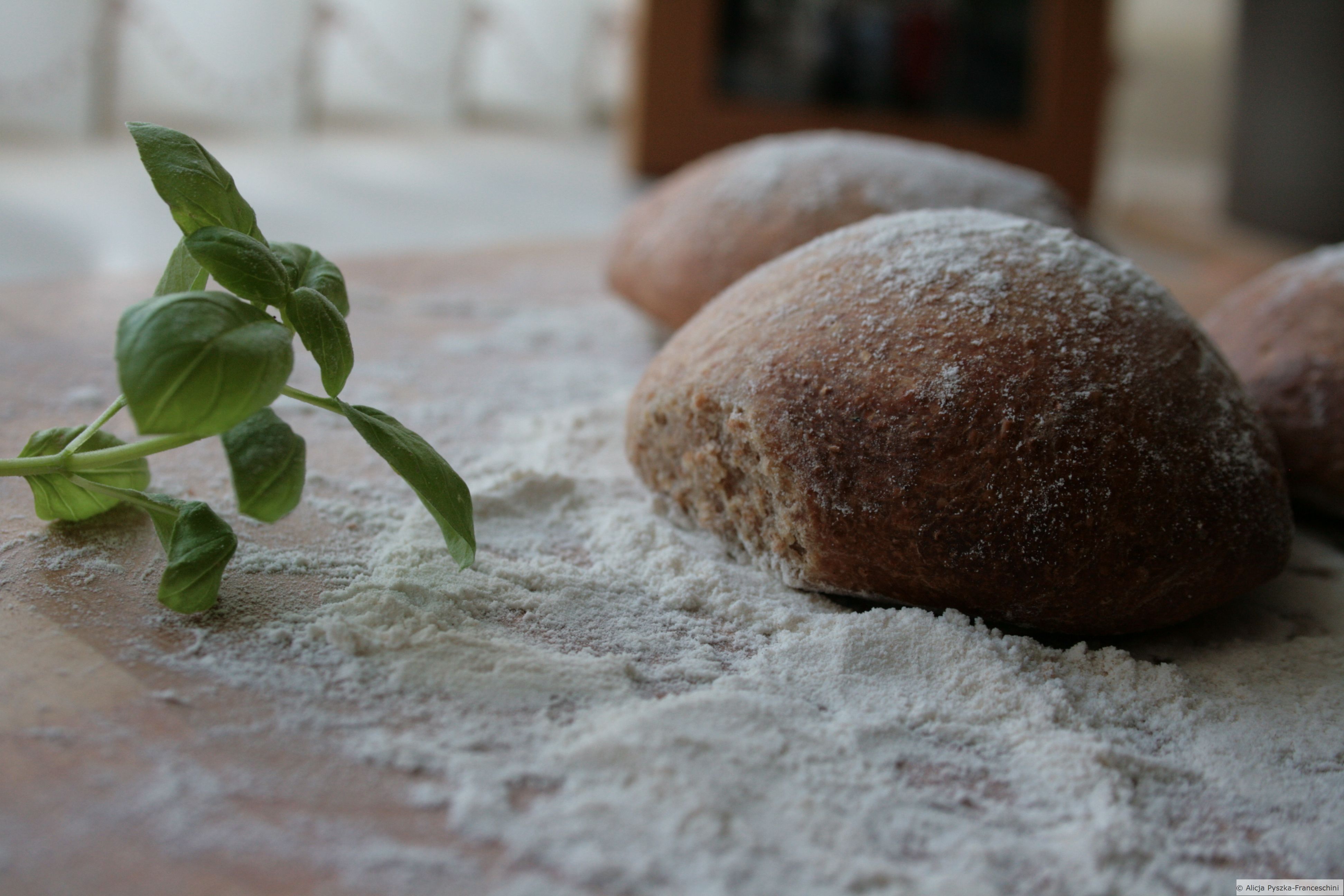
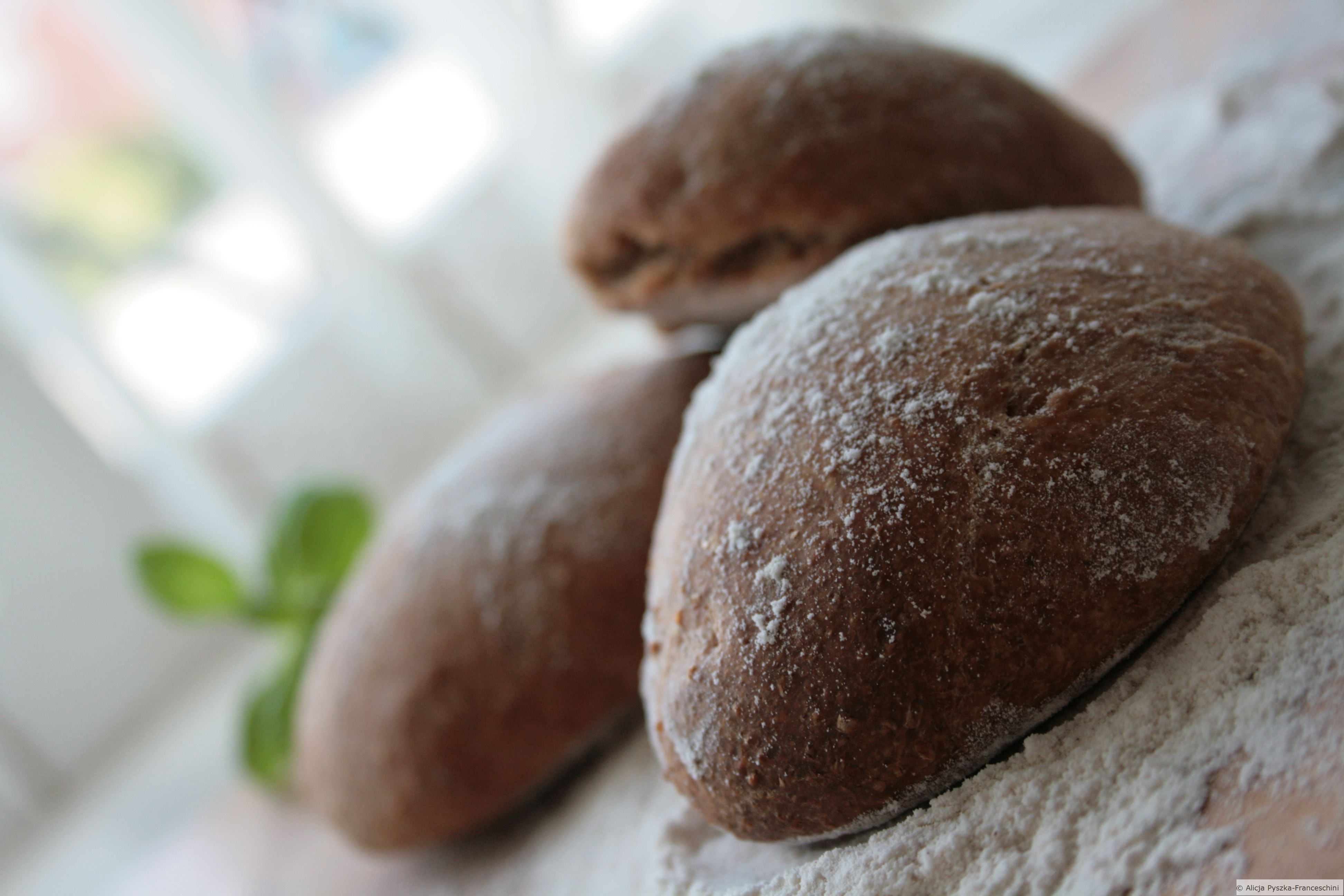
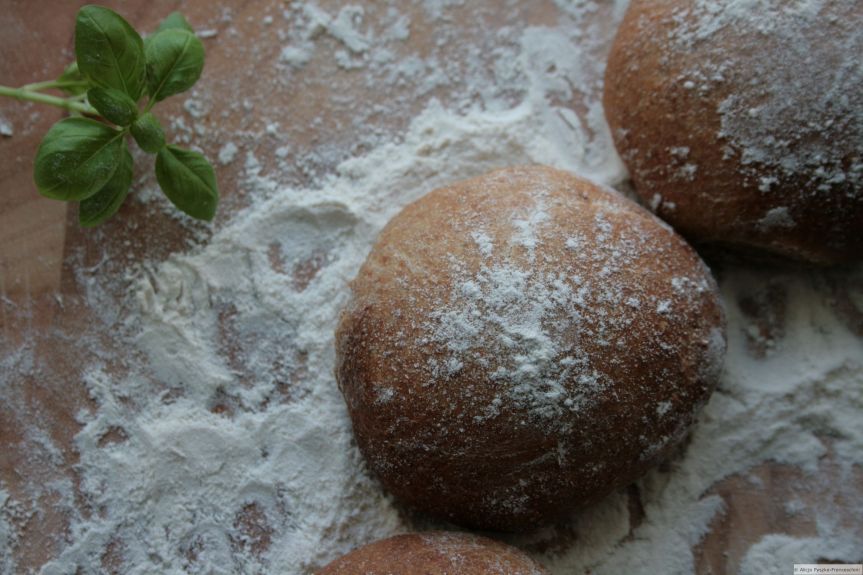
There is no chlorine dioxide in the UK’s bread today but there are still many bleaching agents, additives, preservatives and enzymes that aim to artificially enhance the taste and the look of bread, decrease its mixing and baking time and superficially boost the volume of the bread. In his book Bread Matters, Andrew Whitley gives a very long list of various enzymes (and their effects) that are used in making bread dough: Maltogenic amalyse, Peptidase, Amylase, Xylanase and many more (the names in themselves sound terrifying, don’t they?). Most breads also contain emulsifiers. Their job is to prevent the loaf from going stale too quickly. These and other supplements compromise the nutritional value of many loaves that we eat. No wonder therefore that there are more and more people who are deciding to go back to basics and who are learning to knead the bread again within the corners of their kitchens and who are finding enormous joy in doing so. Maybe it’s because they are creative with making different bread shapes (buns, rolls, loaves and flat breads), with using different flour compositions (wholemeal, white, rye, spelt, malted wheat flakes) and with putting their favourite ‘stuffing’ (sunflower seeds, sun-dried tomatoes, dates, pumpkin seeds, olives) into their breads. We do that too and I must say there is something very satisfying about baking your own bread… perhaps it is its comforting smell or the appealing symbolism that bread-making conveys… that of motherhood and that of life, strength and resilience. (More Images and Recipe Below)

Bread Recipe:

Ingredients:

250g Strong White Flour

250g Strong Wholemeal Flour

100g Malthouse Flour also known as Granary or malted wheat grain (it’s optional, but greatly enriches the flavour)

400-500ml Water

1 Teaspoon of Dried Yeast

1 to 2 Teaspoon of Salt

25-50ml Olive Oil

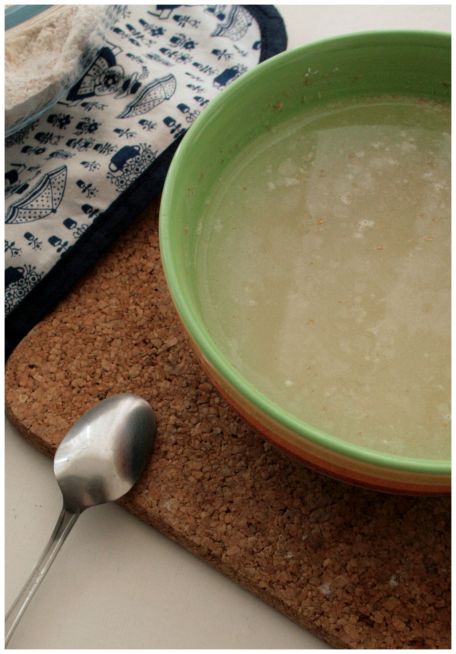
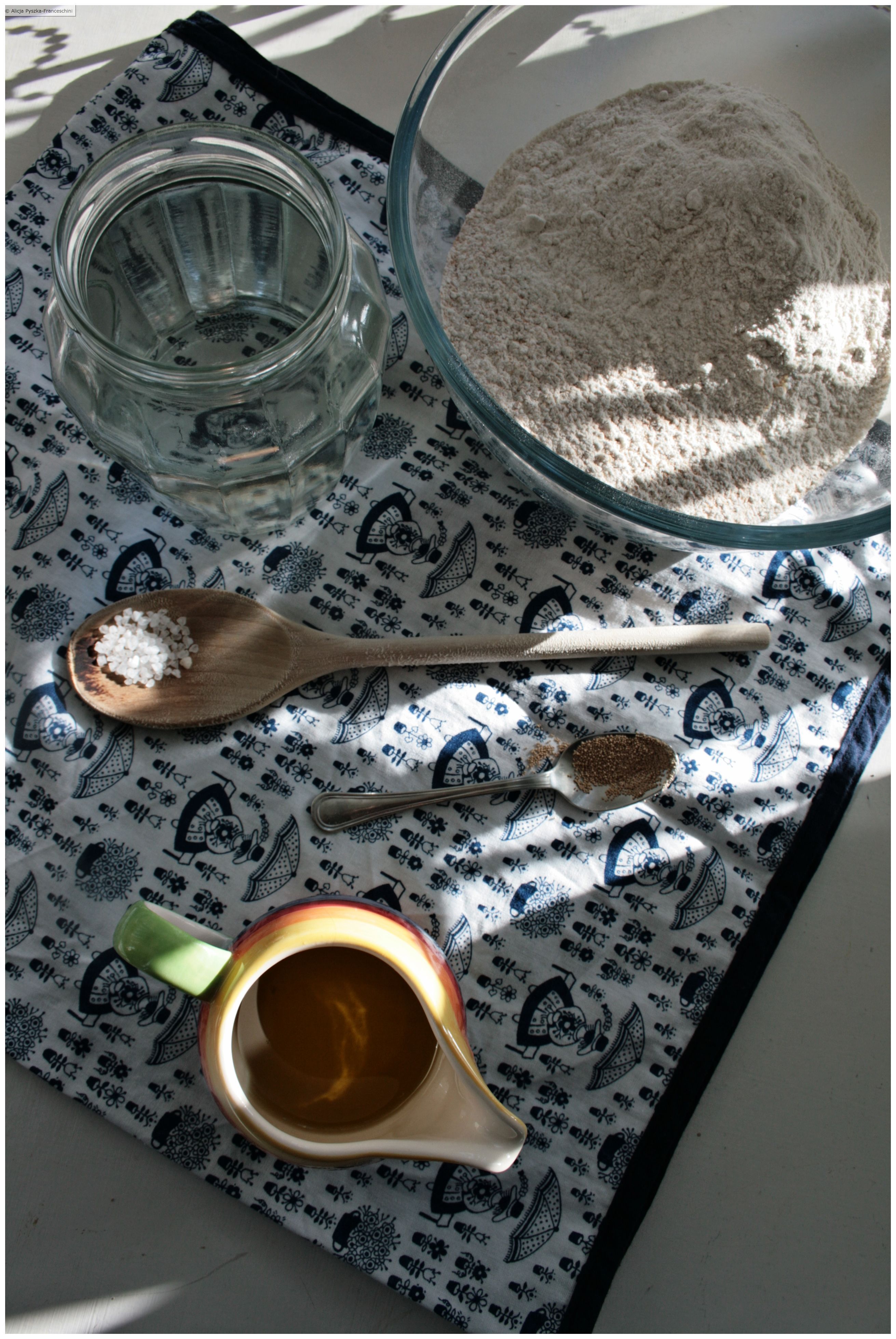
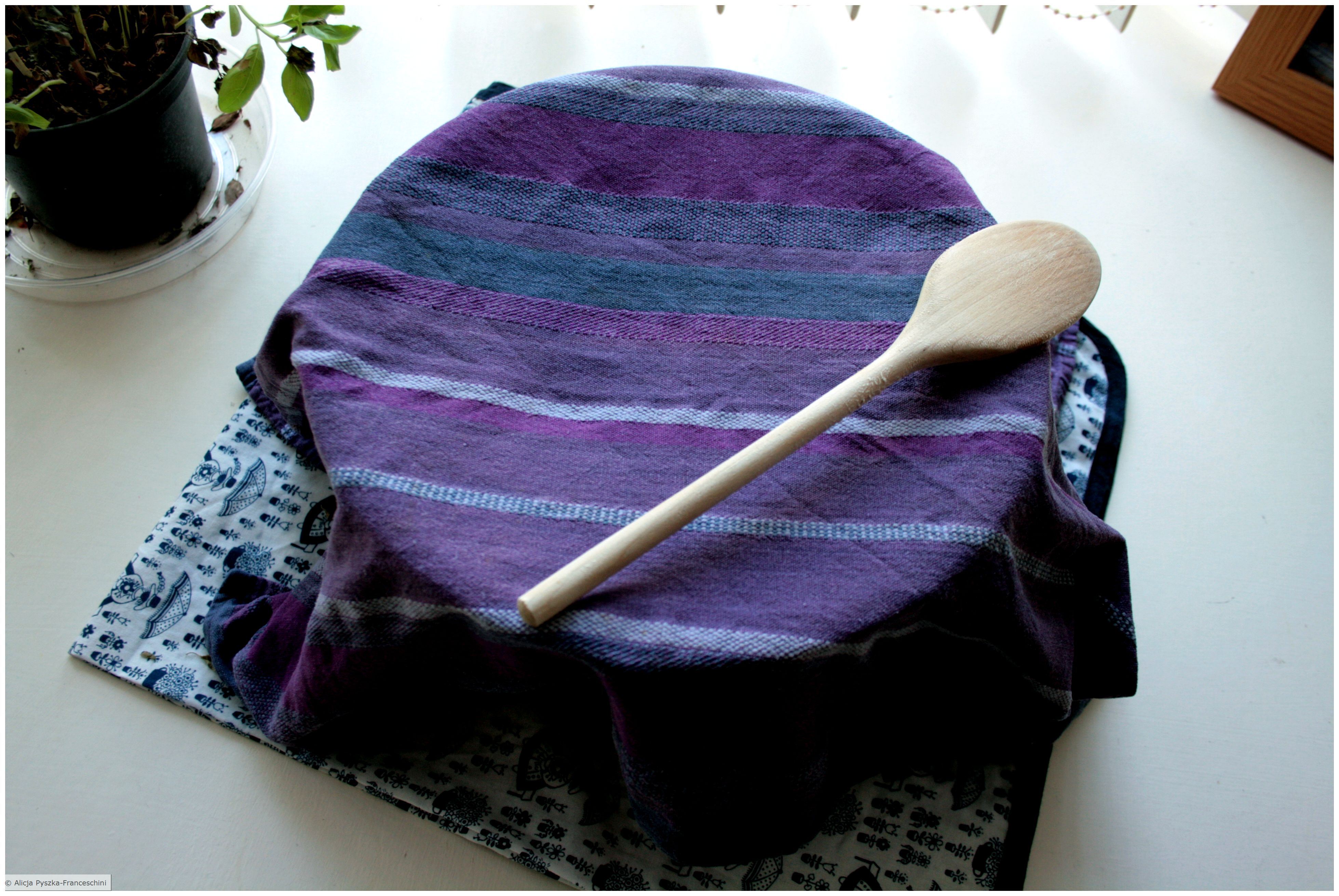
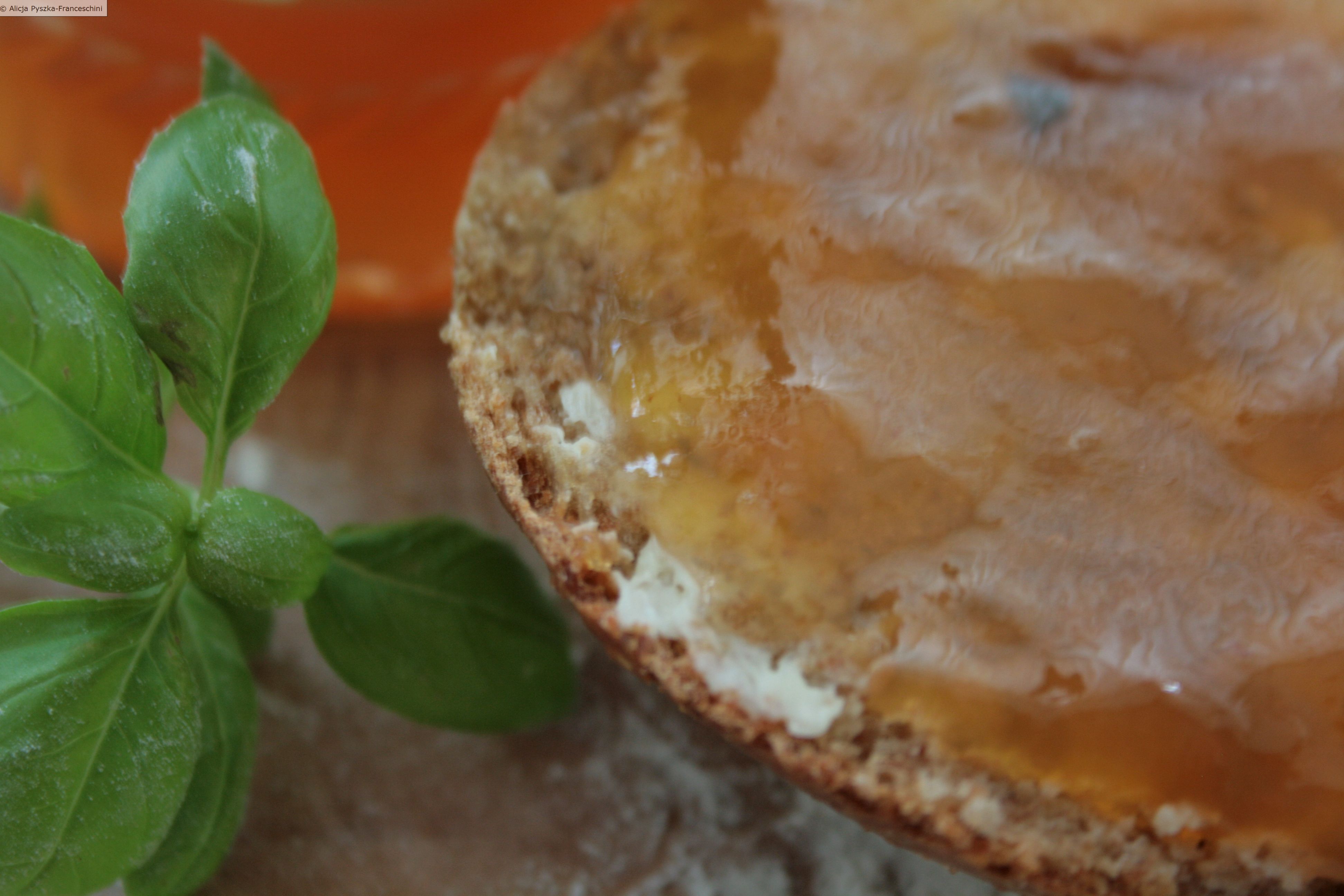
Into a small bowl of lukewarm water put the yeast with 2 spoons of flour. Put it aside for half an hour and let the yeast feed off the flour. When you see small bubbles forming on the surface of the water it means that the yeast mixture is ready. Now, in a large bowl mix all the flours with the salt and slowly stir them adding the water. It’s ok if it feels quite sticky at this point. Knead the dough for at least 10 minutes until it feels fairly soft and elastic  [you can add extra flour or water to ease the process]. Slowly pour the olive oil and again knead it into the bread mix. Form a nice rounded loaf and cover it with a wet tea towel and leave it overnight for the dough to rise. A day after, cover a flat baking tray with grease proof paper and form small (4-5 cm) buns. Add dates, sunflower seeds or nuts to the mixture if you wish. Bake in 180-200°C for around 30-40 minutes. There is no need to preheat the oven. It’s good to allow the buns to grow with the increasing heat. It’s delicious served with butter and mirabelle jam (or stuffed with dates) especially if you are only baking with wholemeal and white flours. The wholemeal can be quite bitter and the sweetness of mirabelle plums or dates just complement those flours so well. Enjoy! Bon appetite!

Ingredients

water

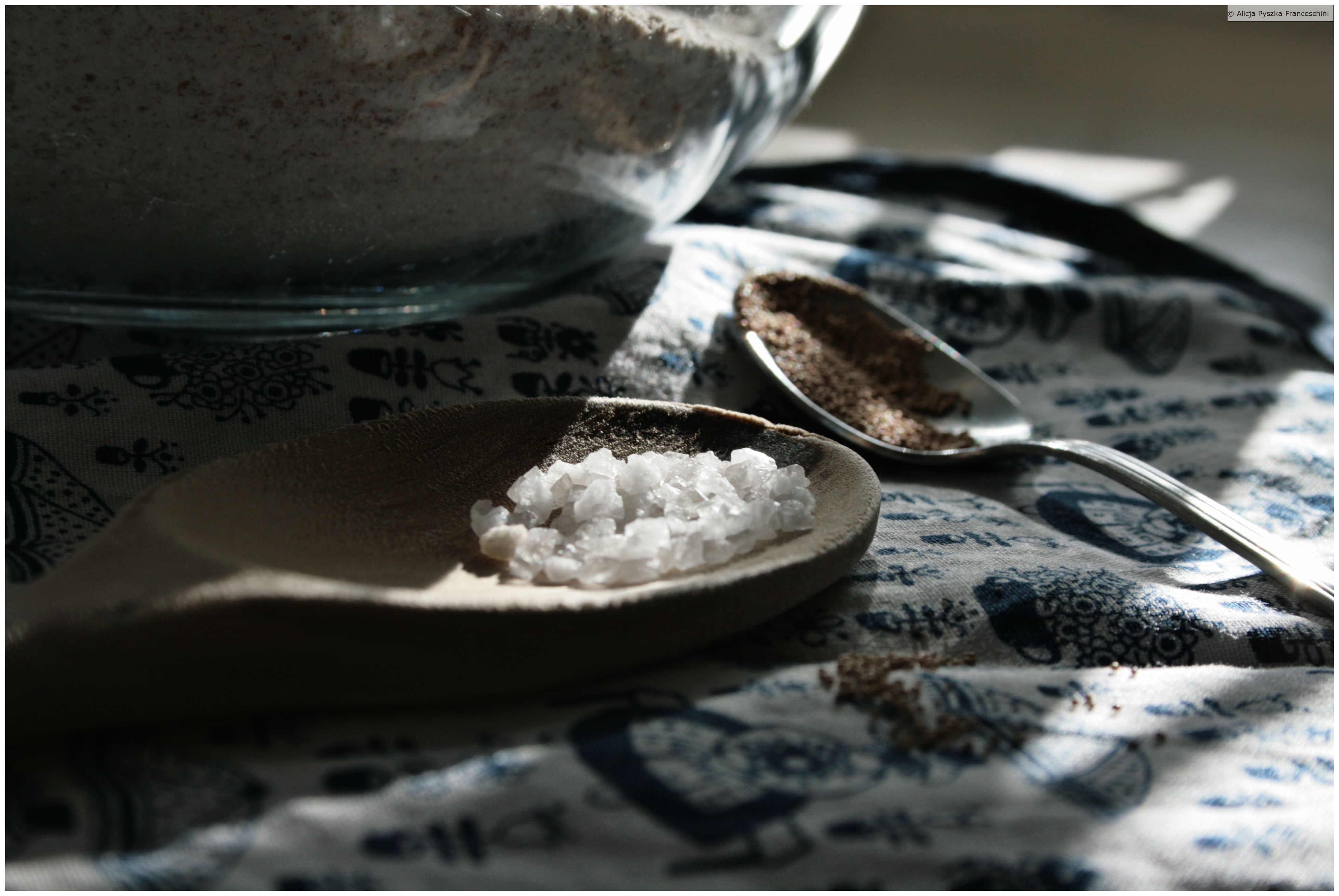
Salt Flour  yeast mixture Bread doughCoveredBread _Postcard Last but 1Bread PostcardBread wit mirabell jam

Based on:  Andrew Whitley (2006) Bread Matters. Fourth Estate: London.