The bridge where tantrums melt

sunny spellsduck feedingfeeding ducks2

birds feedingthe bridge 2

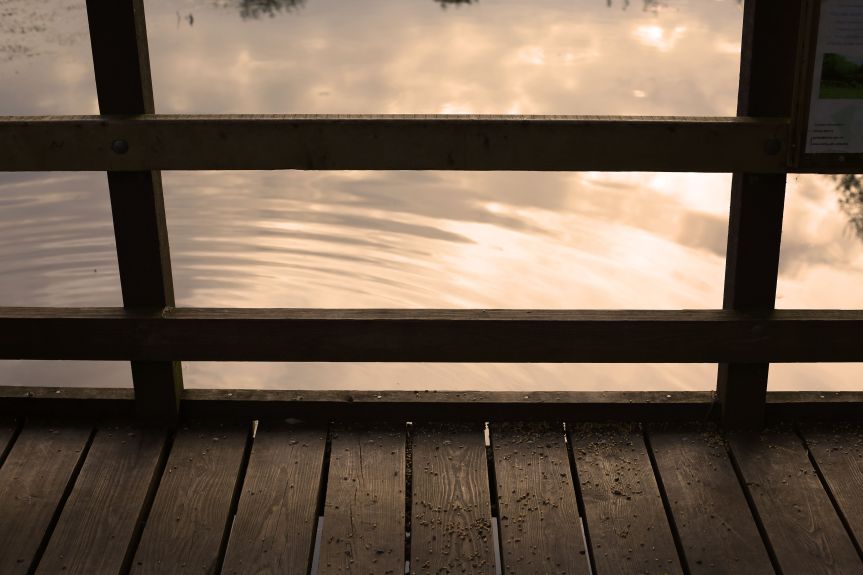
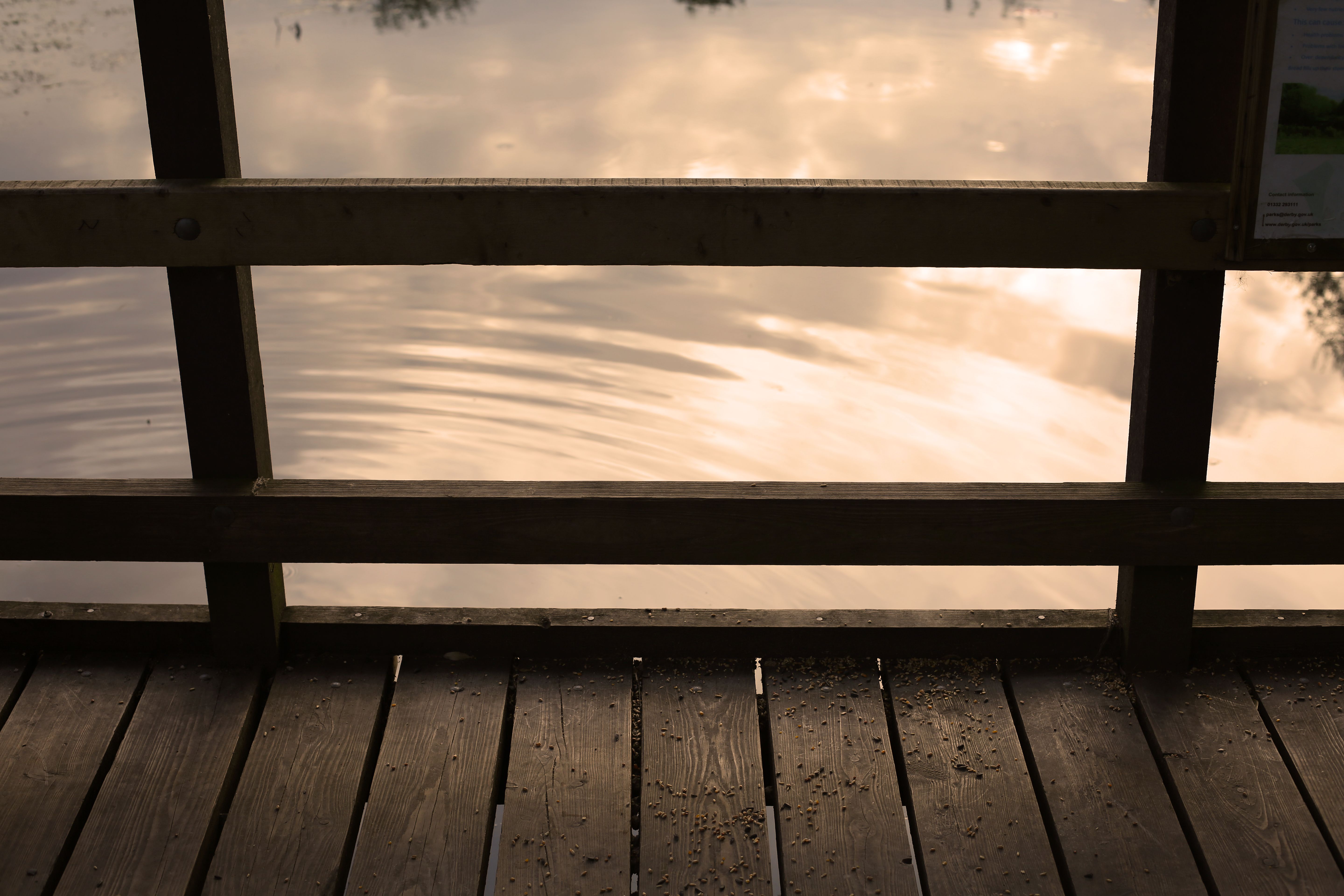
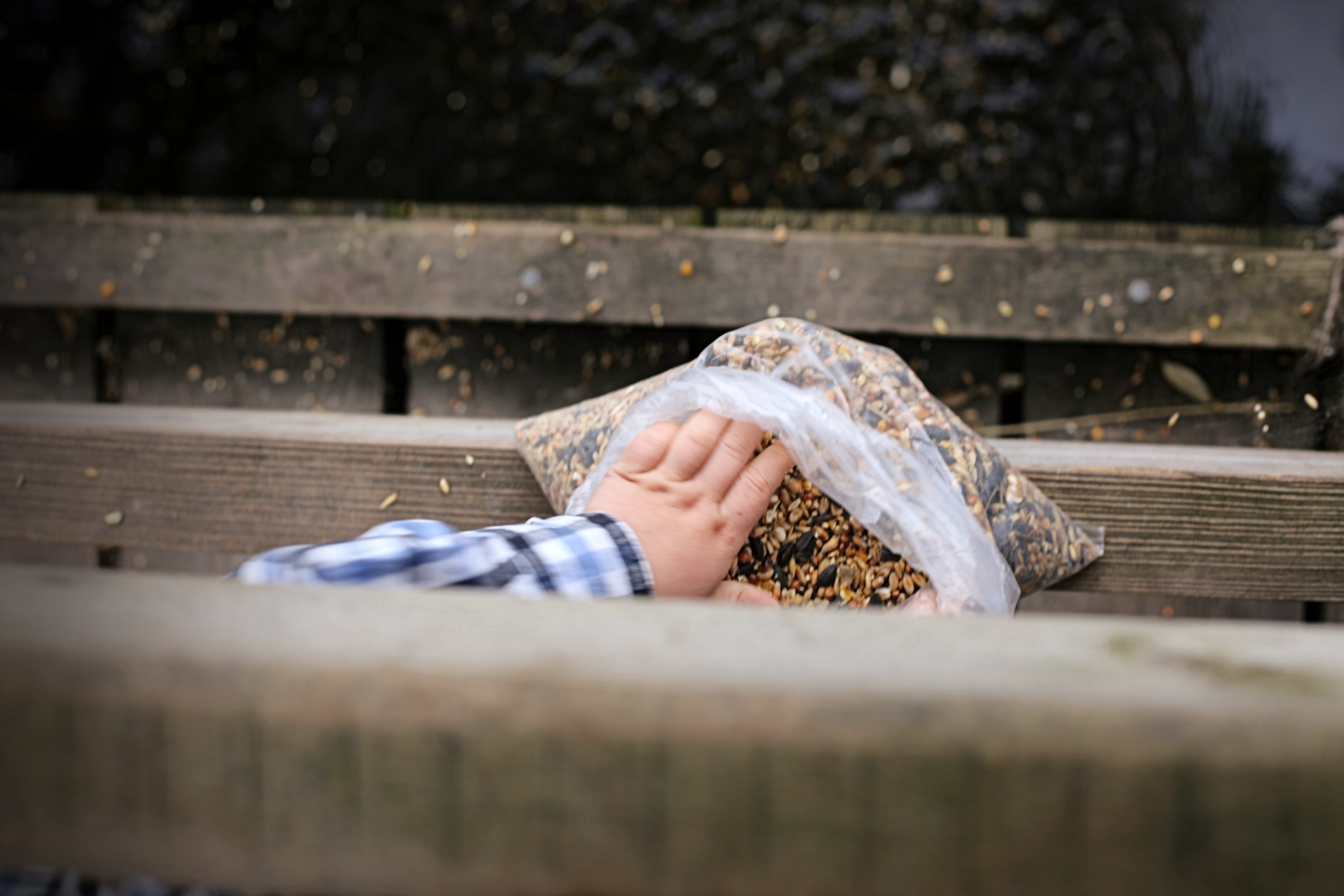
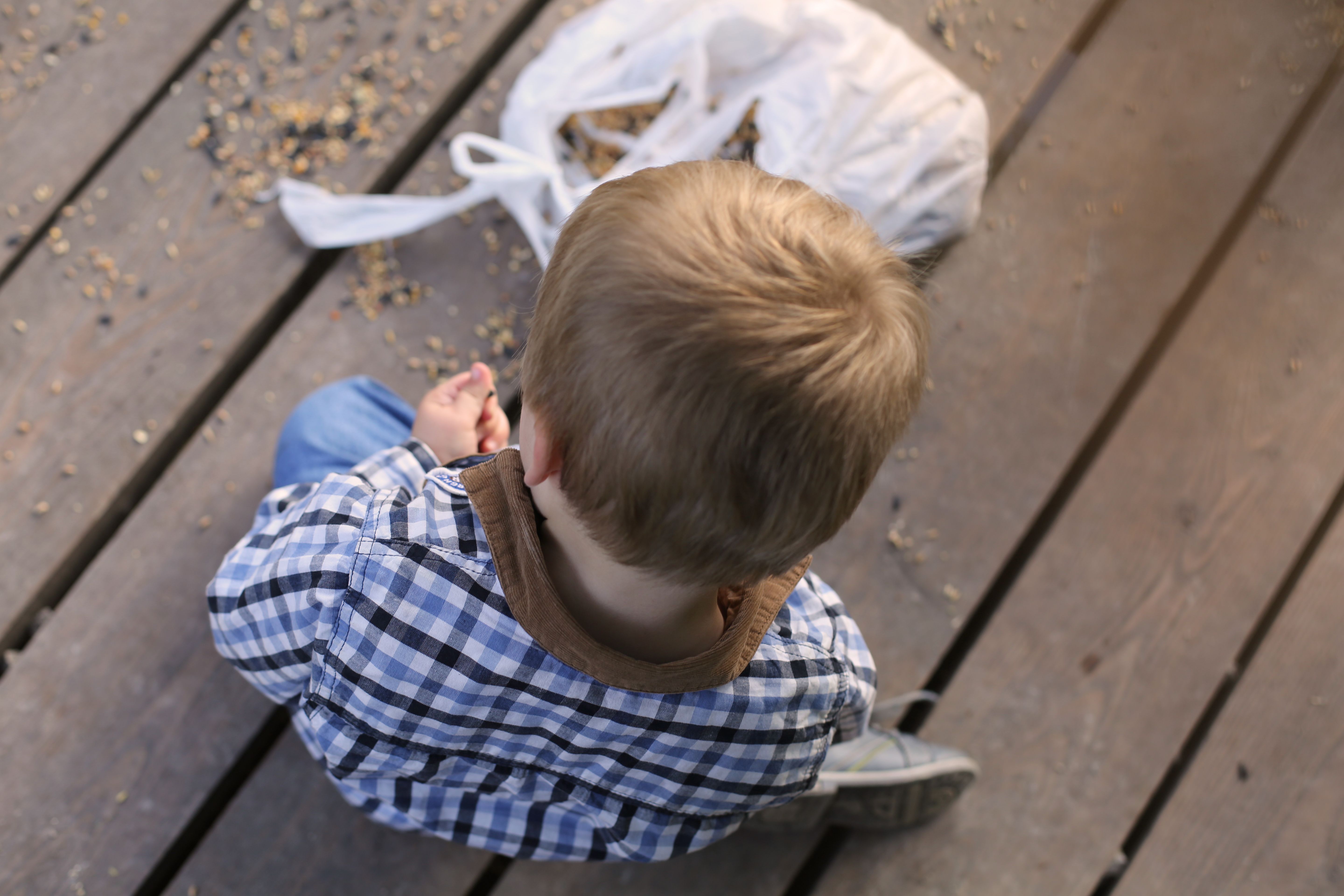
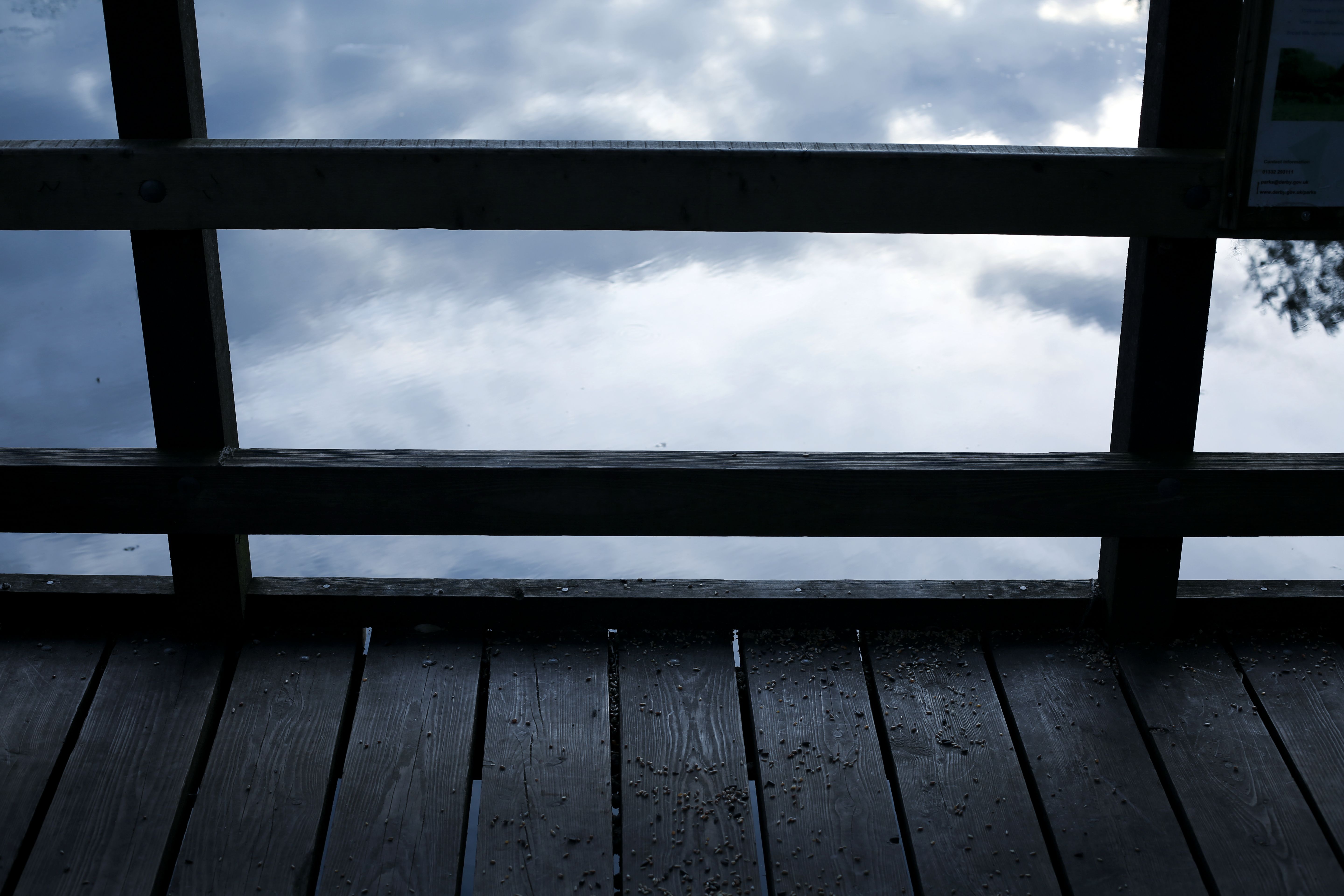
There is a bridge close to my house where tantrums melt and calm proceeds. I’m not quite sure what it is in that place that pacifies difficult feelings and makes more reassuring communication possible. Maybe it’s the joy of reaching a destination that does it or the task of feeding ducks or just being surrounded by nature or maybe all of these things taken together. Life just seems to float there. Just like the water under the bridge.

It’s not only the toddler who needs the bridge. I need it too, to quieten my internal communication with myself. August has been quite intense for me as the next few months are likely to be. When the pressure is high, I really appreciate open spaces more than anything. Perhaps I also have got a kicking and screaming toddler in myself who can only collect herself when out in the wild.

When I used to work in my dad’s orchard, my sister and I would spend a lot of time just looking into the sky, watching the passing clouds, connecting with the heavens. I noticed that my son loves doing it too. Looking up, breathing deeply. It’s reassuring, isn’t it? That under the clouds we are all small people.

What can make us stronger?

caring

‘Trust yourself. Create the kind of self that you will be happy to live with all your life.’ ~Golda Meir

“Trust yourself. Create the kind of self that you will be happy to live with all your life.” These words live with me ever since I’ve come across them. I believe in character development. I wish we were talking and thinking more about it. I wish our daily conversations included discussions on ways in which we could become better people, on developing better habits or character traits than on making money or losing kilograms. I know that for many, and for me at times too, these are legitimate concerns, but I don’t think they should be our main focus and drive in life.

A year after giving birth to my son I got ill. Pregnancy and early caring really weakened my body and immune system. Fortunately, modern medicine knows, at least partially, how to deal with cases like mine and set me on the right course. Nonetheless, this for me was a wake up call and a good time to take a new direction in life. I’ve been asking myself serious questions. What are the things that I would like to leave after myself to the world? What would I like to change? Have I been really making the most out of what’s good about me? Have I been caring enough for the people who are next to me?

One of my convictions that strengthened at that time was that I don’t want to leave too much rubbish after myself. I am embarrassed at how passive I was for years about protecting the Earth and its resources, how carefree and careless I was too. When it comes to the environment, it’s not enough to know things, it’s not enough to be aware of them… it’s the active resisting, recycling and repairing that matters, our determination to avoid packaging and to compost our leftovers, our efforts to remember about taking our own bags when shopping and make do with less. Determined action, deliberate choices.

Another change that I wanted to implement was to become more of a soldier on the ground rather than a remote captain of good ideas. I would like to become a person who can bring about positive results to my immediate environment, my family, my home, my neighbourhood, my communities. There is a saying “No man would appear unpleasant to others when he looks after his family.” We cannot save the world, we cannot control it either but we do have that piece of this world that belongs more or less to us and it is that piece that we should protect and nurture, work with and cultivate. The families, teams, communities that we’re in should grow with us. It is our responsibility to contribute to that growth and only natural to allow others to contribute to our development. There are different ways in which we can show support. Sometimes it’s by donations, other times by giving our time, by sharing time, food, memories, joy and suffering. Above all we should take equality seriously, we must make sure that we do not discriminate against people who have not been as fortunate as us or who have more than we do.

We cannot laugh at the issues surrounding social inequalities, we cannot shrug them off. We cannot make a massive fuss when we do not get a discount, compensation or any other sort of financial privilege and forget to support people who have less. We cannot refuse to pay decent money for work that others do for us, either personally or even in business. The equality and fairness is often understood in such selfish terms that it’s all too easy to lose the true understanding of those concepts. Everyone deserves a good life, and we must make sure that we are not robbing people of their rights to such a life by paying them little. We all want to provide a good life to our children. We all want to go on holidays.

One of the key ingredients of a strong family is ‘mutual care’. It’s looking after each others’ quality of life, things as simple as sleep and food, and as complex as misfortune and vulnerability, work-life balance and sense of achievement. We must be strong. We must be active and willing to extend ourselves… in order to create the kinds of selves that will be happy to live with all our lives. Mutual care is the base of all relationships… the one with the world, the one with our partners, the one with other family members, and the one with our communities. It cannot be different if it’s supposed to work and produce results.


mountain plants

What can make us stronger?

caring

‘Trust yourself. Create the kind of self that you will be happy to live with all your life.’ ~Golda Meir

“Trust yourself. Create the kind of self that you will be happy to live with all your life.” These words live with me ever since I’ve come across them. I believe in character development. I wish we were talking and thinking more about it. I wish our daily conversations included discussions on ways in which we could become better people, on developing better habits or character traits than on making money or losing kilograms. I know that for many, and for me at times too, these are legitimate concerns, but I don’t think they should be our main focus and drive in life.

A year after giving birth to my son I got ill. Pregnancy and early caring really weakened my body and immune system. Fortunately, modern medicine knows, at least partially, how to deal with cases like mine and set me on the right course. Nonetheless, this for me was a wake up call and a good time to take a new direction in life. I’ve been asking myself serious questions. What are the things that I would like to leave after myself to the world? What would I like to change? Have I been really making the most out of what’s good about me? Have I been caring enough for the people who are next to me?

One of my convictions that strengthened at that time was that I don’t want to leave too much rubbish after myself. I am embarrassed at how passive I was for years about protecting the Earth and its resources, how carefree and careless I was too. When it comes to the environment, it’s not enough to know things, it’s not enough to be aware of them… it’s the active resisting, recycling and repairing that matters, our determination to avoid packaging and to compost our leftovers, our efforts to remember about taking our own bags when shopping and make do with less. Determined action, deliberate choices.

Another change that I wanted to implement was to become more of a soldier on the ground rather than a remote captain of good ideas. I would like to become a person who can bring about positive results to my immediate environment, my family, my home, my neighbourhood, my communities. There is a saying “No man would appear unpleasant to others when he looks after his family.” We cannot save the world, we cannot control it either but we do have that piece of this world that belongs more or less to us and it is that piece that we should protect and nurture, work with and cultivate. The families, teams, communities that we’re in should grow with us. It is our responsibility to contribute to that growth and only natural to allow others to contribute to our development. There are different ways in which we can show support. Sometimes it’s by donations, other times by giving our time, by sharing time, food, memories, joy and suffering. Above all we should take equality seriously, we must make sure that we do not discriminate against people who have not been as fortunate as us or who have more than we do.

We cannot laugh at the issues surrounding social inequalities, we cannot shrug them off. We cannot make a massive fuss when we do not get a discount, compensation or any other sort of financial privilege and forget to support people who have less. We cannot refuse to pay decent money for work that others do for us, either personally or even in business. The equality and fairness is often understood in such selfish terms that it’s all too easy to lose the true understanding of those concepts. Everyone deserves a good life, and we must make sure that we are not robbing people of their rights to such a life by paying them little. We all want to provide a good life to our children. We all want to go on holidays.

One of the key ingredients of a strong family is ‘mutual care’. It’s looking after each others’ quality of life, things as simple as sleep and food, and as complex as misfortune and vulnerability, work-life balance and sense of achievement. We must be strong. We must be active and willing to extend ourselves… in order to create the kinds of selves that will be happy to live with all our lives. Mutual care is the base of all relationships… the one with the world, the one with our partners, the one with other family members, and the one with our communities. It cannot be different if it’s supposed to work and produce results.
mountain plants

Curiosity builds community

IMG_6081

Hundreds of emotions run through my body every time when my friends are telling me about leaving the UK and moving back to Poland. The longing for my country, the nostalgia for its customs and landscape, the love for my family and their way of life. Time has not been able to change those emotions, but what I am very grateful for is that it has managed to add new ones too.

I was travelling today through one of the busiest and most multicultural areas in my town. I was looking at people of different ethnic origins and cultures shopping for fruit and vegetables together, chatting and greeting each other at the street and on the bus stops. Immigrants, locals and newcomers all in one place. I looked at them and felt deep love for all of them. They’ve been forming me for the last ten years, letting me get to know them in everyday situations. They’ve been enriching me beyond measure. They’ve been educating me beyond measure and been stretching my identity beyond the borders of my Polish upringing. In so many ways I am them now and they are me.

On Saturday I took my son to a local hardresser. He was a young man, probably not even in his thirties, originally from Iraq. To my astonishment he started speaking to us in fluent Polish. To me this confirms that we are reaching out towards each other and that we like to learn of each other’s cultures. People have been always curious about people… and if that curiosity is removed, through whatever means, we will lose our ability to evolve as a society. We must remain curious of each other. We must want to get to know each other.

The other day I heard someone saying on the radio: “I wasn’t born in Scotland; but Scotland was born in me.” I think I can easily use those words to say: I wasn’t born multcultural, but multiculturalism was born in me.

http://www.youtube.com/watch?v=XmTV62mE1PA”>