The lesson

klolik

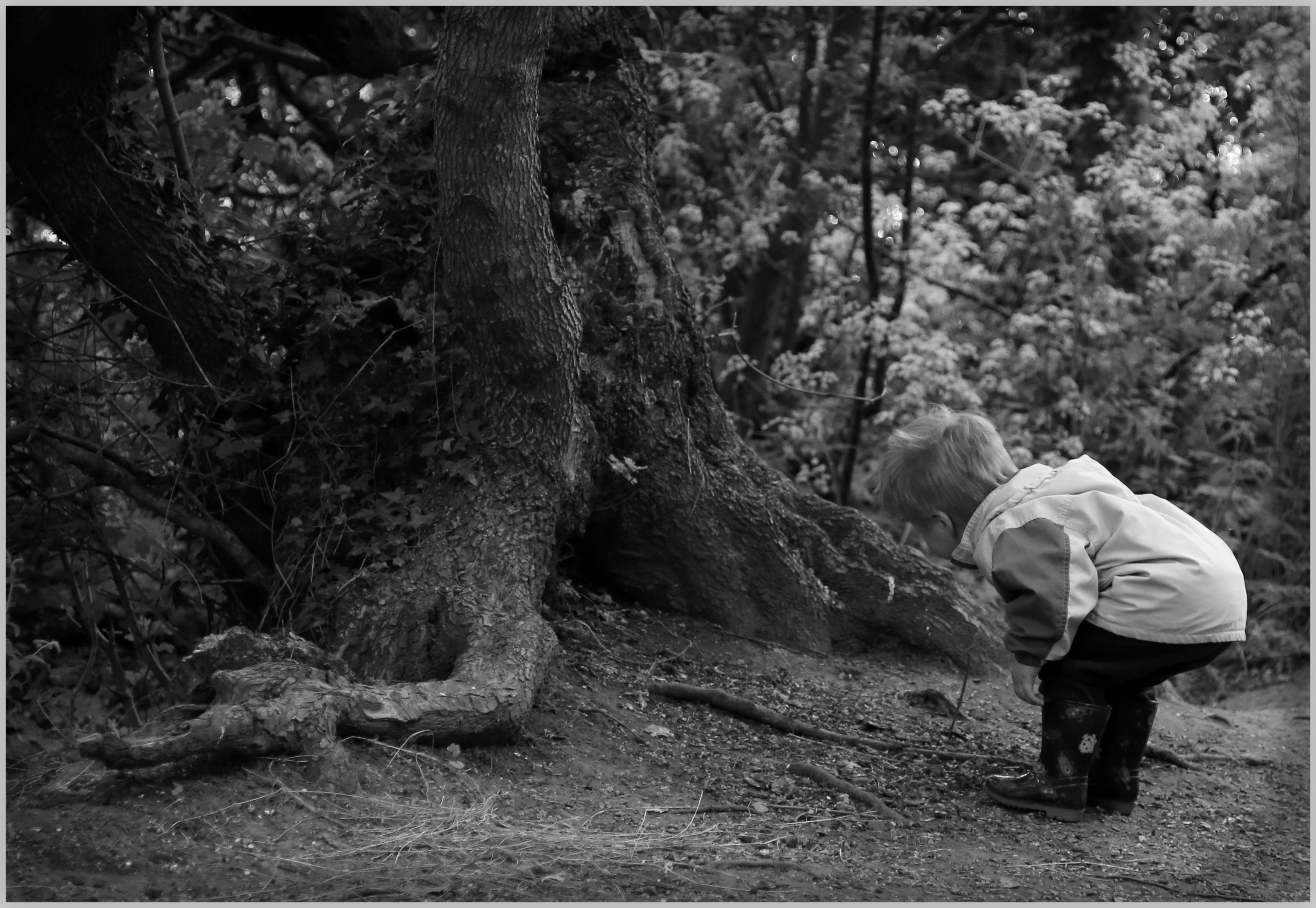
I was in a shopping centre yesterday. I bought my son a little toy. One of these tiny cars that you wind up and they drive off on their own in whichever direction you set them in. My son played with it, giggled loudly and was really really excited about it. We walked together towards a play area in the centre and my son saw a crying boy. He walked towards him and put the new wind-up car in his hands, took a step back, smiled to the boy and laughed with joy.

When I described this to someone we briefly concluded that it’s good that the children can share. Then I thought about it for a while longer and decided that what I witnessed was not a lesson in sharing but a lesson in compassion. The simplicity and honesty of the situation was astounding. One little boy saw the other one in pain and did what he could to relieve the pain of the other.

Why do we as adults find it so much more difficult to behave in this way? Have we been educated out of compassion? Are we educating ourselves out of it?

How often have we crossed the street to avoid a person in pain? How often do we ignore the pain of our friends or family members? Why is the pain of others so difficult to acknowledge?

Where would your bundle go?

leaving something for others to take

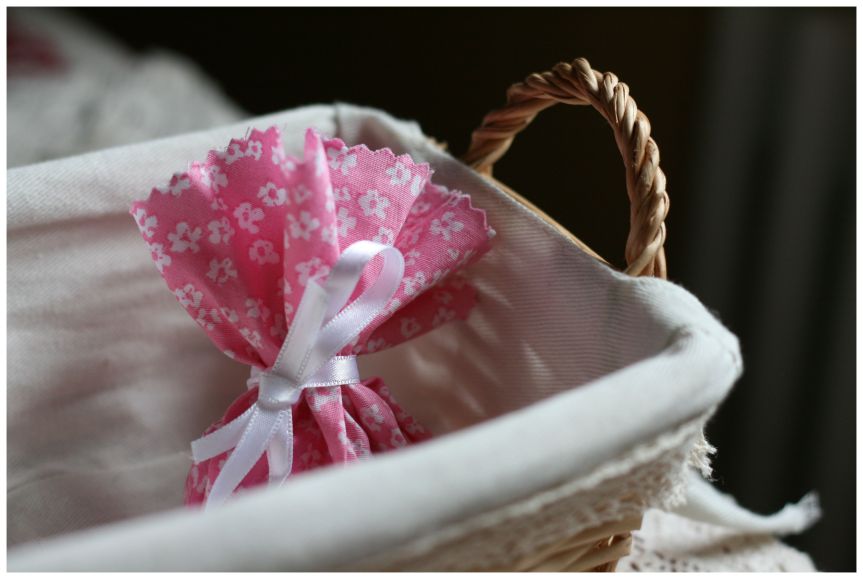
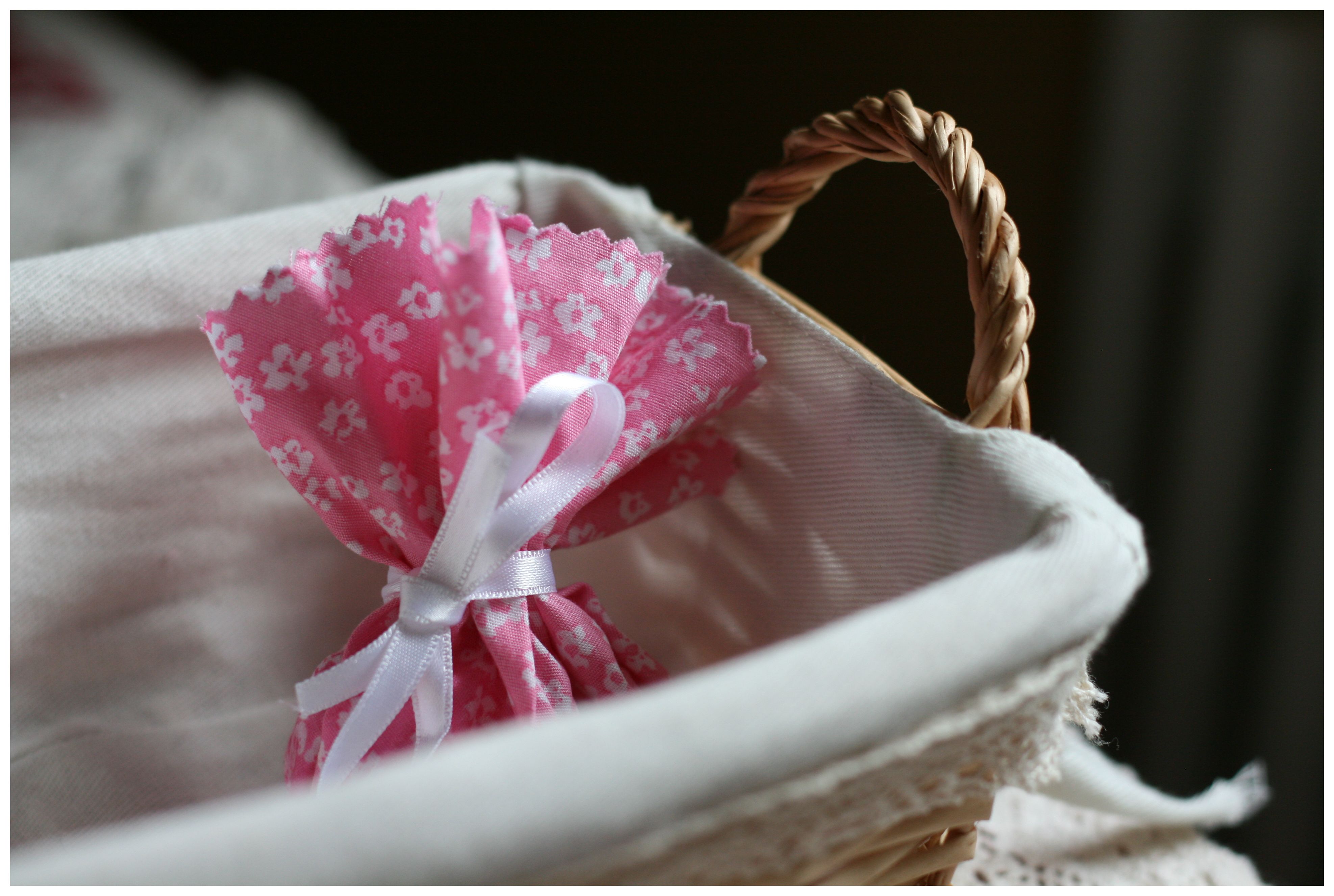
After most christening or wedding parties there is a custom of preparing something for the guests to take home with them. Usually it’s a small bundle of sweets or cakes, sometimes accompanied by a quote or a thankful message, to let the guests know that their presence was welcomed and appreciated. It’s a symbolic way of sharing with them the goods of the feast.

Throughout the last year I have been trying to cultivate a giving heart. I have supported various charities and community events. I was trying to resist buying new items for myself and my son in order to support humanitarian, rather than consumerist, objectives. While I was doing this project I was observing myself and others around me and one observation struck me very hard: being able to give, in many cases, does not really depend on the state of people’s bank account but on their perceived lack of capacity to share. I observed people who refused to support causes because they say they don’t earn enough to be charitable, and then I saw the very same people discarding goods that they had bought the previous week. How is it that we don’t earn enough to give but we earn enough to throw?

There are people in the world for whom what we spend and consume every day would constitute a lavish feast. In every form. The electricity we use. The food we eat. The many pairs of shoes we wear. The books we read. The clothes we have. It is likely that we are feasting in one area or another, or in all those areas.

The Nothing New Project made me realise that I feast in quite a few areas of my life, but for one of them I am particularly grateful: healthcare. Last year I was diagnosed with a life-long illness but because I live in the UK my medicine is for free. Through the Nothing New Project I was able to support many charities, but Doctors Without Borders (MSF), the charity that heals those who would otherwise be left without treatment, was my priority. The charity deals with challenging situations and extraordinary tasks, the Ebola crisis among them. Could you imagine yourself being in Liberia right now? Being a patient or trying to help? Doctors Without Borders are uncommon people whose courage is not of this earth. They deserve our respect, our support and certainly my feast bundle.

Where would your bundle go?

Finding yourself

green _grass

“The best way to find yourself is to lose yourself in the service of others.” ~Mahatma Gandhi

Nothing New: Both Sides of The Coin

IMG_2625k

Six months without buying anything new seems like a long period of time, but it is not. It is just six months, not six years, not sixteen and not sixty. It is just six odd months of reusing, borrowing, repairing and buying second-hand. Nothing new hasn’t defined my lifetime. But it has and will be defining the lifetime of others.

I must admit I had a moment of panic when I started the nothing new project. It wasn’t about not being able to buy things but it was about losing friends, losing opportunities to socialise and hang around together. I felt trapped. You see… one of the things that I decided to give up was coffee and you know how the world looks like these days – you meet at a coffee shop, you chat and giggle over a steamy black or frothy white drink. It’s isolating not to be able to have a cup of coffee with a friend, isn’t it?

I think this fear was triggered by the memories of my first year in the UK, when as a student I wasn’t really able to afford cups of coffee or dinners. It was serious. I was studying as well as working many hours per week as a waitress in pubs or restaurants. I wasn’t earning much, had no student loan, paid my rent and food from what I earned as a waitress so I really couldn’t afford many indulgences. If I had spent my money on those things I wouldn’t have been able to pay for my electricity bill in winter, the flight back home for Christmas or books for studying. I remember I used to do overtime just to be able to go for a coffee with a friend to discuss essays and literature. Tough time. Glad that it’s over. More than over. Now I have a choice. I have a choice to buy or not to buy and I am making the choice not to buy almost nonchalantly. Just because I can.

It doesn’t make me proud. Very often it makes me feel uncomfortable. “To buy or not to buy?” is not a question that offers two options to everyone. For many, “to buy” is just a matter of upgrading, changing or improving. For others, “to buy” means choosing between two or more necessities, two or more human rights: the right to study, the right to sleep, the right to have warm food, the right to socialise, and even the right to go to work. It feels comfortable and snug to be in the first group. It feels alienating and vulnerable to be in the second one. ‘Nothing new’ is not their choice. It’s not a lifestyle. It’s survival.

Nothing New: Too big to be eaten alone

IMG_1743

My neighbour is one of the most generous people I’ve met in the UK. She’s always got something to give, share or offer starting from time and tea, through to garden flowers, toys or even pieces of old furniture. What her body language and attitude communicates is…

…that there’s always something that we can give, that there is always something we can share…

Isn’t this true for all of us? I haven’t bought anything new for myself or my son this year and we still have enough… enough books to spread around, enough items of clothing to give to charity shops, enough toys to donate to poorer children, enough jackets to give to those in need… we have enough…

…because last year I was buying new things and a year before too, and two and three and four years ago as well…

…because we’ve been receiving presents this year, last year and two and three years ago too…

…because we and our family members have been sentimental about our childhood and adolescence and we’ve got those things too, things that are much older than our son, things that come from our past, things that are as old as we are… we’ve got them too.

And so we are full, our house is full, our life is full.

Some of you may say that this is a perfect state of being, that this is self-sufficiency, that you don’t need to borrow and that you don’t need to be too ingenious about dealing with your daily life, because for so many of us, a lot equals security, a lot means being safe…. and it’s so easy to believe it… so easy to think that… and to store, and to hoard, and to collect and to gather, and to keep and to hold on to… and to store, and to hoard, and to collect and to gather, and to keep and to hold on to… and it goes on again.

Our grandparents used to do that because they didn’t have enough… because they had plans for those items… because they knew what will happen with them. Often every one of them.

We do that because we think that we don’t have enough and because we must have it… because we feel insecure without having it all. The thing is as individuals we should not be really striving to have it all because as a society we have enough, we can swap and share the goods that we have, we can borrow from each other, from the libraries, from hire centers. There is no crime in doing this as long as we respect the goods that are available and treat them as if it was our pocket that paid for them, as if it was our hard work that purchased them.

Just yesterday our close friends came to our house to borrow some garden chairs for their party. We had a tea together, we had a chat together and we shared our news and ideas. Sharing created an additional opportunity for socialising, a spontaneous occasion to get-together…. Don’t we long for them?

This cake of goods that we store in our rooms, garages, garden sheds and attics is too big to be eaten alone… It’s time to invite others to the table.


IMG_1761