Do you remember the song by Ed Sheeran called Photograph? The official music video consists of photographs and video cuts. These are from his early childhood and his early music career. I love the simplicity of it all and the sheer joy of watching a growing child, his first steps, his running around and the shrieks of a toddler finding his voice. It is so moving. The decor of his family’s house that is sealed in time. The hands of the family members that carefully assist him in making his first steps, in music or drawing, busking and then all the Happy Birthday’s sung together to celebrate the child. Call me sentimental, but that song makes me cry. It is all moving and all beautiful. I am very inspired by the song and the video. It inspires me to rediscover my own family archive. These are the good times.
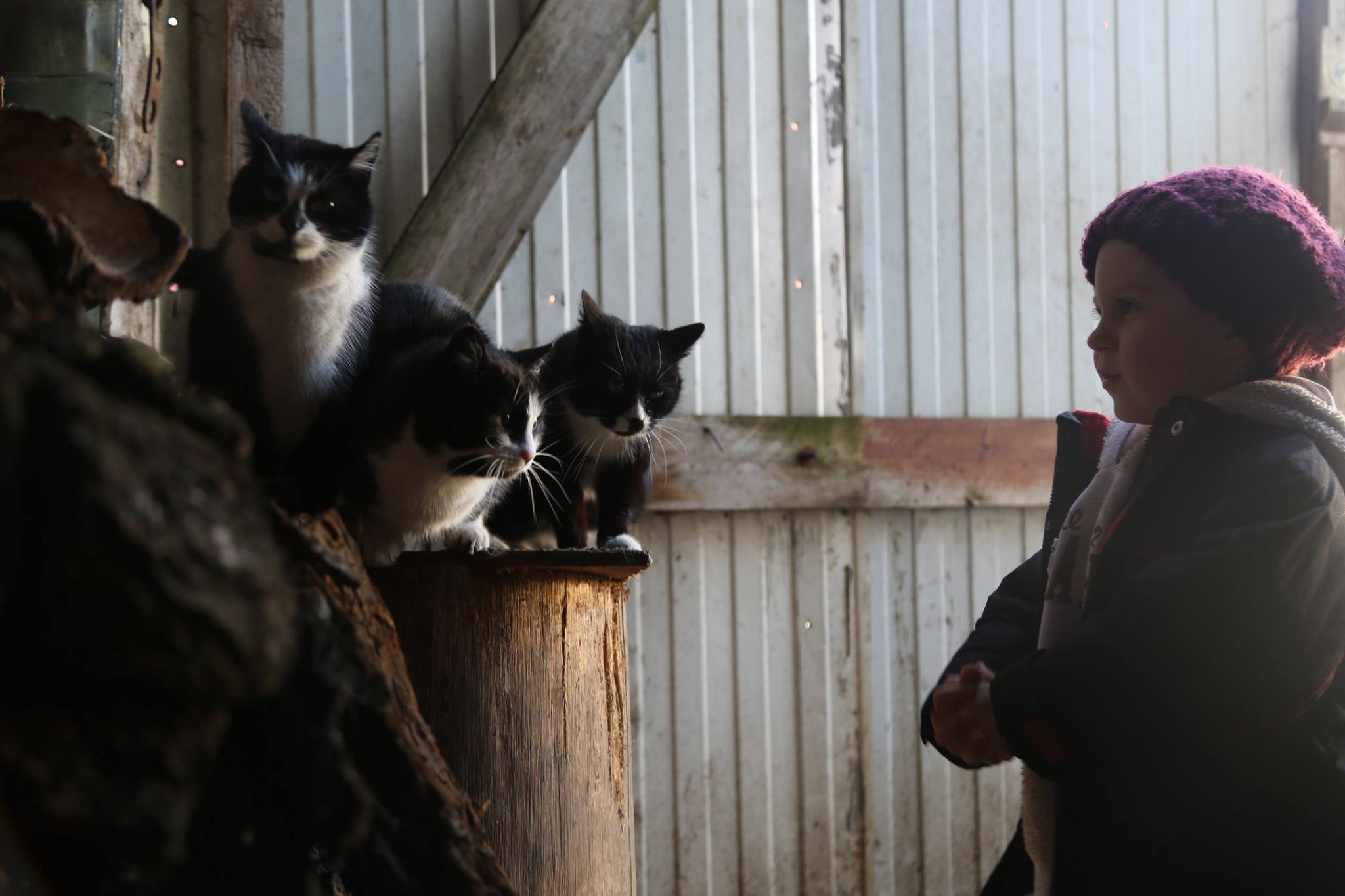
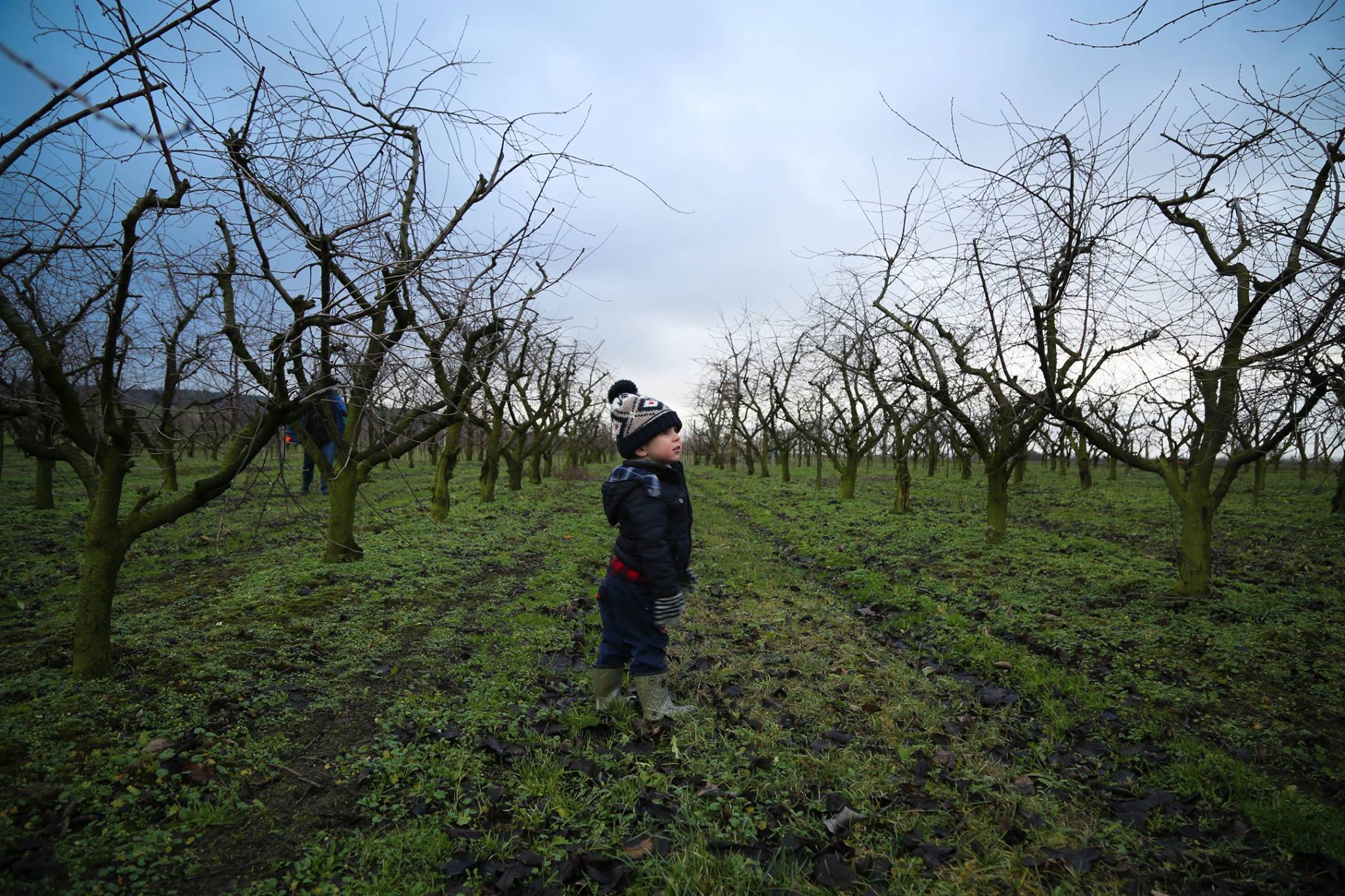
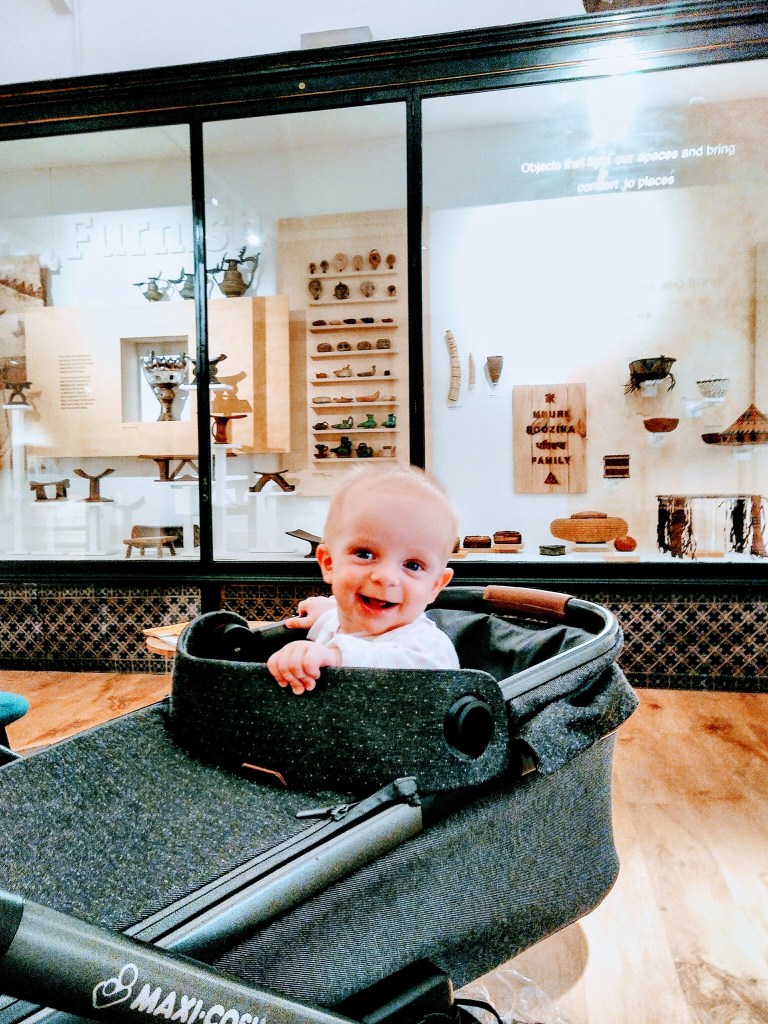
Photos taken in Derby (UK), in Poland and in Derby Museum and Art Gallery.
It's somewhat hectic here. We have children's activities, paperwork, house maintenance projects, broken mobiles, travels, birthday parties and attempts at reviving our personal archives and histories. Everyday life has kept us on our toes and it is not a bad thing. This week I asked my six year old daughter what she is grateful for. Appreciation strengthens children's minds as much as it strengthens ours. She eagerly listed several things. She mentioned dinner time and that she is thankful for Wednesdays, Thursdays, Saturdays, and Sundays. She also appreciates PE and a friend who makes her laugh.
She elaborated that she is grateful for Wednesdays because a funny lady comes to her class. She makes them laugh. They do pretend play and practice dancing with YouTube at school. She likes Thursdays because there is a drama club. She can move and sing a lot. For Saturdays, because there is a Polish school. She plays with her friend there and she likes her a lot. She is happy about Sundays because there is a mass for children at the church. There is tea and coffee afterwards. She can run around and play with many different children. In short, she is happy with her childhood and enjoys acting and friends.
It had always been my dream to start a multilingual theater. I even started making small attempts at it. But lockdown happened and plans and preoccupations changed. That said, every so often, I captured our attempts at pretend play and we had a lot of fun. The children were delighted. I am so happy I captured some of those moments.
Back to the drama, isn't it satisfying to express yourself by playing a person with a different culture or character, to go a little beyond the comfort of your own psyche? To live many lives using different languages, accents and body movements? To understand problems that do not belong to us and to feel the joy of the achievements for which other people have trained?
And then to love our Wednesdays, Thursdays, Saturday and Sundays... and be grateful for them just a bit more than for our Mondays. What could we do to repair their reputation? Surely, a lot of good happens on those days too.
And Fridays, she kept quiet about them. I wonder why?
What's in your busy schedule that you are grateful for right now?
Text and Photography: Alicja Pyszka-Franceschini, 2025.
Copying or reproducing the material without the explicit permission from the author is prohibited.
Polish Translation
Witaj Drogi Czytelniku,
Jak się ostatnio miewasz?
U nas jest trochę gorączkowo. Mamy zajęcia dla dzieci, papierkową robotę, projekty związane z utrzymaniem domu, podróże, urodziny, zepsute telefony komórkowe i próby ożywienia naszych osobistych archiwów i historii. Codzienność trzyma nas w napięciu, co nie jest wcale takie złe. W tym tygodniu zapytałam moją sześcioletnią córkę za co jest wdzięczna. Docenianie wzmacnia umysły dzieci tak samo, jak nasze. Skwapliwie wymieniła kilka rzeczy. Wspomniała o porze obiadowej i o tym, że jest wdzięczna za środy, czwartki, soboty i niedziele. Ceni sobie też WF i przyjaciela, który ją rozśmiesza.
Wyjaśniła, że jest wdzięczna za środy, ponieważ do jej klasy przychodzi zabawna pani. Rozśmiesza ich. Udają, bawią się i ćwiczą taniec z YouTube w szkole. Lubi czwartki, bo ma kółko teatralne. Potrafi się dużo ruszać i śpiewać. Za soboty, bo jest polska szkoła. Bawi się tam ze swoją koleżanką i bardzo ją lubi. Cieszy się z niedziel, bo w kościele jest msza dla dzieci. Potem jest herbata i kawa. Potrafi biegać i bawić się z wieloma różnymi dziećmi. W skrócie, cieszy się dzieciństwem, a najbardziej wszelkimi próbami teatralnymi i przyjaciółmi.
Zawsze marzyłam o założeniu wielojęzycznego teatru i zaczęłam nawet podejmować małe próby, ale nastąpił lockdown i mi również plany i zainteresowania się zmieniły. Bawiła się z dziećmi czasem w teatr w domu, kiedy były mniejsze i podczas lockdownu. Dzieci były zachwycone. Tak się cieszę, gdy myślę o tych momentach, że ich kilka złapałam.
Wracając do dramatu, czyż nie jest satysfakcjonujące móc wyrazić siebie grając osobę o innej kulturze lub innym charakterze, troszeczkę wyjść poza komfort własnej psychiki? Przeżyć wiele żyć, posługując się różnymi językami, akcentami i ruchami ciała? Zrozumieć problemy, które do nas nie należą, i poczuć radość z osiągnięć, do których trenowali inni ludzie. A potem pokochać nasze środy, czwartki, soboty i niedziele... i być za nie wdzięcznym trochę bardziej niż za poniedziałki. A tak swoją drogą, to co możemy zrobić, aby poprawić im reputację? Z pewnością w tych dniach też dzieje się wiele dobrego.
Co dzieje się w Twoim napiętym harmonogramie, za co jesteś teraz wdzięczny?
Take me beyond forgiveness Where love ends all quarrels And gratitude replenishes hands Tired of work For nothing So it seems…
Take me beyond forgiveness Where I understand the concept of a nutrient without doubting its worth or value and I clean and I eat wisdom for breakfast and love for dinner. With you.
QUESTION TO PONDER
If you were to take yourself beyond forgiveness, where would you take yourself?
Who is ‘you’ for you?
What would be on your wisdom plate?
Acknowledgment: I first saw poetry combined with questions in the book 21 Spotkań. These questions lead to individual insight. Click here to see. It was written by Maciej Bennewicz and Katarzyna Zaremba. Both psychologists create poetic dialogues and work with metaphors that aid individual growth and self-understanding. The more humble I become, the more I grow in the appreciation of this approach.
May is a mental health awareness month and I would like to strengthen us all using my talents today in a similar manner. I learnt yesterday that a friend of mine died being only 48. She loved travelling and this blog too. I wish I had still a chance to eat a dinner with her. Travel. Keep on living. x
By engaging in this exercise you are practising these mental skills:
self-compassion
self-awareness
inner peace.
So if you were to take yourself beyond forgiveness, where would you take yourself?
Enjoy it.
POLISH TRANSLATION
WIERSZ
Zabierz mnie poza przebaczenie Gdzie miłość kończy wszelkie kłótnie A wdzięczność wypełnia dłonie Zmęczone pracą Za darmo Na to wygląda…
Zabierz mnie poza przebaczenie Gdzie rozumiem pojęcie składnika odżywczego nie wątpiąc w jego znaczenie i wartość I już teraz sprzątam i jem Mądrość na śniadanie i miłość do obiadu. Z Tobą.
PYTANIE DO ROZWAŻENIA
Gdybyś miał/miała zabrać siebie poza przebaczenie, dokąd zabrałabyś siebie?
Co by było dla Ciebie mądrością na śniadanie?
Z kim jadłabyś obiad?
Podziękowanie: Po raz pierwszy zetknęłam się z poezją połączoną z pytaniami w książce “21 spotkań”. Te pytania prowadzą do wglądu we właną sprawczość. Kliknij tutaj, aby zopoznać się z książką. Autorami tekstu są Maciej Bennewicz i Katarzyna Zaremba. Obaj psychologowie tworzą poetyckie dialogi i pracują z metaforami, które pomagają w indywidualnym rozwoju i zrozumieniu siebie. Bardzo doceniam to podejście.
Maj jest miesiącem zwiększania świadomości na temat zdrowia psychicznego i chciałbym nas wszystkich wzmocnić, używając moich talentów w podobny sposób. Wczoraj dowiedziałem się, że moja przyjaciółka zmarła mając zaledwie 48 lat. Uwielbiała podróże i ten blog. Chciałbym mieć jeszcze szansę zjeść z nią obiad lub kolację. ”Podróżujcie. Żyjcie dalej.” powiedziałaby dziś. x
Angażując się w to ćwiczenie, ćwiczysz poniższe umiejętności:
współczucie dla siebie
samoświadomość
wewnętrzny spokój.
Warto?
Więc: Gdybyś miał/miała zabrać siebie poza przebaczenie, dokąd zabrałabyś siebie?
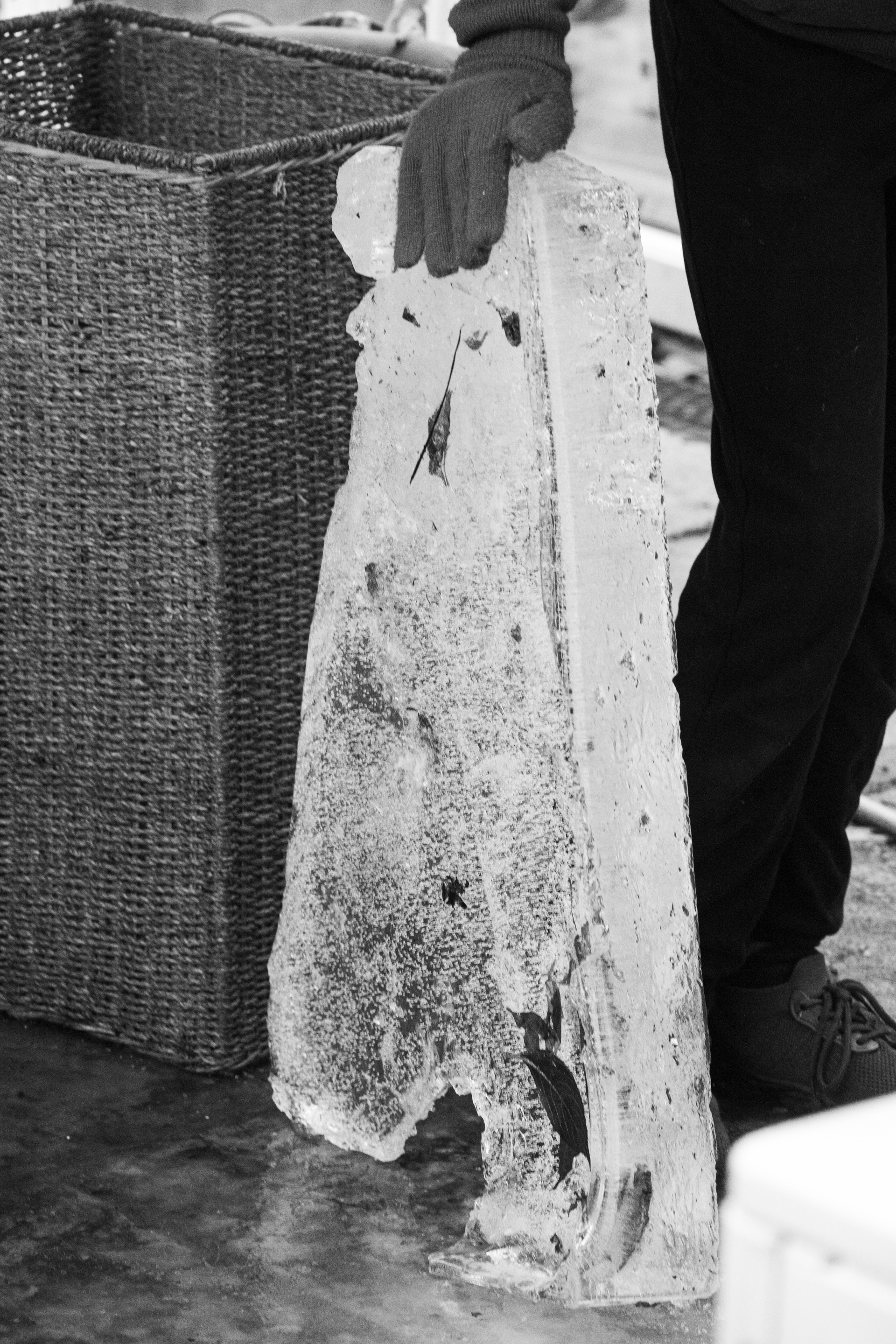
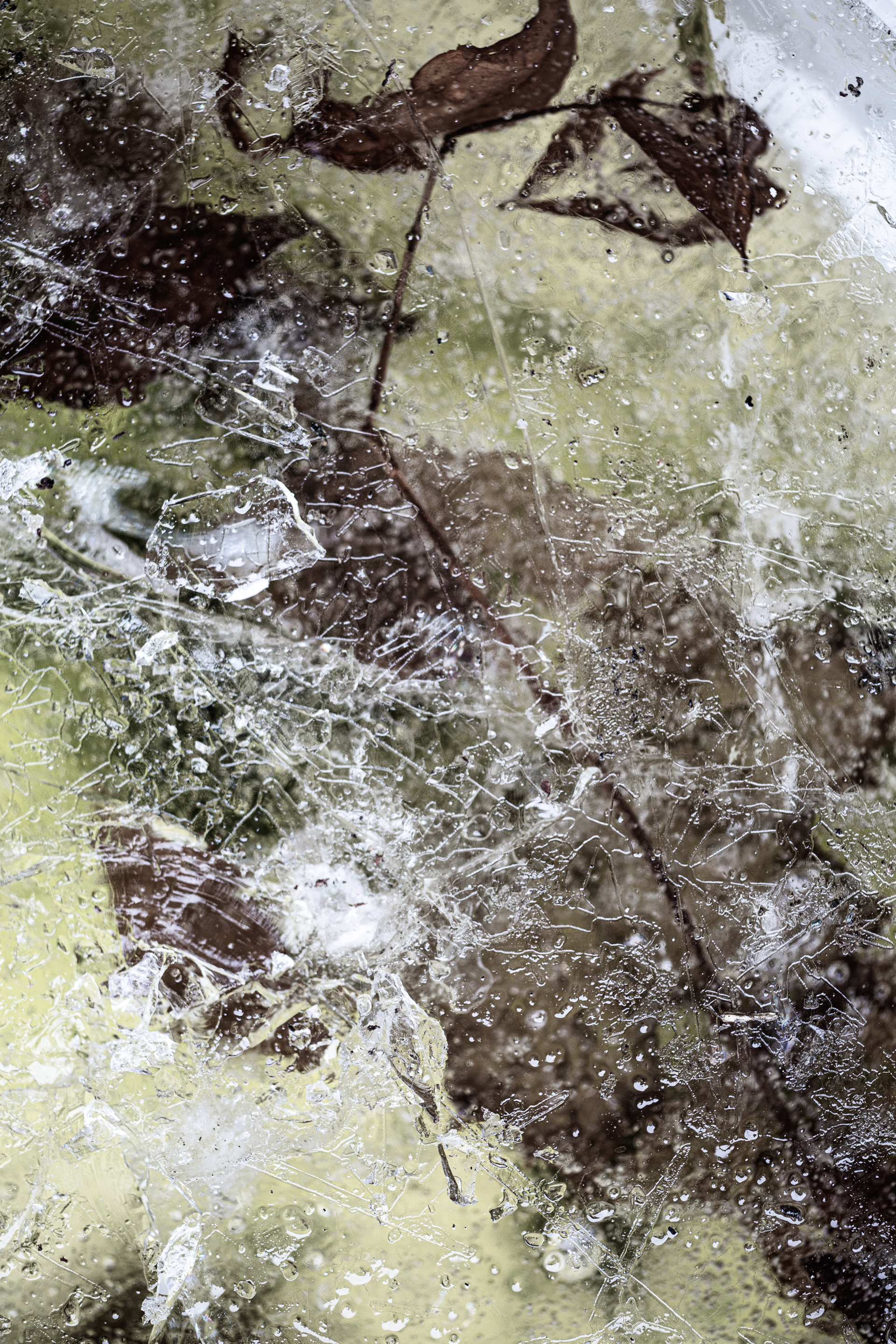
Once upon a time we had a rabbit. The rabbit died over a year ago just on New Year’s Eve. We took the rabbit tray outside, it was in our garden collecting rain water and algae. It was a big cage, capacious. When the big freeze came over the last week all that water with algae froze creating interesting patterns and compositions. I chopped the ice with an old bread tin. It was also filled with heavy ice. Our son lifted it off the tray. He placed it next to his knee to show how tall and thick it was, impressive in size. I photographed the blocks of ice while they were still floating among the icy water and when son was holding the ice.
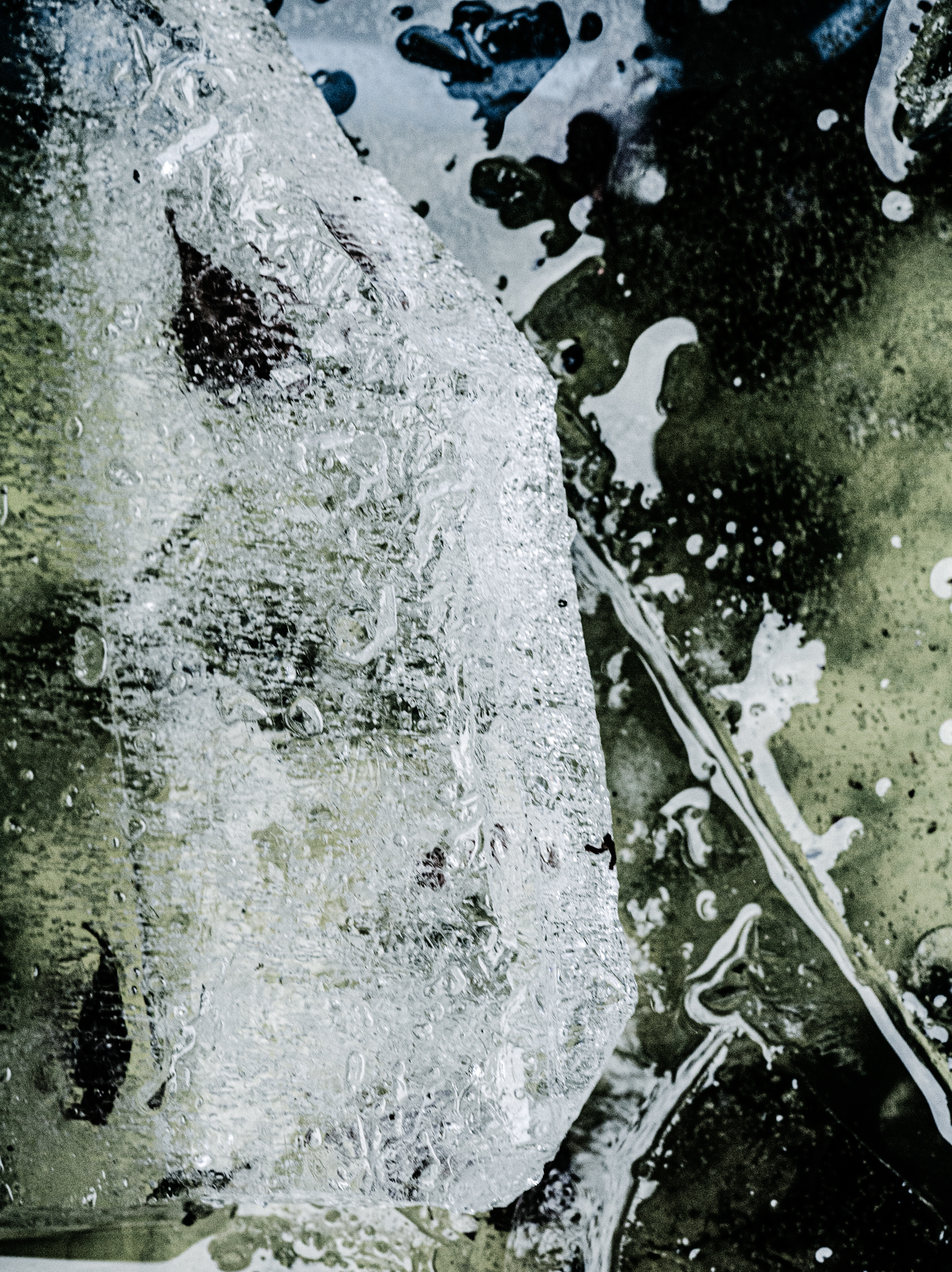
The algae surrounded them. I then post-processed the photos in Lightroom. My favourite abstract composition is below.
I wonder what you think of it all?
Let me know.
x
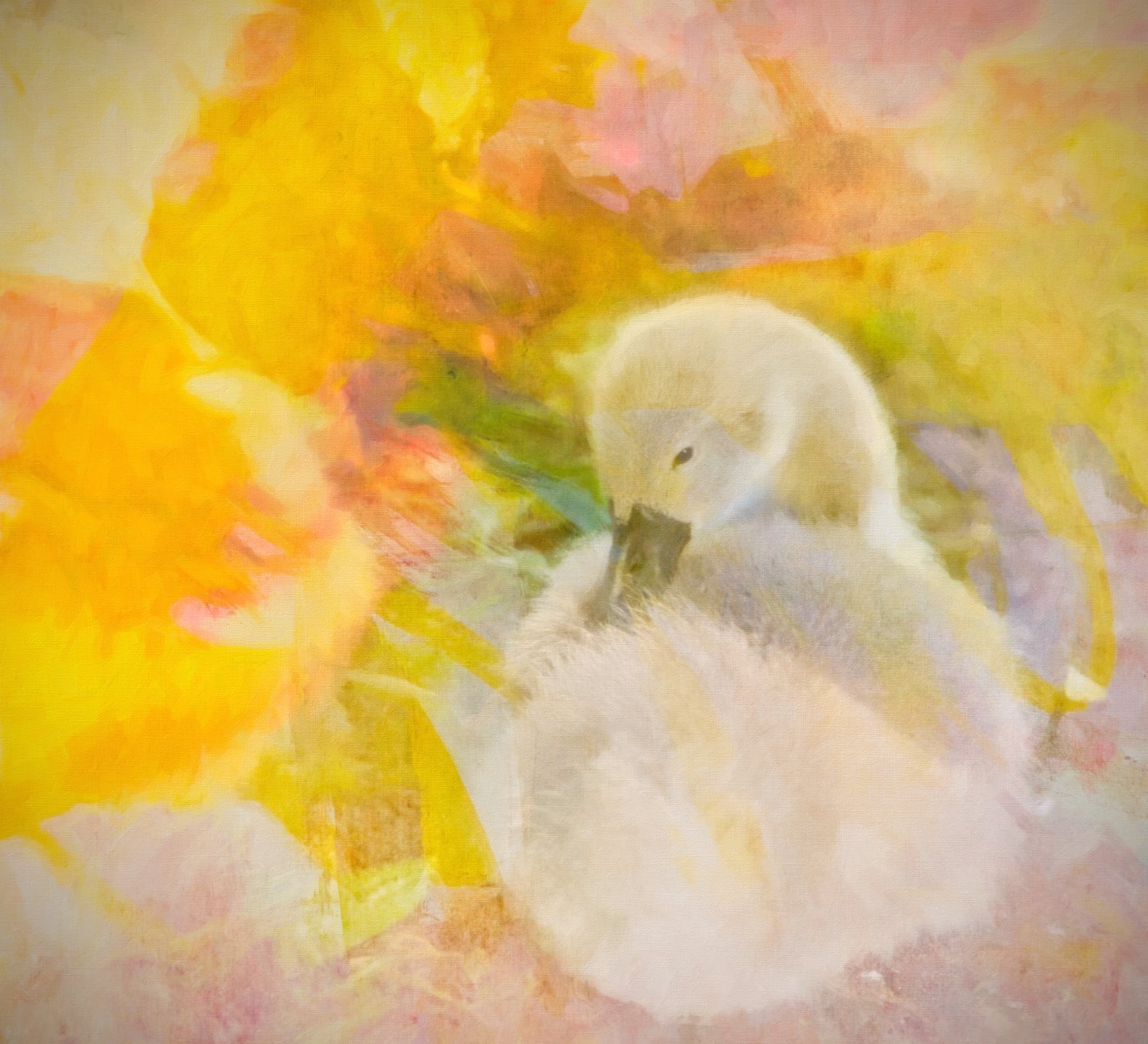
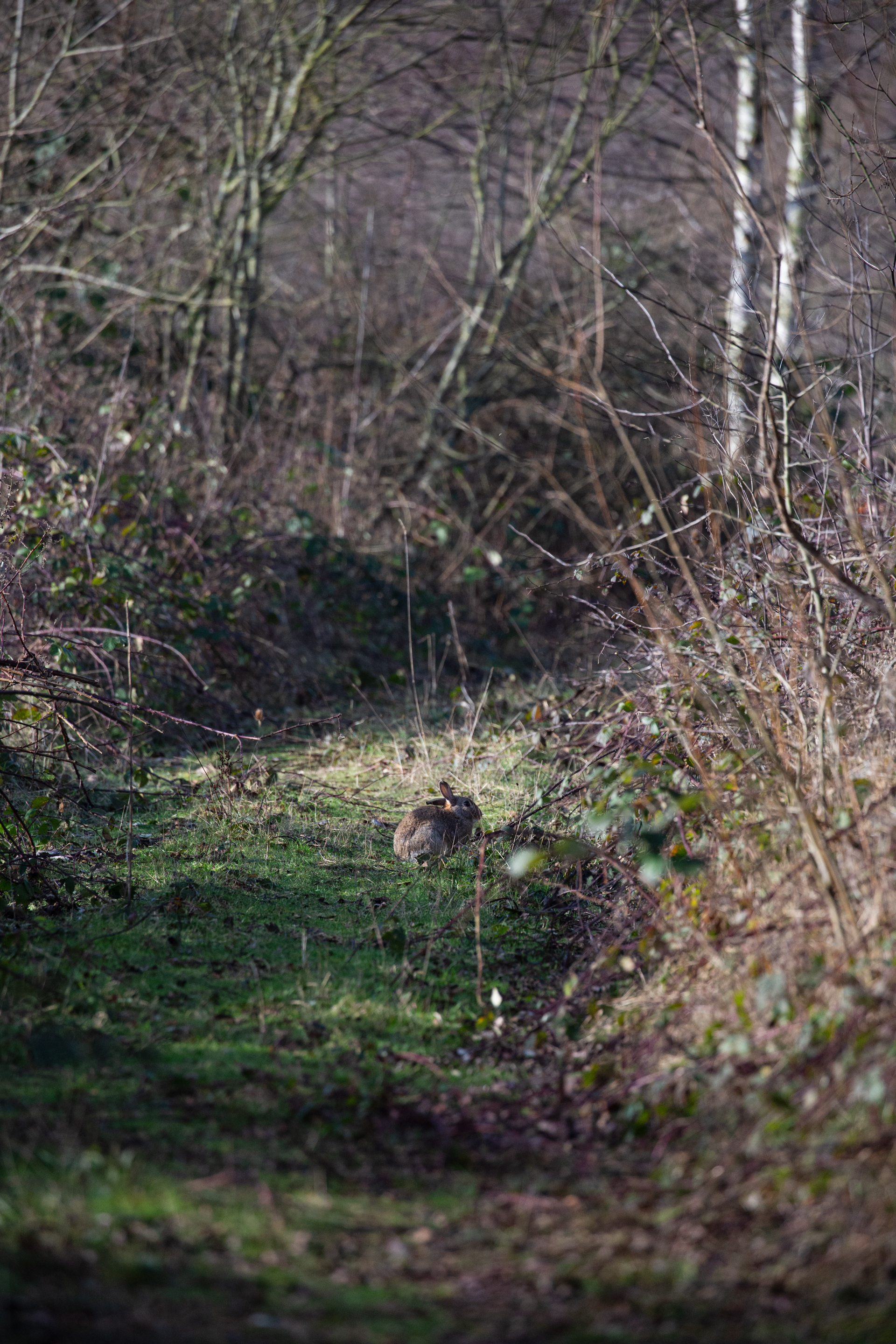
And yesterday while walking, I met this little being. I think its eye is in the abstract.
Writing and photography: Alicja Pyszka-Franceschini, 2025, Home Studio, Derby, UK. Outdoor photo taken in Willington, South Derbyshire.









 Postcards Without Stamps