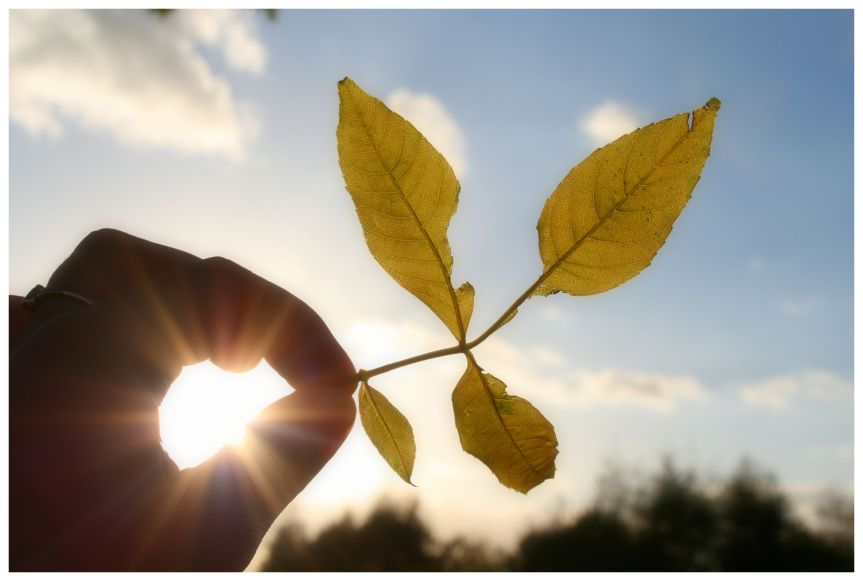

‘Trust yourself. Create the kind of self that you will be happy to live with all your life.’ ~Golda Meir
“Trust yourself. Create the kind of self that you will be happy to live with all your life.” These words live with me ever since I’ve come across them. I believe in character development. I wish we were talking and thinking more about it. I wish our daily conversations included discussions on ways in which we could become better people, on developing better habits or character traits than on making money or losing kilograms. I know that for many, and for me at times too, these are legitimate concerns, but I don’t think they should be our main focus and drive in life.
A year after giving birth to my son I got ill. Pregnancy and early caring really weakened my body and immune system. Fortunately, modern medicine knows, at least partially, how to deal with cases like mine and set me on the right course. Nonetheless, this for me was a wake up call and a good time to take a new direction in life. I’ve been asking myself serious questions. What are the things that I would like to leave after myself to the world? What would I like to change? Have I been really making the most out of what’s good about me? Have I been caring enough for the people who are next to me?
One of my convictions that strengthened at that time was that I don’t want to leave too much rubbish after myself. I am embarrassed at how passive I was for years about protecting the Earth and its resources, how carefree and careless I was too. When it comes to the environment, it’s not enough to know things, it’s not enough to be aware of them… it’s the active resisting, recycling and repairing that matters, our determination to avoid packaging and to compost our leftovers, our efforts to remember about taking our own bags when shopping and make do with less. Determined action, deliberate choices.
Another change that I wanted to implement was to become more of a soldier on the ground rather than a remote captain of good ideas. I would like to become a person who can bring about positive results to my immediate environment, my family, my home, my neighbourhood, my communities. There is a saying “No man would appear unpleasant to others when he looks after his family.” We cannot save the world, we cannot control it either but we do have that piece of this world that belongs more or less to us and it is that piece that we should protect and nurture, work with and cultivate. The families, teams, communities that we’re in should grow with us. It is our responsibility to contribute to that growth and only natural to allow others to contribute to our development. There are different ways in which we can show support. Sometimes it’s by donations, other times by giving our time, by sharing time, food, memories, joy and suffering. Above all we should take equality seriously, we must make sure that we do not discriminate against people who have not been as fortunate as us or who have more than we do.
We cannot laugh at the issues surrounding social inequalities, we cannot shrug them off. We cannot make a massive fuss when we do not get a discount, compensation or any other sort of financial privilege and forget to support people who have less. We cannot refuse to pay decent money for work that others do for us, either personally or even in business. The equality and fairness is often understood in such selfish terms that it’s all too easy to lose the true understanding of those concepts. Everyone deserves a good life, and we must make sure that we are not robbing people of their rights to such a life by paying them little. We all want to provide a good life to our children. We all want to go on holidays.
One of the key ingredients of a strong family is ‘mutual care’. It’s looking after each others’ quality of life, things as simple as sleep and food, and as complex as misfortune and vulnerability, work-life balance and sense of achievement. We must be strong. We must be active and willing to extend ourselves… in order to create the kinds of selves that will be happy to live with all our lives. Mutual care is the base of all relationships… the one with the world, the one with our partners, the one with other family members, and the one with our communities. It cannot be different if it’s supposed to work and produce results.
‘Trust yourself. Create the kind of self that you will be happy to live with all your life.’ ~Golda Meir
“Trust yourself. Create the kind of self that you will be happy to live with all your life.” These words live with me ever since I’ve come across them. I believe in character development. I wish we were talking and thinking more about it. I wish our daily conversations included discussions on ways in which we could become better people, on developing better habits or character traits than on making money or losing kilograms. I know that for many, and for me at times too, these are legitimate concerns, but I don’t think they should be our main focus and drive in life.
A year after giving birth to my son I got ill. Pregnancy and early caring really weakened my body and immune system. Fortunately, modern medicine knows, at least partially, how to deal with cases like mine and set me on the right course. Nonetheless, this for me was a wake up call and a good time to take a new direction in life. I’ve been asking myself serious questions. What are the things that I would like to leave after myself to the world? What would I like to change? Have I been really making the most out of what’s good about me? Have I been caring enough for the people who are next to me?
One of my convictions that strengthened at that time was that I don’t want to leave too much rubbish after myself. I am embarrassed at how passive I was for years about protecting the Earth and its resources, how carefree and careless I was too. When it comes to the environment, it’s not enough to know things, it’s not enough to be aware of them… it’s the active resisting, recycling and repairing that matters, our determination to avoid packaging and to compost our leftovers, our efforts to remember about taking our own bags when shopping and make do with less. Determined action, deliberate choices.
Another change that I wanted to implement was to become more of a soldier on the ground rather than a remote captain of good ideas. I would like to become a person who can bring about positive results to my immediate environment, my family, my home, my neighbourhood, my communities. There is a saying “No man would appear unpleasant to others when he looks after his family.” We cannot save the world, we cannot control it either but we do have that piece of this world that belongs more or less to us and it is that piece that we should protect and nurture, work with and cultivate. The families, teams, communities that we’re in should grow with us. It is our responsibility to contribute to that growth and only natural to allow others to contribute to our development. There are different ways in which we can show support. Sometimes it’s by donations, other times by giving our time, by sharing time, food, memories, joy and suffering. Above all we should take equality seriously, we must make sure that we do not discriminate against people who have not been as fortunate as us or who have more than we do.
We cannot laugh at the issues surrounding social inequalities, we cannot shrug them off. We cannot make a massive fuss when we do not get a discount, compensation or any other sort of financial privilege and forget to support people who have less. We cannot refuse to pay decent money for work that others do for us, either personally or even in business. The equality and fairness is often understood in such selfish terms that it’s all too easy to lose the true understanding of those concepts. Everyone deserves a good life, and we must make sure that we are not robbing people of their rights to such a life by paying them little. We all want to provide a good life to our children. We all want to go on holidays.
One of the key ingredients of a strong family is ‘mutual care’. It’s looking after each others’ quality of life, things as simple as sleep and food, and as complex as misfortune and vulnerability, work-life balance and sense of achievement. We must be strong. We must be active and willing to extend ourselves… in order to create the kinds of selves that will be happy to live with all our lives. Mutual care is the base of all relationships… the one with the world, the one with our partners, the one with other family members, and the one with our communities. It cannot be different if it’s supposed to work and produce results.

I have the great pleasure introducing today’s guest writer James Walker. He is a literary journalist and the editor of the literary graphic novel Dawn of the Unread. Here he writes about the fight against the decline of book reading.
The Fight Against The Decline Of Book Reading by James Walker
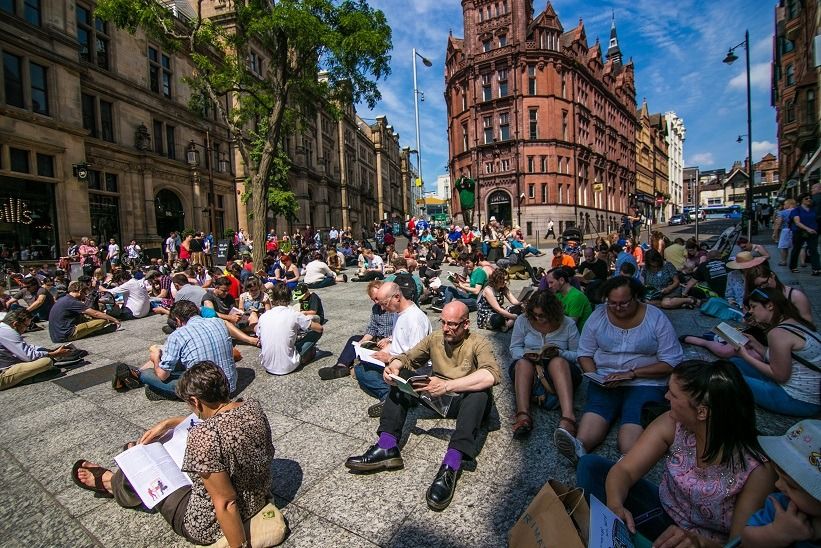
On the 12 July 2014 I and a few friends decided to organise a reading flashmob in Old Market Square, Nottingham. 400 odd people turned up armed with books and we joined together in a very silent protest. Our aim was to make reading a visible act, and to show our appreciation to the writers, publishers and bookshops who have brought us joy over the years.
Physical books are slowly starting to disappear from the high streets and it’s not just because of the Kindle. In February, independent bookshops dropped to below 1,000 for the first time. This is largely due to high rents as well as a drop in demand. Bookshops pay the same rates as other businesses yet it is simplistic to categorise them as ‘retail’. Firstly, they are never going to be as profitable as say a clothes shop and secondly, they have an educational function. If councils don’t change their attitude our town centres are going to be nothing but Poundstretchers, Tescos and American coffee shops.
Libraries, when they’re not being closed down altogether, are seeing opening times and staffing numbers reduced due to cuts. The old argument that other services (such as hospitals) are more important is simplistic and divisive. The UK was recently positioned 22 out of 24 industrialised nations for illiteracy. This is particularly worrying given that there is proven evidence that those who don’t read are less likely to vote, become home owners and lack general confidence. Cuts also mean that less books are stocked which in turn impacts on the livelihood of writers who are already pretty much at the bottom of the food chain.
These are just some of the issues that motivated the people in the picture to sit down alone together with their favourite books. Reading is also something that is able to unite every type of person, cutting across cultures, gender, ethnicity and age. Yet despite its ability to unite all communities and its role in developing us intellectually and emotionally, it is something which local government seems to treat with contempt. Now we’ve all sat down together quietly, perhaps it’s time we all started to shout for what we believe in…
James Walker is the editor of literary graphic novel Dawn of the Unread. The flashmob was organised as part of their campaign to raise the importance of reading. Their next public event is a game of zombie mastermind as part of the Nottingham Festival of Words (19 October, 3pm, Old Market Square, Nottingham) which will see four dead writers come back to answer questions about their literary lives www.dawnoftheunread.com


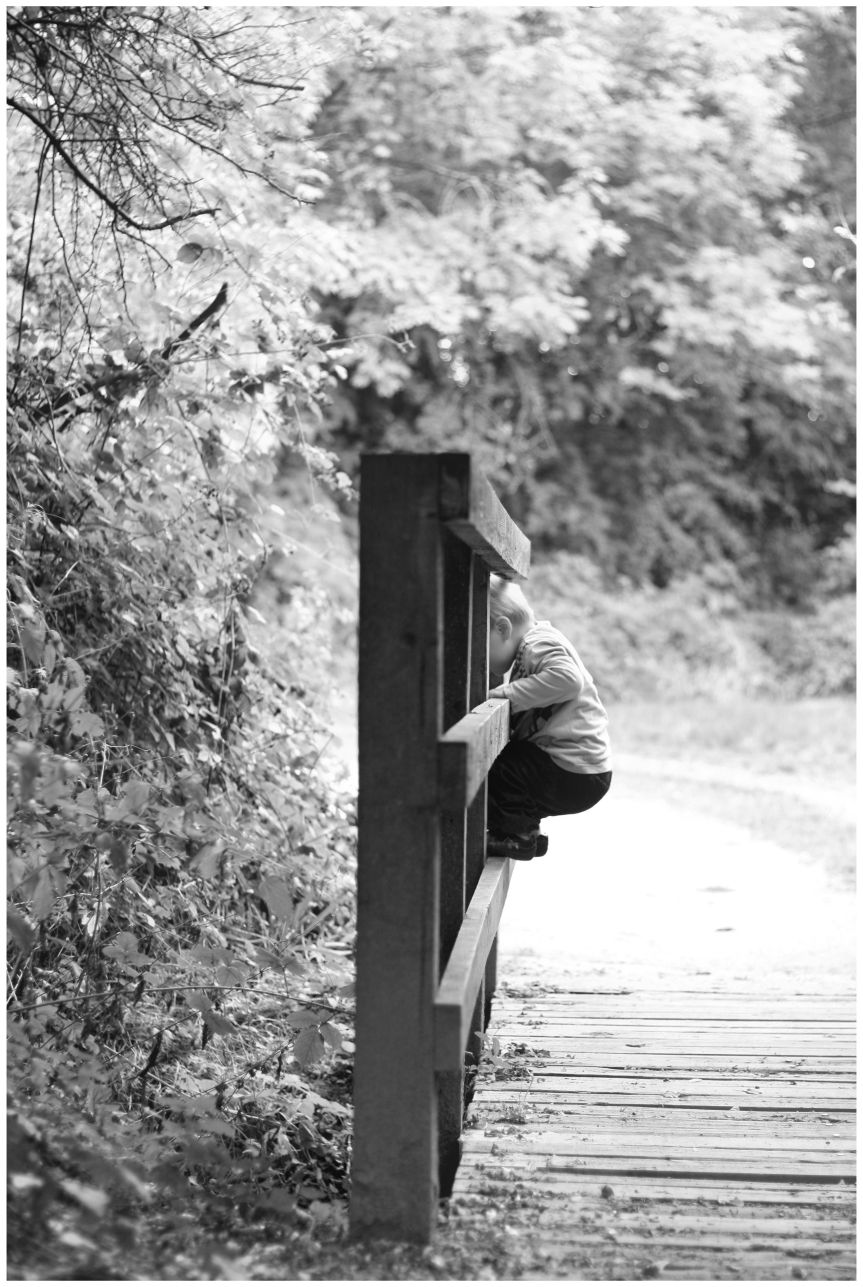
“Whenever I feel the need to exercise, I lie down until it goes away.” ― Paul Terry
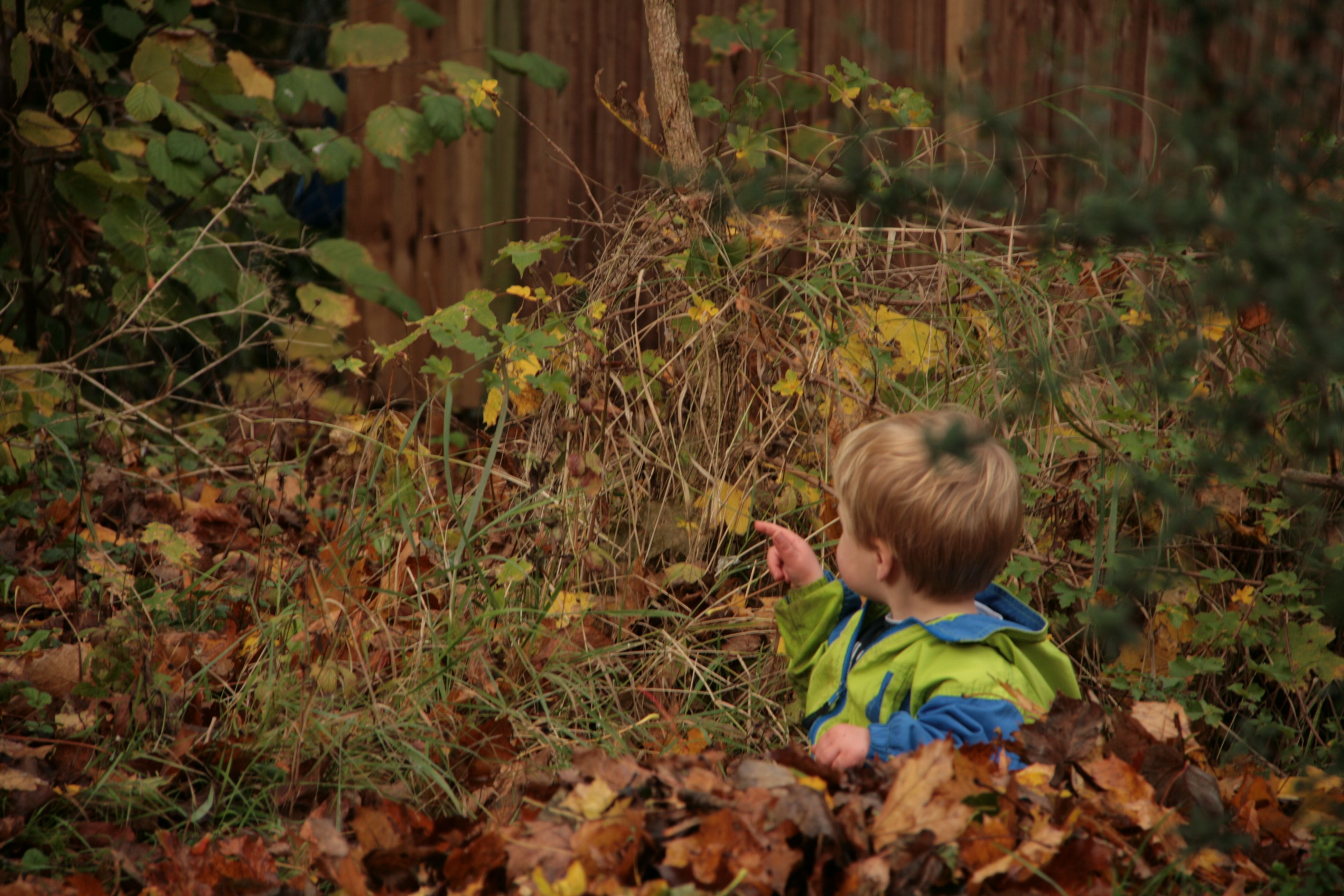
This is evidently not true of this lovely little boy above.
 Postcards Without Stamps