We were driving to the church this morning; I was sitting at the back, next to my daughter, chatting to her. She took a little vaseline lip balm tin out of her pocket. She put some on her lips and then asked me if I would like some for myself. She handed me the round tin, I took some of it and I put it on my lips saying that I love the vanilla smell. She was thrilled, her eyes sparked, she grasped my hand satisfied and said: ‘I love you, Mummy. I love you so much’. She was thrilled.
Often, this is exactly what our children want us to do: to acknowledge the worth of what they like, to give to us what they love and to see that we are capable of appreciating it too. This creates the union, communion and connection.
Have you recently had a similar experience?
Jechaliśmy dziś rano do kościoła; siedziałam z tyłu, obok mojej córki, rozmawiając z nią. Wyjęła z kieszeni puszeczkę z wazeliną do ust. Nałożyła trochę na swoje usta, a potem zapytała mnie, czy chciałabym trochę dla siebie. Podała mi okrągłą puszkę, wzięłam trochę jej balsamu do ust i nałożyłam, mówiąc, że uwielbiam zapach wanilii. Była zachwycona, jej oczy błyszczały, chwyciła moją dłoń zadowolona i powiedziała: „Kocham cię, mamusiu. Tak bardzo cię kocham”. Była wręcz zachwycona.
Często właśnie tego chcą od nas nasze dzieci: abyśmy uznali wartość tego, co one lubią; one dają nam to, co kochają byśmy pokazali, że my również potrafimy to docenić. To tworzy jedność, komunię i połączenie.
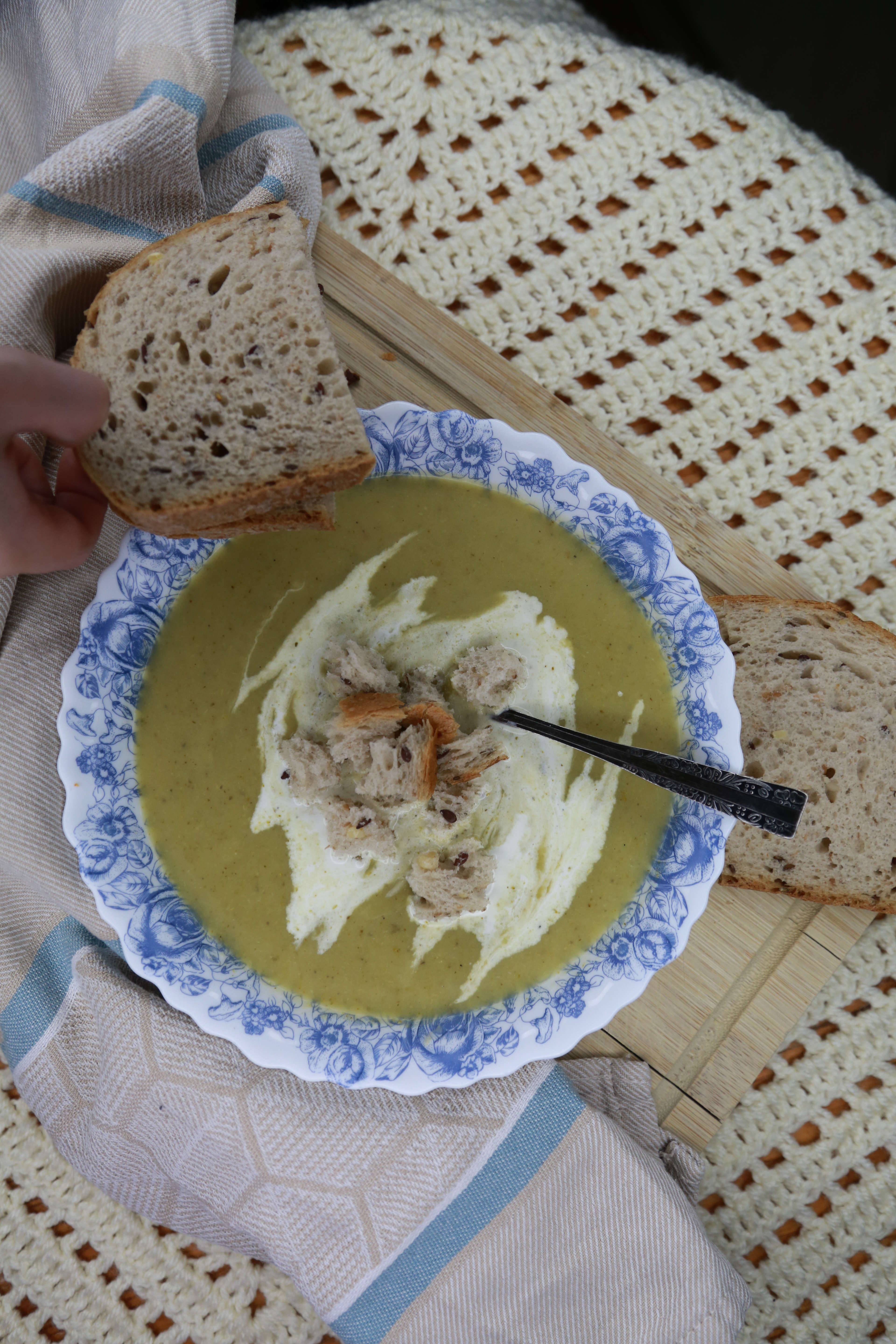
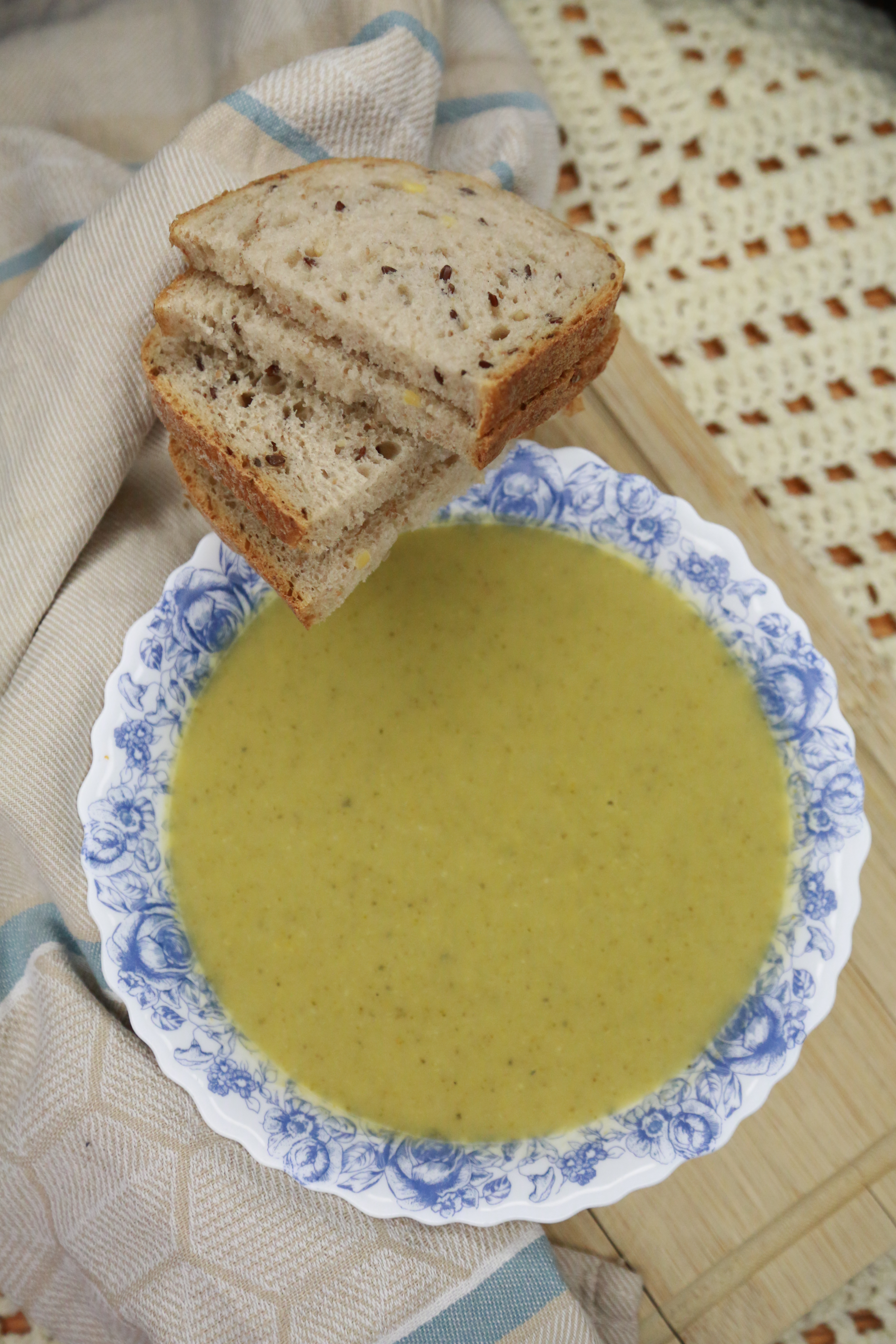
I’ve got an impression that last winter my mother was making this soup every three days for our children. Her grandson was competing with himself to see how many bowls he could comfortably consume. We all looked at him in disbelief, wondering where that quantity was disappearing. Surely, he was not spoon-feeding the dogs under the table. He loved it. Everyone else did too. They gladly returned from the cold and sat in front of a steaming bowl and each bowl came with a piece of popular Polish bread showered with flax seeds. Yummy.
Do you cook? What do you like making?
The knitted cloth that the soup is placed on is actually a scarf made by my aunt. It is so warm, you won’t believe. Shoulders wear it gracefully indebted to my aunt for many hours of her work. I was comforted by the softness of the scarf. The warmth of the soup also brought reassurance. I am grateful that my mum and aunt keep their skills fresh and that they continuously make an effort. It is mesmerizing to see how things emerge in other people’s hands. As if from nowhere…
Creativity blossomed in our house over the weekend. Icy weather gave us many opportunities to refresh and revive our spirit and gave us hope for a good and creative year. I hope you are feeling equally energized.
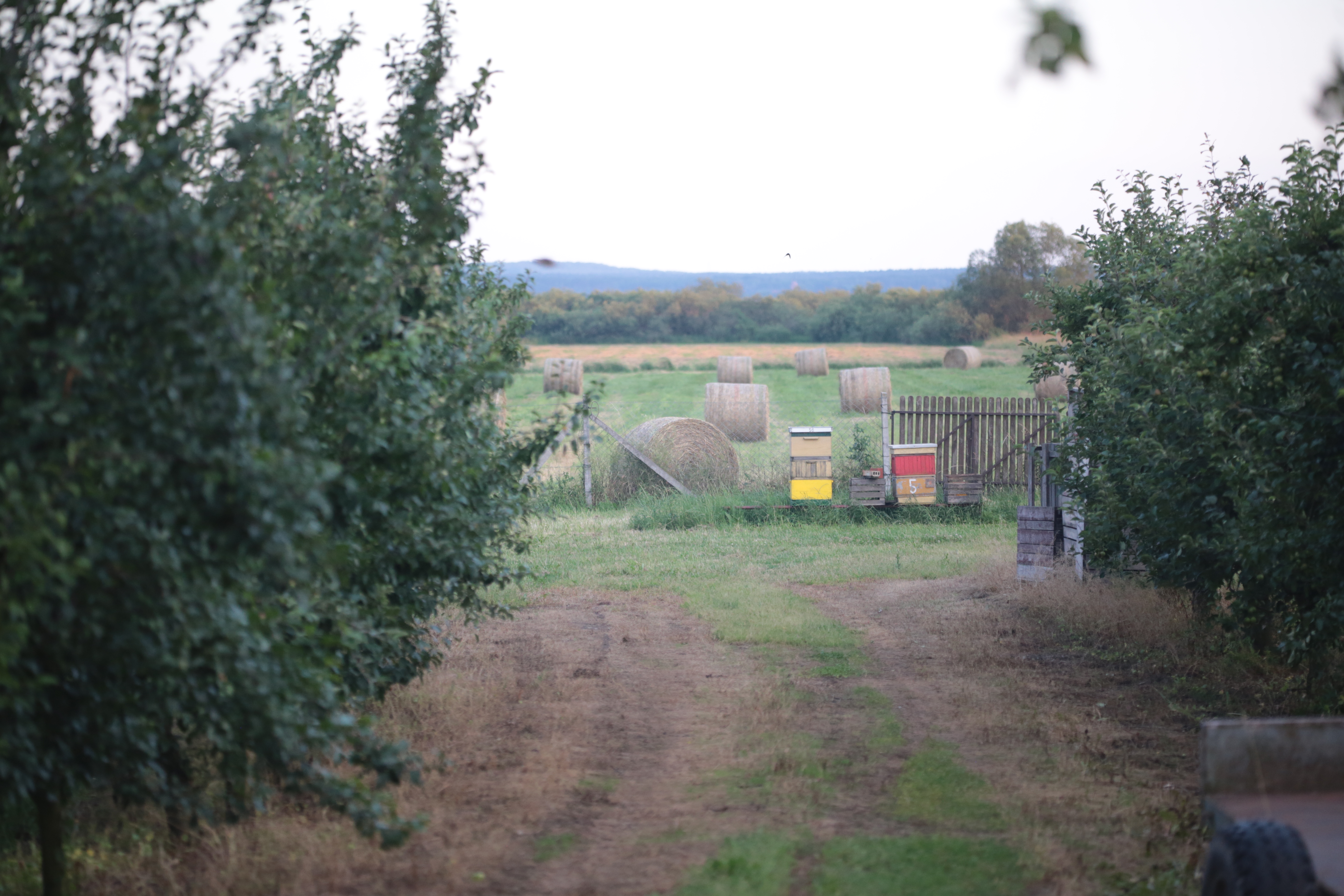
The photos of the soup were taken last year in Poland. The photo of my children was taken in Melbourne (UK) at Woodhouse Farm. Many thanks to Brian Woodhouse for allowing me to take photos on his farm and fields.
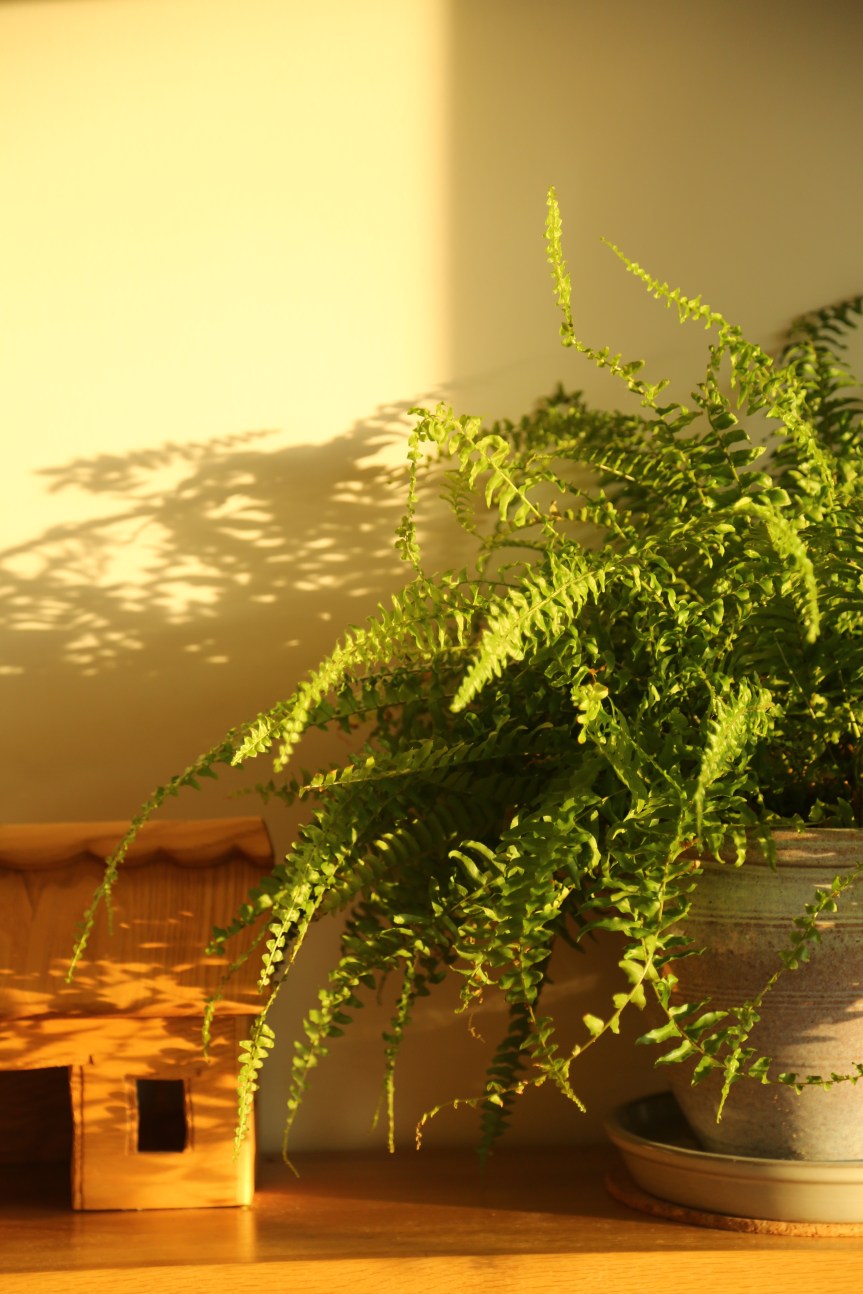
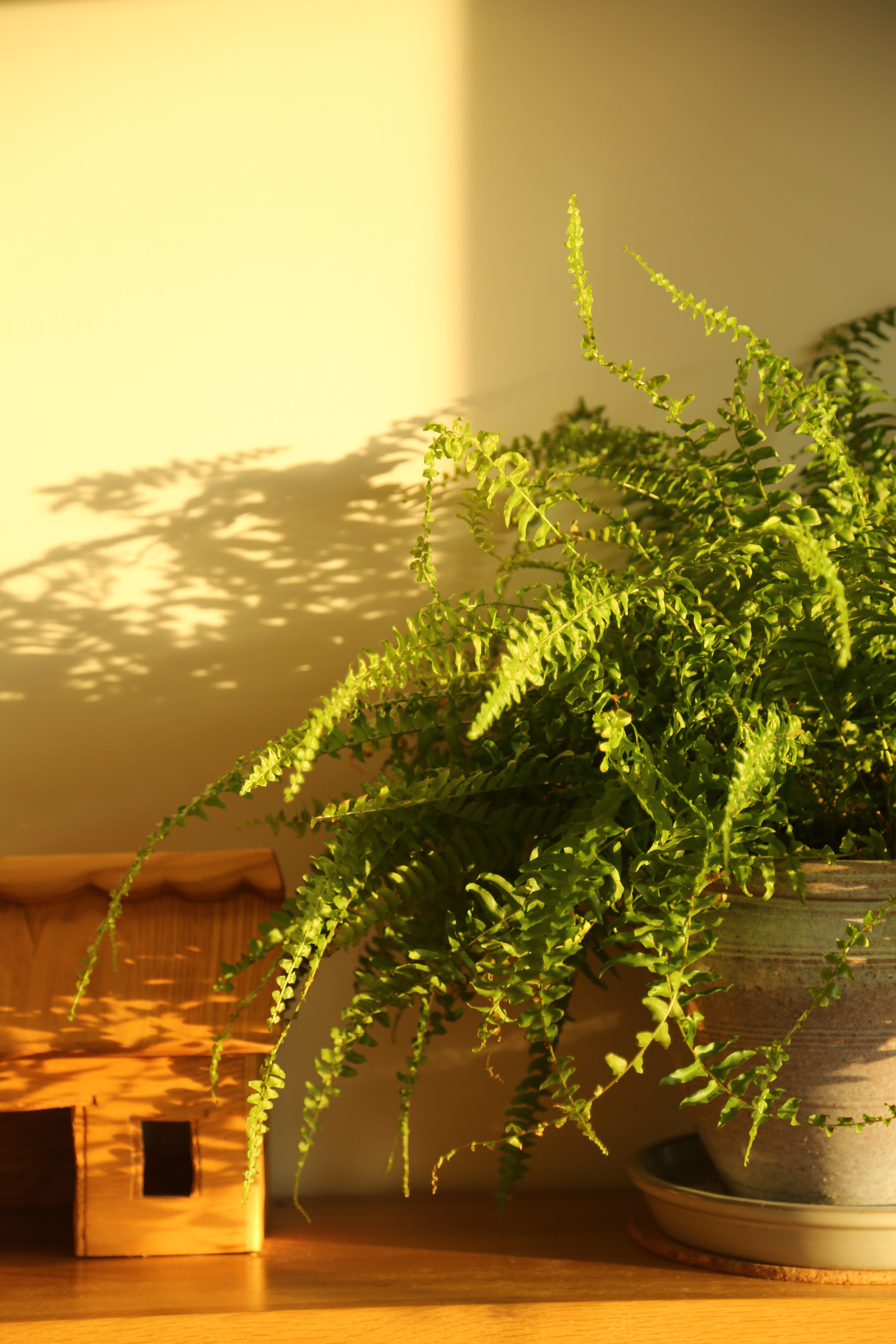
Below is a photo from my parents’ place in Poland.
We are all at home today doing jigsaw puzzles, listening to this relaxing music for children and experiencing some magic on the screen. It gives the room a warming atmosphere and it gives a festive touch to the living room bringing the fairy tale land inside the house.
‘Look mum, what I’ve done?’ our 5 year old said feeling a bit better today albeit still quite feverish. She took clear tape and wrapped it around a piece of card. ‘Look mum, I have a wiping board now.’ We practise writing and drawing on it and it was brilliant. Yesterday, she took a hoop and danced with it around the room to piano music, fluey but determined that ‘bed rotting’ is not what she would succumb to. Have you heard about it? In essence, it involves idling around in bed with food around watching videos, flicking through the phone or watching TV series and it is an increasingly common form of rest. Not necessarily the most helpful to our nervous systems long-term but it’s easy to understand the allure of it. (You can read about it here. The article is in Polish but Google can translate it for you.) The term itself, however, seems to me like a good blocker to excessive indolence. I hope our 12 year-old will embrace it in his lingo.
There is a pink silicone pig walking on our floor right now.
‘What do you like most?’ I asked my 5 year old.
‘Mum and pizza’.
‘And if you had to give up Mum or pizza, what would you give up?’
‘Play. I would give up play.’
Children are smart. Their instincts rule. They rely on their parents for survival and they rely on food for survival and when faced with a dilemma, they will most likely give up what brings them joy. And I guess that is why there is a pink silicone pig walking on our floor right now.
It’s funny. It’s loud and it has the biggest and the most loving eyes, I’ve ever seen. It makes us laugh a lot by being a keynote speaker at the dining table designed to revitalize our instinctual goofiness. We become as silly as it is by imitating, of course. You just cannot help it, can you? The pig honks, you honk. And so it goes.
What made you laugh this Christmas?
I wouldn’t have got the pig years ago when I was doing the Nothing New project or years later, but now I give in, perhaps too often, in order to remain sane and find internal balance between different societal requirements, personal values and competing ideologies that surround our thinking. I justify the not-so-environmental purchasing choices by ‘wanting to get to know my daughter’ but perhaps it is not the best justification or rationalization to have. Surely, there are hundreds of other ways to get to know her. But maybe it is also the way?
Have you ever watched The Fiddler on the Roof? The main character, Tevye the Dairyman is often torn between choices and decisions to make, mostly whether to allow each of his daughters to marry who they want or not. His internal dialogues are characterised by the phrase ‘but then on the other hand…’ He keeps on weighing the pros and cons of every choice and decision giving in either to the pressures of the outside world or his own feelings about the situation. He calculates. The rights, the wrongs, the benefits and potential losses. Don’t we feel similar today with all the array of choices that we have to make about our ways forward in life and our children’s wellbeing. We want to make a difference in their lives and for their futures and then we are like Tevye… ‘But then on the other hand…’
But then… the reminders or signposting of what is right for them come from our own children.
‘What should I do with my wedding shoes?’ ‘Should we give them away?’
‘Mum, could you keep it for me and then my daughter can have them after me. This would be nice.’
Children don’t always want to discard what we have. They don’t always want to have new things. They often appreciate things and what they appreciate they want to last.
Is it only me or have you also noticed that we are buying less than in the past two years in the UK? Of course, inflation has a lot to do with it. The realistic capacities of our rooms and houses also play a role and, I guess, our self-control has vastly increased too. I have an impression that we shop differently now. That said, when you add something to your shopping basket, what do you like to add? When I was a kid we used to love when my auntie was coming back home from her shopping trips. We loved to see what she bought for herself and her kids. It was a shared delight, of sorts. But now these type of conversations have gained a different flavour to them and consumerism is not as straight-forward as it was in the past, but we do like talking about it so, prompted by a recent debate on BBC Radio Derby, I thought that I will ask you if you impulse-buy a lot and how you go about it?
From observing myself, my children and people around me, I noticed that impulse-buying rarely translates to over-buying everything. It is usually the same type of item that lands in our shopping carts and often that item is simply something that we find of value but also something that we get ourselves anxious about, be it health, education or cleanness, entertainment, or belonging. Anxiety can have a strong grip over us and does manifest itself in sudden weight-losses in our wallets. Sometimes, don’t get me wrong, it is so worth it. We invest in a better quality of life, a peace of mind and a sense of shared experience. We also invest in a smoother flow to our days. But when the impulses become another problem to solve, we feel that they no longer work in our favour.
But how about if we think that actually the impulses are working in our favour? That there is something that they are trying to say to us that we have to notice. Maybe that you are already this thing that you have bought over the years. That you are already healthier, cleaner, more educated, funnier, greener than several years ago. Keeping our confidence stable about ourselves and knowing that we are surrounded with people who notice our growth is I guess what could quite successfully reduce our propensity for impulse-buying. It would keep us in a good mental space.
Should we agree then that next time we shop, we notice our inner needs first and our growth?
Conscious-consumerism is a legitimate state of mind. :)
This post was promoted by a discussion on BBC Radio Derby that happened a few weeks ago. It seems like a relevant topic to tackle before Christmas.









 Postcards Without Stamps