We were driving to the church this morning; I was sitting at the back, next to my daughter, chatting to her. She took a little vaseline lip balm tin out of her pocket. She put some on her lips and then asked me if I would like some for myself. She handed me the round tin, I took some of it and I put it on my lips saying that I love the vanilla smell. She was thrilled, her eyes sparked, she grasped my hand satisfied and said: ‘I love you, Mummy. I love you so much’. She was thrilled.
Often, this is exactly what our children want us to do: to acknowledge the worth of what they like, to give to us what they love and to see that we are capable of appreciating it too. This creates the union, communion and connection.
Have you recently had a similar experience?
Jechaliśmy dziś rano do kościoła; siedziałam z tyłu, obok mojej córki, rozmawiając z nią. Wyjęła z kieszeni puszeczkę z wazeliną do ust. Nałożyła trochę na swoje usta, a potem zapytała mnie, czy chciałabym trochę dla siebie. Podała mi okrągłą puszkę, wzięłam trochę jej balsamu do ust i nałożyłam, mówiąc, że uwielbiam zapach wanilii. Była zachwycona, jej oczy błyszczały, chwyciła moją dłoń zadowolona i powiedziała: „Kocham cię, mamusiu. Tak bardzo cię kocham”. Była wręcz zachwycona.
Często właśnie tego chcą od nas nasze dzieci: abyśmy uznali wartość tego, co one lubią; one dają nam to, co kochają byśmy pokazali, że my również potrafimy to docenić. To tworzy jedność, komunię i połączenie.
Once upon a time, there was a boy who could not feel happiness when other people were joyful. He always responded with a minimizing commentary or disapproving face. He saw others smiling, chatting, playing and appreciating a warm cup of tea and a free biscuit on a table but he could not reciprocate. with a smile. His eyes were always stern, lip corners dropped, body posture irritated. ‘How can they be so happy?’ he was wondering all the time. ‘How can they be so happy when so little is done?’
He was very puzzled but fortunately quite capable of self-reflection too.
‘Am I envious of joy?’ He thought to himself appealing to his inner wisdom but could not satisfy himself with an honest answer.
Tired from his own thoughts and worries, he went to a nearby park where an elderly lady was sitting on a bench feeding birds with seeds. She was smiling and talking to the birds. She was happy. The boy got irritated again. ‘How can she be happy just like that? Feeding birds?’ And then he got curious as he recognized the feeling. ‘Miss, could I feed the birds with you?’ he asked.
‘Of course.’ She answered passing him a bag of seeds. He started smiling but then as soon as he felt his own smile he got irritated with himself for smiling.
‘Miss, why am I angry with myself for smiling.’
‘I think it is something to do with your inner mirrors. It is because of your adult inner mirrors.’
‘Are they broken?’
‘Did you notice?’
Story and photography: Alicja Pyszka-Franceschini, 2025. Copying without the explicit permission from the author is not permitted.
We are all at home today doing jigsaw puzzles, listening to this relaxing music for children and experiencing some magic on the screen. It gives the room a warming atmosphere and it gives a festive touch to the living room bringing the fairy tale land inside the house.
‘Look mum, what I’ve done?’ our 5 year old said feeling a bit better today albeit still quite feverish. She took clear tape and wrapped it around a piece of card. ‘Look mum, I have a wiping board now.’ We practise writing and drawing on it and it was brilliant. Yesterday, she took a hoop and danced with it around the room to piano music, fluey but determined that ‘bed rotting’ is not what she would succumb to. Have you heard about it? In essence, it involves idling around in bed with food around watching videos, flicking through the phone or watching TV series and it is an increasingly common form of rest. Not necessarily the most helpful to our nervous systems long-term but it’s easy to understand the allure of it. (You can read about it here. The article is in Polish but Google can translate it for you.) The term itself, however, seems to me like a good blocker to excessive indolence. I hope our 12 year-old will embrace it in his lingo.
There is a pink silicone pig walking on our floor right now.
‘What do you like most?’ I asked my 5 year old.
‘Mum and pizza’.
‘And if you had to give up Mum or pizza, what would you give up?’
‘Play. I would give up play.’
Children are smart. Their instincts rule. They rely on their parents for survival and they rely on food for survival and when faced with a dilemma, they will most likely give up what brings them joy. And I guess that is why there is a pink silicone pig walking on our floor right now.
It’s funny. It’s loud and it has the biggest and the most loving eyes, I’ve ever seen. It makes us laugh a lot by being a keynote speaker at the dining table designed to revitalize our instinctual goofiness. We become as silly as it is by imitating, of course. You just cannot help it, can you? The pig honks, you honk. And so it goes.
What made you laugh this Christmas?
I wouldn’t have got the pig years ago when I was doing the Nothing New project or years later, but now I give in, perhaps too often, in order to remain sane and find internal balance between different societal requirements, personal values and competing ideologies that surround our thinking. I justify the not-so-environmental purchasing choices by ‘wanting to get to know my daughter’ but perhaps it is not the best justification or rationalization to have. Surely, there are hundreds of other ways to get to know her. But maybe it is also the way?
Have you ever watched The Fiddler on the Roof? The main character, Tevye the Dairyman is often torn between choices and decisions to make, mostly whether to allow each of his daughters to marry who they want or not. His internal dialogues are characterised by the phrase ‘but then on the other hand…’ He keeps on weighing the pros and cons of every choice and decision giving in either to the pressures of the outside world or his own feelings about the situation. He calculates. The rights, the wrongs, the benefits and potential losses. Don’t we feel similar today with all the array of choices that we have to make about our ways forward in life and our children’s wellbeing. We want to make a difference in their lives and for their futures and then we are like Tevye… ‘But then on the other hand…’
But then… the reminders or signposting of what is right for them come from our own children.
‘What should I do with my wedding shoes?’ ‘Should we give them away?’
‘Mum, could you keep it for me and then my daughter can have them after me. This would be nice.’
Children don’t always want to discard what we have. They don’t always want to have new things. They often appreciate things and what they appreciate they want to last.
Irrespective if you are someone flamboyant about your gratitudes or modest in expressing them, Tuesdays seem to be the right day to create a list of blessings and positive experiences. To ward off the anxieties that might be resurfacing midweek and to keep our mind calm and to make our heart palpitate gladly.
The Life with The Crew started The Thankful Tuesdays. I want to cultivate this blogging custom. I believe it serves us all well. Do you want to join in?
Here I go with mine. Today I am grateful for:
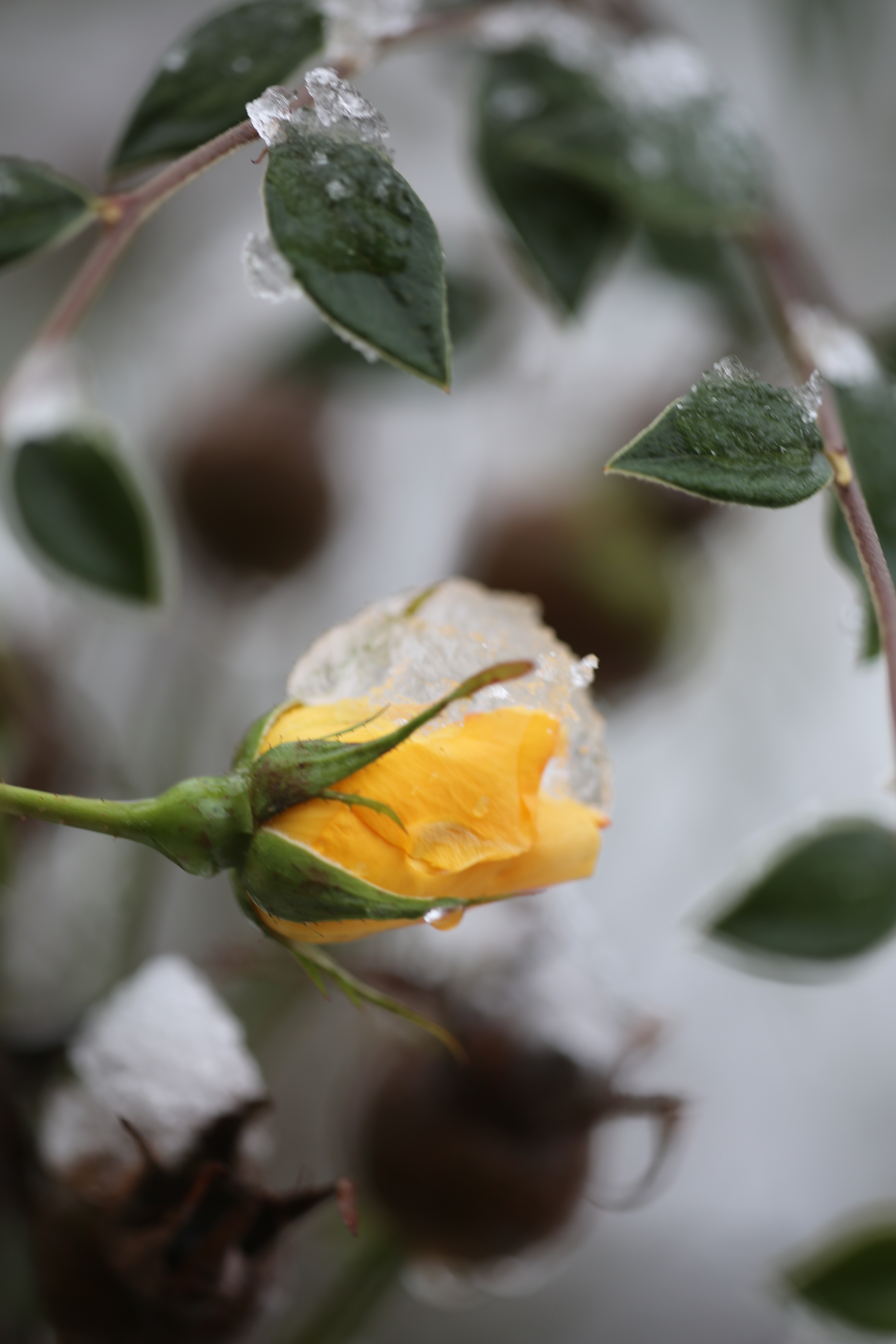
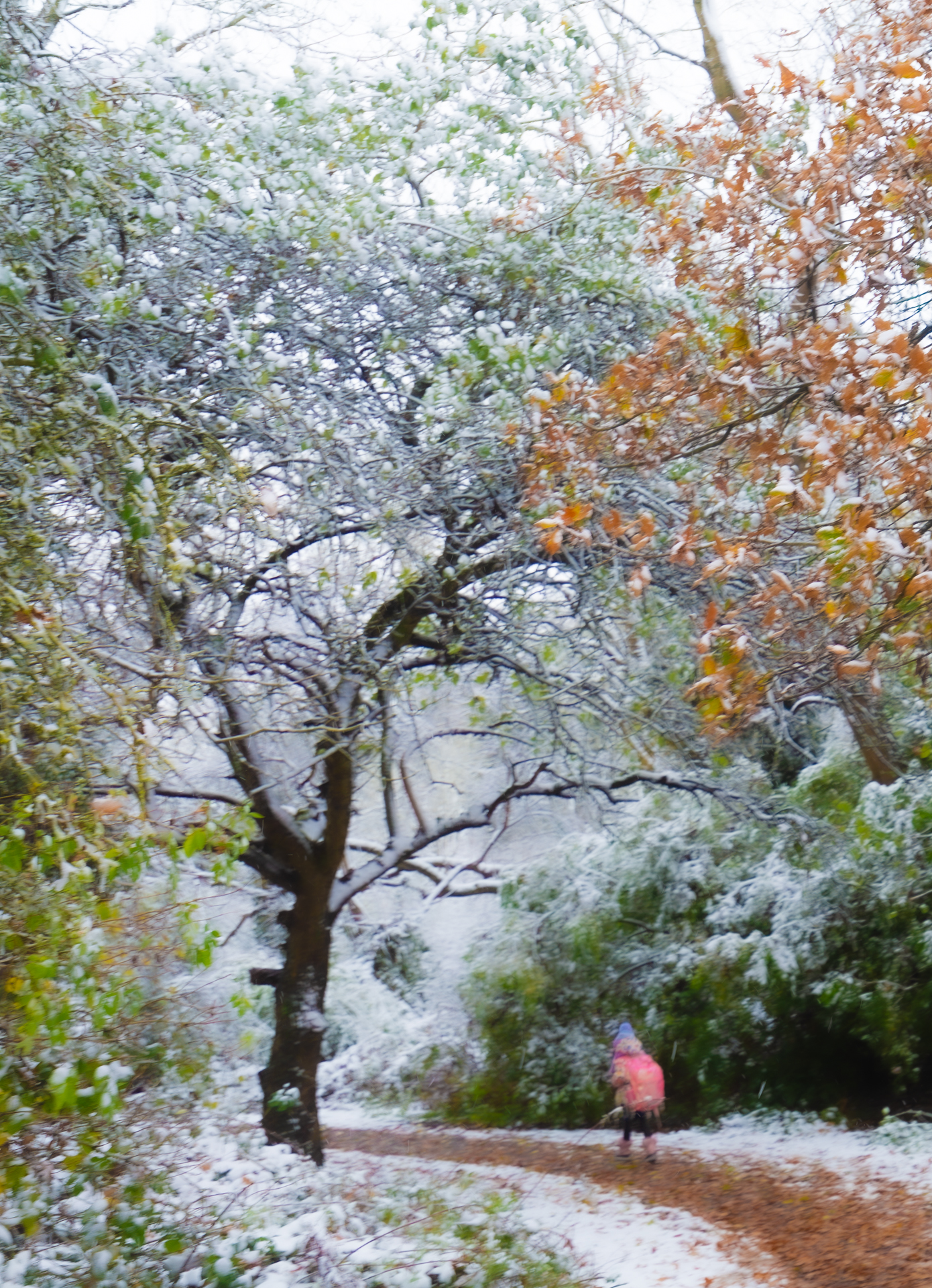
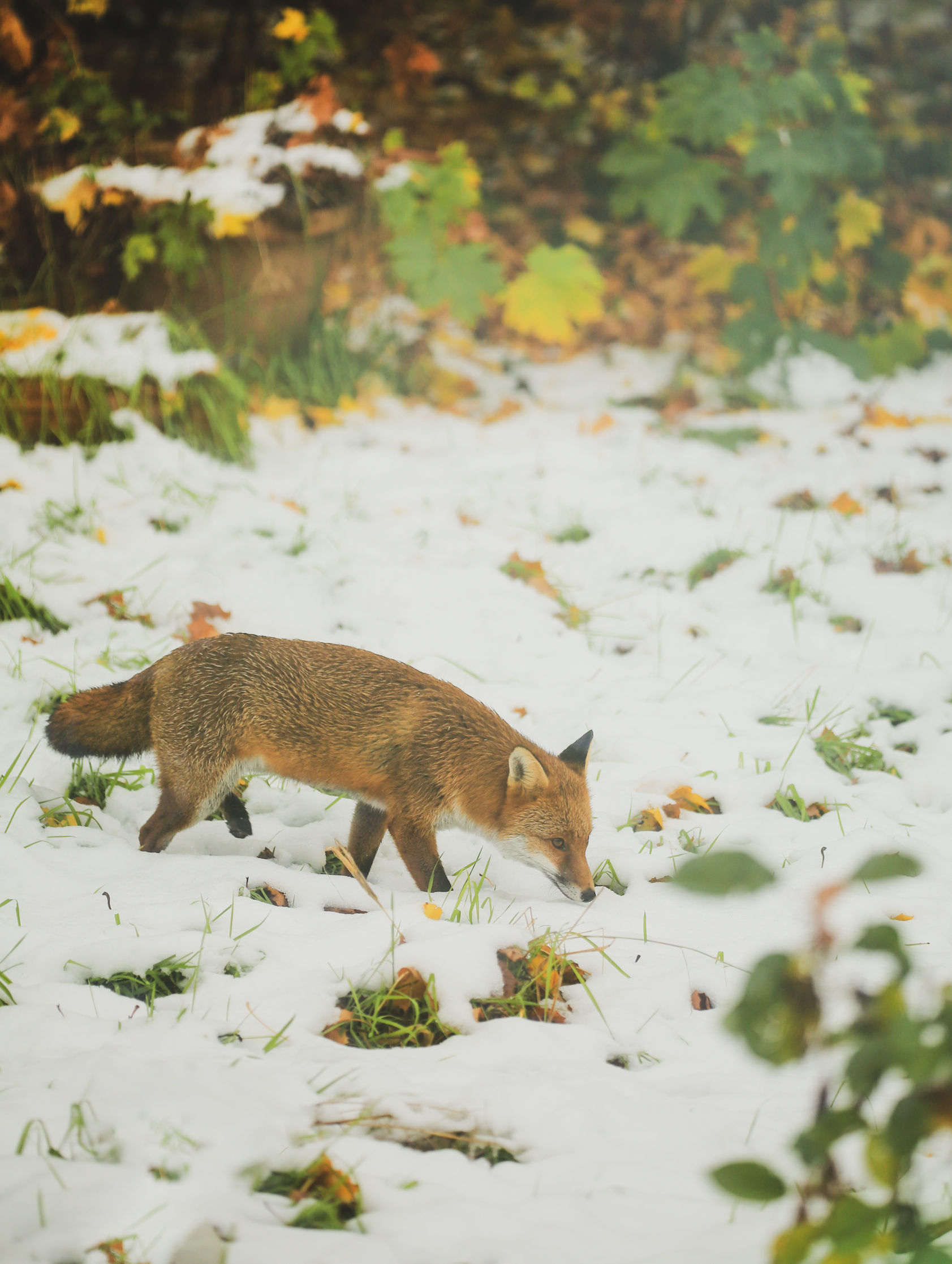
– the snow, the snow, the snow… that did not melt too quickly and the fox that appeared in our garden just after midday
– my friend’s successful knee operation and his quick recovery and our chat over a cup of coffee and his sharing of insights and wisdom from life
– for a very considerate friend who dropped Castor oil at my doorstep to improve blood circulation in the shoulders
– a husband who made a lovely Mediterranean style lentil dish with leek and green pumpkin and parsley (on the blog soon)
– translators who translate children’s stories and allow us to move between languages but within the same storytelling sphere: Room on the Broom by Julia Donaldson, La Strega Rosella – translated by the incredbly skilled Laura Pelaschiar, and the Polish version entitled ‘Miejsce na Miotle’ by translated by the excellent Michał Rusinek
– Jodie Wilson from Practising Simplicity for encouraging Yoga as a gentle exercise for busy lives, very useful for frozen shoulders too and any problems with posture that result from attached monkeys to our hips (be it kids or cameras) and also for her indirect encouragement to contact blog readers
– for Adam Phillips’ book On Getting Betterand his ability to put into words what we tend to hide from ourselves, i.e. that our transferences and regressions intensify with our resistance :)
– for our daughter who said today that she wants to do her homework on her own and allowed me to load the dishwasher in the meantime
– for the recent Outdoor Photography Magazine and the glorious portfolio review by Massimo Leotardi and their reminder that we are soon going into a National Tree Week that is uniting all the tree lovers in the UK (see treecouncil.org.uk). This is one of our favourite magazines at home and we like to have a conversation over the photographs in the morning either by exiling tensions over the landscape photographs or by giggling and wowing over aquatic creatures or mice hiding in a hollow apple
– our morning routine that has just greatly improved due to a managerial trick, i.e. a checklist with all that needs to be taken to schools. Seriously, we need it. Our working memory is only capable of remembering six items at once. Everything else is an excess. We also use a simple linguistic change of words. Instead of saying ‘Speed up’, we say ‘Focus on buttoning up your shirt’, etc. So we focus on the actual activity that we want the children to complete and use the verb ‘focus on’. In that way, the morning routine is smoother for all of us and we have nicer starts to the day.
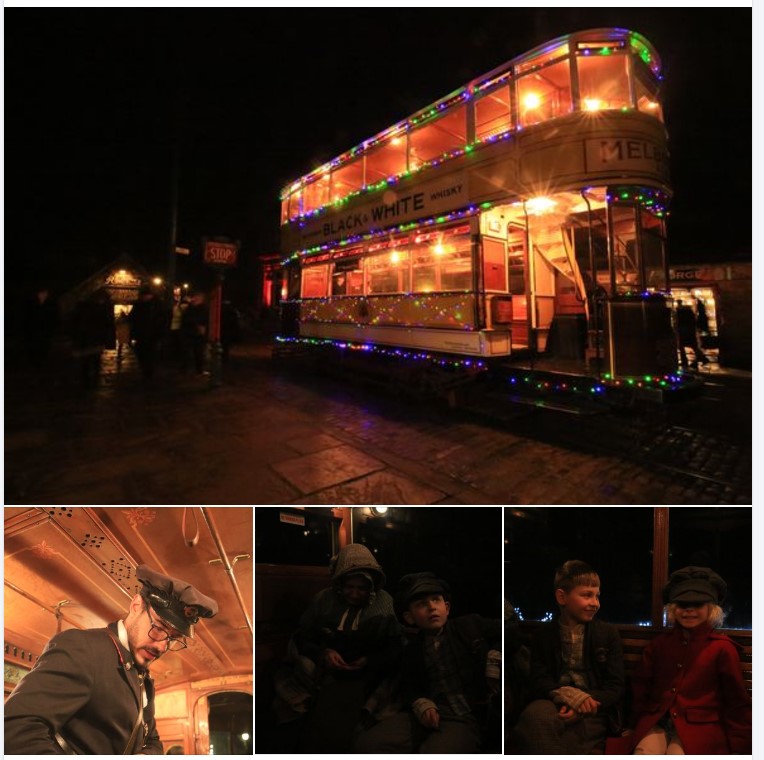
– for a glorious Journey Through Time and Light event at Crich Tramway Village that has put us in a festive mood and brought a huge anticipation of joy for the coming Christmas season
– for finding ways of preparing our son for his weekly Polish dictation tests at his Saturday School.. gosh this was a hard nut to crack..
What would you put on your list?
At Crich Tramway Village, A Journey Through Time and Light, Derbyshire, 2024









 Postcards Without Stamps