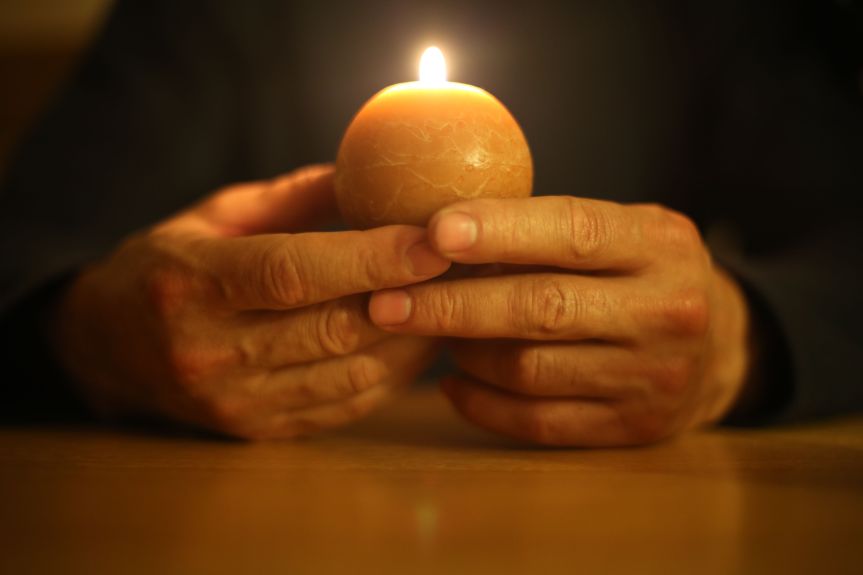


Australia did it last week. It’s our turn now. In support of refugees and asylum seekers light a candle in front of your house Sunday 13th Sep at 9pm. Light the dark UK. Light the dark The World.
Australia did it last week. It’s our turn now. In support of refugees and asylum seekers light a candle in front of your house Sunday 13th Sep at 9pm. Light the dark UK. Light the dark The World.
On Sunday (Sep 13th) at 9pm local time we will light candles in support of refugees and asylum seekers in front of our house. Do you think you can do it too?
– How did I feel back then when I came to the UK and sought asylum? The fear. The fear was always there. The unknown. … Where you’re going to sleep. … What is going to happen tomorrow. Anxiety. Constant anxiety.
– My hearing was so strong… All the noise was disturbing me. I was sitting there waiting for someone to call me. For example, someone was just asking if I want a tea but that sentence was bombarding my brain.
– You were hypersensitive?
– Yes. Hypersensitive.
– What was I fearing? I was fearing that I did not not exist. I was wishing that someone would recognize that I exist.
On Sunday (Sep 13th) at 9pm local time we will light candles in support of refugees and asylum seekers in front of our house. Do you think you can do it too? To light the dark…
View original post 11 more words

– How did I feel back then when I came to the UK and sought asylum? The fear. The fear was always there. The unknown. … Where you’re going to sleep. … What is going to happen tomorrow. Anxiety. Constant anxiety.
– My hearing was so strong… All the noise was disturbing me. I was sitting there waiting for someone to call me. For example, someone was just asking if I want a tea but that sentence was bombarding my brain.
– You were hypersensitive?
– Yes. Hypersensitive.
– What was I fearing? I was fearing that I did not not exist. I was wishing that someone would recognize that I exist.
On Sunday (Sep 13th) at 9pm local time we will light candles in support of refugees and asylum seekers in front of our house. Do you think you can do it too? To light the dark with us. Light the dark UK. Light the dark the World.



Over 70 years ago a very kind and progressive nation opened its borders to my grandfather who was fleeing from war-ravaged Poland. It was there, in Zurich, Switzerland, far from his native country that he was educated into a skilled medical doctor. If he had been ignored back then, I would most likely never have been born and neither would all the children of the people that he healed in his lifetime.
When we look at the humanitarian crises and the different positions that people take on them, my husband always concludes that “It all comes down to one basic question: how much do we value human life?”
And I think he’s right. How much do we value human life?
I’ve been listening and watching the news over the last few days and been feeling totally helpless over it. There is a strong urge in me to help so much so that I couldn’t sleep very well for the last few nights. I was thinking what I could do for the people in danger, what I could offer. My heart runs towards them. I’d like to be there on the Mediterranean Sea helping to rescue them from the boats or in Munich greeting the refugees and finding them accommodation, but I have a little child that my husband and I look after and at the moment he is far too small to be left without his mama.
It occurred to me yesterday that all I can do is to do fundraising. Using the skills that I have.
In September I will be fundraising for Doctors Without Borders / Medecins Sans Frontieres (just because they are so effective in managing help) by swapping my photographic skills for funds for the charity. The idea is simple: if I take photographs for you this month, I’d like you to donate as much as you think the photographs are worth to Doctors Without Borders via my Just Giving page.
If you would like some photographs taken of you, your loved-ones or your business or products, contact me through Facebook or my Contact pages to arrange a time and date. I am based in Derby, UK.
Let’s save lives together!
Under the clouds we are all small people.
(If you are from Derby, UK, please could you share this post with your friends. Thank you so so much!)
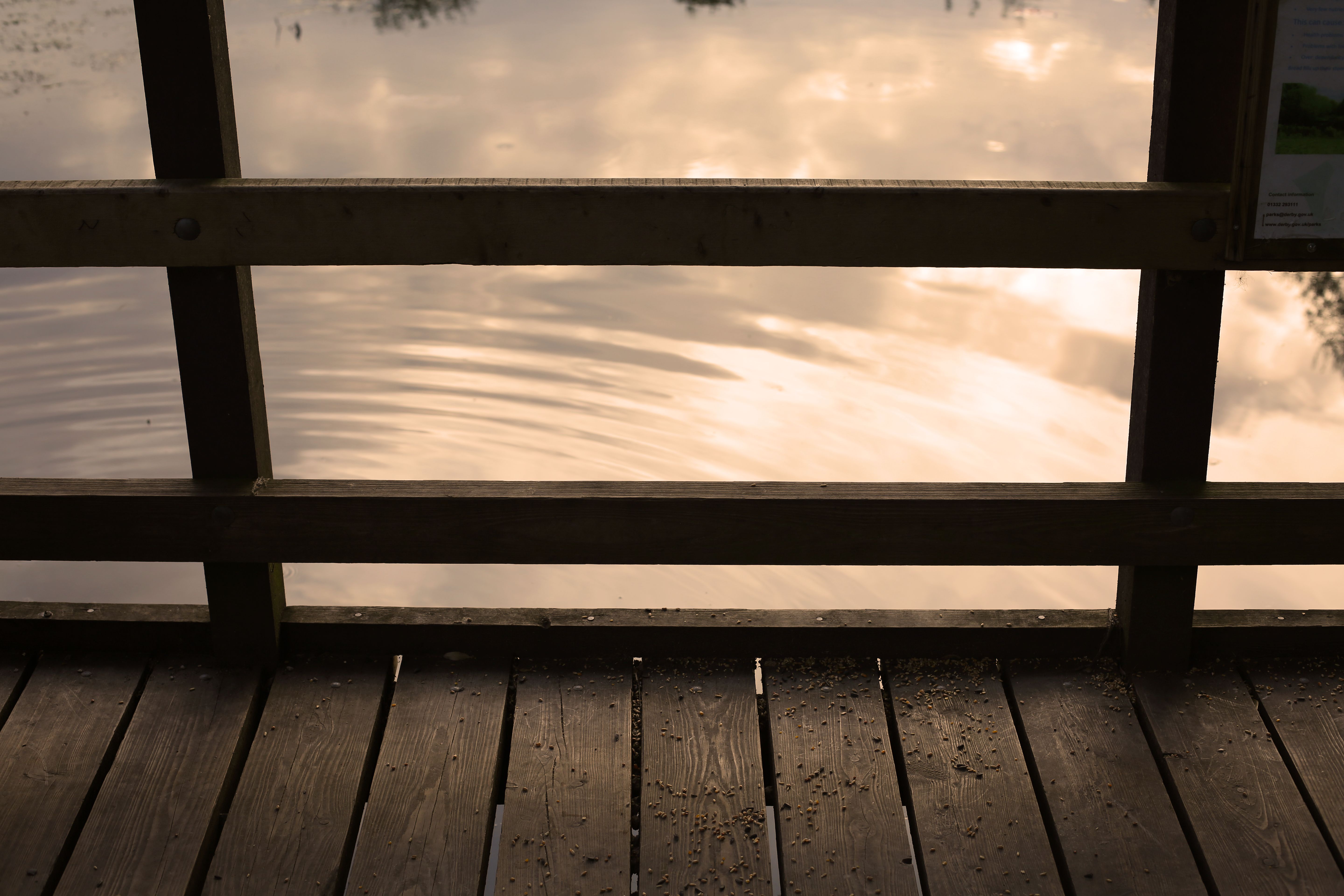
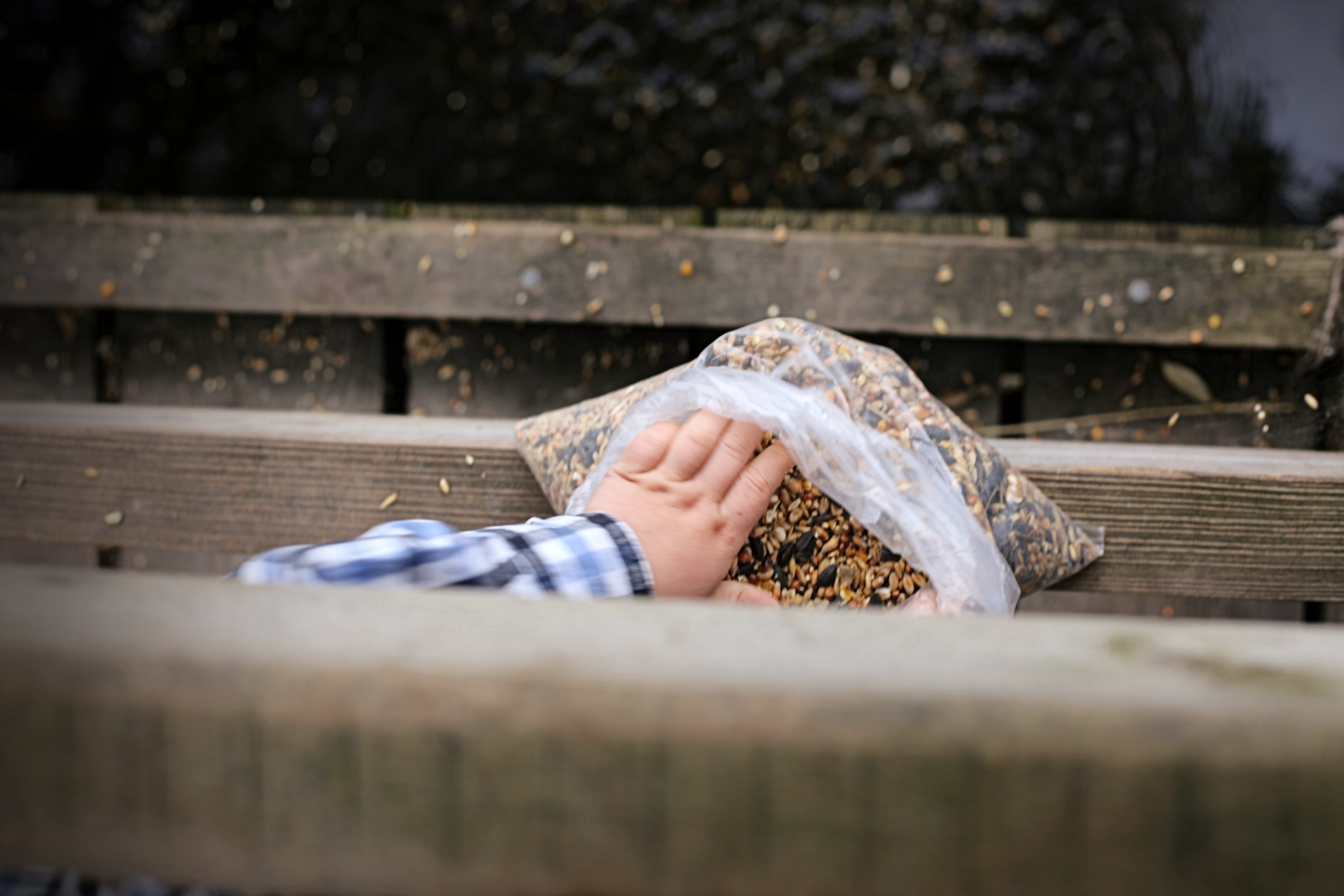
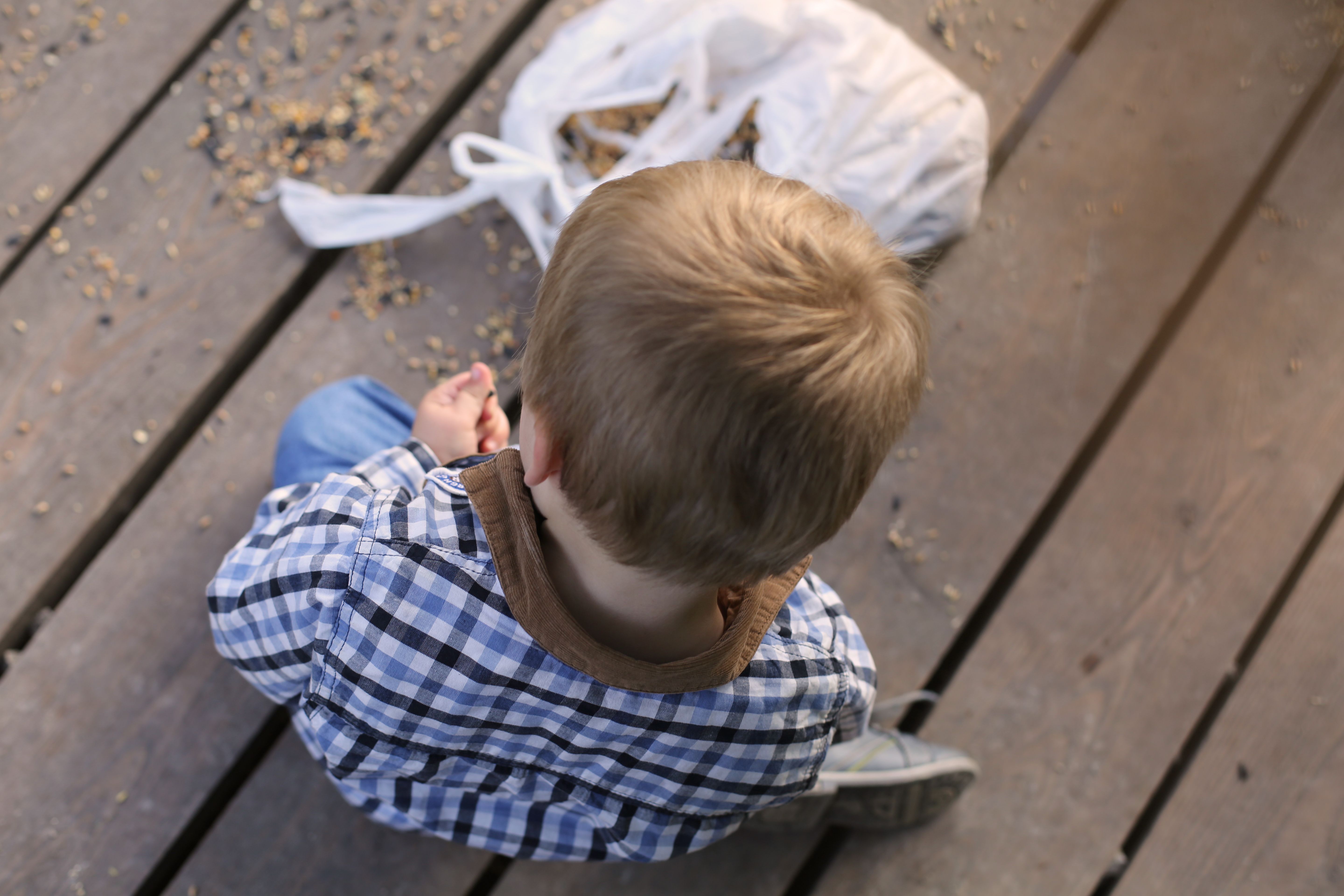
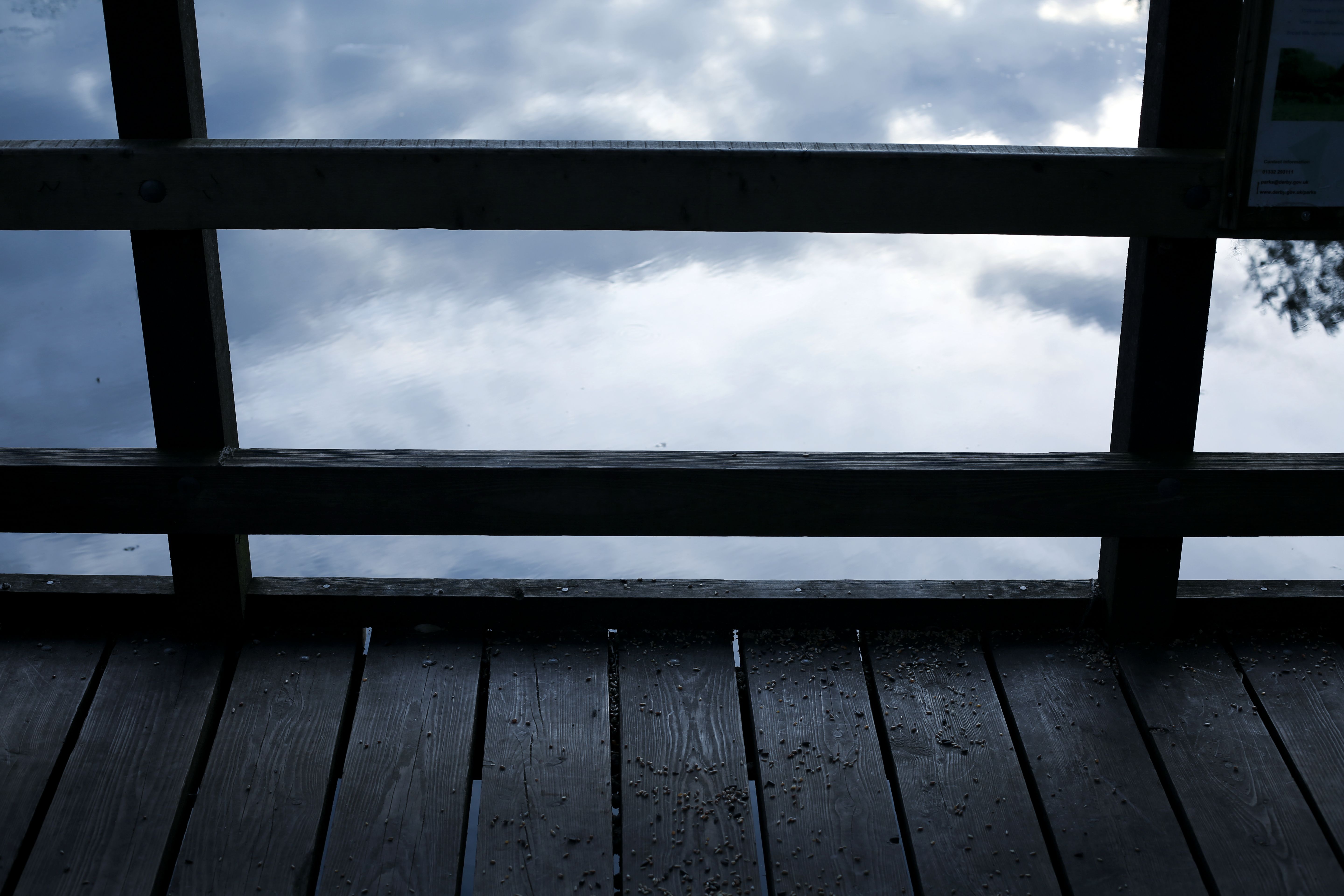
There is a bridge close to my house where tantrums melt and calm proceeds. I’m not quite sure what it is in that place that pacifies difficult feelings and makes more reassuring communication possible. Maybe it’s the joy of reaching a destination that does it or the task of feeding ducks or just being surrounded by nature or maybe all of these things taken together. Life just seems to float there. Just like the water under the bridge.
It’s not only the toddler who needs the bridge. I need it too, to quieten my internal communication with myself. August has been quite intense for me as the next few months are likely to be. When the pressure is high, I really appreciate open spaces more than anything. Perhaps I also have got a kicking and screaming toddler in myself who can only collect herself when out in the wild.
When I used to work in my dad’s orchard, my sister and I would spend a lot of time just looking into the sky, watching the passing clouds, connecting with the heavens. I noticed that my son loves doing it too. Looking up, breathing deeply. It’s reassuring, isn’t it? That under the clouds we are all small people.