Driving lessons, pubs and fishing

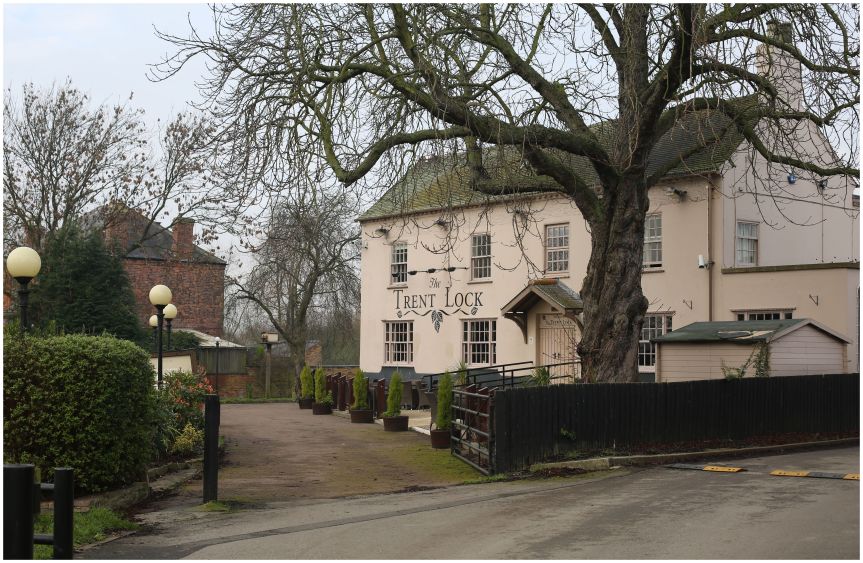
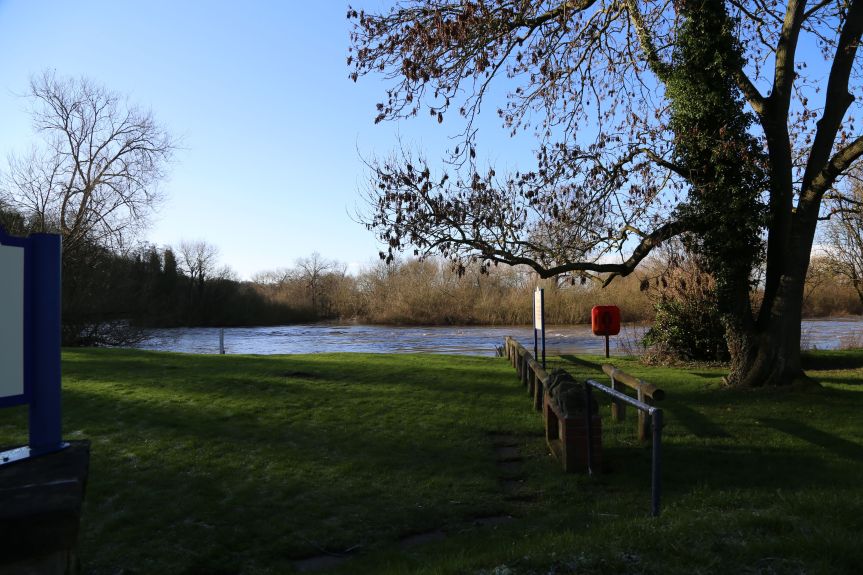
Trent Lock

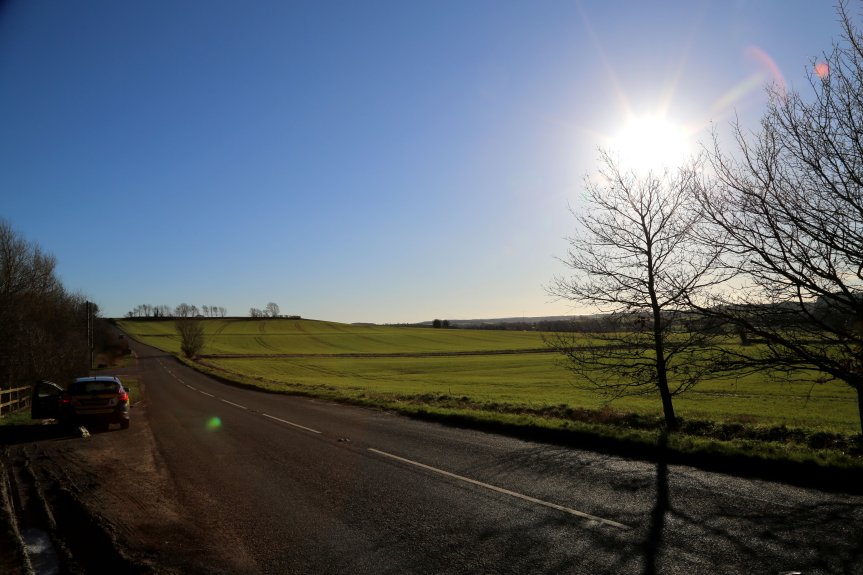
On the road

For a long time I did not have a need to drive in the UK. Back in Poland, our family home was situated next to a railway line and so the thought of travelling by train was as natural to me as eating bread for breakfast. I’m never shy of taking a bus either. I like collective travel and am always fond of meeting people at bus stops, on trains and trams and striking up a conversation with them. In fact, travelling by public transport has given me some beautiful memories and associations. My wonderful friendships have been made stronger when sitting at a table in a cross-country train.

With our son growing up, however, I feel that I would like to be able to go to places with him which are not so well connected by public transport. My desire was always to bring him up in a way that allows him to connect with people of different walks of life, to see how differently people work and live (I wrote about it here). I wish this for myself too, of course. I like to learn about people, learn about their lives, lifestyles, values and customs (like I did here and here). I think what I really like seeing is their sense of pride, of who they are and what they do. I like when people value themselves. Both their work and their toils. There are many great, bitter-sweet stories that could be written out of our daily experiences. Noticing the stories to tell is perhaps the first step on our road to self-worth and life-appreciation.

So in order to tell a few more stories on this blog and to meet more people, I have summoned my courage to drive a bit more, to drive beyond my very small driving-comfort zone. I paid for a few refresher classes and asked my driving instructor if we could go to places that he knows well around my area – I love that very much when people show me what they find important and fascinating. It is then that I stretch myself most when I go to places that I might not normally go to. (Perhaps that is why I love to read blogs, because I feel that blogs take me where I would probably never gone on my own :))

On the road 2

canal
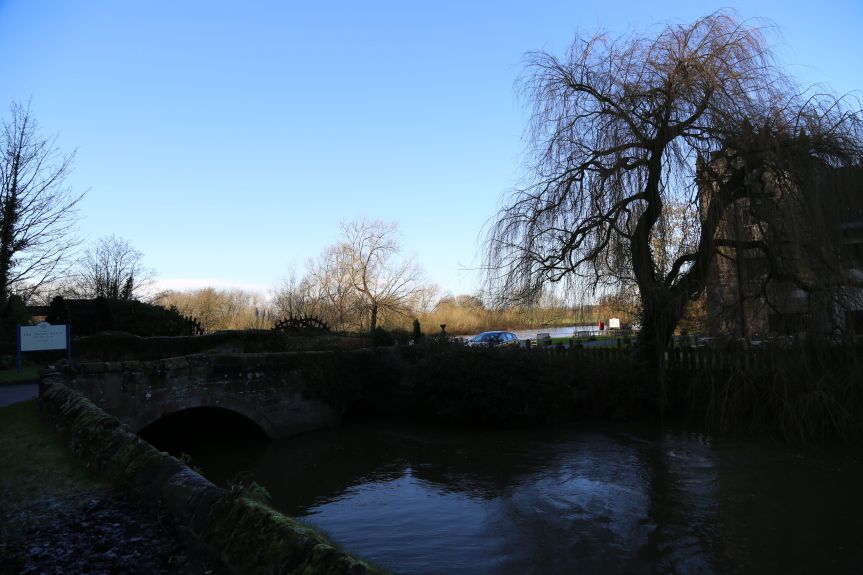
Wragley Boat Stop
driving
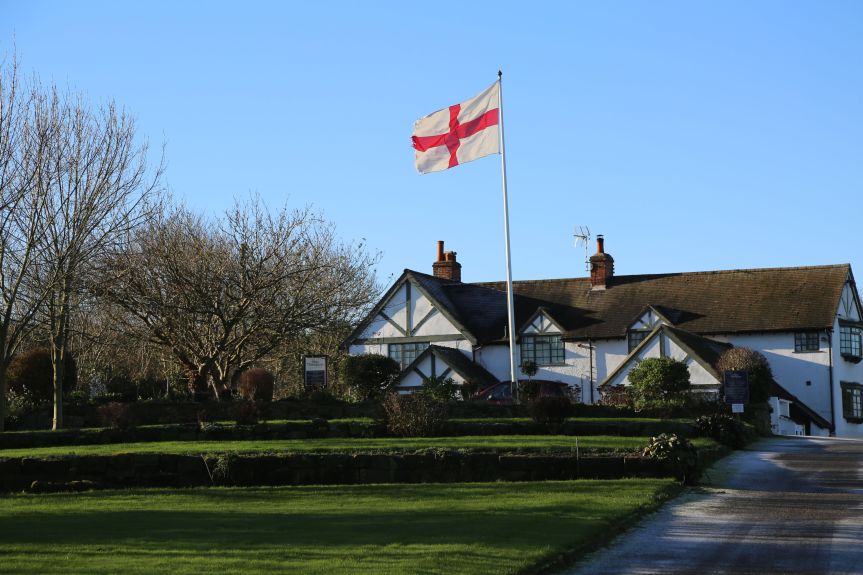
The Priest House

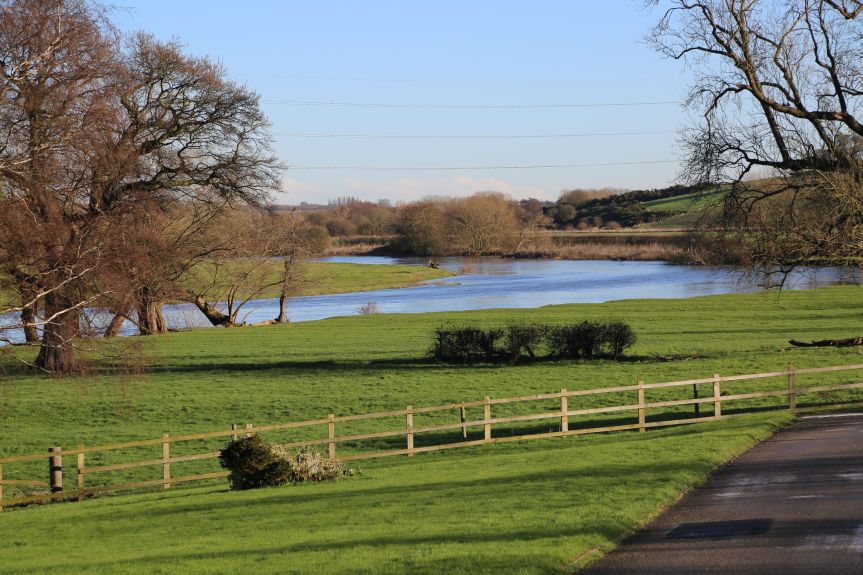
floods

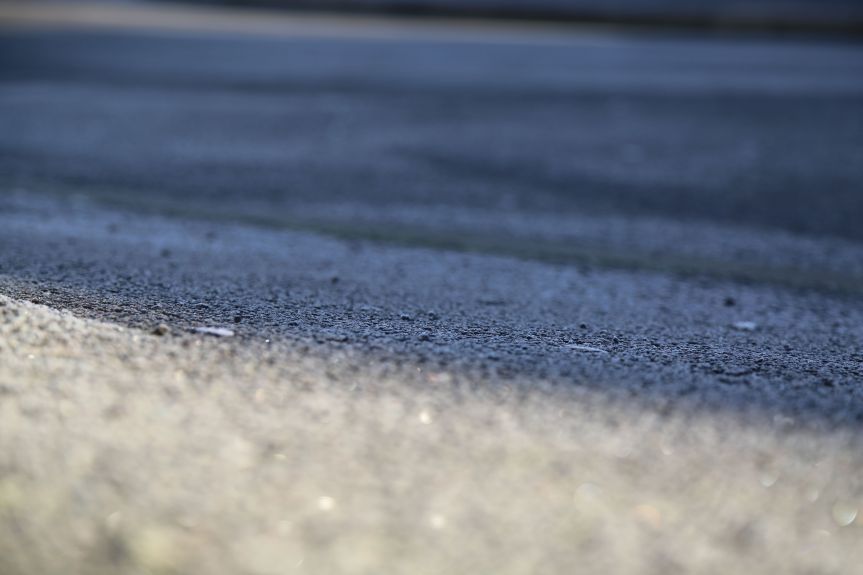
frost on roadsfrost

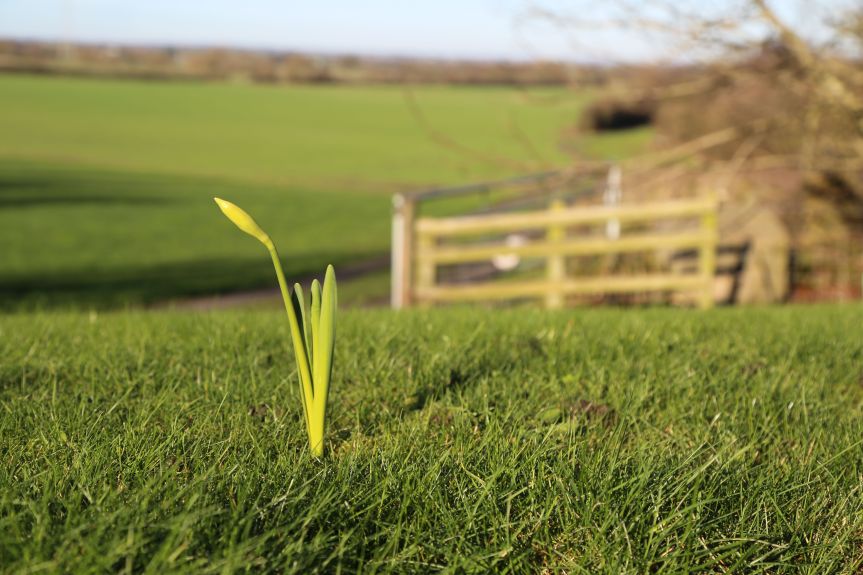
daffodils in winter
British Winter :)

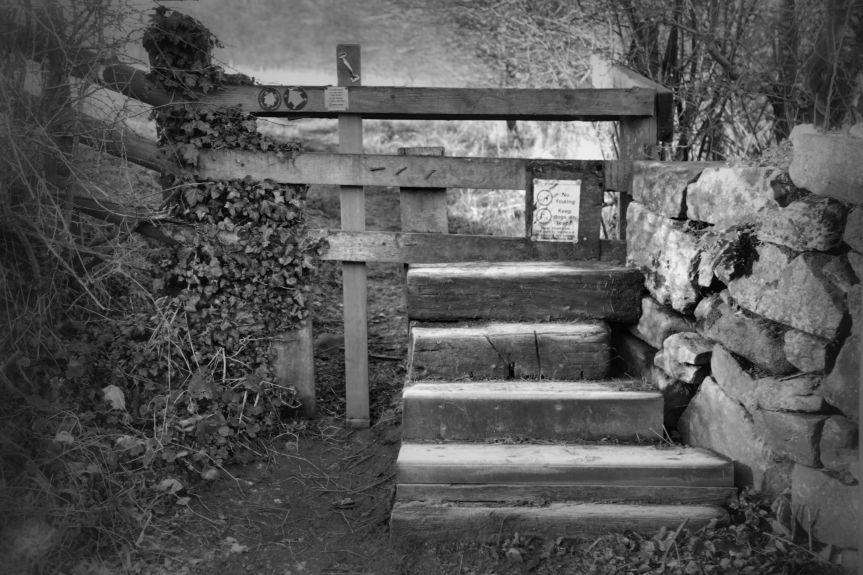
footpaths

Pub 1
The John Thompson Inn and Brewery, Ingleby (near Derby)

One of my dreams as a mum is to be able to show my son that he has options. That there are mainstream and not-so-mainstream things that he can do in life. I want him to see that there are many different things worth doing and to develop a good sense of respect towards the value of human endeavor. Very often, in Zadie Smith’s words, we “mask self-doubt with contempt” – we scorn the skills that we would like to possess or mock decisions that other people make. It’s this less graceful part of our human condition. It’s also the part that is actually very often responsible for our fall, or for the fact that we never develop the potential that’s in us. When we criticize what people do, what they have, how they behave, we always send a message to ourselves that we do not want to become like them; but actually there is also another side to this story. Too often we criticise because actually we would like to be like them. I am a firm believer that appreciation of another human being and respect towards who they are and what they do make us notice quicker what’s alive in us.
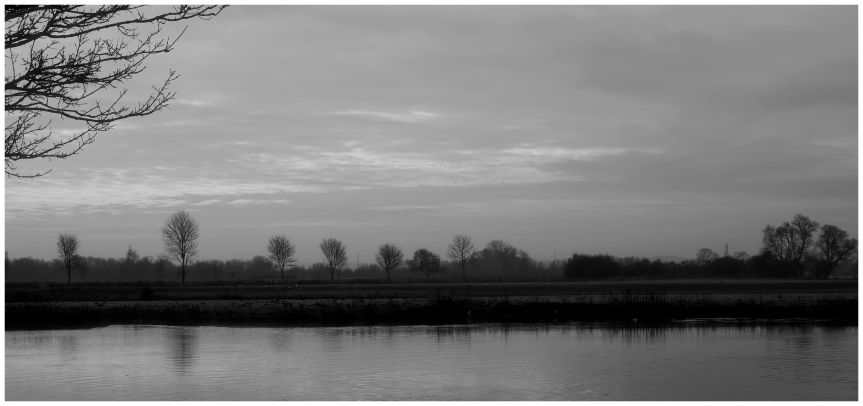
Trent Lock2
Trent Lock

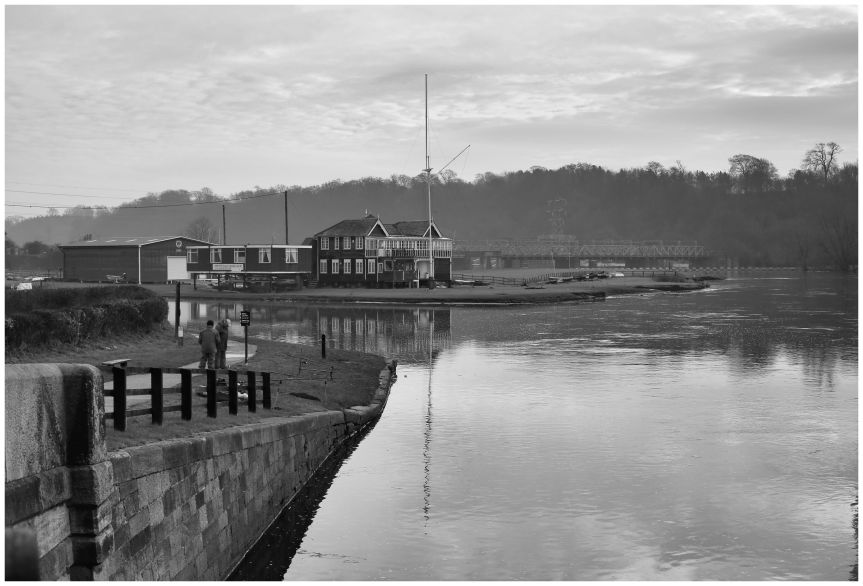
My driving instructor loves fishing so he took me to places where he would normally fish. Around those fishing spots you can often find some amazing English pubs that anglers can visit after a decent catch. I was telling my husband a lot about my driving instructor’s tales. My three-year-old son was eavesdropping. Next morning he climbed on to our bedside cabinet, took my belt and said: ‘Mama, look, I’m fishing.’

Appreciation of the stories of others alerts us to what’s alive in us.

The priest house
The Priest House

Trent Lock 3

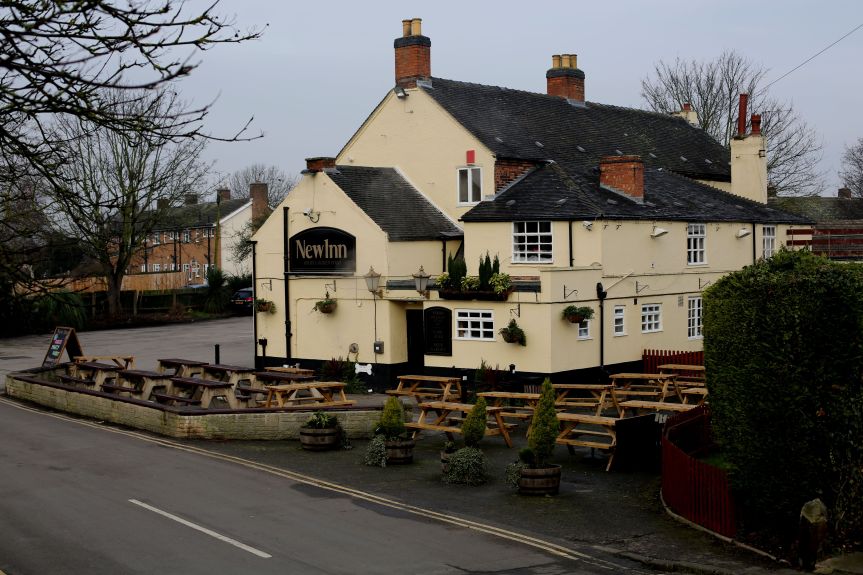
New inn
Wragley Boat Stop
river
The Priest House

For a long time I was using public transport because, of course I feared driving, but also because I enjoyed the companionship that comes with journeying with others. The camaraderie was my reward. Since I no longer do those commutes I miss that daily dosage of human stories. Maybe driving will become the habit which will earn me my reward (new places, new stories). What are the habits that you would like to develop? What are the stories that you pay a particular attention to these days? Are they making you more alive?
hill


Sea Monsters

1

“The sea snail slithered all over the rock
And gazed at the sea and the ships in the dock.
And as she gazed she sniffed and sighed,
“The sea is deep and the world is wide!
How I long to sail!”
Said the tiny snail.”

~ Julia Donaldson, The Snail and the Whale

At the beginning of the year, I found myself complaining about our house perhaps a bit too much, finding faults in pretty much everything, including the ceiling. I know that when I complain about the house, I do not really complain about the house – but about a lack of time and breathing space, generally about being overwhelmed. It’s intriguing how our attitudes to our spaces often reflect the states of our souls, don’t they?

2.JPG

3.JPG

4

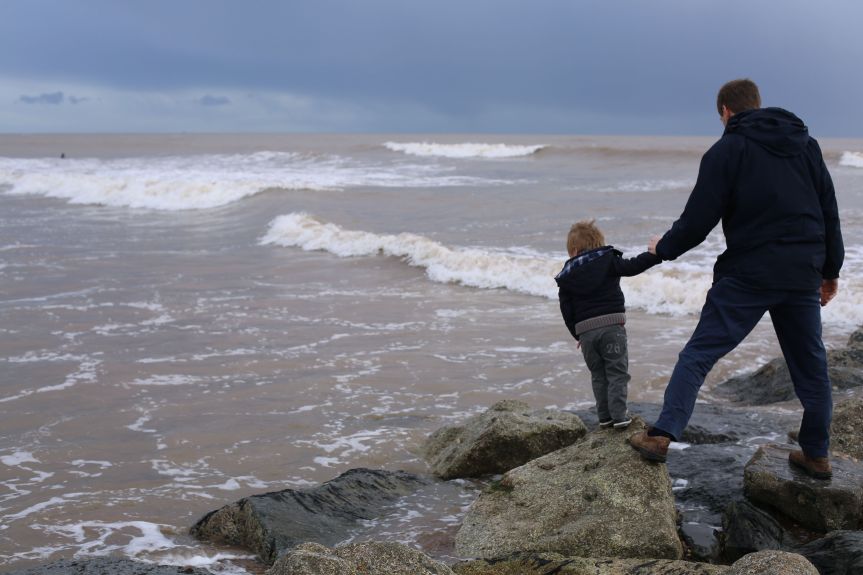
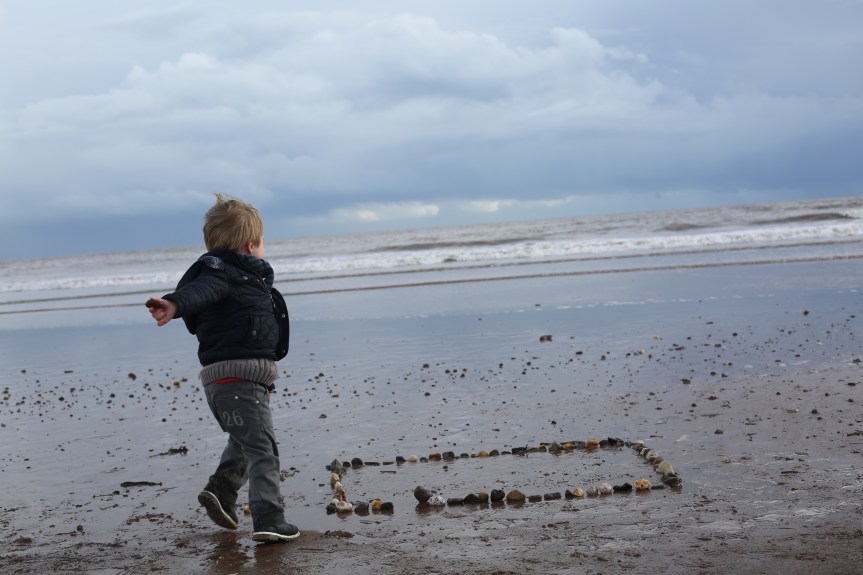
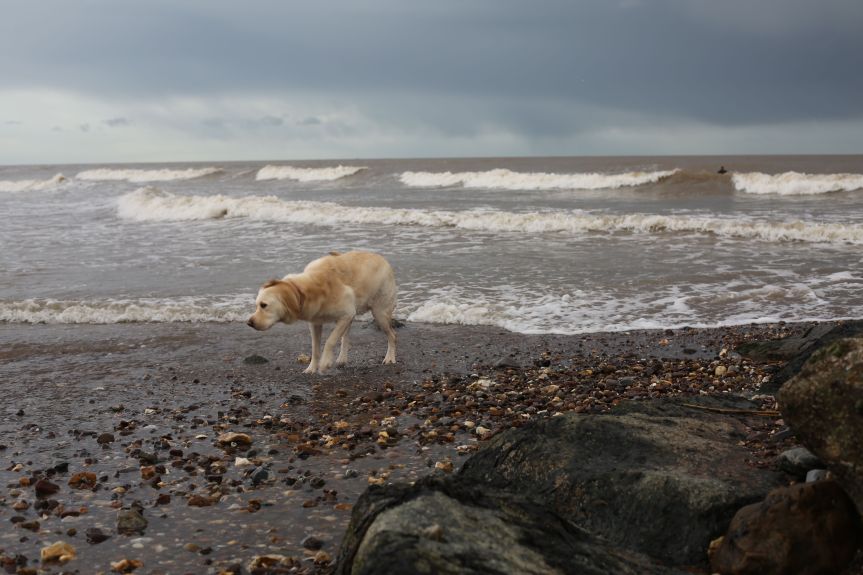
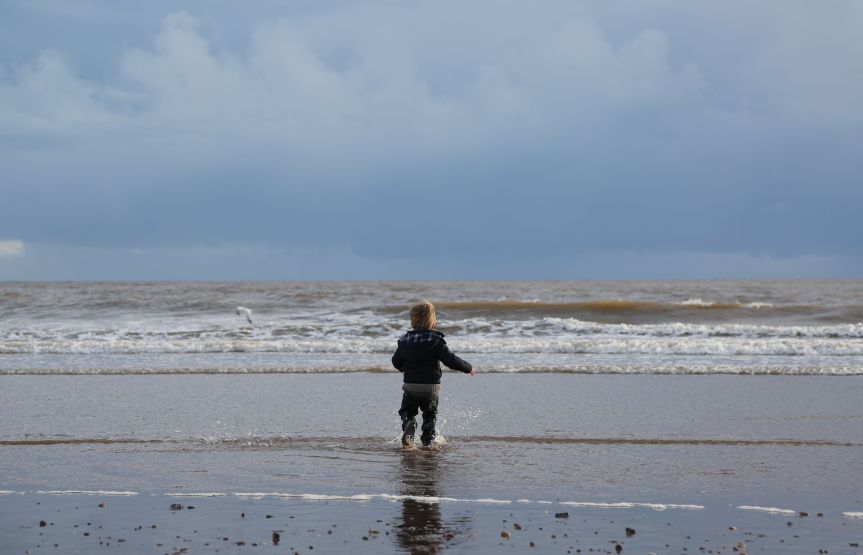
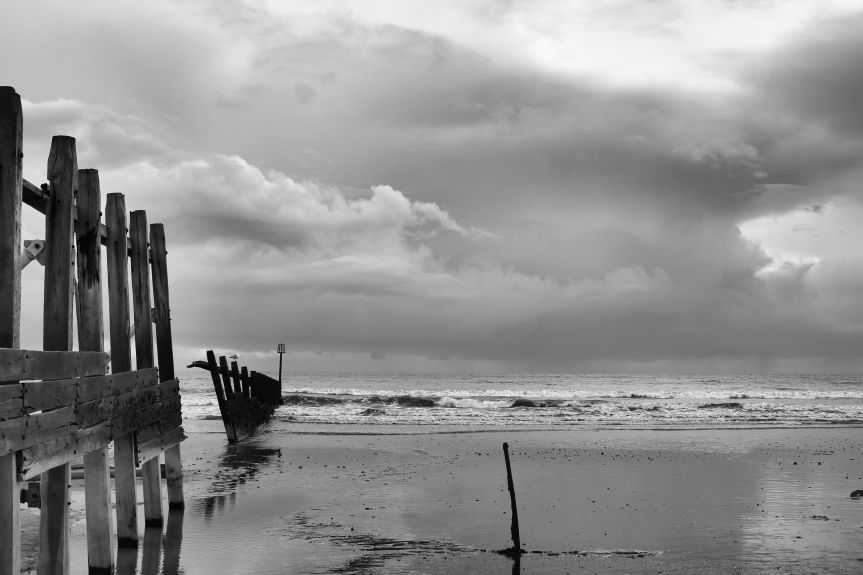
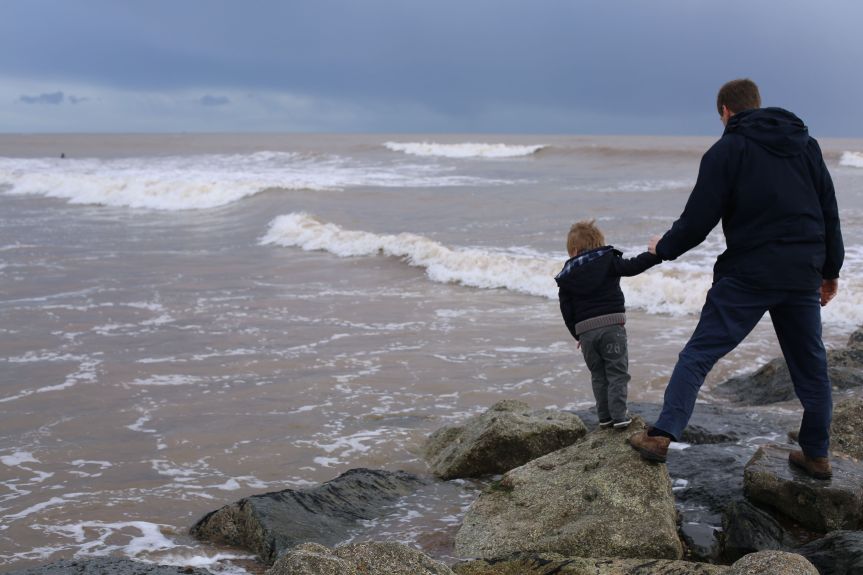
Early in January we drove to Devon to spend a weekend with family and while being there we headed towards the sea, to Dawlish Warren. Maybe even to remind ourselves what it is to experience vast open spaces and the freedom that they offer. Winter sea air is wonderful for taking deep lung-stretching breaths and for carefree runs towards the sea. The runs are necessary if, just like a very curious three-year old, you want to find out where the beach sand is soft enough for your feet (or shoes) to sink in.

5.JPG

6.JPG

free

8

There are many attitudes that we can develop towards our personal spaces, we can project ourselves on to them, but the sea is too great and too majestic for us to do it and as a result it projects its greatness and dignity on us. That is why, having seen the sea, we come back to our homes with greater respect, awe and appreciation of ourselves and the whole humanity.


Beauty equals…

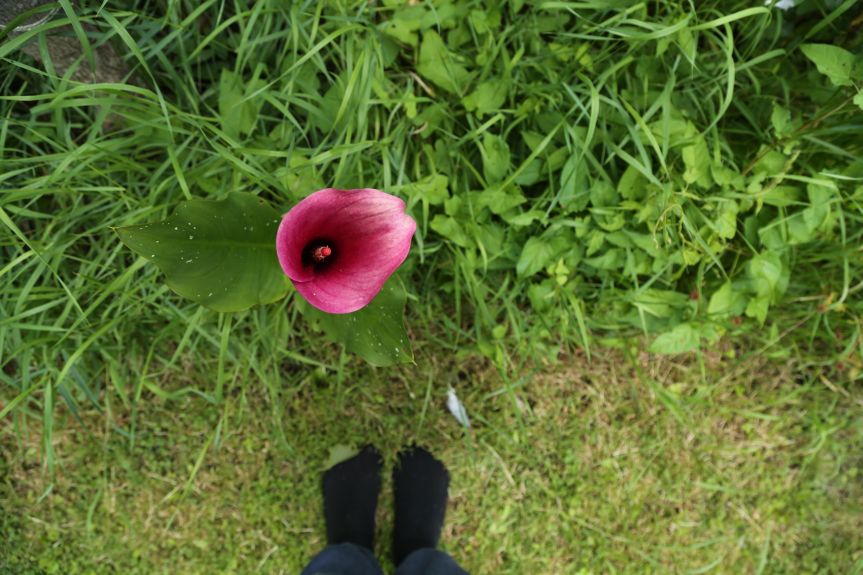
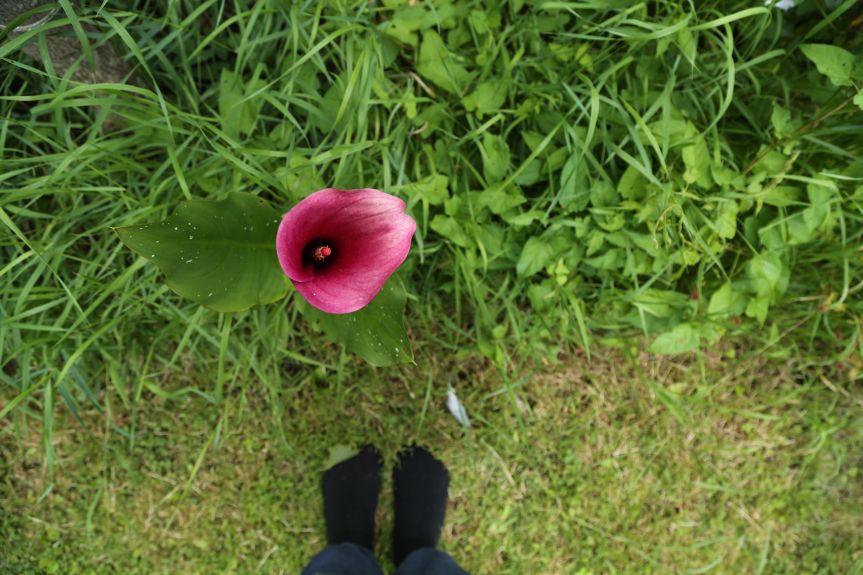
lily

“The real sin against life is to abuse and destroy beauty, even one’s own – even more one’s own, for that has been put in our care and we are responsible for its well-being.” Katherine Anne Porter, journalist and author

I’ve been trying to position myself towards the topic of beauty for a long time now. I have been brought up in a home that did not celebrate beauty. “Beauty is only skin-deep” was probably the most often used statement about beauty that I heard as a child. It was of course used in order to show that assigning importance to looks is superficial but I think that more often than not we were quite confused about the statement. Because if it was superficial and we generally should not care about it, why did we have to look good when we were visiting relatives?

Anyhow, ‘Beauty is only skin-deep’ was a saying that many liked to sing when we were growing up and, to be honest, I see it now as more damaging to children’s understanding and appreciation of beauty than helpful in building their characters. What I do not like about this saying is that it discredits beauty per se, it discredits the need for looking after it, it discredits the need for creating it and if said too often, it basically stops us from looking after the beauty that we are surrounded with and the beautiful people that we are.

Beauty requires effort. It takes work and purposeful, regular practice to create it. It also takes knowledge and dedication. I only truly understood this through my life experiences over the last few years: growing a child, making things for our house and garden, writing and photographing. What I have learnt is that beauty thrives with care and creativity and care and creativity entail effort. Creativity is effort, it’s seeing details, it’s being able to mould materials until they take the shape that we want them to take, it’s also about learning how beauty is made and about practice. It’s about spending time and often exerting ourselves to reach the outcome that we want to have, and finally it’s about tending to it regularly, taming it’s wildness. Beauty can be shallow but usually it is not. Usually beauty is work. It’s a lot of work nurtured with love and affection.

Shouldn’t we therefore teach our children that beauty should be respected rather than disparaged?

The more affection we have towards who we are, what is within us and what is around us, the more beautiful…

everything becomes.

The spiritual dimension of childhood

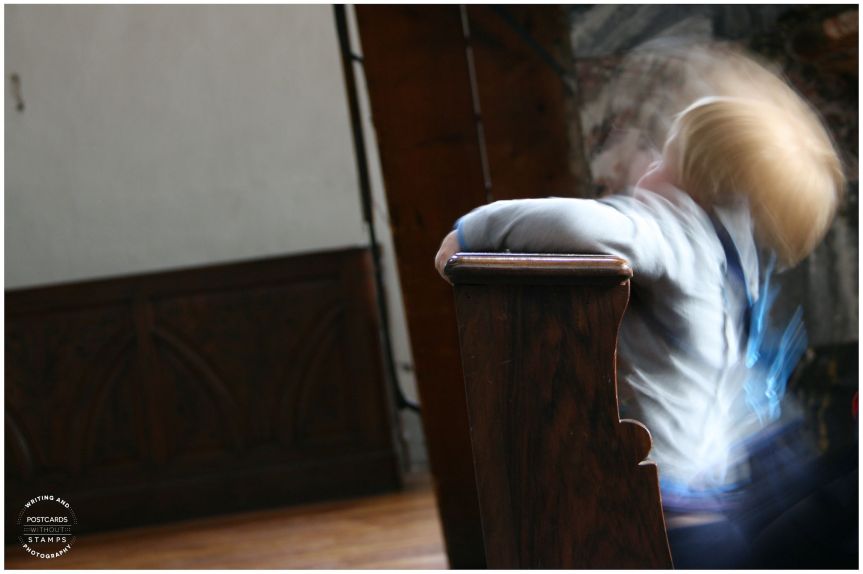
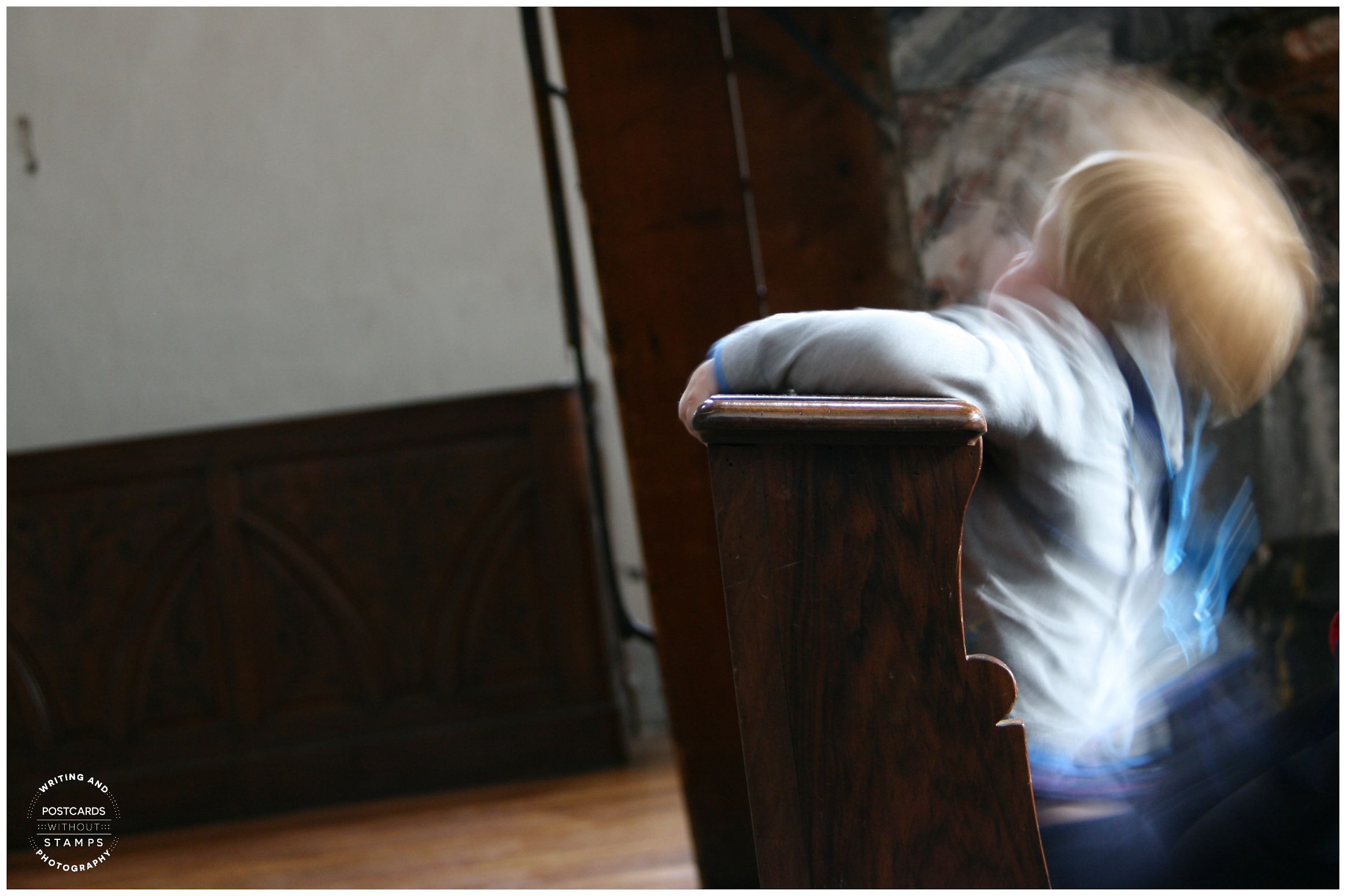
in a church

We talk a lot about how to best bring up our children. We talk a lot about their diet, about their clothes, schooling, meaningful playtime and sleep patterns. We are continuously preoccupied with their self-esteem and skills development but we hardly ever address their spiritual side, hardly ever ask questions about it. I sometimes feel that it is almost a taboo to talk about spirituality for the fear of being recognised as a potential or practicing believer.

I am a practicing believer. I go to church. Once it was part of my cultural practice and upbringing (being brought up in a Catholic family with Catholic values), now it is my choice. I don’t feel constrained by my religion, I feel guided in some manner but not constrained. In fact I am often plagued with doubt but a few years ago a solid seed has been planted in me and now there is a tree growing there, a very healthy tree that supports my core and blossoms with my regular visits before God.

I belong to a gentle and a very balanced community built from people from all over the world: Europe, India, Nigeria, Brazil and the States, to name just a few. We are all there sitting in one church, connected before God, equal before God. It is a very powerful sensation. It is a very powerful understanding. I take my son to church and I think he sees what I am seeing. He sees and breathes this so powerful a statement of equality – for him there is no other world, no other world than the multicultural one, no other than the equal one.

I have got friends of all religions and persuasions, in fact my best friends are of different persuasions to mine but it does not prevent us valuing each other’s friendship or having deep conversations on the topics related to believing, disbelieving and non-believing. Our ability to develop different views and feelings related to the metaphysical is what makes us so wonderfully multidimensional. I want my son to be able to position himself towards the metaphysical with as much knowledge and experience as he can get himself, and as much understanding as I can offer him and so I take him to church (I know that there are other ways, but that is mine). Someone told me once that they stopped attending church because church should be for the people and not people for the church. The main message that I get from the place that I go to is not that people are for the church but that people are for the people. That people are for the people. This is what I would like my son to take with him.

We are very fortunate to live in a multicultural and multi-faith city. The city which totally overwhelmed me when I first arrived here, the city which I am totally indebted to for making me open-minded and curious of differences, and as many British cities this one is also great at coexistence but would definitely benefit from more face-to-face dialogue. I don’t know how it is in schools these days, but I know what it looks like in playgrounds and play spaces. Mums gravitate towards those that look like them. How about breaking that habit? How about initiating conversations that join us together? Getting to know that lonely-sitting, iphone-flicking everymama? Where she’s from, what she values and most importantly why she is alone.