What’s inside our bread?

Baked Bread

Wanted. Loved. Devoured daily. But messed with on a big scale too. Only a few decades ago in the UK its “particularly interesting” example was so white that it appeared almost luminous. People marveled over its brighter than chalk tint. The astonishing hue was mesmerizing and very few questioned its look. This was a mistake. Chlorine dioxide gas was nothing but a type of bleach used in the UK’s bread till 1999 when the government decided to put a ban on it (Whitley, 2006).

There is no chlorine dioxide in the UK’s bread today but there are still many bleaching agents, additives, preservatives and enzymes that aim to artificially enhance the taste and the look of bread, decrease its mixing and baking time and superficially boost the volume of the bread. In his book Bread Matters, Andrew Whitley gives a very long list of various enzymes (and their effects) that are used in making bread dough: Maltogenic amalyse, Peptidase, Amylase, Xylanase and many more (the names in themselves sound terrifying, don’t they?). Most breads also contain emulsifiers. Their job is to prevent the loaf from going stale too quickly. These and other supplements compromise the nutritional value of many loaves that we eat. No wonder therefore that there are more and more people who are deciding to go back to basics and who are learning to knead the bread again within the corners of their kitchens and who are finding enormous joy in doing so. Maybe it’s because they are creative with making different bread shapes (buns, rolls, loaves and flat breads), with using different flour compositions (wholemeal, white, rye, spelt, malted wheat flakes) and with putting their favourite ‘stuffing’ (sunflower seeds, sun-dried tomatoes, dates, pumpkin seeds, olives) into their breads. We do that too and I must say there is something very satisfying about baking your own bread… perhaps it is its comforting smell or the appealing symbolism that bread-making conveys… that of motherhood and that of life, strength and resilience. (More Images and Recipe Below)

Bread Recipe:

Ingredients:

250g Strong White Flour

250g Strong Wholemeal Flour

100g Malthouse Flour also known as Granary or malted wheat grain (it’s optional, but greatly enriches the flavour)

400-500ml Water

1 Teaspoon of Dried Yeast

1 to 2 Teaspoon of Salt

25-50ml Olive Oil

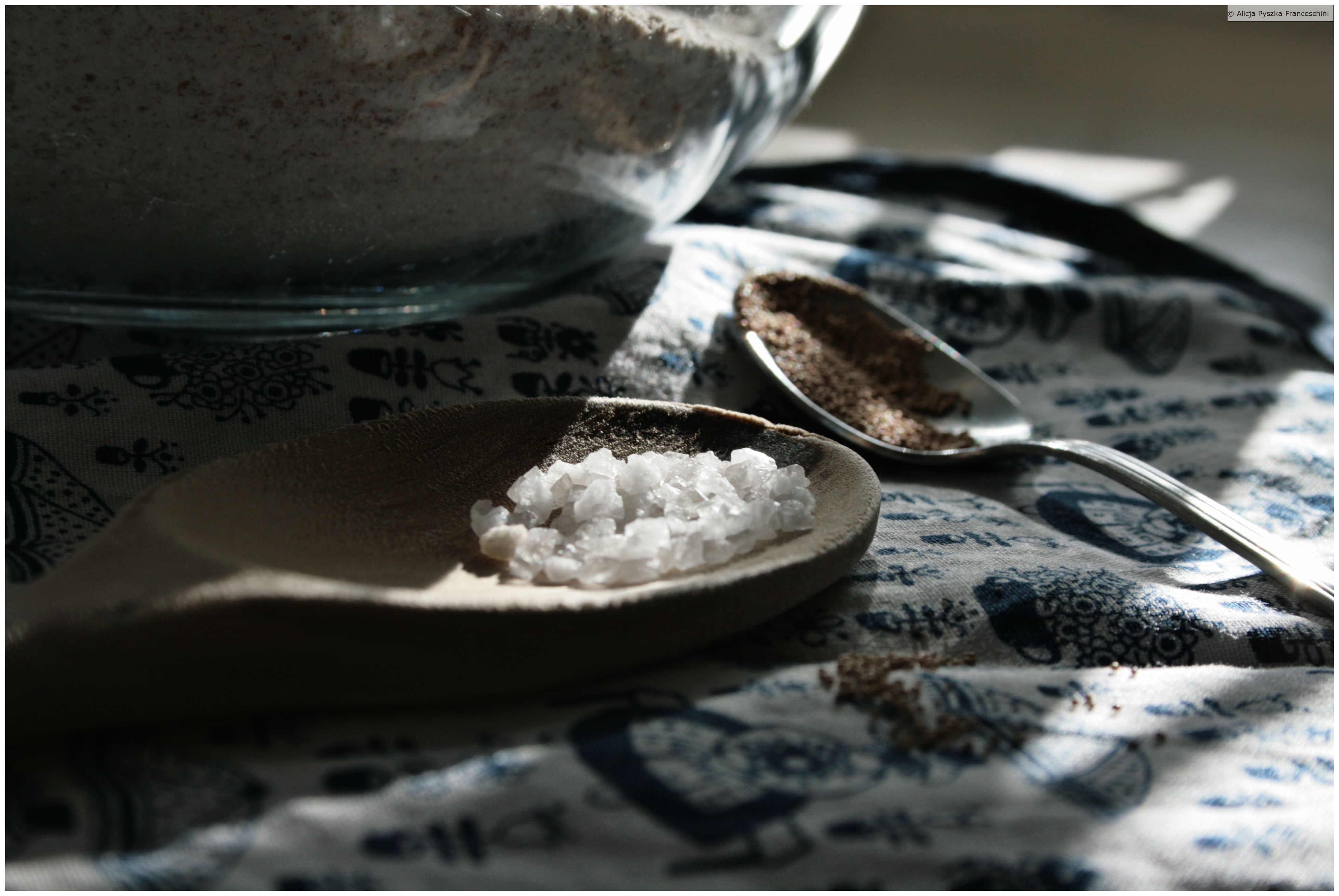
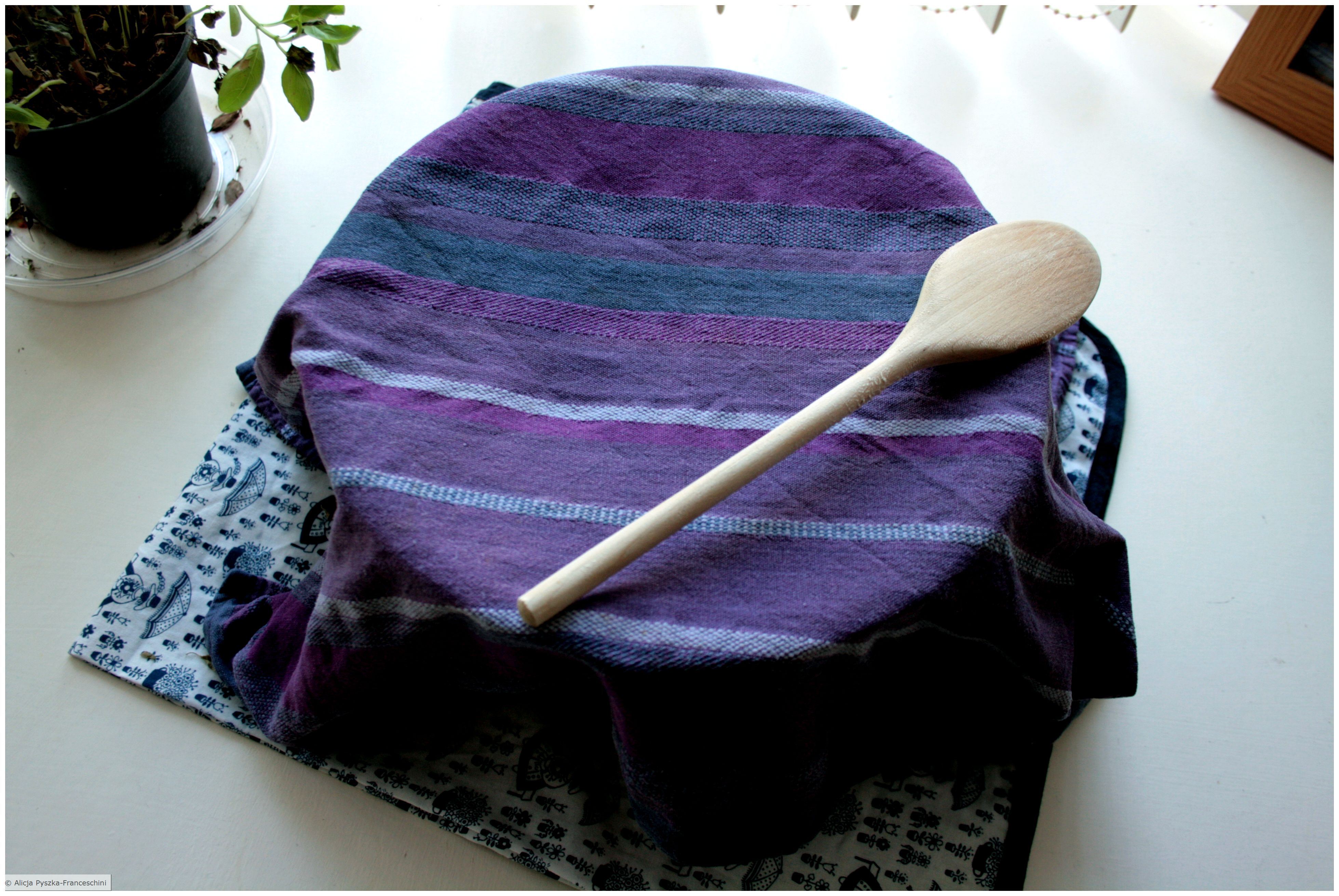
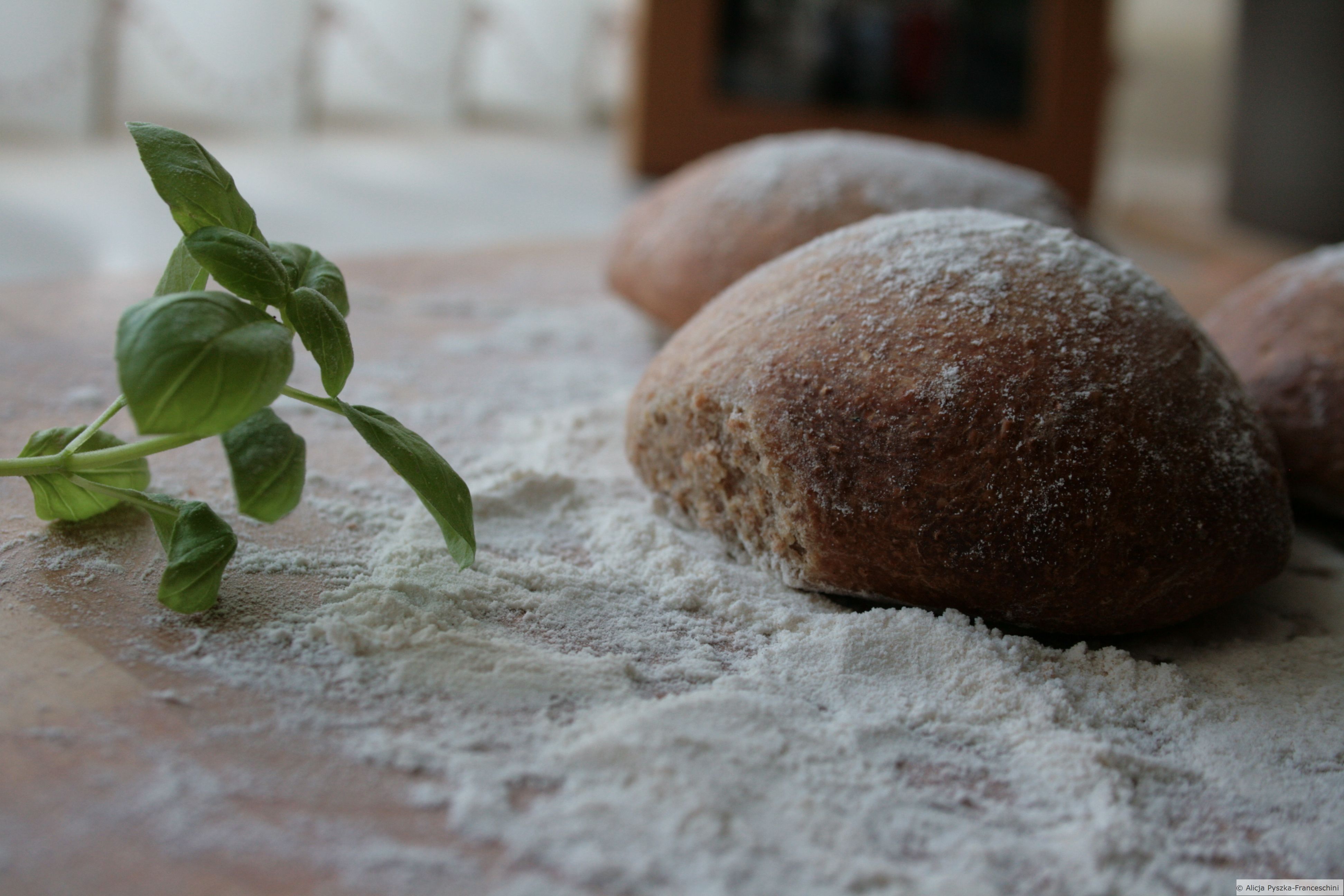
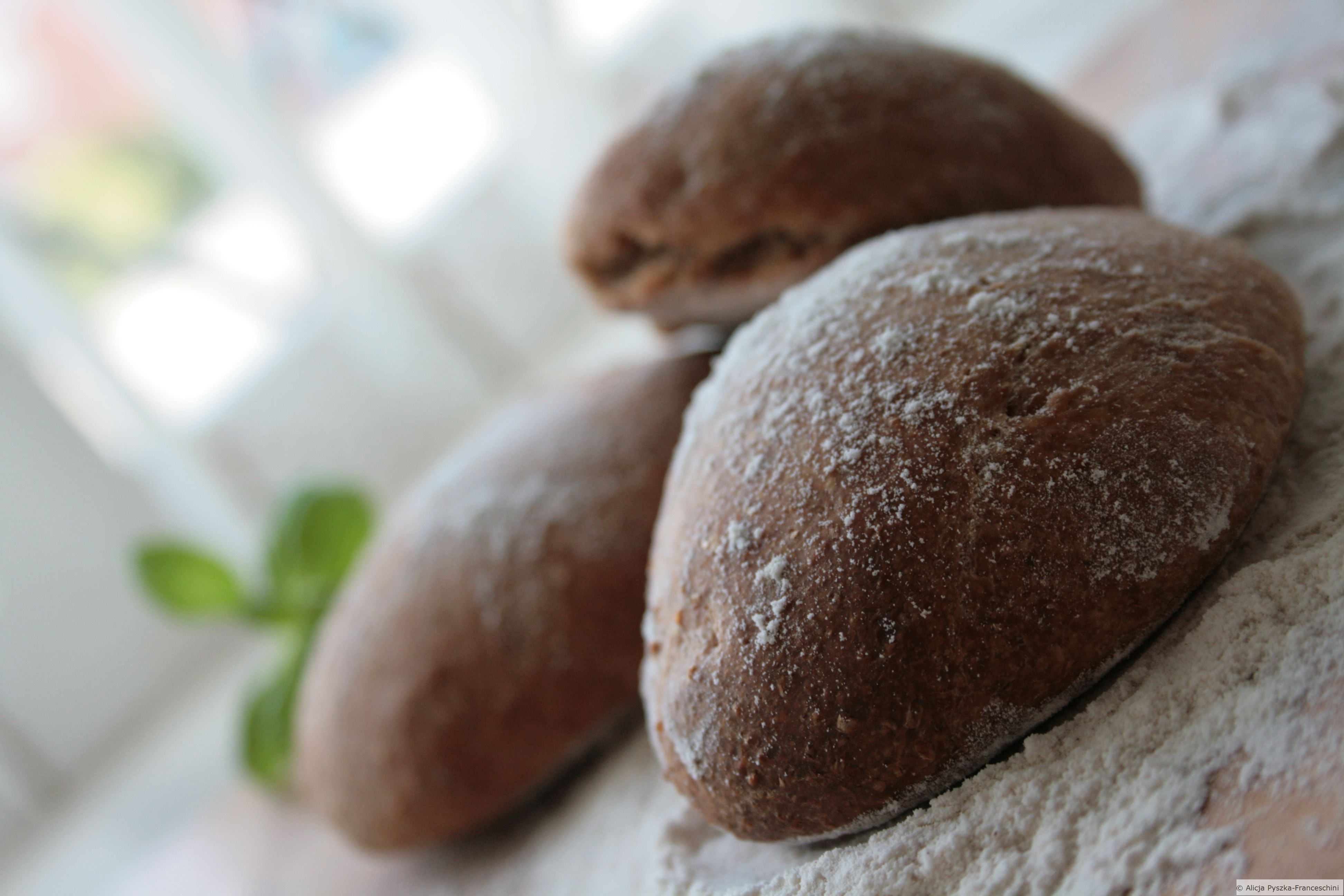
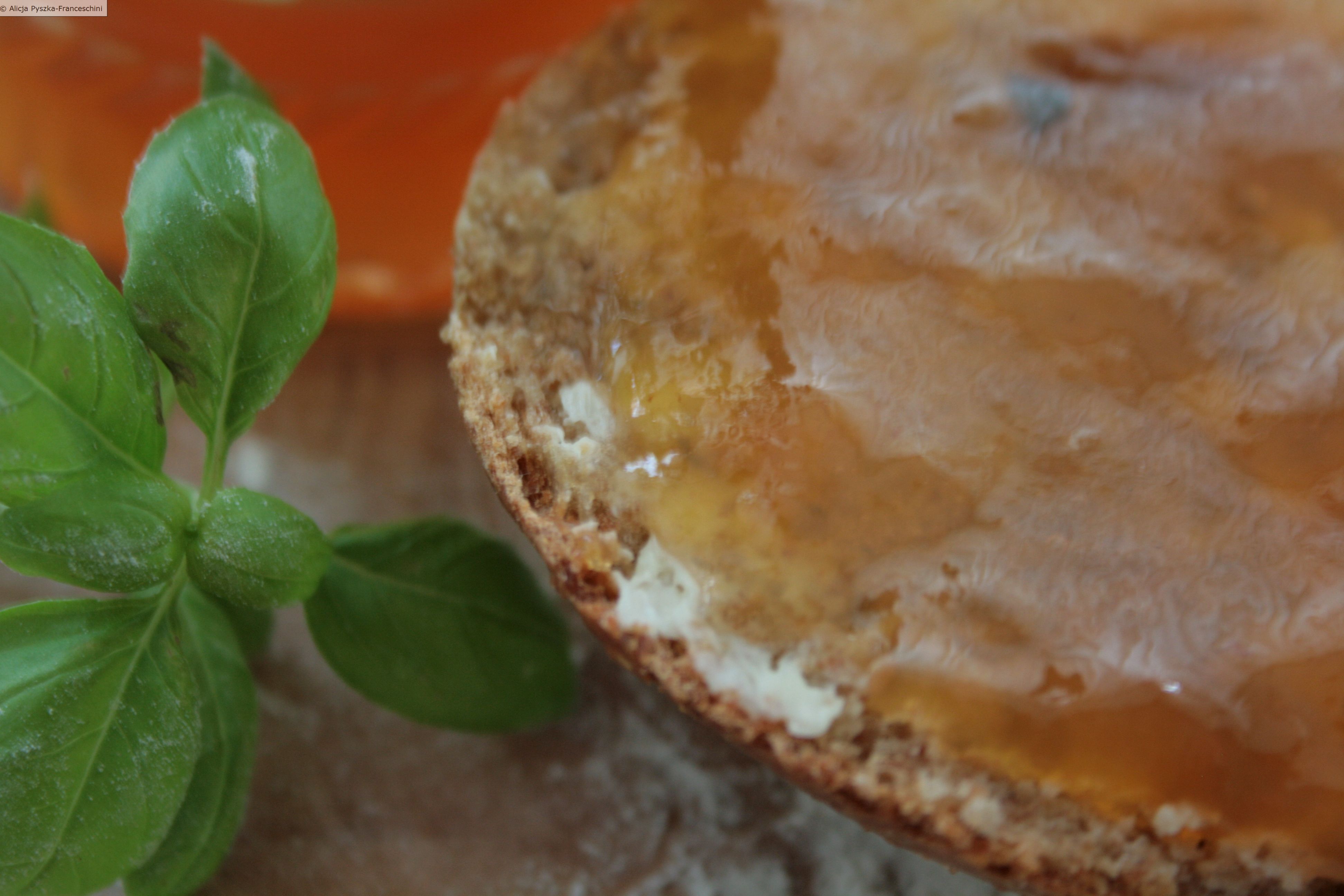
Into a small bowl of lukewarm water put the yeast with 2 spoons of flour. Put it aside for half an hour and let the yeast feed off the flour. When you see small bubbles forming on the surface of the water it means that the yeast mixture is ready. Now, in a large bowl mix all the flours with the salt and slowly stir them adding the water. It’s ok if it feels quite sticky at this point. Knead the dough for at least 10 minutes until it feels fairly soft and elastic  [you can add extra flour or water to ease the process]. Slowly pour the olive oil and again knead it into the bread mix. Form a nice rounded loaf and cover it with a wet tea towel and leave it overnight for the dough to rise. A day after, cover a flat baking tray with grease proof paper and form small (4-5 cm) buns. Add dates, sunflower seeds or nuts to the mixture if you wish. Bake in 180-200°C for around 30-40 minutes. There is no need to preheat the oven. It’s good to allow the buns to grow with the increasing heat. It’s delicious served with butter and mirabelle jam (or stuffed with dates) especially if you are only baking with wholemeal and white flours. The wholemeal can be quite bitter and the sweetness of mirabelle plums or dates just complement those flours so well. Enjoy! Bon appetite!
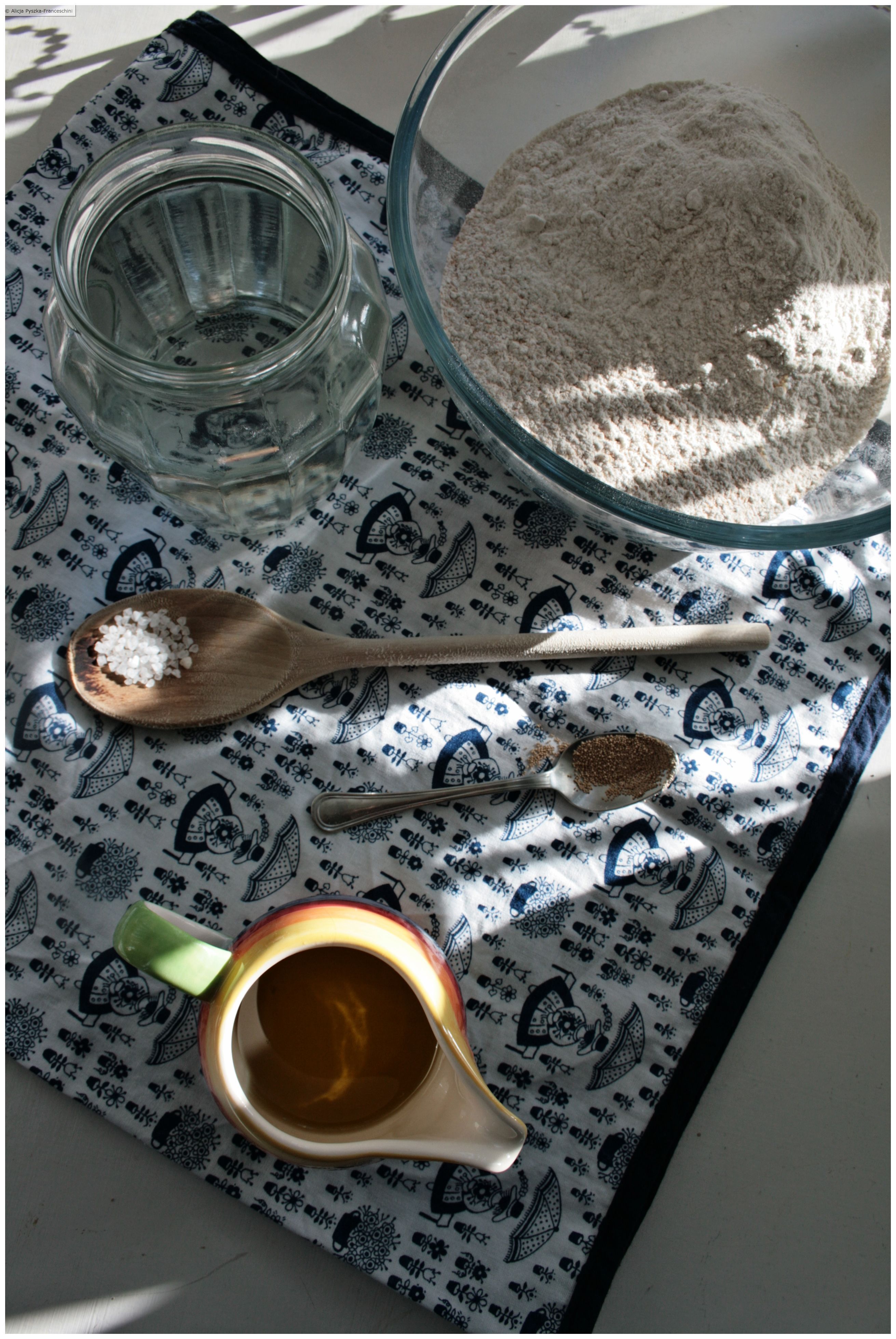
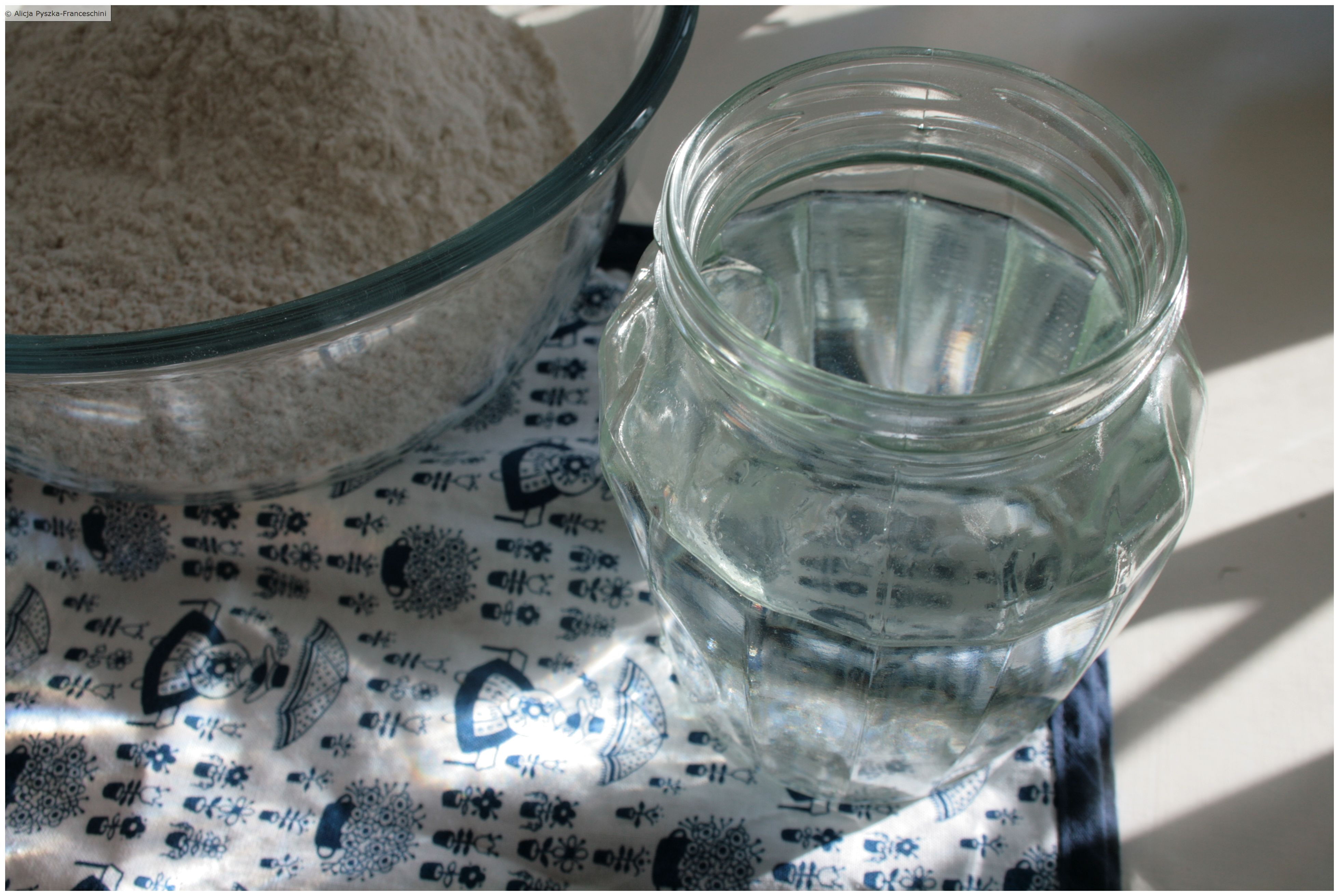
Ingredients

water

Salt Flour  yeast mixture Bread doughCoveredBread _Postcard Last but 1Bread PostcardBread wit mirabell jam

Based on:  Andrew Whitley (2006) Bread Matters. Fourth Estate: London.
The shop with a difference

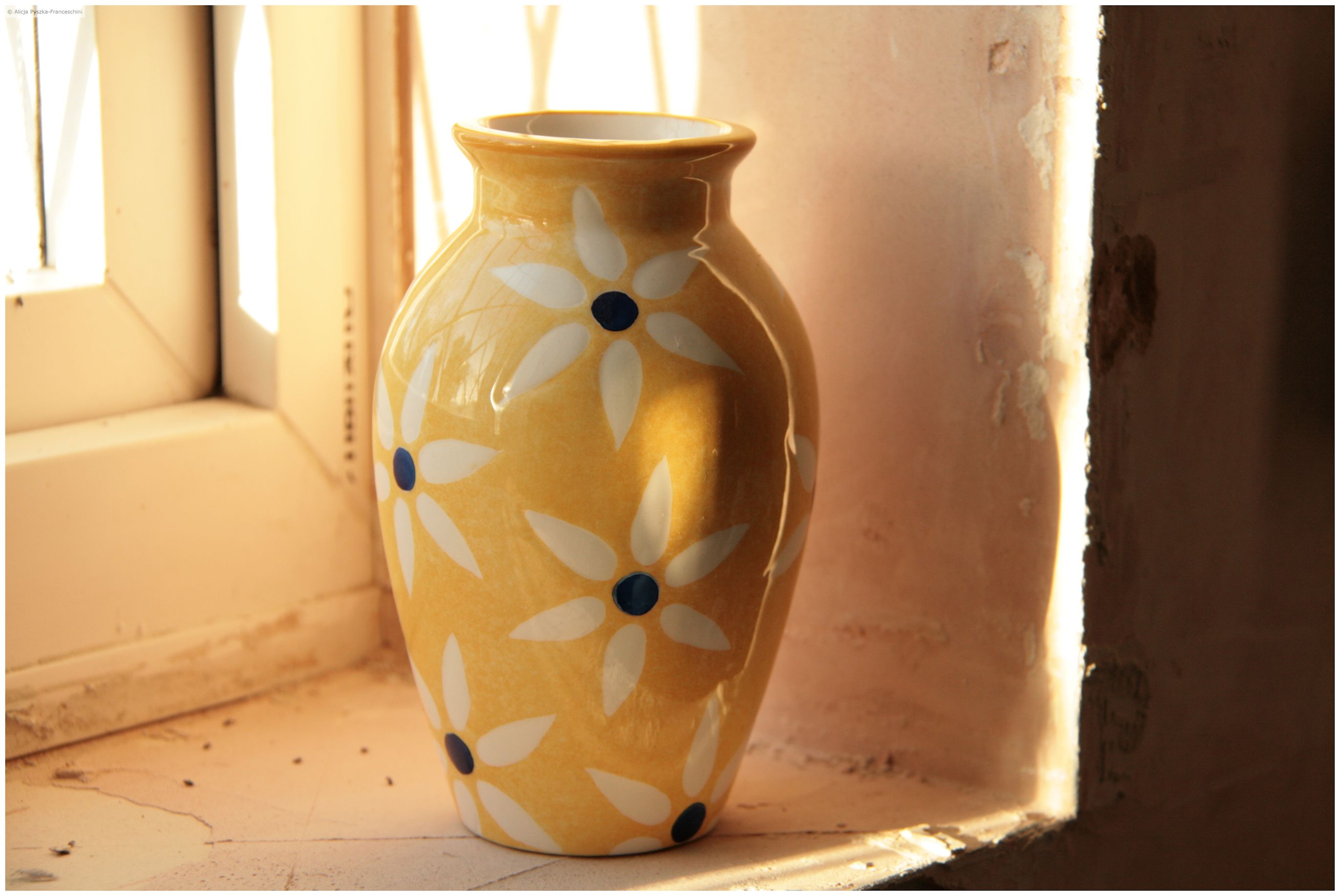
Vase from a charity shop

There are over ten thousand charity shops in the UK. They sell mainly second-hand goods donated to them from any and every generous soul. You just turn up with your bag or box filled with small treasures and hand it over to the person that’s behind the counter. By selling your products, the shop raises funds for its parent charity. Or you can just simply shop there.

There’s a surprisingly large circle of people that are made happy through your give-aways to the charity shop. A) You are happy because you have done a good deed B) Your family is happy because you have eventually removed that unused-and-dumped-in-the-corner irritating cast away of an item C) The charity workers feel less lonely in their quest for good-doing – you provide them with evidence that there is quite a handful of open-hearted characters in their proximity (and how encouraging and uplifting it is to know that your town is full of generous beings!) D) The beneficiaries of the parent charity (no explanation needed here) E) The charity-shop customer who has just found what he has been looking for for ages and just a day before gave up hope of finding it F) The customer’s partner, friend and family that are going to be experiencing relief after the lucky find.

I do have a few nice things that caught my eye while I was visiting the shops. The vase above is one of them. It looks quite nice in our still-not-ready and rough-looking kitchen.

Do you shop or give to charity shops? Is there anything precious that you found there? Or maybe you are planning to visit a charity shop this weekend? What cause do you support?

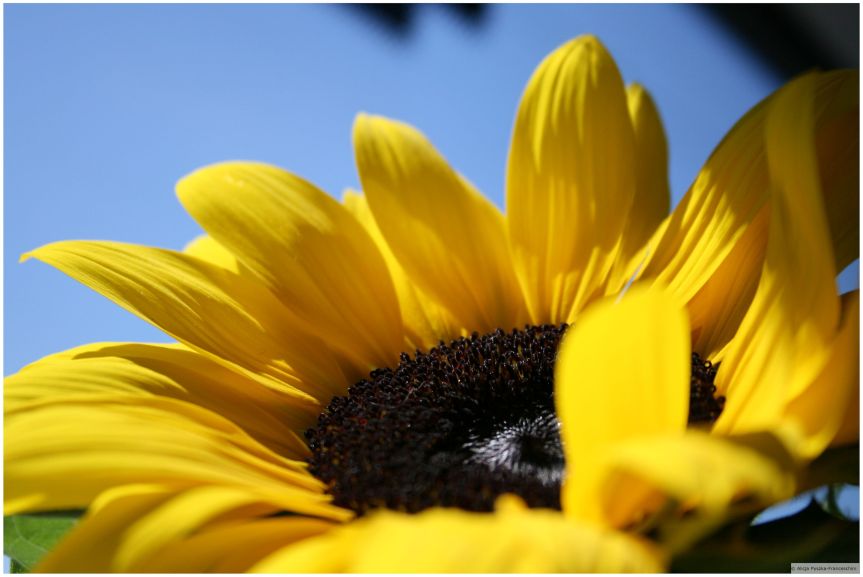
Sun sun sun sun

sun sun sun

“There is no medicine like hope, no incentive so great, and no tonic so powerful as expectation of something tomorrow.”

~Orison Swett Marden
p.s. Did you know that you can receive Postcards through Facebook? Here’s the page: Postcards without stamps on Facebook. Have a lovely and sunny weekend my friends! Alicja x

Consumers or Producers?

Life in the countryside

In the last few days my mind has moved on from a personal approach to consumerism to its broader aspect. I am thinking of our enormous (societal) ability to consume beyond the level of shopping.

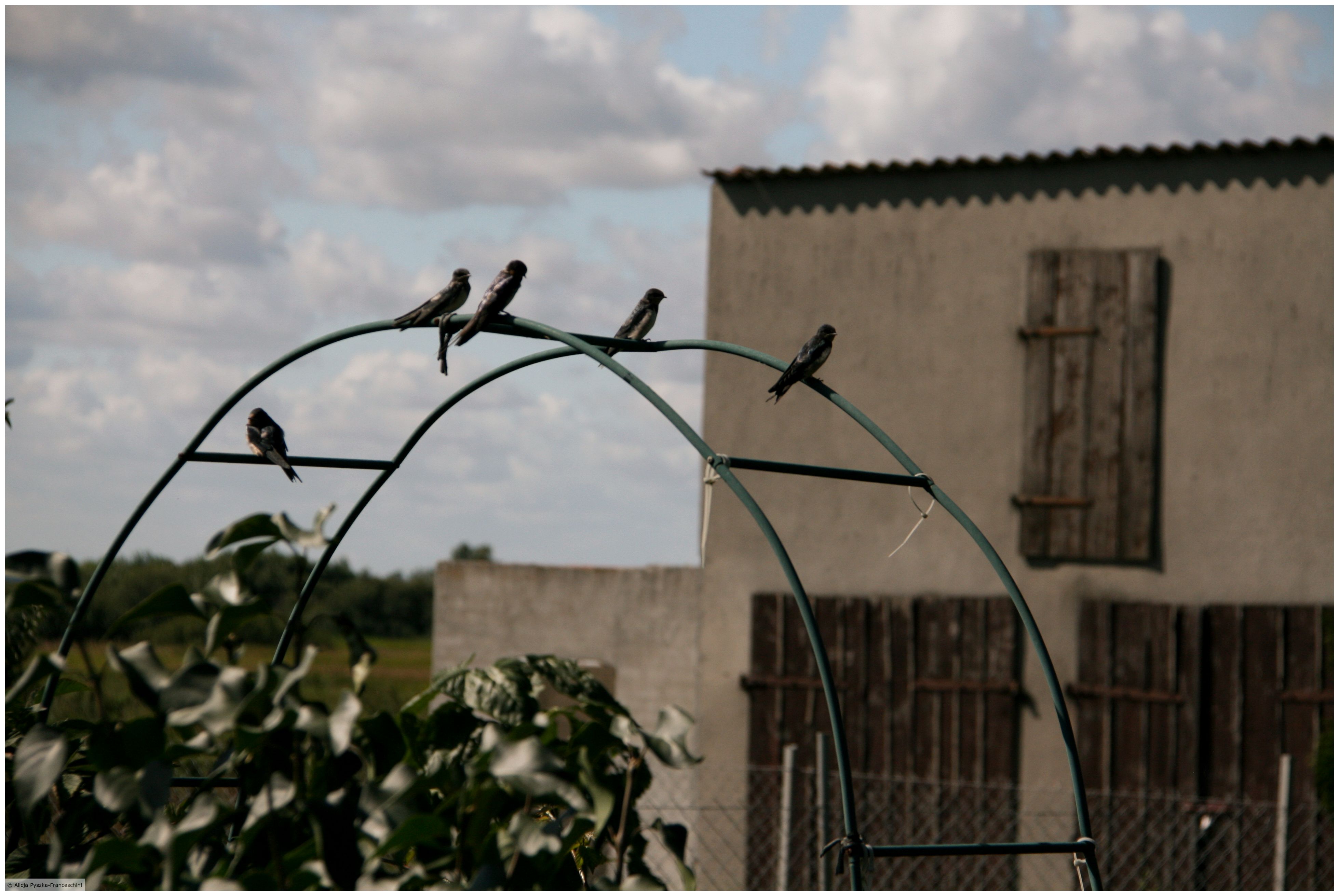
I’ve been greatly privileged with being brought up in the countryside… in a village full of farms, orchards, green and golden fields. The images that I carry in my head are those of hard-working people, of people who care greatly and of people who produce and make every effort at creating quality foods for others. I’ve been observing people who dedicate their days, holidays and weekends to making sure that whatever piece of land they own will yield the desired crop… that they have something to offer to the world once the summer finishes. This isn’t done without sacrifice. It does take a lot out of them… but somehow I cannot imagine them doing anything else… they just grow up with that mindset… that mentality… that you are worth as much as you can offer to others.

This ability and eagerness to produce for others seems to have slipped out of the Western psyche. We’ve been too contented with being consumers for ourselves. It’s not only about the economical dimension but also about personal and social aspects. How much do we give from ourselves to others? How far are we able to extend ourselves? How creative and how hard-working are we?

I think that at least in our purchasing choices, if that is possible, we should not be driven by the price tag only. We ought to be more community-spirited when it comes to shopping. This is so important! To make the region that you live in a sustainable source of nourishment and growth. I stand for buying local. I try to support as many shops and farms in the area where I live as possible as I feel I am not entitled to complain about the economic situation in my local area if I don’t actively support its economy. I feel responsible for doing my share.

This countryside mindset also compels me to ask myself: To what extent am I a producer? What do I produce? What can I produce? With the abilities that I have been given, how can I support my family, society, friends and the environment? How can I be of value to the communities that I inhabit? Are there areas where I am only a consumer? Can I change it? Should I change it? Have I struck the right balance? So many questions to learn from..

Orchard

Craving for Summer

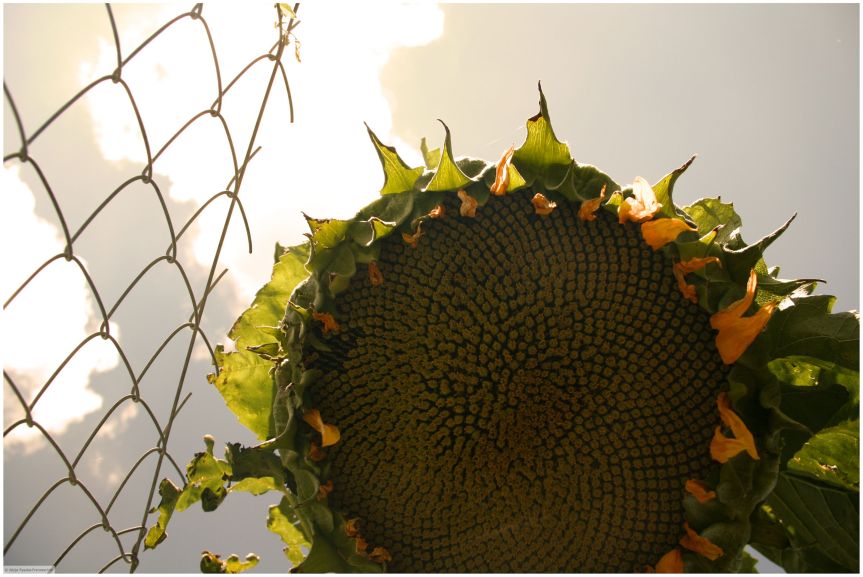
Sunflower