Observing the city, imagining people

oxford with a toddler

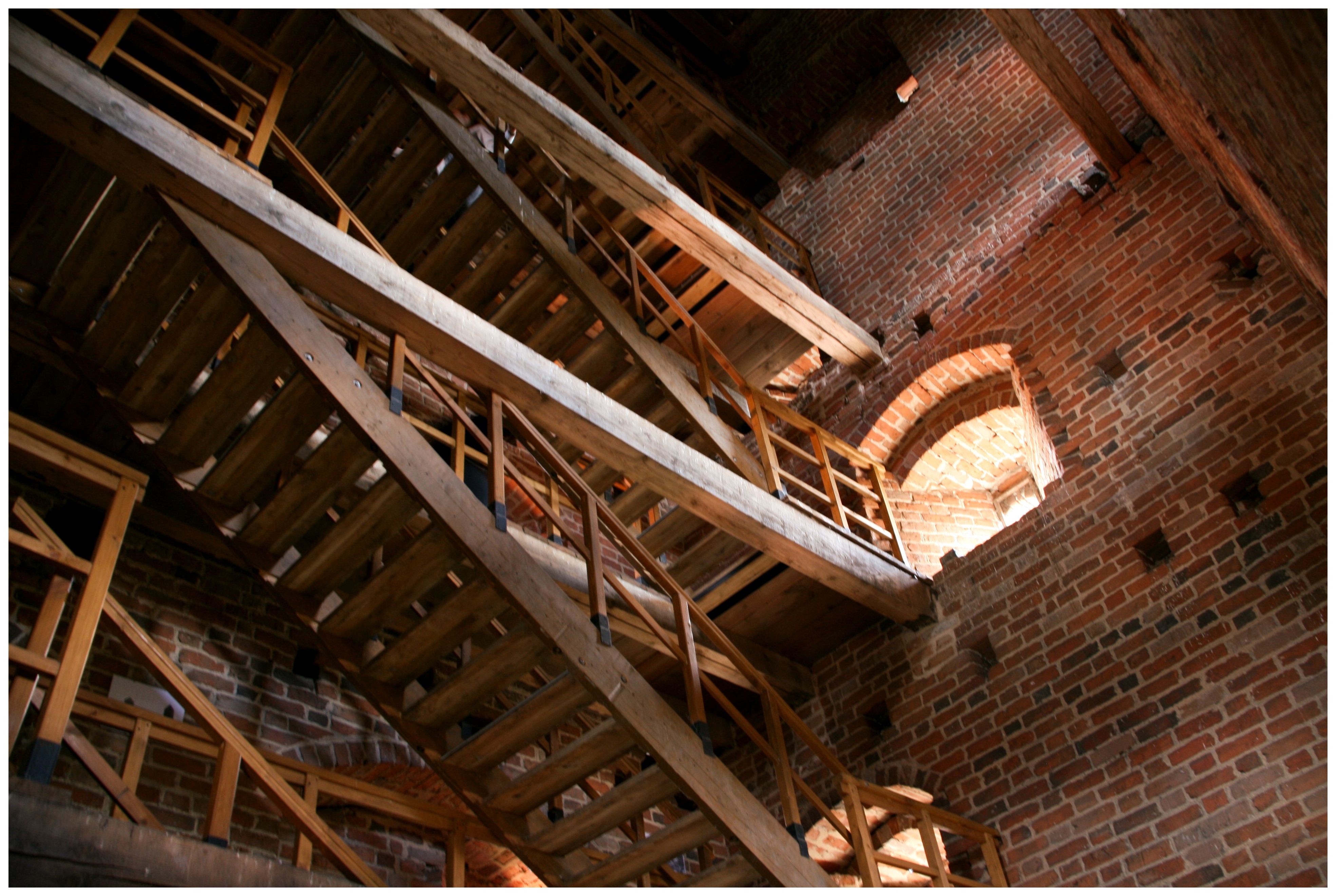
I’ve always had a lot of respect for History and Education and that is why I like visiting Oxford so much. An opportunity came last week for us to go there and so we did. I must admit when I am in Oxford I breathe deeper, my senses are sharper and I walk around the city all happy.

I imagine these brilliant minds committed to their subjects, devouring their books, excited about learning and discoveries, often terribly frustrated about their lack of progress. I imagine great debates and seas of questioning, heavy timetables and a rush to complete the next book chapter or lab work. I imagine all this and I like my thoughts. My soul approves of this daydreaming.

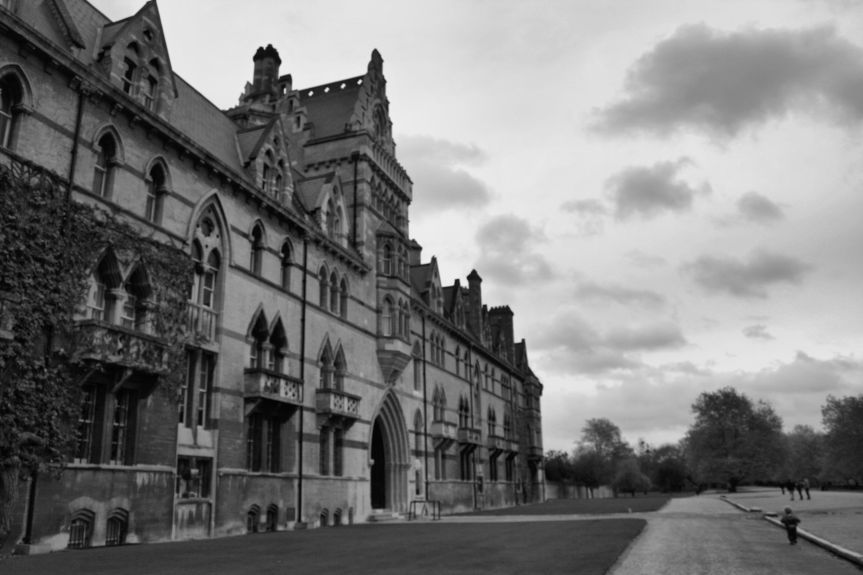
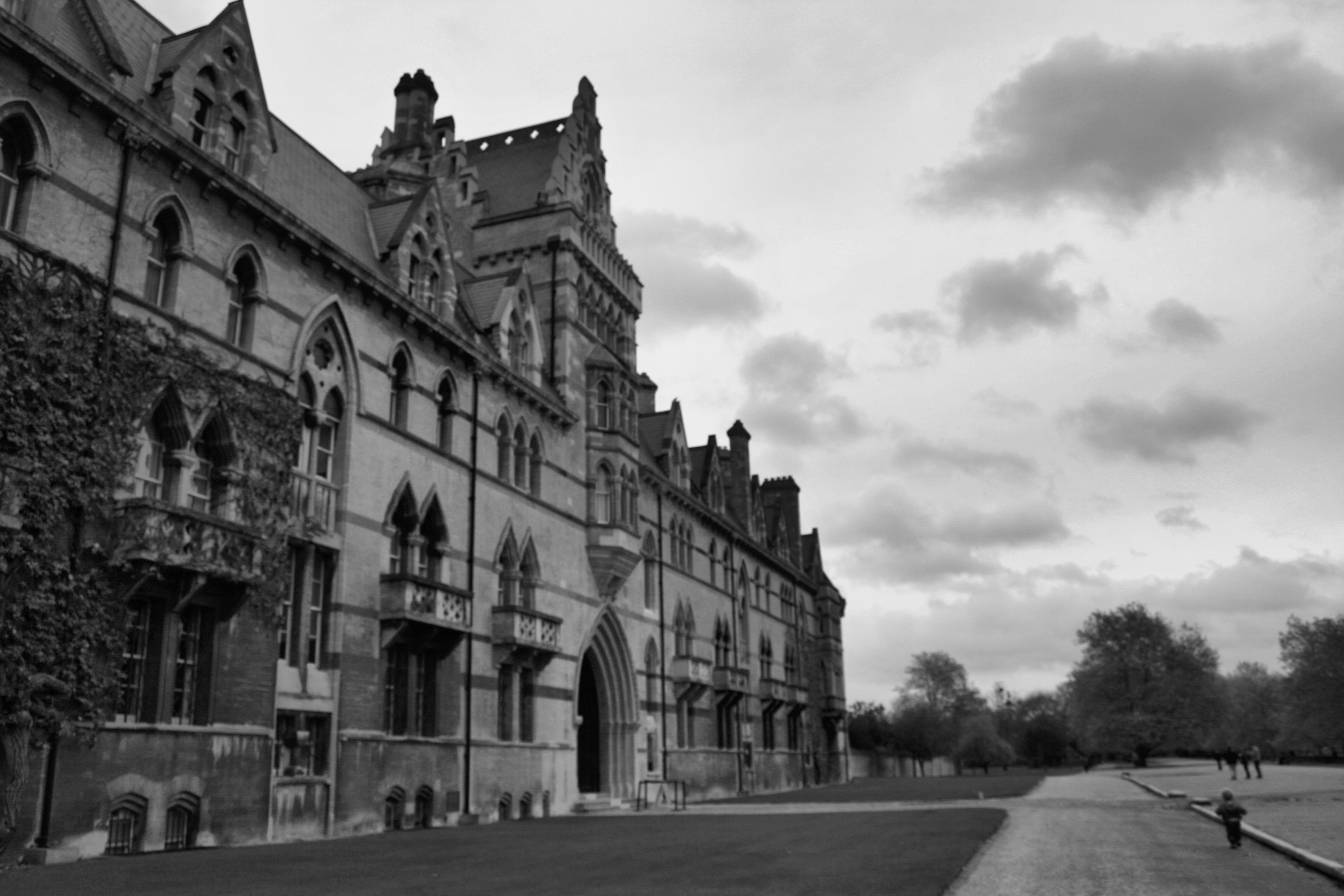
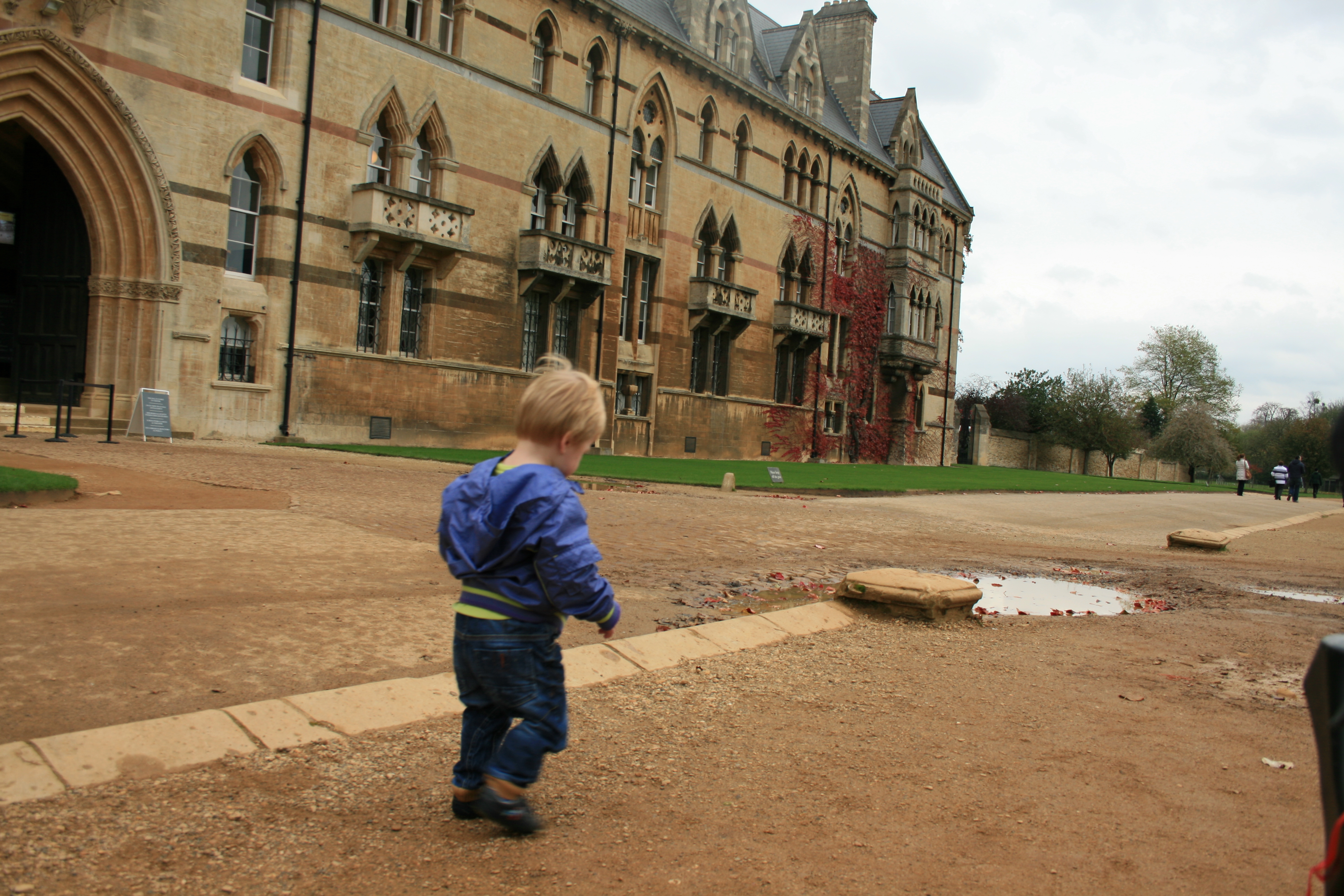
Last week I was walking around the city again, and again I looked up at the buildings and I sighed in awe and admiration. My toddler shouted in contentment too… at a few very attractively deep and murky puddles that he saw on the university ground. ‘Right. Reality check,’ I thought to myself.

Look up and down (and sideways too).

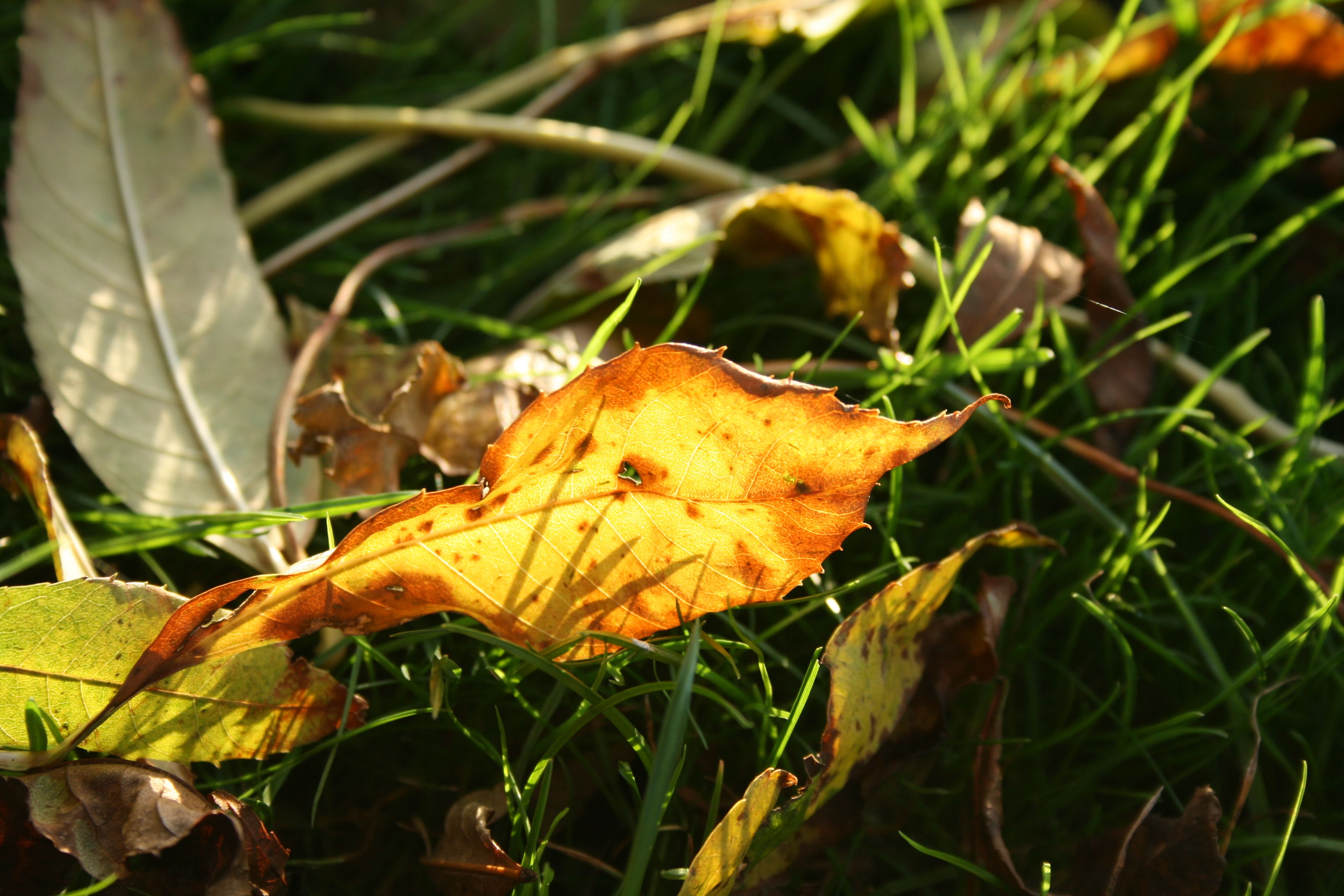
autumn leavesChrist Church Oxfordyellow leaf on green grassAutumn

Celebrating Autumn

IMG_8664novembersm IMG_8597ovember IMG_7407sa IMG_7281n IMG_7836community

tree at night_Postcards without stamps

IMG_7487a

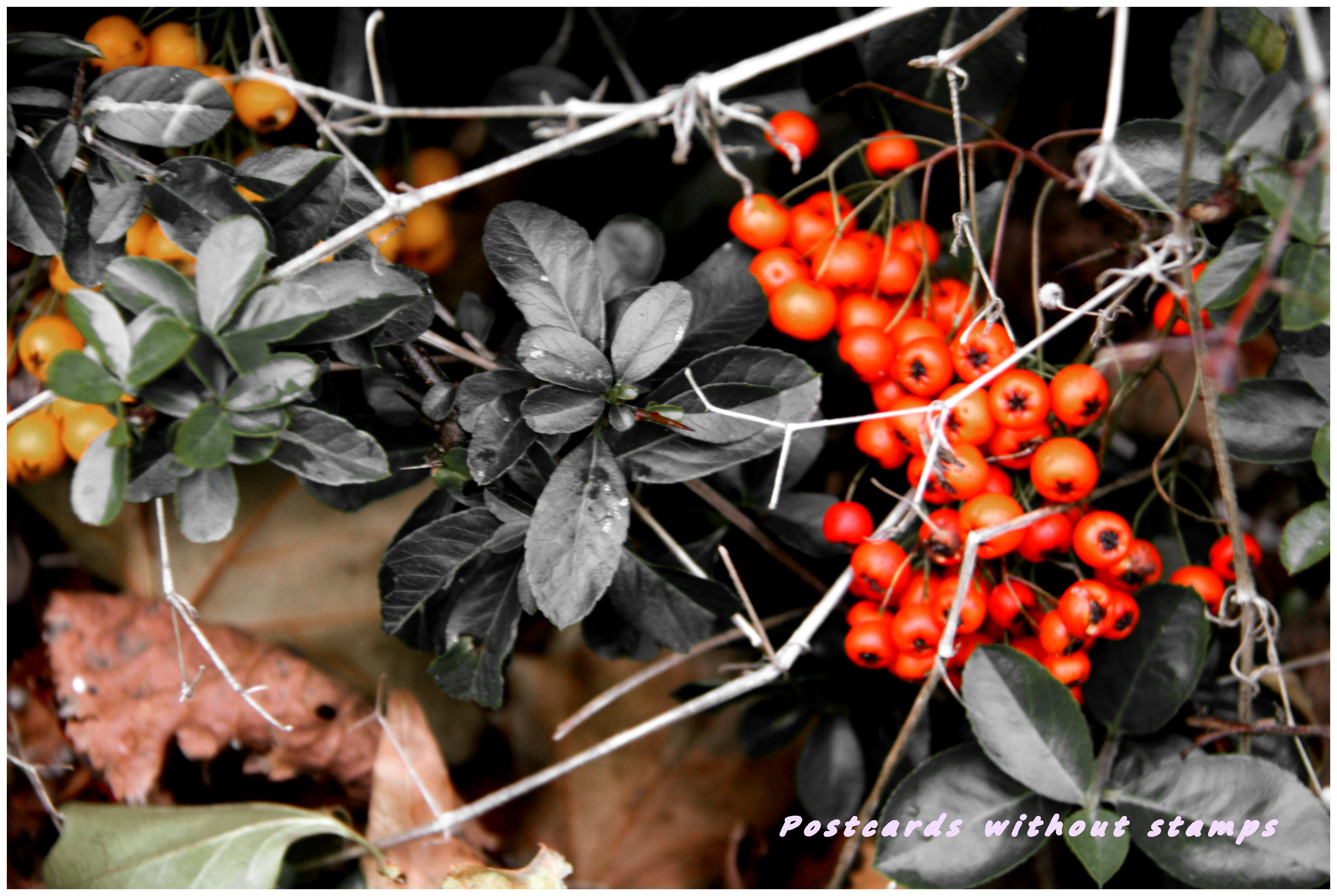
IMG_7762Postcards

What can make us stronger?

caring

‘Trust yourself. Create the kind of self that you will be happy to live with all your life.’ ~Golda Meir

“Trust yourself. Create the kind of self that you will be happy to live with all your life.” These words live with me ever since I’ve come across them. I believe in character development. I wish we were talking and thinking more about it. I wish our daily conversations included discussions on ways in which we could become better people, on developing better habits or character traits than on making money or losing kilograms. I know that for many, and for me at times too, these are legitimate concerns, but I don’t think they should be our main focus and drive in life.

A year after giving birth to my son I got ill. Pregnancy and early caring really weakened my body and immune system. Fortunately, modern medicine knows, at least partially, how to deal with cases like mine and set me on the right course. Nonetheless, this for me was a wake up call and a good time to take a new direction in life. I’ve been asking myself serious questions. What are the things that I would like to leave after myself to the world? What would I like to change? Have I been really making the most out of what’s good about me? Have I been caring enough for the people who are next to me?

One of my convictions that strengthened at that time was that I don’t want to leave too much rubbish after myself. I am embarrassed at how passive I was for years about protecting the Earth and its resources, how carefree and careless I was too. When it comes to the environment, it’s not enough to know things, it’s not enough to be aware of them… it’s the active resisting, recycling and repairing that matters, our determination to avoid packaging and to compost our leftovers, our efforts to remember about taking our own bags when shopping and make do with less. Determined action, deliberate choices.

Another change that I wanted to implement was to become more of a soldier on the ground rather than a remote captain of good ideas. I would like to become a person who can bring about positive results to my immediate environment, my family, my home, my neighbourhood, my communities. There is a saying “No man would appear unpleasant to others when he looks after his family.” We cannot save the world, we cannot control it either but we do have that piece of this world that belongs more or less to us and it is that piece that we should protect and nurture, work with and cultivate. The families, teams, communities that we’re in should grow with us. It is our responsibility to contribute to that growth and only natural to allow others to contribute to our development. There are different ways in which we can show support. Sometimes it’s by donations, other times by giving our time, by sharing time, food, memories, joy and suffering. Above all we should take equality seriously, we must make sure that we do not discriminate against people who have not been as fortunate as us or who have more than we do.

We cannot laugh at the issues surrounding social inequalities, we cannot shrug them off. We cannot make a massive fuss when we do not get a discount, compensation or any other sort of financial privilege and forget to support people who have less. We cannot refuse to pay decent money for work that others do for us, either personally or even in business. The equality and fairness is often understood in such selfish terms that it’s all too easy to lose the true understanding of those concepts. Everyone deserves a good life, and we must make sure that we are not robbing people of their rights to such a life by paying them little. We all want to provide a good life to our children. We all want to go on holidays.

One of the key ingredients of a strong family is ‘mutual care’. It’s looking after each others’ quality of life, things as simple as sleep and food, and as complex as misfortune and vulnerability, work-life balance and sense of achievement. We must be strong. We must be active and willing to extend ourselves… in order to create the kinds of selves that will be happy to live with all our lives. Mutual care is the base of all relationships… the one with the world, the one with our partners, the one with other family members, and the one with our communities. It cannot be different if it’s supposed to work and produce results.


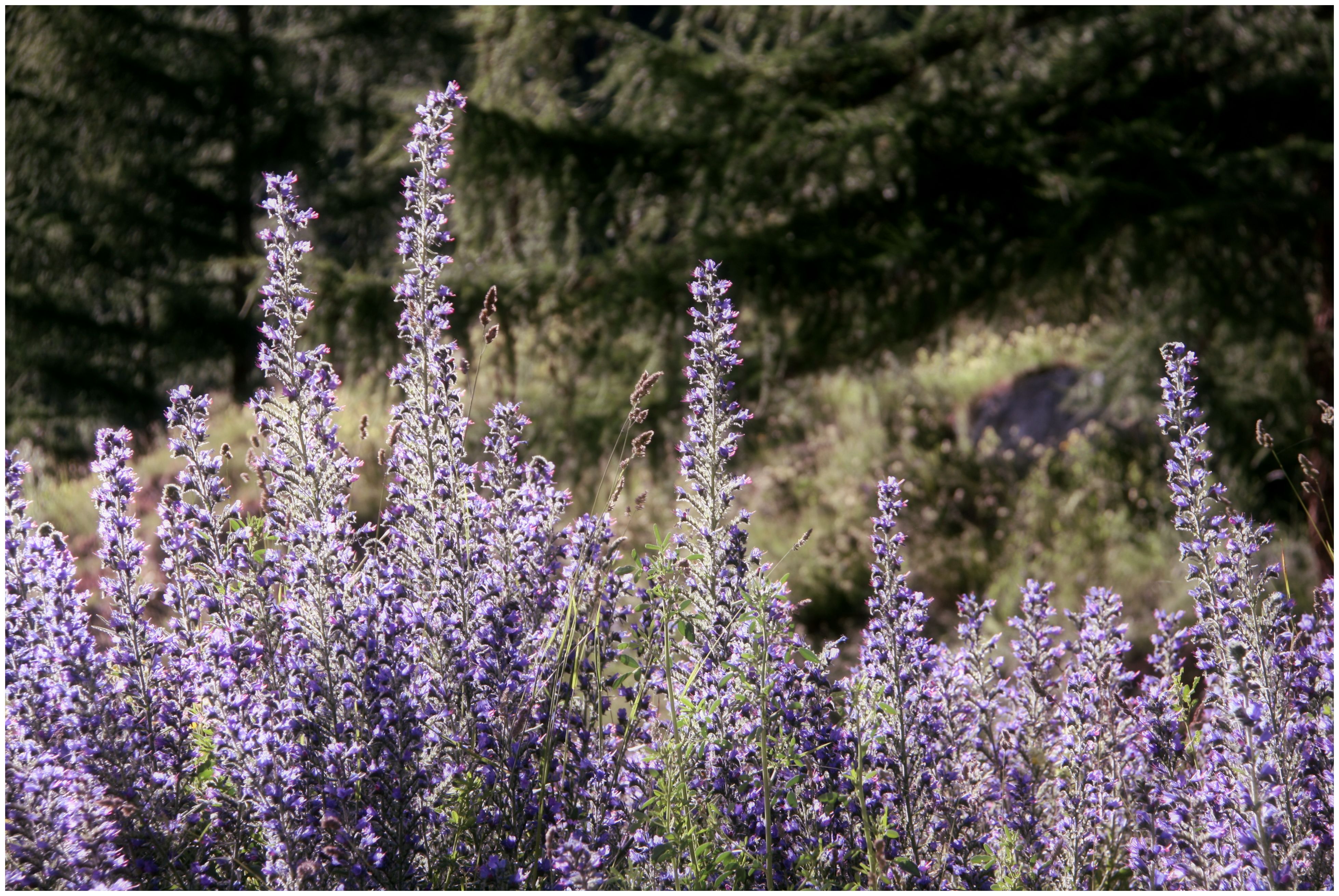
mountain plants

What can make us stronger?

caring

‘Trust yourself. Create the kind of self that you will be happy to live with all your life.’ ~Golda Meir

“Trust yourself. Create the kind of self that you will be happy to live with all your life.” These words live with me ever since I’ve come across them. I believe in character development. I wish we were talking and thinking more about it. I wish our daily conversations included discussions on ways in which we could become better people, on developing better habits or character traits than on making money or losing kilograms. I know that for many, and for me at times too, these are legitimate concerns, but I don’t think they should be our main focus and drive in life.

A year after giving birth to my son I got ill. Pregnancy and early caring really weakened my body and immune system. Fortunately, modern medicine knows, at least partially, how to deal with cases like mine and set me on the right course. Nonetheless, this for me was a wake up call and a good time to take a new direction in life. I’ve been asking myself serious questions. What are the things that I would like to leave after myself to the world? What would I like to change? Have I been really making the most out of what’s good about me? Have I been caring enough for the people who are next to me?

One of my convictions that strengthened at that time was that I don’t want to leave too much rubbish after myself. I am embarrassed at how passive I was for years about protecting the Earth and its resources, how carefree and careless I was too. When it comes to the environment, it’s not enough to know things, it’s not enough to be aware of them… it’s the active resisting, recycling and repairing that matters, our determination to avoid packaging and to compost our leftovers, our efforts to remember about taking our own bags when shopping and make do with less. Determined action, deliberate choices.

Another change that I wanted to implement was to become more of a soldier on the ground rather than a remote captain of good ideas. I would like to become a person who can bring about positive results to my immediate environment, my family, my home, my neighbourhood, my communities. There is a saying “No man would appear unpleasant to others when he looks after his family.” We cannot save the world, we cannot control it either but we do have that piece of this world that belongs more or less to us and it is that piece that we should protect and nurture, work with and cultivate. The families, teams, communities that we’re in should grow with us. It is our responsibility to contribute to that growth and only natural to allow others to contribute to our development. There are different ways in which we can show support. Sometimes it’s by donations, other times by giving our time, by sharing time, food, memories, joy and suffering. Above all we should take equality seriously, we must make sure that we do not discriminate against people who have not been as fortunate as us or who have more than we do.

We cannot laugh at the issues surrounding social inequalities, we cannot shrug them off. We cannot make a massive fuss when we do not get a discount, compensation or any other sort of financial privilege and forget to support people who have less. We cannot refuse to pay decent money for work that others do for us, either personally or even in business. The equality and fairness is often understood in such selfish terms that it’s all too easy to lose the true understanding of those concepts. Everyone deserves a good life, and we must make sure that we are not robbing people of their rights to such a life by paying them little. We all want to provide a good life to our children. We all want to go on holidays.

One of the key ingredients of a strong family is ‘mutual care’. It’s looking after each others’ quality of life, things as simple as sleep and food, and as complex as misfortune and vulnerability, work-life balance and sense of achievement. We must be strong. We must be active and willing to extend ourselves… in order to create the kinds of selves that will be happy to live with all our lives. Mutual care is the base of all relationships… the one with the world, the one with our partners, the one with other family members, and the one with our communities. It cannot be different if it’s supposed to work and produce results.
mountain plants

Looking for answers

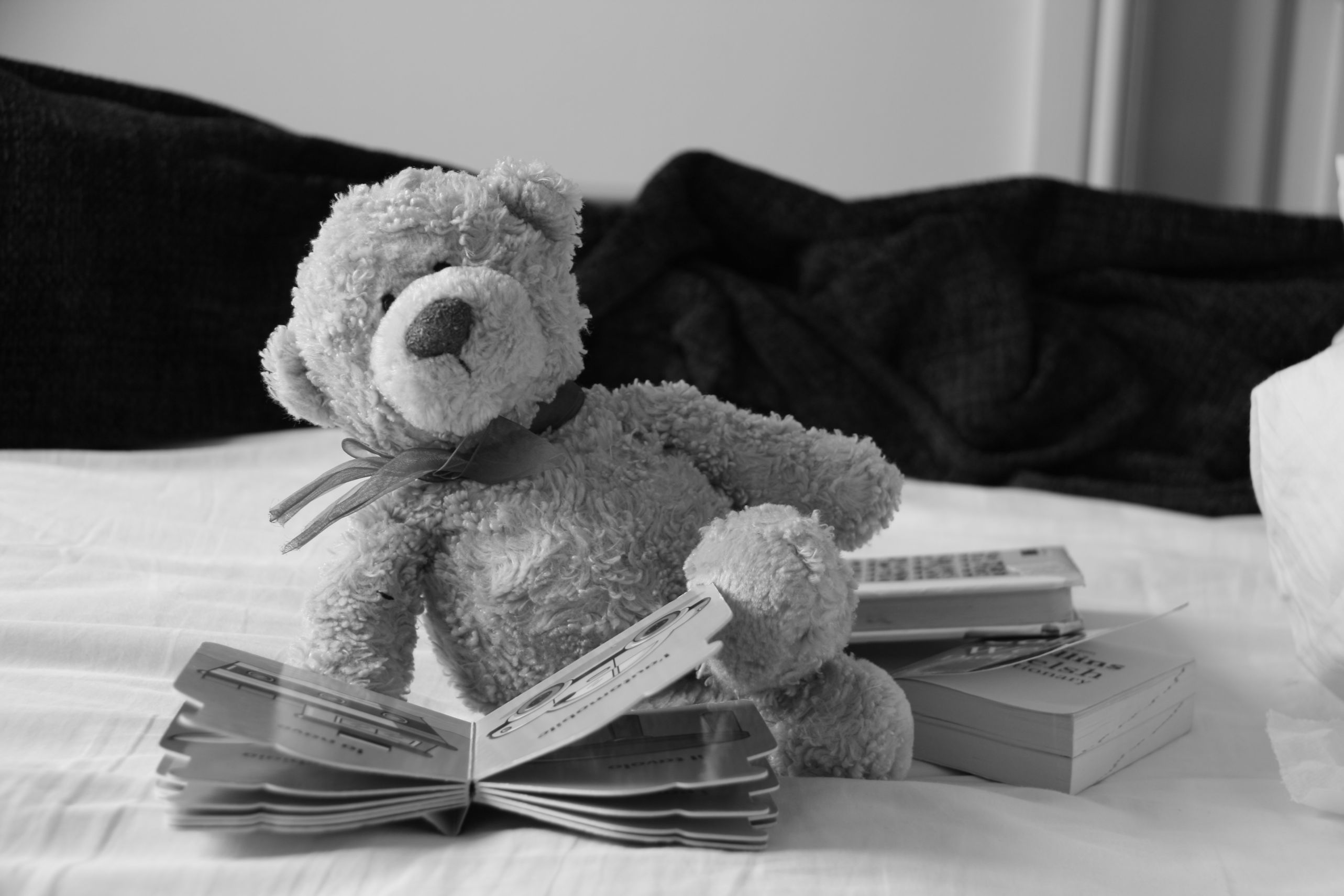
Reading books
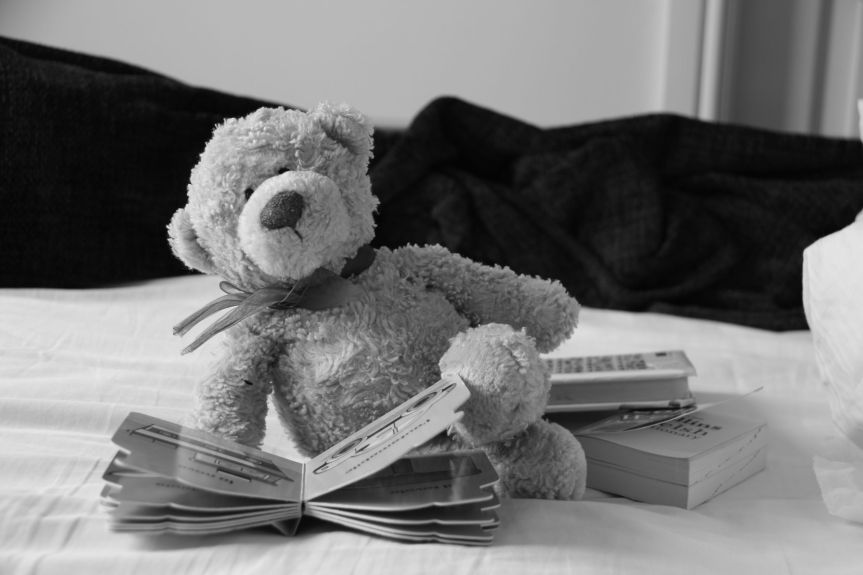
There is a pile of books on my bedside cabinet. Years of studying have almost conditioned me to research a little bit before I act, before I implement something new into my routines… This has of course its strengths but can also be quite constricting… I noticed this trend among my friends too… they don’t want to explore, try things out before checking online or before consulting an appropriate How to… book. I wonder where this tendency is coming from and if it is really changing us into better people, parents, workers or whether it leaves us more unsatisfied and frustrated? Is it fear of making mistakes or fear of taking responsibility for our choices? Is it information, perfection or reassurance that we’re seeking?

I love reading books. I will always read but I think I wouldn’t like to condition my child to the behaviour that I’ve described above. I would like him to try to figure things out for himself first, to develop a problem-solver attitude to life. The world needs fresh thinkers, people who are not afraid to try things out, to invent…

I know that books can nurture imagination, that they are important, if not crucial, in our children’s development… but not all the answers are in them… not all.

Indeed, the books do not know what our questions are. They might be answering different ones.

looking for answers