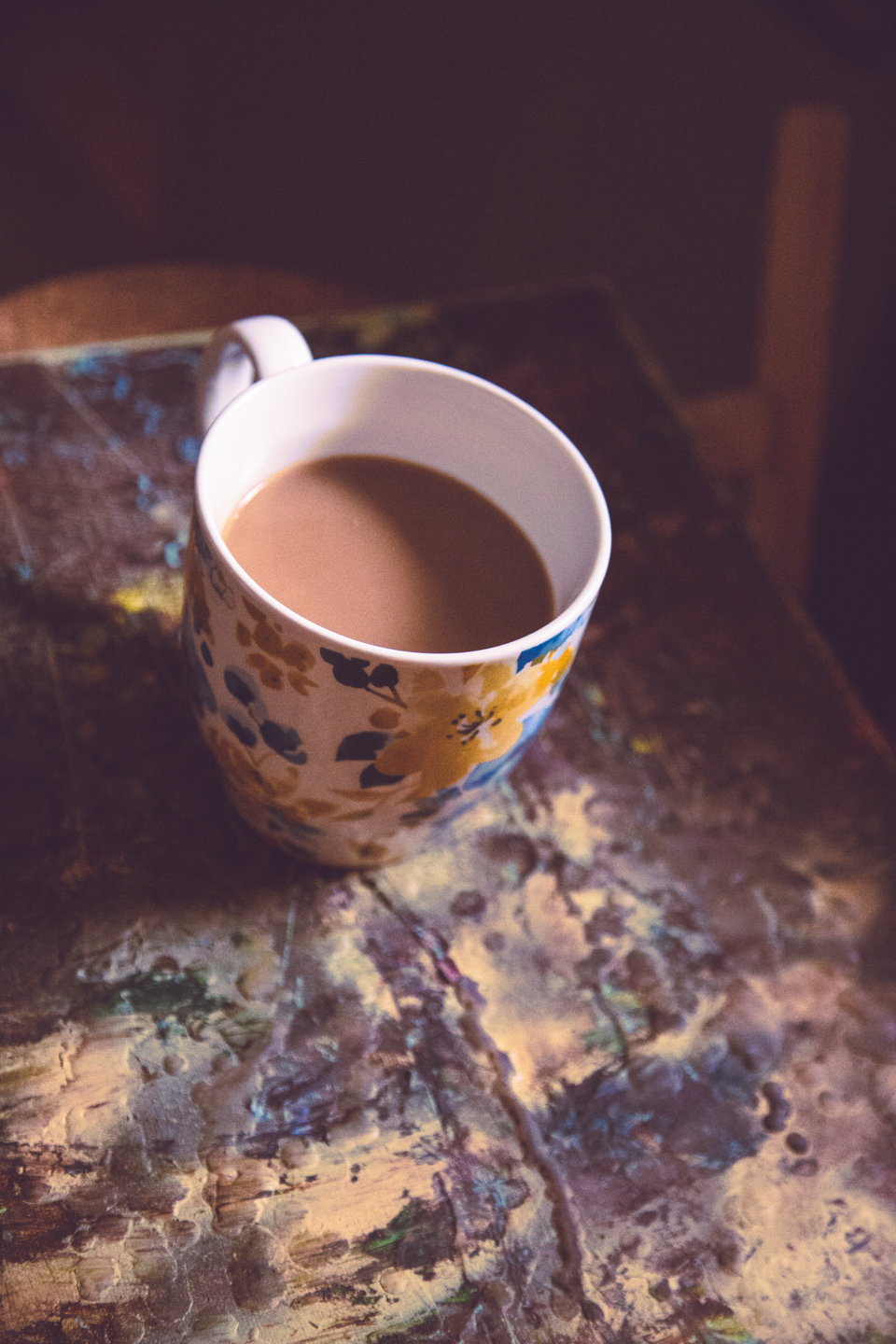
Frozen shoulders at work. Part 2 on photographing food in a small kitchen with kids around and pain that stays.

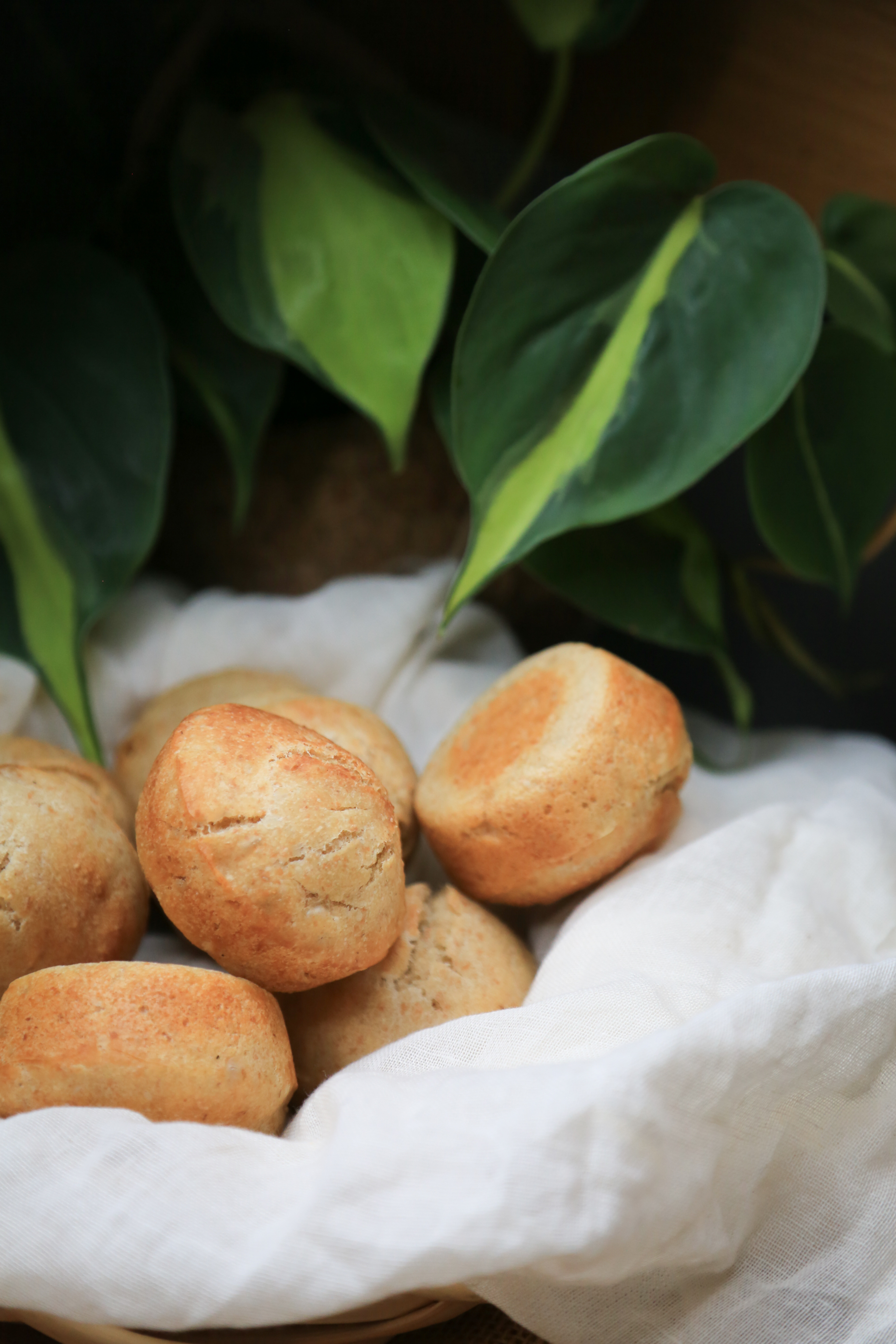
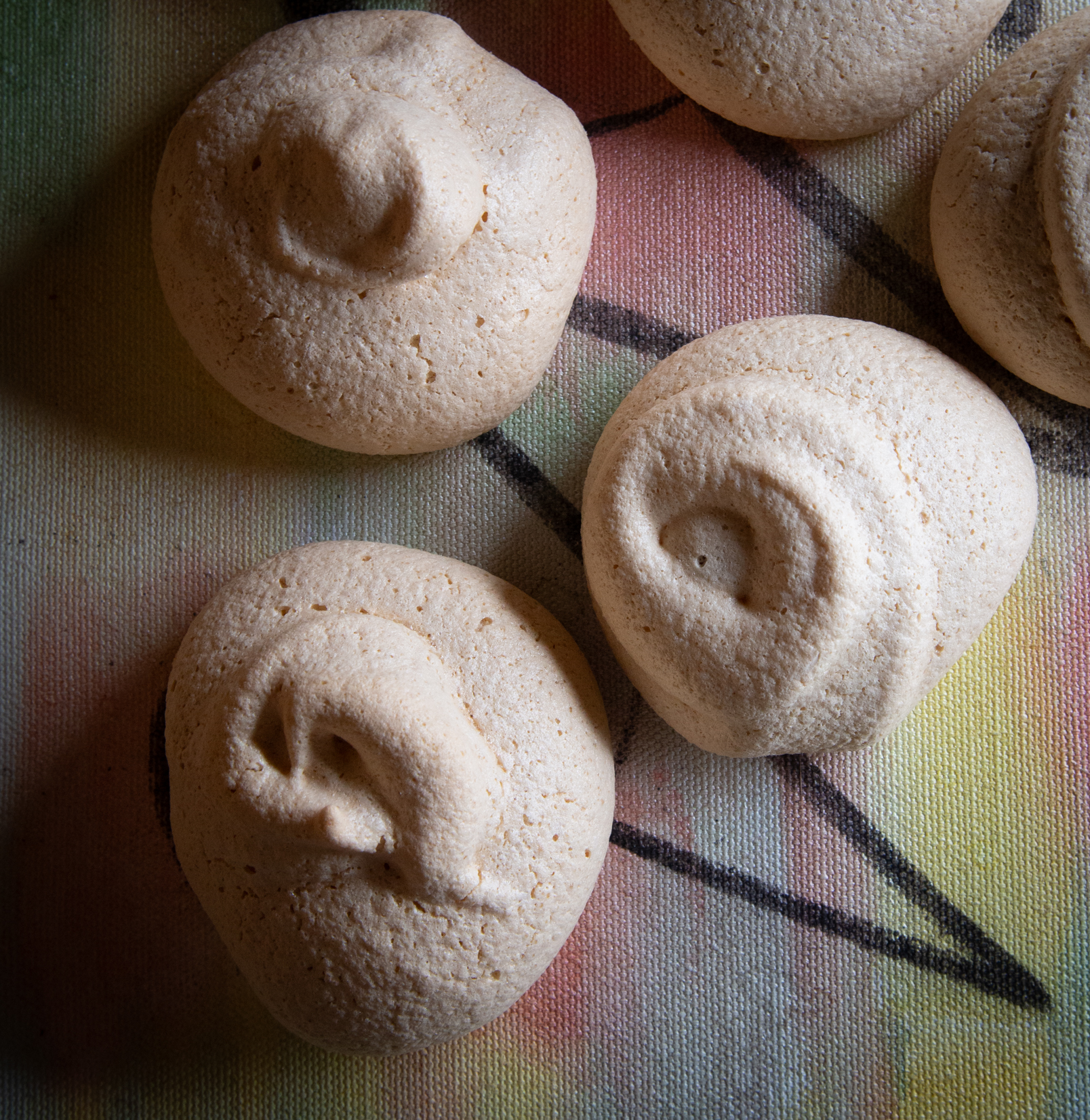
When children scream for sweets during the weekend, my husband occasionally makes them small biscuits (biscotti) without following any particular recipe except for obeying one rule and that is no white of egg as our son cannot tolerate it. When egg whites accumulate something needs to be done with them and when the sweet tooth screams the loudest, the temptation wins. We know that one day we will eliminate the sugar totally out of our family life, but last Sunday was not the day for it. I must admit I have a bit of a soft spot for meringues as they remind me of the time when the supermarkets were not common in Poland but hens on everyone’s yards were and instead of buying wrapped chocolate bars, mums and aunties would make meringues (bezy) as a treat. The Polish version was a bit smaller than those on the photos and more golden but I guess they were equally sweet and I must say I am a bit sentimental about this treat as much as I understand that it is most likely the last thing you should eat when you’re dealing with any sort of inflammation. But I am not here to preach but to teach and to share a few tips on how to make your life easy when photographing food while suffering from frozen shoulders or similarly painful conditions.

Last week I wrote about the use of the bottom drawer for set-ups to prevent having to lift your camera too high and to protect the set up from children running through the kitchen. This week I want to tackle a different obstacle, i.e. the weight of surfaces on which we photograph and their ease of moving and lifting.

Photographers are usually extremely grateful people. I have observed these creative minds for quite a while now and I learnt from them that sometimes the smallest tip changes the outcome of one’s practice for the better and for years and so I have learnt not to dismiss the value of the tiniest improvement I make for myself because small moves matter to our bones and joints as much as to our compositions and final images.

So the first simple tip today is: to avoid excessive weight lifting, appreciate flimsy things, the washing basket that you probably thought would not hold too much weight, the flower pot stand made of willow or the just delivered item in a box made of card. You can shuffle these around your kitchen with ease and you can then move them when the light changes during the day.

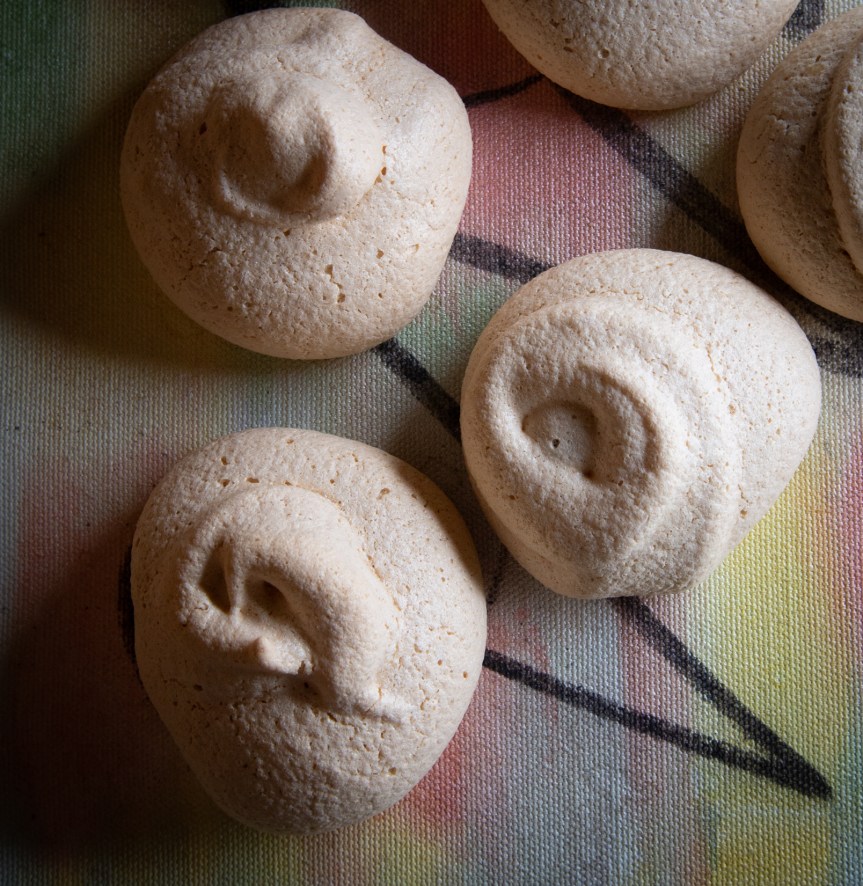
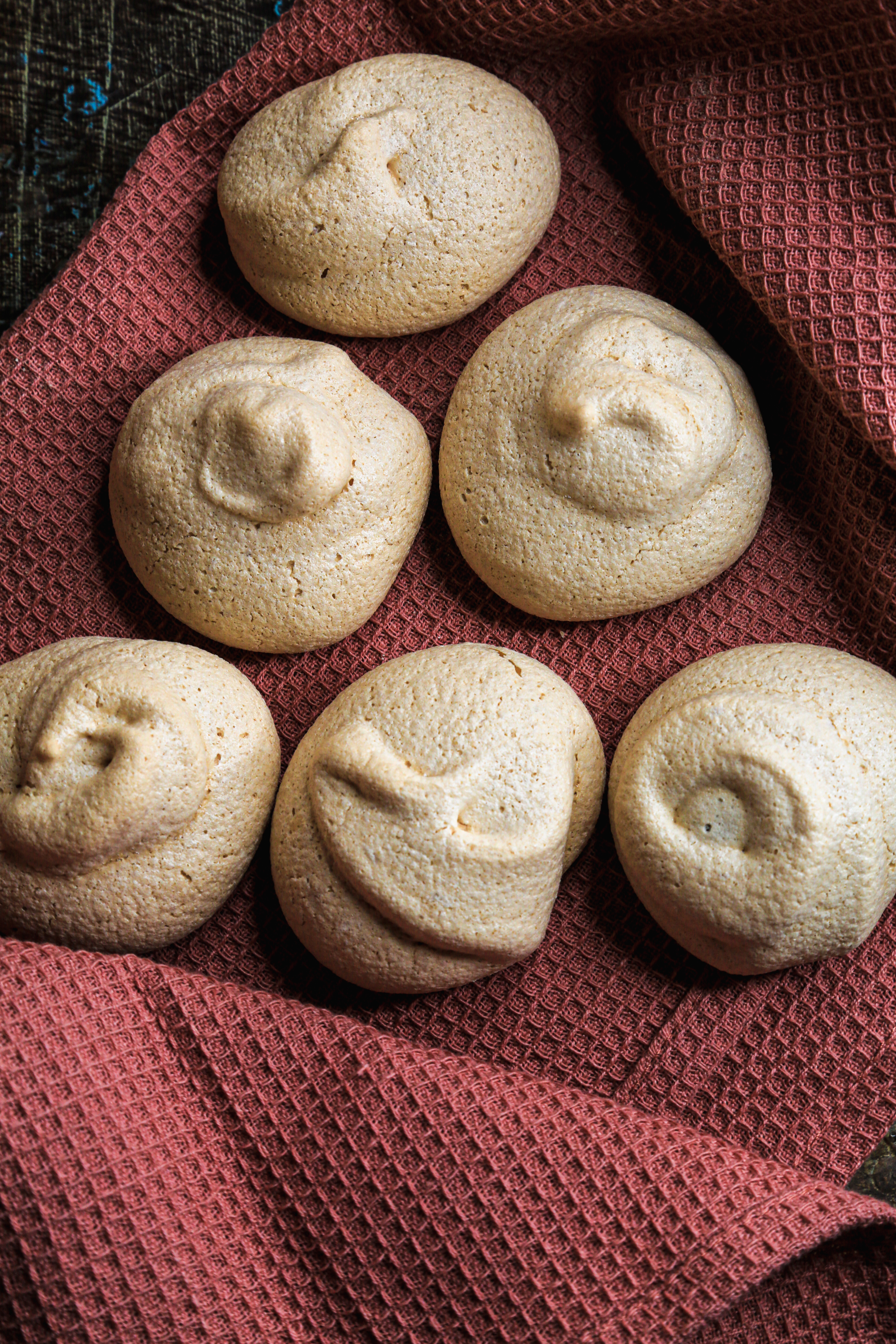
The second tip is: use light wood or light canvases as surfaces to photograph your food on. Canvases can be super thin and easy to lift but they are not as light as paper and so they hold food on them quite well. You can lift the canvas with your hand up and down easily to create the shadows that you want around your food. This is significant especially if as a maturing photographer you are already caring for your triangles in the composition. In the photos below I was purposefully creating triangles either with my arrangements or with the shadows. I was lifting the colourful canvas towards the light in such a way that the triangle was not only on the designed surface but also was dropped by the meringues giving the photos interesting look that created a bit of visual tension too – as what the drawn triangle on the surface was pointing to the right and the shadows dropped by the meringues to the left.

The additional benefits of using canvases are that you can leave them unpainted or you can create interesting patterns, textures or designs on top of them to give your photos extra interest and individuality. I used one of my paintings here that I textured with wax, a plain white canvas, and a different playful design piece that I did a couple of years ago after getting interested in abstract art and learning from Joy Fahey and Kasia Krecicka. Great abstract artists.

The last tip is: keep your strap around your neck. If you are in as much pain as I was last week, you are most likely not capable of holding your camera for too long. Let the strap take the weight and position your body against a cooker or a door to let those items support you if you photographing while standing.

My capacity in my hands is increasing but I learnt my lesson and I am not trying to take more than I can handle. I hope you are embracing creative life with all that you have.

Above are my photographic results. Enjoy your visual treats. :)

p.s. If you click on each individual photo, they will appear in full view. I dropped my ring light the other day and need to rearrange the diffusing cover. I have included the backstage photo as is so that you can see how close sometimes the food needs to be to the light source to drop the desired shadow.

Is food photography possible in a small kitchen with small kids and frozen shoulders (mentoring post)?

I know that there is a handful of people here who like when I talk photography so I thought I will share with you how I resolved the problem of set ups and children in a small kitchen. I wish it occurred to me earlier but if it wasn’t for the frozen shoulders and my obtuse refusal to give up on taking photos, I would have not come up with it. If you have ever suffered from this condition, you know the pain and you know the catastrophising whisperer who is attached to it, i.e ‘I would never be able to do landscape photography. There is no way I can lift up my gear’ or ‘I would never be able to lift my elbows above my chest and get a decent photo.’ Well, it so happens that we do not always need to lift the camera above our chest to take a decent photo and we do not need kitchen surfaces to take them either.

It is ironic to some extent that it took me two frozen shoulders to see that I was quite limited in my thinking about food photography and my ability to do it in our circumstances. Limiting beliefs are good to discover for oneself simply to stay clear of too. This is what I used to think:

I thought that my kitchen was too small to take the photos of what we cook.

Obviously, I was mistaken.

I used to think that I need to make the surfaces empty to photograph the food we cook.

I was in the wrong about that.

I used to think that I would not be able to protect my set ups from my children’s hands.

I laboured with a false belief.

I used to think that having two frozen shoulders would mean I would not be able to handle my heavy camera.

I placed more trust in myself and my slow recovery.

I used to think that I must use the available daylight when I cook to have decent food photographs.

Where has this conviction originated?

To make your dream come true of taking photos of the food that you cook while you handle the kids and perhaps the partner that loves his cooking too, empty one drawer in your kitchen. If your situation is similar to mine, health-wise, use the lowest drawer available so that you can point the camera downwards. Create a set up in there. Choose your surfaces, clothes, trays, etc. Keep it all there and when the food is ready, plate it and rearrange it in your drawer to suit your taste. Take a photo.

I have chosen the lowest drawer in a shaded area in my kitchen where not much light gets in. I wanted to use a ring light to have full control over the brightness and the direction of light. I was bending the ring sideways to create artificial shadows for some photos. For brighter compositions I photographed directly from the top just through the ring light. Sometimes I squatted too and took photos from the side while the light was above the food.

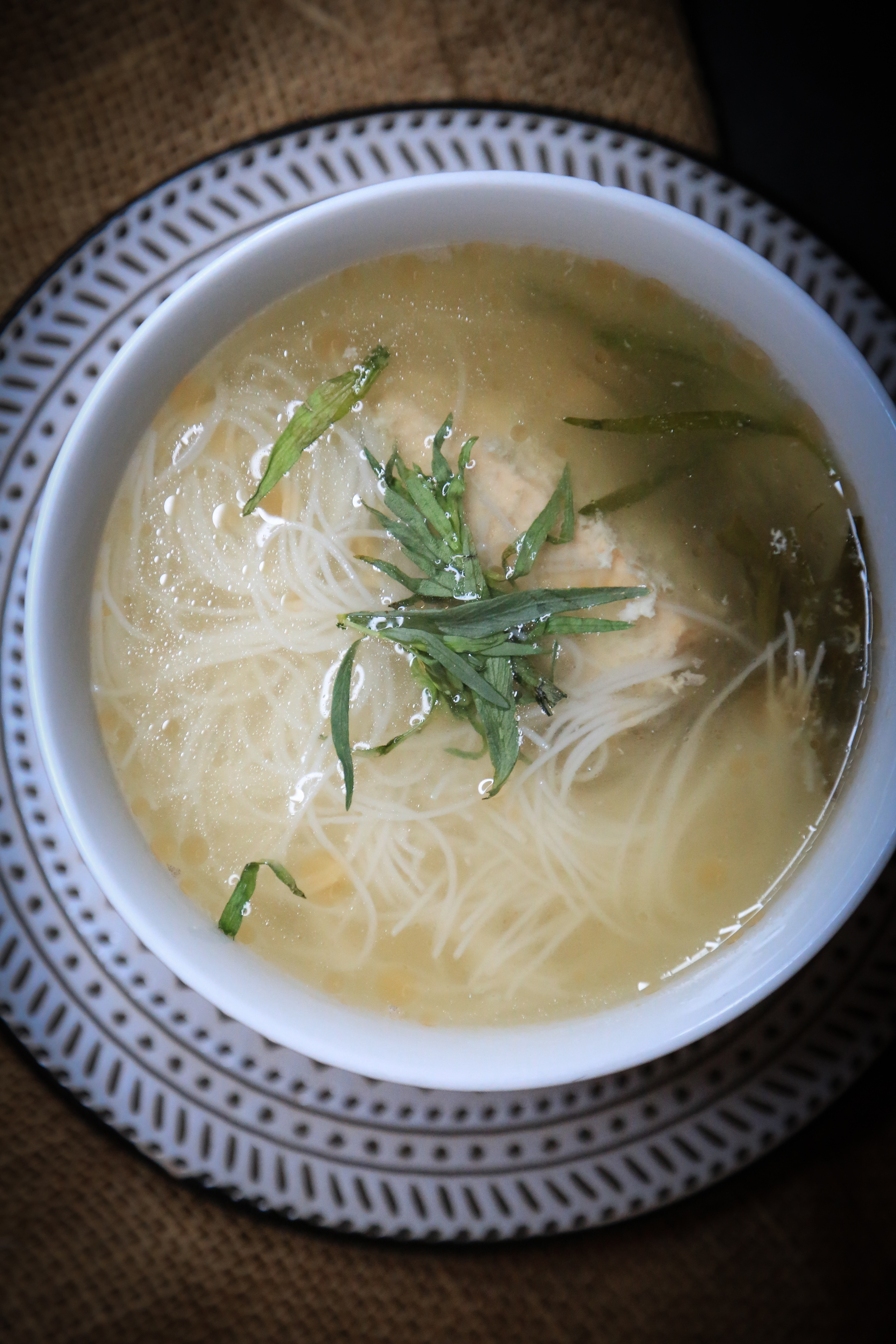
In order to hold food in one place I use a wreath ring and I cover the wreath with a cloth. It is also useful for holding soup bowls or other dishes.

Happy with the results.

One step further to creative living with what we’ve got.

Just a second

‘Just a second. I don’t want to throw them away yet.’ I remarked to my husband while we were cleaning the kitchen and reorganizing it to accommodate my functioning with two frozen shoulders. The plates and cups moved out of cupboards to lower surfaces and the pots now are within reach for hands that somehow it seems became shorter in the space of just few months. I had my grip measured today by the physiotherapist and while his grip was as strong as 56kg, mine was as much as a round 0 so I’m cooking in lighter pots now and I’m trying to surround myself with soft and delicate objects to touch, wrap myself in and sleep on too. I notice that soft fabrics ease the pain immensely as I suppose the nervous system is running this show as much as the joints, muscles and bones.

My camera work has taken a back seat for a moment. I am quite frightened of the camera’s weight and the repercussions of holding it for too long and too high but nothing is ever lost for the stubborn-hearted, right? I am using the time to make some sensible rearrangements that support creative with restricted hand movements. I’ll write a few posts on this soon. It is tough. I’ll be honest. Very tough at times and I’m cursing and crying sometimes at once and of course I fail not to mention the word ’embittered’ too many times to my friends while describing my moods. But then, I remind myself that I still have my index finger working quite well and, you know, photographers do not blame people, God or circumstances, they use this finger in different ways. So I remind myself to live by the standards of the profession and to search for the light. :)

Writing is taking me to various places at the moment. I have been trying to voice difficult thoughts to myself sensibly before I share them with others. Inner-dialogues have got this ability to get very complicated if left untreated, don’t you think?

My son has just started his secondary school and it pleases me to see him searching for his literary voice and that he is indeed enjoying his English homework. There is something about working with a dictionary that gives us rest and reassurance. All of a sudden everything has a meaning..

How have you been lately?

Touched

“The other morning I woke up worrying about a dear friend’s well-being. I felt it as an ache in my heart. When I got up and looked out my window, I saw such beauty that it stopped my mind. I just stood there with the heartbreak of my friend’s condition and saw trees heavy with fresh snow, a sky that was purple-blue, and a soft mist that covered the valley, turning the world into the vision of the Pure Land. Just then, a flock of yellow birds landed on the fence and looked at me, increasing my wonder further still.

I realized then what it means to hold pain in my heart and simultaneously be deeply touched by the power and magic of the world. Life doesn’t have to be one way or the other. We don’t have to jump back and forth. We can live beautifully with whatever comes – heartache and joy, success and failure, instability and change.” Pema Chödrön, Living Beautifully

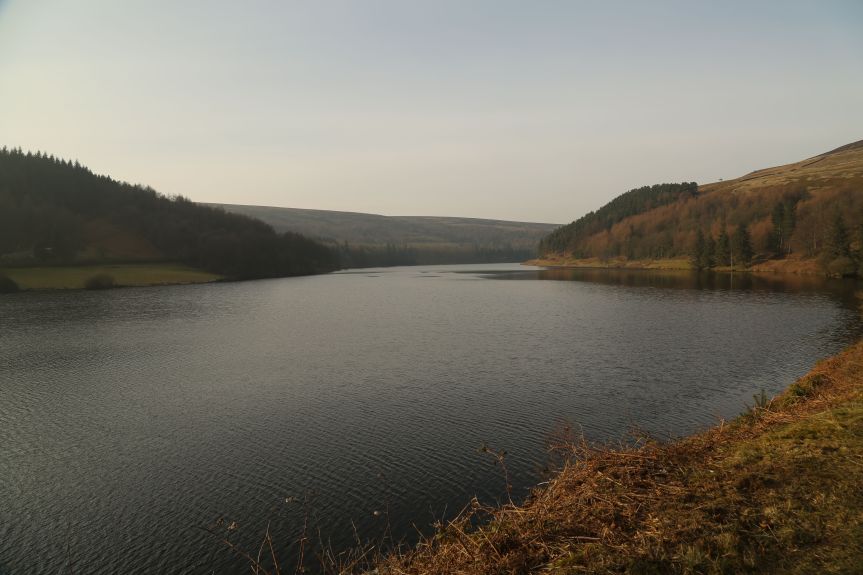
Upper Derwent Valley 3

Uncoil your spine

time together

Over a month ago a physiotherapist very kindly and thoroughly examined my reflexes and muscle strength and firmly recommended Pilates. It was this or no hope to my overstretched and exhausted backbone. I left the physiotherapist’s room relieved. I had my signpost now – to how to look after myself and tend to my body. I don’t know about you but I feel I need a bit of direction in that matter. Over the years I got somewhat detached from my physicality as other things just were much more important. Now, three years after pregnancy and this extensive period of lifting and moving around with a child, my body decided to remind me of itself. And it’s lovely that it did. Pain is such a beautiful thing sometimes, it’s a call for personal attention, a call that we just must eventually answer, embrace and respectfully respond to.

So I did. I responded to my battered back with a respectful tone of Pilates and… a new way of life and thinking has opened before me.

It’s interesting how often our body reflects back the quirks of our personality and how at times it calls for changes in our behaviour.

A month ago I lied down for the first time on my Pilates mat and as I was stretching my back I heard the warm voice of my instructor: Less haste. You must be carried by stamina not by momentum. Do it slowly. Stretch slowly.

My whole world view collapsed. And a new one started forming.

I observed people who exercised with me. There was a man and a girl who were stretching themselves with wonderful grace, and with wonderful control and technique. I admired them. No jerky movements, no rush to complete. Just grace.

Yesterday I was there again and while with some exercises I did not struggle at all to the extent that I almost felt that just after a month they became my second nature, some other exercises really pushed me hard. The contrast between the two experiences was so strong that it shocked me. How can one thing feel so easy and the other so difficult? One muscle overworked, the other left untouched. Can they not work in congruence? My instructor bent over me again: The strength will come. Just do it. Slowly. Progressively. You’ll gain control over it.

Ever since my son was born I feel that we all have been going through a lot of growth. That together we have been uncoiling our spines to become confident and straight-walking people. His spine has been uncoiling mainly in a physical sense as he slowly progressed from being a newborn to a walking and running child, my spine has been straightening and strengthening through a lot of questioning, personal challenges and strong internal debates about my values and place and vocation in life. Perhaps the reverse will need to be happening now: as my toddler enters the questioning phase, I will need to look after the practicalities of life and the physical side of my vertebrae.

Now I know how to. By stamina, not by momentum.