Where would your bundle go?

leaving something for others to take

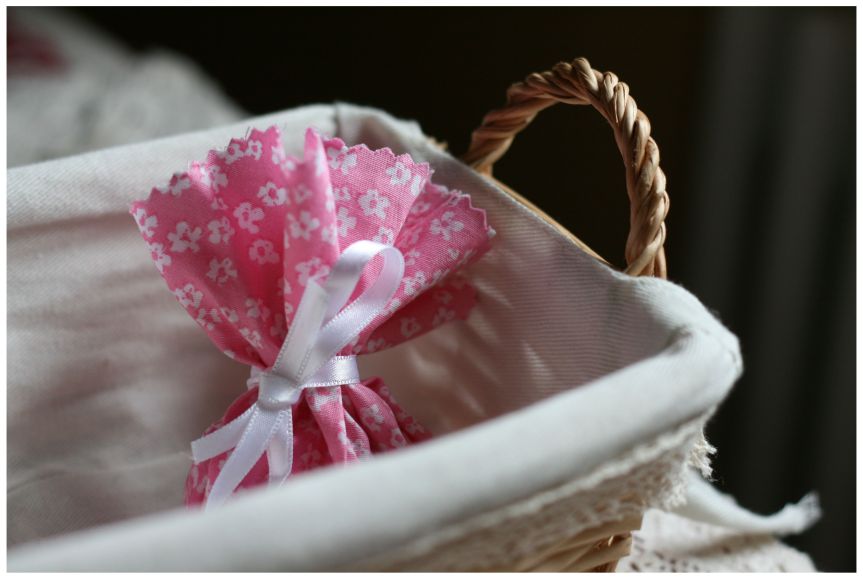
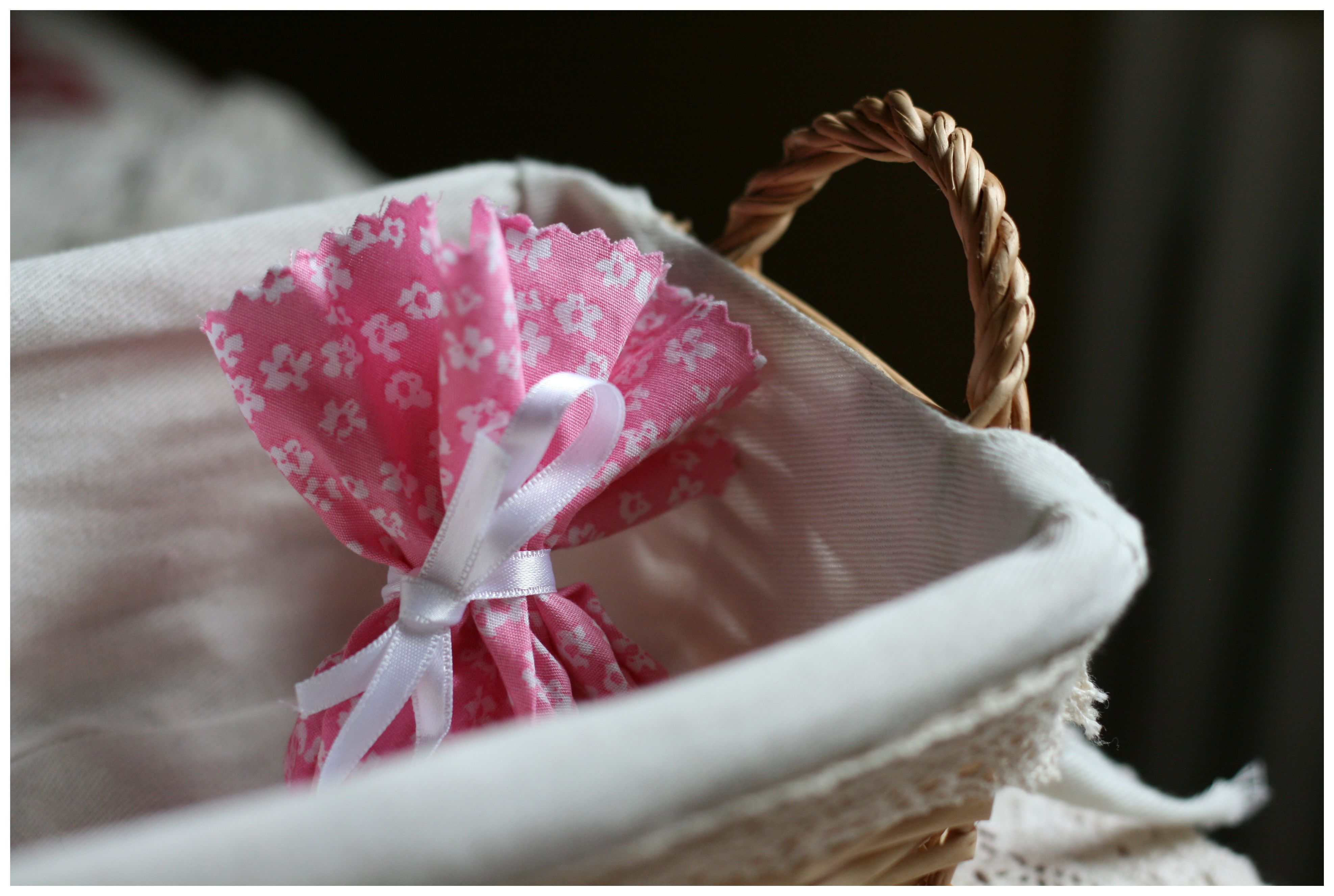
After most christening or wedding parties there is a custom of preparing something for the guests to take home with them. Usually it’s a small bundle of sweets or cakes, sometimes accompanied by a quote or a thankful message, to let the guests know that their presence was welcomed and appreciated. It’s a symbolic way of sharing with them the goods of the feast.

Throughout the last year I have been trying to cultivate a giving heart. I have supported various charities and community events. I was trying to resist buying new items for myself and my son in order to support humanitarian, rather than consumerist, objectives. While I was doing this project I was observing myself and others around me and one observation struck me very hard: being able to give, in many cases, does not really depend on the state of people’s bank account but on their perceived lack of capacity to share. I observed people who refused to support causes because they say they don’t earn enough to be charitable, and then I saw the very same people discarding goods that they had bought the previous week. How is it that we don’t earn enough to give but we earn enough to throw?

There are people in the world for whom what we spend and consume every day would constitute a lavish feast. In every form. The electricity we use. The food we eat. The many pairs of shoes we wear. The books we read. The clothes we have. It is likely that we are feasting in one area or another, or in all those areas.

The Nothing New Project made me realise that I feast in quite a few areas of my life, but for one of them I am particularly grateful: healthcare. Last year I was diagnosed with a life-long illness but because I live in the UK my medicine is for free. Through the Nothing New Project I was able to support many charities, but Doctors Without Borders (MSF), the charity that heals those who would otherwise be left without treatment, was my priority. The charity deals with challenging situations and extraordinary tasks, the Ebola crisis among them. Could you imagine yourself being in Liberia right now? Being a patient or trying to help? Doctors Without Borders are uncommon people whose courage is not of this earth. They deserve our respect, our support and certainly my feast bundle.

Where would your bundle go?
What can make us stronger?

caring

‘Trust yourself. Create the kind of self that you will be happy to live with all your life.’ ~Golda Meir

“Trust yourself. Create the kind of self that you will be happy to live with all your life.” These words live with me ever since I’ve come across them. I believe in character development. I wish we were talking and thinking more about it. I wish our daily conversations included discussions on ways in which we could become better people, on developing better habits or character traits than on making money or losing kilograms. I know that for many, and for me at times too, these are legitimate concerns, but I don’t think they should be our main focus and drive in life.

A year after giving birth to my son I got ill. Pregnancy and early caring really weakened my body and immune system. Fortunately, modern medicine knows, at least partially, how to deal with cases like mine and set me on the right course. Nonetheless, this for me was a wake up call and a good time to take a new direction in life. I’ve been asking myself serious questions. What are the things that I would like to leave after myself to the world? What would I like to change? Have I been really making the most out of what’s good about me? Have I been caring enough for the people who are next to me?

One of my convictions that strengthened at that time was that I don’t want to leave too much rubbish after myself. I am embarrassed at how passive I was for years about protecting the Earth and its resources, how carefree and careless I was too. When it comes to the environment, it’s not enough to know things, it’s not enough to be aware of them… it’s the active resisting, recycling and repairing that matters, our determination to avoid packaging and to compost our leftovers, our efforts to remember about taking our own bags when shopping and make do with less. Determined action, deliberate choices.

Another change that I wanted to implement was to become more of a soldier on the ground rather than a remote captain of good ideas. I would like to become a person who can bring about positive results to my immediate environment, my family, my home, my neighbourhood, my communities. There is a saying “No man would appear unpleasant to others when he looks after his family.” We cannot save the world, we cannot control it either but we do have that piece of this world that belongs more or less to us and it is that piece that we should protect and nurture, work with and cultivate. The families, teams, communities that we’re in should grow with us. It is our responsibility to contribute to that growth and only natural to allow others to contribute to our development. There are different ways in which we can show support. Sometimes it’s by donations, other times by giving our time, by sharing time, food, memories, joy and suffering. Above all we should take equality seriously, we must make sure that we do not discriminate against people who have not been as fortunate as us or who have more than we do.

We cannot laugh at the issues surrounding social inequalities, we cannot shrug them off. We cannot make a massive fuss when we do not get a discount, compensation or any other sort of financial privilege and forget to support people who have less. We cannot refuse to pay decent money for work that others do for us, either personally or even in business. The equality and fairness is often understood in such selfish terms that it’s all too easy to lose the true understanding of those concepts. Everyone deserves a good life, and we must make sure that we are not robbing people of their rights to such a life by paying them little. We all want to provide a good life to our children. We all want to go on holidays.

One of the key ingredients of a strong family is ‘mutual care’. It’s looking after each others’ quality of life, things as simple as sleep and food, and as complex as misfortune and vulnerability, work-life balance and sense of achievement. We must be strong. We must be active and willing to extend ourselves… in order to create the kinds of selves that will be happy to live with all our lives. Mutual care is the base of all relationships… the one with the world, the one with our partners, the one with other family members, and the one with our communities. It cannot be different if it’s supposed to work and produce results.

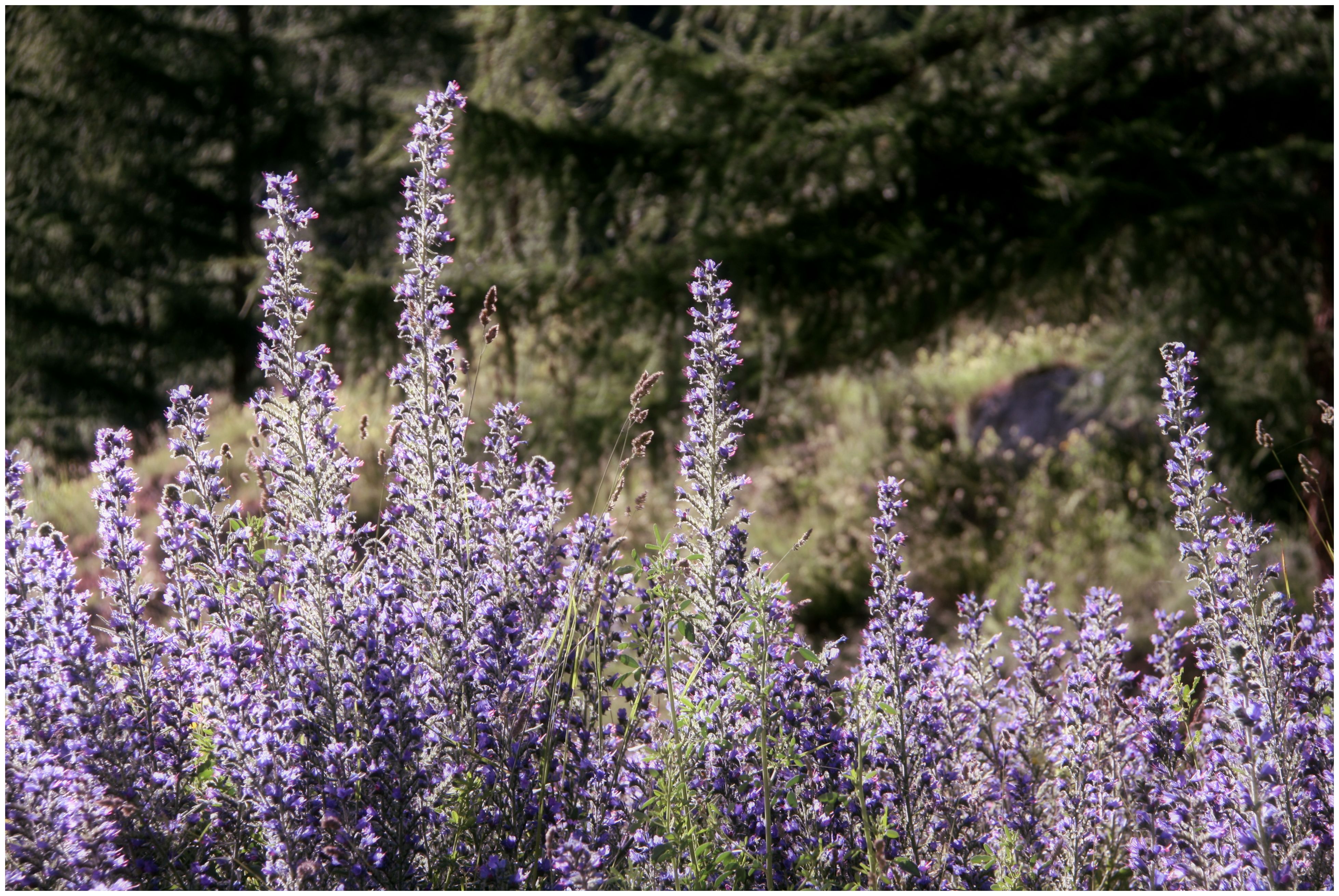
mountain plants

What can make us stronger?

caring

‘Trust yourself. Create the kind of self that you will be happy to live with all your life.’ ~Golda Meir

“Trust yourself. Create the kind of self that you will be happy to live with all your life.” These words live with me ever since I’ve come across them. I believe in character development. I wish we were talking and thinking more about it. I wish our daily conversations included discussions on ways in which we could become better people, on developing better habits or character traits than on making money or losing kilograms. I know that for many, and for me at times too, these are legitimate concerns, but I don’t think they should be our main focus and drive in life.

A year after giving birth to my son I got ill. Pregnancy and early caring really weakened my body and immune system. Fortunately, modern medicine knows, at least partially, how to deal with cases like mine and set me on the right course. Nonetheless, this for me was a wake up call and a good time to take a new direction in life. I’ve been asking myself serious questions. What are the things that I would like to leave after myself to the world? What would I like to change? Have I been really making the most out of what’s good about me? Have I been caring enough for the people who are next to me?

One of my convictions that strengthened at that time was that I don’t want to leave too much rubbish after myself. I am embarrassed at how passive I was for years about protecting the Earth and its resources, how carefree and careless I was too. When it comes to the environment, it’s not enough to know things, it’s not enough to be aware of them… it’s the active resisting, recycling and repairing that matters, our determination to avoid packaging and to compost our leftovers, our efforts to remember about taking our own bags when shopping and make do with less. Determined action, deliberate choices.

Another change that I wanted to implement was to become more of a soldier on the ground rather than a remote captain of good ideas. I would like to become a person who can bring about positive results to my immediate environment, my family, my home, my neighbourhood, my communities. There is a saying “No man would appear unpleasant to others when he looks after his family.” We cannot save the world, we cannot control it either but we do have that piece of this world that belongs more or less to us and it is that piece that we should protect and nurture, work with and cultivate. The families, teams, communities that we’re in should grow with us. It is our responsibility to contribute to that growth and only natural to allow others to contribute to our development. There are different ways in which we can show support. Sometimes it’s by donations, other times by giving our time, by sharing time, food, memories, joy and suffering. Above all we should take equality seriously, we must make sure that we do not discriminate against people who have not been as fortunate as us or who have more than we do.

We cannot laugh at the issues surrounding social inequalities, we cannot shrug them off. We cannot make a massive fuss when we do not get a discount, compensation or any other sort of financial privilege and forget to support people who have less. We cannot refuse to pay decent money for work that others do for us, either personally or even in business. The equality and fairness is often understood in such selfish terms that it’s all too easy to lose the true understanding of those concepts. Everyone deserves a good life, and we must make sure that we are not robbing people of their rights to such a life by paying them little. We all want to provide a good life to our children. We all want to go on holidays.

One of the key ingredients of a strong family is ‘mutual care’. It’s looking after each others’ quality of life, things as simple as sleep and food, and as complex as misfortune and vulnerability, work-life balance and sense of achievement. We must be strong. We must be active and willing to extend ourselves… in order to create the kinds of selves that will be happy to live with all our lives. Mutual care is the base of all relationships… the one with the world, the one with our partners, the one with other family members, and the one with our communities. It cannot be different if it’s supposed to work and produce results.

mountain plants

On the road to environmental living: ideas for reducing packaging in our daily lives

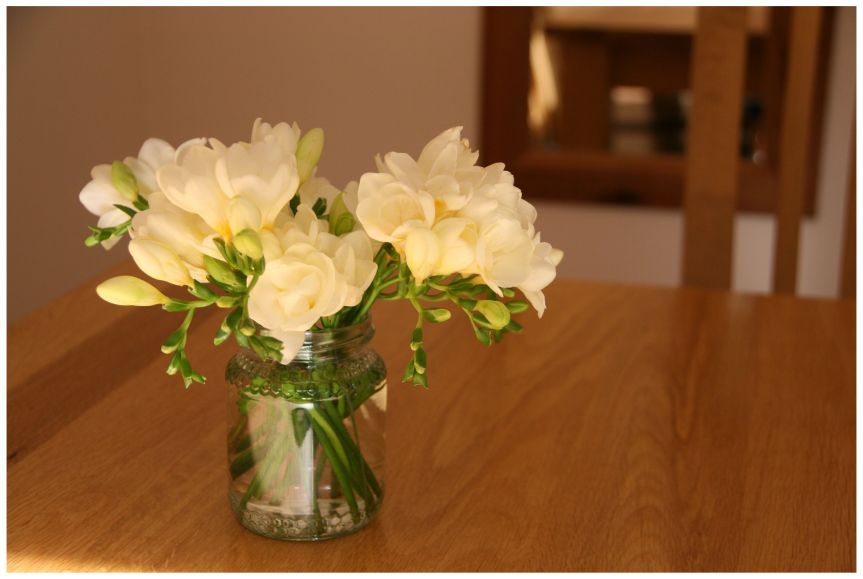
flowers_table

I often think about the values that I would like to instil in my son. There is quite a list and caring for the environment is among them. I am not an expert in eco-friendly living but I am learning about it and the more I read and the more I investigate the topic the more I understand how serious and pressing the environmental issues are.

When I came to the UK, the front pages were full of discussion on the topics related to the environment. I must admit I didn’t read many of them but the messages trickled and filled my conscience.

I am trying to find ways and means of reducing unnecessary waste. We pay a strong attention to sorting our rubbish for recycling but I think I still would like to reduce the weight that the rubbish lorry takes away every week. I thought that first of all I’ll try to reduce the packaging that comes into our house. Here are some ideas that I am or will be implementing which you might also like to look into.

Plastic containers for milk – Solution: check if there’s a milkman in your area, order milk in reusable glass bottles from them. If you are based in the UK, you can check who delivers milk in your local area by using this website: http://www.findmeamilkman.net

Washing up liquid – There are some eco-friendly brands that offer washing-up liquid refills. All that you need to do is to take your old and empty washing-up liquid bottle and ask for a refill. Local independent eco shops may do it for other home-care products too.

Soap containers – Consider the following options: try to use the refill systems for liquid soaps or buy soap in blocks or chunks without packaging

Yoghurt and ice-cream pots –  There’s a plethora of recipes online for how to make your own yoghurt and ice-cream. Making it on your own is much healthier as you can avoid glycerine, excessive sugar and other additives. It’s so much fun to do it too! And so yummy!

Other food packaging – Is there a shop that specialises in eggs near you? They are always very appreciative if you come with your own egg box. On average we buy one or two boxes of eggs per week, that’s maybe up to around 100 egg boxes per year. This can be easily reduced to say 10 (assuming a box will last 10 trips).

Plastic dispensers from cleaning products – for the cooker: use bicarbonate of soda with lemon; for windows: my mum gave me a special cleaning cloth that does not require a detergent to be used, in the past I also used water and old newspapers – worked pretty well; as a shower cleaner: use bicarbonate of soda with lemon and vinegar.

There are still some items that I haven’t found good solutions for, for instance, how to avoid plastic shampoo bottles or summer fruit containers (I wish there was a returnable container system somewhere near me)? Any ideas?

Nothing New: Lesson Learned

Norm... the end?


When at the beginning of this year Sash at Inked in Colour started her Nothing New project, I was in the process of managing and sorting our household possessions and so I thought to myself, I’ll join her. Our drawers and wardrobes were full, our cupboards were full and despite my decluttering efforts, with all the new stuff that comes with having a growing up baby, I still felt really bogged down. I felt that the Nothing New project is a perfect solution for our family and I really didn’t think that having new items would in any way add to the quality of our existence.

To firm up my resolution I decided to save the money that I would otherwise spend on my clothes and other small temptations and give them to charity towards the end of this year. Marathon runners do it. They train, they run, they sweat and they raise funds. I thought I would exercise my strong will and I’ll do the same. In the village where I grew up generosity has always been seen as a core value. I would not feel at ease with myself if I did otherwise. After all, this project is not only about buying nothing new but also about sharing. These were my purposes: decluttering and sharing – but actually there are other things at stake here… things that I have just recently learnt to fully appreciate…

There is something disconcerting about human nature and this is our capacity and tendency to neglect the old when the prospect of the new emerges… I’ve seen it many times… you must have too. Stopping the inflow of new items into your house makes you really aware of it, makes it all overt.

Perhaps the most wonderful side effect of the Nothing New project is that it makes you more caring. You care about what’s at your hand, about what’s present and about what’s around you. You care and you take pride in it because you are making a visible difference to what’s just next to you, to your surroundings and you train yourself to make the best and long-lasting use of it. You learn to truly and wholeheartedly love…

…the environment.

You don’t want to consume mindlessly or you just don’t want to consume like you used to…

…it’s no longer a comfortable norm to follow.

You cannot get through a single day without having an impact on the world around you. What you do makes a difference, and you have to decide what kind of difference you want to make.” —Jane Goodall

IMG_0202