Where would your bundle go?

leaving something for others to take

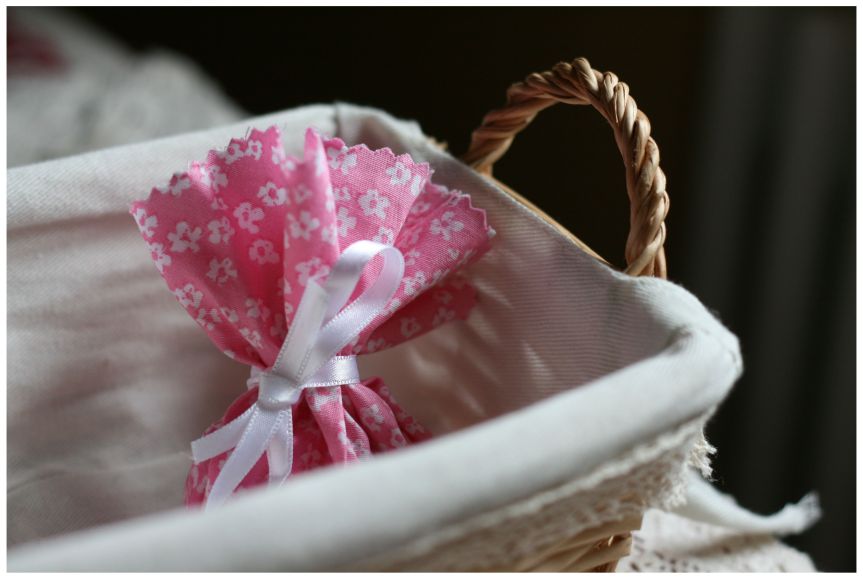
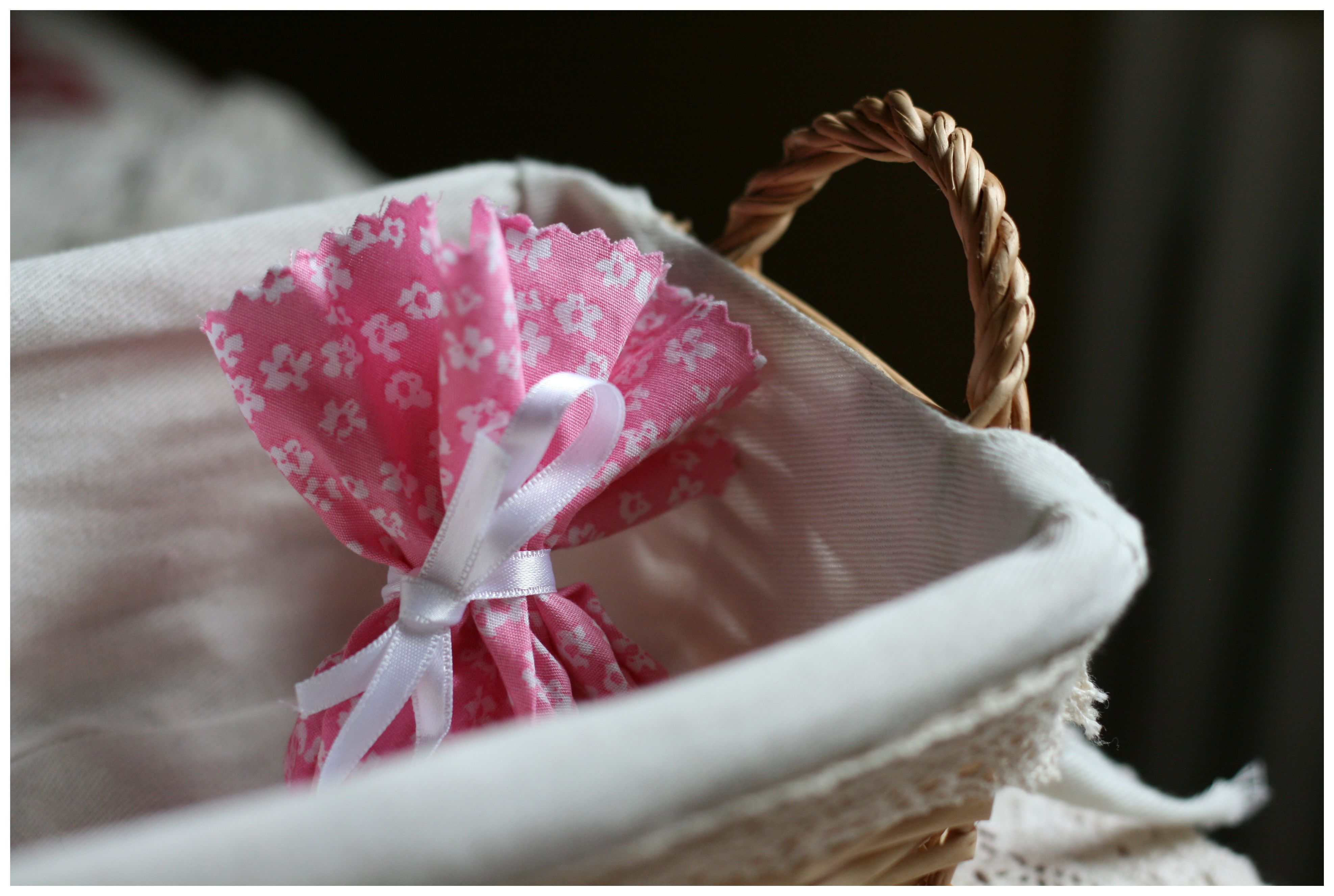
After most christening or wedding parties there is a custom of preparing something for the guests to take home with them. Usually it’s a small bundle of sweets or cakes, sometimes accompanied by a quote or a thankful message, to let the guests know that their presence was welcomed and appreciated. It’s a symbolic way of sharing with them the goods of the feast.

Throughout the last year I have been trying to cultivate a giving heart. I have supported various charities and community events. I was trying to resist buying new items for myself and my son in order to support humanitarian, rather than consumerist, objectives. While I was doing this project I was observing myself and others around me and one observation struck me very hard: being able to give, in many cases, does not really depend on the state of people’s bank account but on their perceived lack of capacity to share. I observed people who refused to support causes because they say they don’t earn enough to be charitable, and then I saw the very same people discarding goods that they had bought the previous week. How is it that we don’t earn enough to give but we earn enough to throw?

There are people in the world for whom what we spend and consume every day would constitute a lavish feast. In every form. The electricity we use. The food we eat. The many pairs of shoes we wear. The books we read. The clothes we have. It is likely that we are feasting in one area or another, or in all those areas.

The Nothing New Project made me realise that I feast in quite a few areas of my life, but for one of them I am particularly grateful: healthcare. Last year I was diagnosed with a life-long illness but because I live in the UK my medicine is for free. Through the Nothing New Project I was able to support many charities, but Doctors Without Borders (MSF), the charity that heals those who would otherwise be left without treatment, was my priority. The charity deals with challenging situations and extraordinary tasks, the Ebola crisis among them. Could you imagine yourself being in Liberia right now? Being a patient or trying to help? Doctors Without Borders are uncommon people whose courage is not of this earth. They deserve our respect, our support and certainly my feast bundle.

Where would your bundle go?
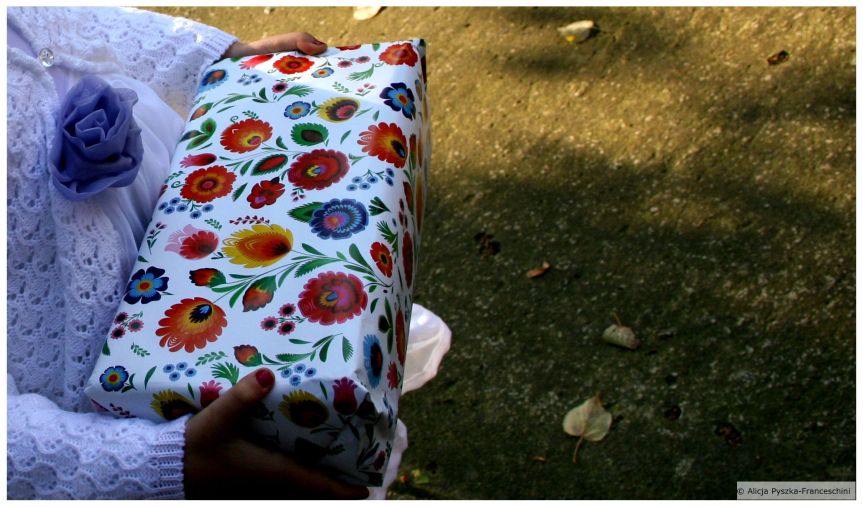
Receiving Presents: Does It Matter What’s Inside?


A wrapped present

Reminder

A father once gave his child a beautifully wrapped box. It was red and gold with a large ribbon. The father said to the child, ‘Before you can open it, let’s imagine what might be inside’.

To start with the box contained only simple objects, but as they stared and wondered, the child’s imagination grew and the box started filling up with various fantastical ideas: a troupe of dancing fairies, a musical box containing a full orchestra of mice, a pair of magic shoes that makes you walk on clouds, a toy train full of chattering teddy bears, a miniature garden full of tiny roses, trees and monkeys…The ideas kept flowing. Towards the end of the evening, the father suggested, ‘Now you can open your present’. The child responded ‘No Daddy, I don’t want to open it. I’m happy with the box’.

Would you open the box?

What would be in your box that you would find most satisfying?

Is it possible that someone’s gratitude for the gift of imagination is stronger than their curiosity and appetite for the real life? How does it feel?

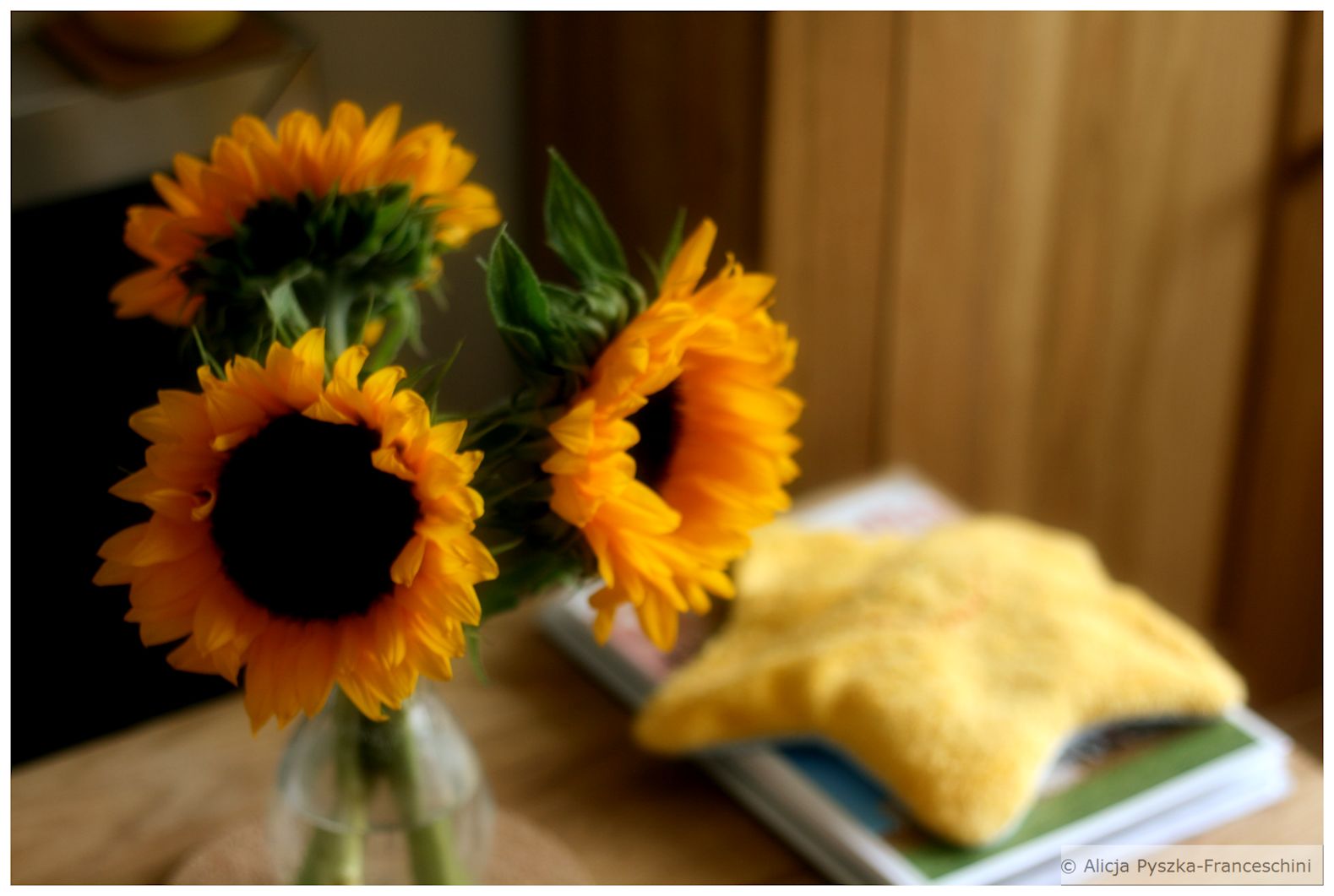
Sunflowers in a vaseFirst published: December 2013

Thankful Tuesday: Places and destinations

basket

“I reread the Odyssey… which I had first read in school and remembered as a story of a homecoming. But it is not a story of a homecoming. How could the Greeks who knew that one never enters the same river twice, believe in homecoming? Odysseus does not return home to stay, but to set off again.” Bernhard Schlink, The Reader

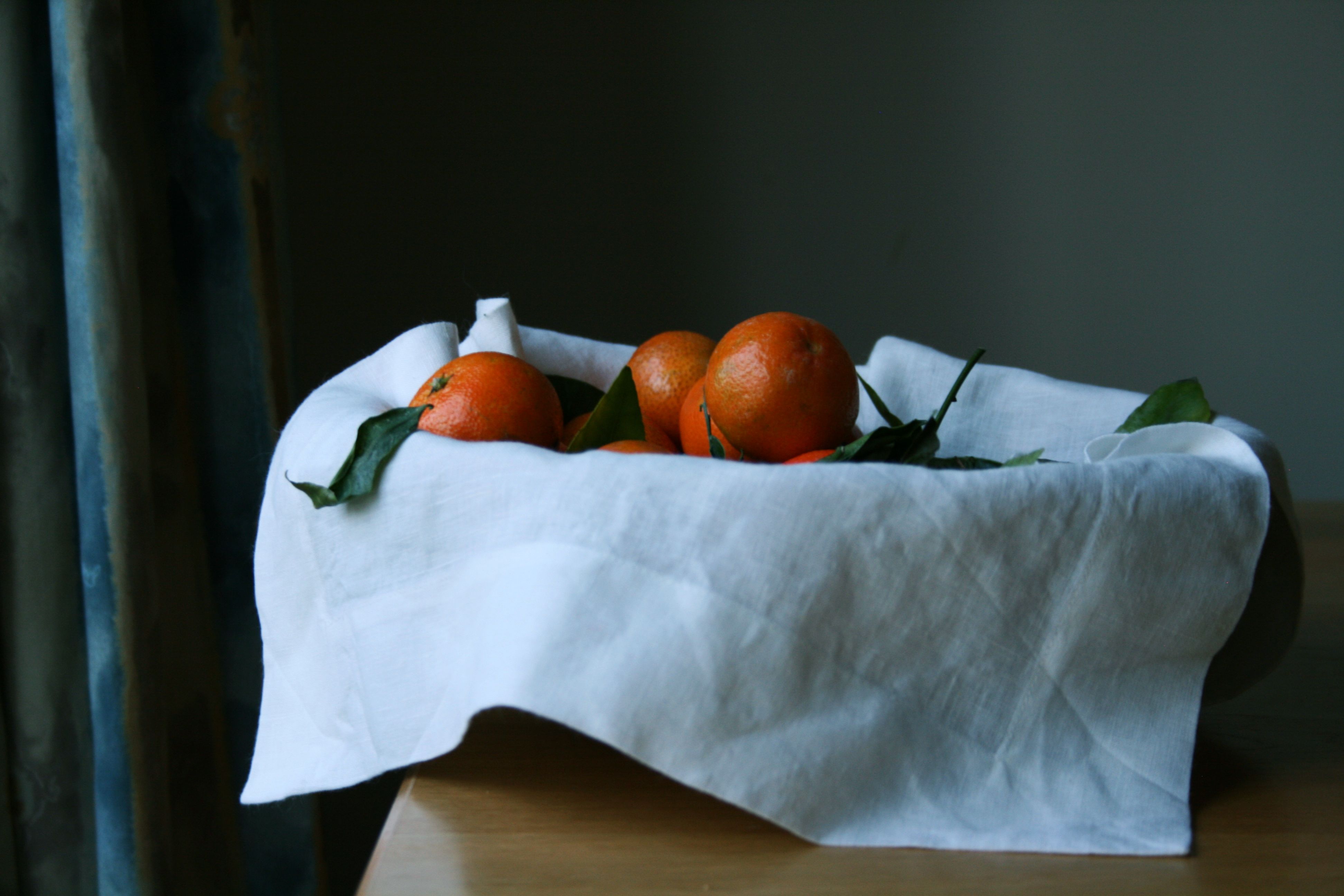
Last week we just ate clementines. Well, we did other things too but it felt as if it was all that we did. When you have the flu, you want to eat citrus fruits all the time, don’t you? It is really lovely to see that no food is dismissed when its eating is preceded by having an opportunity to peel it, and garlic is no exception (at least not in my toddler’s case).

As our noses were running and temperatures went high, we had to say no to a few events and cancel one too. I must admit I have grown so fond of our little communities recently that I have found it quite painful to stay at home.

There are times however that we find it difficult to appreciate our back and forth travelling. Journeys to work, shops, schools and nurseries. But as much as we love home, as much as we find it easier to return than to set off, there is no doubt that we also meet ourselves in other places. These days even if my journeys are only to the nearest park, I am grateful for having them. For having opportunities to set off. To be in motion. In a physical or metaphorical sense.

They say that small children learn an awful lot while discussing with their mothers all the things that happen on the other side of the window. Quickly, they are drawn outside… they find their favourite places… just as adults do.

Today I am grateful for those places and our destinations that pull us out of bed every morning and make us meet ourselves and meet each other. We belong to the world that’s greater than our home. We must set off.

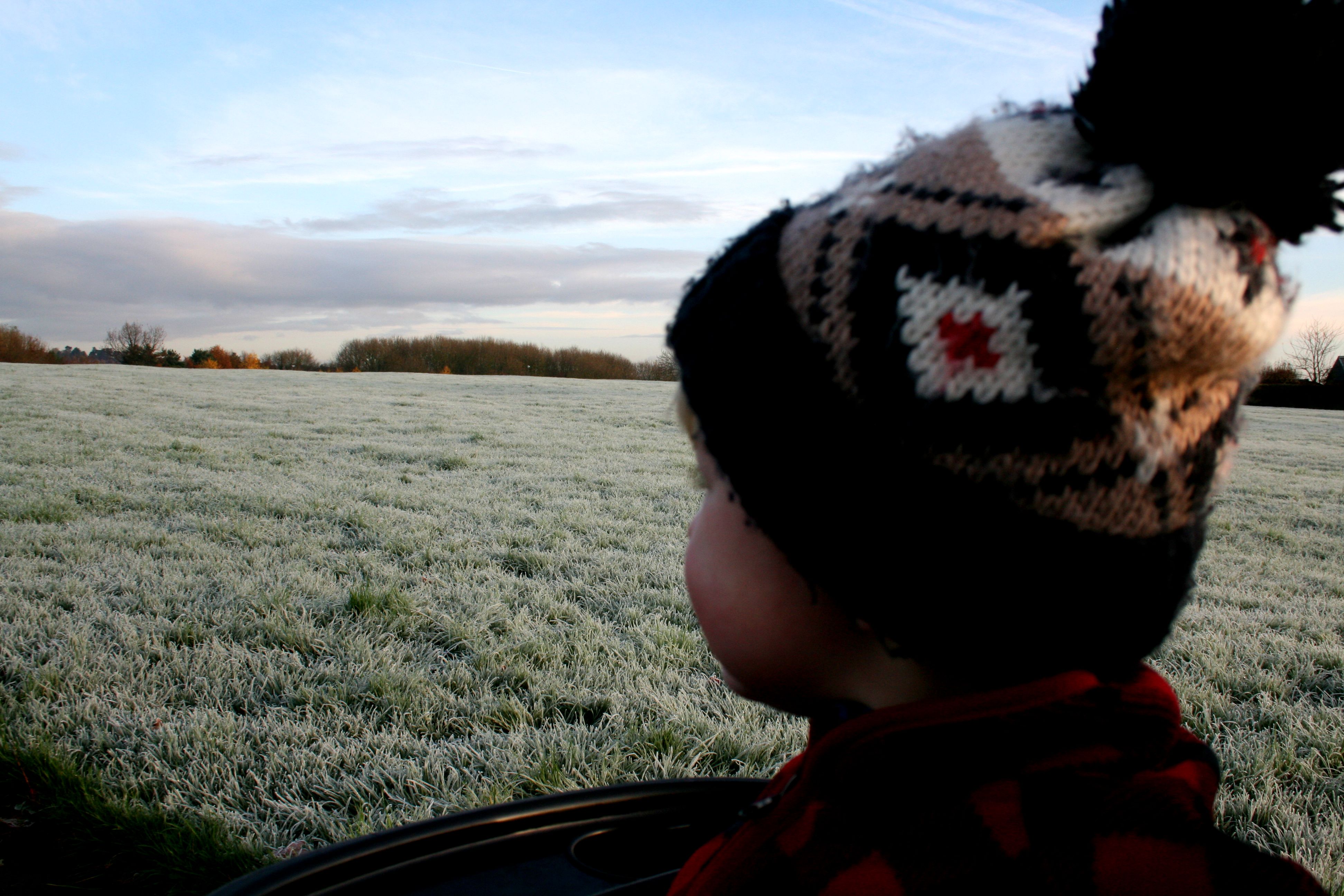
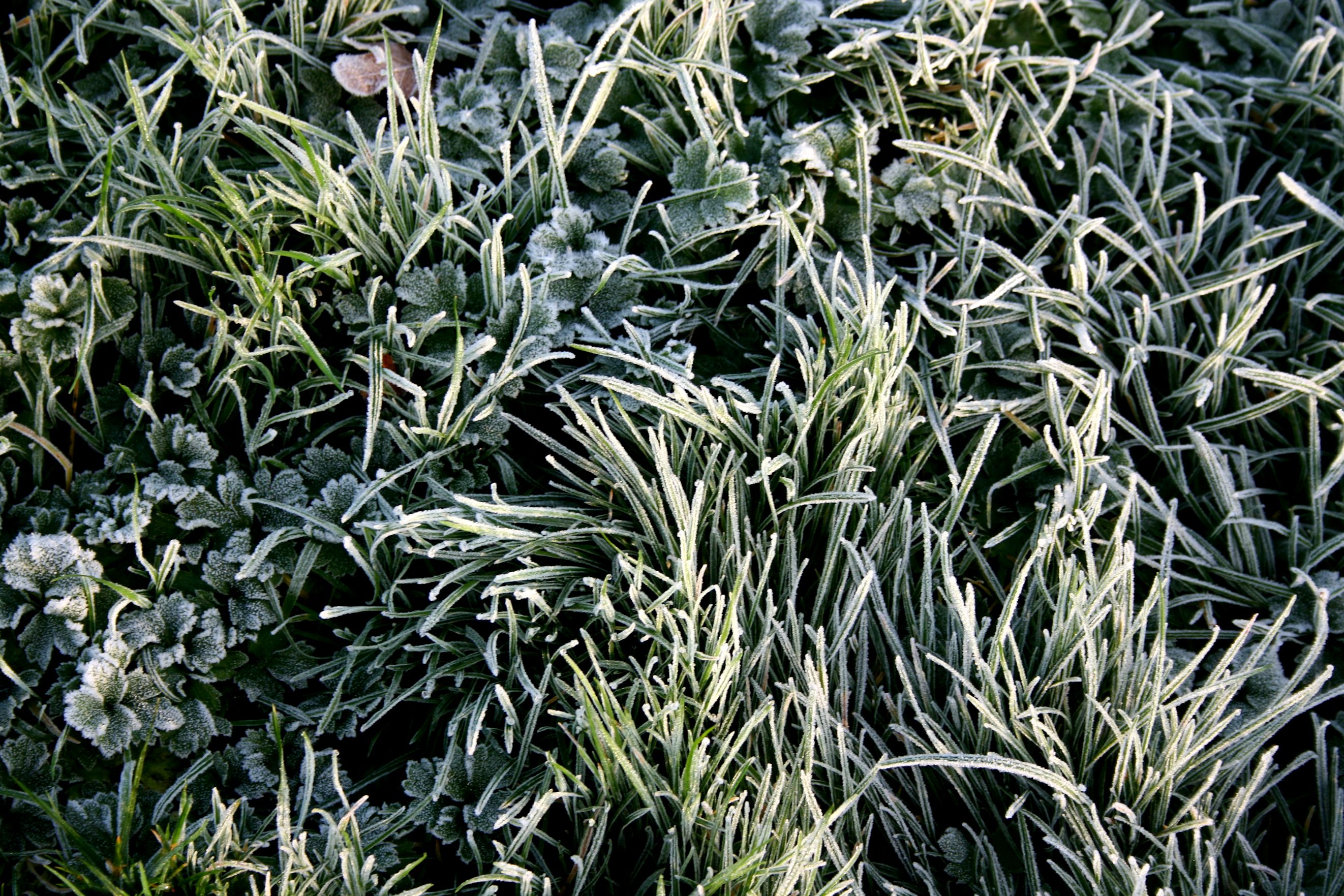
early morning walkfrosty morningbracing for winter craft early morning walk2 in bed with a flu mandarines

 Thankful Tuesday series was started by Life With The Crew. Pop over to her blog to read about her adventures.

What can make us stronger?

caring

‘Trust yourself. Create the kind of self that you will be happy to live with all your life.’ ~Golda Meir

“Trust yourself. Create the kind of self that you will be happy to live with all your life.” These words live with me ever since I’ve come across them. I believe in character development. I wish we were talking and thinking more about it. I wish our daily conversations included discussions on ways in which we could become better people, on developing better habits or character traits than on making money or losing kilograms. I know that for many, and for me at times too, these are legitimate concerns, but I don’t think they should be our main focus and drive in life.

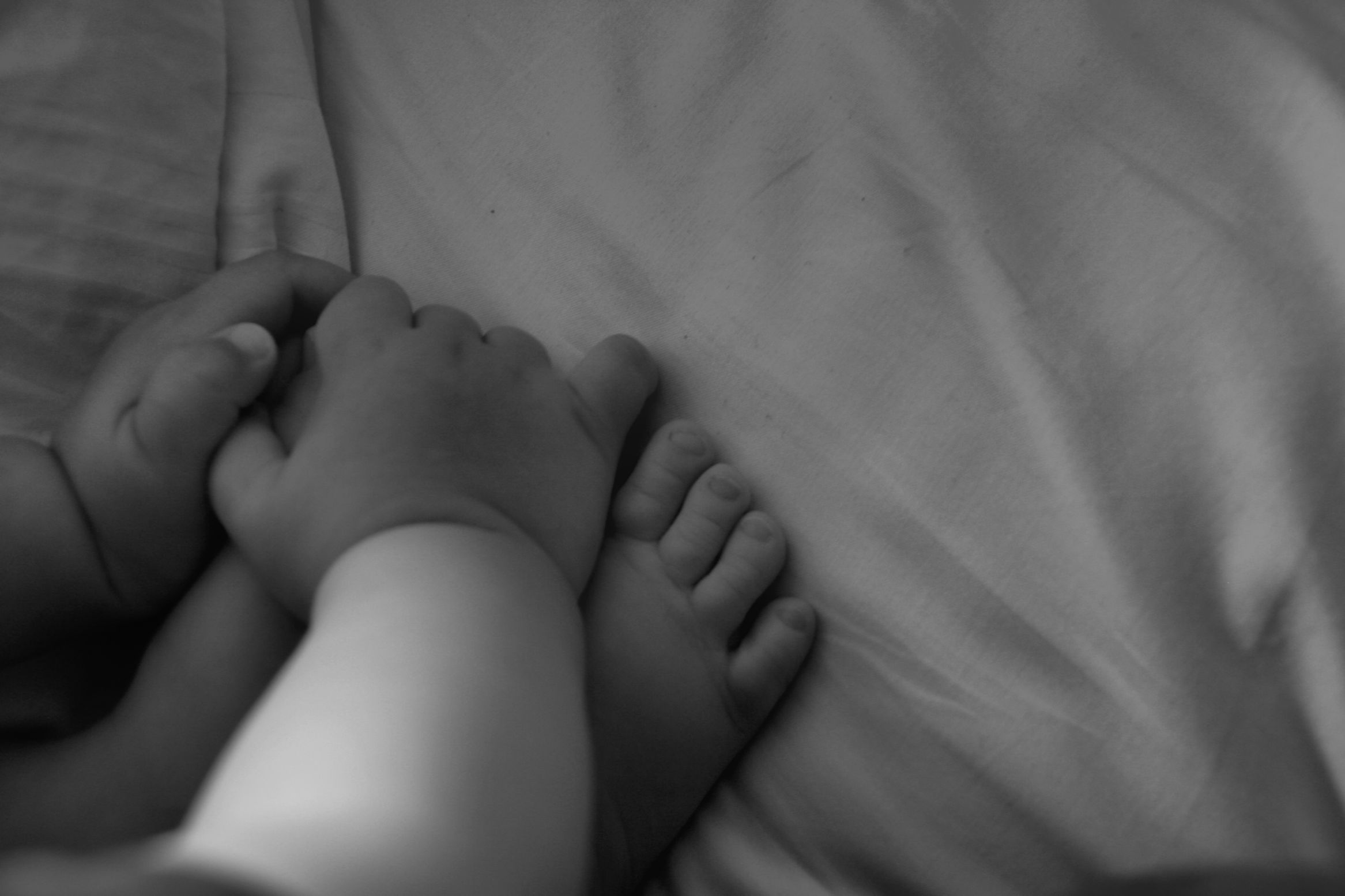
A year after giving birth to my son I got ill. Pregnancy and early caring really weakened my body and immune system. Fortunately, modern medicine knows, at least partially, how to deal with cases like mine and set me on the right course. Nonetheless, this for me was a wake up call and a good time to take a new direction in life. I’ve been asking myself serious questions. What are the things that I would like to leave after myself to the world? What would I like to change? Have I been really making the most out of what’s good about me? Have I been caring enough for the people who are next to me?

One of my convictions that strengthened at that time was that I don’t want to leave too much rubbish after myself. I am embarrassed at how passive I was for years about protecting the Earth and its resources, how carefree and careless I was too. When it comes to the environment, it’s not enough to know things, it’s not enough to be aware of them… it’s the active resisting, recycling and repairing that matters, our determination to avoid packaging and to compost our leftovers, our efforts to remember about taking our own bags when shopping and make do with less. Determined action, deliberate choices.

Another change that I wanted to implement was to become more of a soldier on the ground rather than a remote captain of good ideas. I would like to become a person who can bring about positive results to my immediate environment, my family, my home, my neighbourhood, my communities. There is a saying “No man would appear unpleasant to others when he looks after his family.” We cannot save the world, we cannot control it either but we do have that piece of this world that belongs more or less to us and it is that piece that we should protect and nurture, work with and cultivate. The families, teams, communities that we’re in should grow with us. It is our responsibility to contribute to that growth and only natural to allow others to contribute to our development. There are different ways in which we can show support. Sometimes it’s by donations, other times by giving our time, by sharing time, food, memories, joy and suffering. Above all we should take equality seriously, we must make sure that we do not discriminate against people who have not been as fortunate as us or who have more than we do.

We cannot laugh at the issues surrounding social inequalities, we cannot shrug them off. We cannot make a massive fuss when we do not get a discount, compensation or any other sort of financial privilege and forget to support people who have less. We cannot refuse to pay decent money for work that others do for us, either personally or even in business. The equality and fairness is often understood in such selfish terms that it’s all too easy to lose the true understanding of those concepts. Everyone deserves a good life, and we must make sure that we are not robbing people of their rights to such a life by paying them little. We all want to provide a good life to our children. We all want to go on holidays.

One of the key ingredients of a strong family is ‘mutual care’. It’s looking after each others’ quality of life, things as simple as sleep and food, and as complex as misfortune and vulnerability, work-life balance and sense of achievement. We must be strong. We must be active and willing to extend ourselves… in order to create the kinds of selves that will be happy to live with all our lives. Mutual care is the base of all relationships… the one with the world, the one with our partners, the one with other family members, and the one with our communities. It cannot be different if it’s supposed to work and produce results.

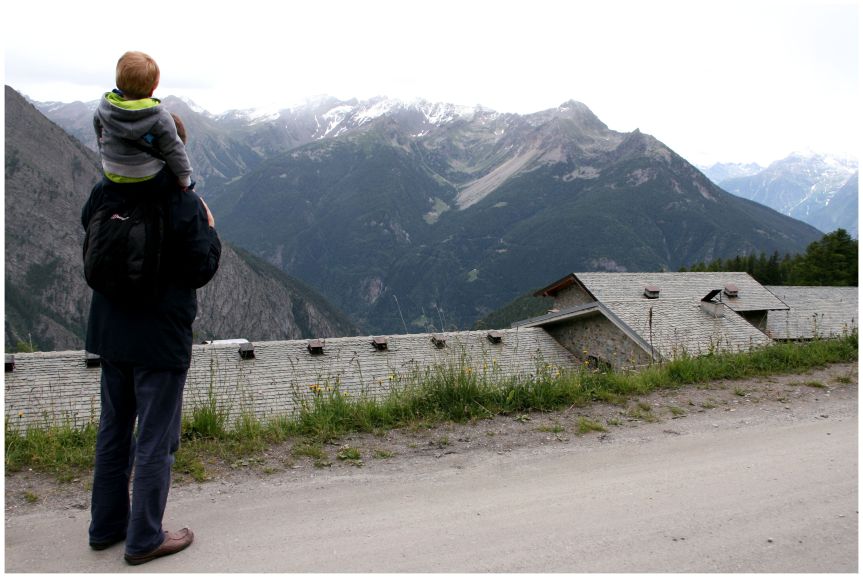
mountain plants

What can make us stronger?

caring

‘Trust yourself. Create the kind of self that you will be happy to live with all your life.’ ~Golda Meir

“Trust yourself. Create the kind of self that you will be happy to live with all your life.” These words live with me ever since I’ve come across them. I believe in character development. I wish we were talking and thinking more about it. I wish our daily conversations included discussions on ways in which we could become better people, on developing better habits or character traits than on making money or losing kilograms. I know that for many, and for me at times too, these are legitimate concerns, but I don’t think they should be our main focus and drive in life.

A year after giving birth to my son I got ill. Pregnancy and early caring really weakened my body and immune system. Fortunately, modern medicine knows, at least partially, how to deal with cases like mine and set me on the right course. Nonetheless, this for me was a wake up call and a good time to take a new direction in life. I’ve been asking myself serious questions. What are the things that I would like to leave after myself to the world? What would I like to change? Have I been really making the most out of what’s good about me? Have I been caring enough for the people who are next to me?

One of my convictions that strengthened at that time was that I don’t want to leave too much rubbish after myself. I am embarrassed at how passive I was for years about protecting the Earth and its resources, how carefree and careless I was too. When it comes to the environment, it’s not enough to know things, it’s not enough to be aware of them… it’s the active resisting, recycling and repairing that matters, our determination to avoid packaging and to compost our leftovers, our efforts to remember about taking our own bags when shopping and make do with less. Determined action, deliberate choices.

Another change that I wanted to implement was to become more of a soldier on the ground rather than a remote captain of good ideas. I would like to become a person who can bring about positive results to my immediate environment, my family, my home, my neighbourhood, my communities. There is a saying “No man would appear unpleasant to others when he looks after his family.” We cannot save the world, we cannot control it either but we do have that piece of this world that belongs more or less to us and it is that piece that we should protect and nurture, work with and cultivate. The families, teams, communities that we’re in should grow with us. It is our responsibility to contribute to that growth and only natural to allow others to contribute to our development. There are different ways in which we can show support. Sometimes it’s by donations, other times by giving our time, by sharing time, food, memories, joy and suffering. Above all we should take equality seriously, we must make sure that we do not discriminate against people who have not been as fortunate as us or who have more than we do.

We cannot laugh at the issues surrounding social inequalities, we cannot shrug them off. We cannot make a massive fuss when we do not get a discount, compensation or any other sort of financial privilege and forget to support people who have less. We cannot refuse to pay decent money for work that others do for us, either personally or even in business. The equality and fairness is often understood in such selfish terms that it’s all too easy to lose the true understanding of those concepts. Everyone deserves a good life, and we must make sure that we are not robbing people of their rights to such a life by paying them little. We all want to provide a good life to our children. We all want to go on holidays.

One of the key ingredients of a strong family is ‘mutual care’. It’s looking after each others’ quality of life, things as simple as sleep and food, and as complex as misfortune and vulnerability, work-life balance and sense of achievement. We must be strong. We must be active and willing to extend ourselves… in order to create the kinds of selves that will be happy to live with all our lives. Mutual care is the base of all relationships… the one with the world, the one with our partners, the one with other family members, and the one with our communities. It cannot be different if it’s supposed to work and produce results.

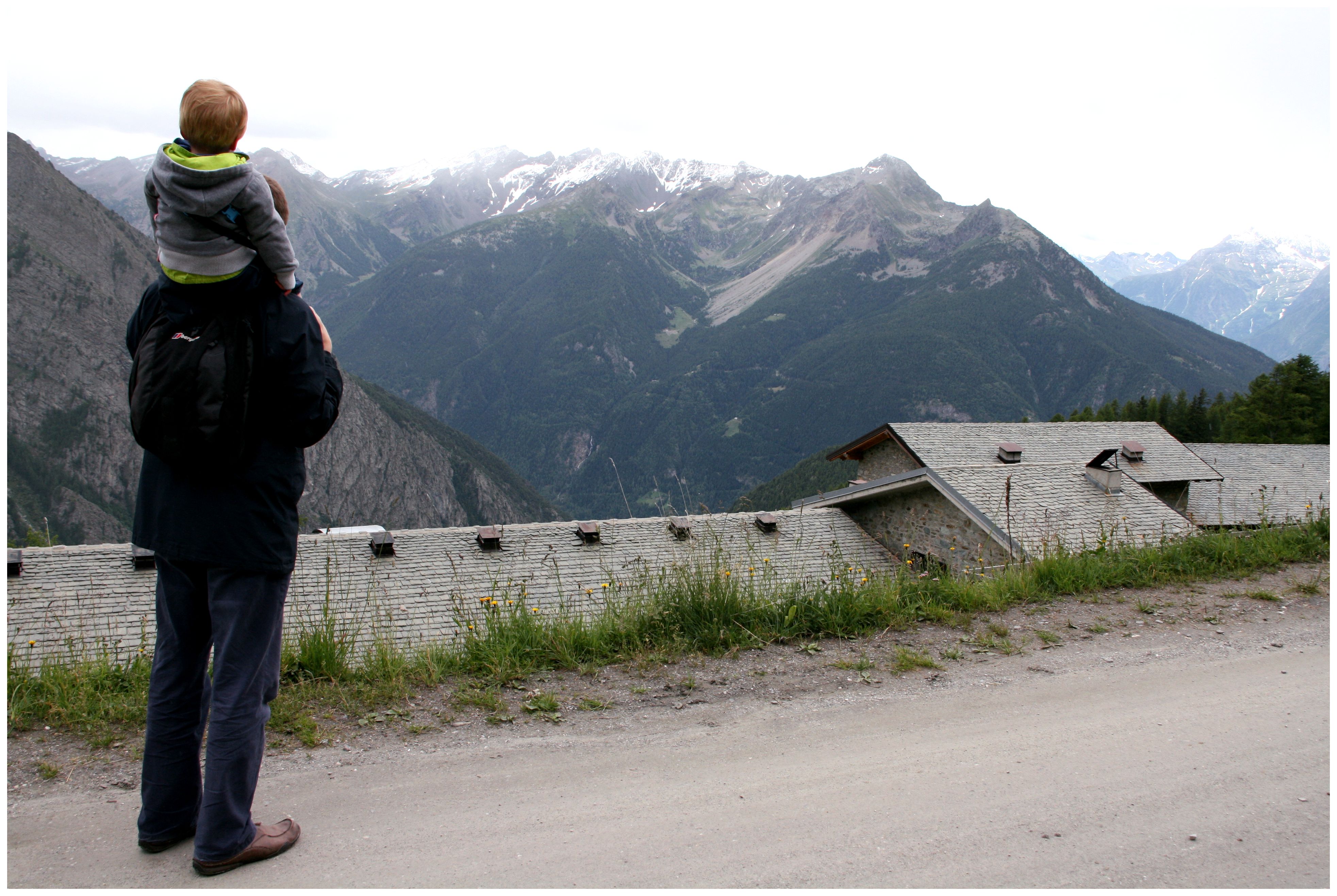
mountain plants