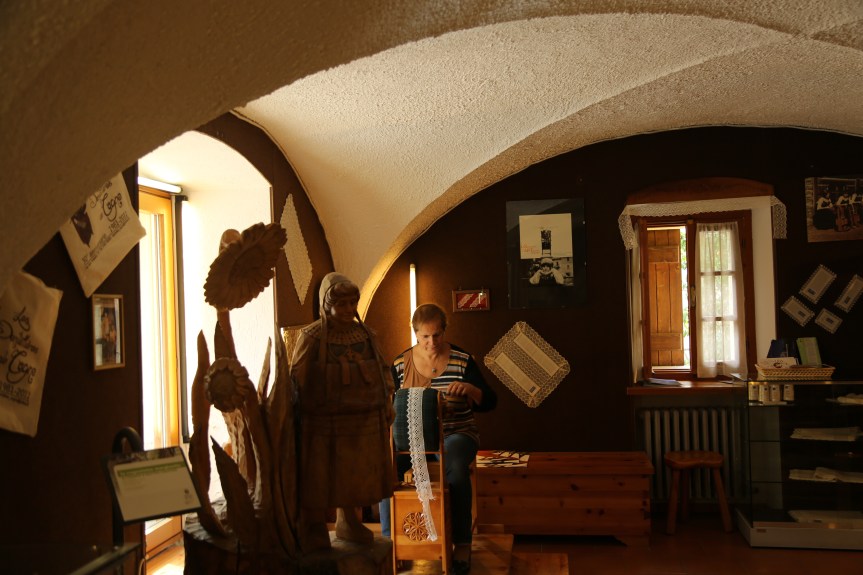
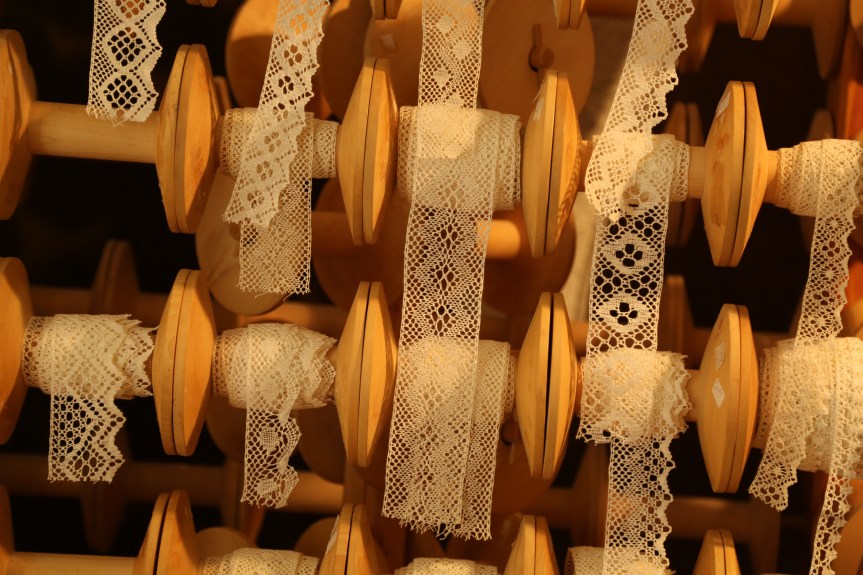
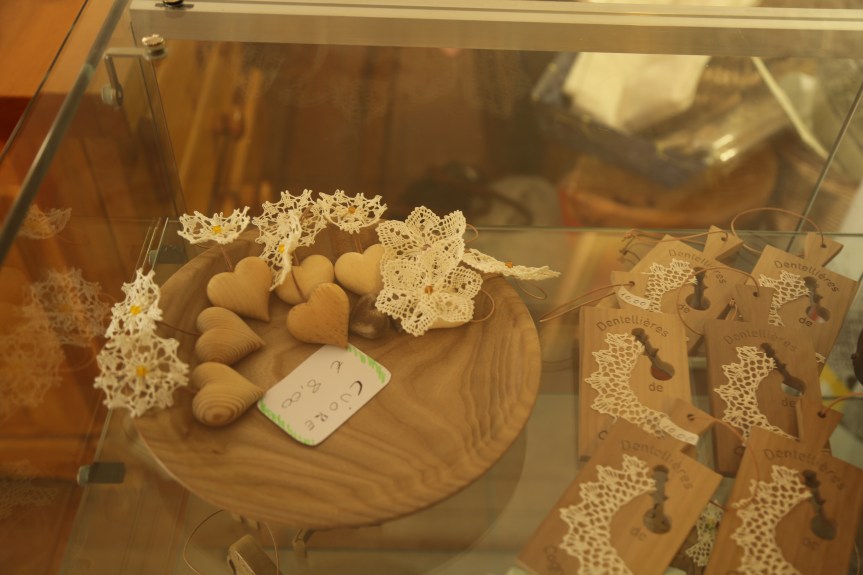
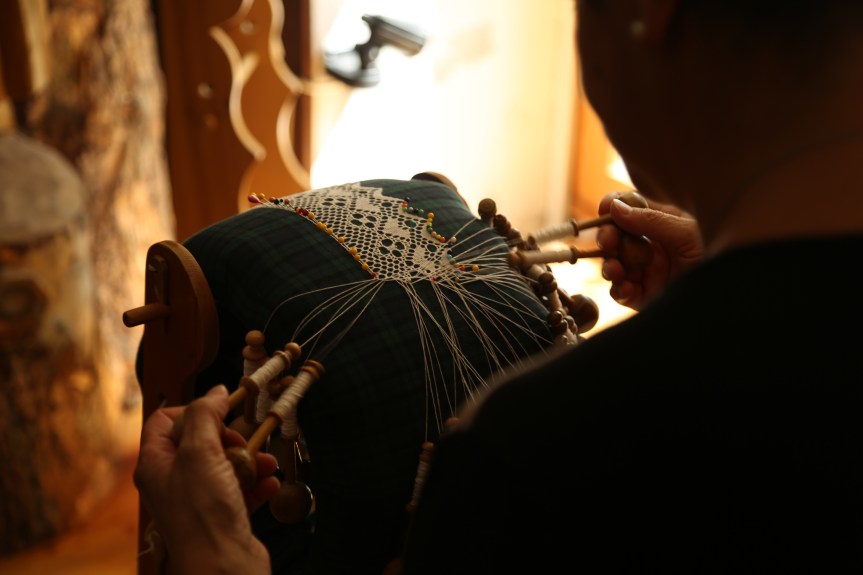
In the region of Aosta in North West Italy there is a small place called Cogne fairly far up (at 1500m altitude) an alpine valley of the same name (from where one can explore the wilderness of the Gran Paradiso national park). In Cogne there is a small museum of lace-making next to the church. I was inspired by the place and hope you will be too. You can read about this very precious lace-making tradition in Cogne on the official tourist webiste for Aosta Valley here.
I have never been dead in a bathroom at an airport / Non ero mai morto in bagno in aeroporto. These words were reassuringly sung by Tiziano Ferro as we were on our way to Bergamo airport in northern Italy. Neither have I, I thought to myself. Happy that I found a connection with Tiziano Ferro. I like leaving Italy with a CD of Italian pop music. Not so much for the music itself but for the simple language that comes with the tunes. When we were saying goodbye to Italy, I promised myself that I will make a greater effort this year to learn the language a bit better and I am keeping my word. My Italian lesson will start in 30 minutes… which means that I have just a little bit more time to tell you more about our stay in Italy.
In short, these were very odd holidays. We didn’t have the accommodation that we initially hoped for and the luxuries that we looked forward to. Neither were we pampered by the breeze of the mountain air normally granted with staying at high altitude. Instead, we were frequently scorched by the Italian sun. It’s the price that you pay when you forget to check if your reservation was all in order. We had to quickly look for alternative accommodation and take what was available at the last minute. We didn’t die however in the bathroom at the airport and that makes up for the unexpected inconveniences quite well, I think.
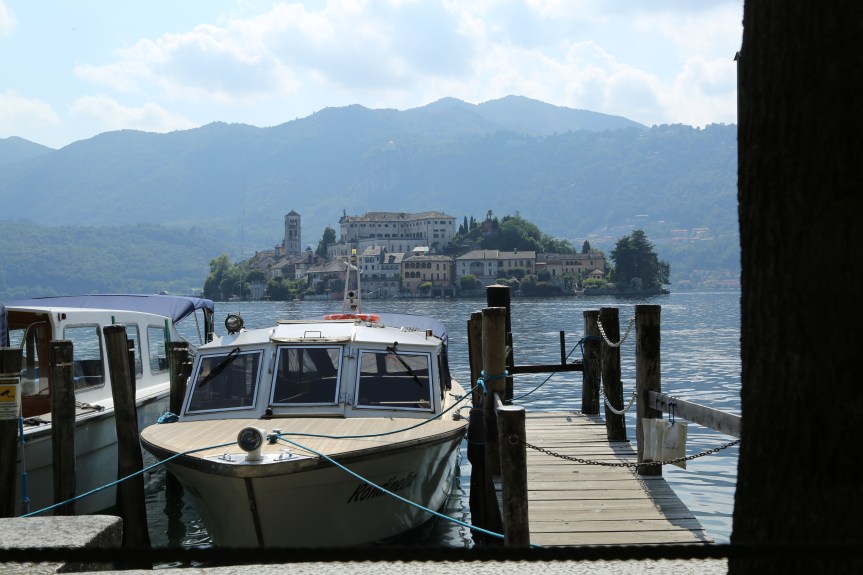
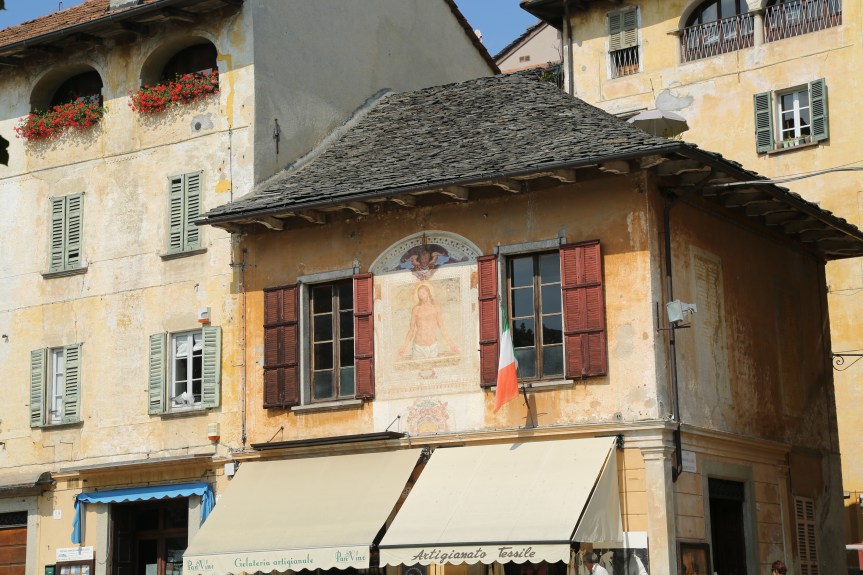
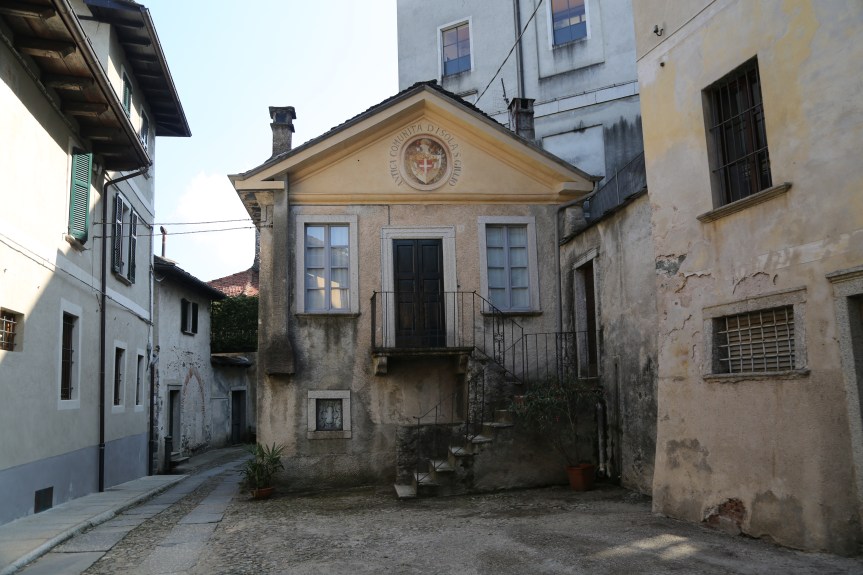
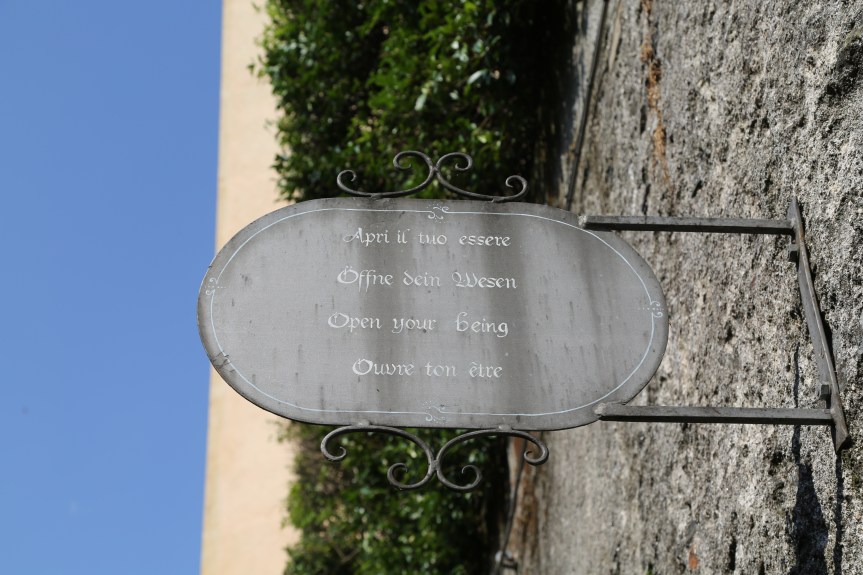
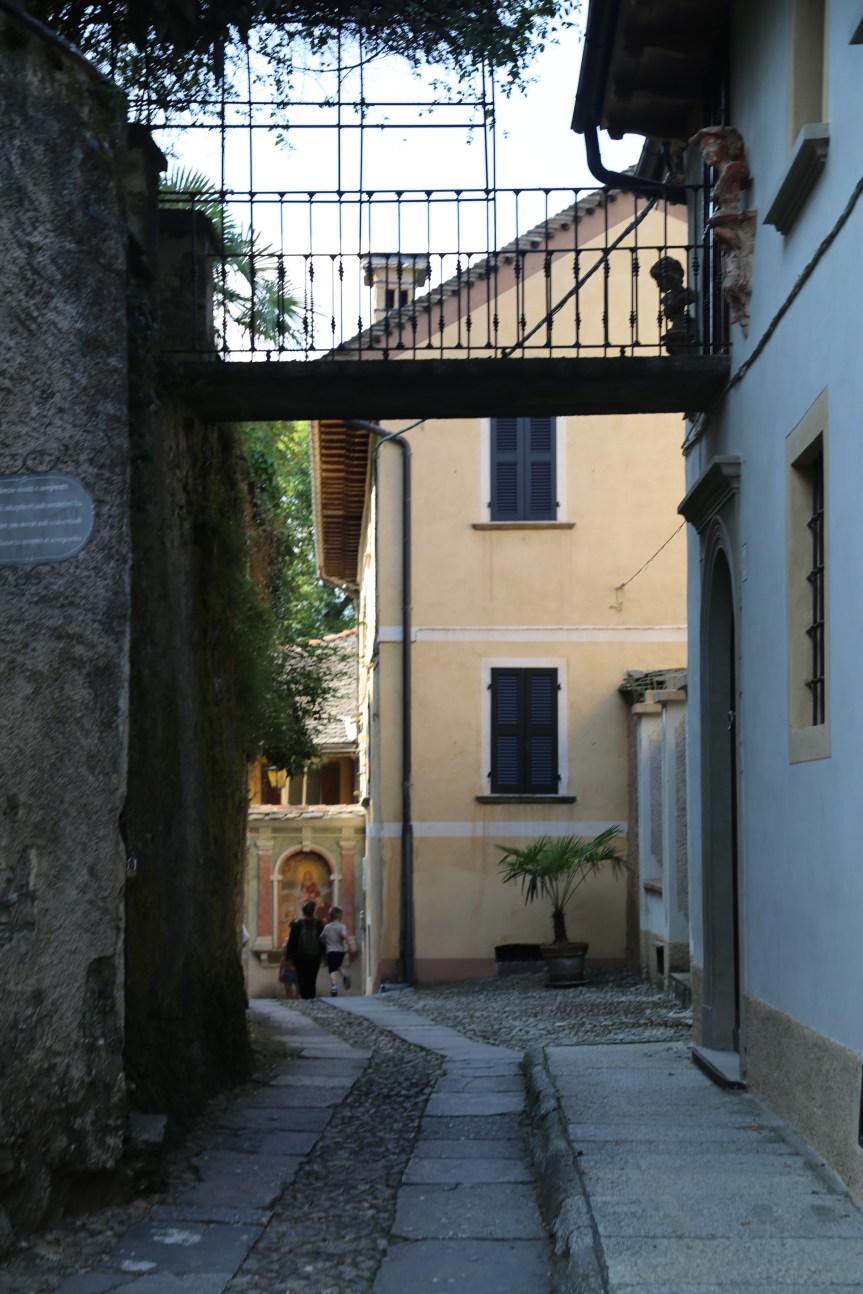
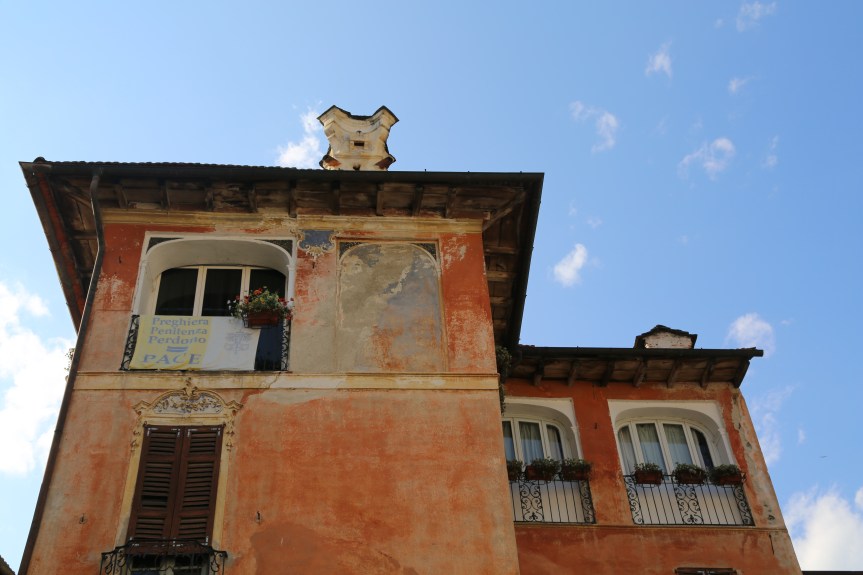
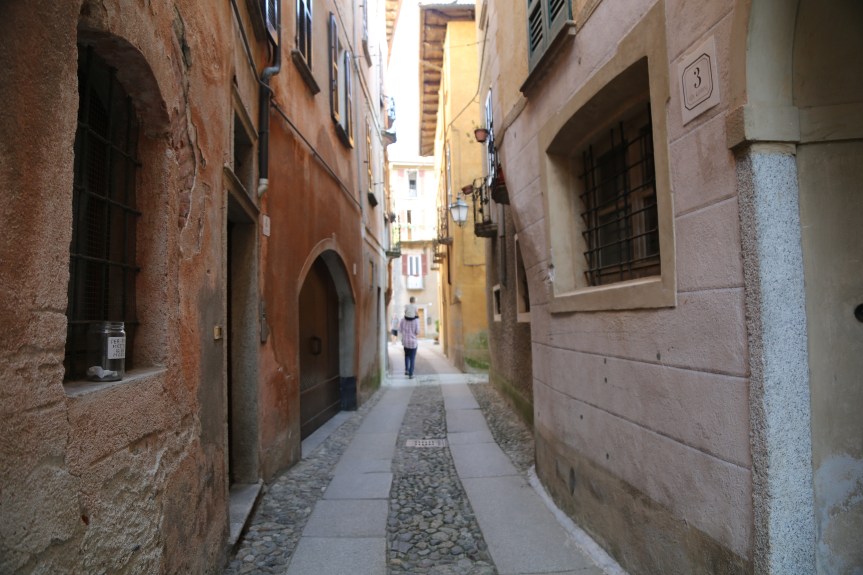
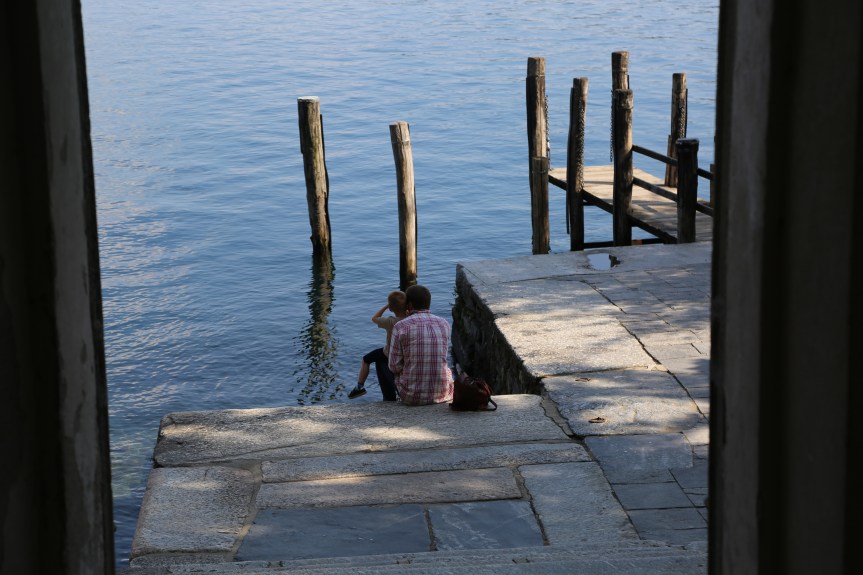
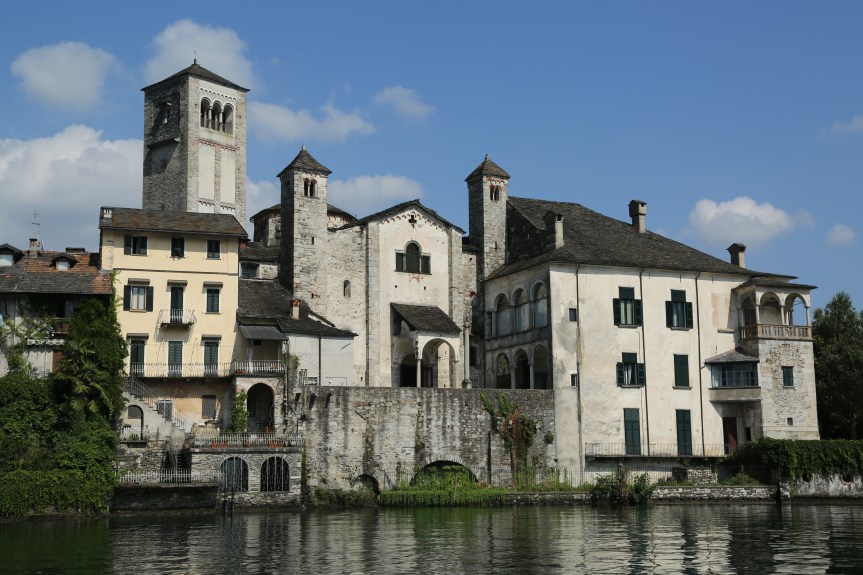
One of the tourist places that we looked forward to seeing was the little island of San Giulio, situated on the lake Orta in the Piemonte region in northern Italy. Since we were staying in the tiny mountainous region of Aosta it took us a while to drive and reach the lake. We drove, and drove, and drove, and there was a curve, and another curve, and yet another curve, and there seemed to be no end to those curves until of course there was an end to them and what a beautiful one too. Worth of all the curves put together. A very deserving place. I had been terribly impatient with the slow mountain road that we had taken and regretful that we avoided the swift motorway. Sour about the lost time. And then when we reached our destination I was rewarded with the beautiful corners of the island and gorgeous buildings of an old town. And I had to become remorseful about my childish impatience and firmly reproached myself for being such a grump. The routes to great destinations are frequently like that. Full of stops, curves and turnings. But apparently it is the tourist that mainly focuses on the arrival point, the real traveller keeps her eyes open to it all.
I definitely need more practise in travelling.
“Not all those who wander are lost.” – J.R.R. Tolkien
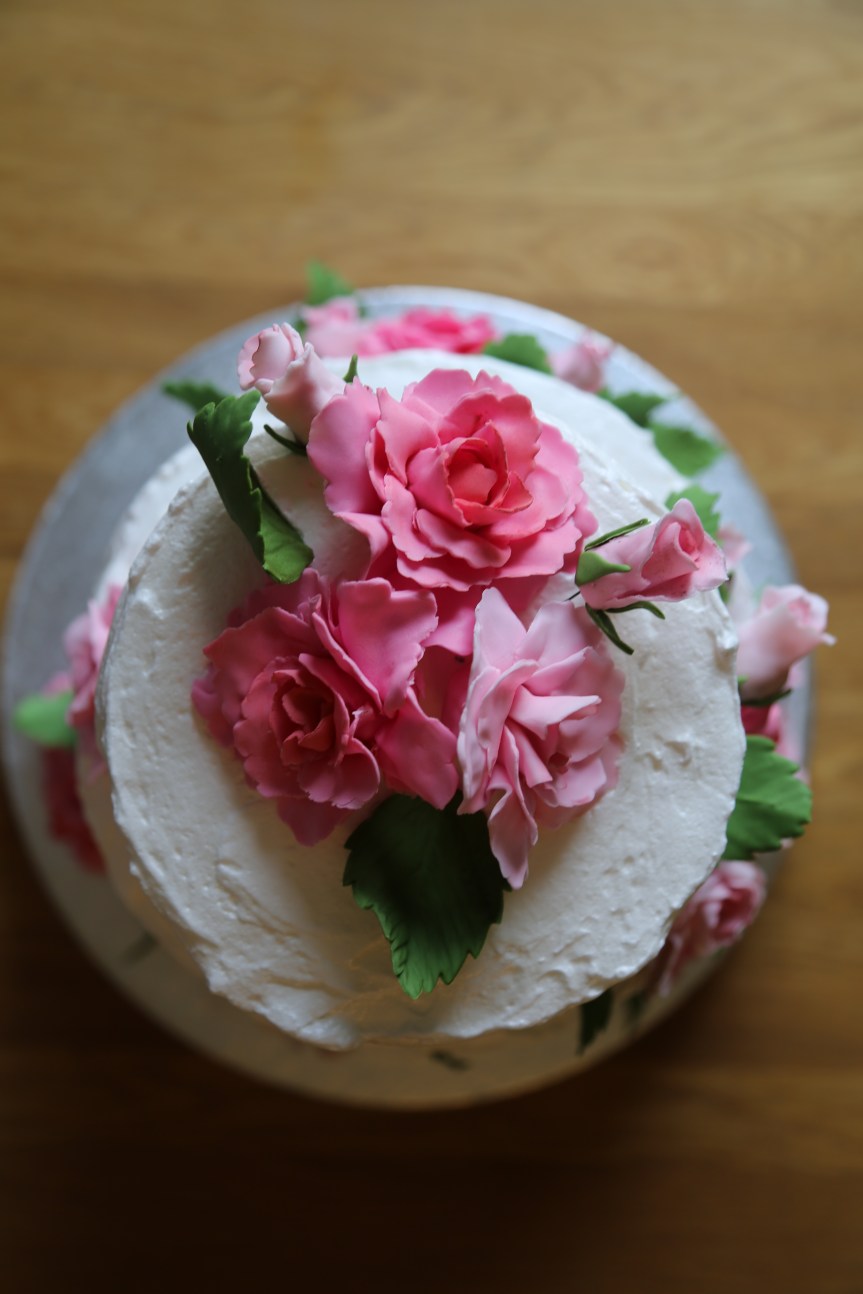
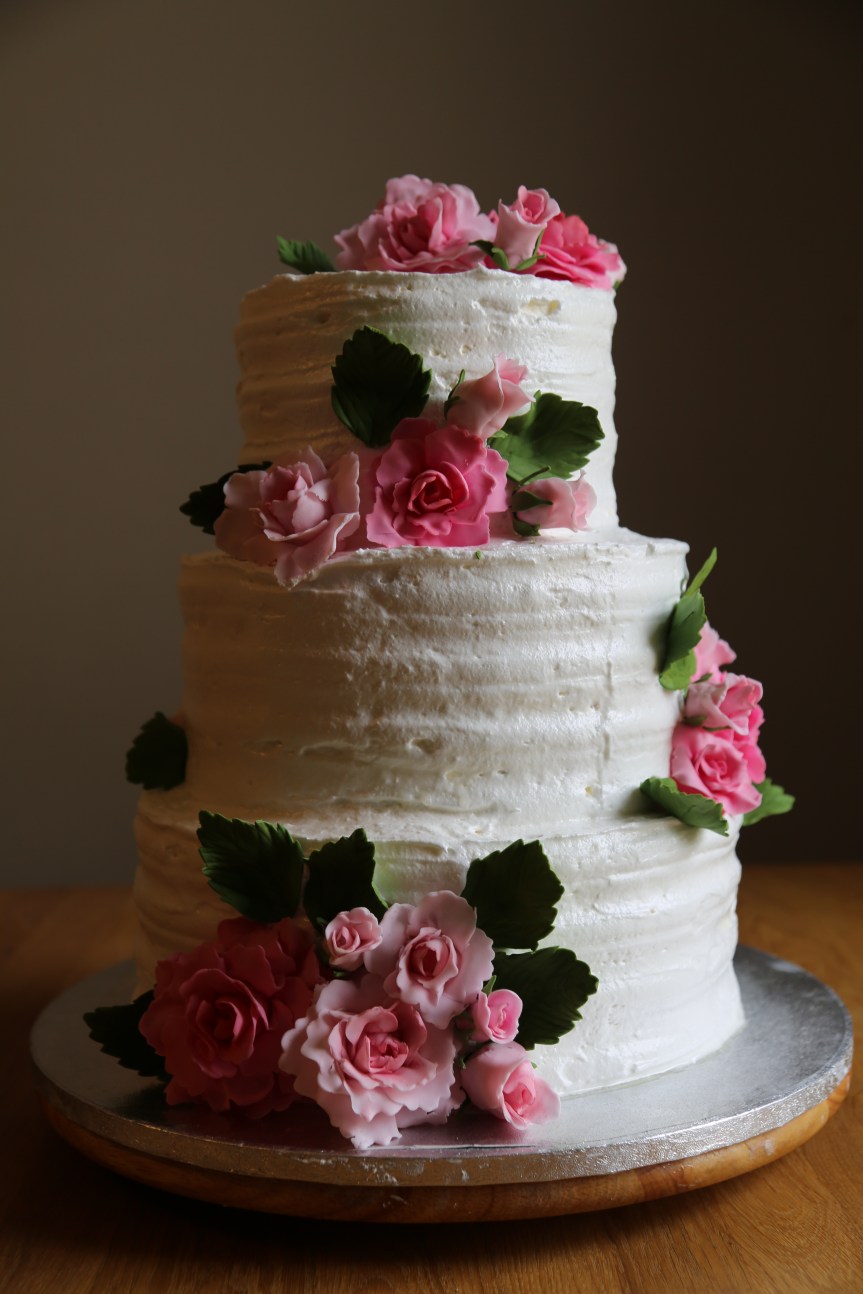
It has become a bit of a tradition now that when I go to Poland, I photograph Dorota’s sweet art forms. This one is a beautiful floral wedding cake that I found irresistible when shooting the pictures (I had to try hard to keep a distance to prevent inadvertent tasting). I must admit that the more I take these photographs, the more I want to take them and the more I observe what Dorota makes, the more I am curious of what she will make next. You too?
More of Dorota’s sweet beauties on her Facebook site: My Cake
“You will learn a lot about yourself if you stretch in the direction of goodness, of bigness, of kindness, of forgiveness, of emotional bravery. Be a warrior for love.”
― Cheryl Strayed, Tiny Beautiful Things
I’ve got to complete a substantial piece of work for my thesis and submit it towards the end of the month to my supervisor. Criticizing and evaluating other people’s research is not the strongest of my skills. I often doubt my judgement and I must say I have been experiencing a strong writer’s block over the last few weeks. Yesterday, however, something shifted in me… I love going to our parish church on Sunday. There we are given a weekly newsletter not only with parish announcements but also with short articles dedicated to the theme of the Sunday. Well… you all probably know the story of a doubting Thomas and his need to scrutinize the Christ’s wounds before believing in Jesus’ resurrection. Yesterday, in our weekly newsletter, different writers were making commentaries regarding that theme and one of them, Christine Clark, wrote this:
”Doubt is good: it must always be better for something to be challenged. If it’s too fragile to stand up to scrutiny, it’s not worth much.”
I choose to write about this because I think yesterday I have turned a corner in my thinking. Dealing with doubt, criticism and disbelief is an important part of doing research work and I think that only yesterday I understood why having doubts often implies having the courage to think independently.











 .
.


 Postcards Without Stamps