Identity is a big word. One that grows significantly in size the moment we leave our country – this is usually when we start feeling slightly uncomfortable wearing our own background. We notice the labels attached to nationalities, those that belittle and misrepresent them and we become afraid of being labeled too. We feel trapped or challenged or ashamed or just uncertain to the point that we are unwilling to admit who we are, where we are from and what we did in the past. Because we don’t want to be categorized. Because we don’t want to be judged. Because we don’t want to feel ashamed.
I used to feel like this and then I seriously questioned myself: ‘Why do I feel this discomfort? Why am I so stressed? Do I need to be so stressed?’ At the time I did not find a thought that would comfort me. Until I did a very sensible thing and signed up to a literature module called European Encounters, European Lives (led by Dr Christine Berberich) which successfully pushed my boundaries of (self)understanding. There we read texts about trauma, memory, displacement and lost or denied identity. We felt the anguish of those who experienced the First and Second World Wars and were by circumstances forced to live elsewhere and that sometimes this elsewhere was not much more accepting of who they were than the place where they came from. We talked about surnames being changed or appropriated to the new location and we read of the often tragically damaging and irreversible consequences such identity change had for their owners. Withdrawal. Depression. Worse.
This is when I learnt that one of the nicest gifts you can give to yourself and everyone else is the gift of acceptance. Acceptance of where you and they come from, of the values that you cherish and the languages you speak. It’s the only right thing to do: to embrace identity for what it is. If your identity is monocultural, embrace it, don’t try to make it fit in, it will fit in anyway; if your identity is multicultural, embrace it too, don’t deny yourself your multicultural roots, cherish them for what they are and don’t worry, it will fit in anyway. There is no need to be selective about identity, there is no need to choose one. There is no need to reject yourself and there is no need to reject others. The world is superdiverse. Our communities are superdiverse…
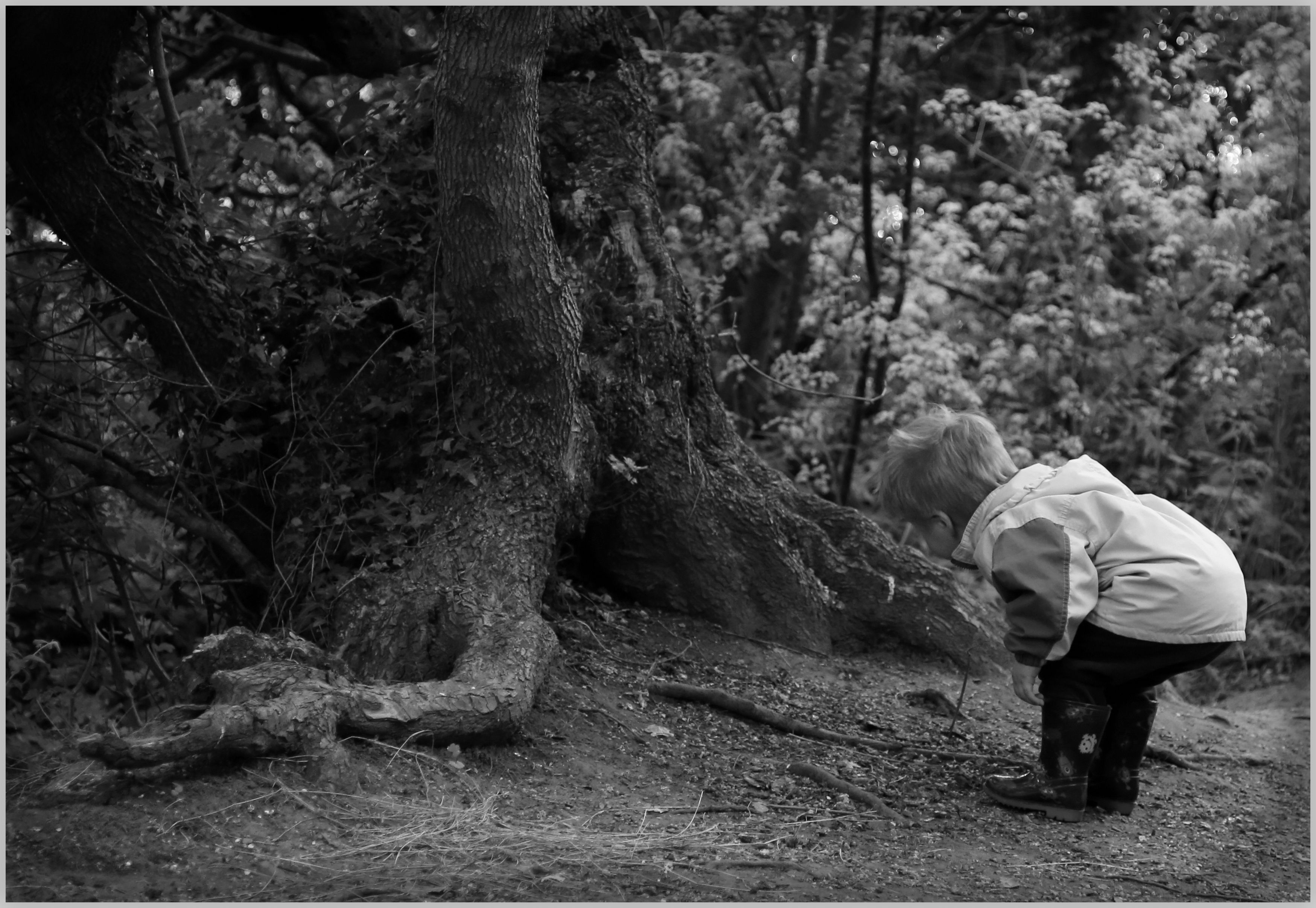
We have extensive root systems and like plants we need a bit of old earth to settle well in a new environment. We need to be accepting of that old earth. On that earth we grow and blossom, our children grow and blossom and our neighbourhoods too. Towards the new and towards each other…

Yorkshire, UK

Lombardy, Italy

Wielkopolska, Poland




 Postcards Without Stamps