Conscious-consumerism is a legitimate state of mind.

Is it only me or have you also noticed that we are buying less than in the past two years in the UK? Of course, inflation has a lot to do with it. The realistic capacities of our rooms and houses also play a role and, I guess, our self-control has vastly increased too. I have an impression that we shop differently now. That said, when you add something to your shopping basket, what do you like to add? When I was a kid we used to love when my auntie was coming back home from her shopping trips. We loved to see what she bought for herself and her kids. It was a shared delight, of sorts. But now these type of conversations have gained a different flavour to them and consumerism is not as straight-forward as it was in the past, but we do like talking about it so, prompted by a recent debate on BBC Radio Derby, I thought that I will ask you if you impulse-buy a lot and how you go about it?

From observing myself, my children and people around me, I noticed that impulse-buying rarely translates to over-buying everything. It is usually the same type of item that lands in our shopping carts and often that item is simply something that we find of value but also something that we get ourselves anxious about, be it health, education or cleanness, entertainment, or belonging. Anxiety can have a strong grip over us and does manifest itself in sudden weight-losses in our wallets. Sometimes, don’t get me wrong, it is so worth it. We invest in a better quality of life, a peace of mind and a sense of shared experience. We also invest in a smoother flow to our days. But when the impulses become another problem to solve, we feel that they no longer work in our favour.

But how about if we think that actually the impulses are working in our favour? That there is something that they are trying to say to us that we have to notice. Maybe that you are already this thing that you have bought over the years. That you are already healthier, cleaner, more educated, funnier, greener than several years ago. Keeping our confidence stable about ourselves and knowing that we are surrounded with people who notice our growth is I guess what could quite successfully reduce our propensity for impulse-buying. It would keep us in a good mental space.

Should we agree then that next time we shop, we notice our inner needs first and our growth?

Conscious-consumerism is a legitimate state of mind. :)

This post was promoted by a discussion on BBC Radio Derby that happened a few weeks ago. It seems like a relevant topic to tackle before Christmas.

Edible cities, edible homes

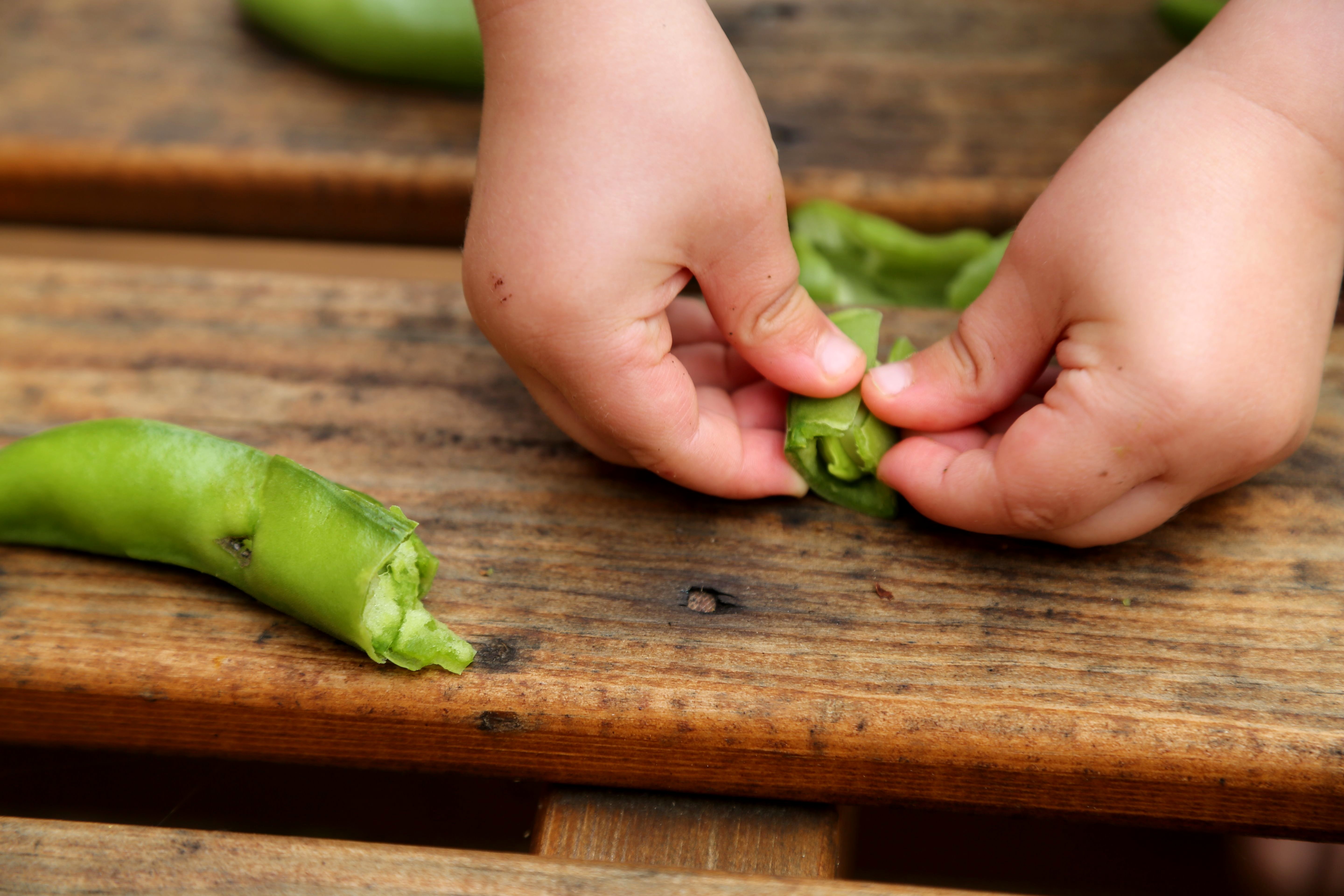
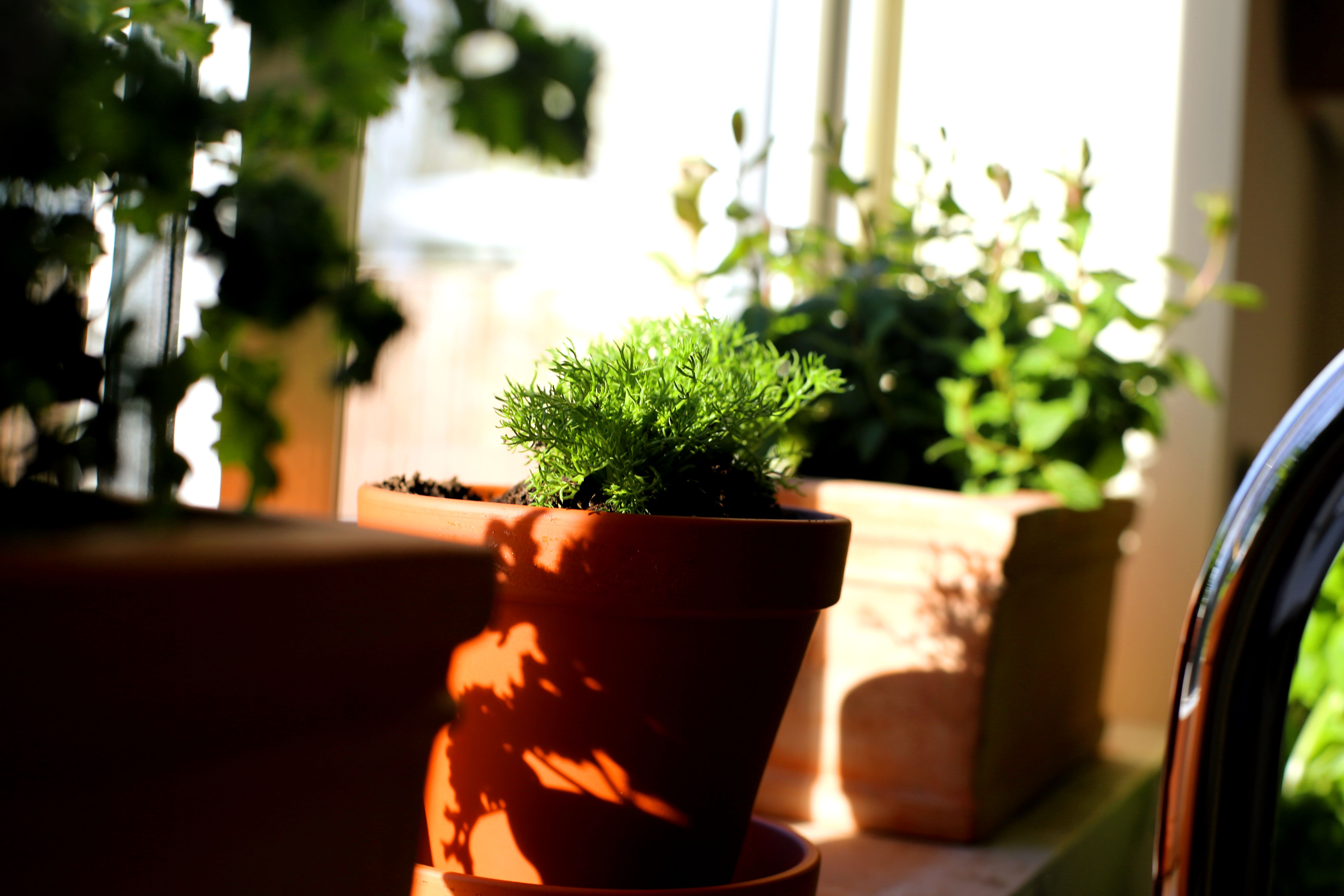
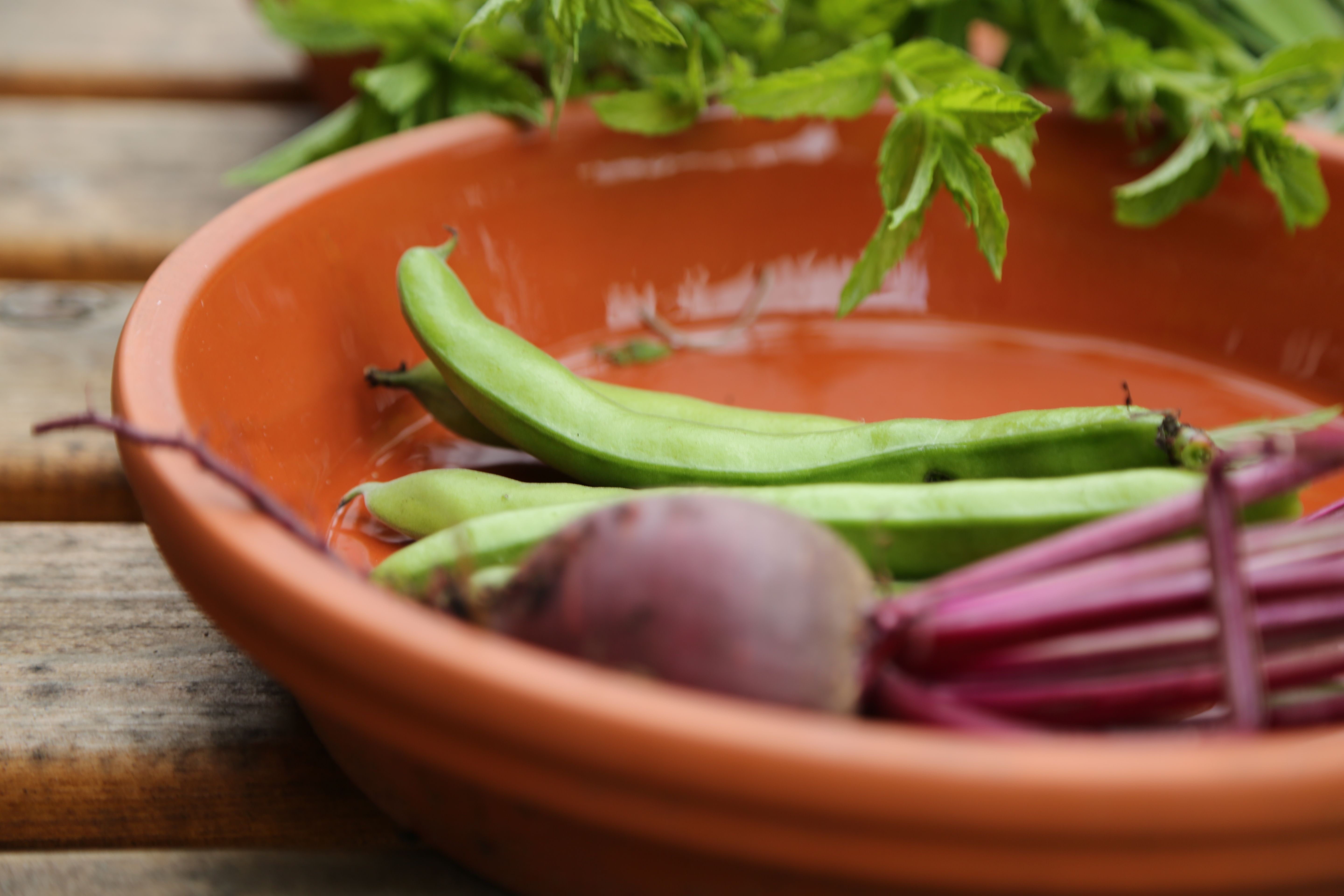
homegrown broadbeansHave you ever heard about the philosophy of edible cities? In the name of this ideal, owners of small flats and houses fill their windowsills with pots of chives and parsley, change their lawns into vegetable patches and fill their hanging baskets with tomato vines. It’s a great and straightforward way of bringing back THE REAL FOOD to your doorstep. No foil. No plastic. No packaging. Just the pure food produce pulled from the soil, your soil, and as organic as you can make it.

To me, a girl who grew up in a village with a big vegetable garden in the backyard, orchards and cold stores full of plums, apples and cherries, there is no other way of living in a city than making its surroundings edible. I need nature to feel grounded and I need contact with soil. It’s humbling and enabling at the same time. Humbling because the growth does not always happen, enabling because often it does and then you feel that you are more than just the manager of your pantry.

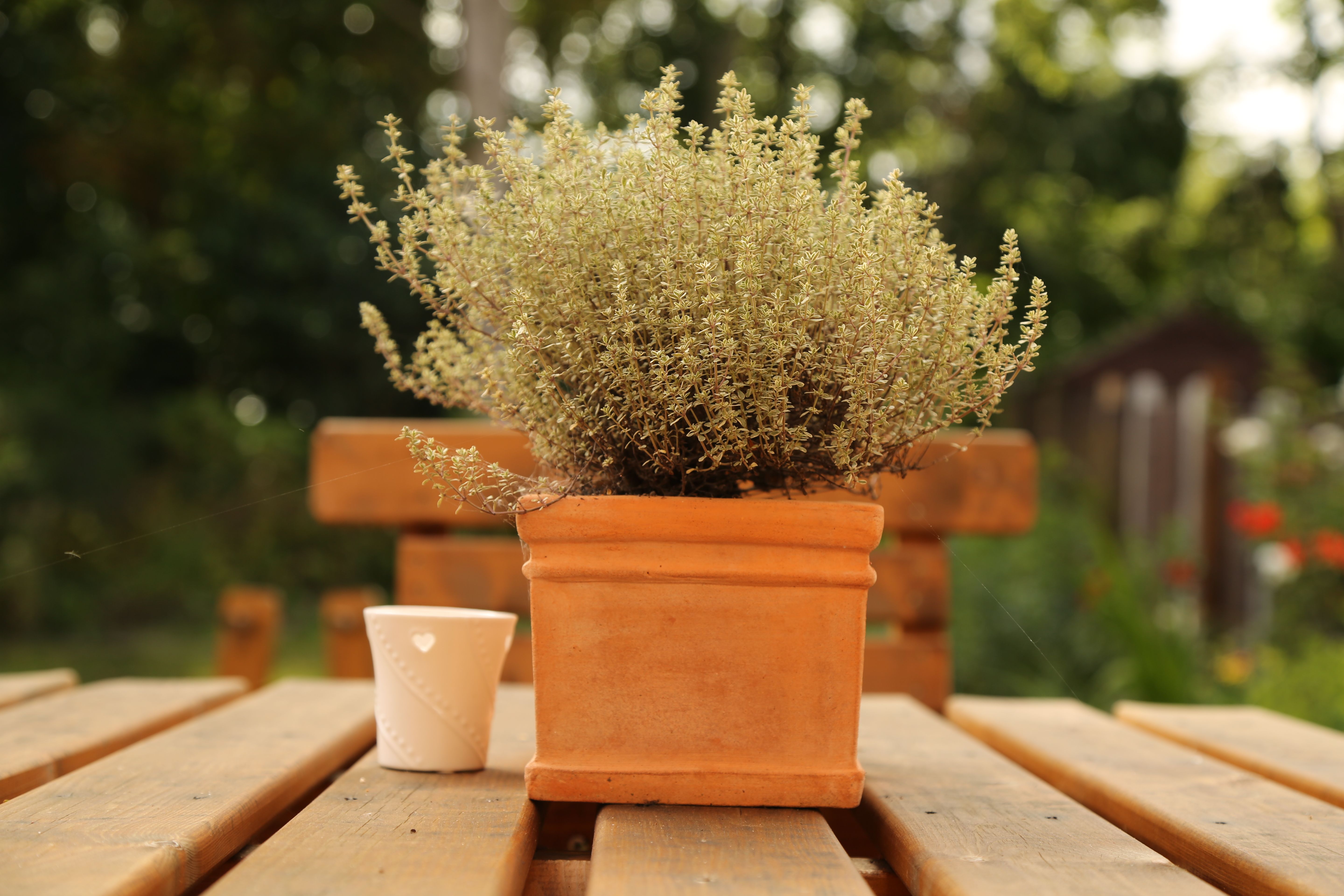
thyme
Thyme in winter

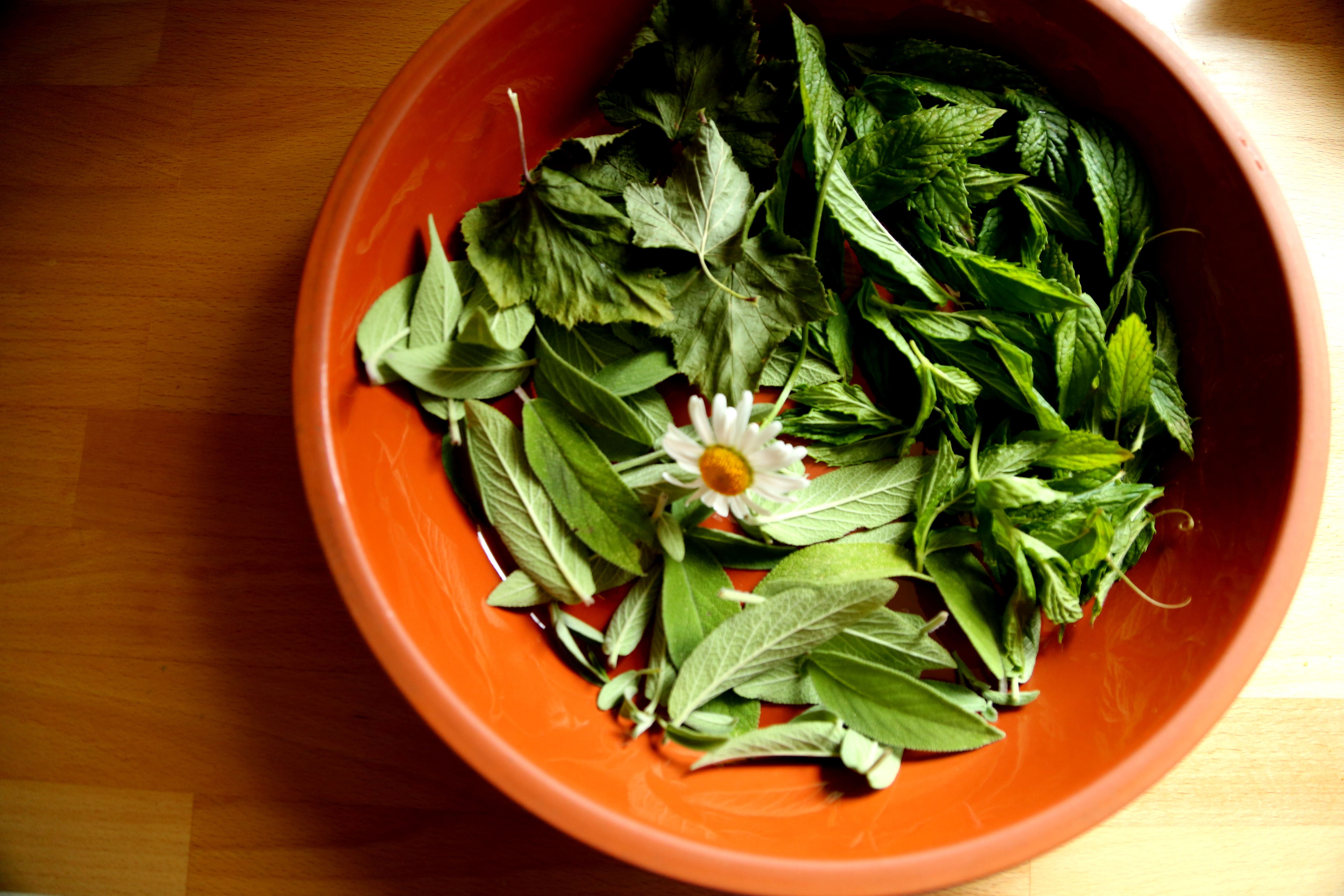
We’ve made a few changes in our garden this year to grow food, we have made a raised bed out of a tree that had to be felled due to its trunk forking out and we planted two small apple trees and blackcurrant, raspberry and blueberry bushes. Cherry tomatoes and small chillies are reddening in the sunnier parts of our garden. Some of our beetroots and broad beans are ready for collection and consumption. Herbs are abundant.

We had our problems. Things dried when we were away. The cucumbers just refused to grow. More than a few leaves have been eaten by slugs but to me this is an insignificant obstacle. Living in a city is not a problem either. I don’t see myself as limited by location. It’s just about getting the timing right and then learning as it all grows.

Thyme in Summer
Thyme in Summer

eaten by slugs

My son is a very eager grower and an absolute real food lover. He loves helping around the kitchen and the garden. He likes to play with food too, e.g. by taking broad beans out of their shell and then putting them back. And these broad beans… wow… once they are lightly cooked, they are divine. And the smell of the herbs in the kitchen is just wonderful. Just when we cooked some of our vegetables for dinner this evening I thought that one of the reasons for growing your own food is to remember what fresh produce should smell and taste like. It’s partially to have a benchmark against which you can assess the quality of food. Personally I am not enamored with supermarkets and I hardly ever shop there for food. Human contact is too precious for me and so we shop at the market or small independent stalls and stores. We rely on my greengrocer’s great fresh food produce.

folding it back 2homegrown apple_discoveryIt’s my greengrocer, some of you fellow bloggers, and my parents of course who remind me that we are not only consumers, but also growers and creators, capable of influencing our surroundings. If we always choose convenience, we become so one-dimensional, so plain and flat in knowledge and experiences that we are no longer… interesting.

Say no to convenience. There is always some space between flowers for some lovely food. I am happy that I didn’t get discouraged by last year’s garden failures. We’re definitely are going to grow more from now on. It’s just really really rewarding. I hope you’ll try too, will you?

herbscooking

camommilestarting to give croptomato flowersIf you would like to read more about edible cities and permaculture, read this book: Edible Cities: Urban Permaculture for Gardens, Balconies, Rooftops, and Beyond by Judith Anger, Dr. Immo Fiebrig, Martin Schnyder (2013).


Where would your bundle go?

leaving something for others to take

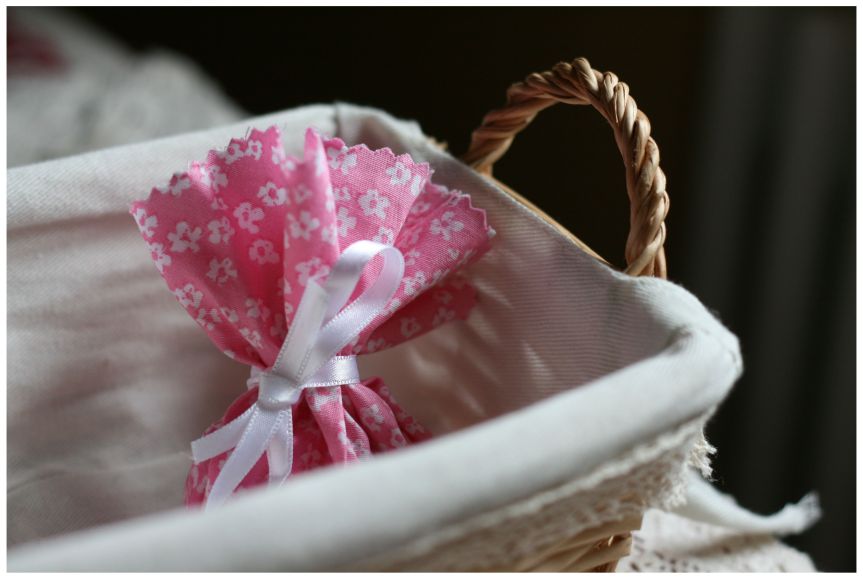
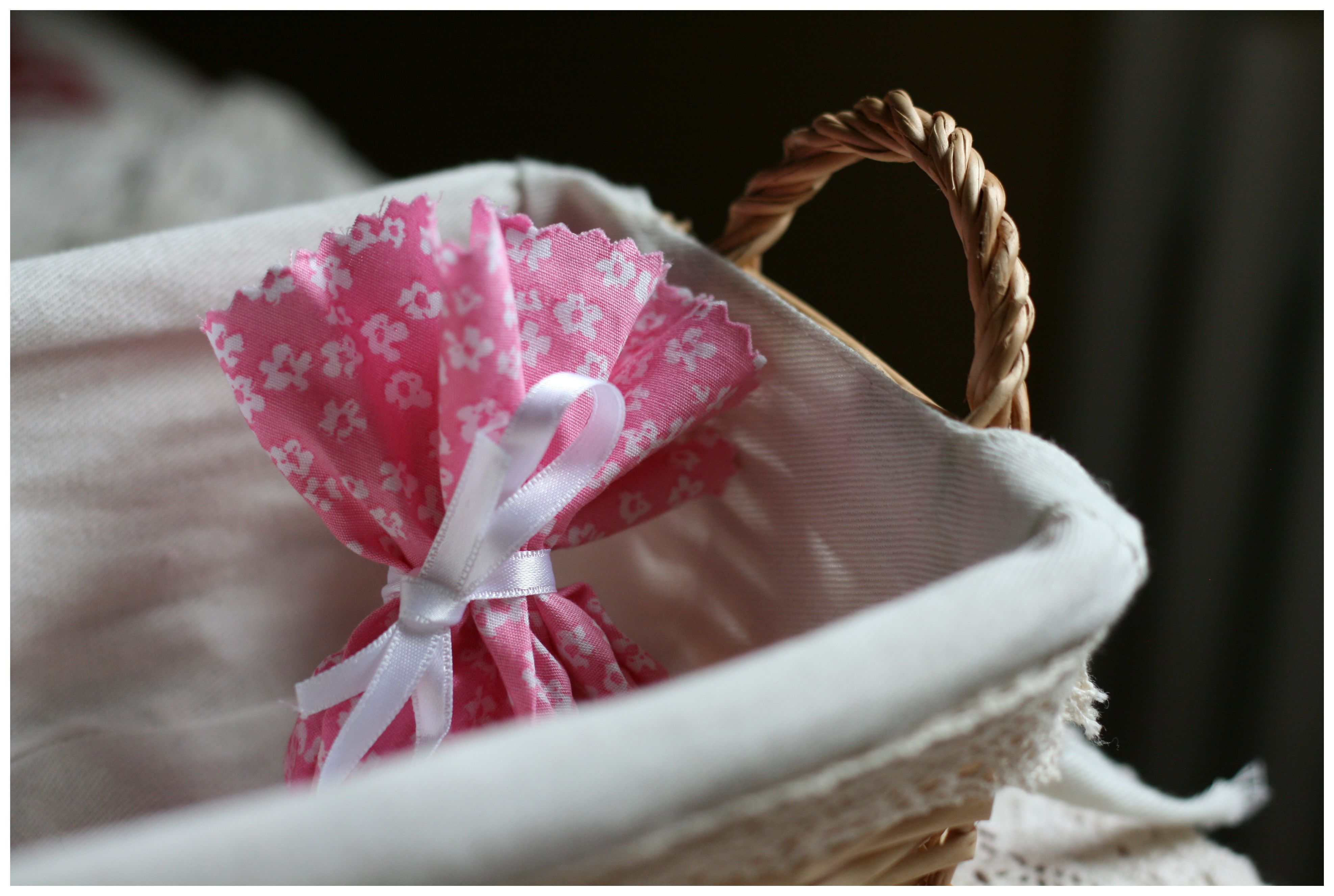
After most christening or wedding parties there is a custom of preparing something for the guests to take home with them. Usually it’s a small bundle of sweets or cakes, sometimes accompanied by a quote or a thankful message, to let the guests know that their presence was welcomed and appreciated. It’s a symbolic way of sharing with them the goods of the feast.

Throughout the last year I have been trying to cultivate a giving heart. I have supported various charities and community events. I was trying to resist buying new items for myself and my son in order to support humanitarian, rather than consumerist, objectives. While I was doing this project I was observing myself and others around me and one observation struck me very hard: being able to give, in many cases, does not really depend on the state of people’s bank account but on their perceived lack of capacity to share. I observed people who refused to support causes because they say they don’t earn enough to be charitable, and then I saw the very same people discarding goods that they had bought the previous week. How is it that we don’t earn enough to give but we earn enough to throw?

There are people in the world for whom what we spend and consume every day would constitute a lavish feast. In every form. The electricity we use. The food we eat. The many pairs of shoes we wear. The books we read. The clothes we have. It is likely that we are feasting in one area or another, or in all those areas.

The Nothing New Project made me realise that I feast in quite a few areas of my life, but for one of them I am particularly grateful: healthcare. Last year I was diagnosed with a life-long illness but because I live in the UK my medicine is for free. Through the Nothing New Project I was able to support many charities, but Doctors Without Borders (MSF), the charity that heals those who would otherwise be left without treatment, was my priority. The charity deals with challenging situations and extraordinary tasks, the Ebola crisis among them. Could you imagine yourself being in Liberia right now? Being a patient or trying to help? Doctors Without Borders are uncommon people whose courage is not of this earth. They deserve our respect, our support and certainly my feast bundle.

Where would your bundle go?

Nothing New: Final reflections on my attempts at buying nothing new for almost a year

looking for the neighbour

As the autumn is slowly coming to its end and the winter air sneaks into our house through nooks, crannies and keyholes, I am bringing out our old coats, hats, scarves and jumpers and I am bracing us for the winter. In fact I am surprised how long we’ve managed to survive just with our summer jackets, running around with bare necks and heads uncovered. It’s been by all means one of the warmest Novembers I’ve experienced in the UK.

The year is almost over and I’ve been thinking about the journey that I have taken through embracing the Nothing New Project and how much I’ve gained because of it. (Almost) all the goods that I’ve bought this year were not new, but the direction my thoughts have taken me in were new to me. To be truthful, I’ve started liking myself a bit more towards the end of this year as I felt I’ve been a part of something meaningful… maybe even a small part of a big social change. I hope I was. I hope I still am.

If I had to list one thing that I’ve learnt or re-learnt through this project, I would fail at the task, as it’s just impossible to encapsulate the outcome of this project in one line. It would never do it justice. I can hear some of you saying: ‘But come on Alicja, give us three things, three things that you’ve learnt from the Nothing New Project. How would you encourage others to go about it?’ My answer would be: Try to do these things:

1. Engage
2. Maintain
3. Connect

Engage with what you have. More often than not we crave for new things because we forget about the things that we already have. We walk through our rooms oblivious to their contents. There are books that are unread, films not yet watched, CDs hardly ever listened to. Give those items your attention. You have probably bought them with a strong purpose of engaging with them. Give yourself time to do it. The Nothing New Project made it very clear to me that buying is not becoming – that the act of buying something does not change us; it does not make us something else other than just a consumer. To change we need to engage with what we’ve invested in. Only our efforts lead to creations which bring about change. Having a house will never equal having a home if we don’t breathe life into it.

Maintain. This is something that I have had the biggest problem with for as long as my mind can recall. I rush from one job to another, from one project to another, from one occasion to another and my mind is so scattered that I’ve hardly ever given time to the maintenance tasks. Maintenance means to “keep things in being”. To do this we should repair, preserve, clean and conserve what we already have. One thing is to possess something, it’s quite another to give it a long and good life.

Connect with people. Search for or create communities where you can share, swap, circulate items. Enrich others. Sign up to Freecycle or other groups to keep things out of landfill. Use libraries, toy libraries, tool hires. We really don’t need to possess everything. Realistically, we do not have space for everything. In her beautiful post Surrender  Sash Milne, the initiator of the Nothing New Project, wrote “Make every transaction an opportunity for human connection. With connection comes relationships, with relationships comes community.” This to me is the core message of the Nothing New Project. Often we hide in our homes with things that we have, with things that could be shared or offered to others (not only goods but also time and talents). When we show to others what we have, who we are, we realise that we have a lot and collectively we have everything. It’s so easy to feel unloved, it’s so easy to feel lonely when all we do is anonymous shopping, and then hiding and hording.

The Nothing New Project made me reach out and learn. I’ve started two groups in my communities and joined another. One of the two groups is doing really well, the other one… will be too (one day). You don’t always need to start a group, just attend the events that are going on in your area already. You are showing your support and openness for friendship through that. Be ambitious for your communities. Just because it must start from someone. Could it be you?

I’ve been following Sash Milne at Inked in Colour and her Nothing New Project for months now. I’ve embraced her ideas because they are simply great. Pop over to her blog for wonderful insights, great photography and writing.

IMG_0320_life how i like it

IMG_9681_nothing newa house

Nothing New and Happiness

sunflowers

The Nothing New project made me think a lot about the relationship between happiness and possessions. There was a moment in that project when I thought to myself: should I start hating all material possessions now, despise the material world, should I reject my belongings altogether? Then I examined it deeper and I decided that if I did that, it would be irrational and totally against what I felt too. Because I haven’t been buying anything new, I have regularly engaged with what I own and this regular encounter with my belongings brought about my strong appreciation of what we have. The other day I was sorting through my son’s toys and books and I noticed that we actually play with everything that he’s got and we’ve been reading most of the books. His and my clothes are also well-worn now. A large number of clothes that my son has are hand-me-downs from my sister’s friend. We received a big bag of those in exchange for my photographic skills. Every time when I dress my son in one of those items I think of that lovely family and the kids that I’ve photographed. I feel very connected to them.

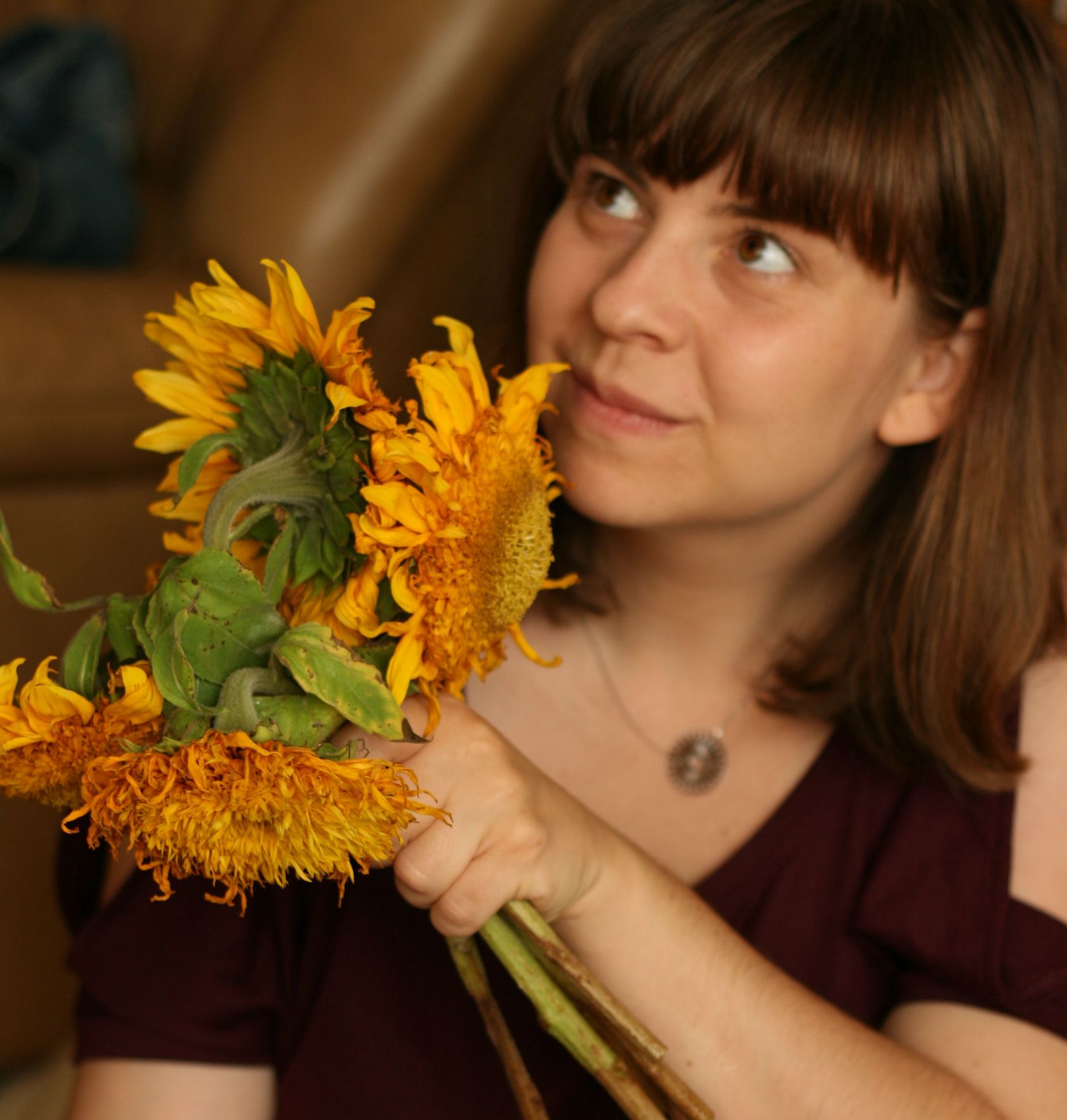
Similar feelings appear when I use or look at other things, little tokens of familial love and friendship: 12 colouring pencils that lie on my desk remind me of a very kind Italian girl that I’ve just recently befriended and who gave me those pencils after I explored with her different ways of becoming more organised; a Happy Easter 2014 cup with dotted eggs carefully painted on it make me think every day of my husband’s lovely little nephew and a necklace that I’ve been wearing almost every day draws my thoughts to my godfather who just by being himself has for years been an amazing sMe, wearing the present from my godfatherource of strength and inspiration for me. These and other well-used items represent and remind me of people who are part of my life, even though I do not see them often. The difference between these objects and those that are still waiting for us in shops is that they have been filled with people’s faces and emotions. They have come with a cordial soul that those items at shops simply do not possess yet.

The Nothing New Project was initiated by Inked in Colour. Pop over to the blog. There is plenty to see there and I am sure that you will be inspired too.