
“There is a beautiful kind of cause-and-effect relationship between truth and compassion. They go together. Compassion leads to truth, truth to compassion; and what makes us avoid either or both of them is usually pain. We want to feel good. We want to protect our beliefs, our ideas about who we are. We want to protect ourselves from seeing the truth about others. … We think the lies are the truth, because we don’t trust the truth itself. But the truth itself is the point, regardless of whether it accords with our beliefs.”
A.H. Almaas, Diamond Heart Book I
Tag: compassion

The lesson

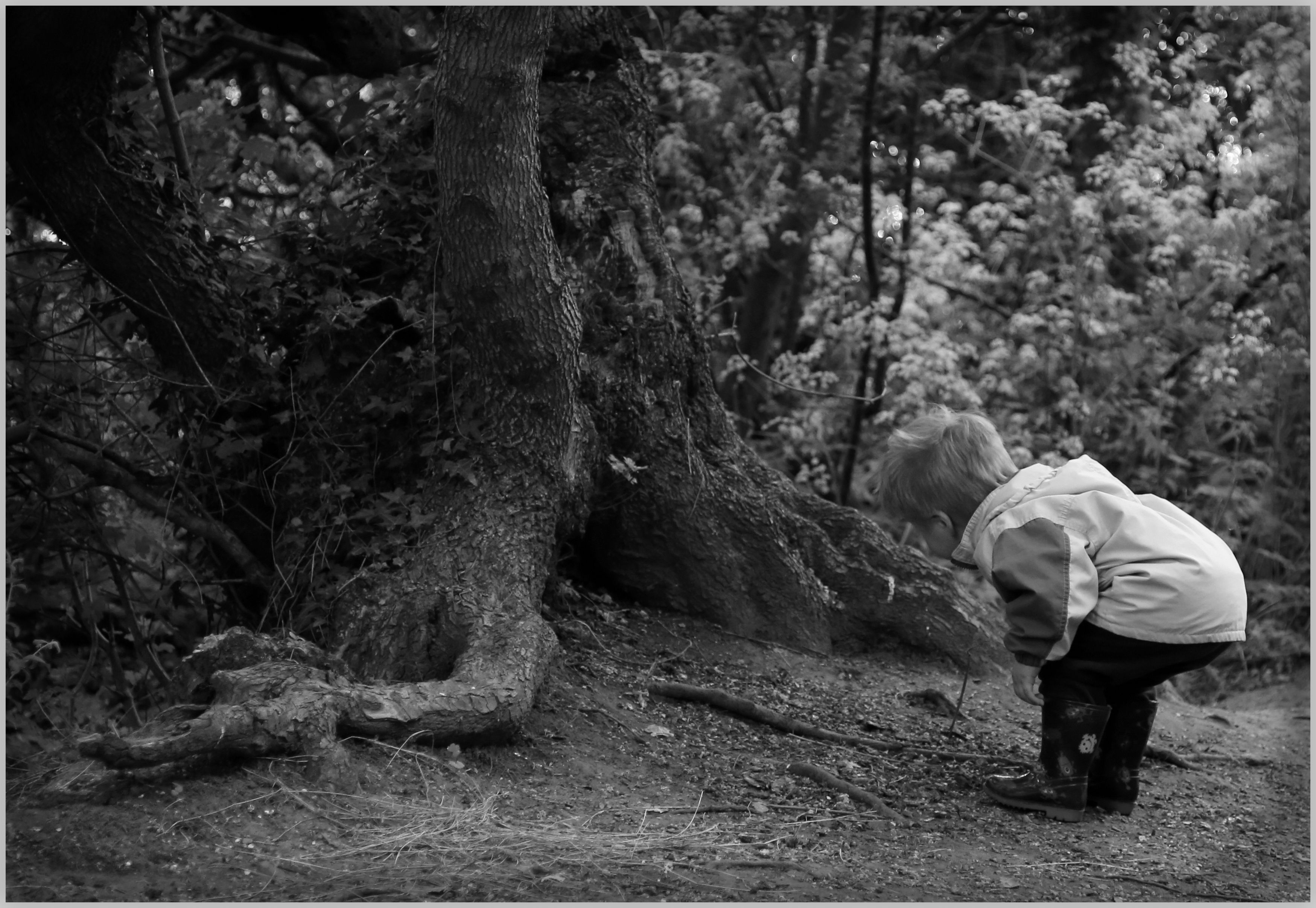
I was in a shopping centre yesterday. I bought my son a little toy. One of these tiny cars that you wind up and they drive off on their own in whichever direction you set them in. My son played with it, giggled loudly and was really really excited about it. We walked together towards a play area in the centre and my son saw a crying boy. He walked towards him and put the new wind-up car in his hands, took a step back, smiled to the boy and laughed with joy.
When I described this to someone we briefly concluded that it’s good that the children can share. Then I thought about it for a while longer and decided that what I witnessed was not a lesson in sharing but a lesson in compassion. The simplicity and honesty of the situation was astounding. One little boy saw the other one in pain and did what he could to relieve the pain of the other.
Why do we as adults find it so much more difficult to behave in this way? Have we been educated out of compassion? Are we educating ourselves out of it?
How often have we crossed the street to avoid a person in pain? How often do we ignore the pain of our friends or family members? Why is the pain of others so difficult to acknowledge?
 Postcards Without Stamps