
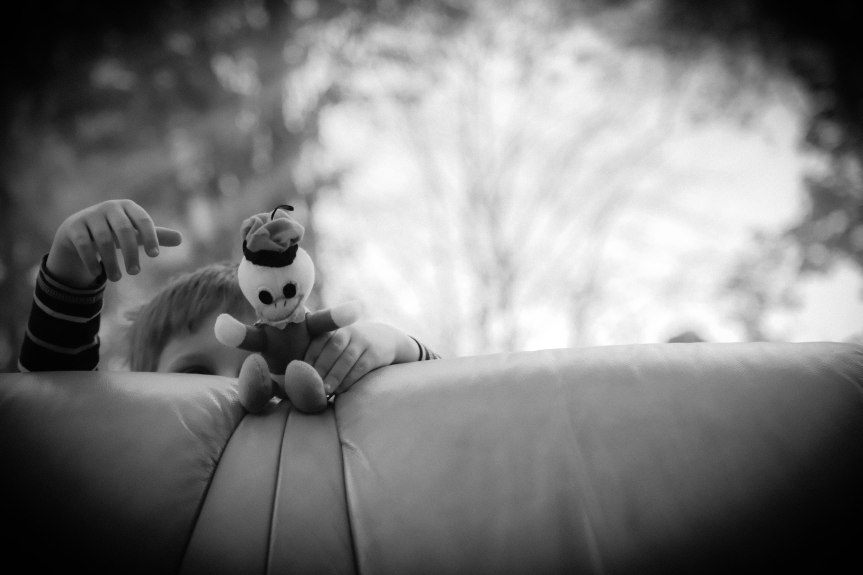

“You will learn a lot about yourself if you stretch in the direction of goodness, of bigness, of kindness, of forgiveness, of emotional bravery. Be a warrior for love.”
― Cheryl Strayed, Tiny Beautiful Things
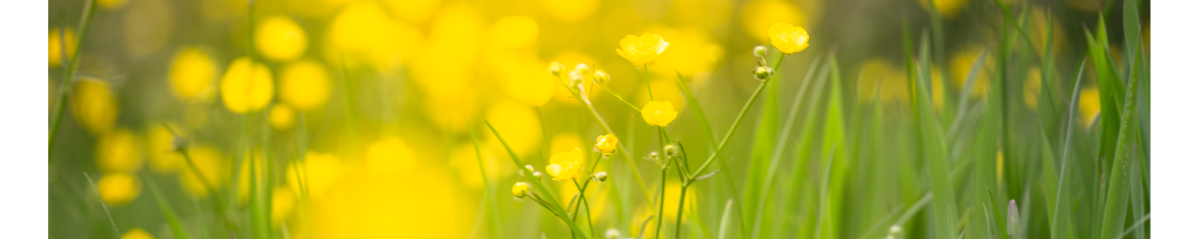
“You will learn a lot about yourself if you stretch in the direction of goodness, of bigness, of kindness, of forgiveness, of emotional bravery. Be a warrior for love.”
― Cheryl Strayed, Tiny Beautiful Things
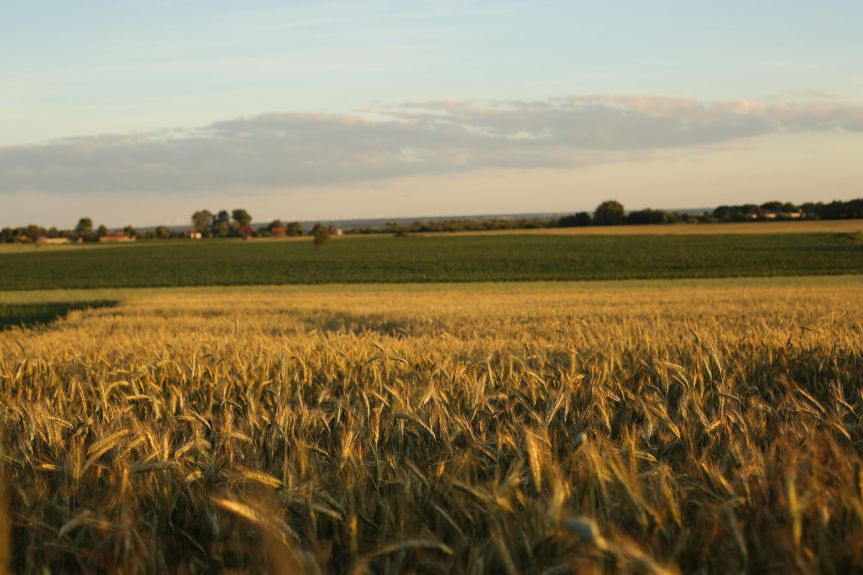
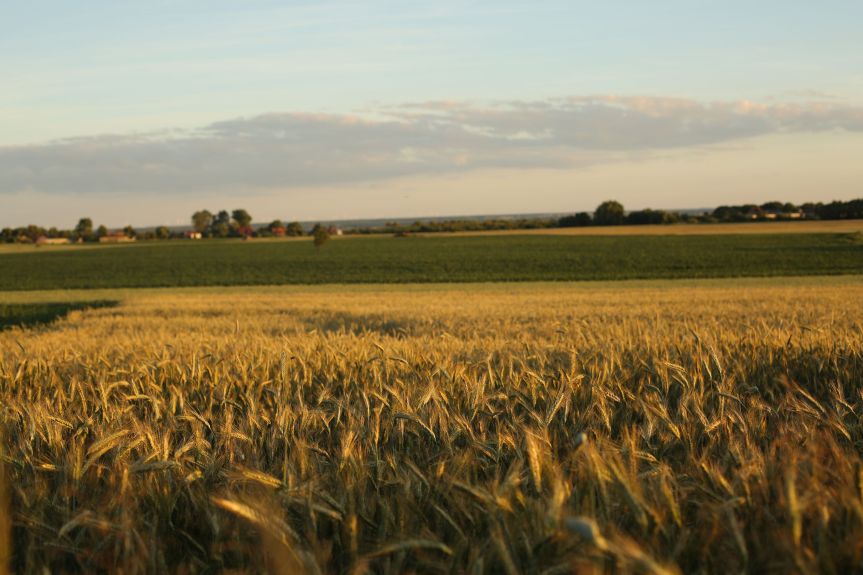 I grew up in a village partially surrounded by wide stretches of open land. In a building that comfortably housed my grandparents, my parents, me and my sister. There was a large garden behind our house, with other farm buildings and a field where different things were grown depending on the year. My cousins’ house was on the same yard as ours and not a day passed by without us playing together and visiting each other. I grew up in a warm-hearted community surrounded by beautiful natural spaces.
It wasn’t until I started living in the UK that I realised how strongly my well-being is related to the open countryside and to kind-hearted interactions that come with communal living. I think that these two aspects of life are so strongly ingrained in our systems that without them we stop thriving. Of course, we thrive in some communities and in some spaces more than in others, but it is a task of an adult to figure out exactly where we thrive.
A while ago I listened to a wonderful conversation between Kirsta Tippet and Maria Popova. They discussed a different type of space to the physical and the communal that I mentioned above. They were talking about the moments in our day when our minds are least burdened, the moments when great ideas pop up in our heads, when we shower, for example. The moments of unburdened cognitive space.
I often think about questions related to good leadership. Partially because I think that a role of a mother has to do a lot with good leadership, but also because I would like to be a good leader for myself. (Who wouldn’t like to lead their life beautifully, eh?) I really feel now that in order to be a good leader in our overloaded times we need to be able to create for ourselves and others as much unburdened cognitive space as possible – sometimes that space comes with a reduction of tasks, sometimes with a reduction of judgment that we throw at ourselves and others, and other times just with holidays or a daily meditation. But the most space we get is when we practise all of those… with great quantities of love. The more we love ourselves and the people who we are with, the more we strive for balance (rather than praise or control). Only then can we become for others what we always hoped for: a delicate and energizing light.
I like stalking authors online. I love listening to their stories of effort and creation, and about the moments that they’ve discovered that writing is what they want to pursue in life. Cheryl Strayed, the author of the memoirs called ‘Wild’, is one of the author’s whose voice is often heard on different media these days and it is the voice that so many people look forward to hear. It’s not difficult to identify with Cheryl Strayed. Her story is a story of loss, grief and self-destruction, but also a story of self-redemption, a story of coming back to one’s own ideals and life-path. The book is her true story of the lonely hike down eleven hundred miles of the Pacific Crest Trail that she took in order to deal with the sudden death of her mother and in order to pull herself out of a period of self-destruction that followed her mother’s death. Her walk is a rite of passage. It’s a source of reconciliation and strength. In her book she writes that the wilderness, the landscape of the hike, was
“A world I thought would both make me into the woman I knew I could become and turn back into the girl I’d once been.”
Cheryl Strayed’s book wonderfully shows how we deal with the most complex and emotionally-unbearable situations in life. Loss and rebelliousness (to the point of self-destruction) often go hand in hand in life. We can easily see for ourselves how our refusal to accept and awake to the life that is triggers our self-destructive or other-destructive tendencies. I’m not talking here about big things, but about small ones too, like over-working or not-eating, or even refusing to be kind to people. This is what I call self- or other-destructive tendencies. Realising that we have them is probably one of the things that we learn about ourselves when we truly decide to grow up.
What Cheryl Strayed’s book taught me was that after every major transition in life we need a rite of passage that would help us to somehow zip-up all the loss and rebelliousness associated with it and leave it behind us. I’ve been looking for my own rite of passage, for my own way of dealing with personal junctures. From Cheryl Strayed I’ve learnt that you need two things: nature and being on your own, on your own in doing something. I needed to feel discomfort and I needed wide open spaces. My family and friends joined me in my exploration of open spaces, but I gained my solitude through a very simple exercise. I’ve asked my husband not to help me with looking after our house for one hundred days, and as a result the house is dirtier than ever, and only on occasions is it delightful with colourful flowers in its various corners. You see, I’m a reader. I choose a book all the time. In my solitude I choose to study (or to chat to a friend on Facebook). There. That’s it. For a long time I’ve been trying to make myself into a mother and a wife that I thought I meant to be, but as my neighbour says, You cannot be what other people expect you to be. You are who you are. The solitude tells us a lot about our desires. Tells us a lot about who we really are.
I’ve been challenged in many areas of my life in the last few years, health-wise including. I think I went through a period of slight despair. Despair of not being able to conform to whatever I thought is right to do for a wife, a mum, a young researcher, a good patient, a good friend and a good daughter.
Wendell Berry wrote once that despair and pride are two sides of the same coin and the biggest enemies of creative work, I think that they are probably the biggest enemies of an honest life in general.
When we admit to our needs and desires, when we own them, we start creating space for them and the wide open space that we visit during weekends becomes all that we need to create spaces of fertile solitude during the rest of our week. And ironically, the better we use this space, the better companions we become.
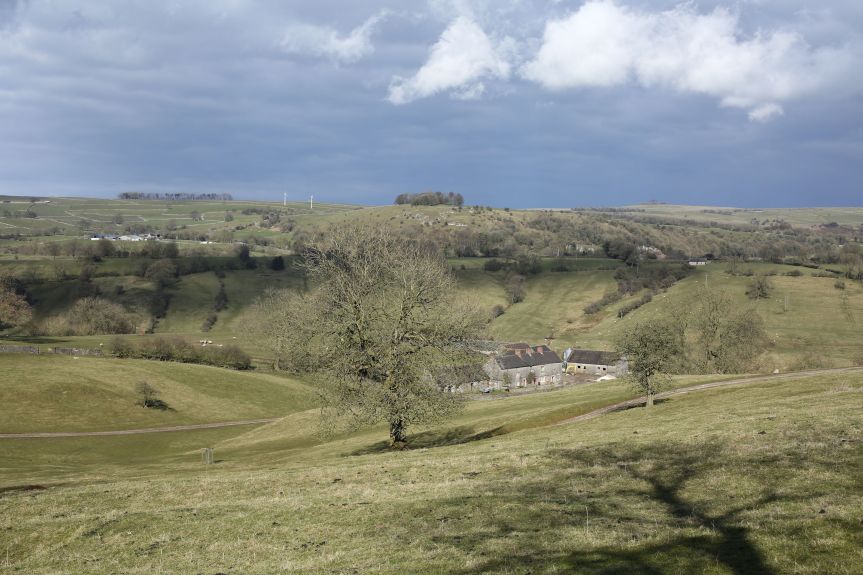
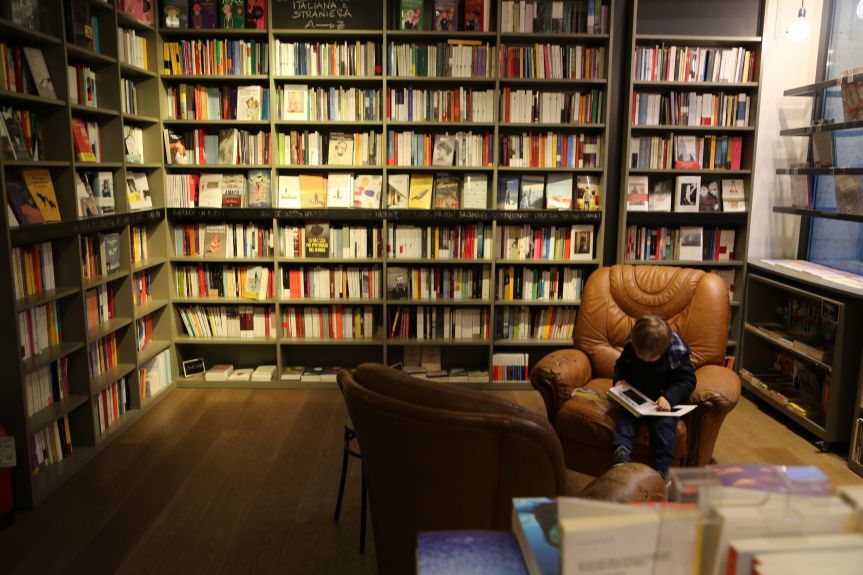
*Photo 1 taken at Gogol & Company, The most wonderful a bookshop in Milan, Italy.
*Photo 2, The Tissington Trail, The Peak District, UK.

Over a month ago a physiotherapist very kindly and thoroughly examined my reflexes and muscle strength and firmly recommended Pilates. It was this or no hope to my overstretched and exhausted backbone. I left the physiotherapist’s room relieved. I had my signpost now – to how to look after myself and tend to my body. I don’t know about you but I feel I need a bit of direction in that matter. Over the years I got somewhat detached from my physicality as other things just were much more important. Now, three years after pregnancy and this extensive period of lifting and moving around with a child, my body decided to remind me of itself. And it’s lovely that it did. Pain is such a beautiful thing sometimes, it’s a call for personal attention, a call that we just must eventually answer, embrace and respectfully respond to.
So I did. I responded to my battered back with a respectful tone of Pilates and… a new way of life and thinking has opened before me.
It’s interesting how often our body reflects back the quirks of our personality and how at times it calls for changes in our behaviour.
A month ago I lied down for the first time on my Pilates mat and as I was stretching my back I heard the warm voice of my instructor: Less haste. You must be carried by stamina not by momentum. Do it slowly. Stretch slowly.
My whole world view collapsed. And a new one started forming.
I observed people who exercised with me. There was a man and a girl who were stretching themselves with wonderful grace, and with wonderful control and technique. I admired them. No jerky movements, no rush to complete. Just grace.
Yesterday I was there again and while with some exercises I did not struggle at all to the extent that I almost felt that just after a month they became my second nature, some other exercises really pushed me hard. The contrast between the two experiences was so strong that it shocked me. How can one thing feel so easy and the other so difficult? One muscle overworked, the other left untouched. Can they not work in congruence? My instructor bent over me again: The strength will come. Just do it. Slowly. Progressively. You’ll gain control over it.
Ever since my son was born I feel that we all have been going through a lot of growth. That together we have been uncoiling our spines to become confident and straight-walking people. His spine has been uncoiling mainly in a physical sense as he slowly progressed from being a newborn to a walking and running child, my spine has been straightening and strengthening through a lot of questioning, personal challenges and strong internal debates about my values and place and vocation in life. Perhaps the reverse will need to be happening now: as my toddler enters the questioning phase, I will need to look after the practicalities of life and the physical side of my vertebrae.
Now I know how to. By stamina, not by momentum.
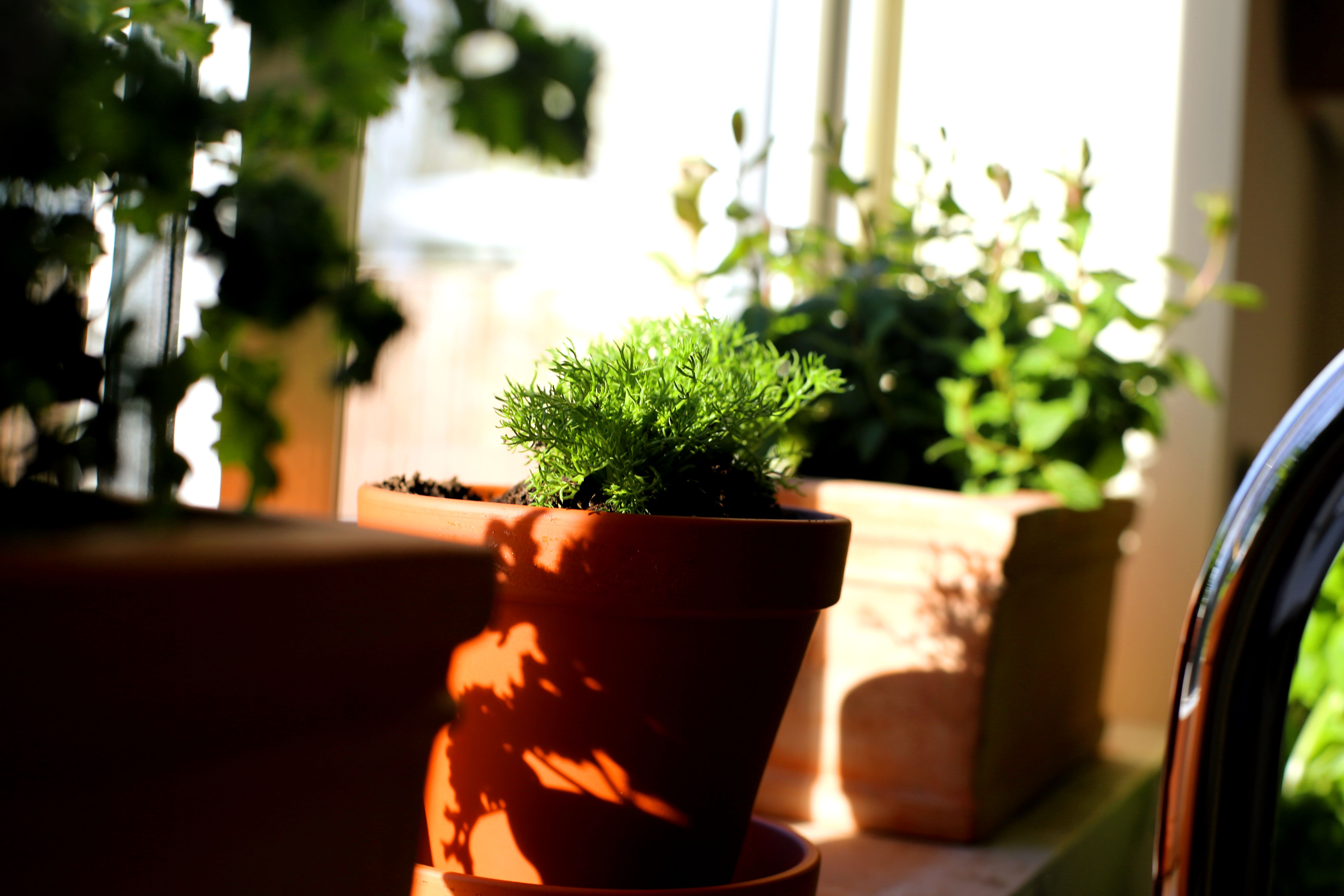
 Have you ever heard about the philosophy of edible cities? In the name of this ideal, owners of small flats and houses fill their windowsills with pots of chives and parsley, change their lawns into vegetable patches and fill their hanging baskets with tomato vines. It’s a great and straightforward way of bringing back THE REAL FOOD to your doorstep. No foil. No plastic. No packaging. Just the pure food produce pulled from the soil, your soil, and as organic as you can make it.
To me, a girl who grew up in a village with a big vegetable garden in the backyard, orchards and cold stores full of plums, apples and cherries, there is no other way of living in a city than making its surroundings edible. I need nature to feel grounded and I need contact with soil. It’s humbling and enabling at the same time. Humbling because the growth does not always happen, enabling because often it does and then you feel that you are more than just the manager of your pantry.

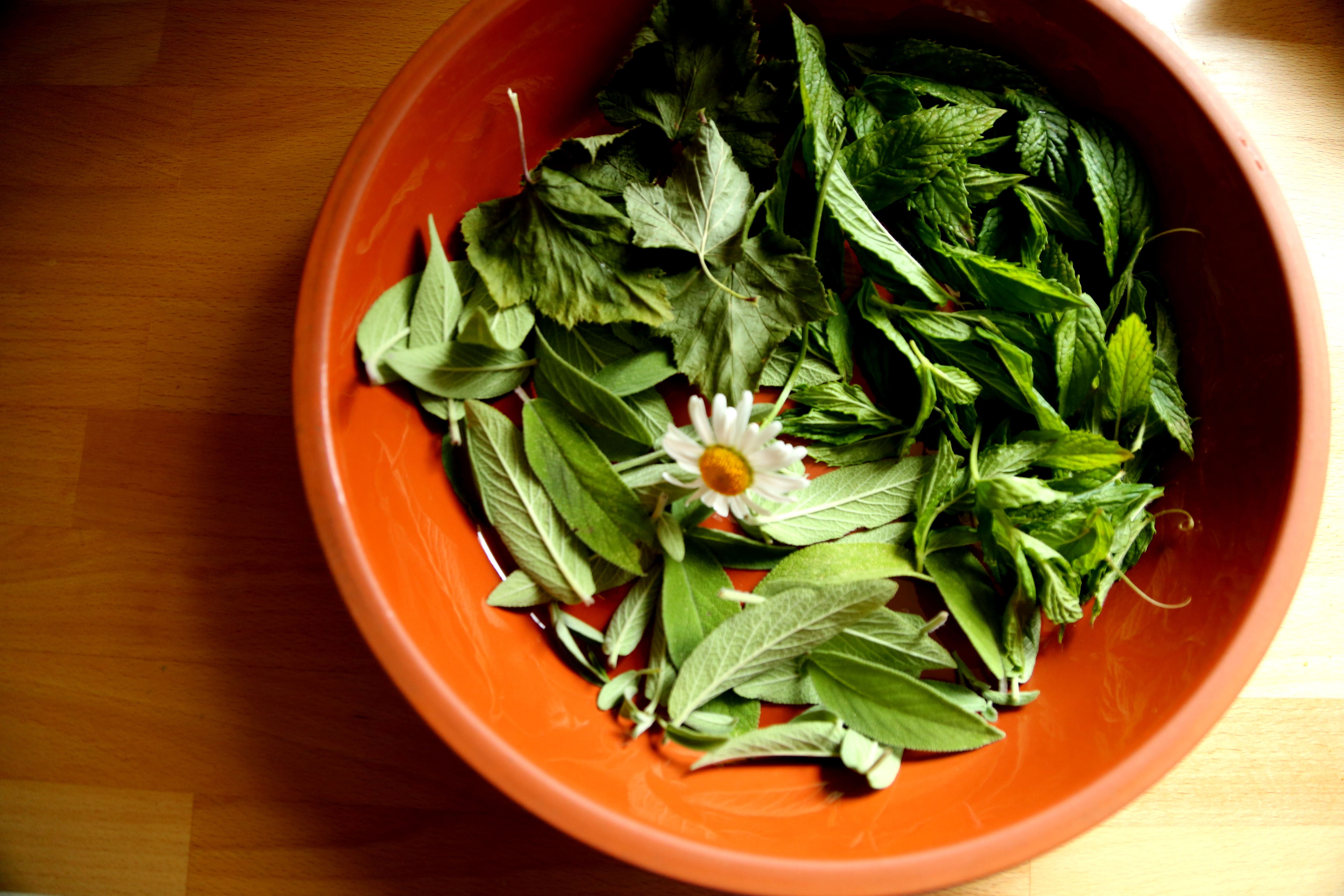
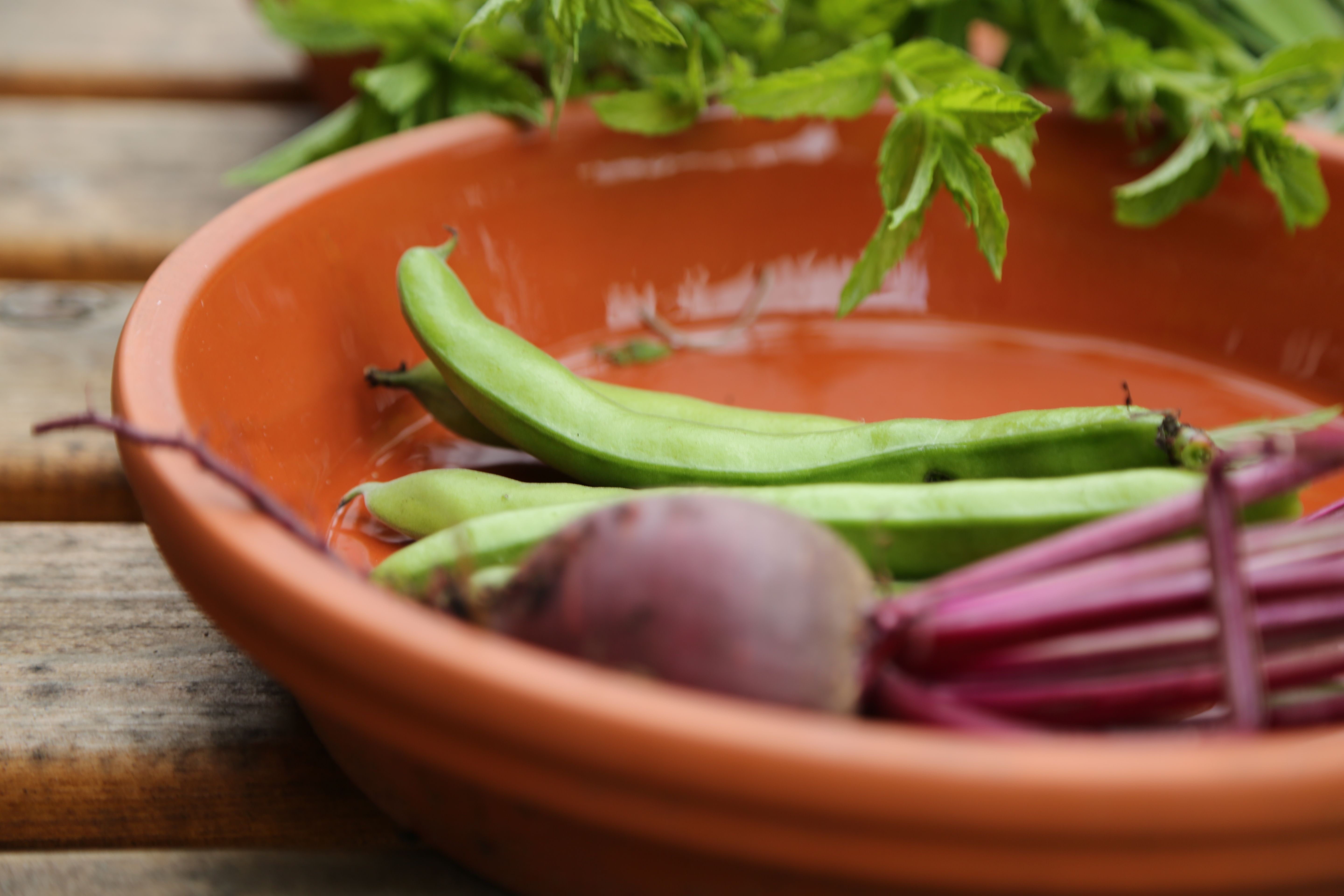
We’ve made a few changes in our garden this year to grow food, we have made a raised bed out of a tree that had to be felled due to its trunk forking out and we planted two small apple trees and blackcurrant, raspberry and blueberry bushes. Cherry tomatoes and small chillies are reddening in the sunnier parts of our garden. Some of our beetroots and broad beans are ready for collection and consumption. Herbs are abundant.
We had our problems. Things dried when we were away. The cucumbers just refused to grow. More than a few leaves have been eaten by slugs but to me this is an insignificant obstacle. Living in a city is not a problem either. I don’t see myself as limited by location. It’s just about getting the timing right and then learning as it all grows.
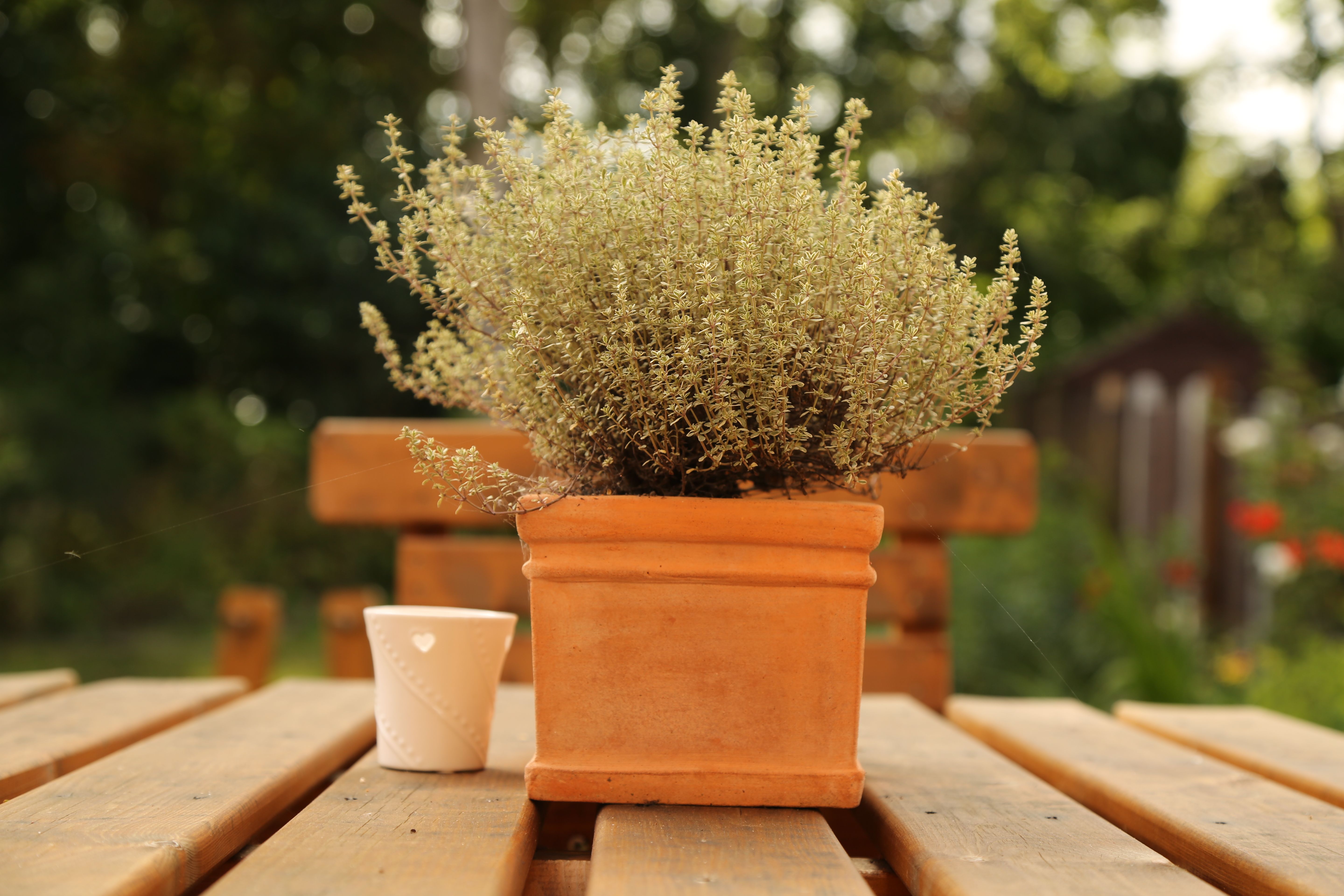


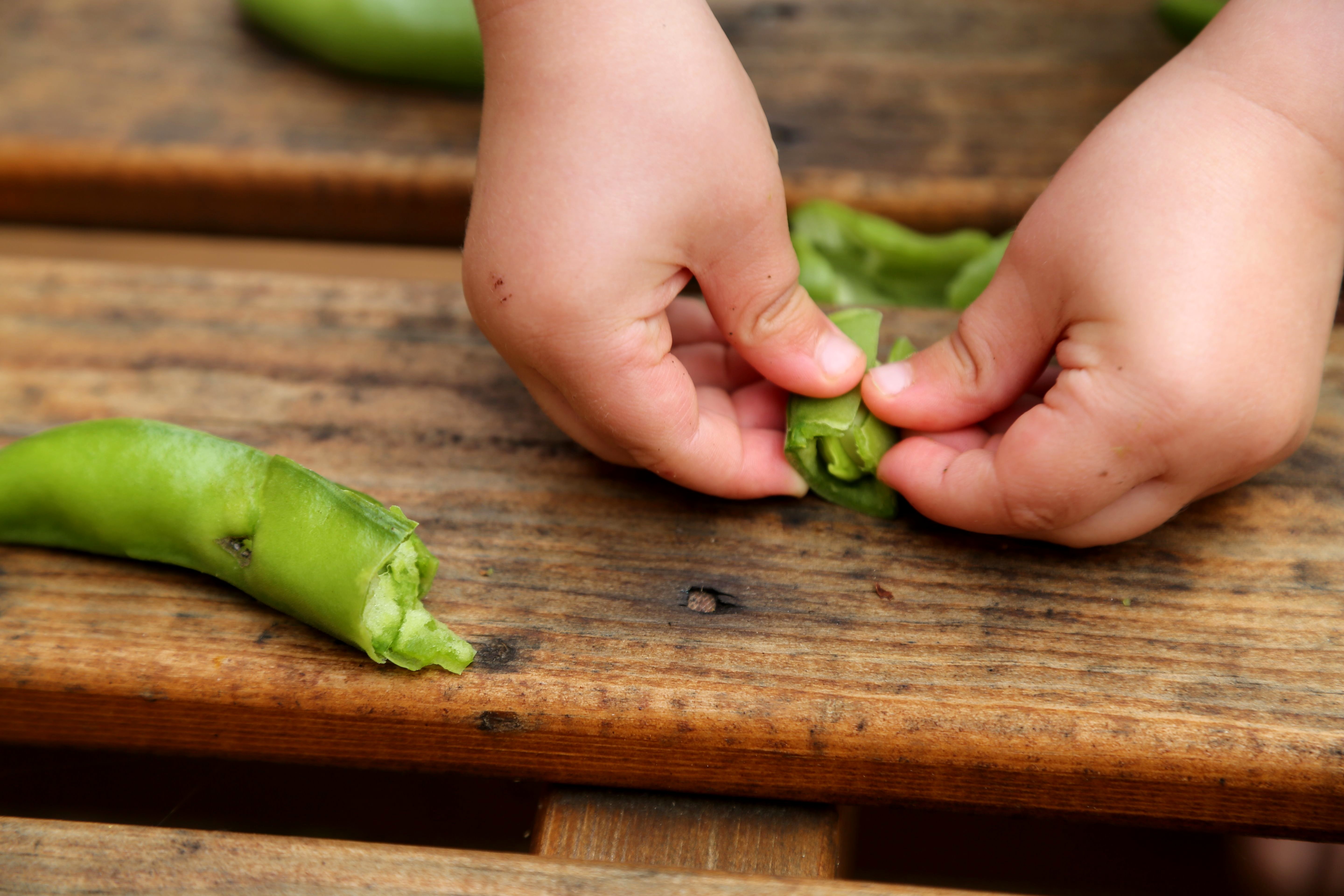
My son is a very eager grower and an absolute real food lover. He loves helping around the kitchen and the garden. He likes to play with food too, e.g. by taking broad beans out of their shell and then putting them back. And these broad beans… wow… once they are lightly cooked, they are divine. And the smell of the herbs in the kitchen is just wonderful. Just when we cooked some of our vegetables for dinner this evening I thought that one of the reasons for growing your own food is to remember what fresh produce should smell and taste like. It’s partially to have a benchmark against which you can assess the quality of food. Personally I am not enamored with supermarkets and I hardly ever shop there for food. Human contact is too precious for me and so we shop at the market or small independent stalls and stores. We rely on my greengrocer’s great fresh food produce.

 It’s my greengrocer, some of you fellow bloggers, and my parents of course who remind me that we are not only consumers, but also growers and creators, capable of influencing our surroundings. If we always choose convenience, we become so one-dimensional, so plain and flat in knowledge and experiences that we are no longer… interesting.
Say no to convenience. There is always some space between flowers for some lovely food. I am happy that I didn’t get discouraged by last year’s garden failures. We’re definitely are going to grow more from now on. It’s just really really rewarding. I hope you’ll try too, will you?

 If you would like to read more about edible cities and permaculture, read this book: Edible Cities: Urban Permaculture for Gardens, Balconies, Rooftops, and Beyond by


 Postcards Without Stamps