
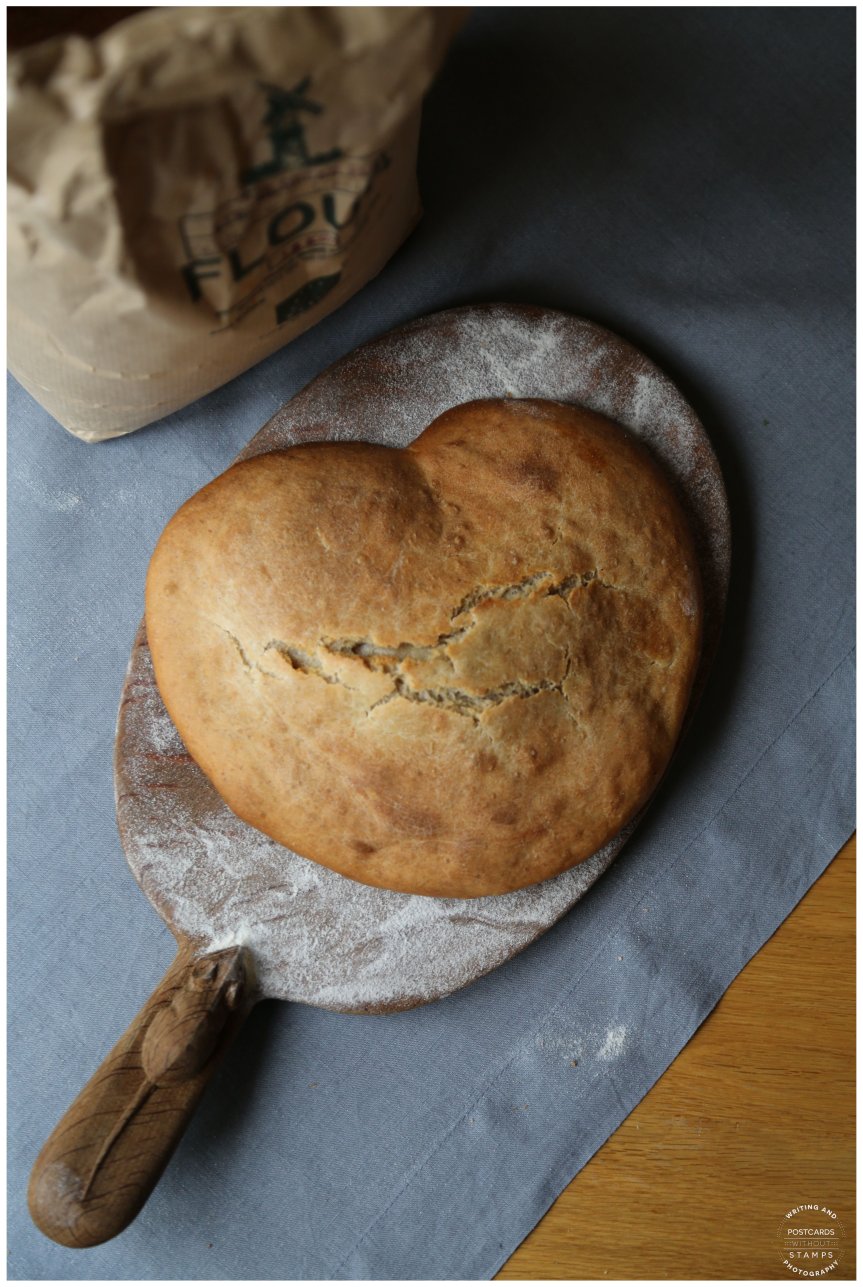


“Love is a fruit in season at all times, and within reach of every hand”. ~Mother Teresa
I hope you’re having a lovely day Lovely People!
“Love is a fruit in season at all times, and within reach of every hand”. ~Mother Teresa
I hope you’re having a lovely day Lovely People!

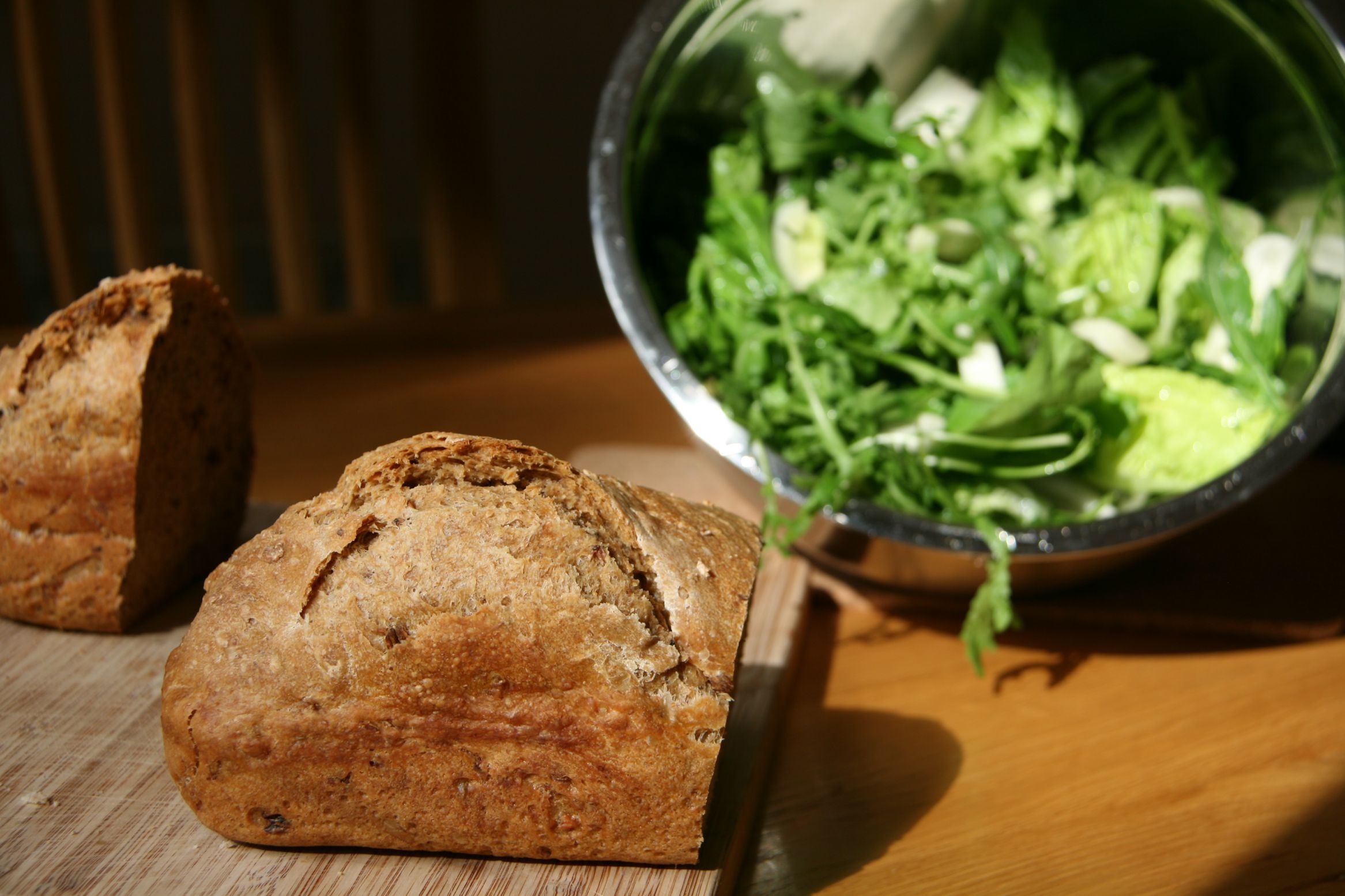

There are a few things that I could write about related to bread-making. I couldn’t decide which take to develop for this post so here are a few loose-end thoughts:
Bettering yourself
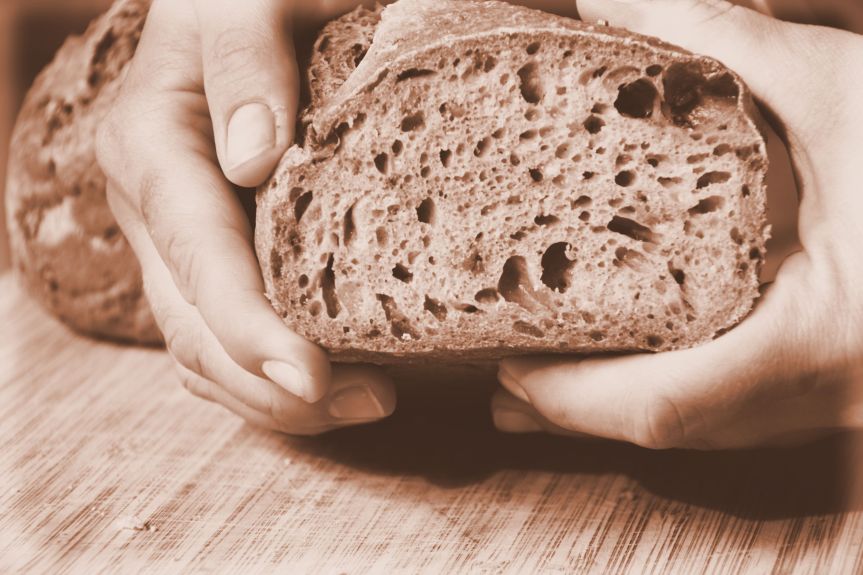
Making your own bread is always a better option than buying it. You avoid the unnecessary additives, sugars, enzymes and calories and you give your tummy a break from digesting and absorbing them.
Recipe
350g of malthouse flour
200g of white pasta flour
1 full teaspoon of dried yeast
lukewarm (on the cold-ish side) water (400-500ml)
4 tablespoons of olive oil
1-2 teaspoons of bread
I explained the methods a while ago. You can find it here: https://postcardswithoutstamps.wordpress.com/2014/02/10/whats-inside-our-bread/
Explore the season
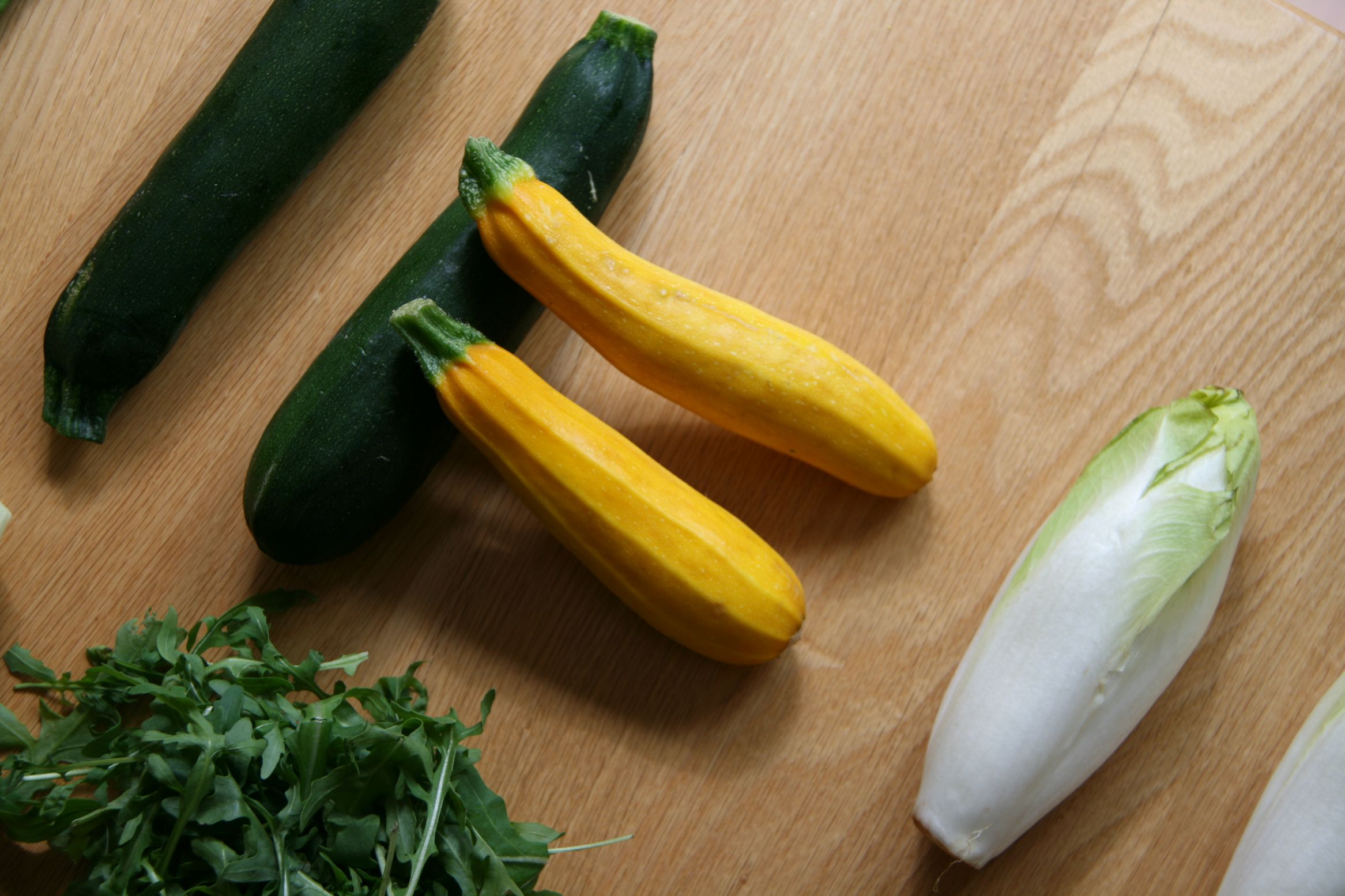
Of course, it would be difficult to survive on bread alone. So above there’s a photo of some vegetables that are in season. I found them all in my favourite place in Derby Market Hall. Runner beans and the chicory were my favourites today. Which ones do you look forward to?
At the market
Talking about the chicory, here’s an interesting story from my greengrocer: ten years ago he could sell quite a number of boxes of lollo rosso, frisee endive and oak leaf lettuce. Now he is lucky if he can sell two lettuces out of a single tray. The restaurants and cafés used to be big customers for these lettuces but no longer. They instead insist on the small plastic tubs containing mixed leaves. This begs the question – can’t chefs wash and chop lettuce anymore? And are we really happy about having all our food pre-packed in plastic?
Dream
I always dreamt of having a home that smelt of bread. I associate bread-making with strength, not only in its physical sense but also emotional and spiritual sense. I love when recipes are being tried and passed on through generations and when the skill remains in the family and in the community. I also like when fresh pieces of bread are being shared around the table – there is something very beautiful in that gesture of passing the basket around.
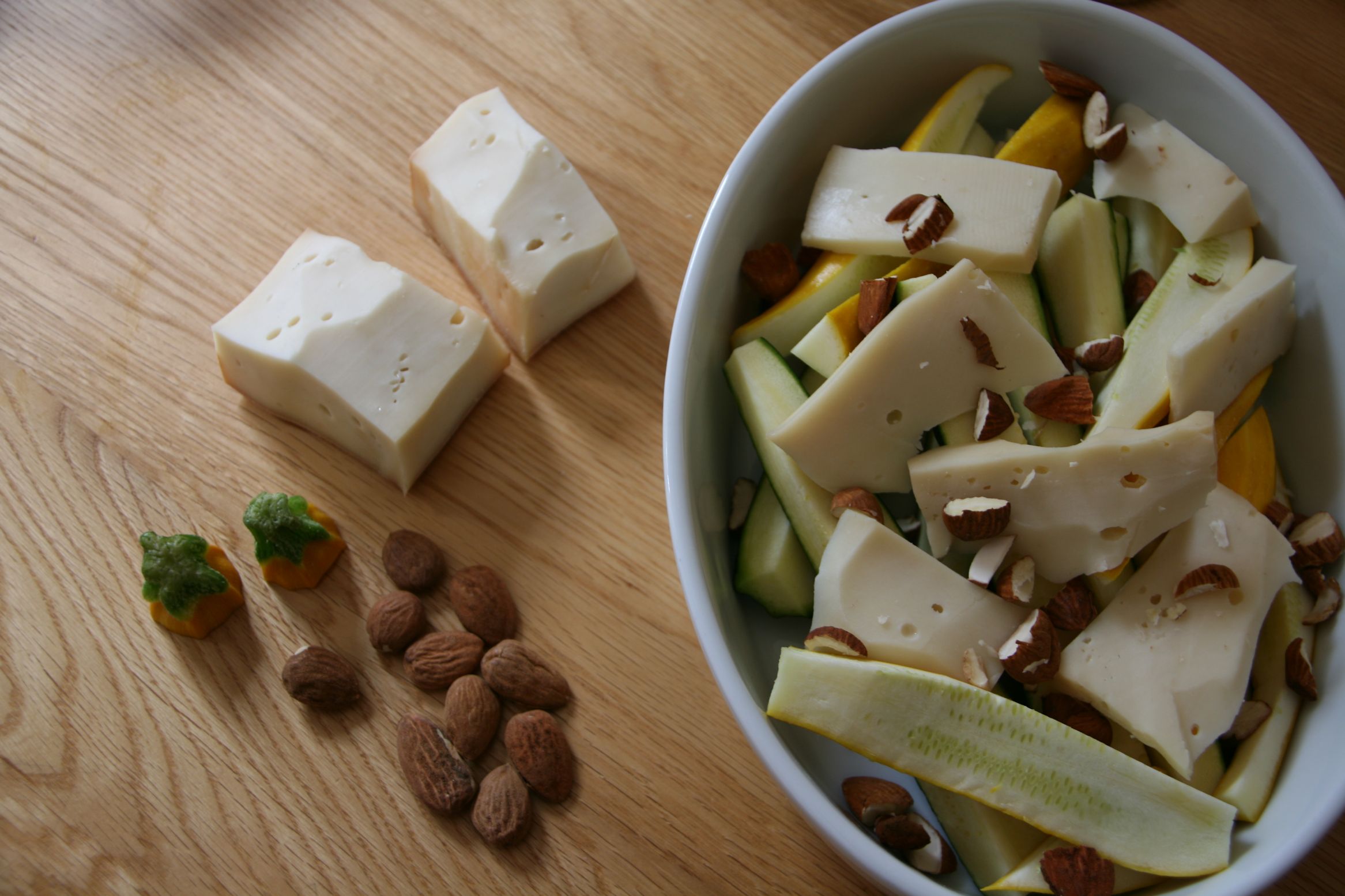
(The cheese used in my dish above is called Fontina and it comes from the Valle d’Aosta in Italy. We had a chance to look at how it is stored for maturation over there – see the photo below, more to come soon.)

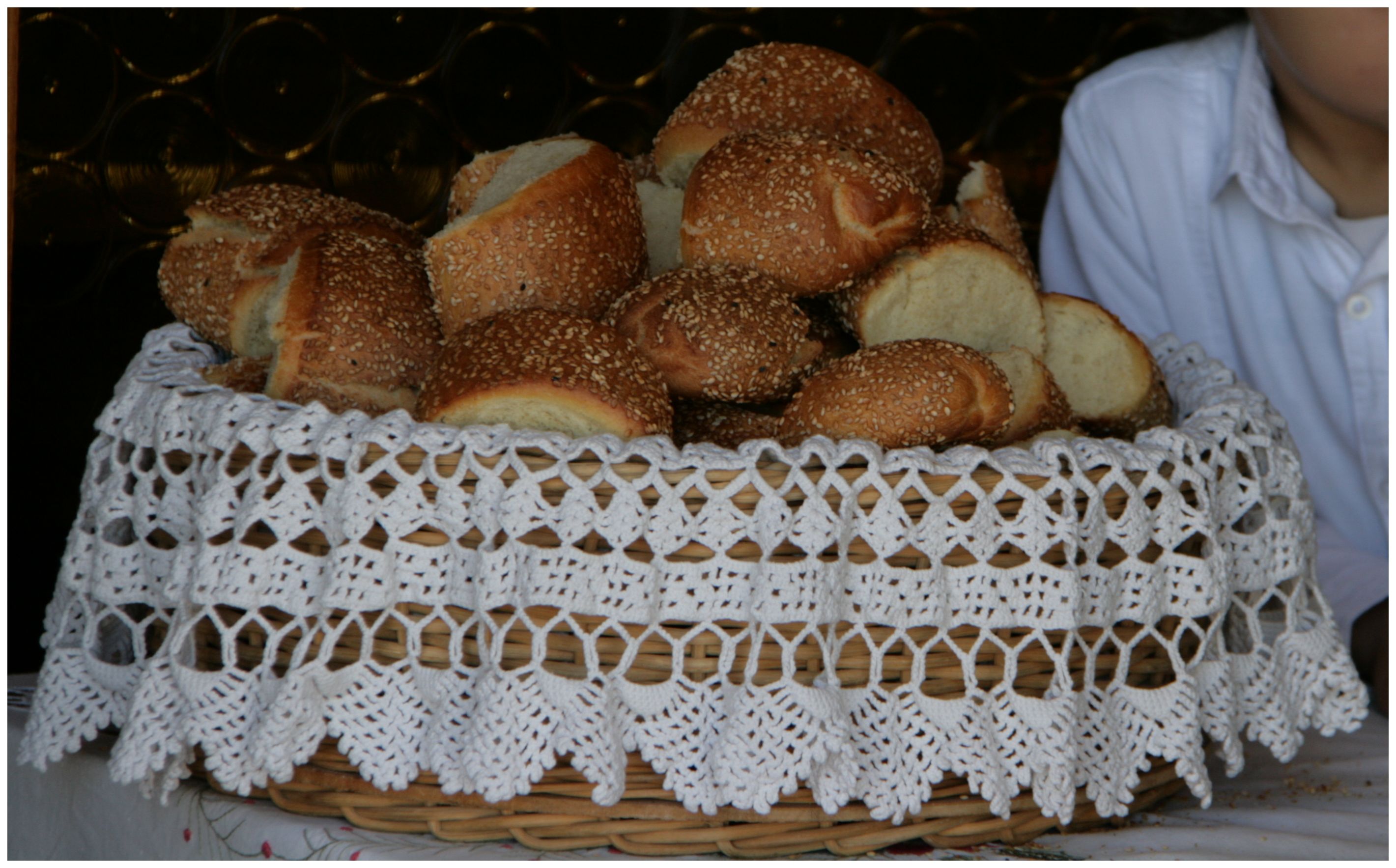
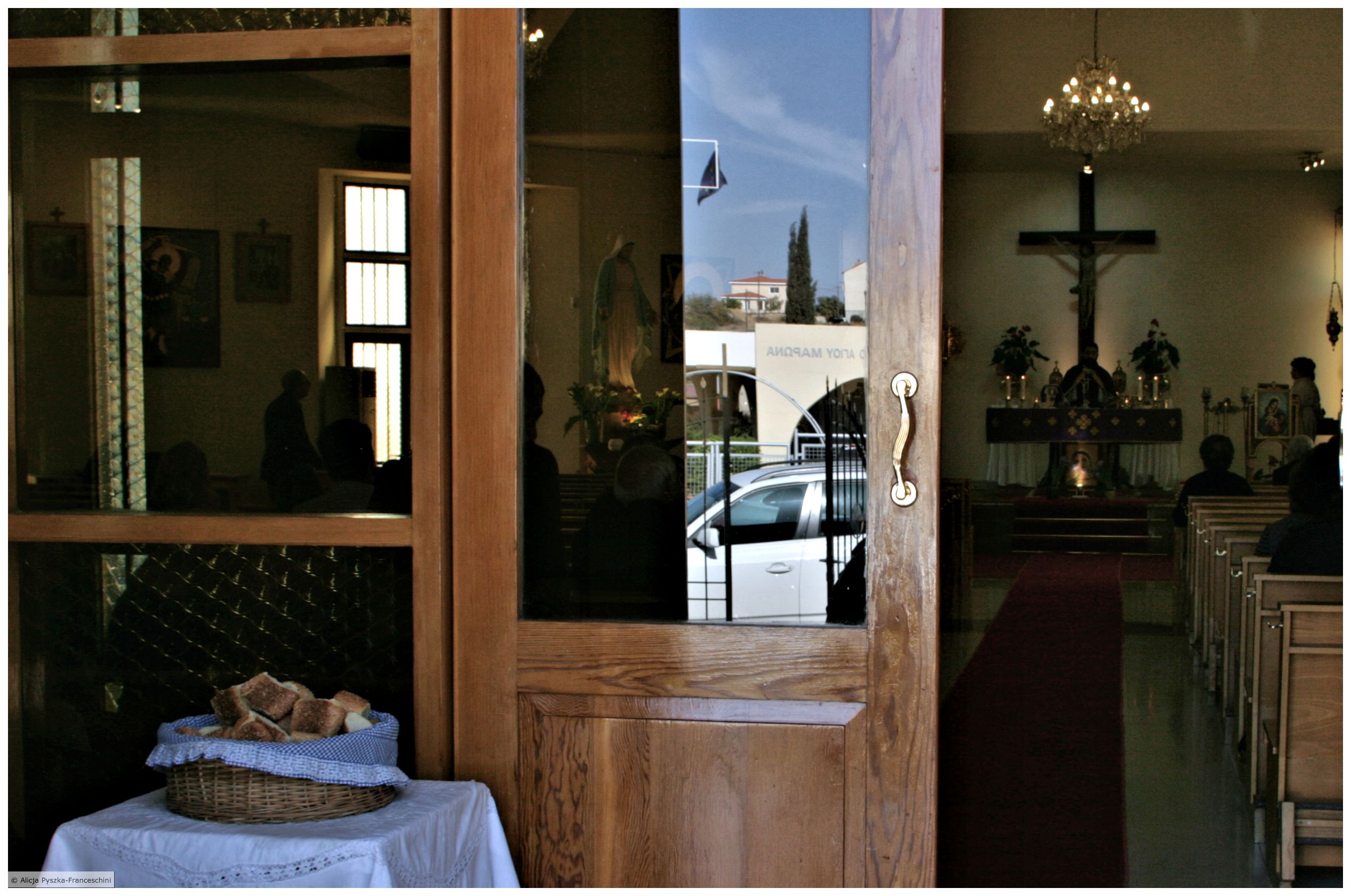
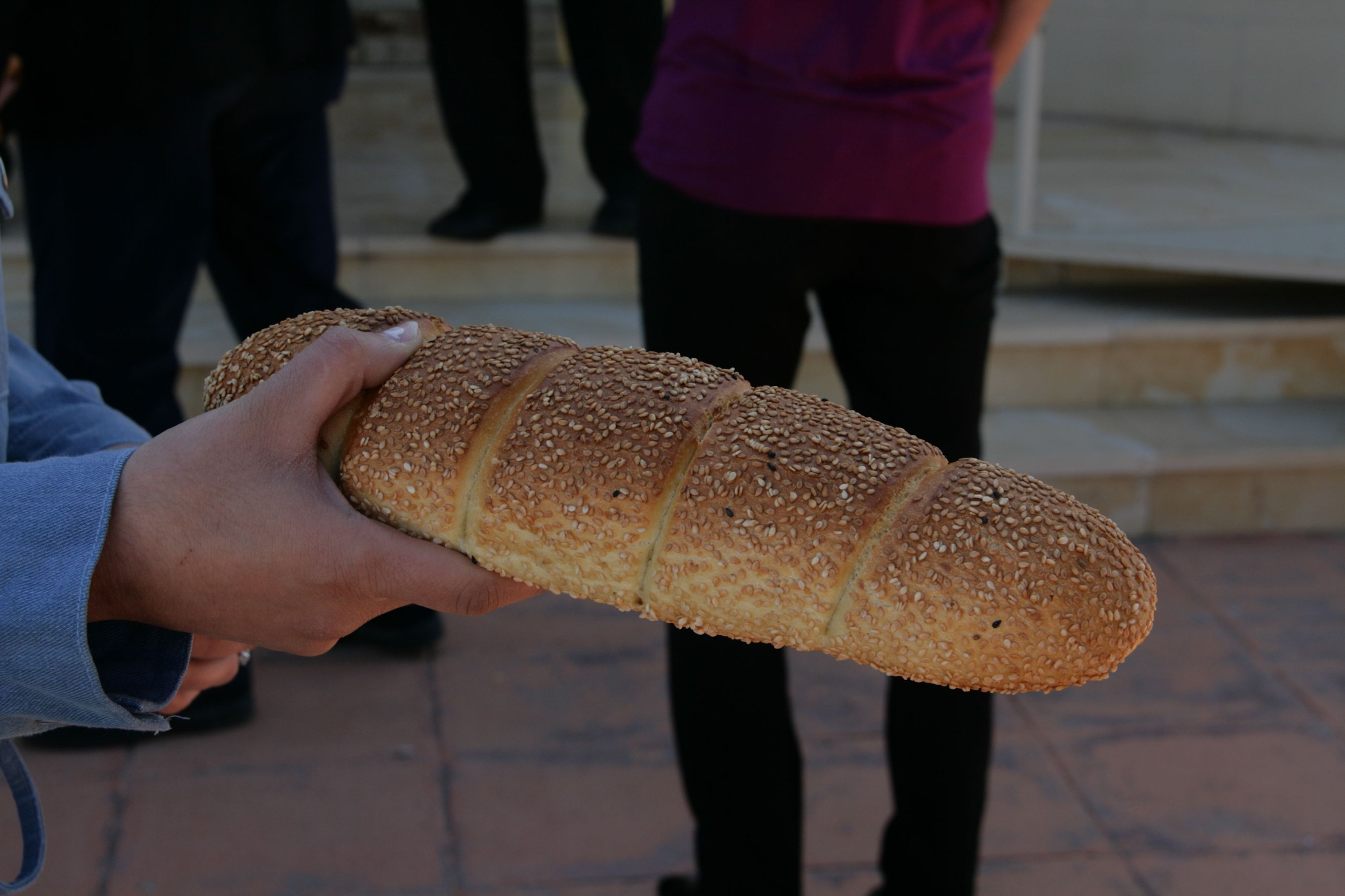
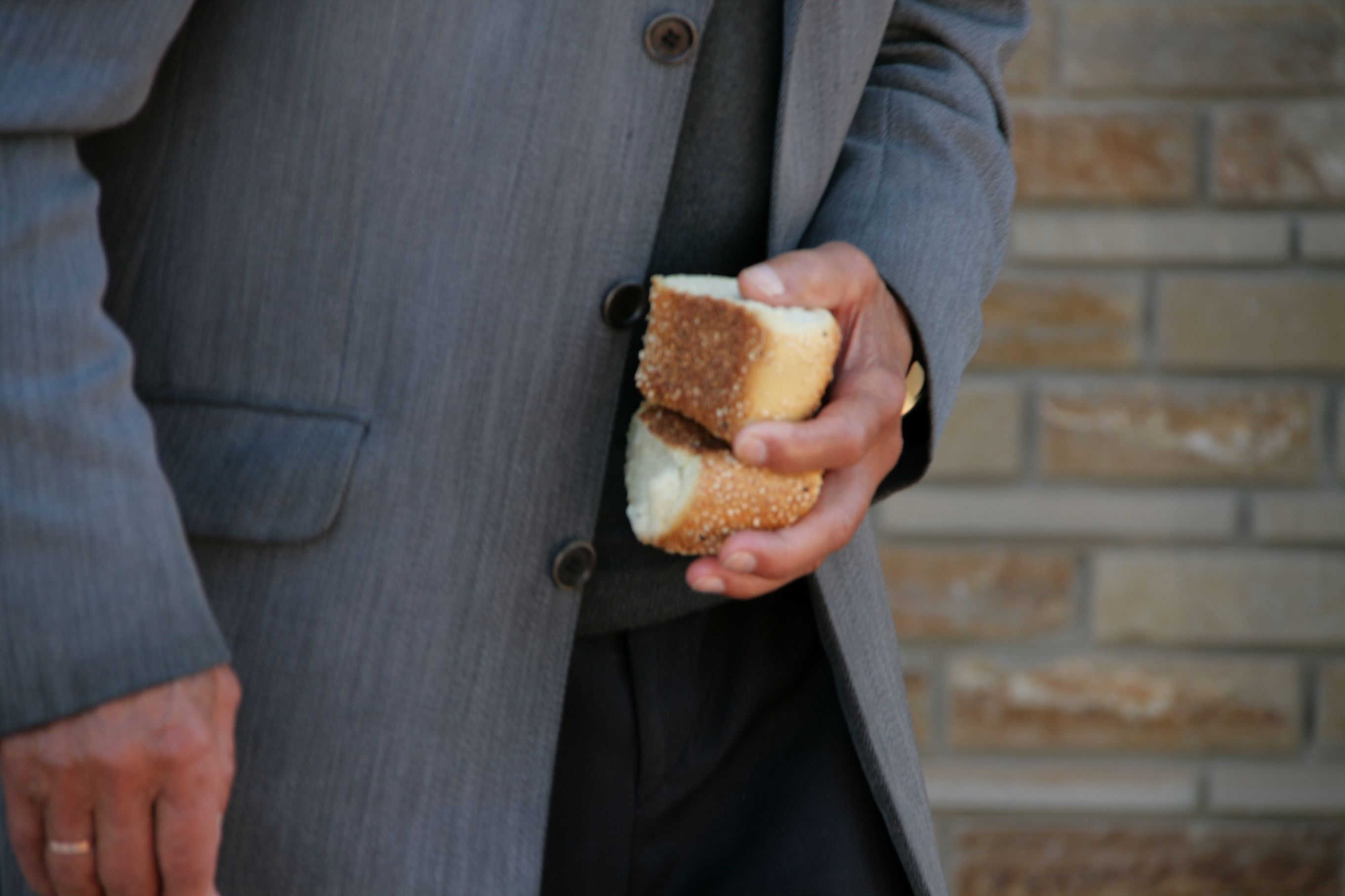
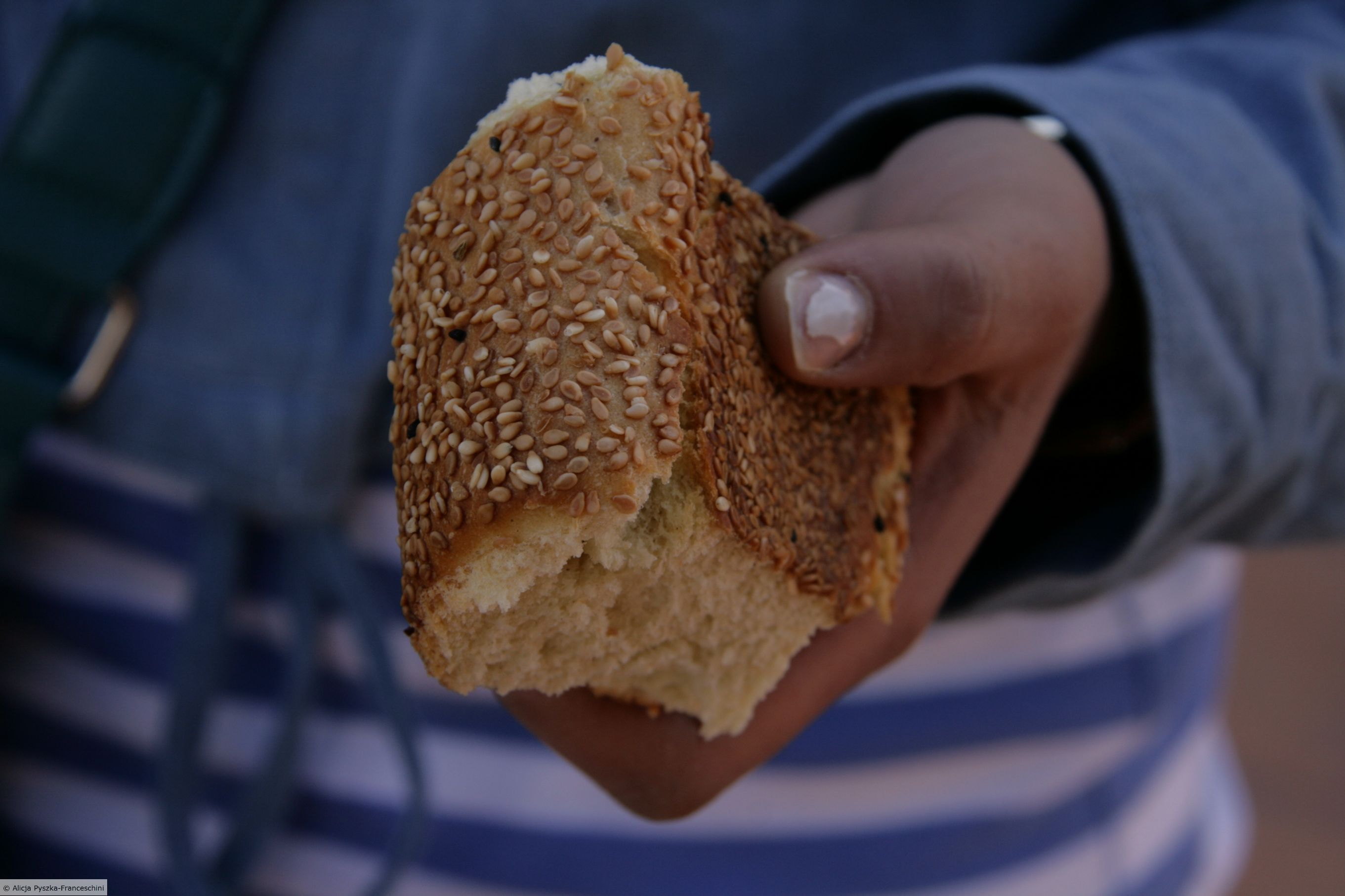
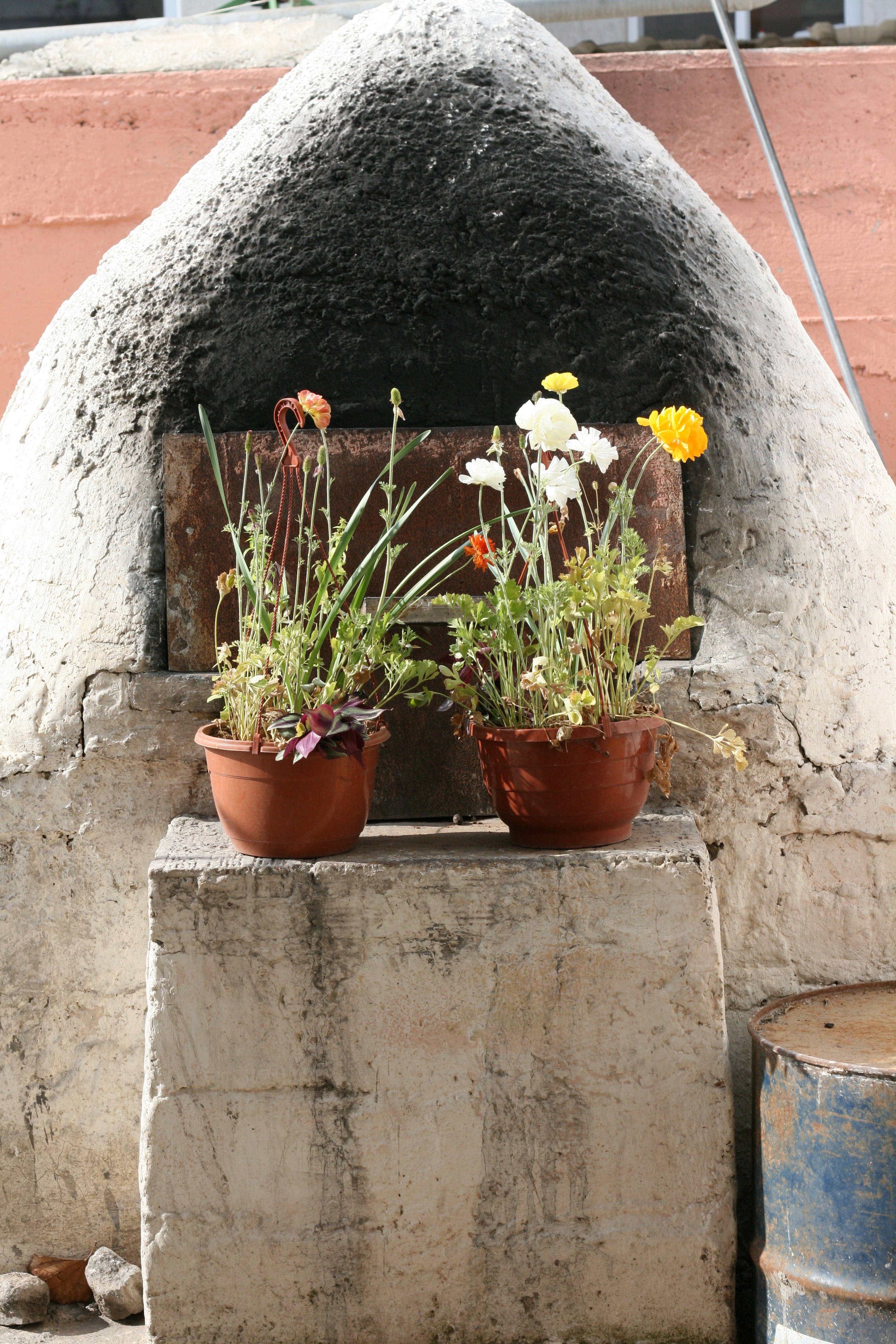
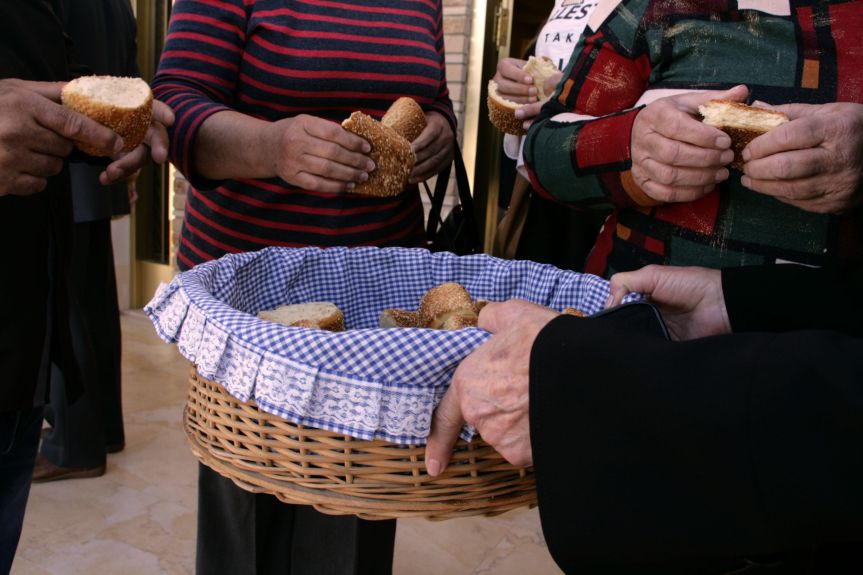
Two baskets filled with large and generous pieces of sesame bread sit at the front of the church. Soon, when Sunday Mass finishes they will be shared among those who attended the service. This is a beautiful custom shared in Cyprus that I was able to witness and photograph in the Maronite Church. The bread is bought by the people who asked for special prayers to be said for their loved-ones or departed relatives. Bread is a symbol of life and community. It represents spiritual and physical nourishment.




Wanted. Loved. Devoured daily. But messed with on a big scale too. Only a few decades ago in the UK its “particularly interesting” example was so white that it appeared almost luminous. People marveled over its brighter than chalk tint. The astonishing hue was mesmerizing and very few questioned its look. This was a mistake. Chlorine dioxide gas was nothing but a type of bleach used in the UK’s bread till 1999 when the government decided to put a ban on it (Whitley, 2006).
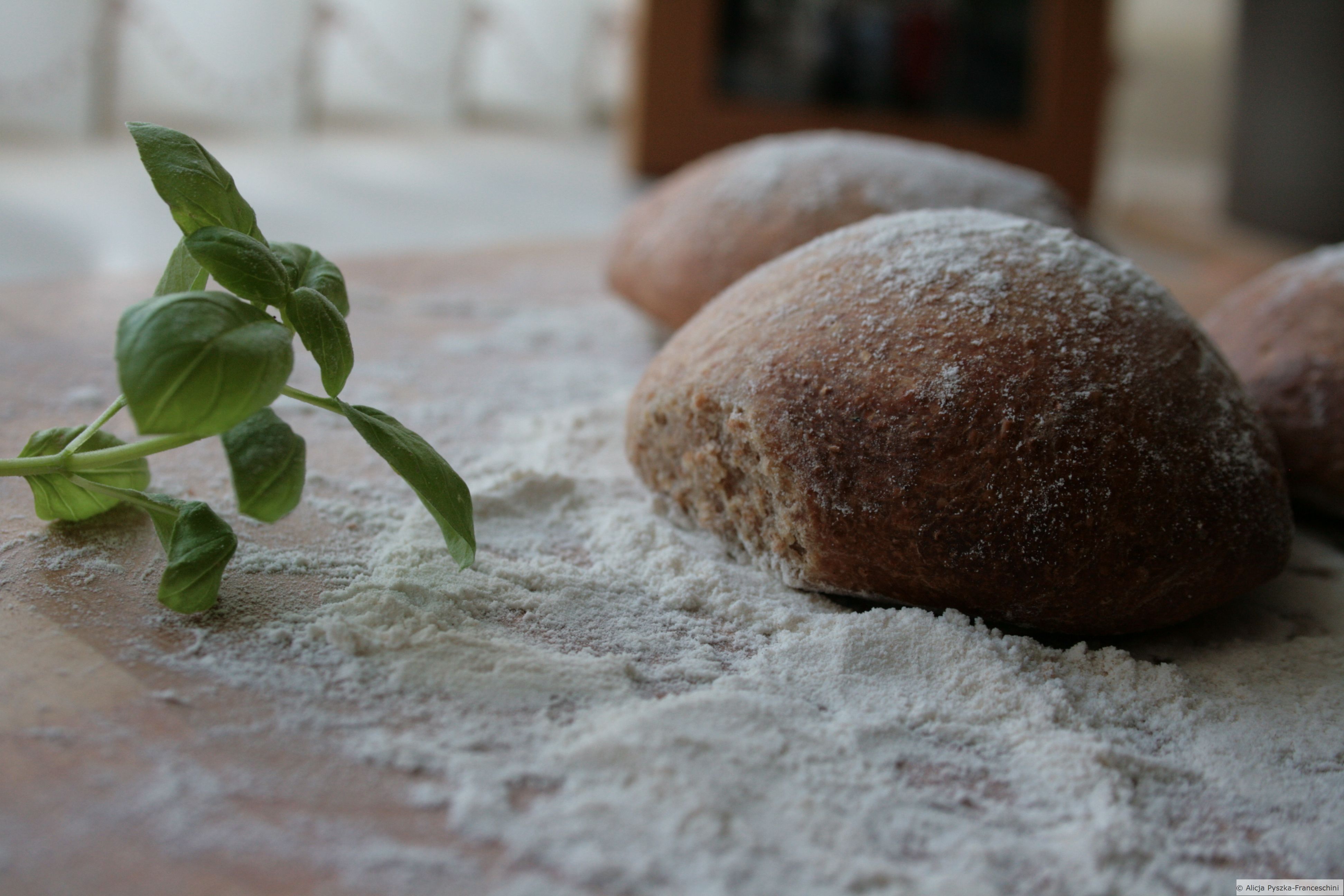
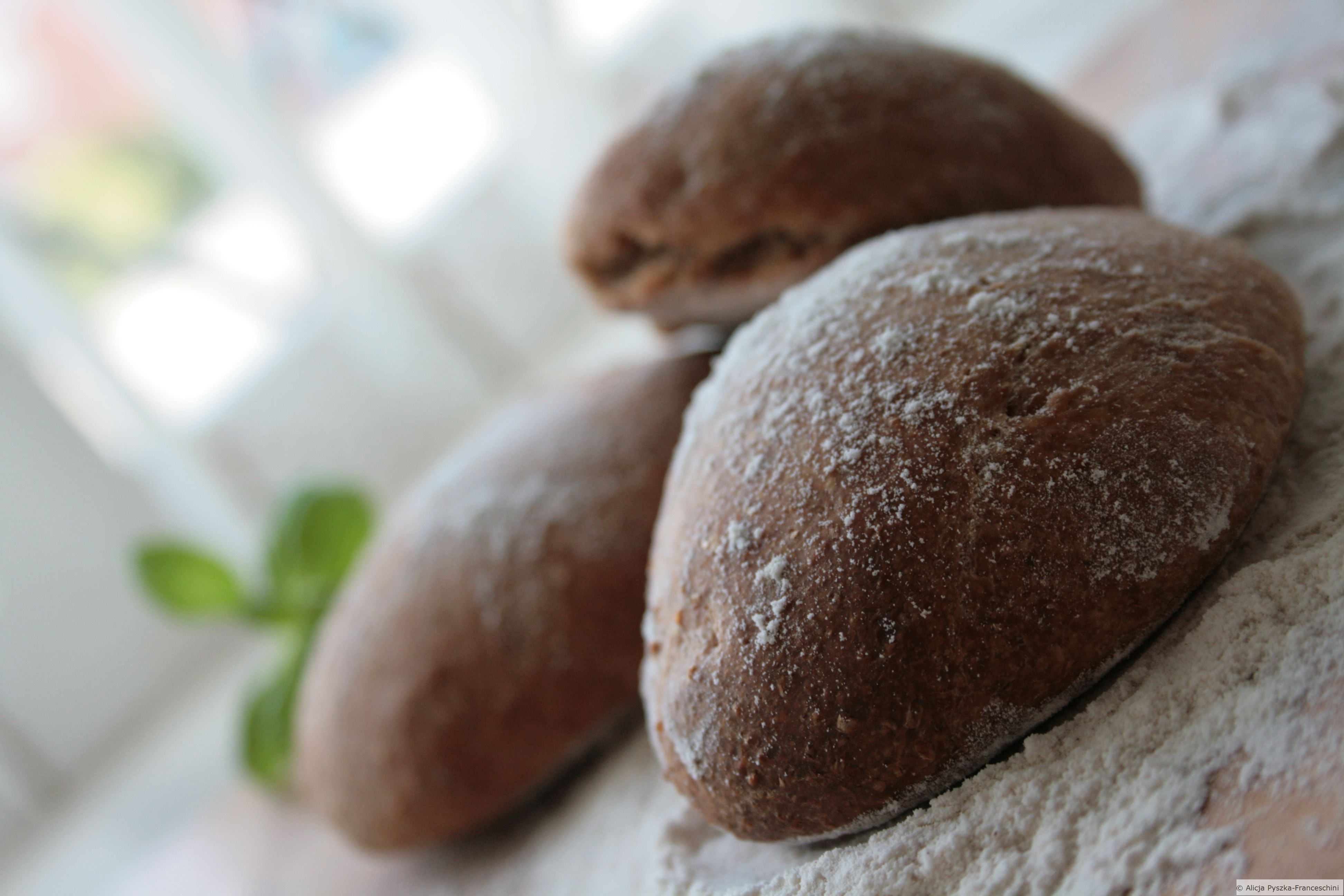
There is no chlorine dioxide in the UK’s bread today but there are still many bleaching agents, additives, preservatives and enzymes that aim to artificially enhance the taste and the look of bread, decrease its mixing and baking time and superficially boost the volume of the bread. In his book Bread Matters, Andrew Whitley gives a very long list of various enzymes (and their effects) that are used in making bread dough: Maltogenic amalyse, Peptidase, Amylase, Xylanase and many more (the names in themselves sound terrifying, don’t they?). Most breads also contain emulsifiers. Their job is to prevent the loaf from going stale too quickly. These and other supplements compromise the nutritional value of many loaves that we eat. No wonder therefore that there are more and more people who are deciding to go back to basics and who are learning to knead the bread again within the corners of their kitchens and who are finding enormous joy in doing so. Maybe it’s because they are creative with making different bread shapes (buns, rolls, loaves and flat breads), with using different flour compositions (wholemeal, white, rye, spelt, malted wheat flakes) and with putting their favourite ‘stuffing’ (sunflower seeds, sun-dried tomatoes, dates, pumpkin seeds, olives) into their breads. We do that too and I must say there is something very satisfying about baking your own bread… perhaps it is its comforting smell or the appealing symbolism that bread-making conveys… that of motherhood and that of life, strength and resilience. (More Images and Recipe Below)
Bread Recipe:
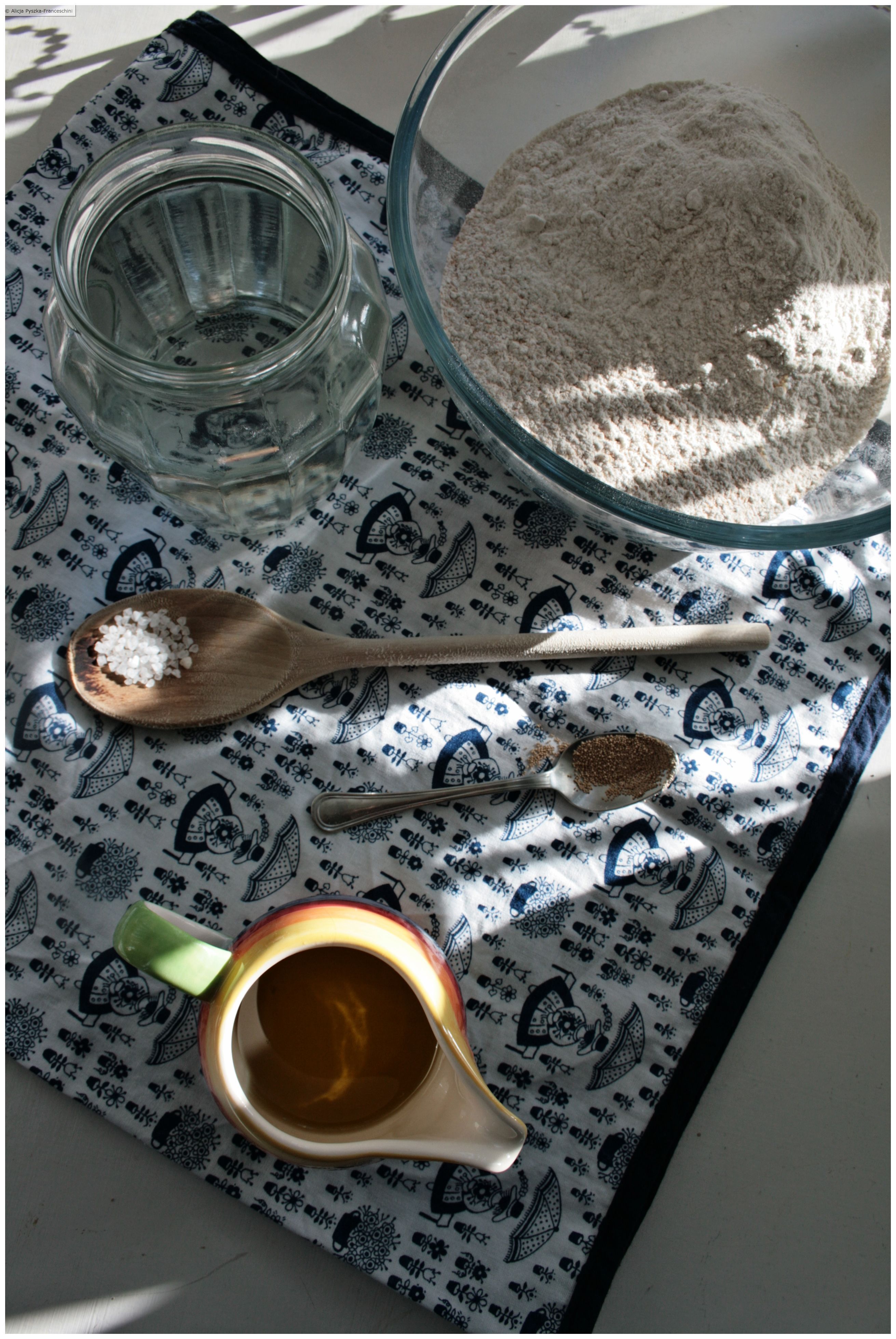
Ingredients:
250g Strong White Flour
250g Strong Wholemeal Flour
100g Malthouse Flour also known as Granary or malted wheat grain (it’s optional, but greatly enriches the flavour)
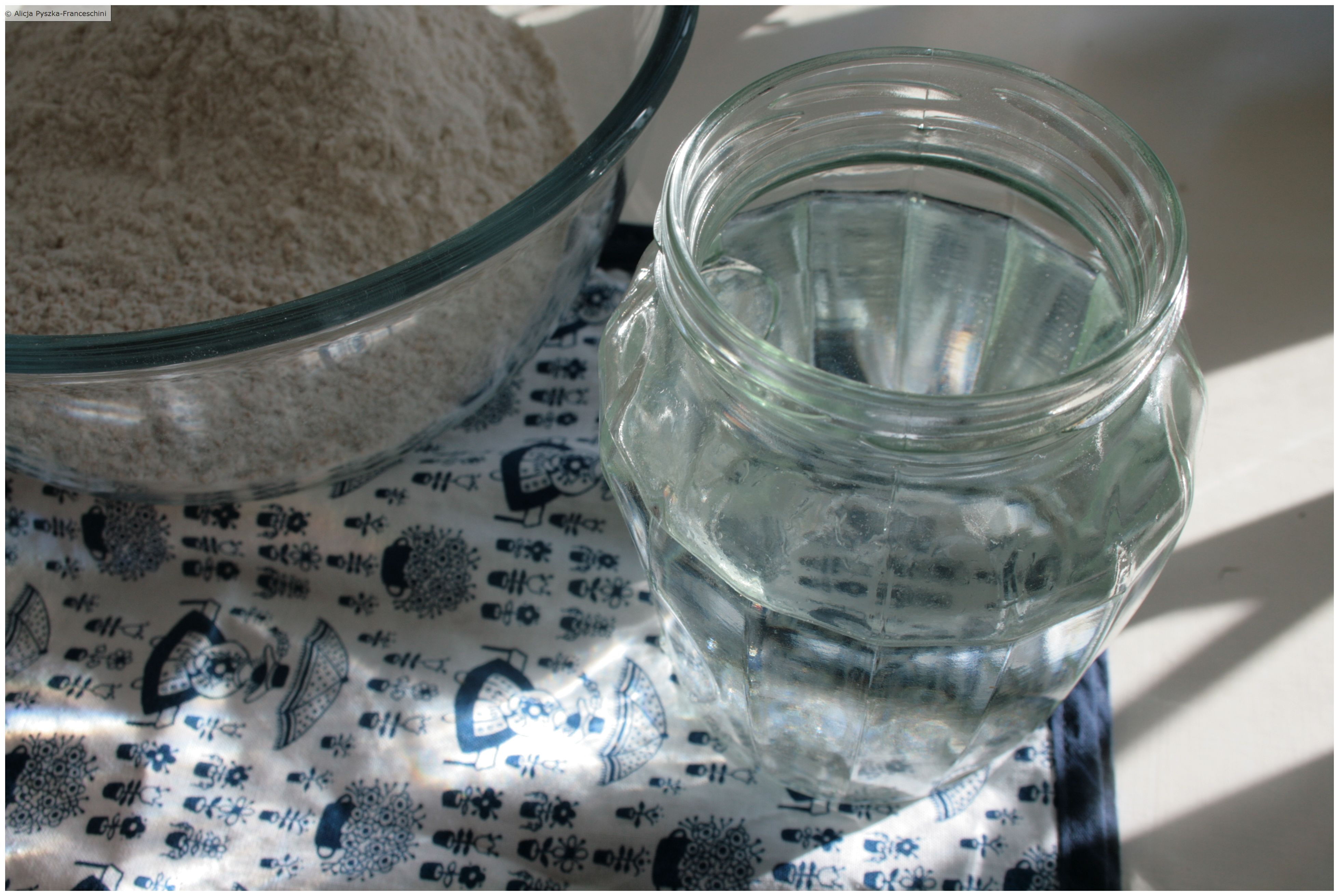
400-500ml Water
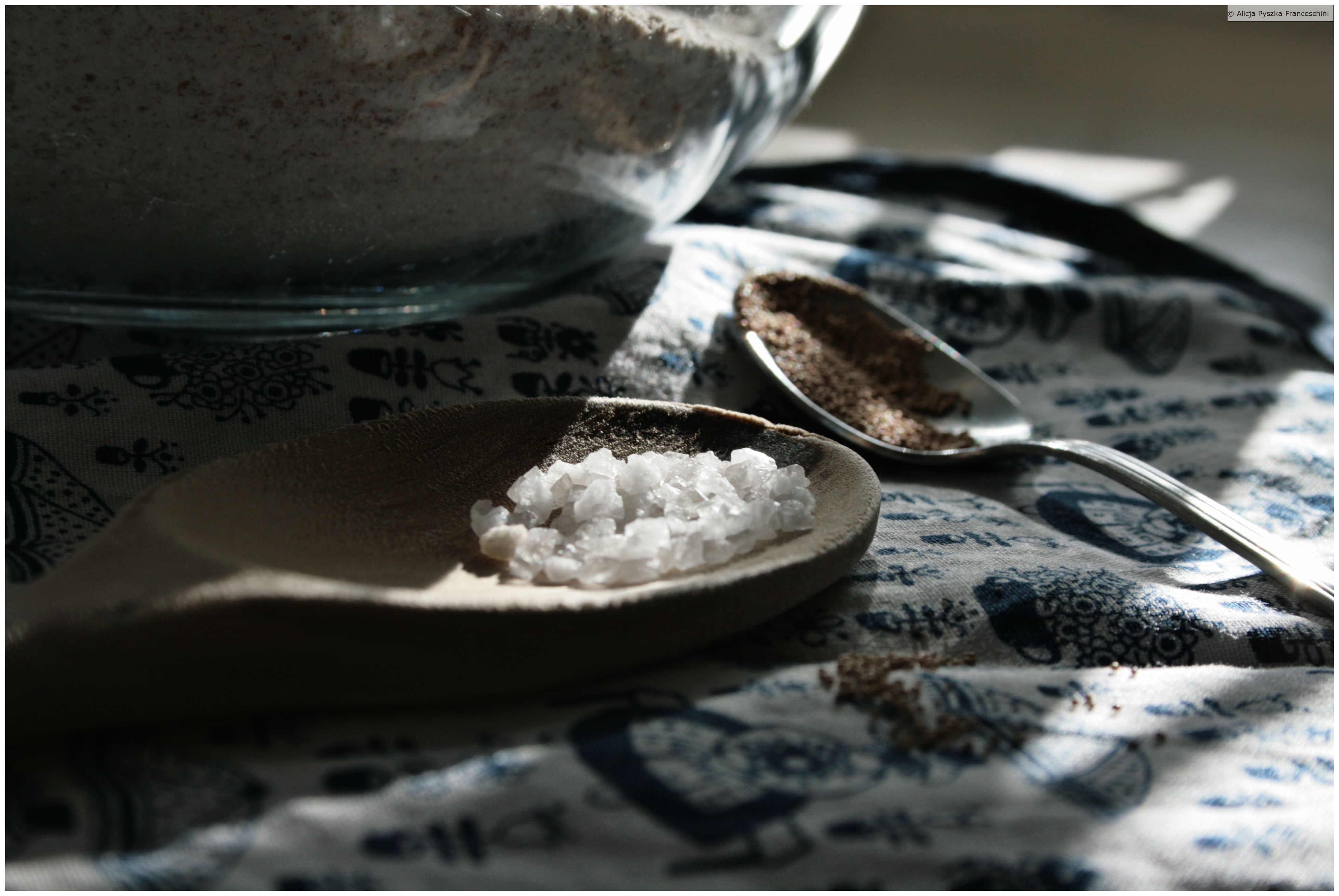
1 Teaspoon of Dried Yeast
1 to 2 Teaspoon of Salt
25-50ml Olive Oil
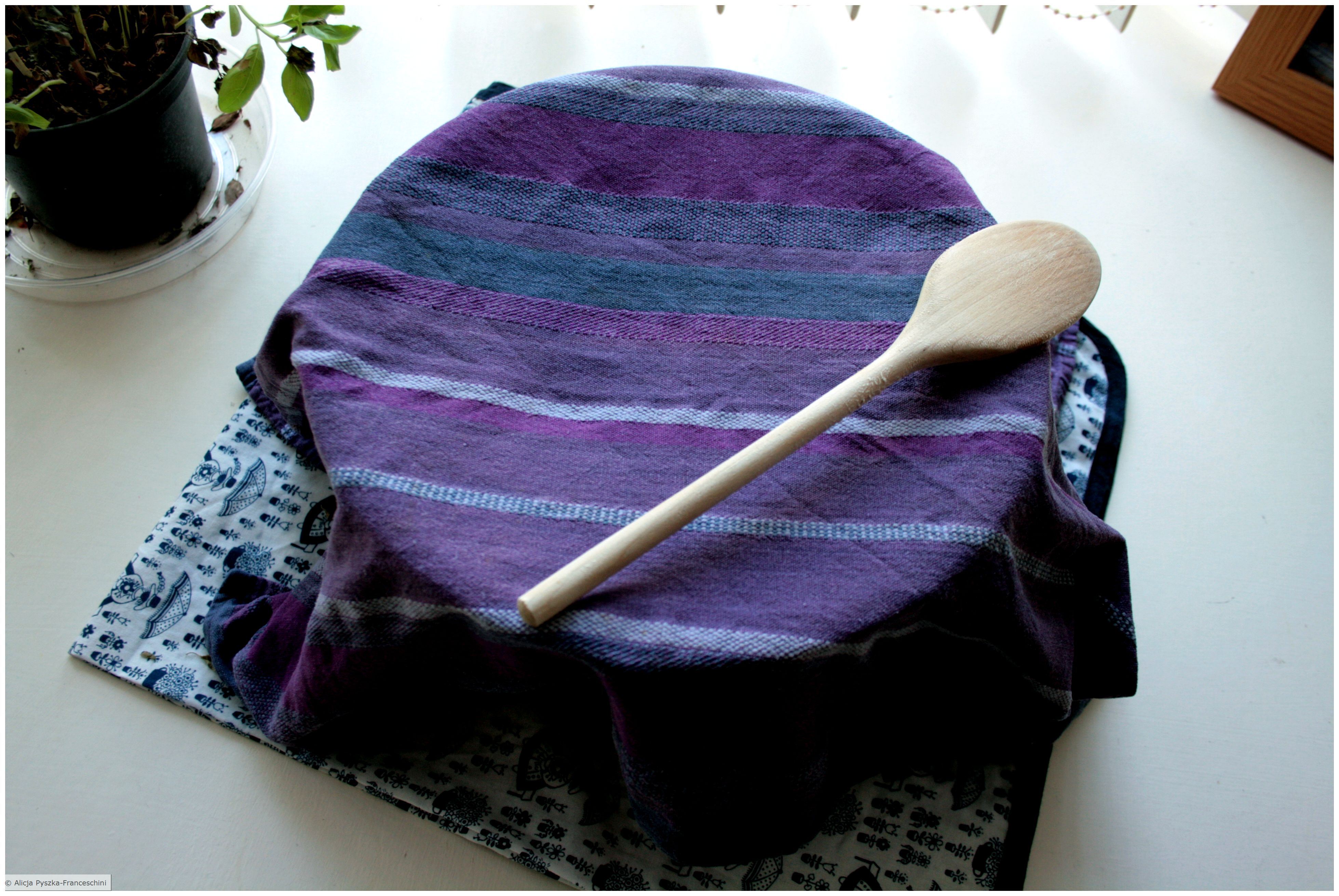
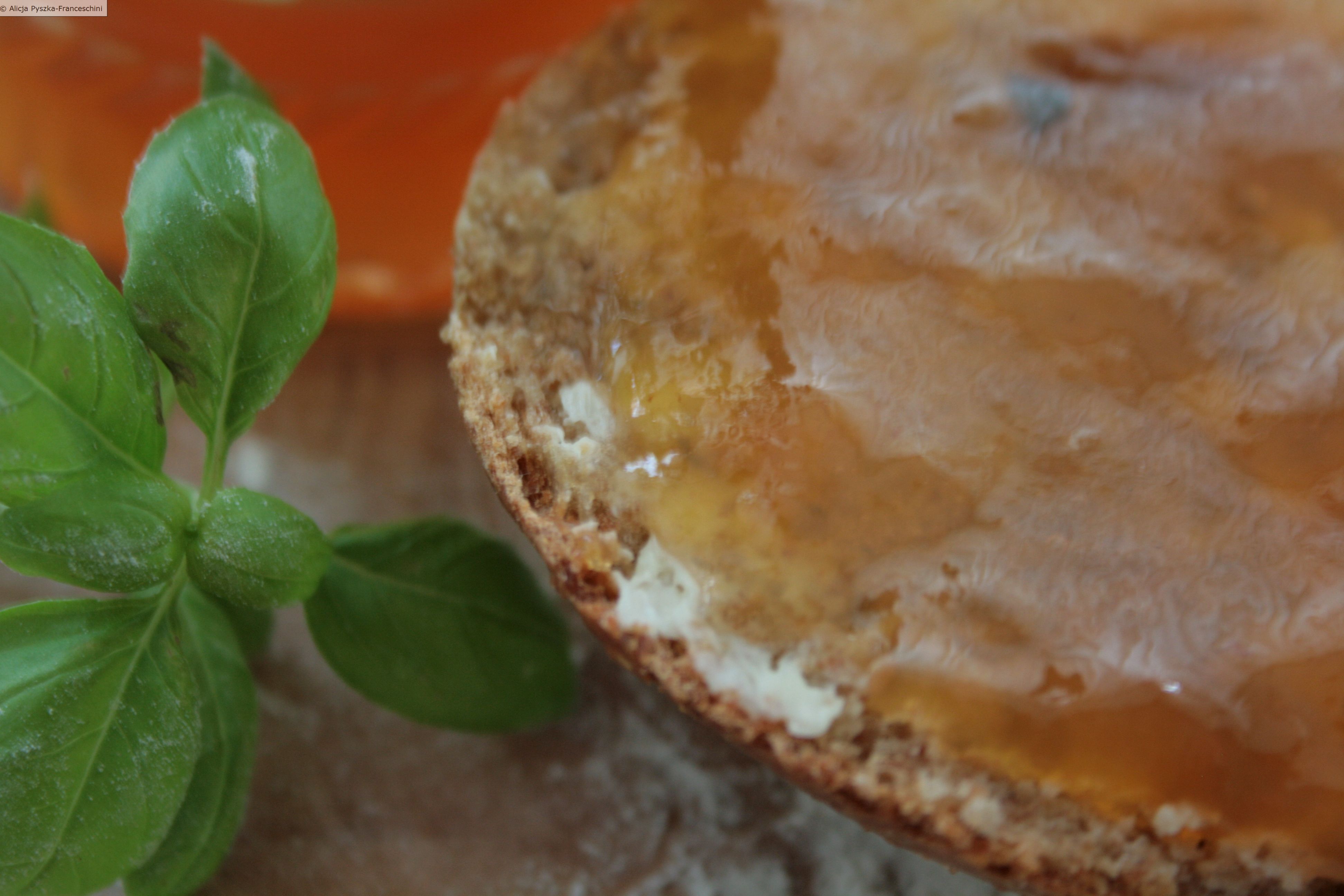
Into a small bowl of lukewarm water put the yeast with 2 spoons of flour. Put it aside for half an hour and let the yeast feed off the flour. When you see small bubbles forming on the surface of the water it means that the yeast mixture is ready. Now, in a large bowl mix all the flours with the salt and slowly stir them adding the water. It’s ok if it feels quite sticky at this point. Knead the dough for at least 10 minutes until it feels fairly soft and elastic [you can add extra flour or water to ease the process]. Slowly pour the olive oil and again knead it into the bread mix. Form a nice rounded loaf and cover it with a wet tea towel and leave it overnight for the dough to rise. A day after, cover a flat baking tray with grease proof paper and form small (4-5 cm) buns. Add dates, sunflower seeds or nuts to the mixture if you wish. Bake in 180-200°C for around 30-40 minutes. There is no need to preheat the oven. It’s good to allow the buns to grow with the increasing heat. It’s delicious served with butter and mirabelle jam (or stuffed with dates) especially if you are only baking with wholemeal and white flours. The wholemeal can be quite bitter and the sweetness of mirabelle plums or dates just complement those flours so well. Enjoy! Bon appetite!


Based on: Andrew Whitley (2006) Bread Matters. Fourth Estate: London.

 Postcards Without Stamps