




“Instructions for living a life.
Pay attention.
Be astonished.
Tell about it.”
― Mary Oliver

“Instructions for living a life.
Pay attention.
Be astonished.
Tell about it.”
― Mary Oliver


“Everyone has a purpose in life and a unique talent to give to others. And when we blend this unique talent with service to others, we experience the ecstasy and exultation of own spirit, which is the ultimate goal of all goals.” Kallam Anji Reddy
I’ve been to a management course recently which really was a rather unusual thing for me to do but surprisingly after my initial shock related to its jargon, I started warming up to it and in the end I really enjoyed it. There was one particular thought or phrase within the language of management that really stuck to my mind and I thought I’ll share it with you here. This phrase, to my mind, is a wonderful alternative to the culture of ‘not-enoughness’ that is so typical of the world that we live in and I think can successfully guide us through life. That phrase was nothing else but ‘Realise the benefits’. You may not get as ecstatic about it but it really spoke to me. We do have an awful lot in our lives, our backgrounds, our cultures, our languages, our experiences, talents, and energy and it is our responsibility to realise for ourselves and others the benefits of it all. To mix it, to blend it into our personal concoction of magic-making potion.
“Wake up in the morning with a specific goal to look forward to. Creative individuals don’t have to be dragged out of bed; they are eager to start the day. This is not because they are cheerful, enthusiastic types. Nor do they necessarily have something exciting to do. But they believe that there is something meaningful to accomplish each day, and they can’t wait to get started on it. Most of us don’t feel our actions are that meaningful. Yet everyone can discover at least one thing every day that is worth waking up for. It could be meeting a certain person, shopping for a special item, potting a plant, cleaning the office desk, writing a letter, trying on a new dress. It is easier if each night before falling asleep, you review the next day and choose a particular task that, compared to the rest of the day, should be relatively interesting and exciting. Then next morning, open your eyes and visualize the chosen event—play it out briefly in your mind, like an inner videotape, until you can hardly wait to get dressed and get going. It does not matter if at first the goals are trivial and not that interesting. The important thing is to take the easy first steps until you master the habit, and then slowly work up to more complex goals. Eventually most of the day should consist of tasks you look forward to, until you feel that getting up in the morning is a privilege, not a chore.”
― Mihaly Csikszentmihalyi, Creativity: Flow and the Psychology of Discovery and Invention
“To the untrained eye ego-climbing and selfless climbing may appear identical. Both kinds of climbers place one foot in front of the other. Both breathe in and out at the same rate. Both stop when tired. Both go forward when rested. But what a difference! The ego-climber is like an instrument that’s out of adjustment. He puts his foot down an instant too soon or too late. He’s likely to miss a beautiful passage of sunlight through the trees. He goes on when the sloppiness of his step shows he’s tired. He rests at odd times. He looks up the trail trying to see what’s ahead even when he knows what’s ahead because he just looked a second before. He goes too fast or too slow for the conditions and when he talks his talk is forever about somewhere else, something else. He’s here but he’s not here. He rejects the here, he’s unhappy with it, wants to be farther up the trail but when he gets there will be just as unhappy because then *it* will be “here”. What he’s looking for, what he wants, is all around him, but he doesn’t want that because it *is* all around him. Every step’s an effort, both physically and spiritually, because he imagines his goal to be external and distant.”
― Robert M. Pirsig, Zen and the Art of Motorcycle Maintenance: An Inquiry Into Values
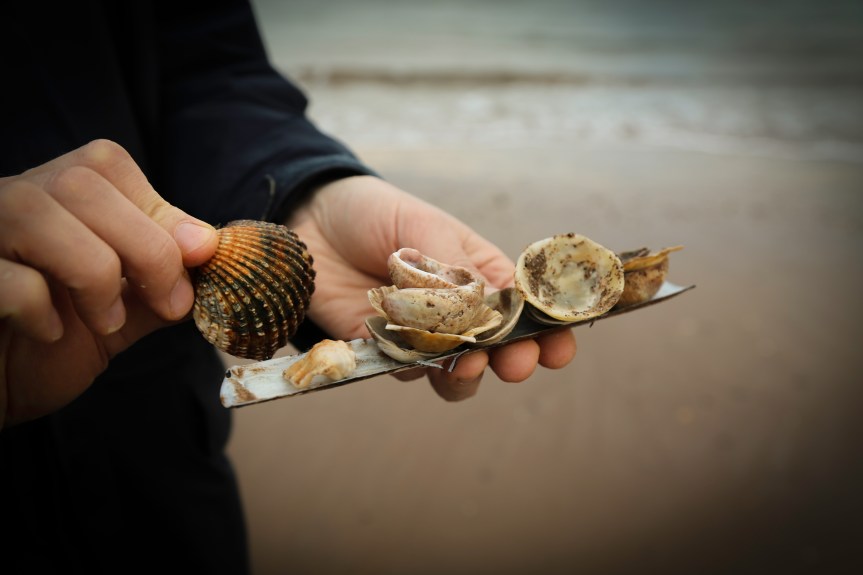
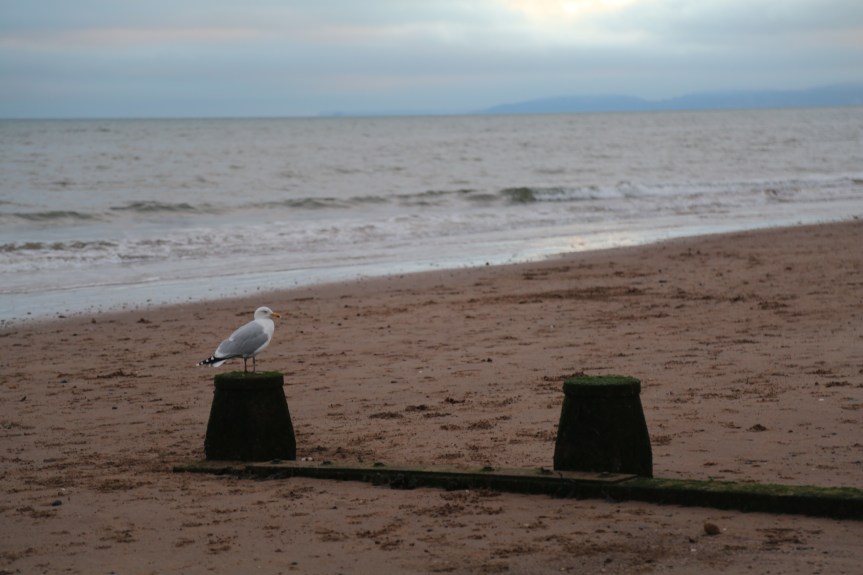


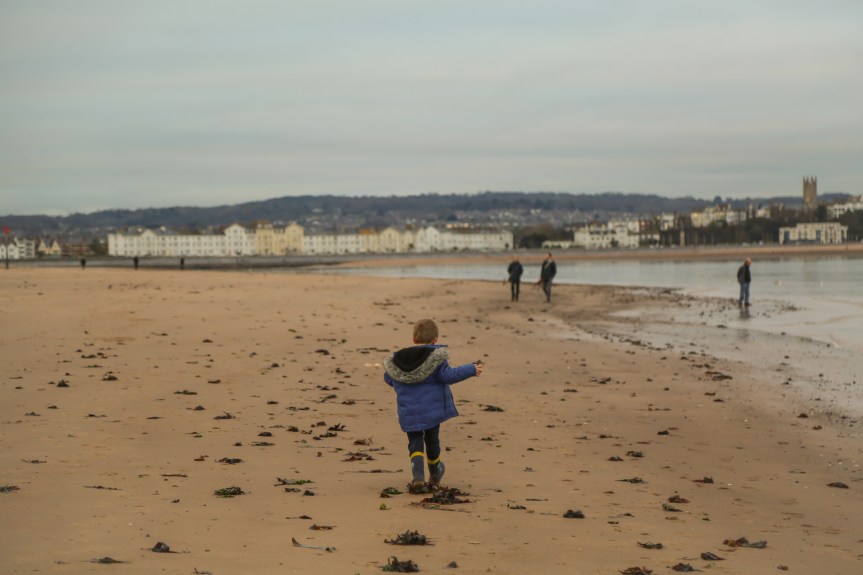
We live in a world that rightly so encourages us to read a lot to our children but research confirms that it’s best for our children when we read books with our own experiences in mind and we continuously make connections between the world on the page and the world around us. So slow down when you read, don’t rush with simple ‘What’s this?’, ‘What’s that?’ but have a conversation with your child, smile, make eye contact and ask open questions such as ‘What did you like most about going to the beach?’, ‘What would have happened if you hadn’t had your wellingtons on your feet?, ‘What was daddy doing over there? And what was grandpa doing?’. For language development ‘the doing’ is as crucial as naming objects. When you talk to your child make sure that you use many verbs (for some reason we like to focus on nouns only) as they help your child build sentences and aid storytelling. This book below is brilliant and I wish we had read it and talked around it (with verbs) when my son was smaller. It is a great introduction to various themes and topics and a great memory trigger. I strongly recommend it for those of you who speak Italian at home.


Disclaimer: This is not a sponsored post. I recommend the book out of my sheer appreciation for it.
If you’d like this post, please share it.


 Postcards Without Stamps