It’s no longer only about buying nothing new

painting

February is over and as promised I haven’t bought anything new for myself or my son this year. This challenge is really growing on me and my family and I’m really starting seeing and appreciating its influence. In fact, I came to realise that ‘Nothing New’ is no longer only about buying nothing new… it’s much more than this…

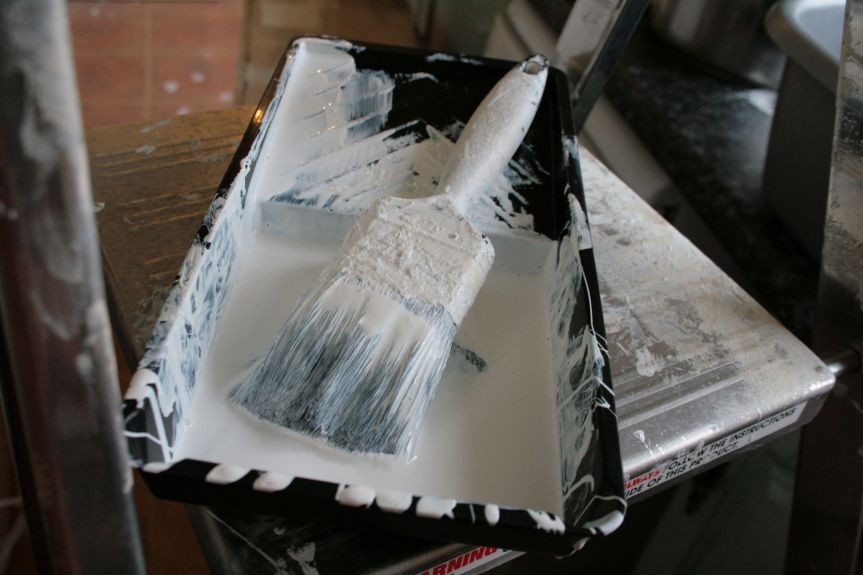
I’ve been following the blog of the original initiator of this idea Sash at Inked in Colour and observing how she’s approaching her challenge. I’m reading her posts and I am often taken aback at how far she takes that challenge… how much she pushes herself to live by her rules. Just recently, for example, she has posted an article about making her own paint. I’ve been painting a lot recently… stroking our kitchen walls layer after layer. Not for a second did I think about making my own paint. It just never occurred to me that I can do it. That there is a way for me to do it on my own.
malowanie23

So thinking about Sash’s post while I was applying the last coat of the paint, I began wondering how many other skills are there that we haven’t developed because we are so used to buying things? How many skills have we forgotten because we shop? Are we not de-skilling ourselves because it’s just so convenient to buy things? The answers to these questions made me look at our different lists (shopping list, wish list, DIY list) and seriously consider if there are things on these lists that I can do by myself or learn to do by myself… and there are of course, quite a few… like making your own yoghurt, juices, jams and breads… and learning to craft home décor and sew.

This year I really would like to make some improvements and alterations to our garden, to make it look nice and neat, improve our herb patch and build a raised bed to grow some vegetables. In the spirit of ‘Nothing New’ I am preserving ‘bits’ of our old kitchen to use them for our garden and I also collected quite a few old-style bricks from our distant neighbours who just a few weeks ago knocked down a wall or two in their house. Last year I would probably have just gone to one of the big chain DIY supermarkets and I would try to find articles for my garden there… this year I am thinking differently… this year I want to be creative with what I have and what I can find and above all I want to do it with my own hands and learn some new skills too. Can’t wait.
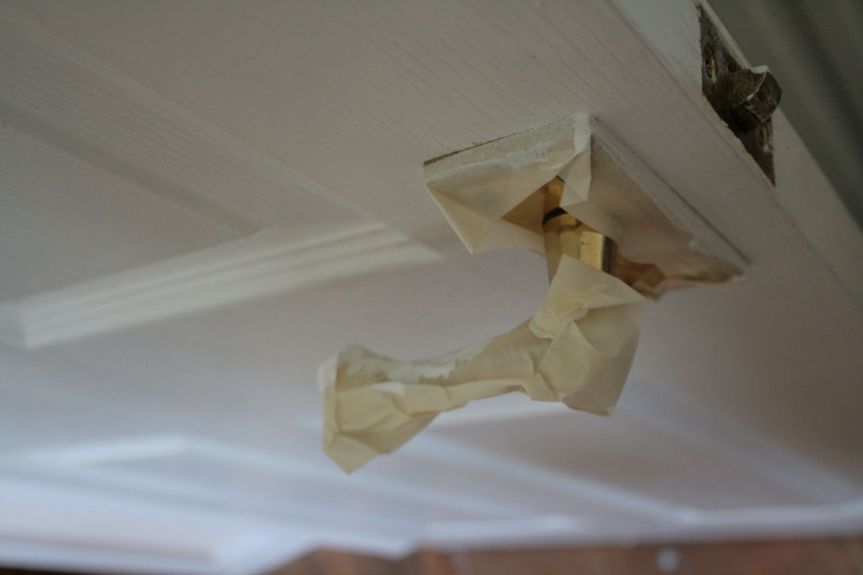
painting the door

The shop with a difference

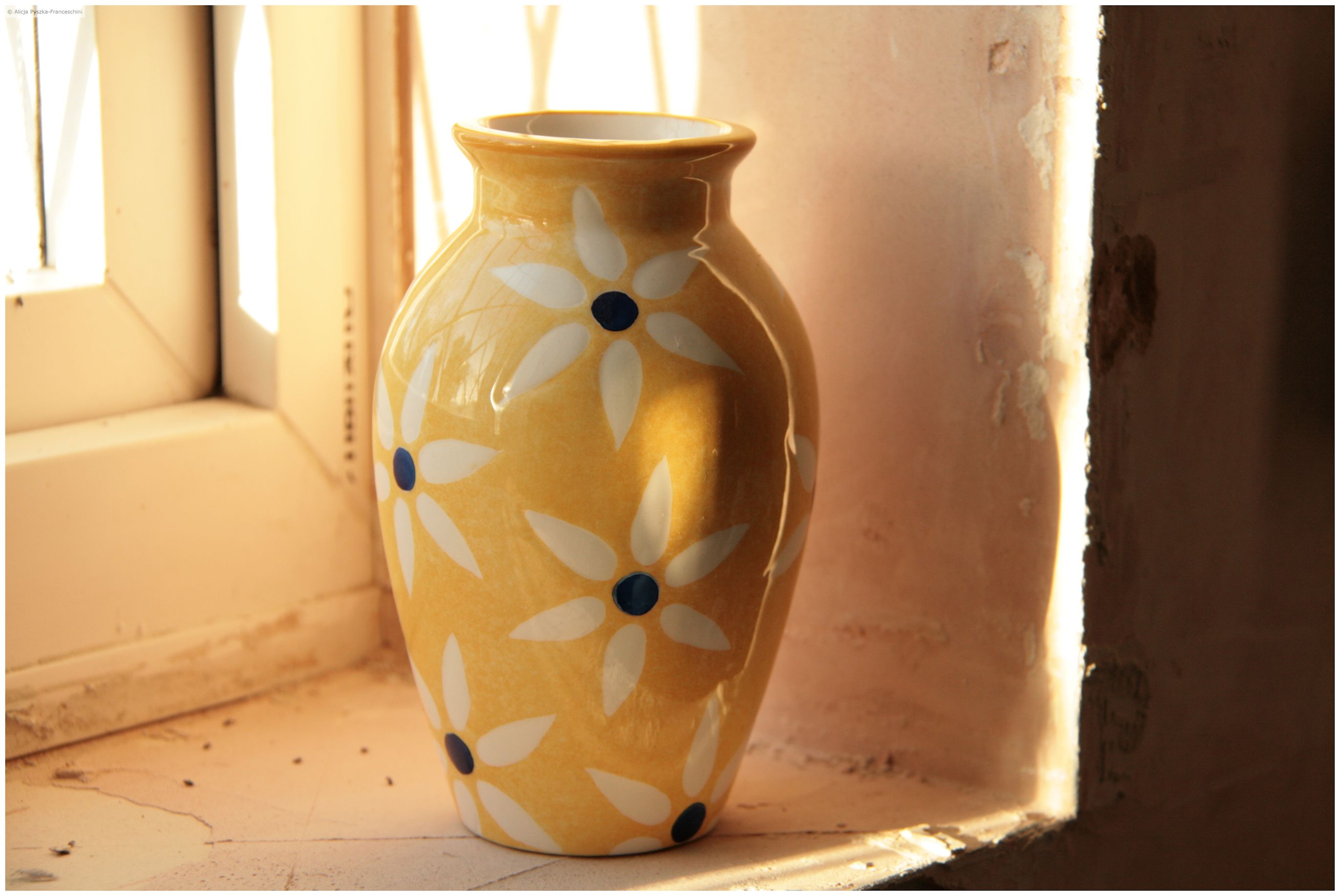
Vase from a charity shop

There are over ten thousand charity shops in the UK. They sell mainly second-hand goods donated to them from any and every generous soul. You just turn up with your bag or box filled with small treasures and hand it over to the person that’s behind the counter. By selling your products, the shop raises funds for its parent charity. Or you can just simply shop there.

There’s a surprisingly large circle of people that are made happy through your give-aways to the charity shop. A) You are happy because you have done a good deed B) Your family is happy because you have eventually removed that unused-and-dumped-in-the-corner irritating cast away of an item C) The charity workers feel less lonely in their quest for good-doing – you provide them with evidence that there is quite a handful of open-hearted characters in their proximity (and how encouraging and uplifting it is to know that your town is full of generous beings!) D) The beneficiaries of the parent charity (no explanation needed here) E) The charity-shop customer who has just found what he has been looking for for ages and just a day before gave up hope of finding it F) The customer’s partner, friend and family that are going to be experiencing relief after the lucky find.

I do have a few nice things that caught my eye while I was visiting the shops. The vase above is one of them. It looks quite nice in our still-not-ready and rough-looking kitchen.

Do you shop or give to charity shops? Is there anything precious that you found there? Or maybe you are planning to visit a charity shop this weekend? What cause do you support?

What Has Happened To This World?

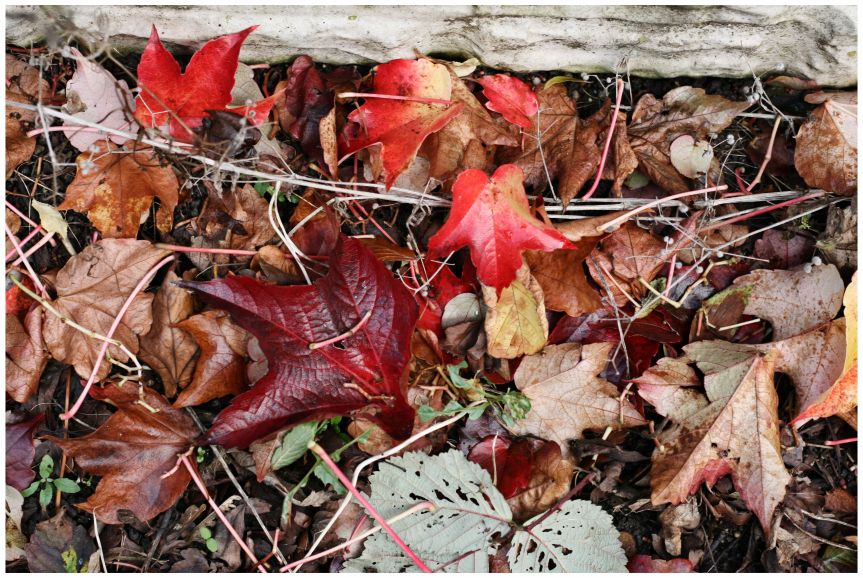
Photo Autumn

Weather-wise, it was a typical day for England. A little foggy and drizzly. I arrived with two bulky suitcases that did not actually contain too much. Some clothes, some shoes, some documents and notes. Most of the space in one of the suitcases was occupied by a massive and very heavy Oxford English Dictionary – a symbol of my dedication to mastering the English language and a continuous and nagging reminder of how much I still need to learn. At the time, this dictionary was the only materialistic possession that really mattered to me and regardless of its weight I had to drag it along with me.

I was never a very practical type. More of a dreamer, adventure-seeker, hungry to see what’s beyond the horizon of my little but picturesque village in Poland, hungry for knowledge and new experiences, always thirsty for doing things by my own, finding out the truths for myself. I wanted to experience life elsewhere with my own skin, touch it with my own hands, enjoy it with my own soul. Just to live and pursue the dream of learning and finding out. Speaking English was not just a symbol of freedom and adventure. It was a swipe card that opened more than one world and enabled me to explore more than one reality. Amazing things happened ever since I put my foot beyond our Polish boarder. I looked after two Nigerian children while working as an Au-pair, wore a pink Thai dress while a waitress at a Thai restaurant, poured Fosters while bar-tending with Australians, celebrated the year of the Dragon with my Chinese students, devoured pieces of Black British writing at university, dipped bread in a fragrant curry while sitting on the floor with my Afghan friends, I sang nursery rhymes in Greek to my son’s best friend and celebrated my son’s baptism with our dearest friends of other beliefs.

But why am I writing this? I’ve been listening to the news and looking at the headlines and I’m getting concerned… it is alarming to see that attitudes against diversity are being promoted and are spreading around the world. For what reason?

The globe has been wounded and scared many times by attitudes similar to those. The trees of our genealogy are witnesses to those events. Many people went through great efforts and reconciliation processes because they wanted to learn to love again. And they did. And they love. And they cherish. And they care. Most of us individually have not experienced severe hatred, we haven’t been exposed to maltreatment at the hands of others – so my questions are: Why are so many hearts around the world closing? Are padlocks in fashion or something?

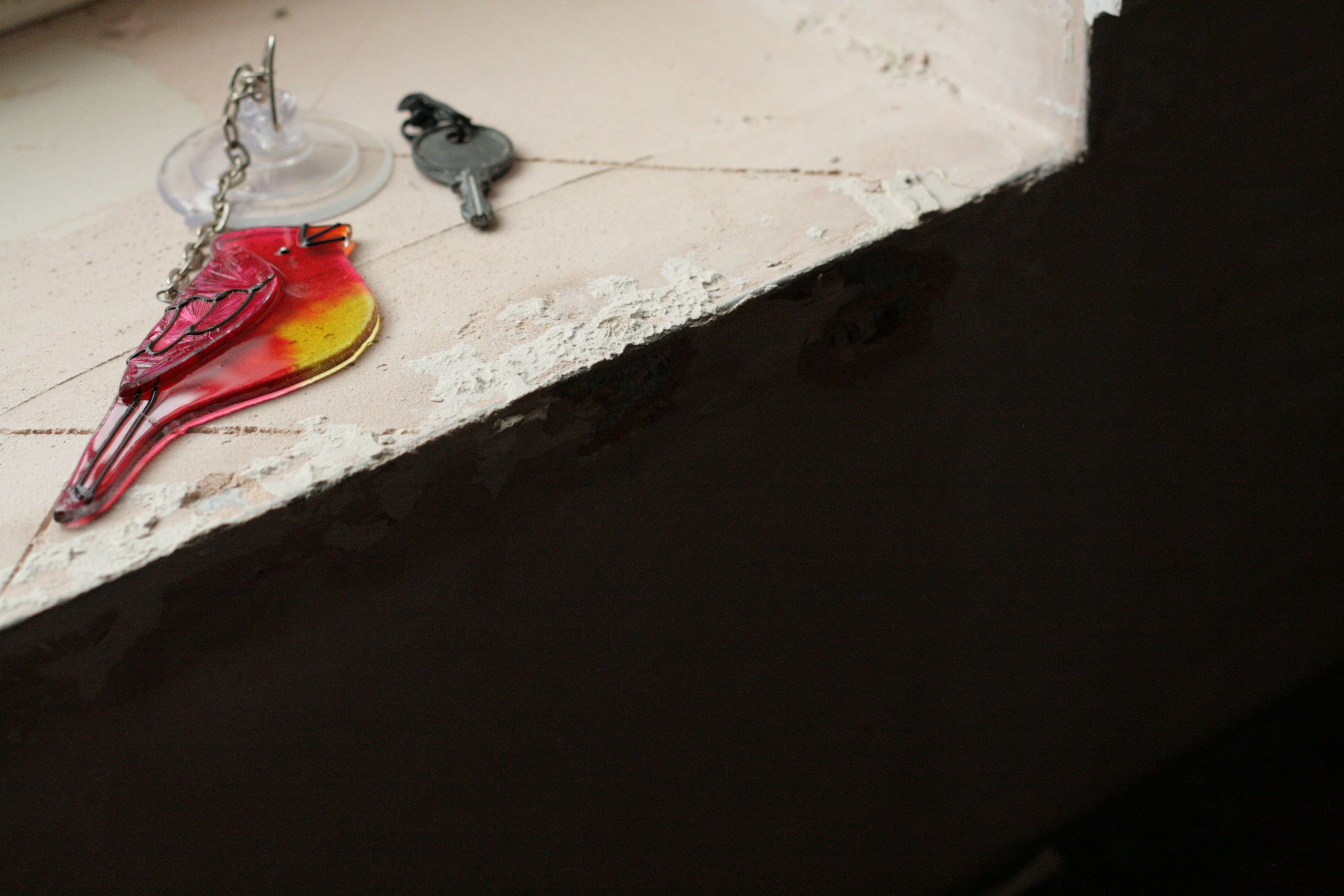
Key

3 Myths That Block Progress for The Poor: Bill Gates’ Annual Open Letter (Link)

Photo

I seem to be coming across very illuminating articles recently. Here is one that is wonderfully enlightening and fully informative. It is a must-read. Please do share it further. It’s good to dispel doubts and clarify confusions: 3 Myths That Block Progress for The Poor – Annual Open Letter by Bill Gates.

Lasting friendships

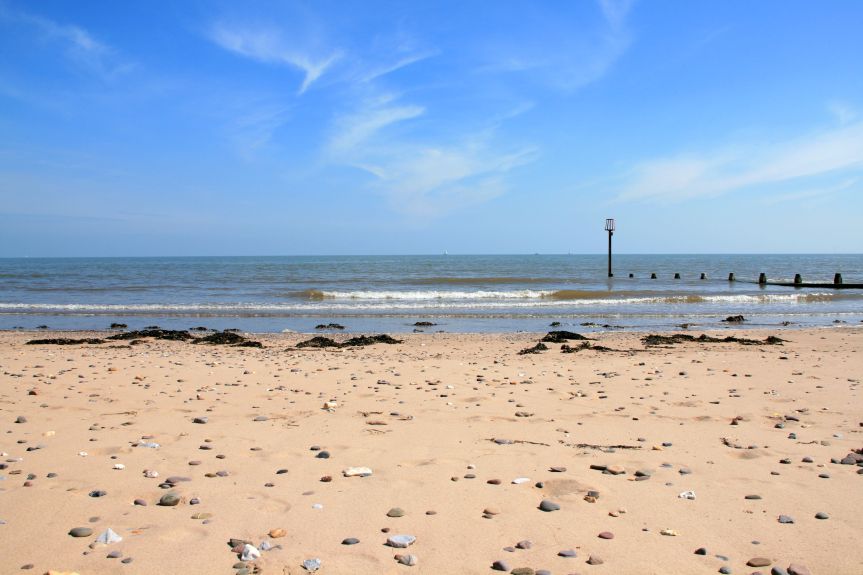
Sea

My friend is moving. To the other side of the big pond. She will take with her caring family, love of beauty and her sensitive and reflective mothering. Her sense of humour, passion for reading and timely wisdoms thrown at me just at the drop of a hat. She’ll move and from then on we will only be able to have virtual cups of tea when the time change or our owl-like natures permit.

This has been happening to me quite often ever since I settled in England. Different characters and personalities cross my life and our living room, share with us their life events, moments of joy and sadness, jokes and frustrations but eventually venture further to explore different realities and live different lives. It’s difficult to nurture those friendships… divided by space, time and daily routines. We try though… by emails, cards and messages sent now and again, occasional get-togethers, chats and phone-calls… because we miss them, those exchanges of common interests and problems, being part of their lives and their contribution to ours. It often takes to be removed from one’s reality to understand how valuable and enriching our relationships were… how much we’ve been learning from them and how much of a better person we became through them.

When I moved from Poland and decided to study here, I was missing my friends so so dearly. All of them… and you know what… this feeling hasn’t changed. I still miss them. They are still in my thoughts and they are still my reference points, I still see myself somehow in them and through them… starting from those in my primary school through to those that I met at later stages of my education and through various other experiences. I just think that it’s impossible to forget a friend. Lose touch with, yes, that’s possible but forgetting is not. And I think that often this is what we are afraid of, of being forgotten, or of being not loved by them as much as in the past. And perhaps they fear that too.

I met once a very eminent senior academic and had a chance to have dinner with him. Over a plate with nice hot food and glasses of wine, he told us stories… of his friends. His whole conversation was filled with friends. You very quickly realised that they were his focus and his life and what a wonderful focus to have! I expected (and feared slightly) a conversation laden with reflections on politics, literature and history or a strong focus on his academic work but no… as he was reminiscing with a pause to smile or laugh, it was becoming more and more apparent to me that this man is just living, breathing and enjoying his friendships… he was with those people mentally as much as he was physically with us…. he loved them dearly… and that love surpassed the distances that he had travelled.

There is a term in psychology called ‘mirroring’ and it refers to us subconsciously (or consciously) copying of gestures, language and emotional responses of others during our conversations. Apparently we tend to see people who mirror our emotional responses as more empathetic. [Therefore this ‘technique’ of mirroring is frequently recommended to parents who want to build a good relationship with their children… not to reject or disregard the feelings but to mirror them.] I am thinking of my close and long-distance friendships and I can see that yes, regardless of the distance, changes in our circumstance, developments, perhaps this is what we still want from our friendships and friends… to be able to ‘mirror’ us somehow. If sharing and being part of daily struggles is not possible, what else remains for us to do?