

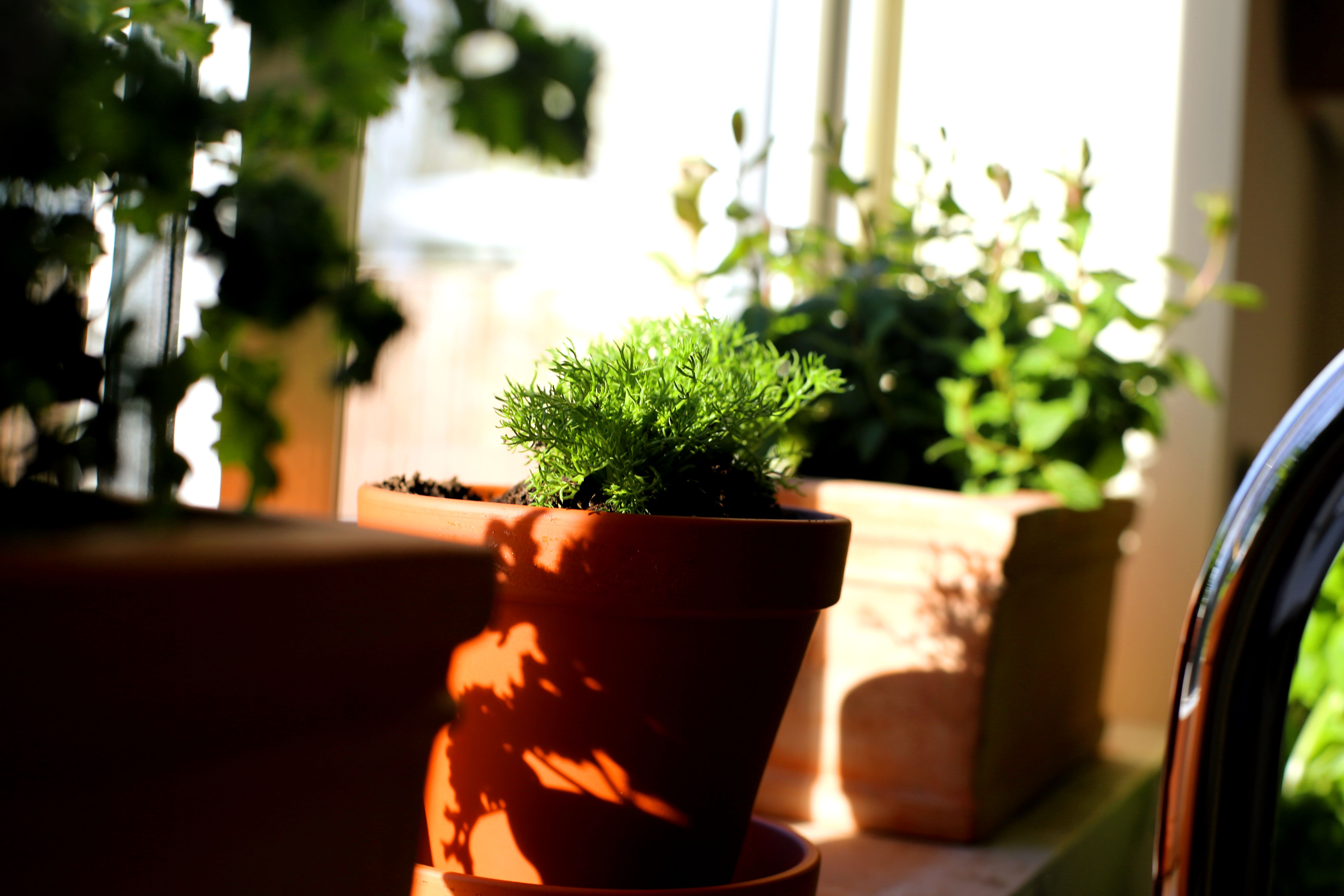
 Have you ever heard about the philosophy of edible cities? In the name of this ideal, owners of small flats and houses fill their windowsills with pots of chives and parsley, change their lawns into vegetable patches and fill their hanging baskets with tomato vines. It’s a great and straightforward way of bringing back THE REAL FOOD to your doorstep. No foil. No plastic. No packaging. Just the pure food produce pulled from the soil, your soil, and as organic as you can make it.
To me, a girl who grew up in a village with a big vegetable garden in the backyard, orchards and cold stores full of plums, apples and cherries, there is no other way of living in a city than making its surroundings edible. I need nature to feel grounded and I need contact with soil. It’s humbling and enabling at the same time. Humbling because the growth does not always happen, enabling because often it does and then you feel that you are more than just the manager of your pantry.

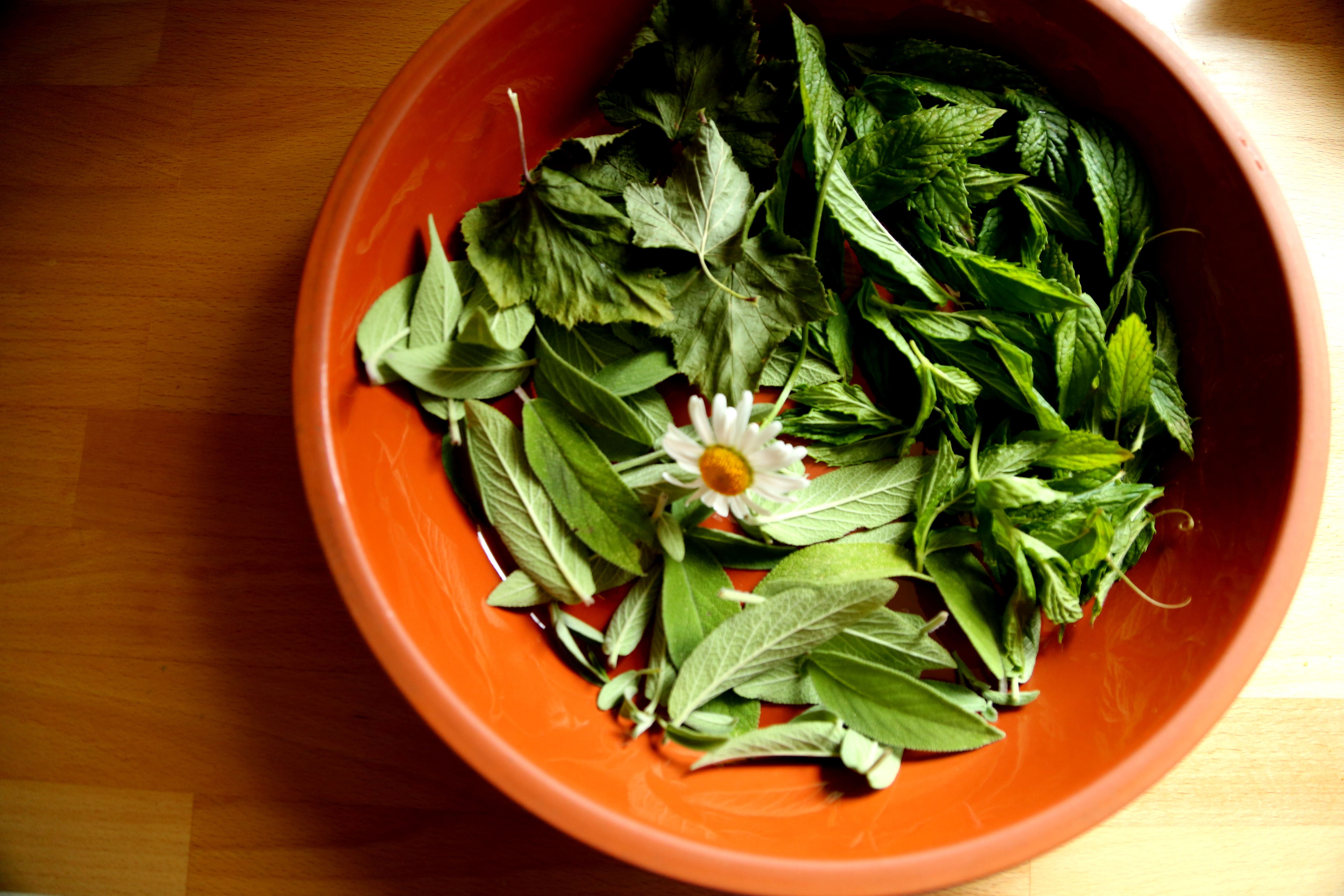
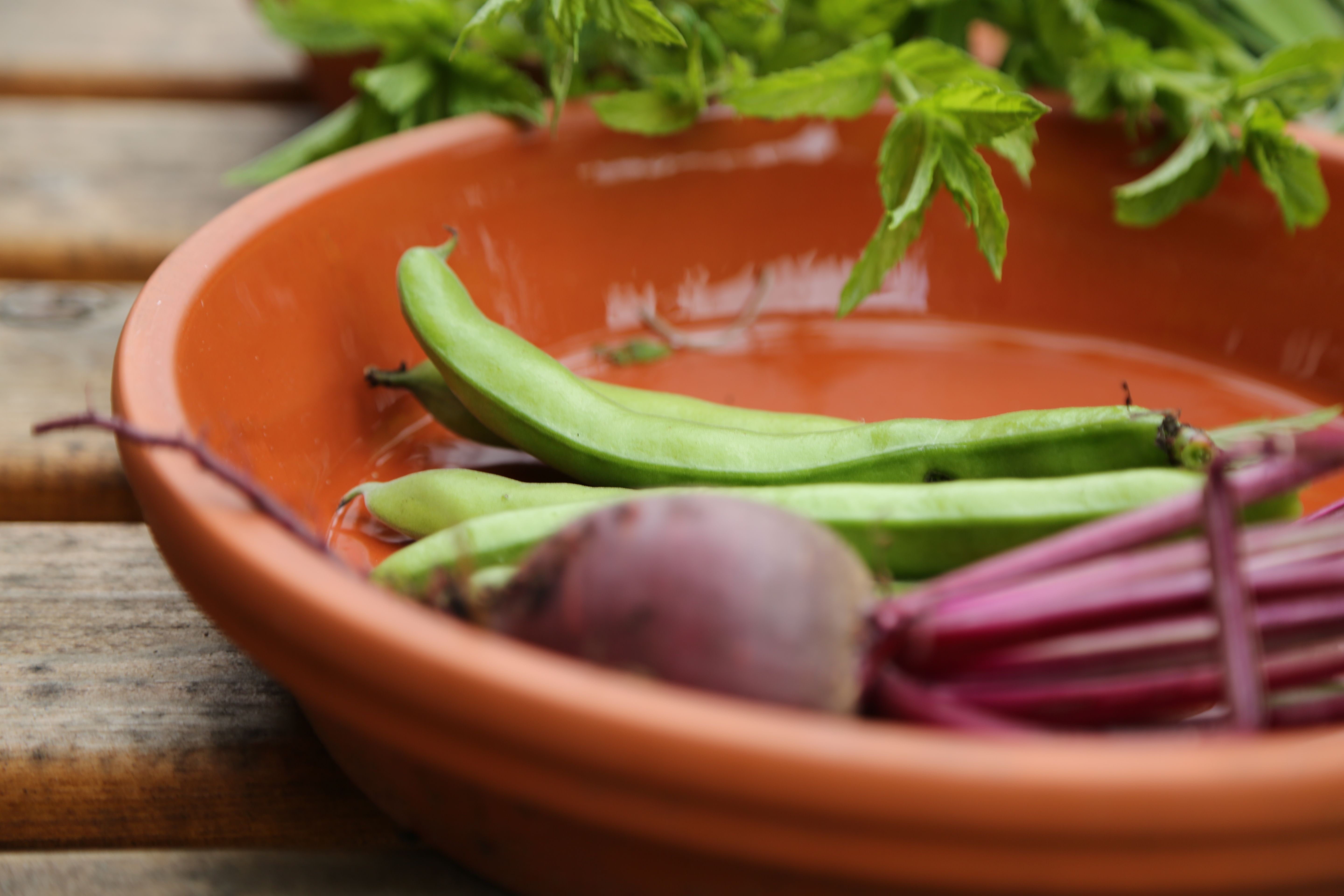
We’ve made a few changes in our garden this year to grow food, we have made a raised bed out of a tree that had to be felled due to its trunk forking out and we planted two small apple trees and blackcurrant, raspberry and blueberry bushes. Cherry tomatoes and small chillies are reddening in the sunnier parts of our garden. Some of our beetroots and broad beans are ready for collection and consumption. Herbs are abundant.
We had our problems. Things dried when we were away. The cucumbers just refused to grow. More than a few leaves have been eaten by slugs but to me this is an insignificant obstacle. Living in a city is not a problem either. I don’t see myself as limited by location. It’s just about getting the timing right and then learning as it all grows.
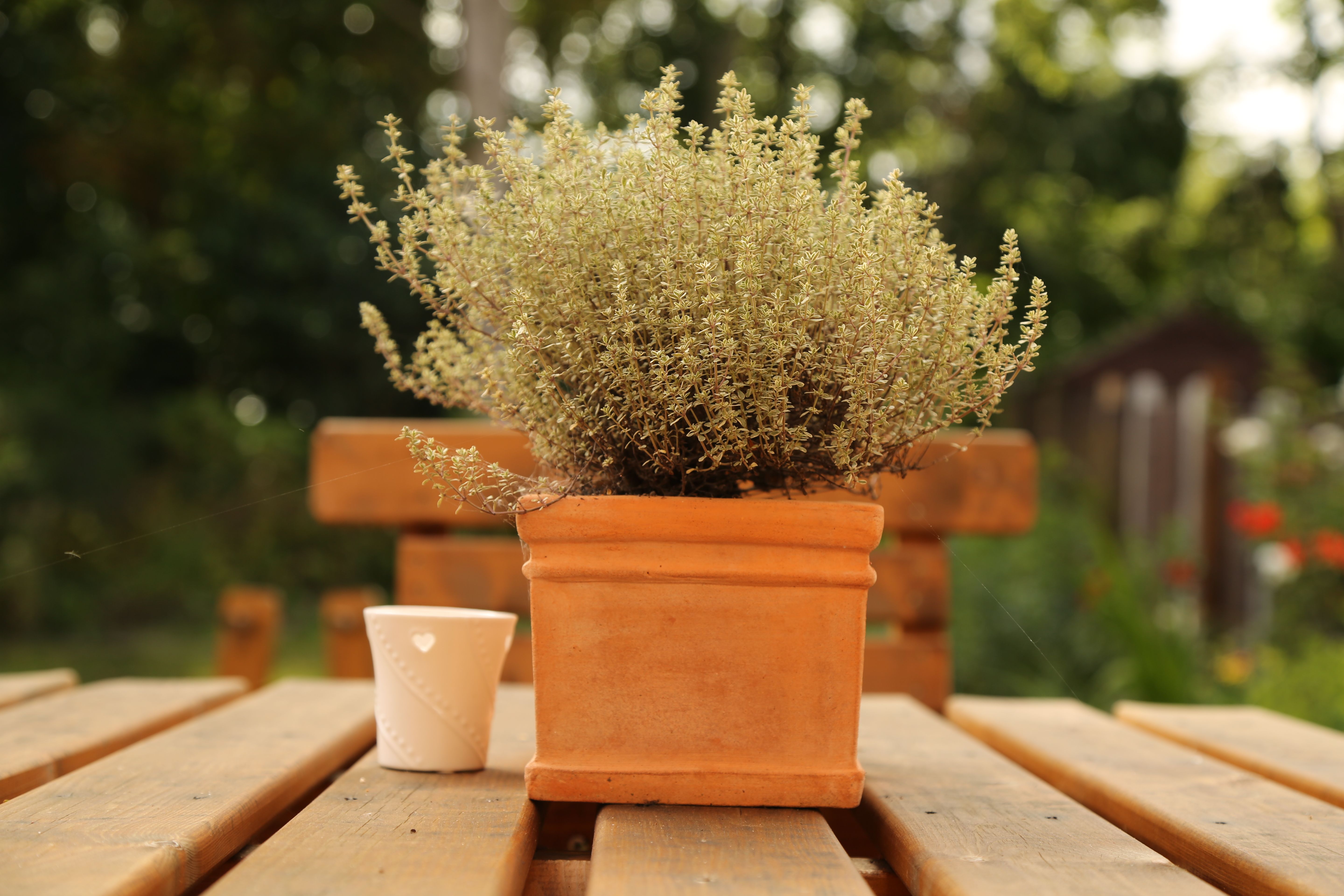


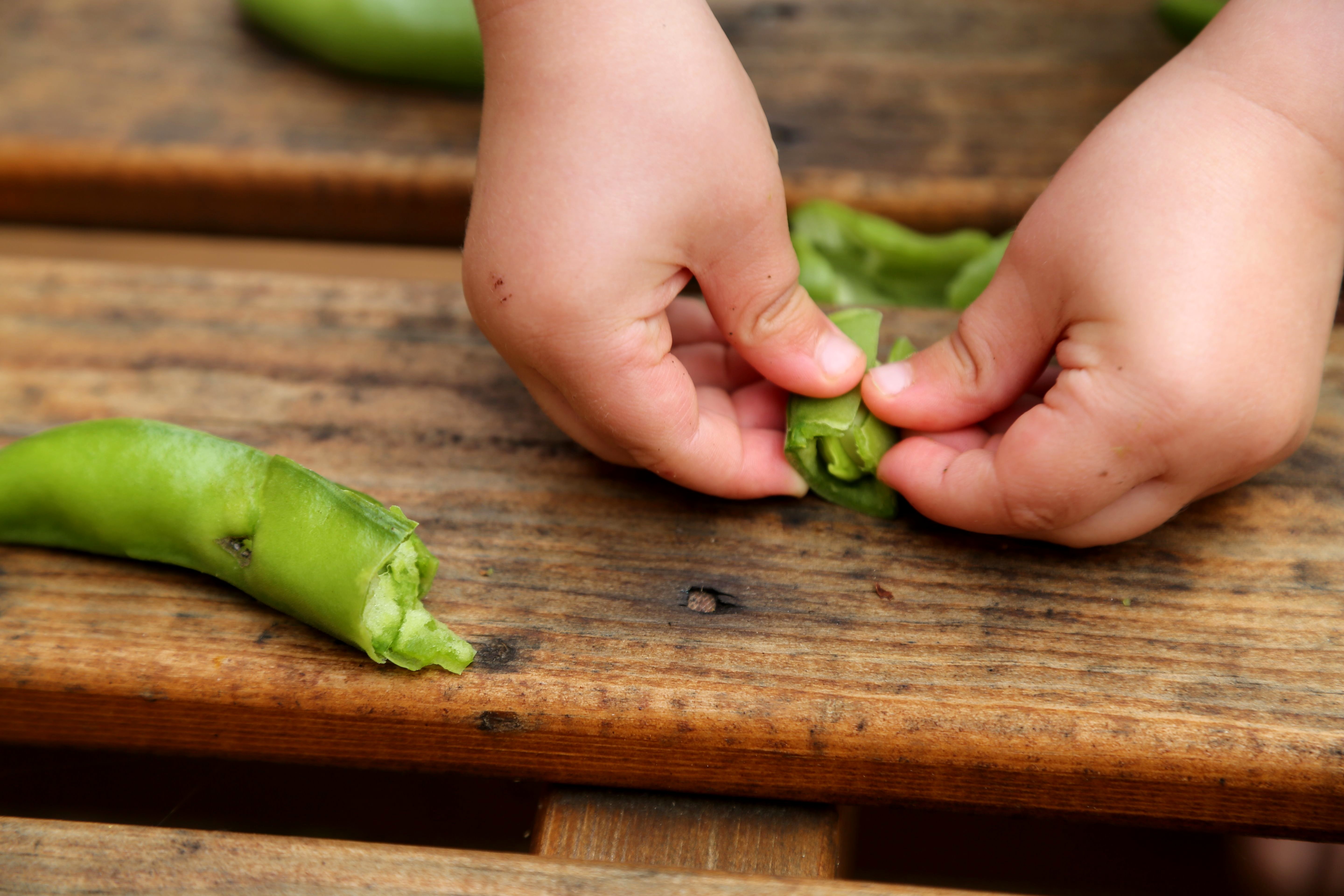
My son is a very eager grower and an absolute real food lover. He loves helping around the kitchen and the garden. He likes to play with food too, e.g. by taking broad beans out of their shell and then putting them back. And these broad beans… wow… once they are lightly cooked, they are divine. And the smell of the herbs in the kitchen is just wonderful. Just when we cooked some of our vegetables for dinner this evening I thought that one of the reasons for growing your own food is to remember what fresh produce should smell and taste like. It’s partially to have a benchmark against which you can assess the quality of food. Personally I am not enamored with supermarkets and I hardly ever shop there for food. Human contact is too precious for me and so we shop at the market or small independent stalls and stores. We rely on my greengrocer’s great fresh food produce.

 It’s my greengrocer, some of you fellow bloggers, and my parents of course who remind me that we are not only consumers, but also growers and creators, capable of influencing our surroundings. If we always choose convenience, we become so one-dimensional, so plain and flat in knowledge and experiences that we are no longer… interesting.
Say no to convenience. There is always some space between flowers for some lovely food. I am happy that I didn’t get discouraged by last year’s garden failures. We’re definitely are going to grow more from now on. It’s just really really rewarding. I hope you’ll try too, will you?

 If you would like to read more about edible cities and permaculture, read this book: Edible Cities: Urban Permaculture for Gardens, Balconies, Rooftops, and Beyond by


 Postcards Without Stamps