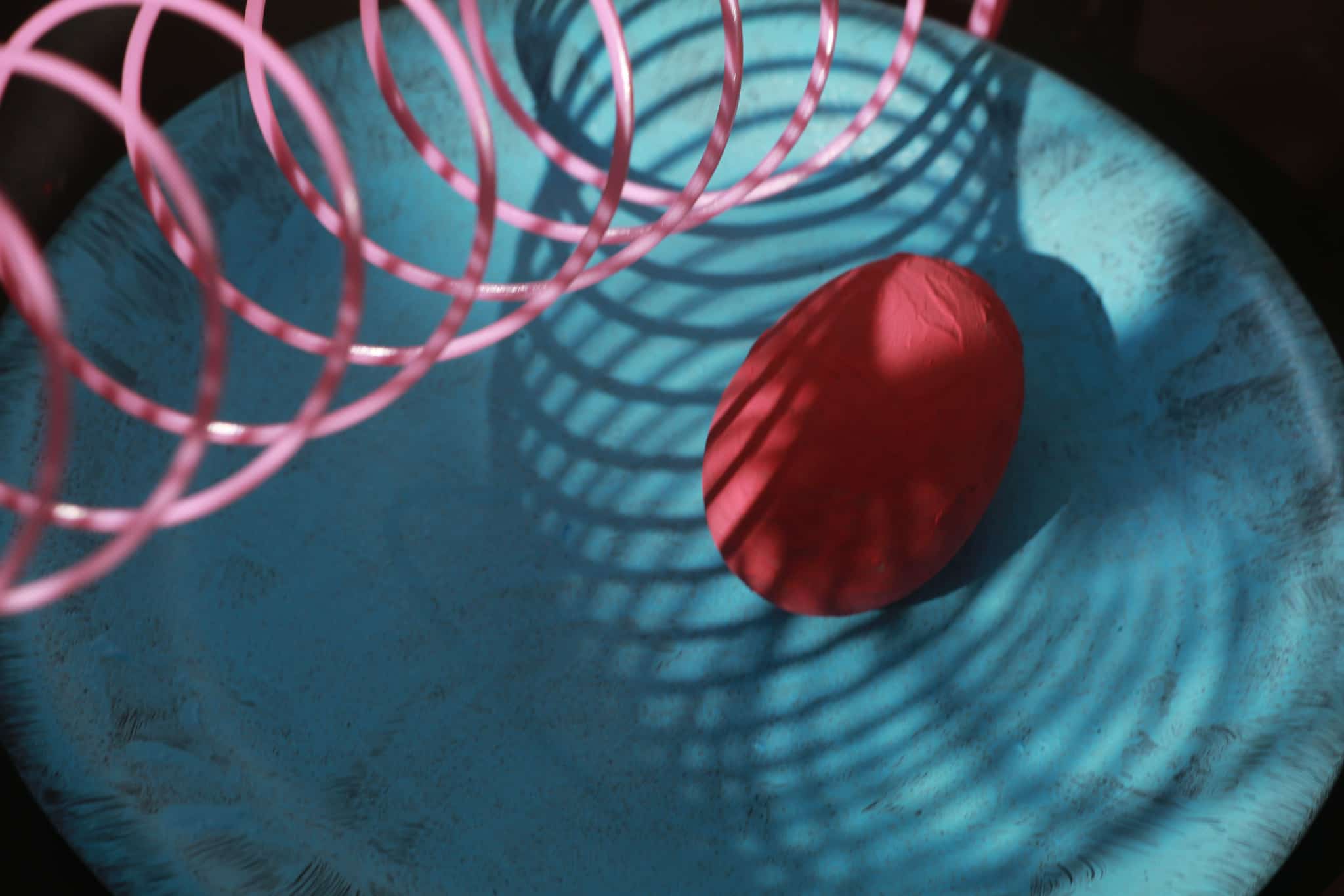
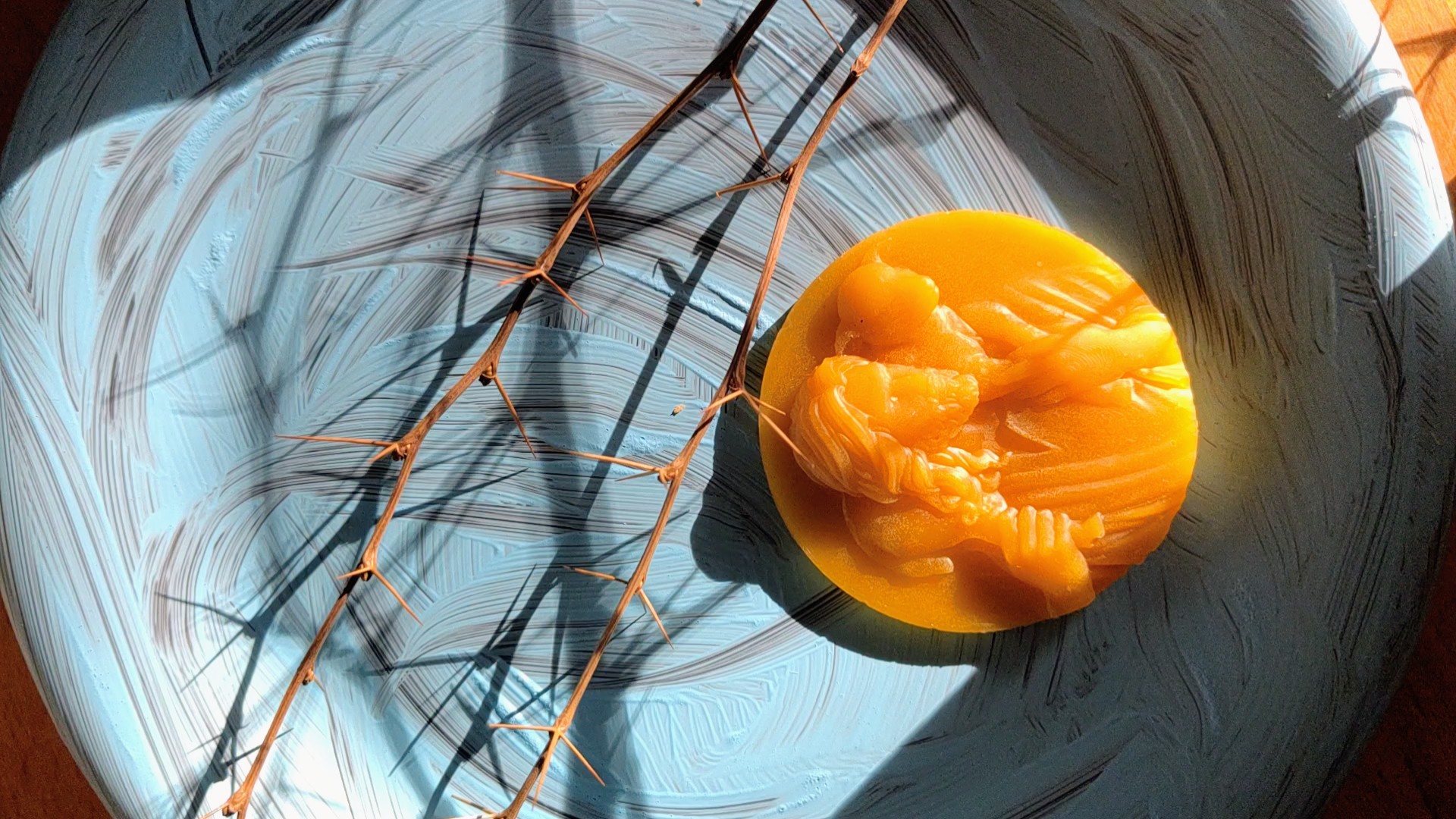
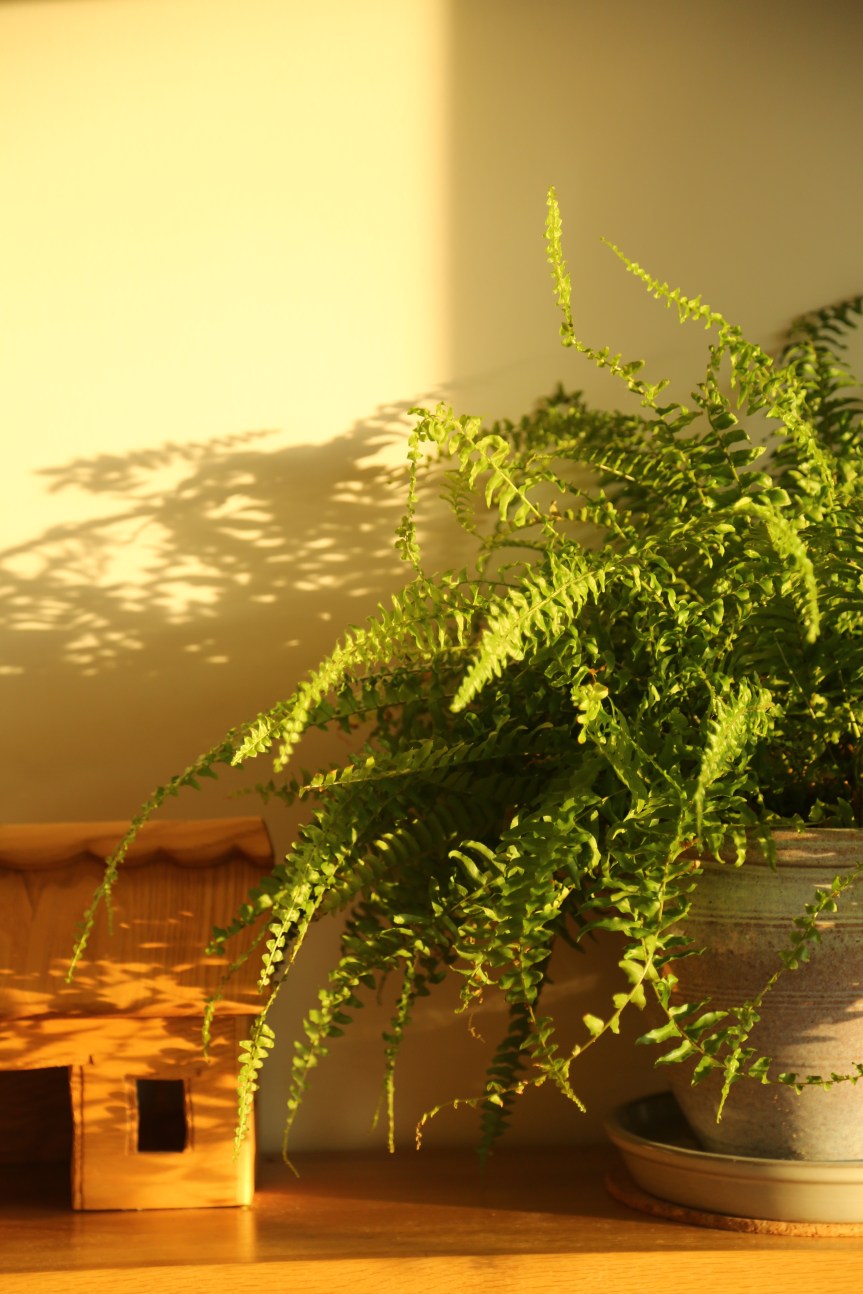
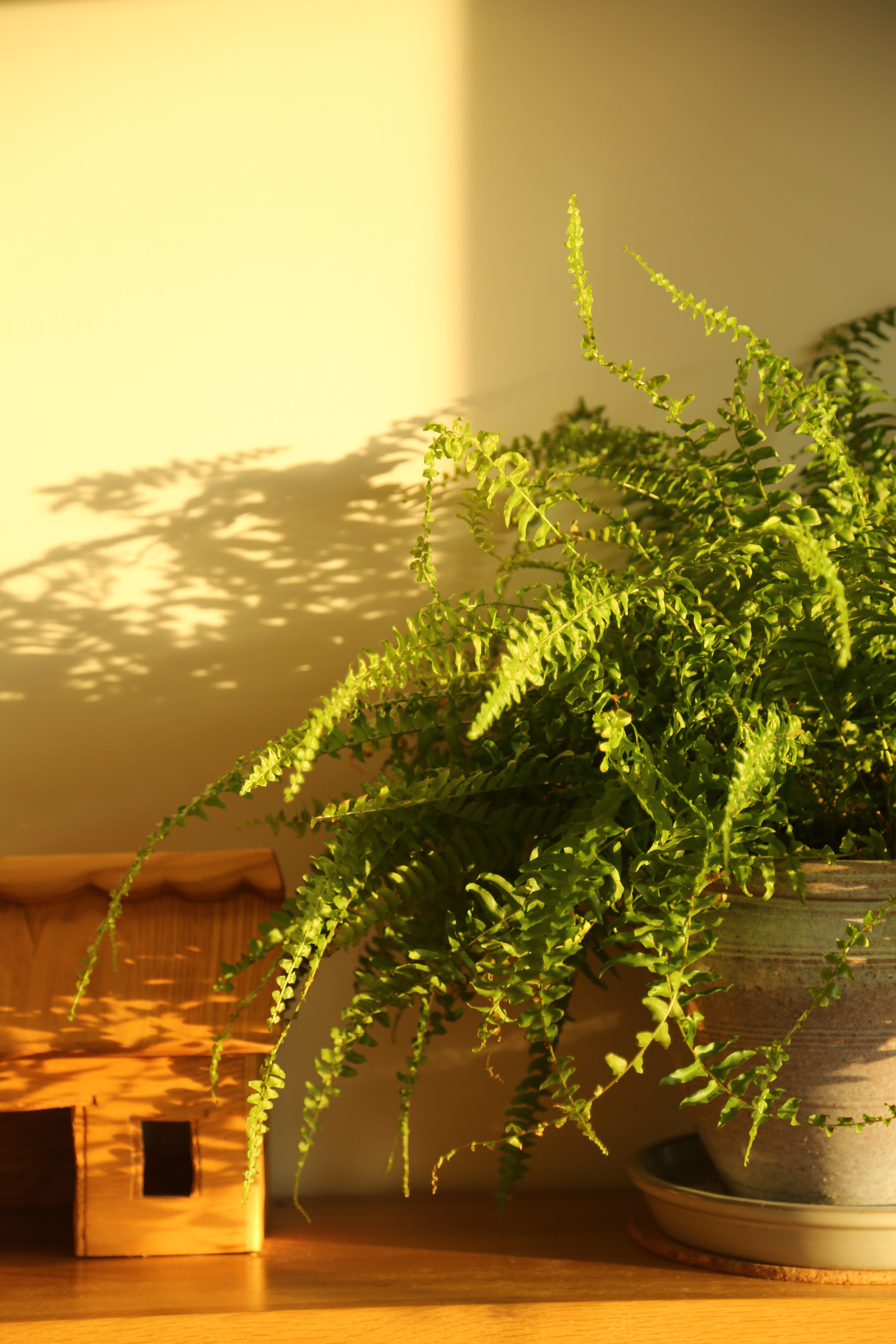
It’s been around Easter when we played around with my daughter with painting plates, melting bee’s wax and dropping shadows on different textures. We enjoyed it all and making different arrangements with different colour combinations. It was a playful and joyful time together.
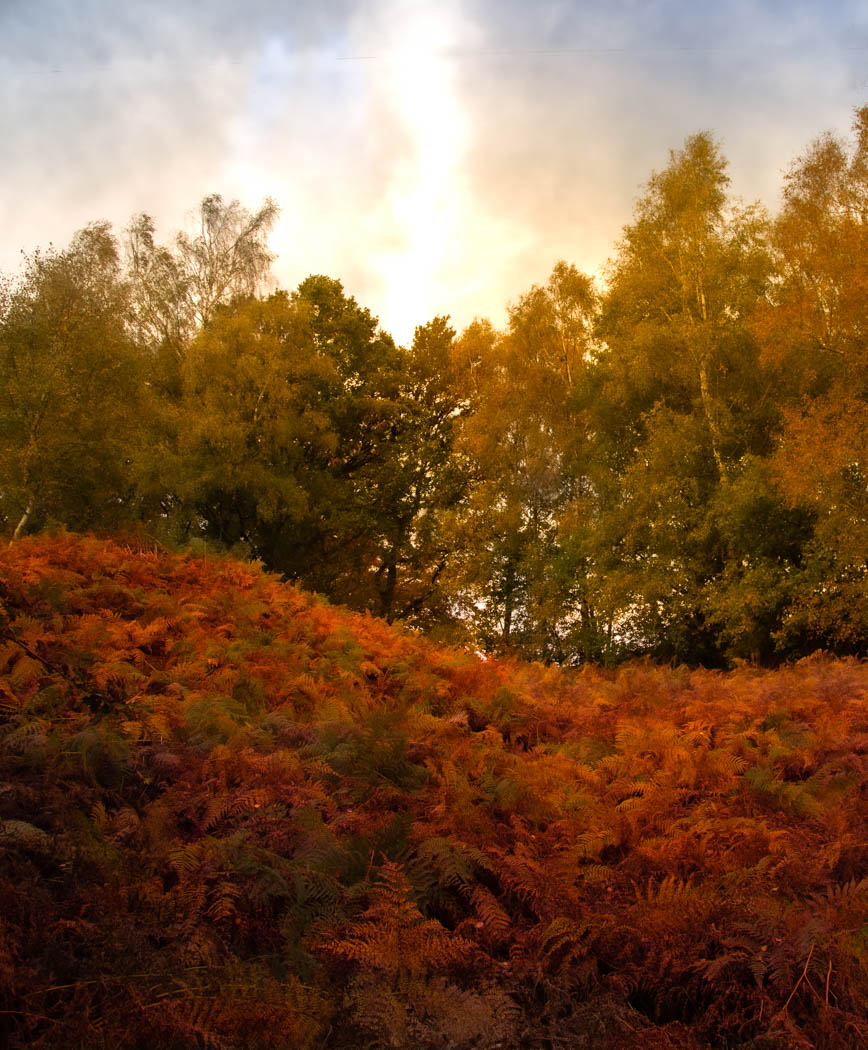
I feel my internal batteries are a bit discharged today as the week days were long and intense but I hope you will find the photographs energizing and inspiring. Can you spot a bunny in the last photo?
One of the things that I do with my daughter is painting. She is 6 at the moment and loves creative expression. To talk about colours, mixing and cleaning brushes covered with oil paints, we sat down at our dining table, lied down a huge white canvas and painted together with old dry and new brushes, wooden blocks and all available fingers and tools at hand. After the session at the table, we hang the painting, took a photo and edited the screenshot in a photo app on my phone using available filters and tools erasing parts of the photo, smudging it or camouflaging some elements of the photo. Talking while creating is very natural to us so we were able to create a nice conversational flow focused on filling up the empty canvas. Try this too and show us your creations. 🙂
Jedną z rzeczy, które robię z moją córką, jest malowanie. W tej chwili ma 6 lat i uwielbia twórczą ekspresję. Aby porozmawiać o kolorze, mieszaniu, czyszczeniu pędzli z farby olejnej w zeszły piątek usiadłyśmy przy stole w jadalni, rozłożyłyśmy ogromne białe płótno i pomalowałyśmy je razem używająć starych i nowych pędzli, drewnianymi klockó i wszystkimi narzędziami, które miełyśmy pod ręką. Po sesji przy stole powiesiłyśmy obraz, zrobiłyśmy zdjęcie i edytowałyśmy zrzut ekranu w aplikacji fotograficznej w telefonie za pomocą dostępnych filtrów i narzędzi wymazujących części zdjęcia, rozmazujących je lub kamuflujących różne elementy zdjęcia. Rozmowa podczas tworzenia jest dla nas bardzo naturalna, więc udało nam się stworzyć przyjemny przepływ konwersacyjny skoncentrowany na wypełnieniu pustego płótna. Gorąco polecam wszystkim.
Zachęcam do eksperymentów i pokażcie nam swoje prace!
Pozdrawiamy,
Alicja Pyszka-Franceschini i córka Gabi
First published by my on my other site: Accomplished Squirrel dedicated to multilingual communication.
We are all at home today doing jigsaw puzzles, listening to this relaxing music for children and experiencing some magic on the screen. It gives the room a warming atmosphere and it gives a festive touch to the living room bringing the fairy tale land inside the house.
‘Look mum, what I’ve done?’ our 5 year old said feeling a bit better today albeit still quite feverish. She took clear tape and wrapped it around a piece of card. ‘Look mum, I have a wiping board now.’ We practise writing and drawing on it and it was brilliant. Yesterday, she took a hoop and danced with it around the room to piano music, fluey but determined that ‘bed rotting’ is not what she would succumb to. Have you heard about it? In essence, it involves idling around in bed with food around watching videos, flicking through the phone or watching TV series and it is an increasingly common form of rest. Not necessarily the most helpful to our nervous systems long-term but it’s easy to understand the allure of it. (You can read about it here. The article is in Polish but Google can translate it for you.) The term itself, however, seems to me like a good blocker to excessive indolence. I hope our 12 year-old will embrace it in his lingo.
There is a pink silicone pig walking on our floor right now.
‘What do you like most?’ I asked my 5 year old.
‘Mum and pizza’.
‘And if you had to give up Mum or pizza, what would you give up?’
‘Play. I would give up play.’
Children are smart. Their instincts rule. They rely on their parents for survival and they rely on food for survival and when faced with a dilemma, they will most likely give up what brings them joy. And I guess that is why there is a pink silicone pig walking on our floor right now.
It’s funny. It’s loud and it has the biggest and the most loving eyes, I’ve ever seen. It makes us laugh a lot by being a keynote speaker at the dining table designed to revitalize our instinctual goofiness. We become as silly as it is by imitating, of course. You just cannot help it, can you? The pig honks, you honk. And so it goes.
What made you laugh this Christmas?
I wouldn’t have got the pig years ago when I was doing the Nothing New project or years later, but now I give in, perhaps too often, in order to remain sane and find internal balance between different societal requirements, personal values and competing ideologies that surround our thinking. I justify the not-so-environmental purchasing choices by ‘wanting to get to know my daughter’ but perhaps it is not the best justification or rationalization to have. Surely, there are hundreds of other ways to get to know her. But maybe it is also the way?
Have you ever watched The Fiddler on the Roof? The main character, Tevye the Dairyman is often torn between choices and decisions to make, mostly whether to allow each of his daughters to marry who they want or not. His internal dialogues are characterised by the phrase ‘but then on the other hand…’ He keeps on weighing the pros and cons of every choice and decision giving in either to the pressures of the outside world or his own feelings about the situation. He calculates. The rights, the wrongs, the benefits and potential losses. Don’t we feel similar today with all the array of choices that we have to make about our ways forward in life and our children’s wellbeing. We want to make a difference in their lives and for their futures and then we are like Tevye… ‘But then on the other hand…’
But then… the reminders or signposting of what is right for them come from our own children.
‘What should I do with my wedding shoes?’ ‘Should we give them away?’
‘Mum, could you keep it for me and then my daughter can have them after me. This would be nice.’
Children don’t always want to discard what we have. They don’t always want to have new things. They often appreciate things and what they appreciate they want to last.
How have you been lately? We are in the National Tree Week in the UK right now and it seems utterly wrong to me not to acknowledge it. In the simplest of terms possible, trees keep us going, don’t they? To them and because of them. Sometimes it is their depth that invites us, other times it’s their shadow. Kind enough to overlook our mischief, tender enough to sense our sadness, generous enough to handle our joys. We return energized after reconnecting with their and our essence. We become ourselves and I guess that British English informal saying ‘To be out of one’s tree’ (meaning to behave somewhat crazy) is to a large extent an indicator of our reliance on trees for long-lasting sanity. It is a shared feeling, isn’t it?
Well.. to give trees and our connection to them a just thought and an appreciative stance, I wrote a few verses for this week and read a few pages of The Power of Trees by Peter Wohlleben to get myself into the topic. It is one of my favourite texts on trees and a consistent inspiration for me as the novel that I am writing is primarily based in an ancient woodland. Alfred Wainwright, a British walker, illustrator and the author of A Pictorial Guide to the Lakeland Fells, gave himself 13 years, if I remember correctly, to finish his guides, I haven’t given myself that much time but my novel finds it hard to become a coherent piece. Nonetheless, I plan to finish it by the end of July 2026. It is a labour of love and I would like it to stay so. Are there any texts among your favourites that speak of trees and forests?
After I wrote the post about The Gita for Children by Roopa Pai, a few amazing things happened. One event led to me receiving the original Gita by post from someone. We were also invited to a lecture on the differences between Christ and Krishna (photos soon). I embraced it all because sometimes The Essence wants to come to us through multiple channels. I know that the Gita takes nature seriously and I am very curious of its approach to it. After all, our spiritual lives are one of our primary influences in shaping our ecopsychologies and our mindsets for scarcity or abundance, gratitude or non-recognition.
Hello you, Tree.
Make us See.
That without you,
The course of life
Forgets to breathe
And goes wrong ways.

Through the dungeons of politics
As dense as a carved slice of fog
Placed in a jar of uncast votes
That suffocate the future.

The tree, oh comfort and respite.

It stays potent and flexibly solid
With its roots extending to neighbouring hills
and branches simultaneously strong and tender
protected by years of genetic experience
against the utterly predictable
forces of chaos.

The tree sways
and it is its strength.

Chaos reigns
Itself out of recognition.
And it is its catastrophe.

The tree makes only one promise.
To grow
It gives you oxygen
In partial compensation
for space taken.
As if it had to…

Furniture, instruments, books, crayons, utensils
Firewood, bird-nests, frames and sledges
are the givens
within but in fact beyond expectations.
This is how the tree excels
Even after death.
If you like being inspired by woodland photography, see Nigel Danson’s Gallery for woodland and landscape photography. The gallery feels like a gentle massage for the mind and I can assure you it will be one of those moments of giving oneself some caring love to look through Nigel’s photos. They are great pieces of art. Enjoy them.
And let me know, how you are, will you?
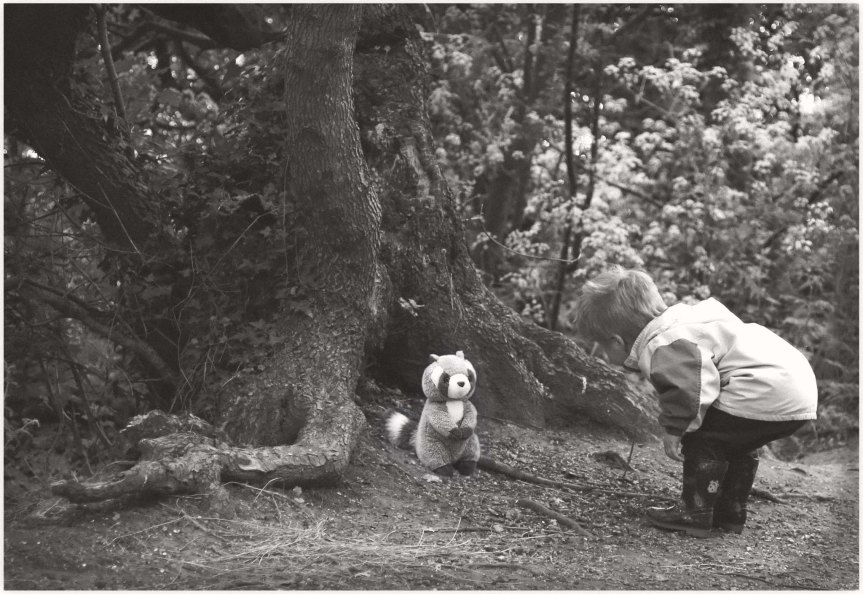
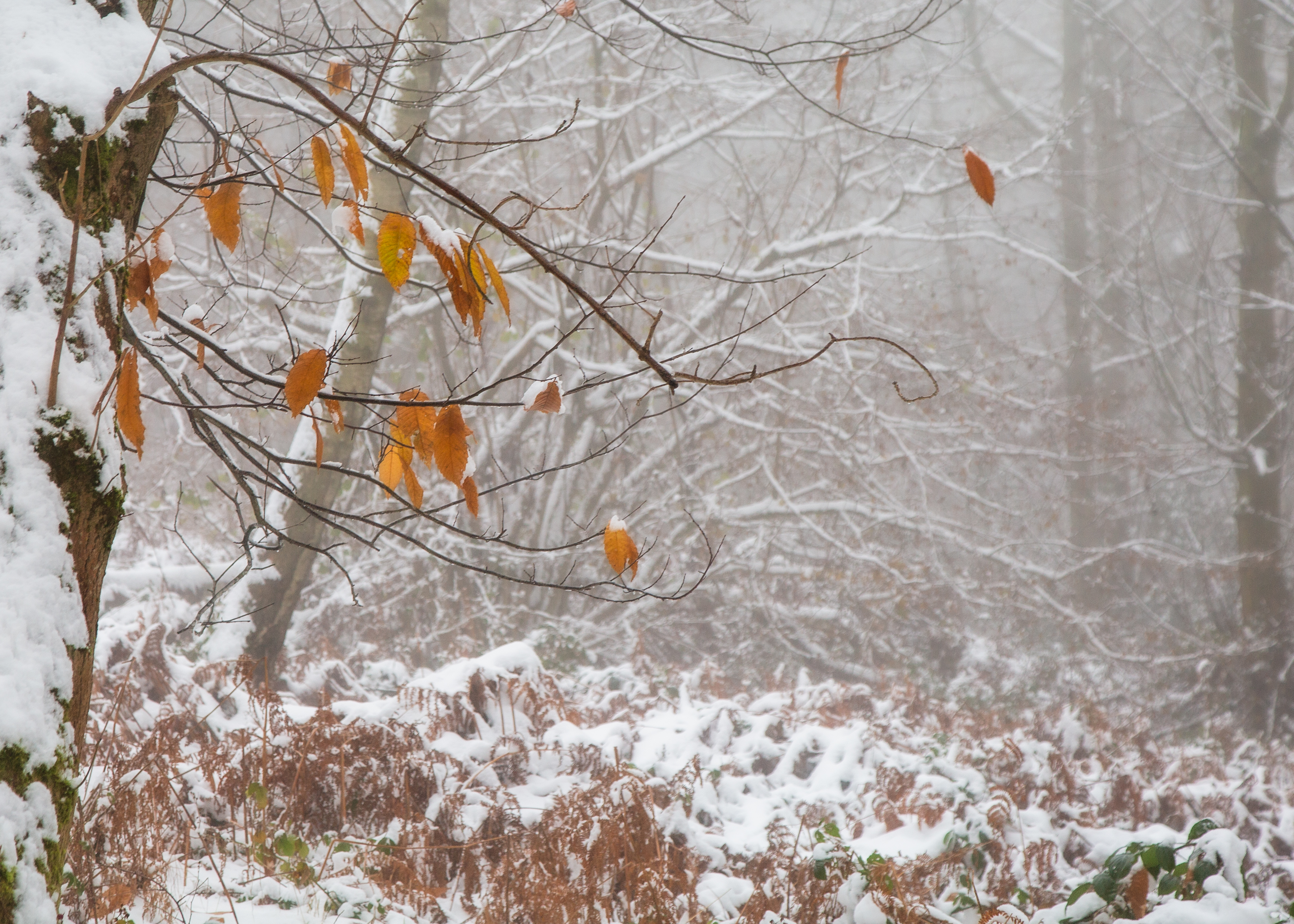
The photos were taken in The Birches, Ambergate, Derbyshire as well as in our local park in Derby.






 Postcards Without Stamps