So you want your child to speak Italian.. Important advice on combining reading with experiencing.

mare56J8A9995Dawlish Warren_Postcards 3bw (1 of 1)Dawlish Warren_Postcards 1 (1 of 1)Dawlish Warren_Postcards mare2 (1 of 1)

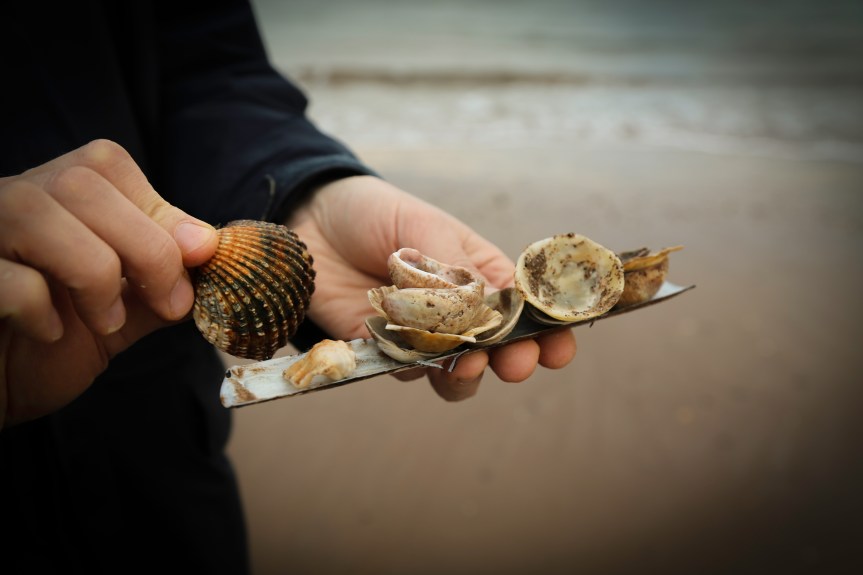
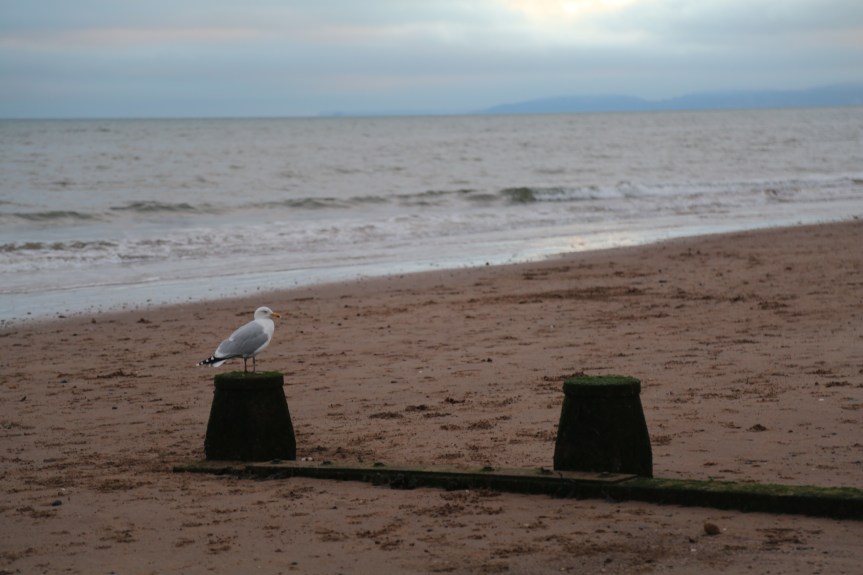
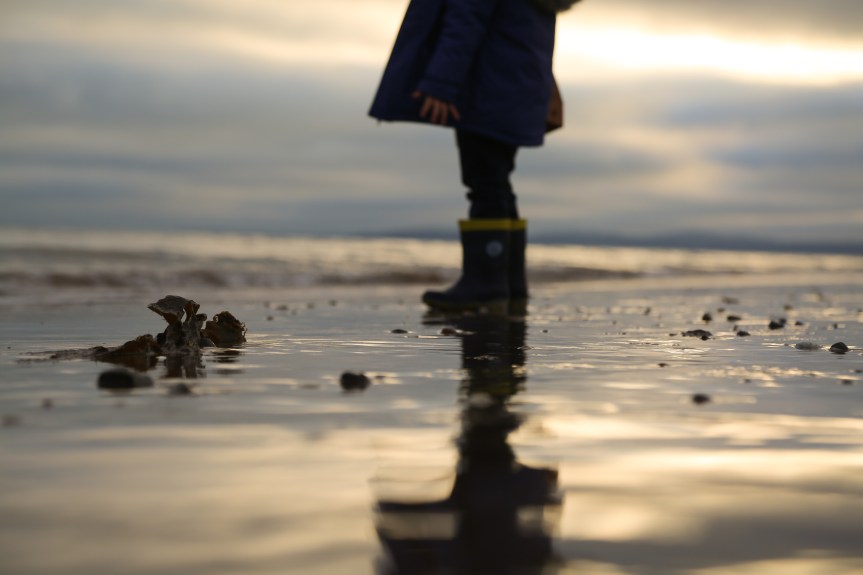
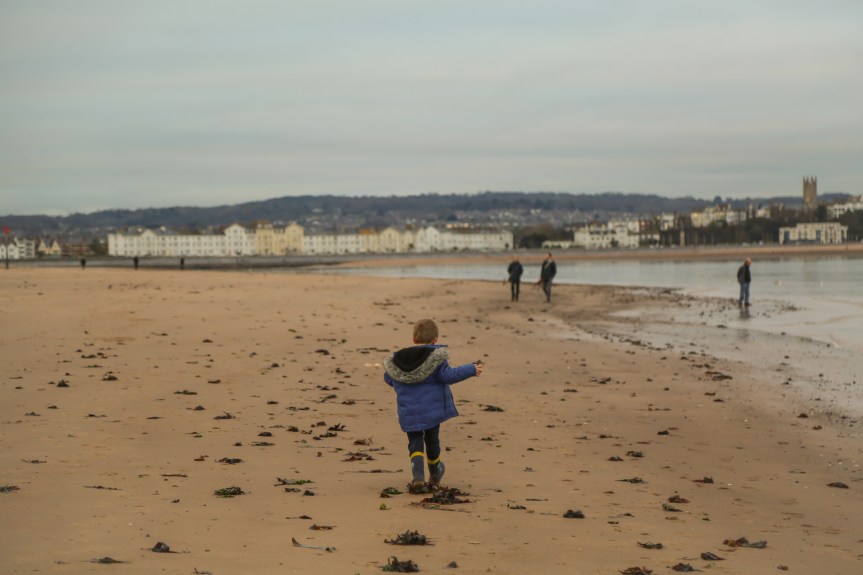
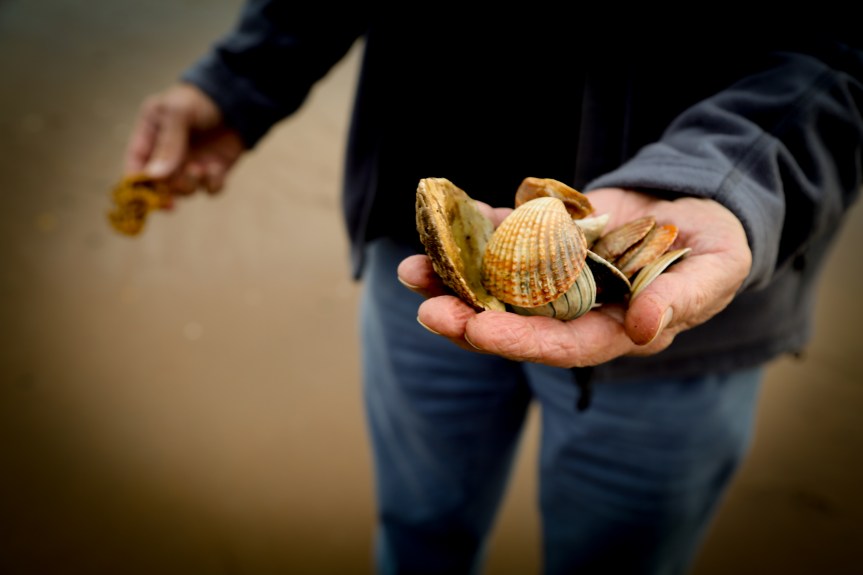
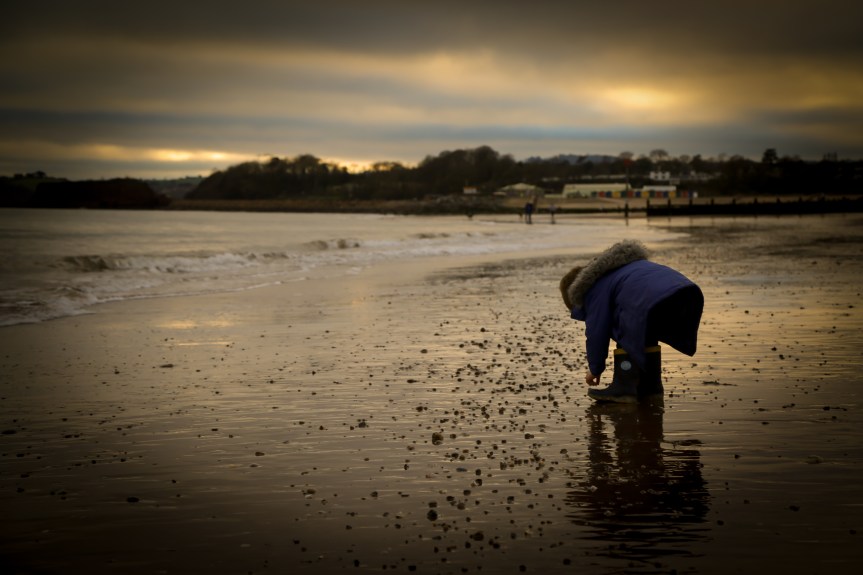
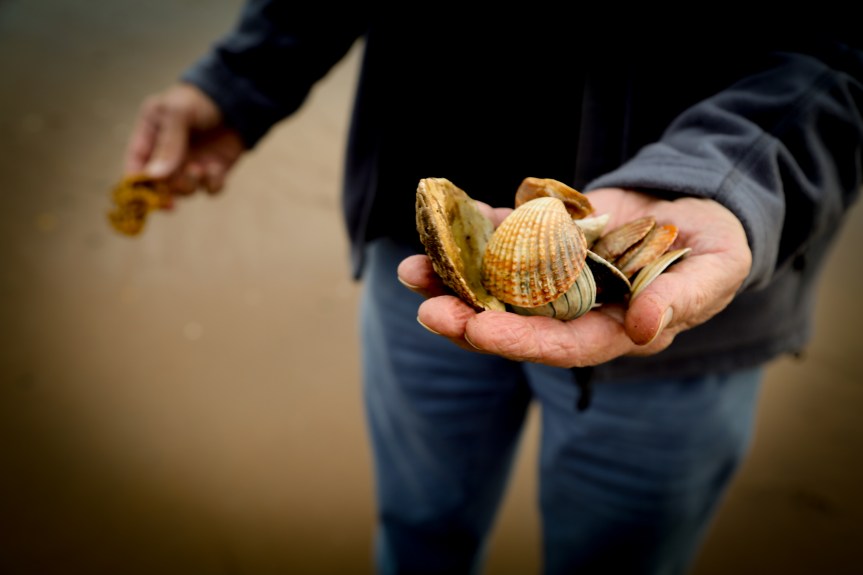
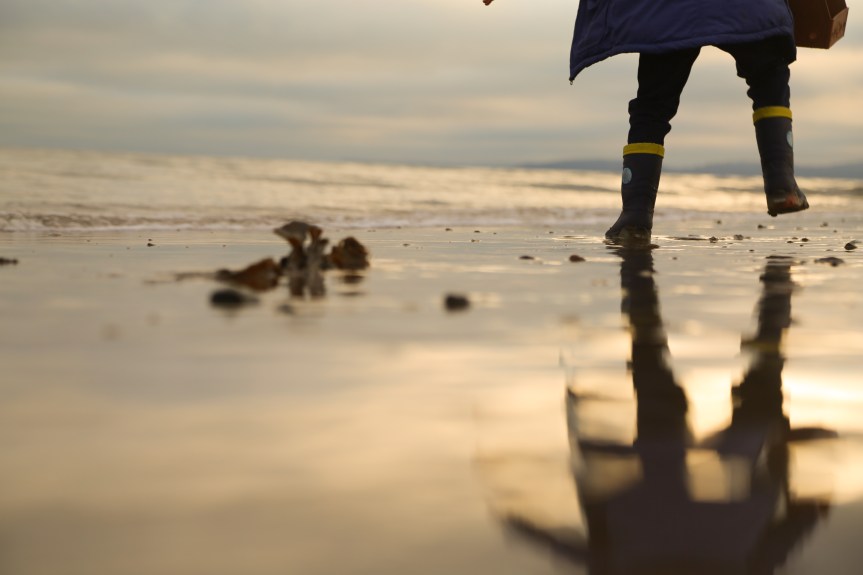
We live in a world that rightly so encourages us to read a lot to our children but research confirms that it’s best for our children when we read books with our own experiences in mind and we continuously make connections between the world on the page and the world around us. So slow down when you read, don’t rush with simple ‘What’s this?’, ‘What’s that?’ but have a conversation with your child, smile, make eye contact and ask open questions such as ‘What did you like most about going to the beach?’, ‘What would have happened if you hadn’t had your wellingtons on your feet?, ‘What was daddy doing over there? And what was grandpa doing?’. For language development ‘the doing’ is as crucial as naming objects. When you talk to your child make sure that you use many verbs (for some reason we like to focus on nouns only) as they help your child build sentences and aid storytelling. This book below is brilliant and I wish we had read it and talked around it (with verbs) when my son was smaller. It is a great introduction to various themes and topics and a great memory trigger. I strongly recommend it for those of you who speak Italian at home.

6J8A01956J8A0196

Disclaimer: This is not a sponsored post. I recommend the book out of my sheer appreciation for it.

If you’d like this post, please share it.

Merci!

Dawlish Warren_Postcards 6 (1 of 1)Dawlish Warren_Postcards 3 (1 of 1)Dawlish Warren_Postcards 5 shells (1 of 1)Dawlish Warren_Postcards 4 sand (1 of 1)Dawlish Warren_Postcards 2 (1 of 1)Dawlish Warren_Postcards mare (1 of 1)Dawlish Warren_Postcards 1 (1 of 1)


Dear Readers,

Thank you for popping to Postcards Without Stamps and for sharing in thoughts and experiences. I hope that you have had a wonderful Christmas break and that the New Year 2018 will be magical for you!

Sending you a multitude of good thoughts and loads of good energy!

With love,

Alicja

Walking

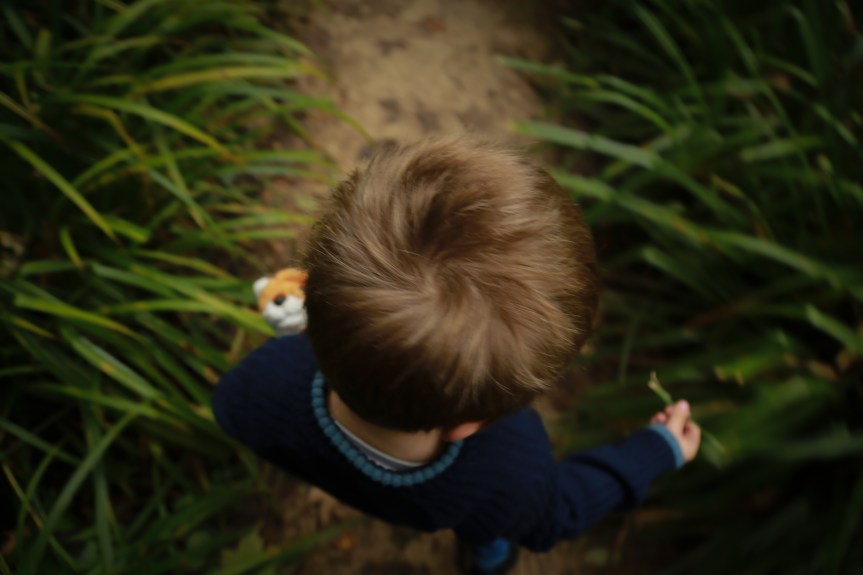
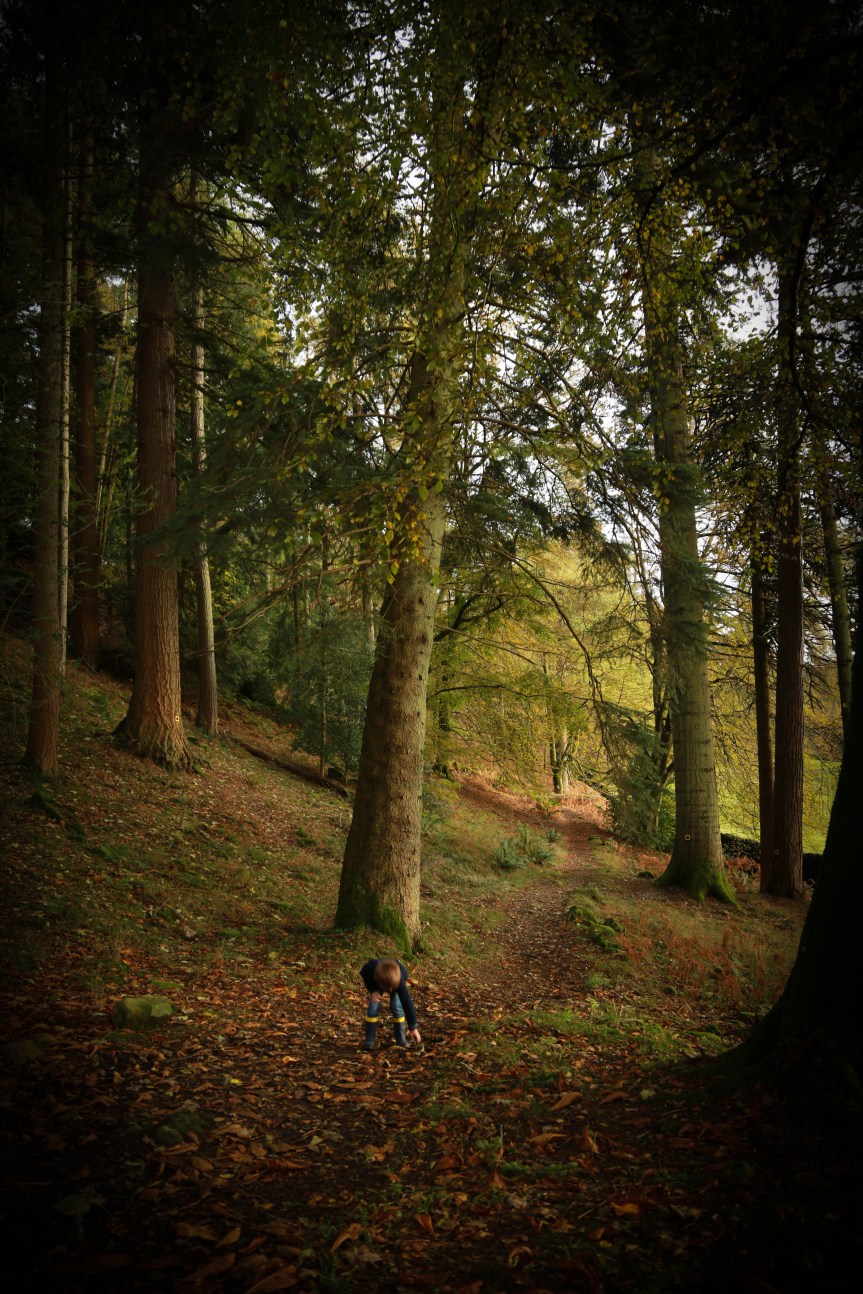
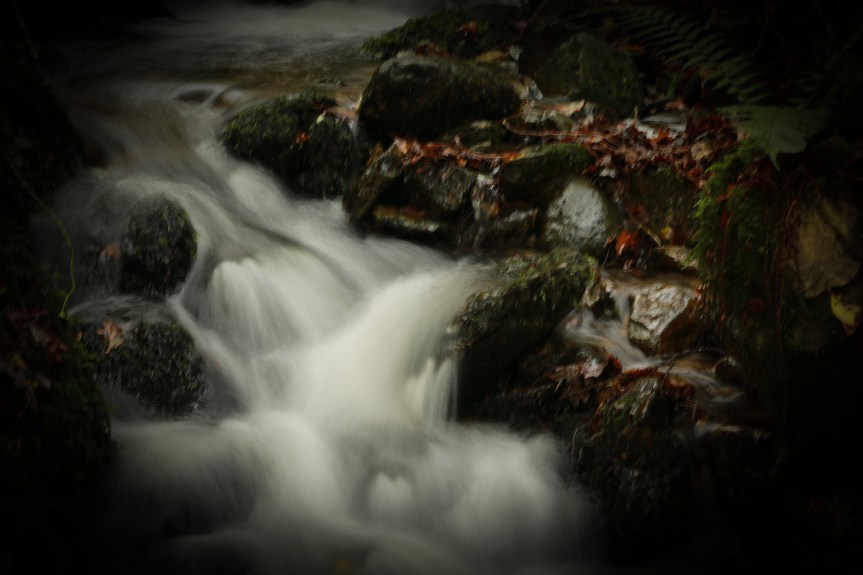
walking (1 of 1)walking2 (1 of 1)stream (1 of 1)

“Go outside. Don’t tell anyone and don’t bring your phone. Start walking and keep walking until you no longer know the road like the palm of your hand, because we walk the same roads day in and day out, to the bus and back home and we cease to see. We walk in our sleep and teach our muscles to work without thinking and I dare you to walk where you have not yet walked and I dare you to notice. Don’t try to get anything out of it, because you won’t. Don’t try to make use of it, because you can’t. And that’s the point. Just walk, see, sit down if you like. And be. Just be, whatever you are with whatever you have, and realise that that is enough to be happy.
There’s a whole world out there, right outside your window. You’d be a fool to miss it.”
― Charlotte Eriksson

“Many people nowadays live in a series of interiors…disconnected from each other. On foot everything stays connected, for while walking one occupies the spaces between those interiors in the same way one occupies those interiors. One lives in the whole world rather than in interiors built up against it.”
― Rebecca Solnit, Wanderlust: A History of Walking

On education and schooling

6J8A1210


This September the school bell rang for my son for the first time and since then our life has started to revolve around school and education. So far we are managing well and so far we’ve been happy about it. That said, school life can be a source of anxiety for parents and children I can be a very anxious parent but I have learnt that my son does not thrive with my anxiety (who does?). It’s the positive and optimistic sort of leadership that carries him through transitions. It’s not about dismissing his fear, but about giving him a reassuring smile and many, many words of comfort. What helps me as a parent is the reminder I give to myself that education does not start or end at school. It happens with every human connection that we make.

Have you watched Tea with Mussolini, a film by Franco Zeffirelli? The film is about a group of cultured ladies who meet for tea somewhere in Florence and who take it upon themselves to raise and educate a young boy called Luca. Luca is lucky. Not only because there is an artist, a singer and an archeologist among the women, but primarly because there is a great sense of duty, companionship, trust and care shown by the women, and the conviction that they can raise the boy up well if they do it together. Following the ladies and joining them in their pursuits and favourite pastimes, the boy receives an exemplary education. The ladies are not trying to create or recreate any educational system. They are just themselves and they show the boy what they love most themselves. In that way they become the most convincing teachers the boy could possibly have.

Seth Godin, an American author and entrepreneur (being interviewed by Marie Forleo in an incredibly interesting interview that you can find here), asks questions about the purpose of schooling and explains what satisfies his idea of good and useful education: “Coming home with straight A’s is fine, I’ll accept that, but what I’d rather have you do is come home and tell me something amazing that you learned in the spirit of doing something good for someone else, come home and tell me some really dramatic failure that occurred as you were trying to solve an interesting problem.” It’s not the knowledge that’s given on the plate but the one that’s gained through engagement and experiences that is emphasised here. Unique to each human being. Proportional to the involvement each of us has in every small little task we encounter through life.

Of course, this is just a short note on the vast topic of education and I am not making a breakthrough here, but I really love what Seth Godin had to say and I love when communities take responisbility for educating children too. Schools cannot do it on their own.

Do you feel the same?

Lace-making in Cogne, Aosta, Italy

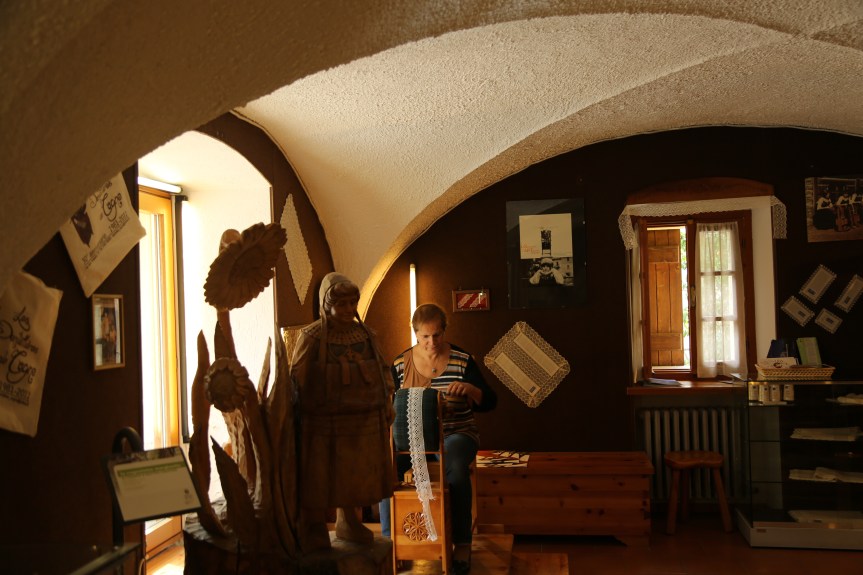
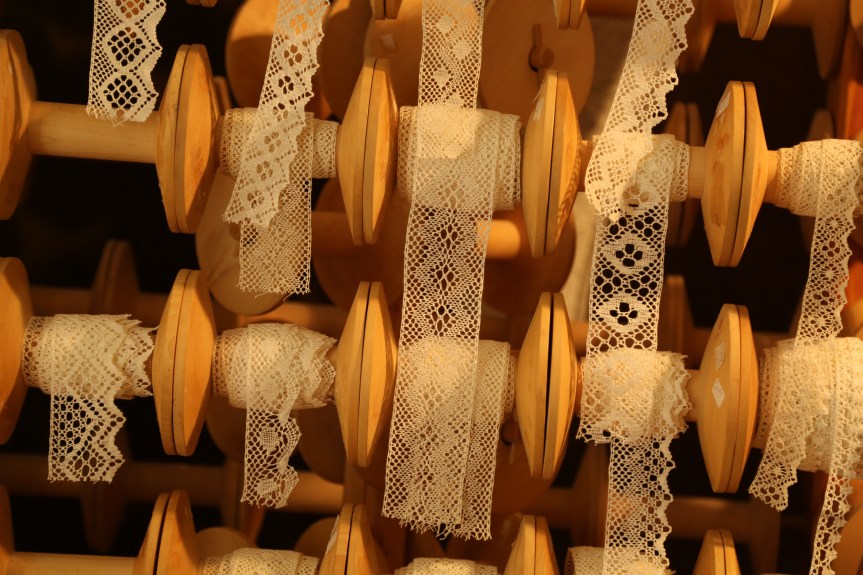
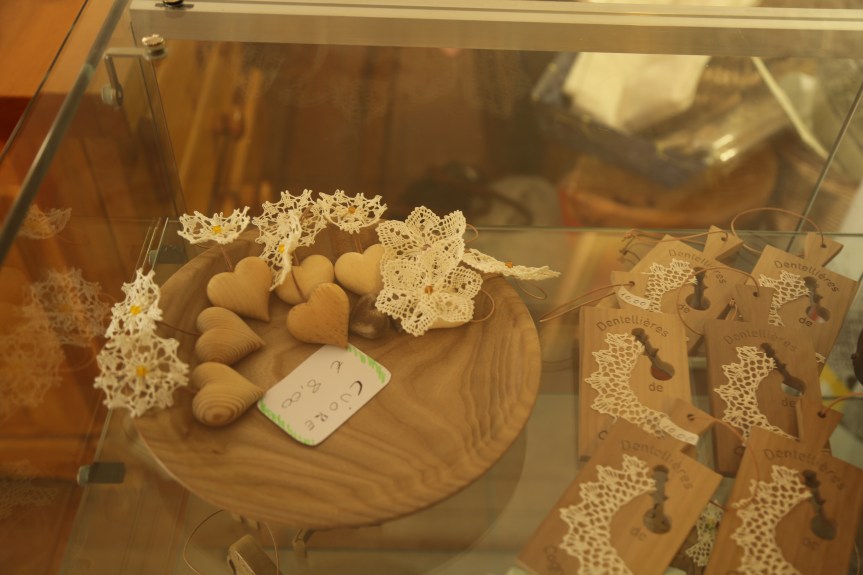
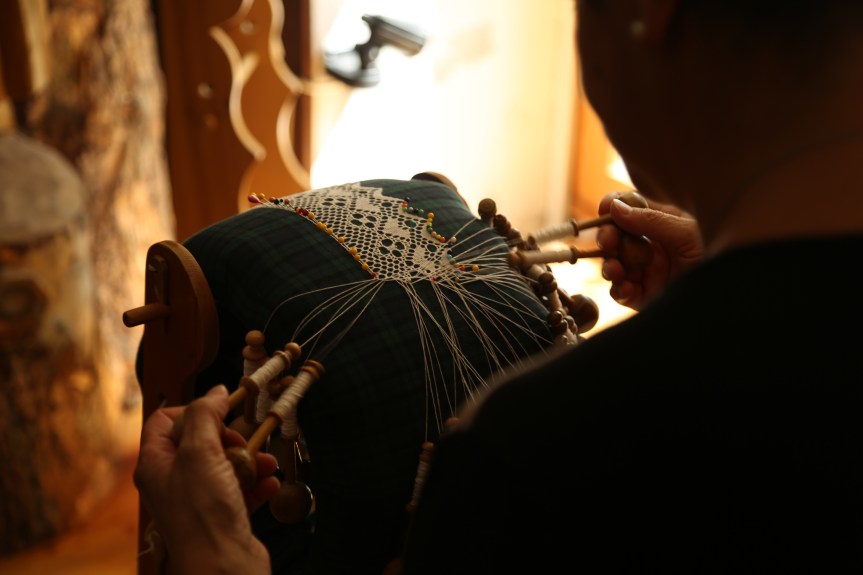
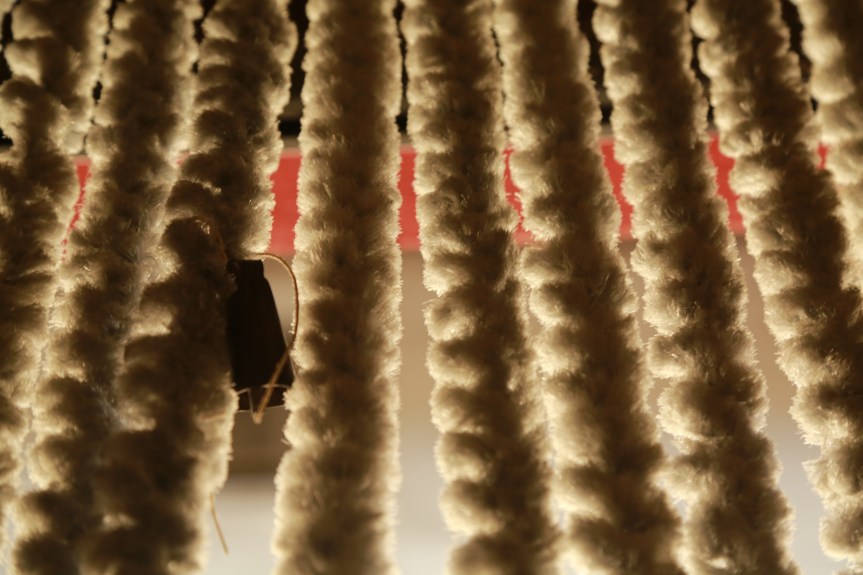
In the region of Aosta in North West Italy there is a small place called Cogne fairly far up (at 1500m altitude) an alpine valley of the same name (from where one can explore the wilderness of the Gran Paradiso national park). In Cogne there is a small museum of lace-making next to the church. I was inspired by the place and hope you will be too. You can read about this very precious lace-making tradition in Cogne on the official tourist webiste for Aosta Valley here.

6J8A94556J8A94426J8A94406J8A94456J8A94526J8A9424

Do you want to give it a go?

6J8A9373