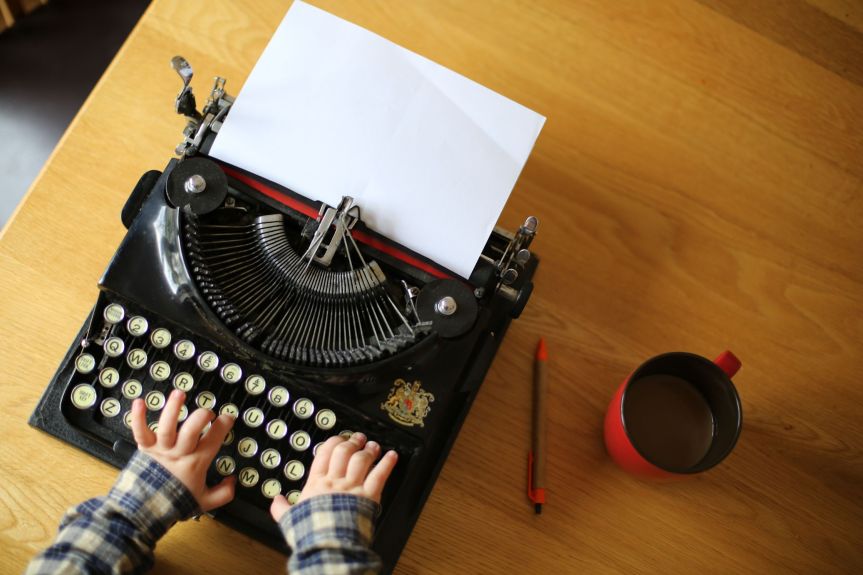
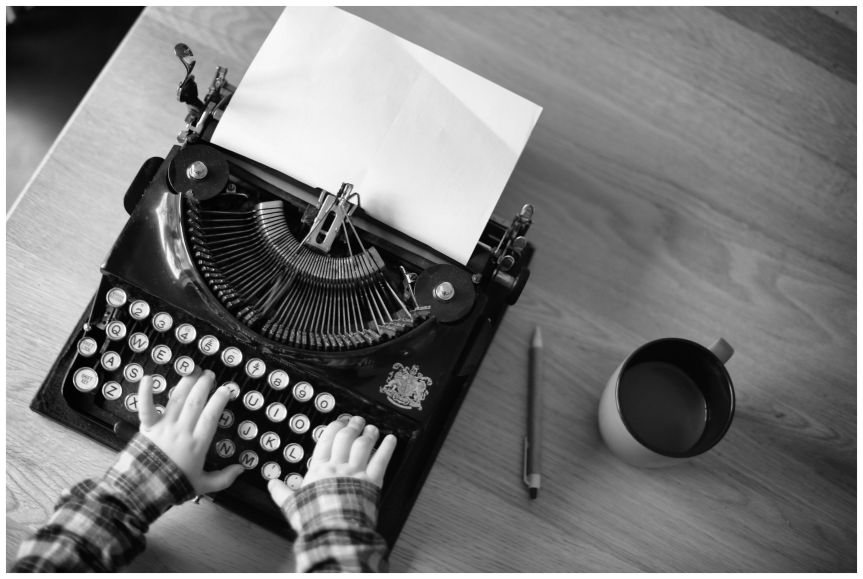
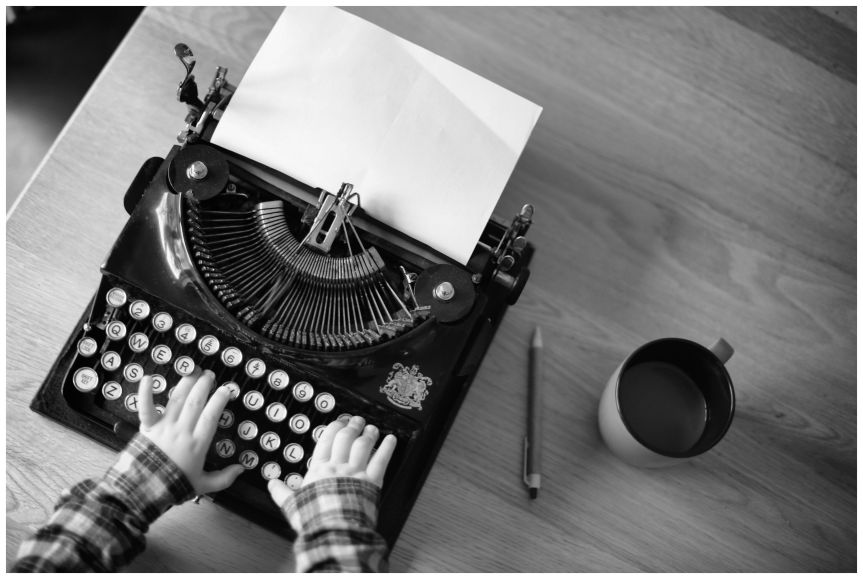
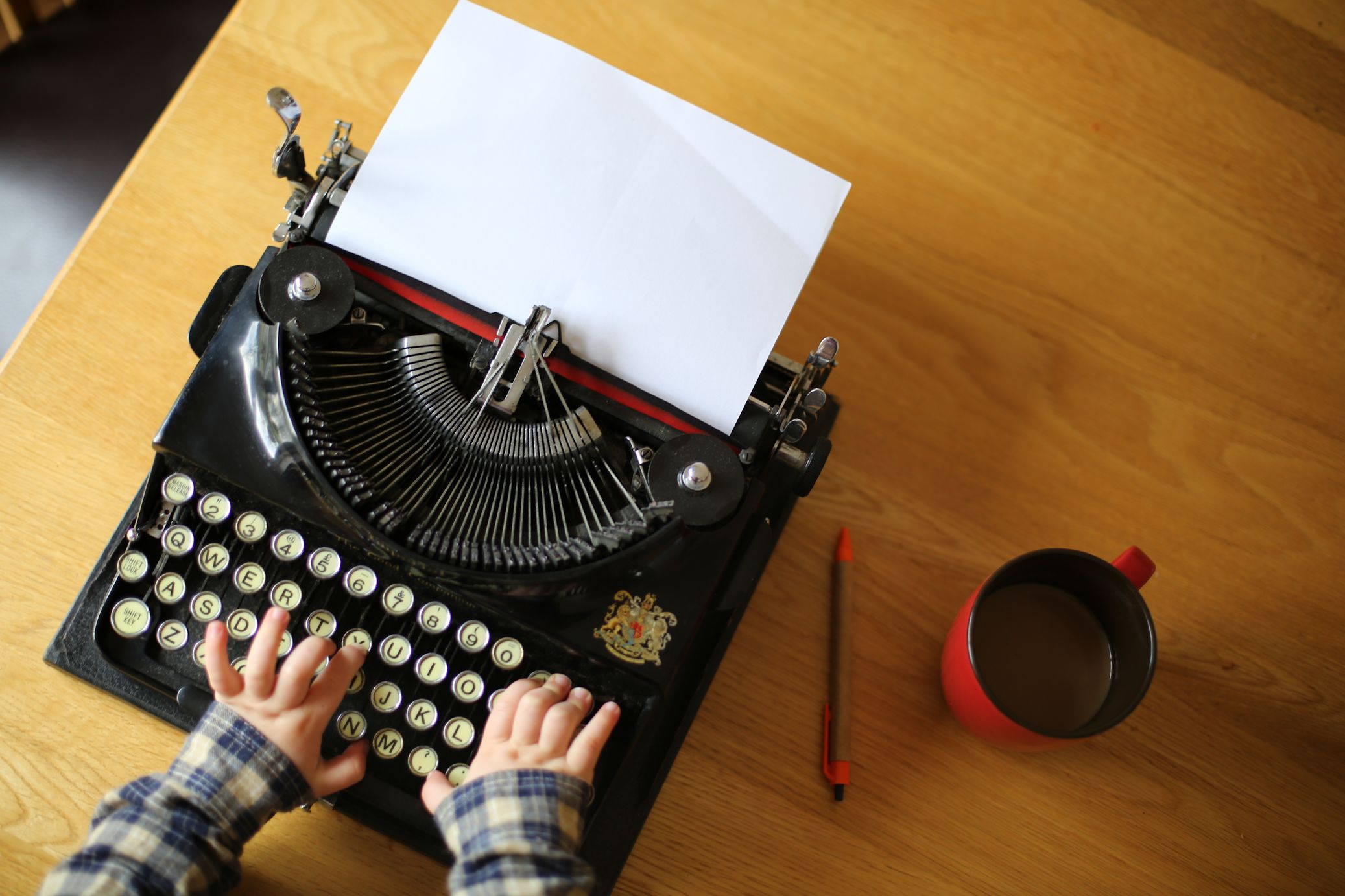
 In the corner of my mum’s attic there is an old sewing machine which is waiting to be transported to our house. It belonged to my grandmother and I can easily recall its clicking sound and the image of my grandmother’s hands bowed over it with a piece of navy blue fabric that she would use to sew a dress for one of her many granddaughters. I know that soon this sewing machine will take a prominent place in our house; somewhere between my desk for reading and writing and next to this vintage typewriter that once sat in a little closet in my husband’s childhood home, to remind me of all the things that my now deceased grandmother exemplified: discipline, work, beauty.
With the Internet being full of different approaches to decorating houses, I have been for a while thinking if I have one. I have been drawn very much to the ideas encapsulated in the Japanese ancient philosophy of Wabi-Sabi, so beautifully pictured and described here and here by my two favourite bloggers. You will learn from these posts that Wabi-Sabi is about seeing beauty in imperfections, appreciation of the ordinary, and although I feel a strong affinity for it I know that it is not me entirely. It definitely speaks to my imagination, helps me forgive myself for not being perfect, and agrees with my non-consumerist approach to the many of life matters… but I mainly draw courage from our family histories… to answer my curiosity and calling just as the people before me had the courage to do it.
Our house stores a few objects that once functional are now primarily memories of our ancestors, of people who at some time were present in our lives. We are now left with pictures, photographs, books, an old butler (the piece of furniture, not the man servant). I think that we keep those things because what we value is continuity and we appreciate what has been attempted by them. Those objects represent their dreams, their aspirations and their qualities. Sources of strength. I am delighted to live with ghosts like these.
Sometimes I think that we fall into the trap of believing that we live in the golden age and that previous thinking, products, or actions somehow did not exist in the past or were totally inferior to the present. Can we really be so smug, but at the same time so insecure, about our contemporary skills and successes? I feel that the things that we choose to surround ourselves with have the capacity to both ease our insecurity and give us the perspective that a) we are part of a story that is longer than our lifespans and b) that our lives will also become part of someone else’s history.
Isn’t it a reason good enough to live a courageous and fulfilling life abundant with gratitude?



 Postcards Without Stamps